Fragile Deathtraps To Engineering Masterpieces
Star Wars ships have sparked endless debate among fans since the first X-Wing screamed across the Death Star trench in 1977, dividing the faithful between those who care about aesthetics and those who actually consider whether a vessel could survive ten minutes in real combat. The worst ships in the franchise earn that designation through some combination of terrible design choices, laughable combat effectiveness, or the kind of structural vulnerabilities that make you wonder what the engineers were thinking when they signed off on the blueprints. The coolest ships, by contrast, achieve icon status through sleek profiles, genuine firepower, or roles in moments that defined entire trilogies.
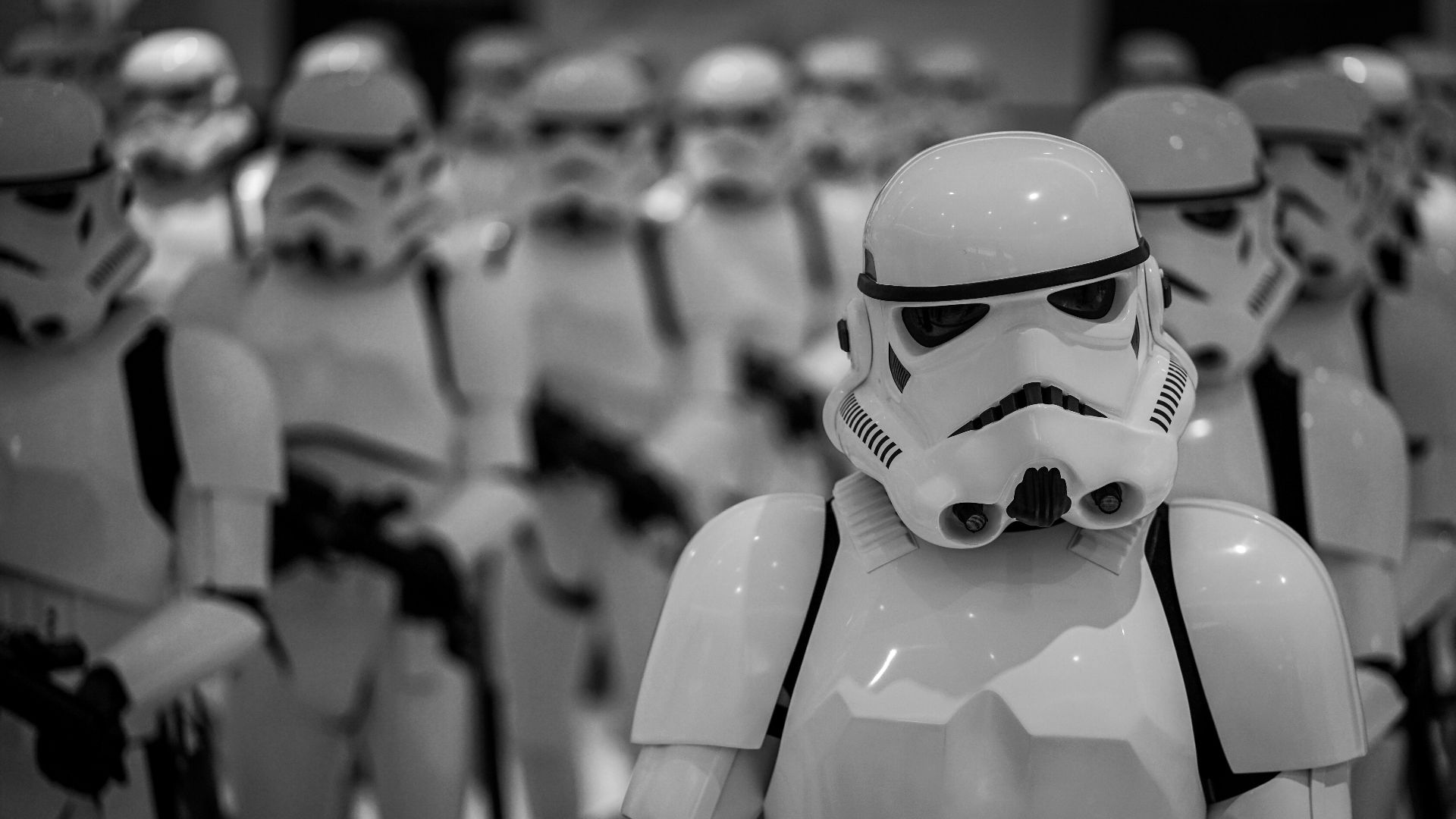
1. TIE Fighter
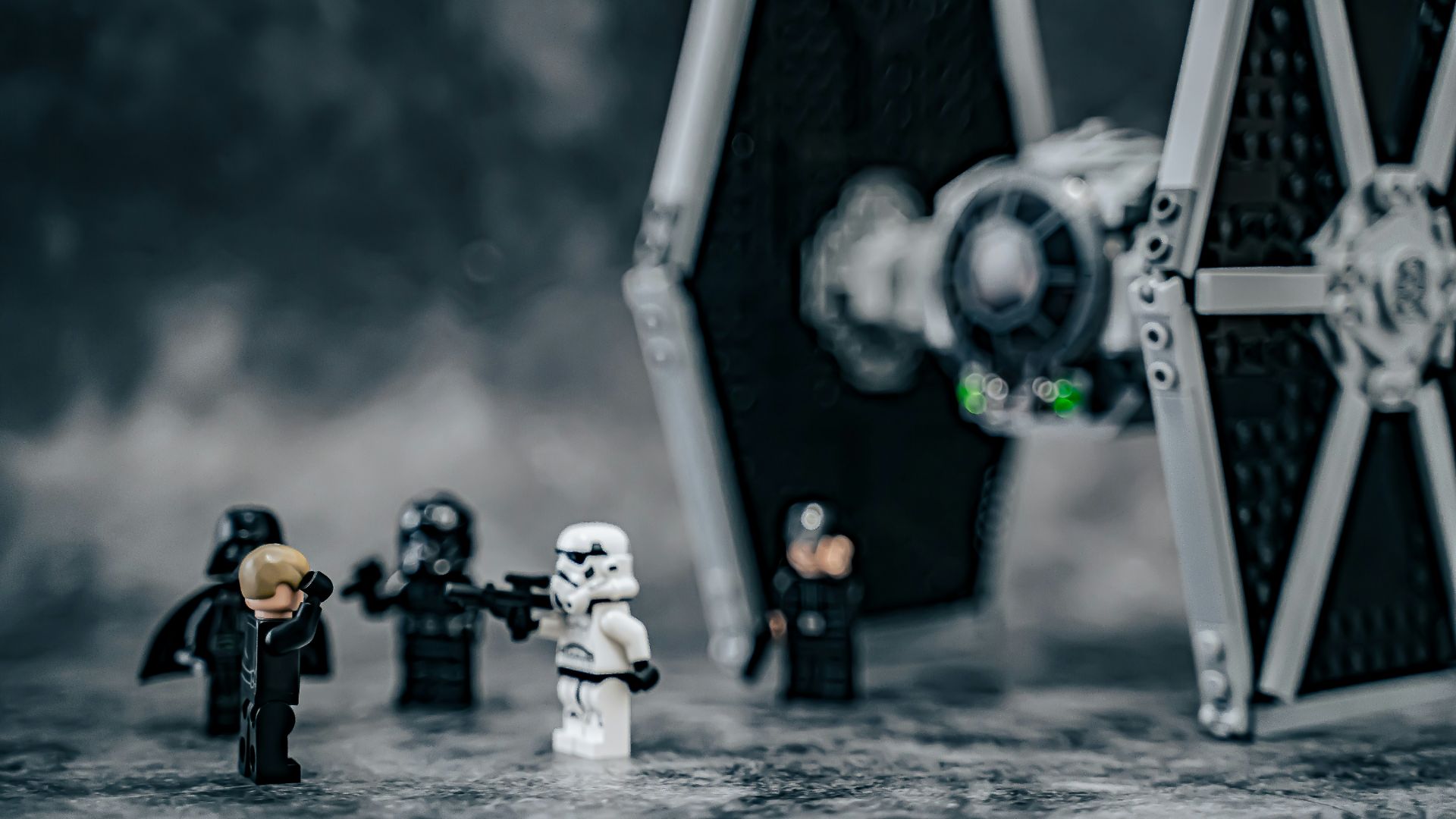
The standard Imperial TIE Fighter represents everything wrong with the Empire's approach to fighter design, prioritizing mass production and intimidation over pilot survival. These aircraft lack shields, carry no hyperdrive capability, and are equipped with solar panel wings that make excellent target practice for anyone with basic gunnery training.
 Pasqualino Capobianco on Unsplash
2. Y-Wing
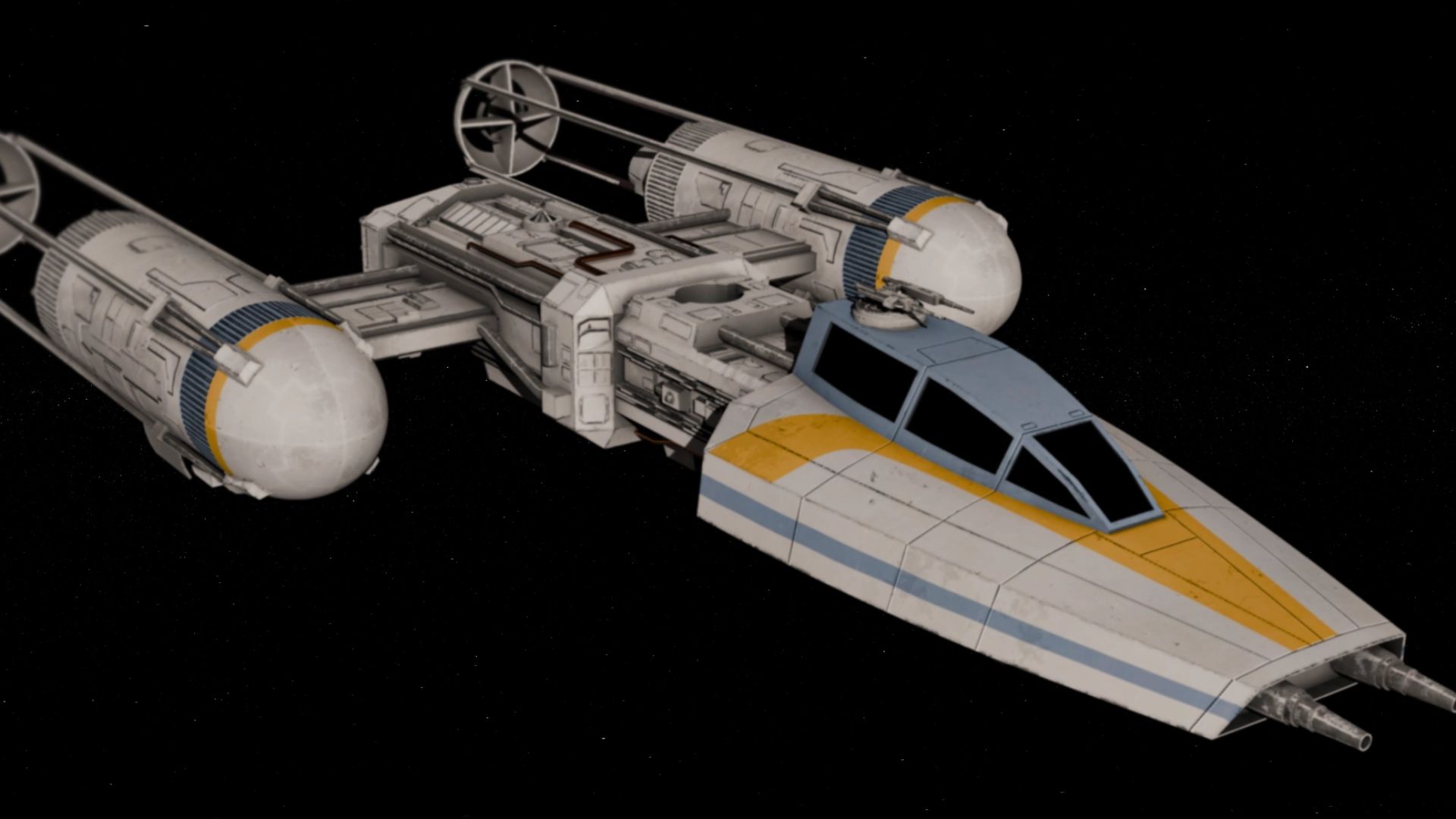
The BTL Y-Wing bomber earned its reputation as a workhorse during the Clone Wars, then spent the next two decades causing mechanical stress among the Rebel mechanics. The exposed engine components and jury-rigged repairs visible on most Y-Wings in active service suggest a ship that's been pushed well past its intended operational lifespan.
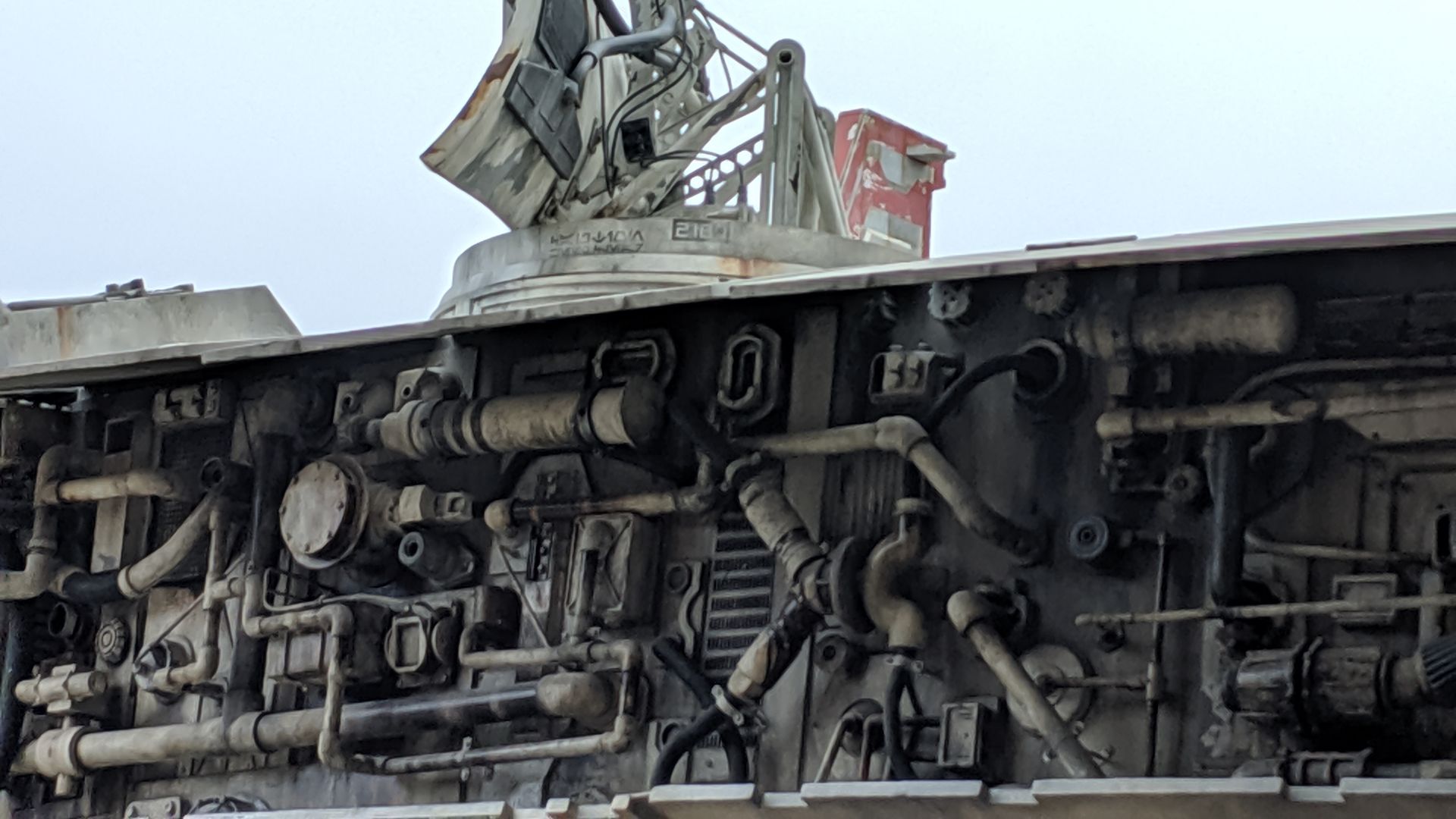
3. Gozanti-Class Cruiser
The Gozanti-class transport cruiser embodies utilitarian blandness, serving as the Empire's preferred method for moving TIE fighters and cargo. These ships get destroyed with such regularity in engagements that they've become the background casualties of any serious space battle, and they’re not even interesting to look at.
 Cory Doctorow from Beautiful Downtown Burbank, USA on Wikimedia
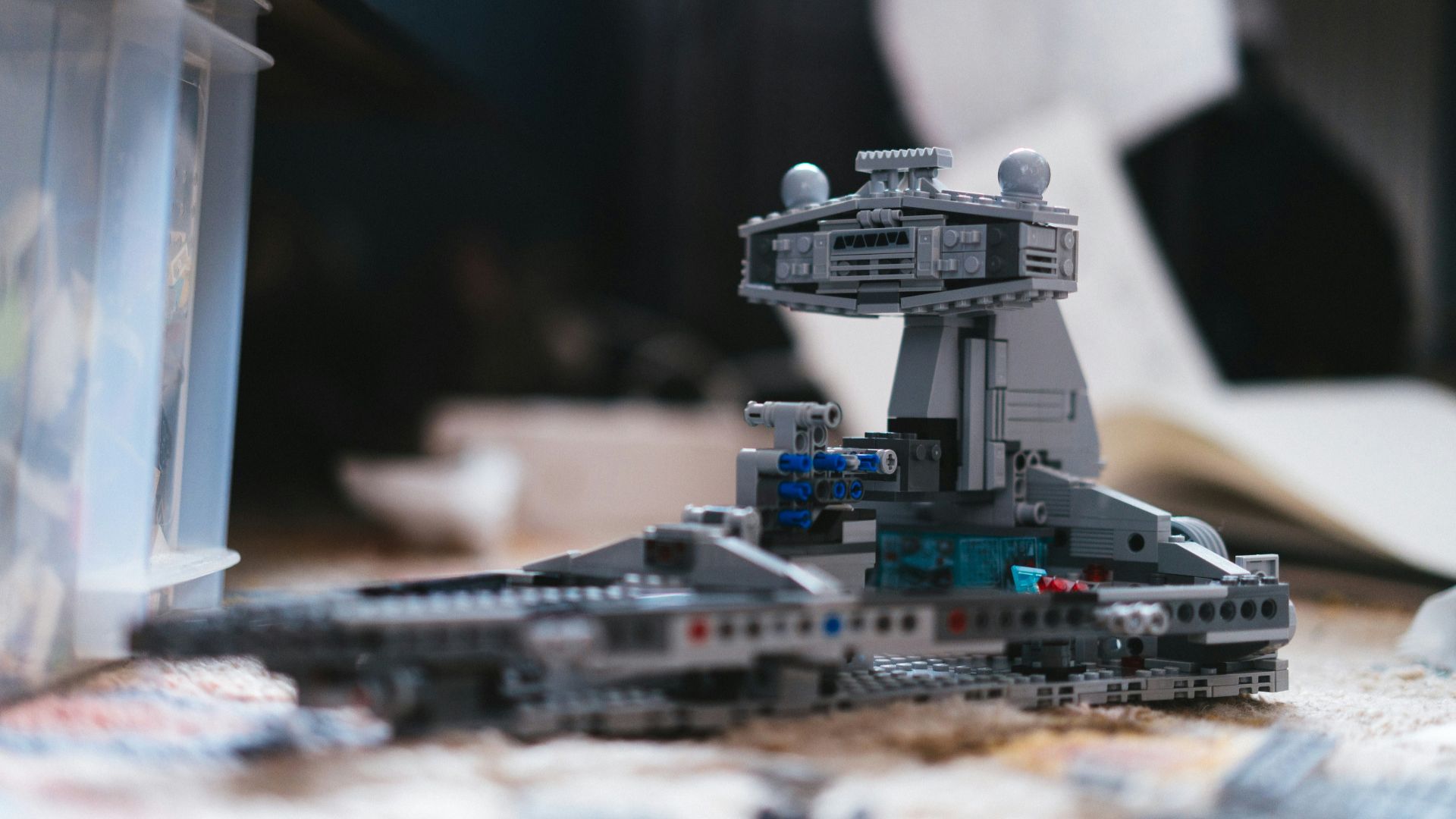
4. Nu-Class Attack Shuttle
The ungainly design of these republic shuttles almost suggests the engineers were working from leftover parts rather than a coherent vision. Poor handling characteristics in the atmosphere mean these shuttles work best… when they’re not in the air.
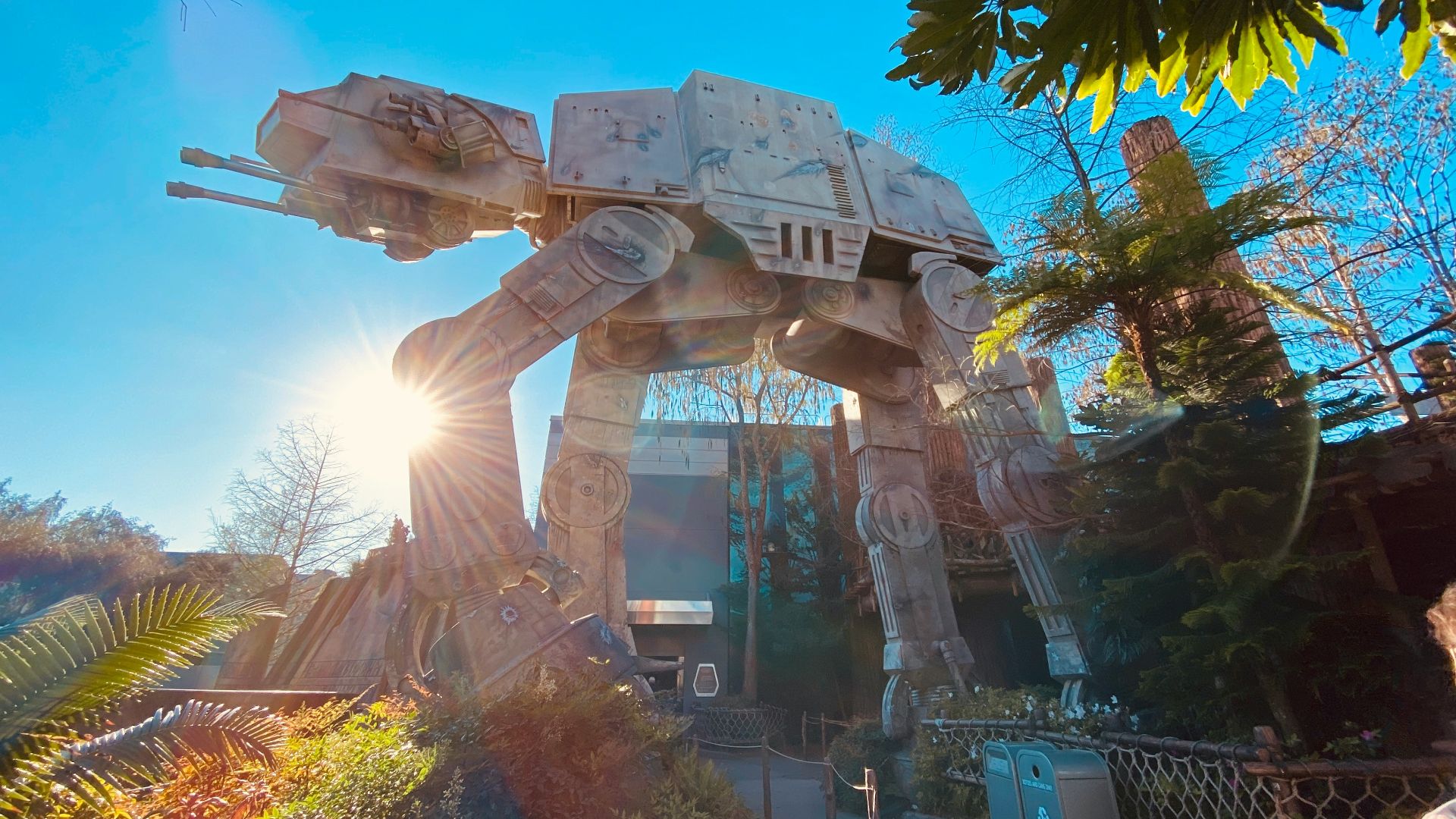
5. AT-AT
Including the AT-AT on a starship list requires acknowledging its hybrid status as a ground assault vehicle that operates in space-capable environments, and also admitting that Rebel engineers identified catastrophic design flaws within minutes of encountering one. The notoriously vulnerable leg joints turn these walkers into slow-moving targets once opponents figure out that tripping them renders tons of armor plating completely worthless.
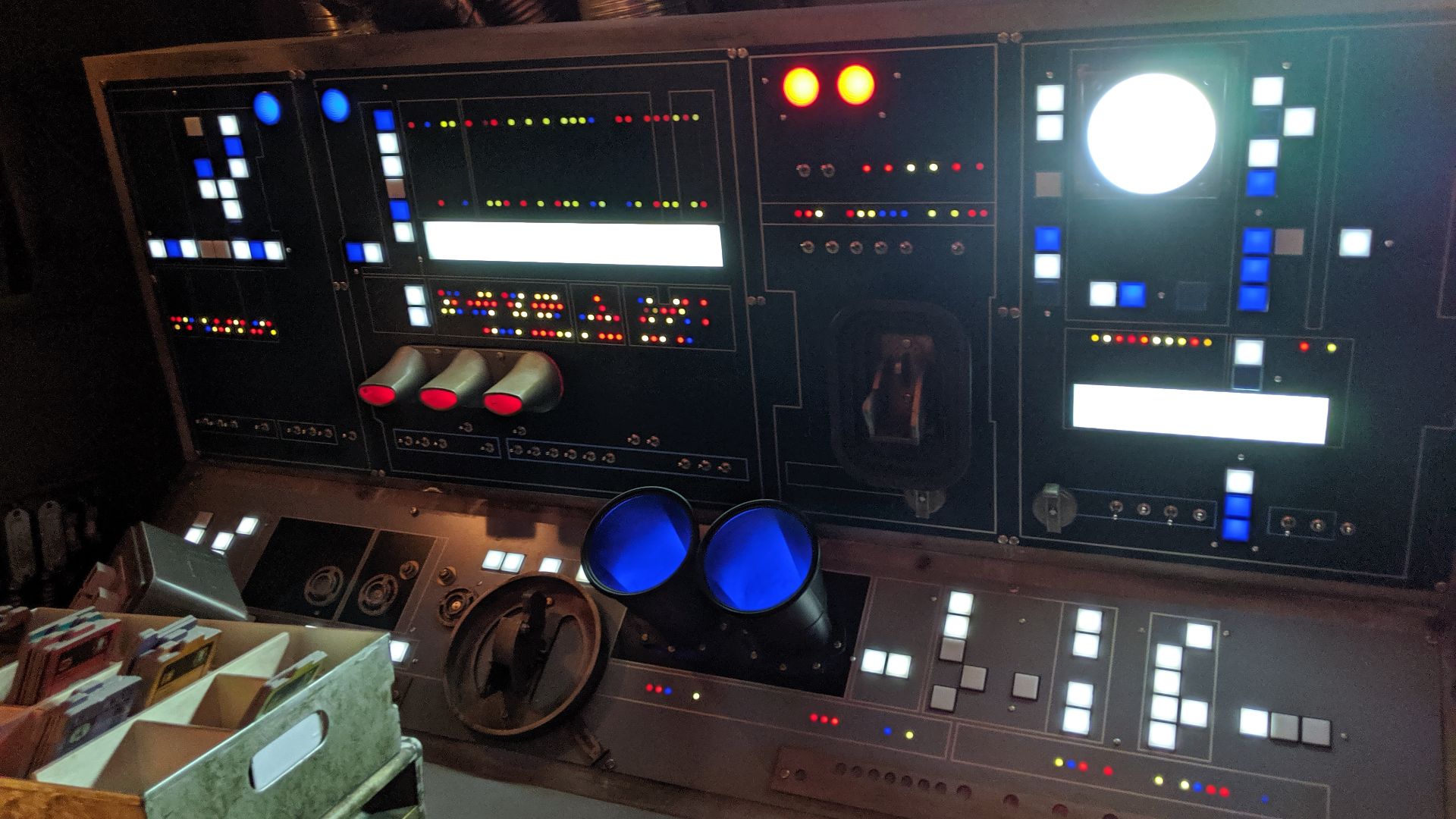
6. Trade Federation Battleship
These massive droid control ships were easily penetrated by a single fighter during the Battle of Naboo, which disabled an entire droid army. Its bulky profile and inefficient use of internal space made these battleships feel less like warships and more like a warehouse.
 Cory Doctorow from Beautiful Downtown Burbank, USA on Wikimedia
7. V-Wing Starfighter
The Alpha-3 Nimbus-class V-Wing served briefly during the transition from Republic to Empire, then vanished into obscurity. Imperial command quickly recognized that the design offered no meaningful advantages over existing fighters, making them forgettable even by the standards of background vessels.
8. Lambda Shuttle
Lambda-class shuttles feature exposed rear engines, minimal defensive value, and don’t look all that threatening anyway. These ships were so bad that they forced Imperial commanders to provide fighter escorts for what should be routine transport missions.
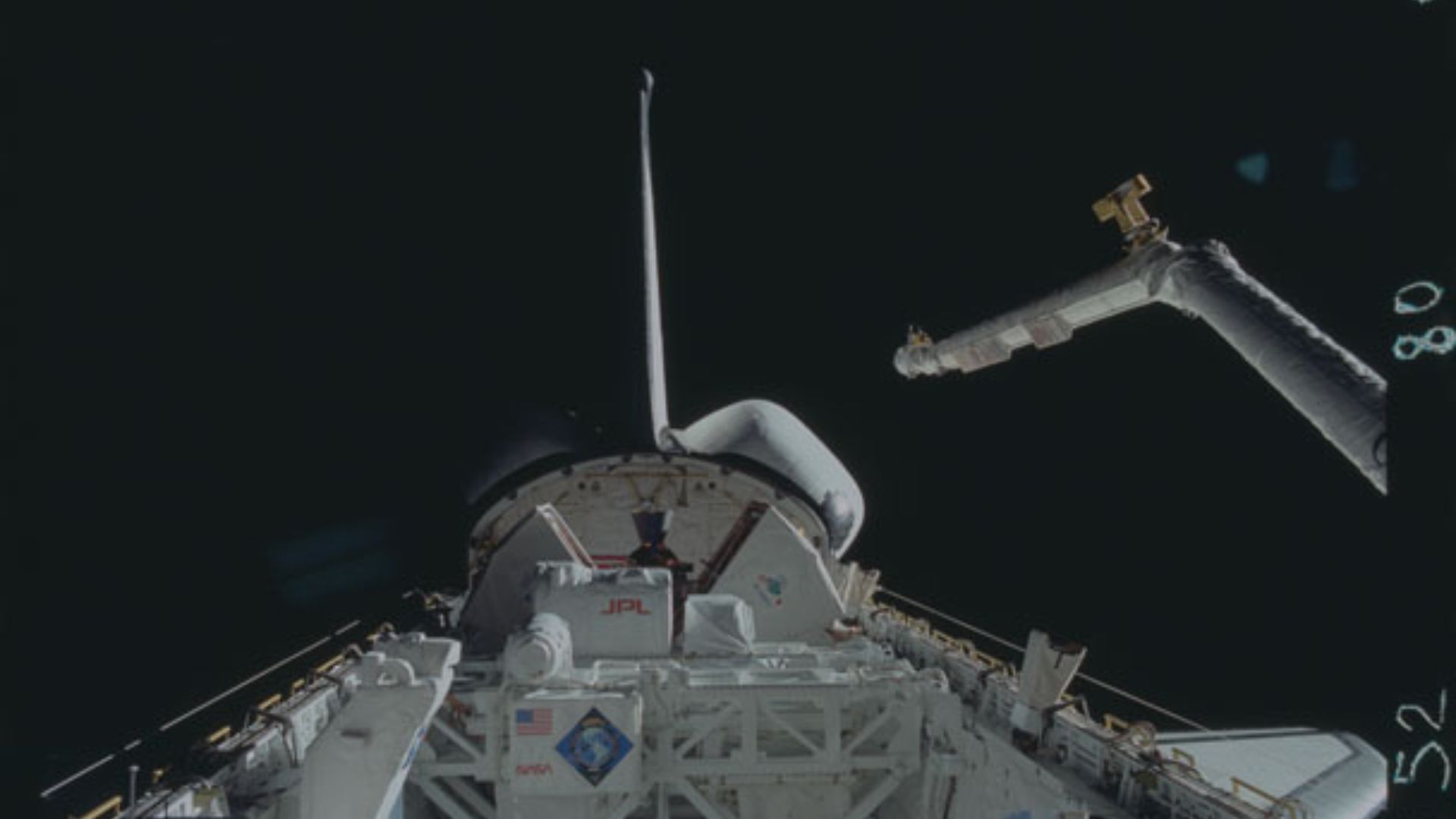
9. Scimitar Bomber
Scimitar-class bombers attempt to deliver heavy ordnance while moving at speeds that give defending fighters ample time to line up perfect attack runs. The payload capacity might impress in specifications, yet that firepower means nothing when the bomber gets shredded before reaching weapons range.
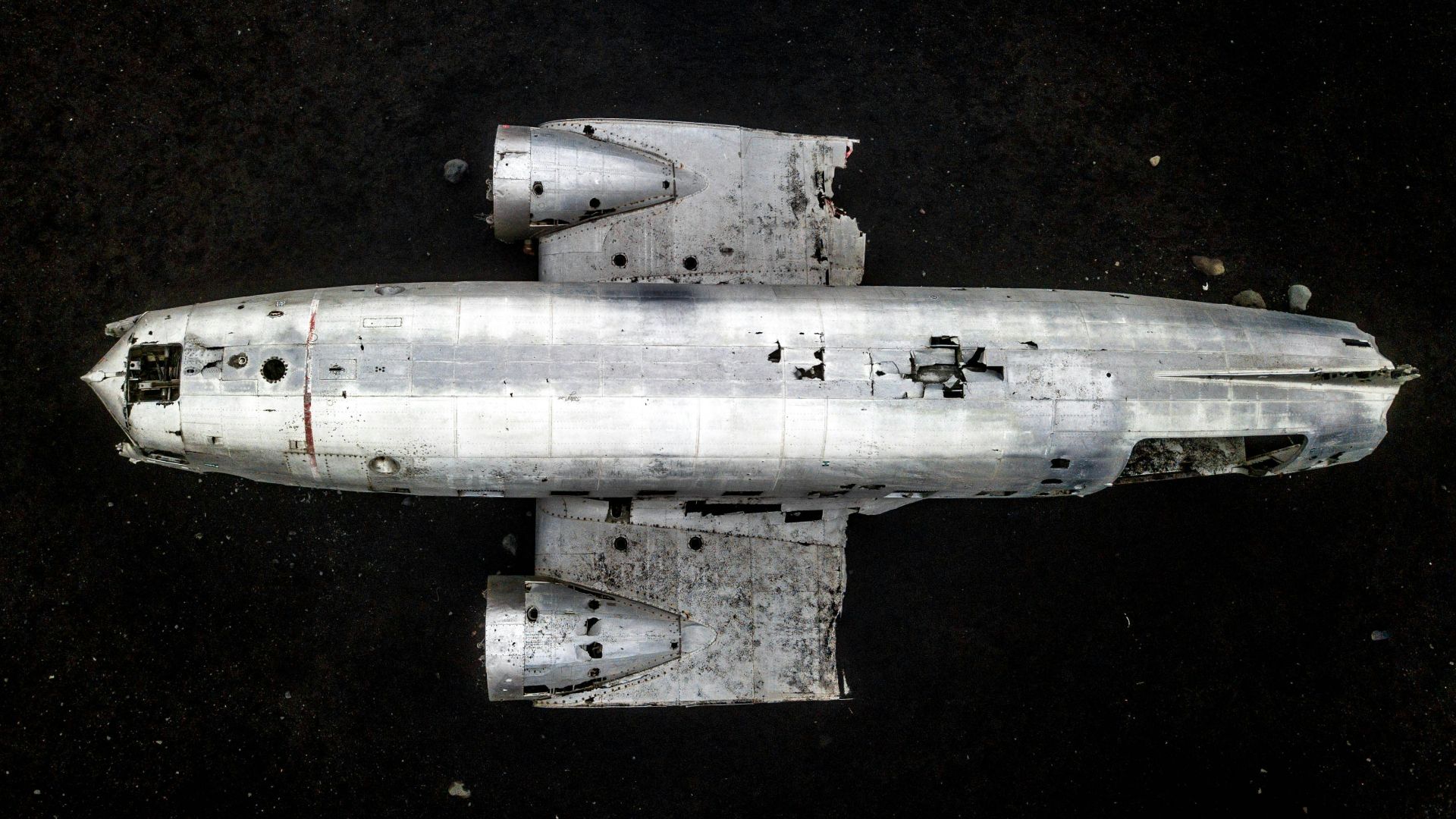
10. HMP Droid Gunship
Separatist HMP gunships carry impressive weapon loadouts for their size, then proceed to demonstrate why mounting heavy guns on a fragile airframe creates diminishing returns. The droid-controlled craft gets treated as disposable by Separatist commanders who recognize that survivability was never part of the design brief. Multiple direct hits from clone trooper blaster rifles can disable these gunships, suggesting that their armor is basically non-existent.
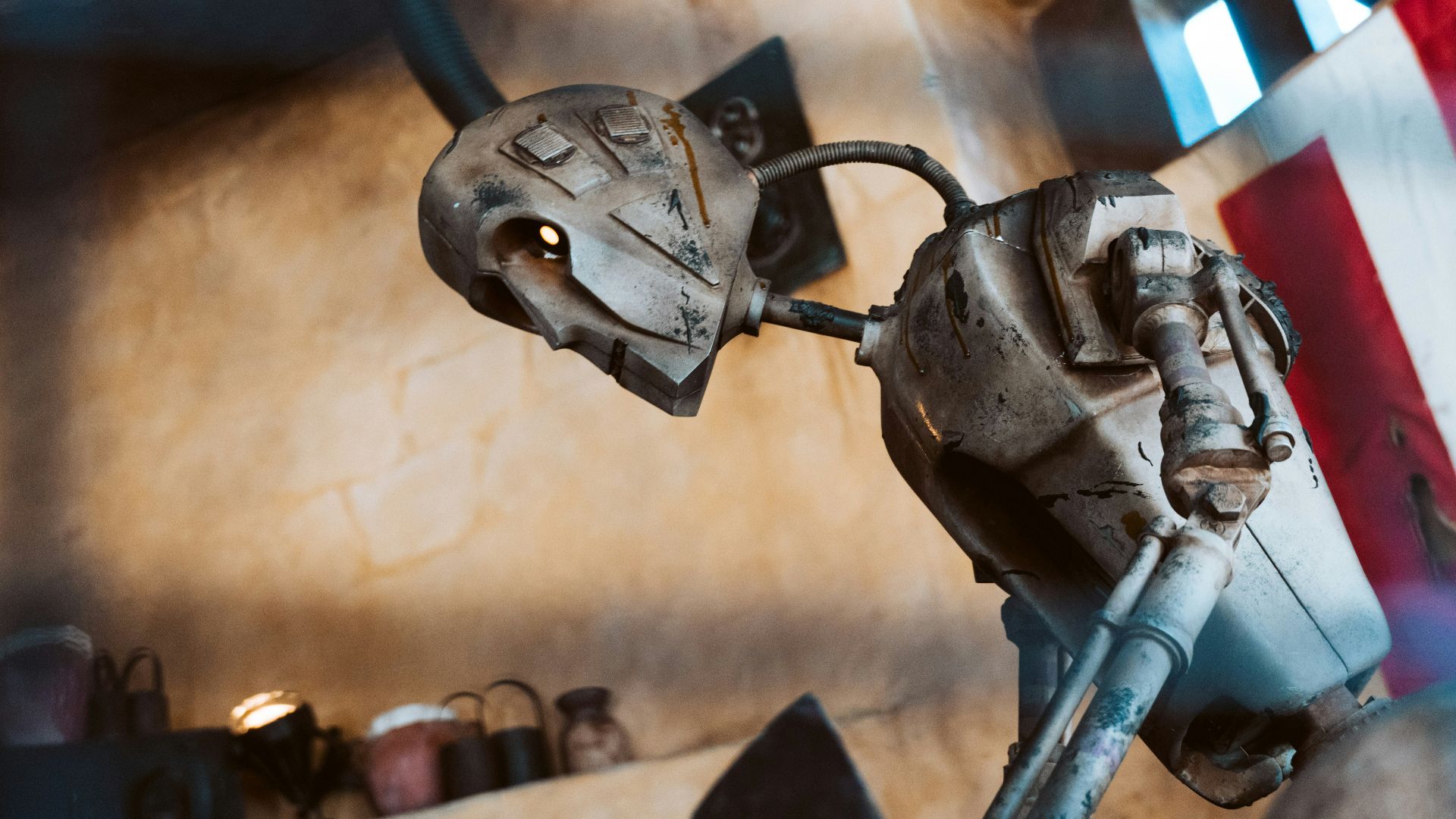
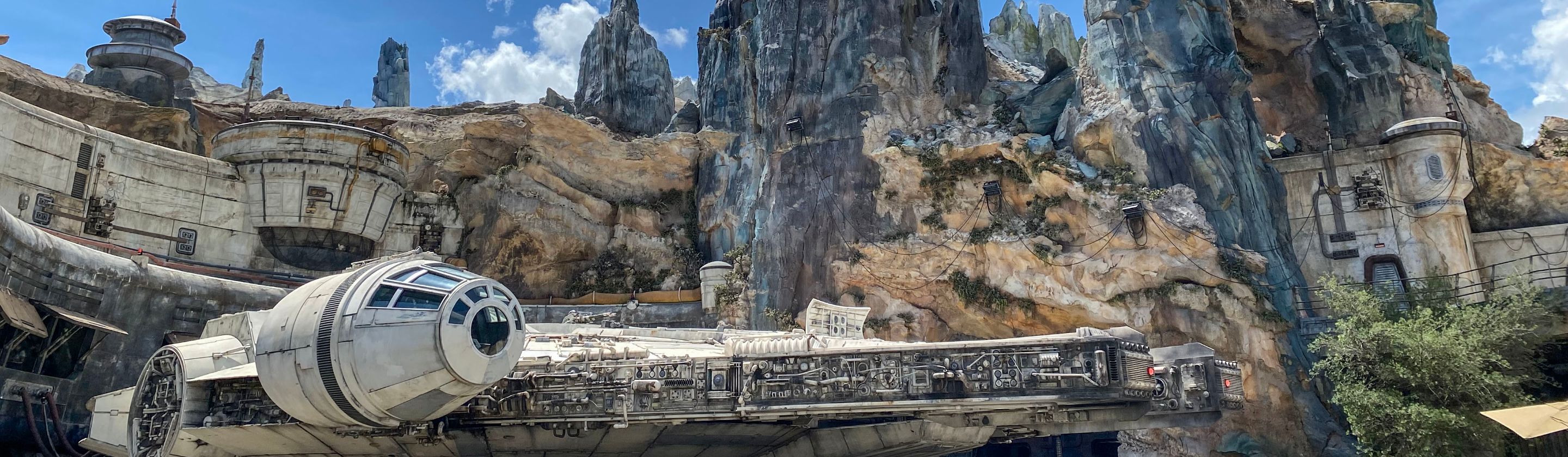
1. Millennium Falcon
Han Solo's heavily modified YT-1300 light freighter remains the ultimate smuggler's vessel, combining speed that embarrasses Imperial customs corvettes with hidden compartments and weapon systems that turn routine inspections into life-threatening encounters. Decades of patches, upgrades, and jury-rigged repairs have created something that looks like a flying scrapyard yet consistently outperforms any other ship in the galaxy.
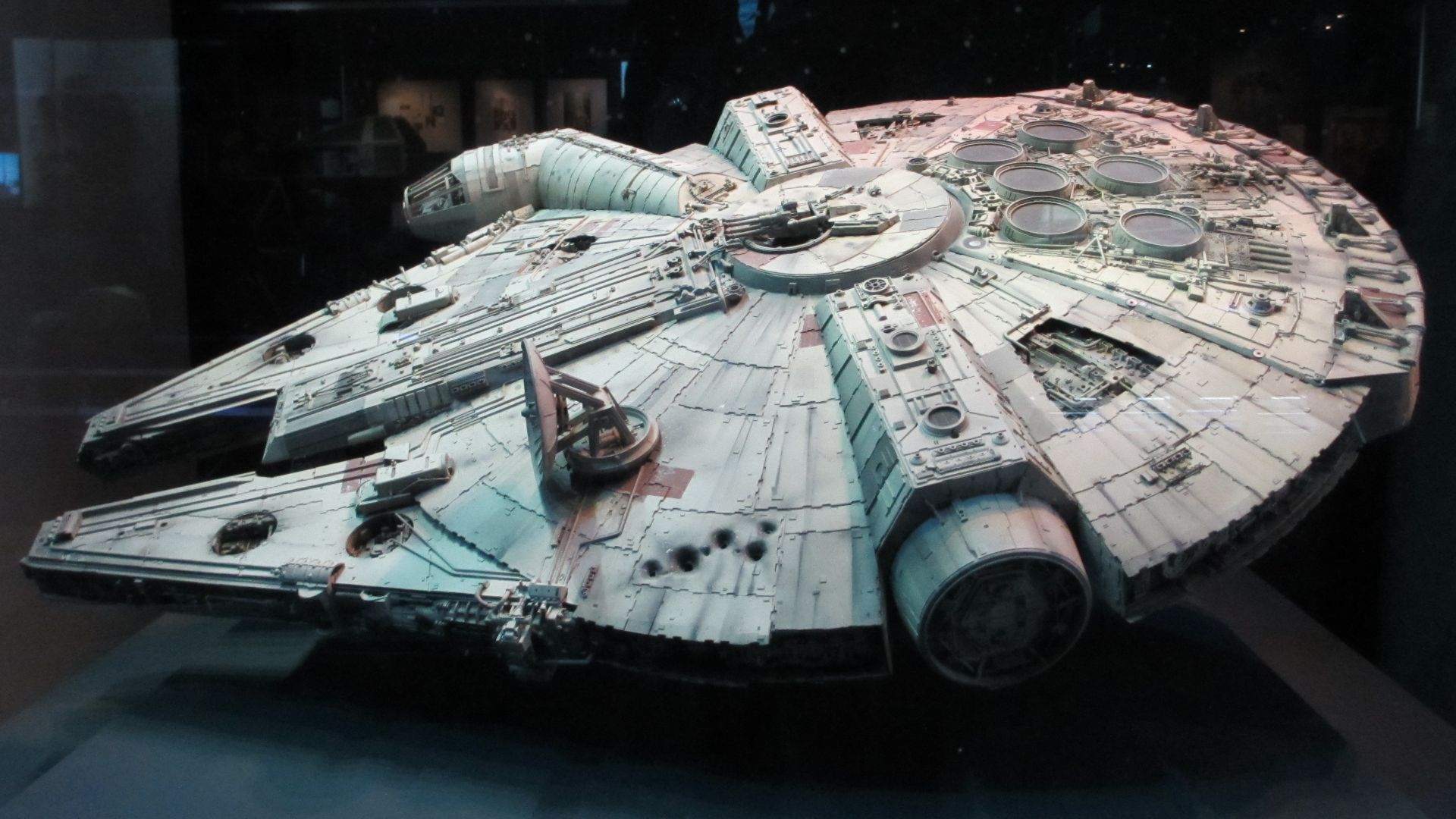 Mack Male from Edmonton, AB, Canada on Wikimedia
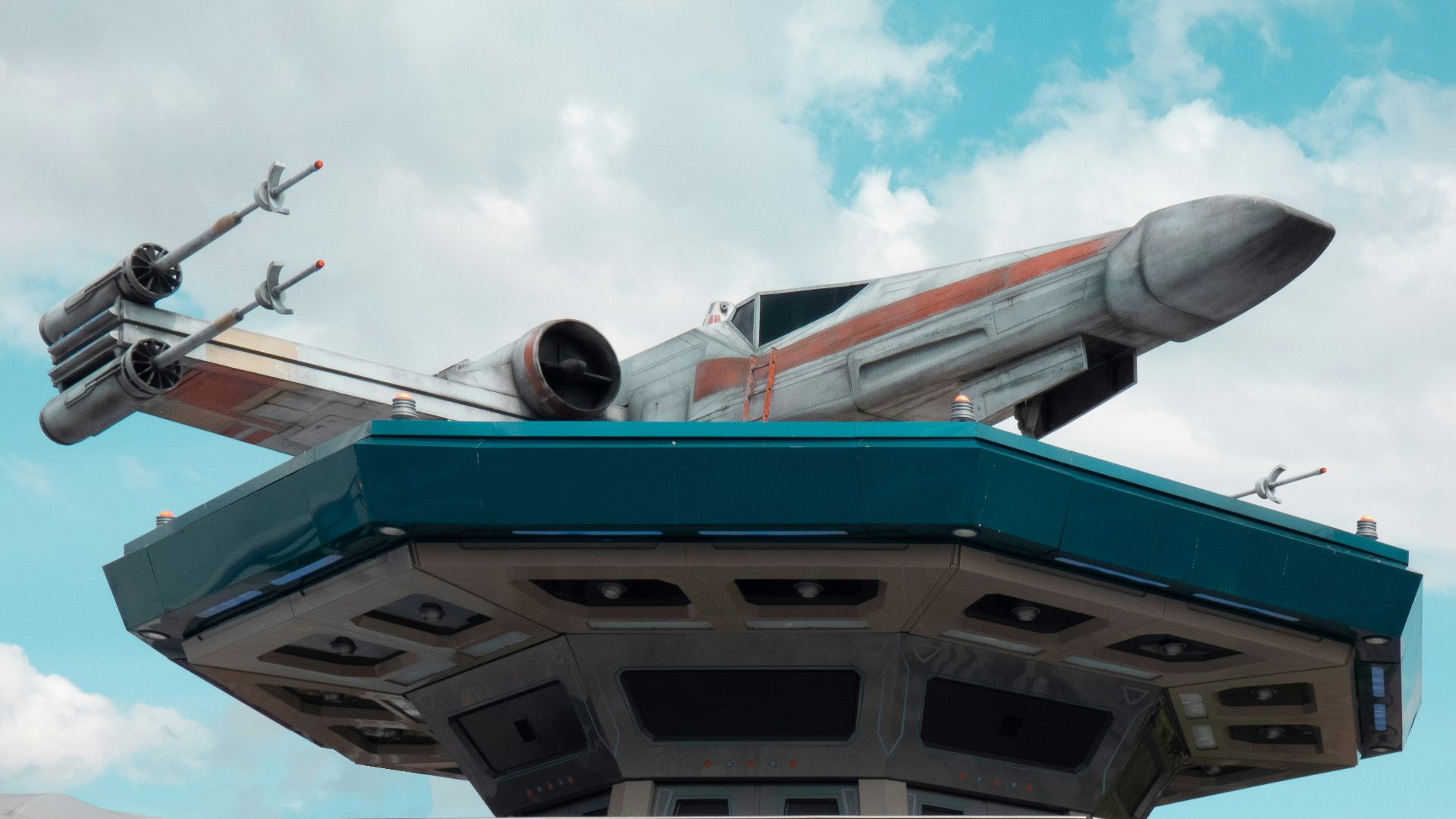
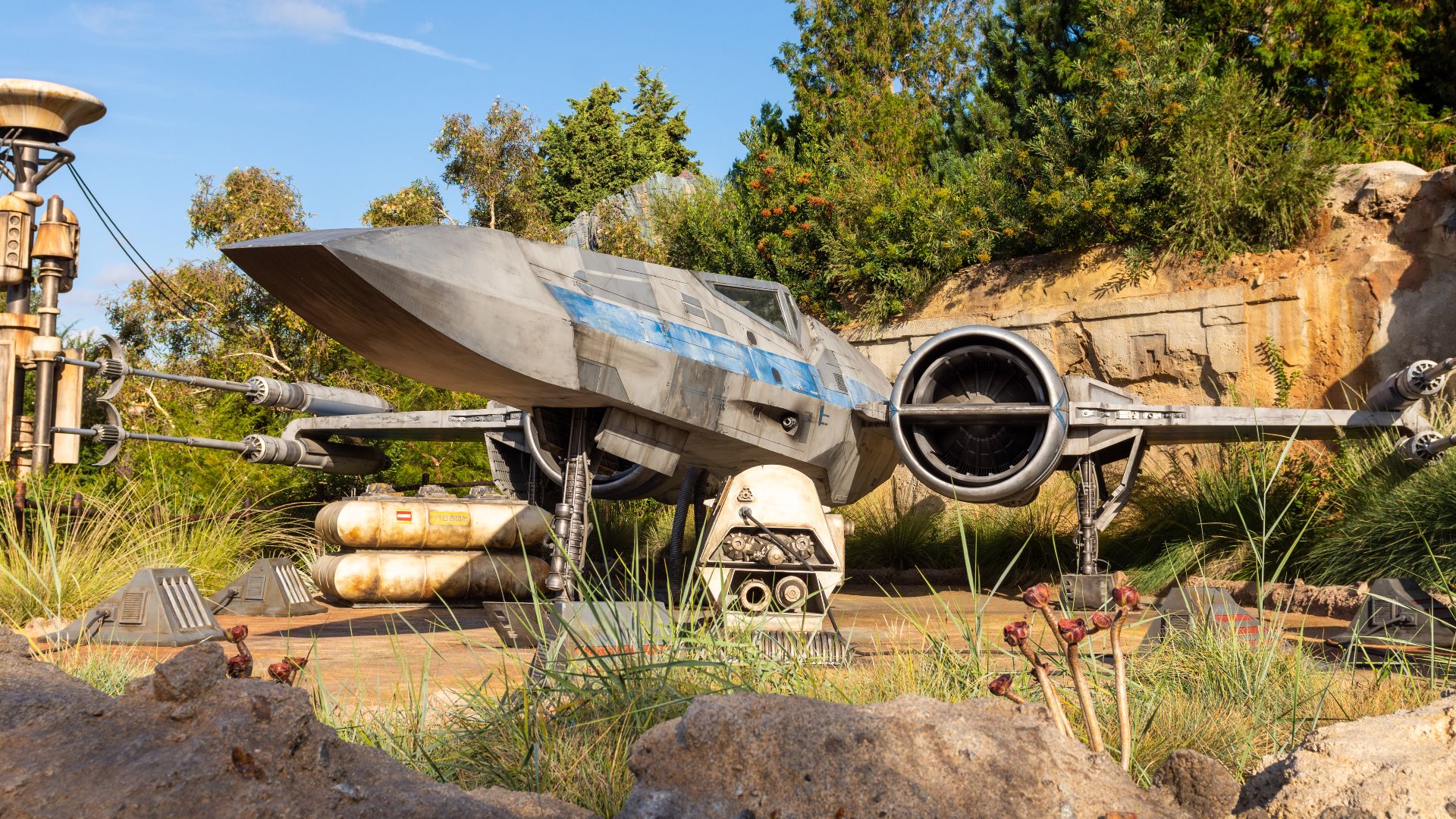
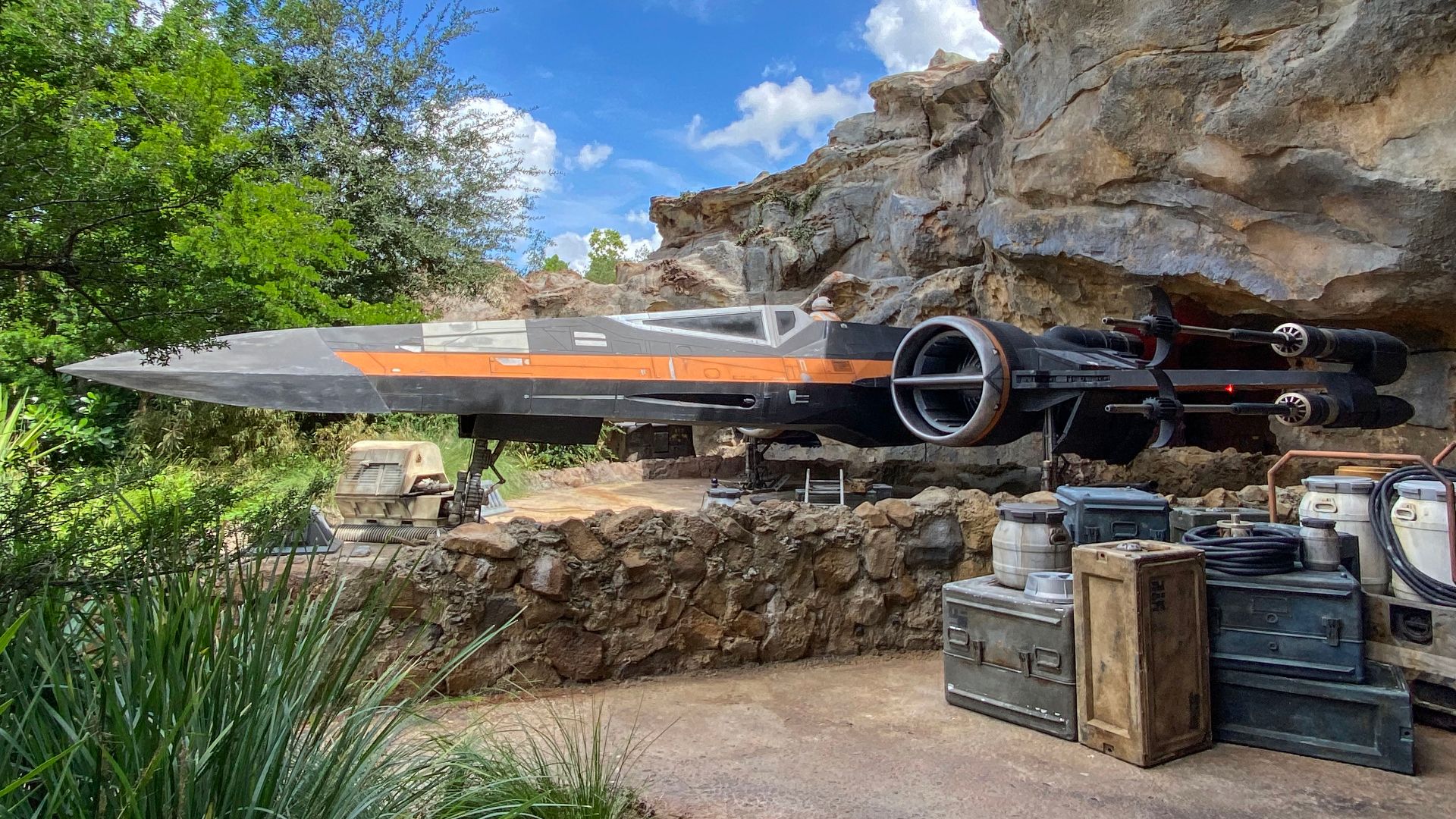
2. X-Wing
The Incom T-65 X-Wing established the template for what a proper starfighter should accomplish, balancing firepower, shields, and hyperdrive capability seamlessly. Four laser cannons and proton torpedo launchers provide enough punch to threaten capital ships, while the astromech-integrated systems offer redundancy that keeps these fighters operational after taking damage that would cripple lesser craft.
3. Slave I
Boba Fett's Firespray-31-class patrol craft turned bounty hunting vessel combines military-grade weapons with sensor arrays that can track targets across star systems, wrapped in armor plating thick enough to shrug off most pursuit craft.

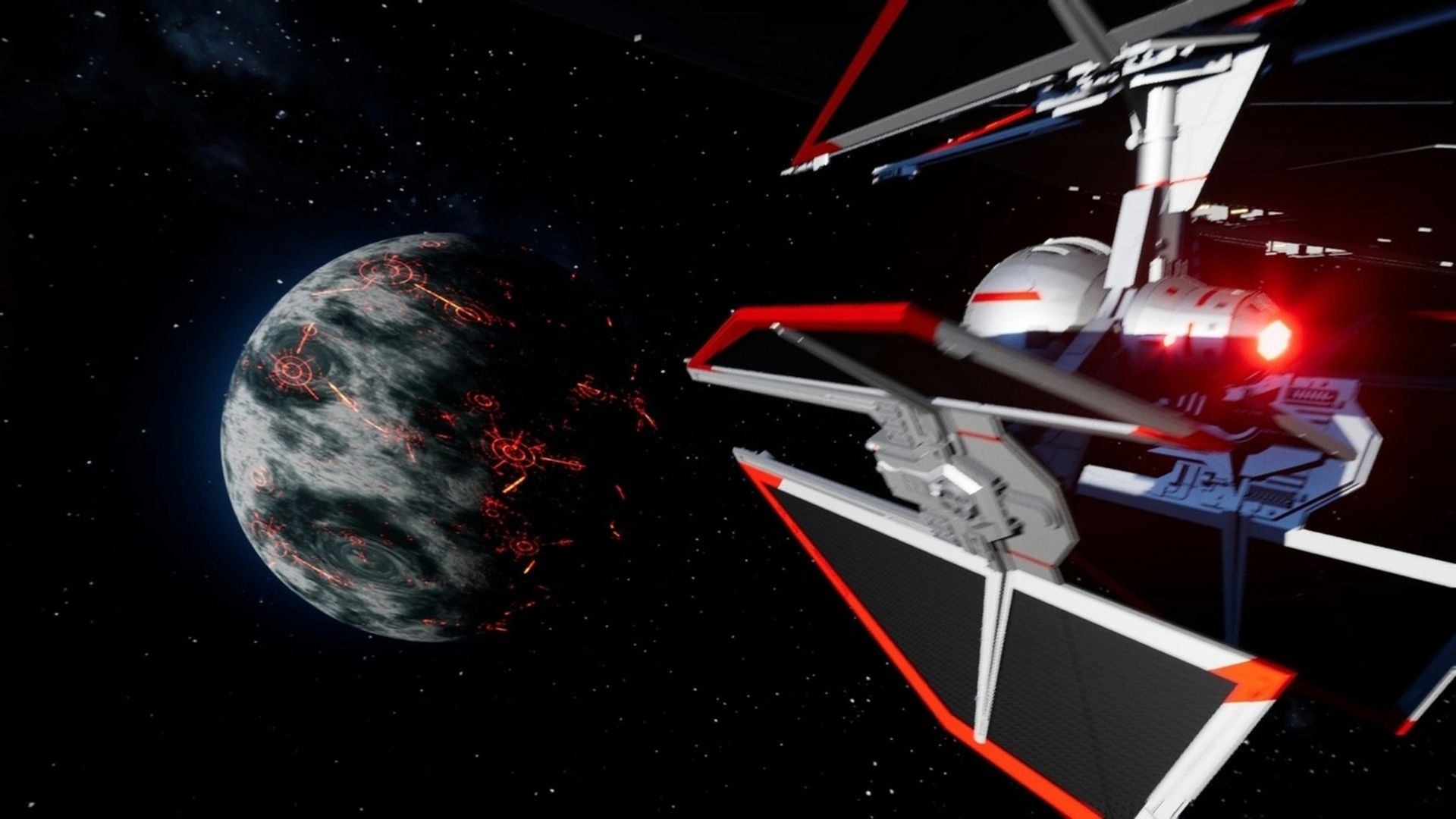
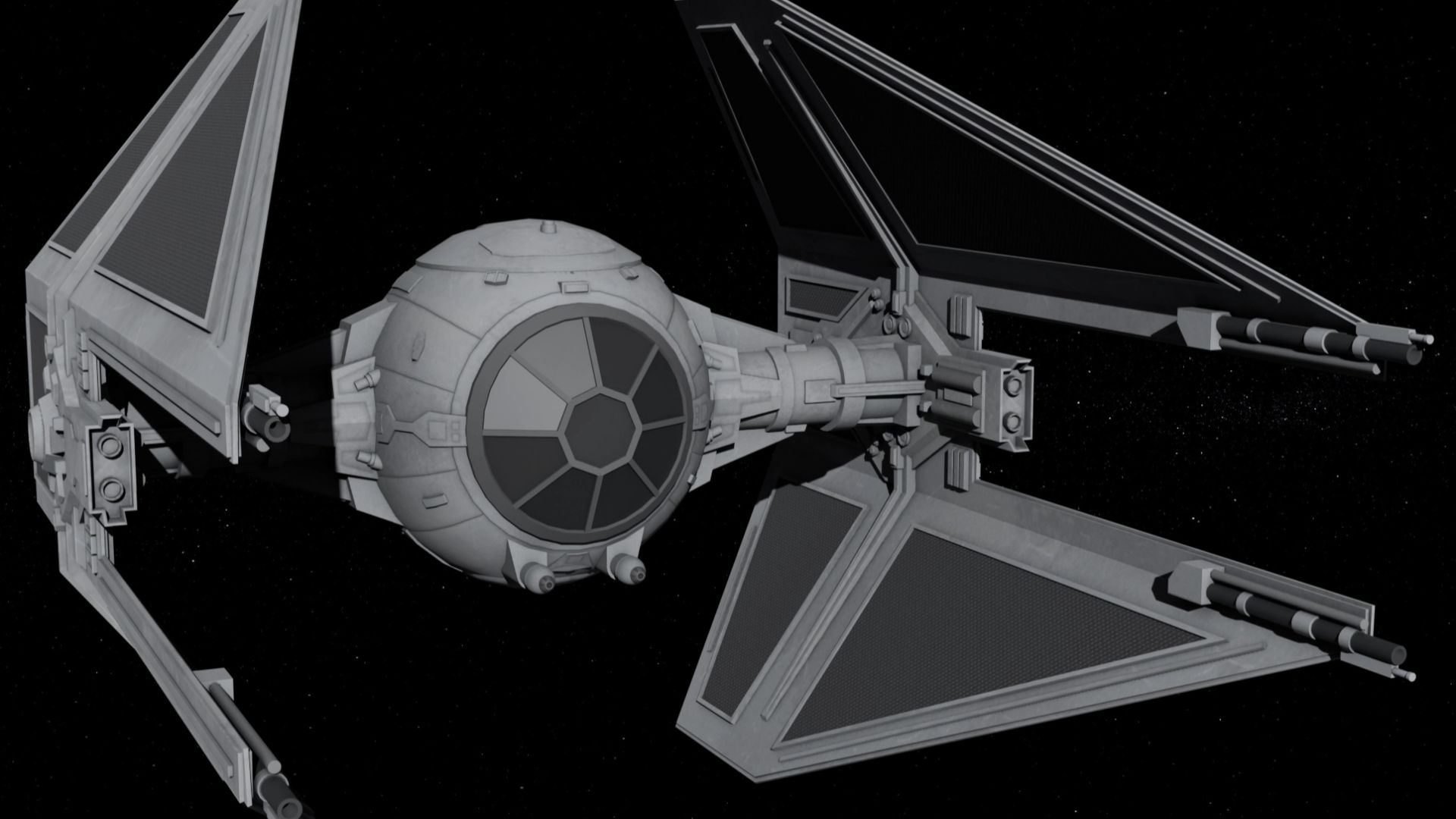
4. TIE Interceptor
Imperial engineers finally addressed the standard TIE's weaknesses when they created the dagger-shaped Interceptor, delivering speed and maneuverability that well surpasses the original ship design. The distinctive bent-wing profile cuts through space with a precision that standard TIEs can only approximate, while improved power distribution allows sustained high-speed pursuit.
5. Venator-Class Star Destroyer
The Republic's Venator-class Star Destroyer served as the Clone Wars' primary capital ship, featuring massive hangar bays that could deploy entire fighter wings while maintaining the firepower to engage enemy capital ships. The design balanced carrier functionality with traditional destroyer capabilities, creating a vessel that excelled at establishing space superiority through both direct firepower and fighter screen deployment.
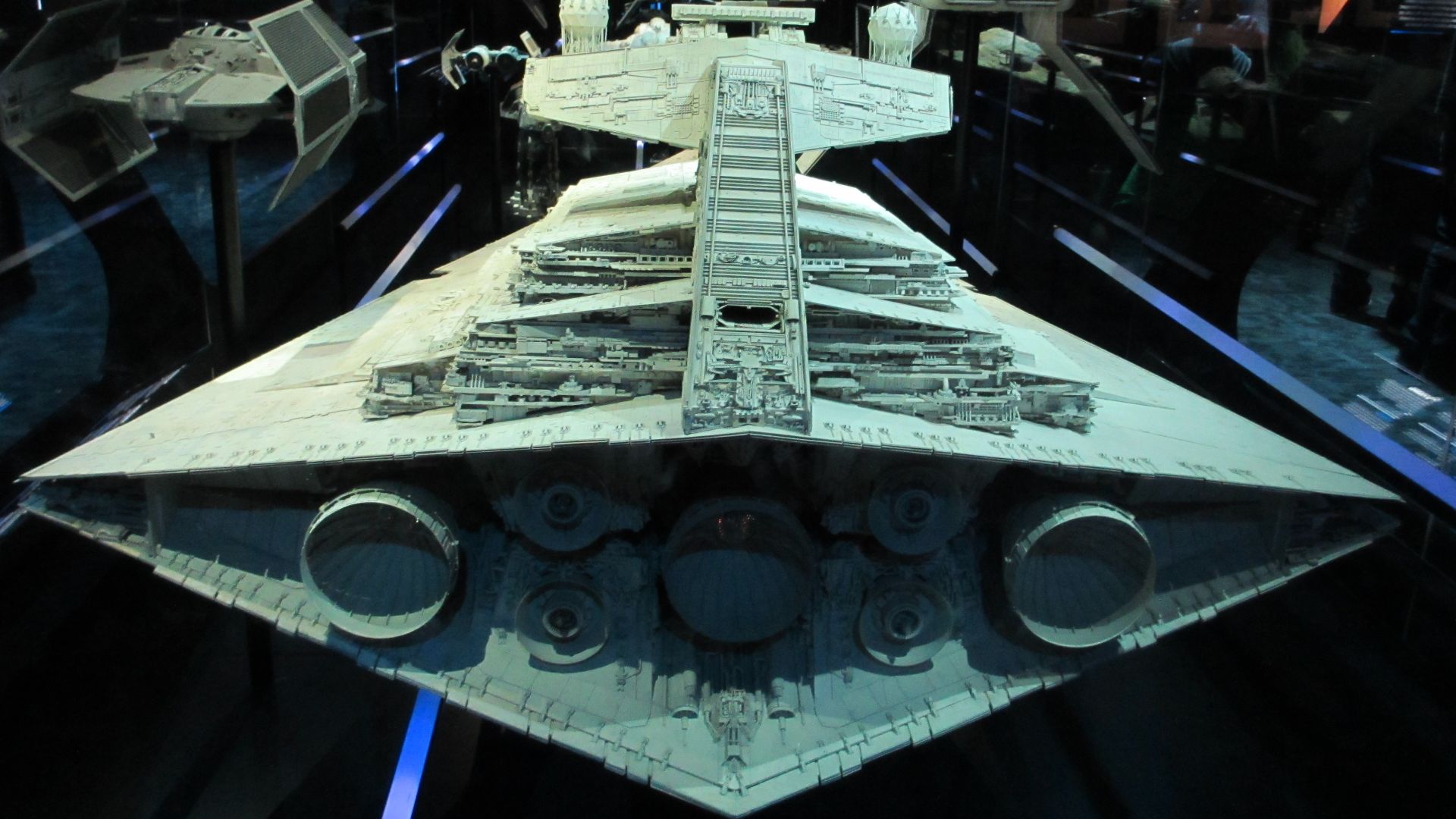 Mack Male from Edmonton, AB, Canada on Wikimedia
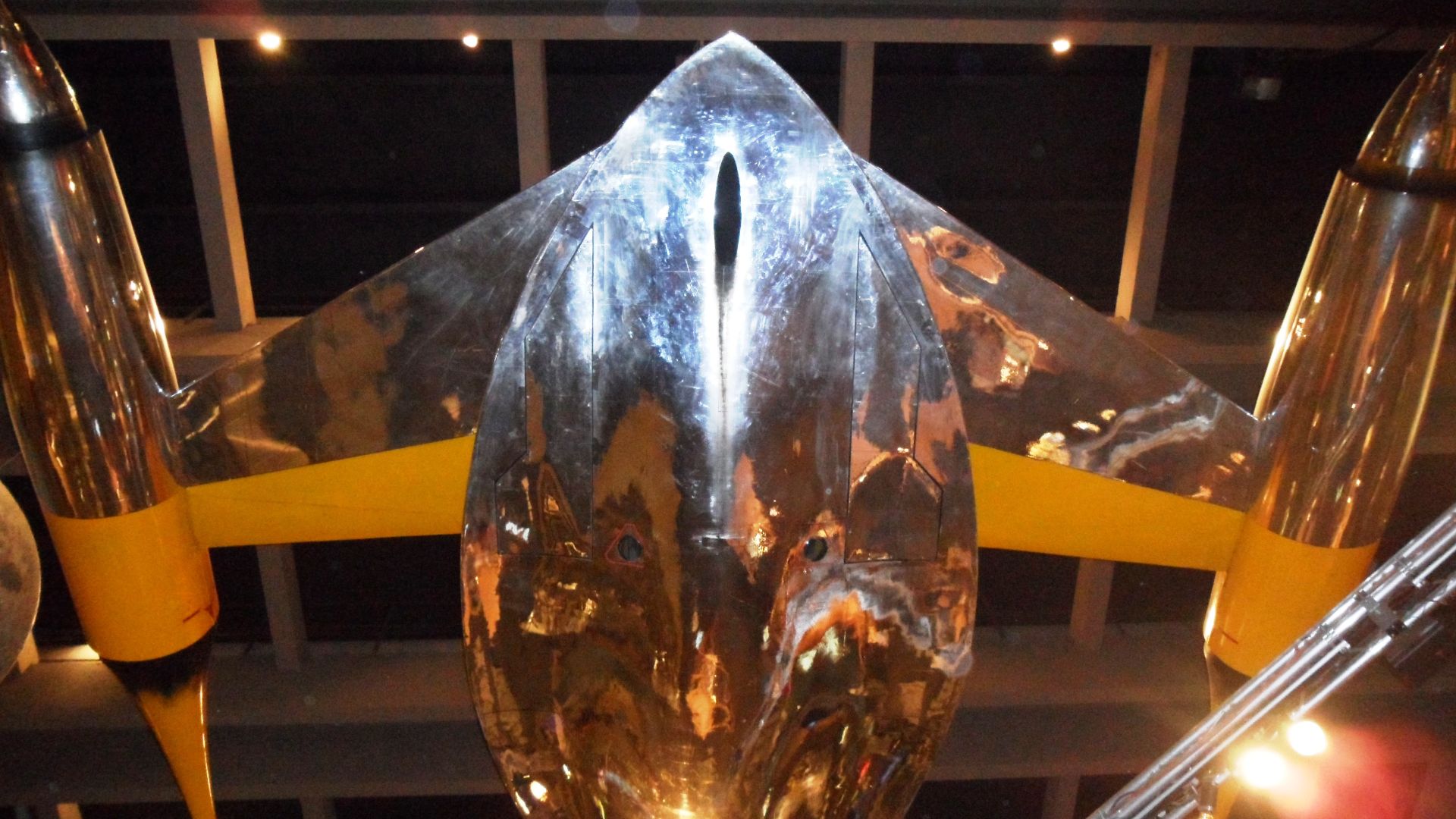
6. Naboo N-1 Starfighter
The N-1 starfighter represents what happens when a peaceful planet designs a defensive fighter without military-industrial complex constraints, resulting in chrome-plated elegance that doesn't sacrifice combat effectiveness. The sleek profile and twin engine configuration provide speed that most aggressor craft can't match, while the integrated astromech and sophisticated avionics give its pilots just a little bit of edge.
7. TIE Defender
The TIE Defender fixed every complaint about standard Imperial fighters by adding shields, hyperdrive, and additional weapon systems. The tri-wing configuration provided stability and maneuverability that made these fighters genuinely competitive with Rebel designs. Sadly, this ship saw limited production runs due to the construction of a certain planet-sized superweapon.
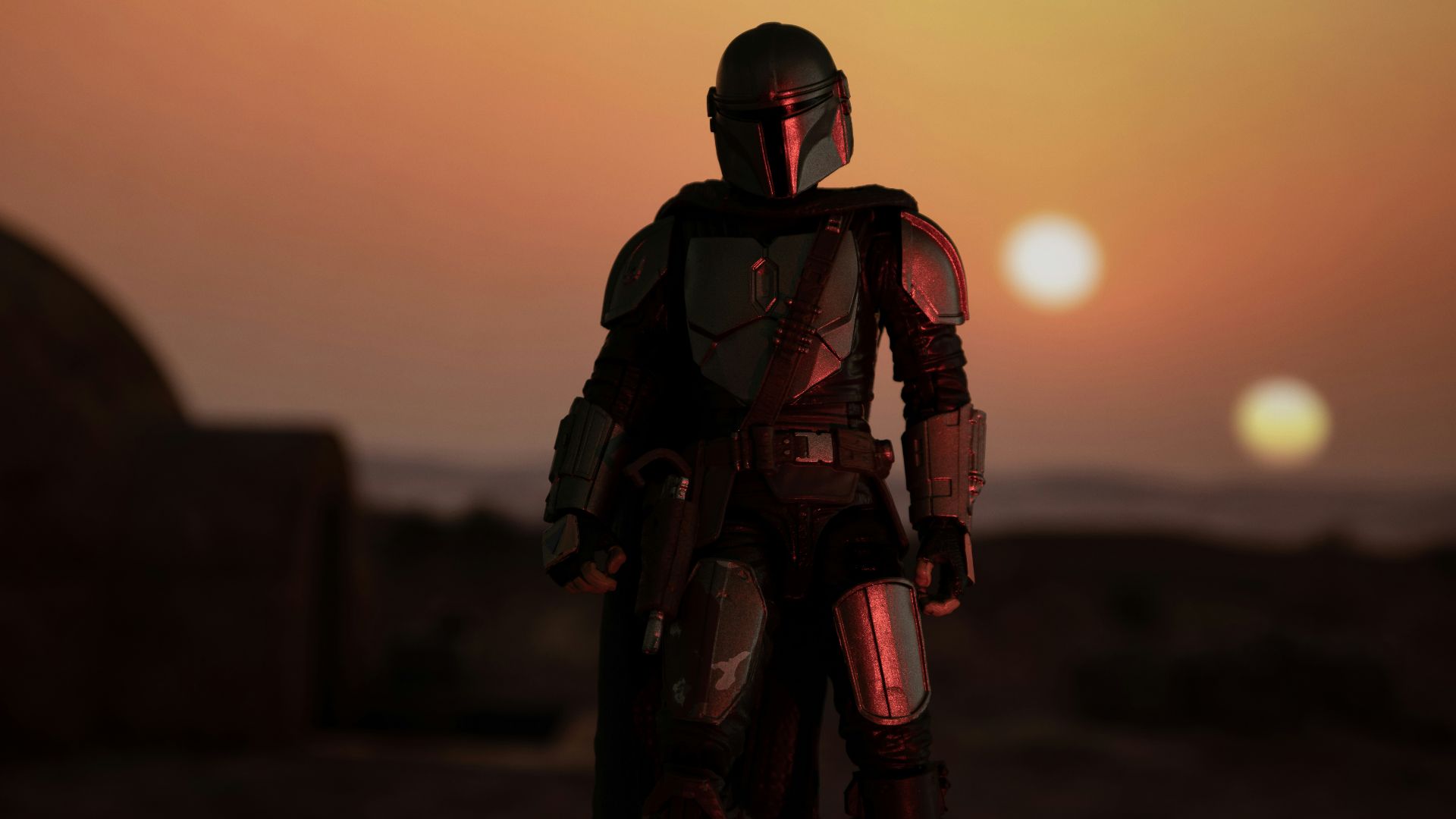
8. Razor Crest
Din Djarin's pre-Imperial gunship combined the rugged durability that Mandalorian culture demands with practical features like a carbonite freezing chamber and hidden weapon systems. The patrol craft masked capabilities that let a lone bounty hunter operate independently across hostile systems, completely on their own.
9. Lambda-Class T-4a Shuttle (Modified)
Properly upgraded Lambda shuttles transform from vulnerable transports into some pretty decent combat craft. The angular Imperial aesthetic and distinctive wing configuration make these shuttles instantly recognizable as either threat or target, depending on your allegiance.
 Agnieszka Stankiewicz on Unsplash
10. ARC-170 Starfighter
The Aggressive Reconnaissance-170 starfighter gave Republic forces a heavy fighter capable of long-range operations, while still maintaining enough firepower to beat back multiple threats simultaneously. The tail gunner position and rear-facing weapons created a defensive capability that most single-seat fighters lack, while the nose-mounted laser cannons and proton torpedo launcher handled offensive requirements. These fighters bridged the gap between nimble interceptors and dedicated bombers, creating tactical flexibility that Clone Wars commanders made good use of throughout the conflict.