Being Seen Changes Everything
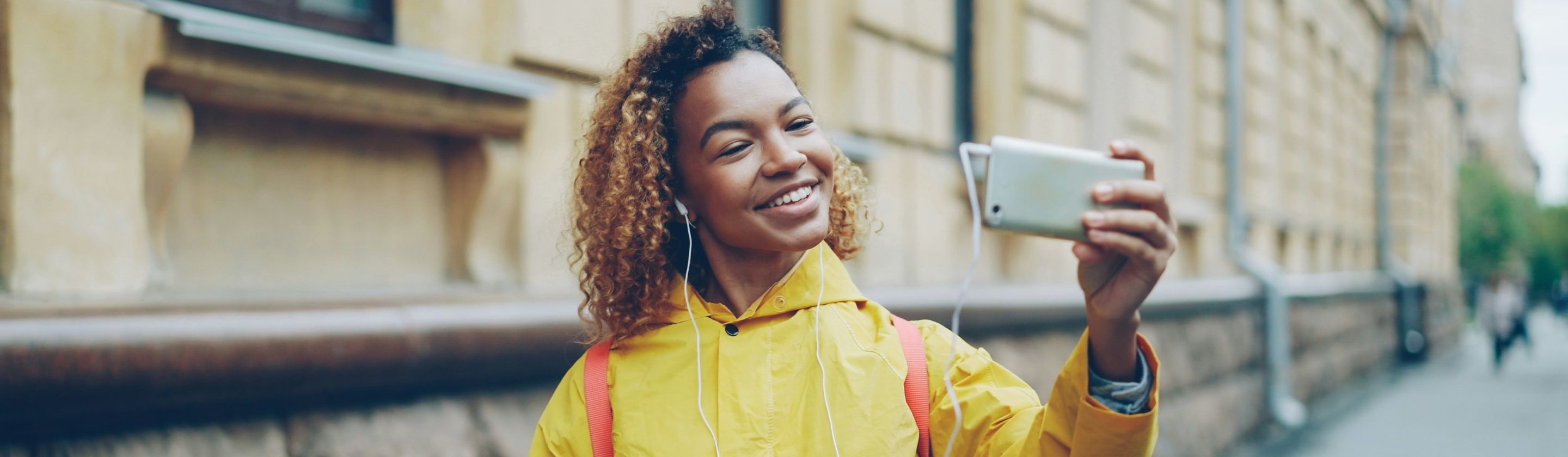
The internet didn’t just give everyone a place to share. It gave everyone the feeling that someone might be looking, even when nobody is. That changes behavior in small ways that add up, from how we phrase a sentence to what we buy, what we admit, and what we pretend doesn’t bother us. Researchers in psychology and sociology have studied how people change behavior under observation, and tech policy groups have documented how platforms encourage self-presentation through metrics like likes, views, and follower counts. The result is a daily layer of performance that can feel harmless, until you notice how often you’re editing yourself for a crowd. Here are twenty things we tend to do mostly because we’re being watched online.
1. Rewrite A Post Until It Sounds Polished
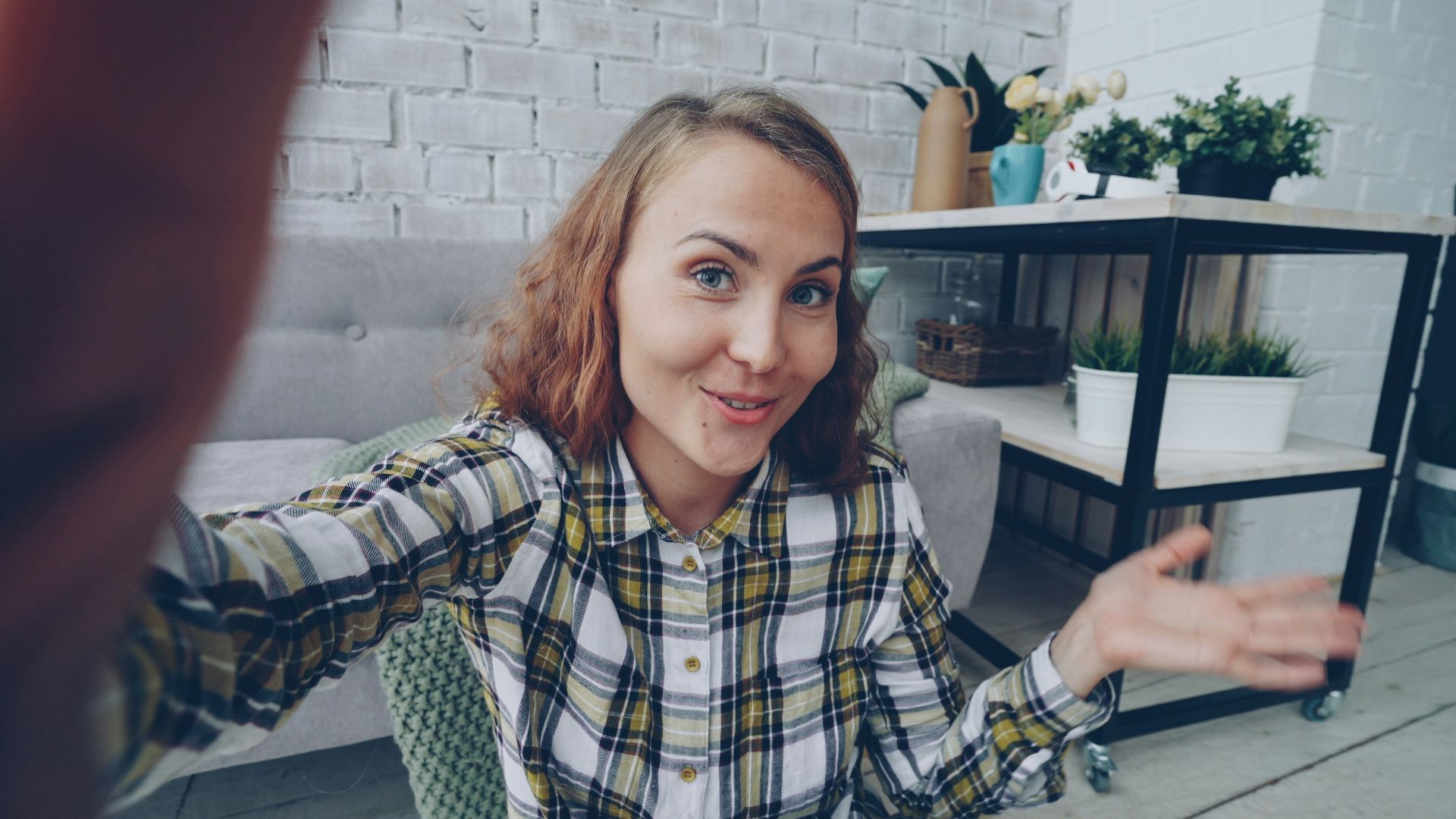
The first draft is usually honest, and the second draft is usually safer. You sand off anything that might be misunderstood, and you keep the parts that make you look competent and calm. The audience doesn’t have to be huge for this to happen.
2. Post The Photo That Looks Effortless
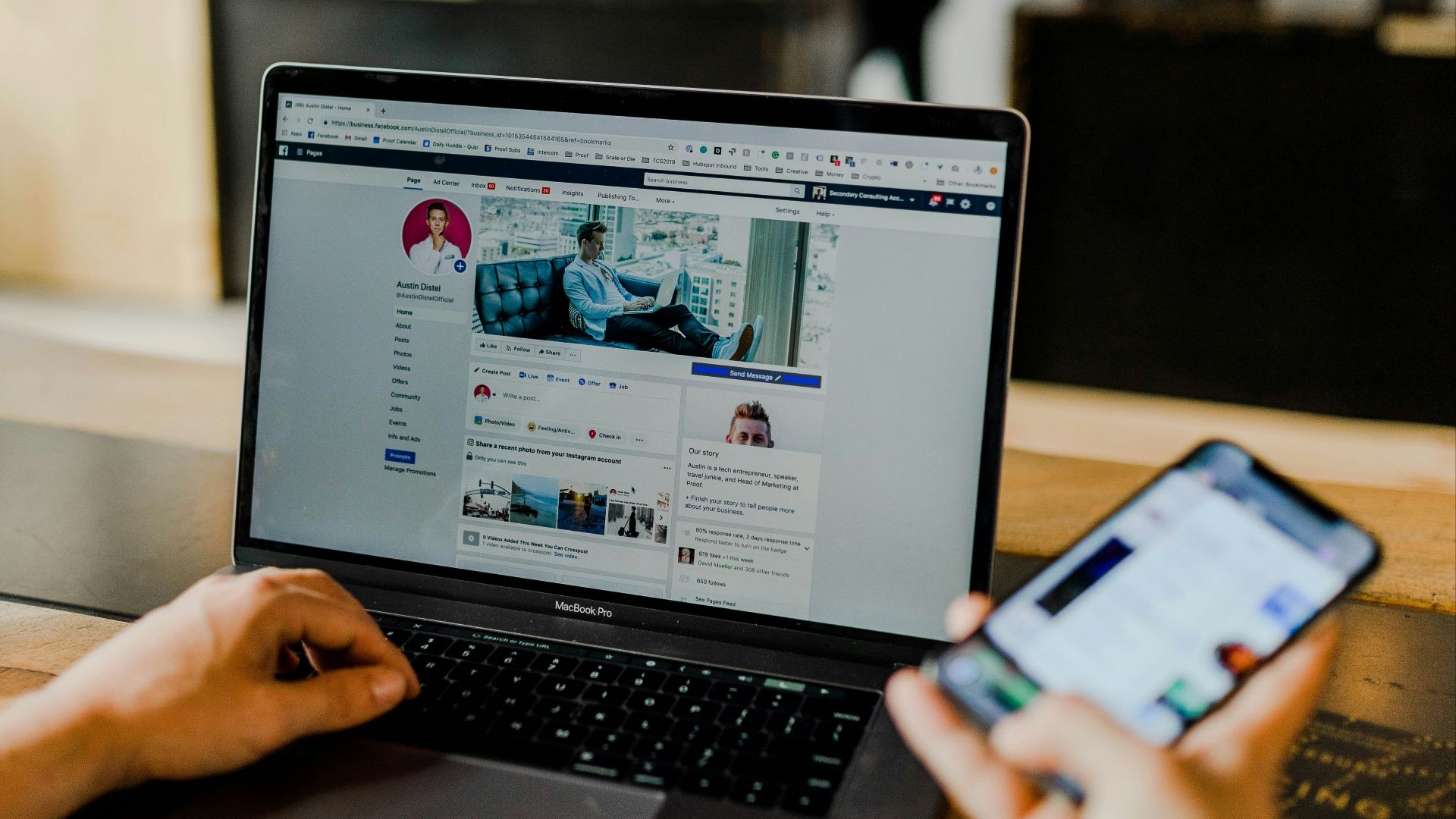
A candid gets taken, then it gets reviewed like evidence. The one that wins is rarely the one that matches the day, it’s the one that looks like the day you wish you were having. The camera roll becomes a private audition.

3. Announce Good News Like It’s Casual
People learn to share big things in a tone that suggests it’s no big deal. Promotions, engagements, and new apartments get presented with a shruggy voice because enthusiasm can read as trying too hard. The performance is subtle, yet it’s real.
 Vanilla Bear Films on Unsplash
4. Hold Back On Complaining
The internet remembers, and plenty of workplaces search, so we learn to keep certain frustrations vague. Even when you’re right, you worry about looking difficult or negative. That worry changes what you say and what you swallow.

5. Like Things As A Signal
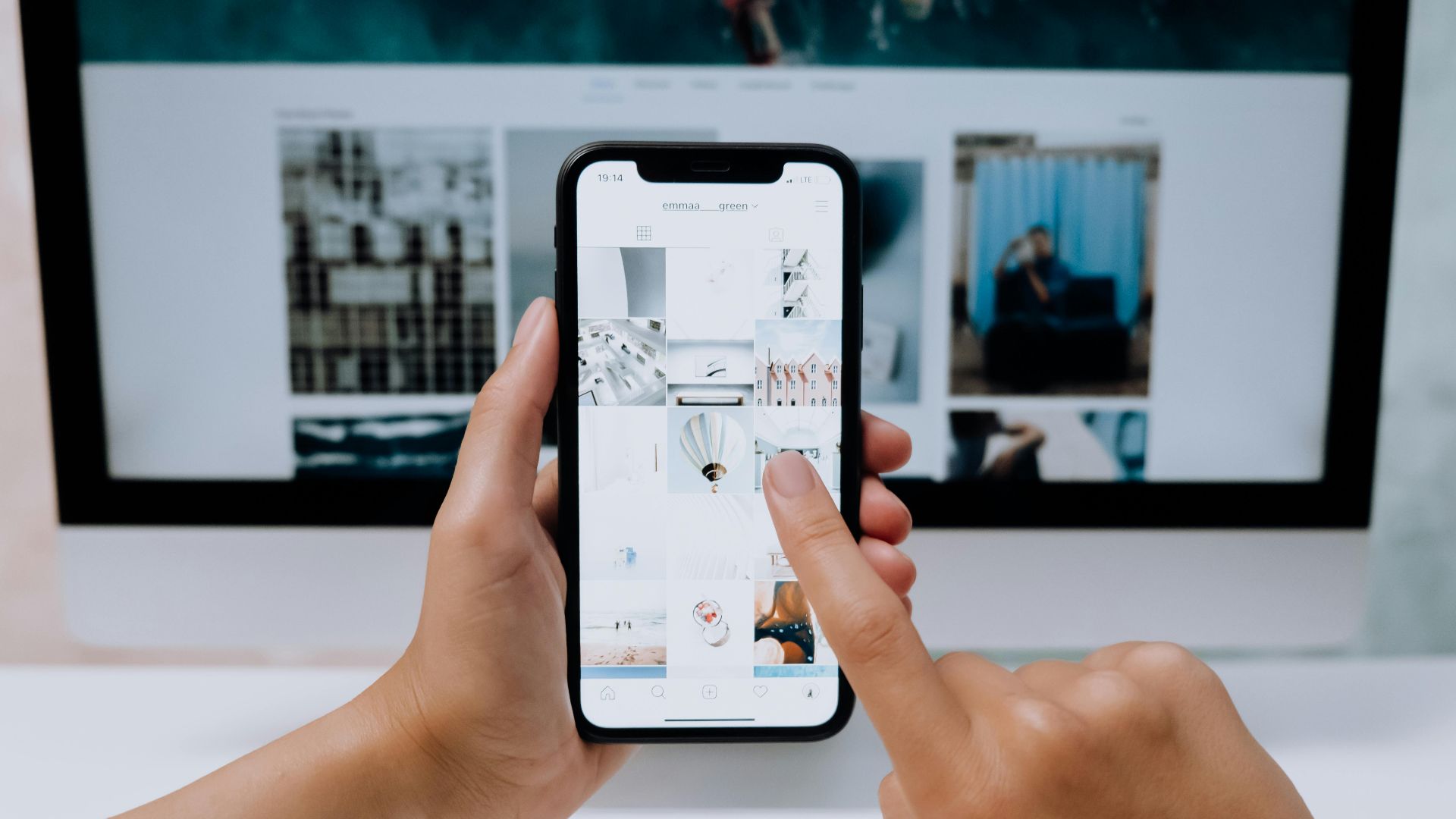
Likes aren’t just reactions, they’re tiny public votes that tell people where you stand. You choose what to like based on who might see it, not just what you believe. That makes the button heavier than it looks.
6. Avoid Liking Certain Things On Purpose
Sometimes you agree with something and still scroll past because you don’t want the association. You can feel the micro-calculation happen in your hand. Silence becomes its own kind of statement.
7. Build A Public Taste
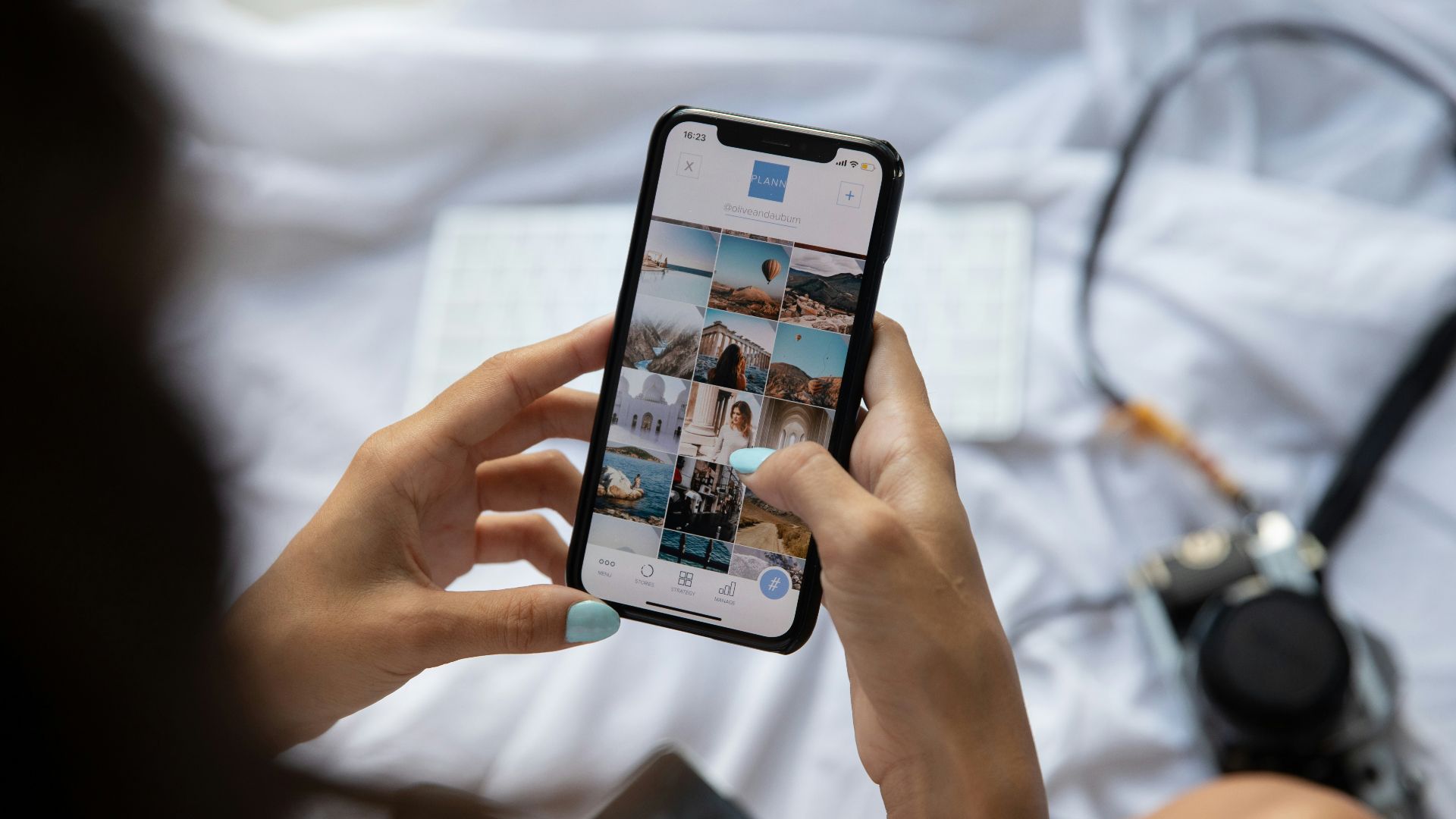
You follow books, films, and brands that match a version of yourself you want to project. It’s not always fake, yet it’s curated, like a shelf arranged for visitors. Even hobbies can start to look like personal branding.
8. Turn A Normal Outing Into Content
A walk, a coffee, and a museum trip become proof that life is being lived correctly. You notice the lighting and the angle before you notice the moment. The outing can still be fun, yet it’s also material.
9. Clean Up A Caption To Avoid Getting Dragged
The joke that sounded fine in your head can look cruel on a screen. So you edit, add context, or delete it entirely because the risk of being misread feels too high. The audience shapes the sentence before it exists.

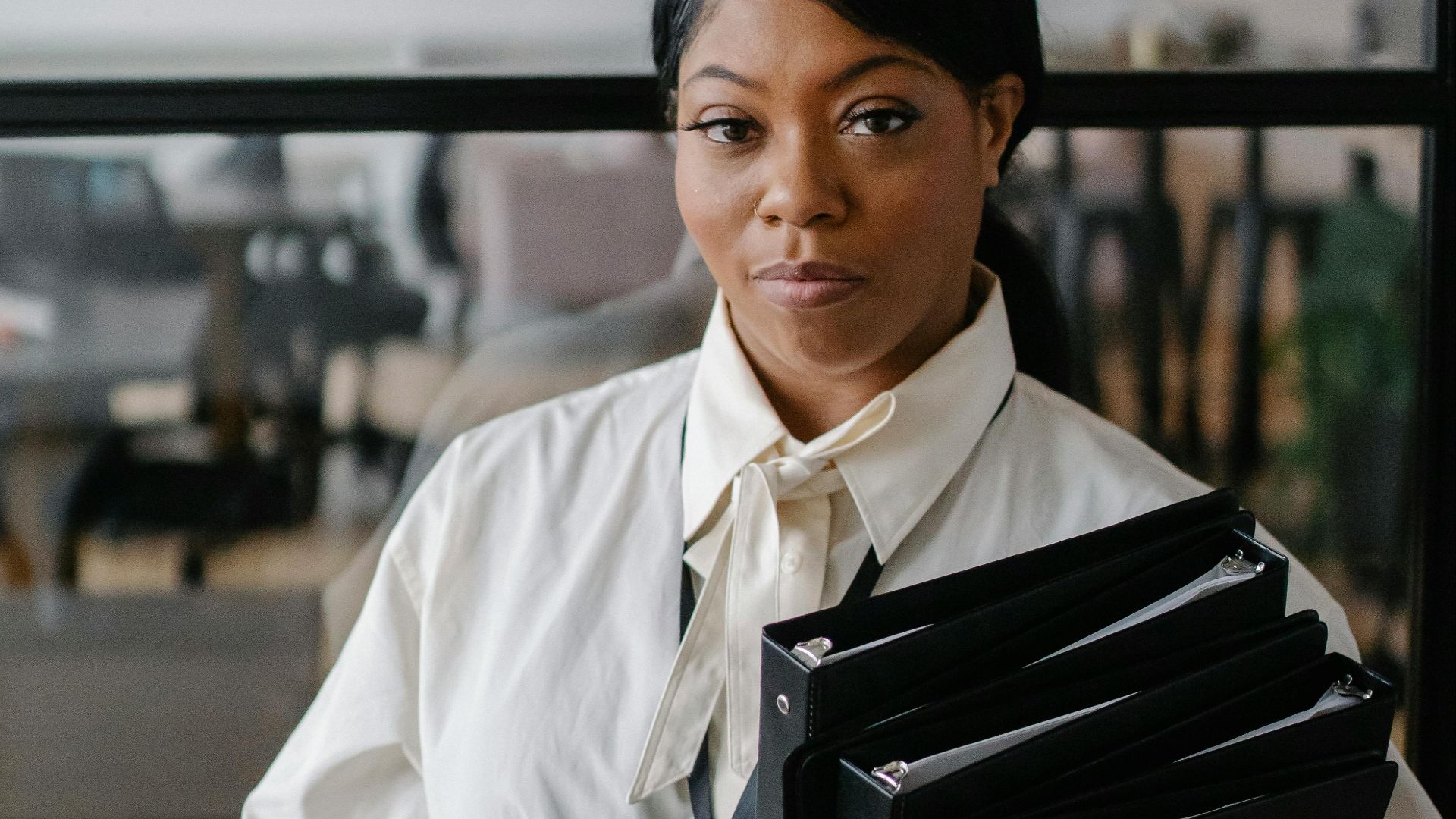
10. Perform Confidence At Work
People post wins, highlights, and polished takes, which can make everyone else feel behind. So we learn to sound decisive even when we’re uncertain. The performance helps protect status in a public space.
11. Pretend We’re Not Checking Metrics
The numbers are addictive because they feel like social proof, and we all know it. You refresh and then act like you didn’t, because caring too much looks embarrassing. The irony is that everyone is doing the same thing.

12. Choose A Political Opinion That Fits The Room
Public politics online can turn into a purity test, and people adapt to the dominant tone of their circles. Some opinions get amplified, others get quietly softened. The watching shapes what gets expressed at all.

13. Apologize In A Way That Protects Your Image
Online apologies often read like legal documents because people fear being screenshotted forever. The language gets careful, the emotion gets managed, and the whole thing becomes reputation maintenance. Even sincere regret can come out stiff.
14. Buy Things Because They’ll Photograph Well
Some purchases are made with the photo in mind, not the use. You pick the cleaner packaging, the aesthetic mug, the matching workout set. The object becomes a prop for looking like you have taste.

15. Avoid Uncool Brands Even If They Work
Certain brands get coded as embarrassing, and the internet is fast to mock. So people switch to whatever signals smarter choices, even when the difference is minor. You’re not just buying a product, you’re buying distance from judgment.

16. Talk Like The Algorithm Is Listening
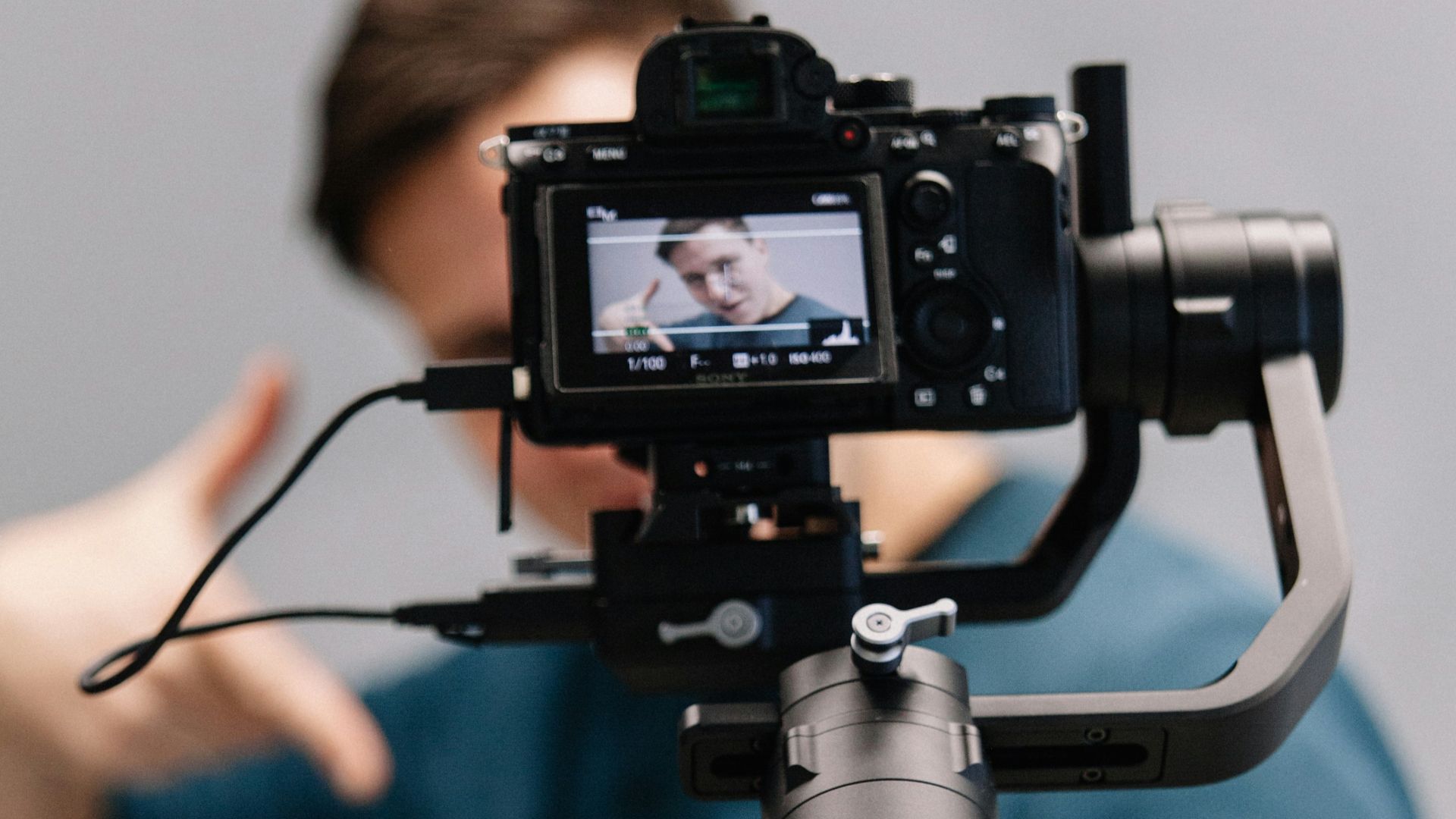
People write captions that hit keywords, use trending sounds, and format posts for attention. It’s a strange kind of second audience, part machine, part crowd. You end up tailoring your voice to get seen at all.

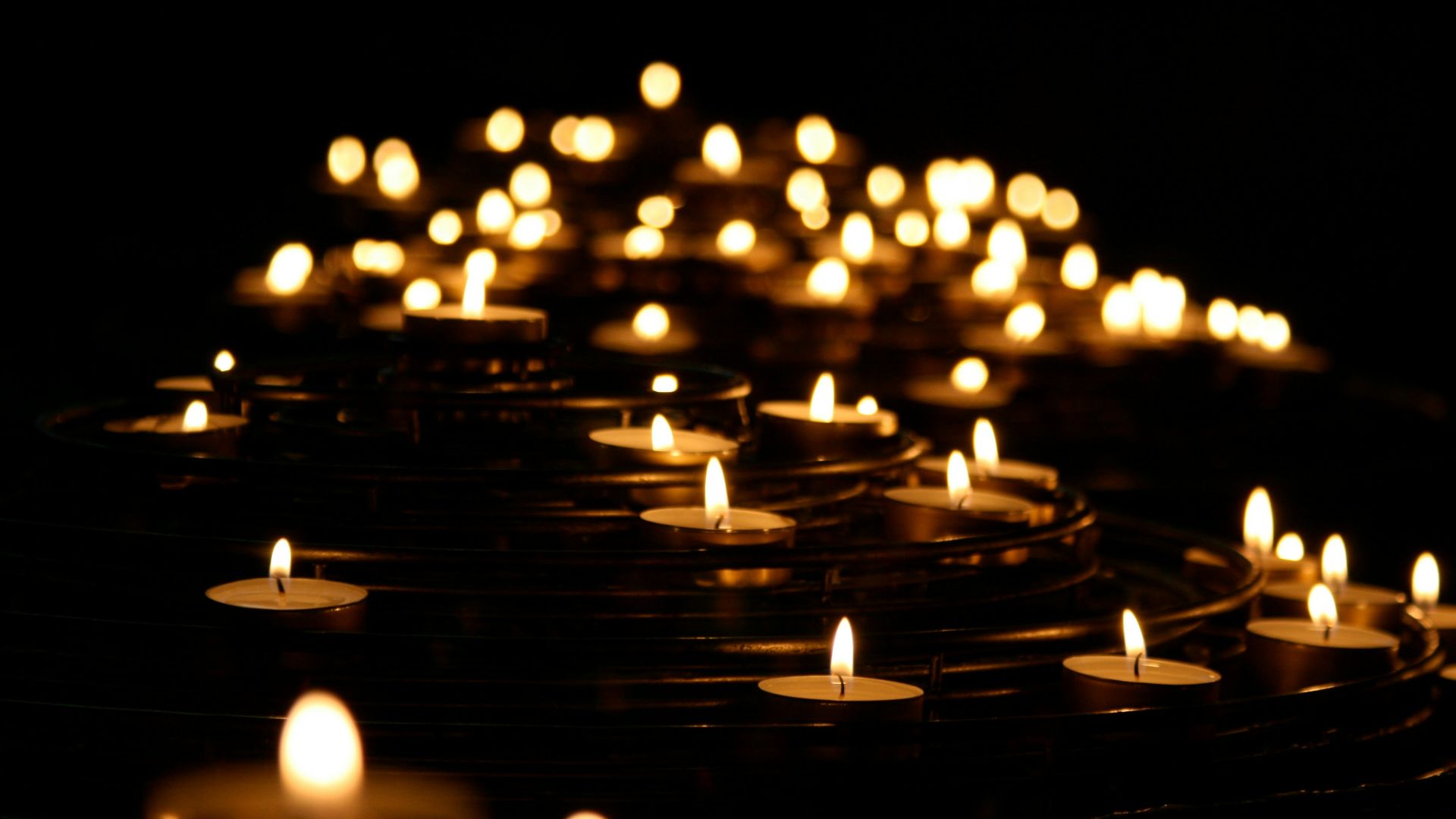
17. Share Grief With A Filter
Loss becomes a post, yet the post is shaped by what feels acceptable to show. People choose photos that look peaceful, words that look composed, and timing that won’t overwhelm the feed. The performance is often a form of self-protection.
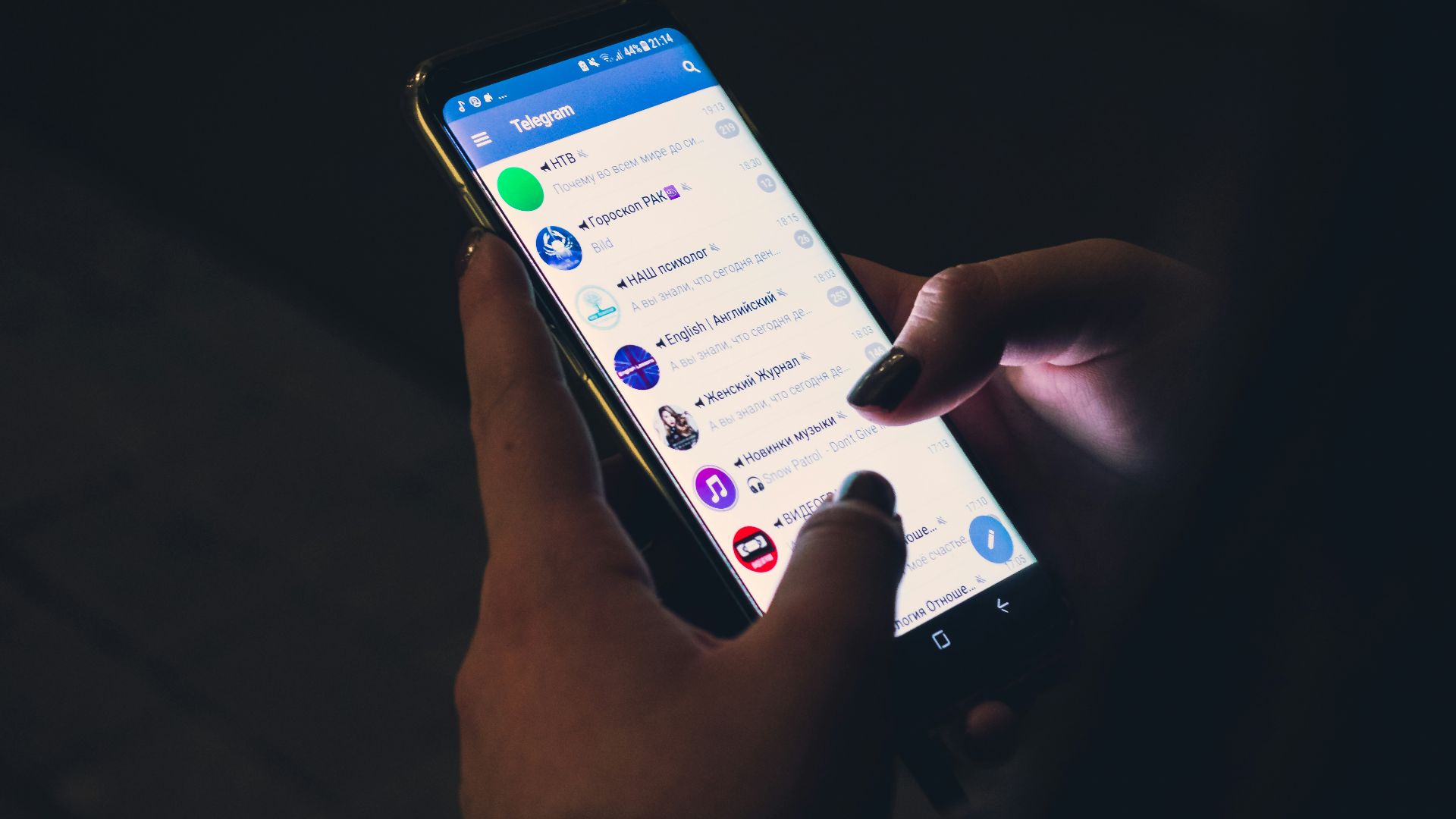
18. Keep Receipts During Conflicts
Screenshots turn arguments into evidence, and people collect them like insurance. You document tone, dates, and exact phrasing because you assume a public trial is possible. Even private fights can feel public-adjacent.
 Christian Wiediger on Unsplash
19. Make Your Life Look Busy
Busyness reads like value online, so people highlight packed calendars and side projects. Rest gets hidden or framed as productivity, like recovery is another task. The watching makes stillness feel suspicious.
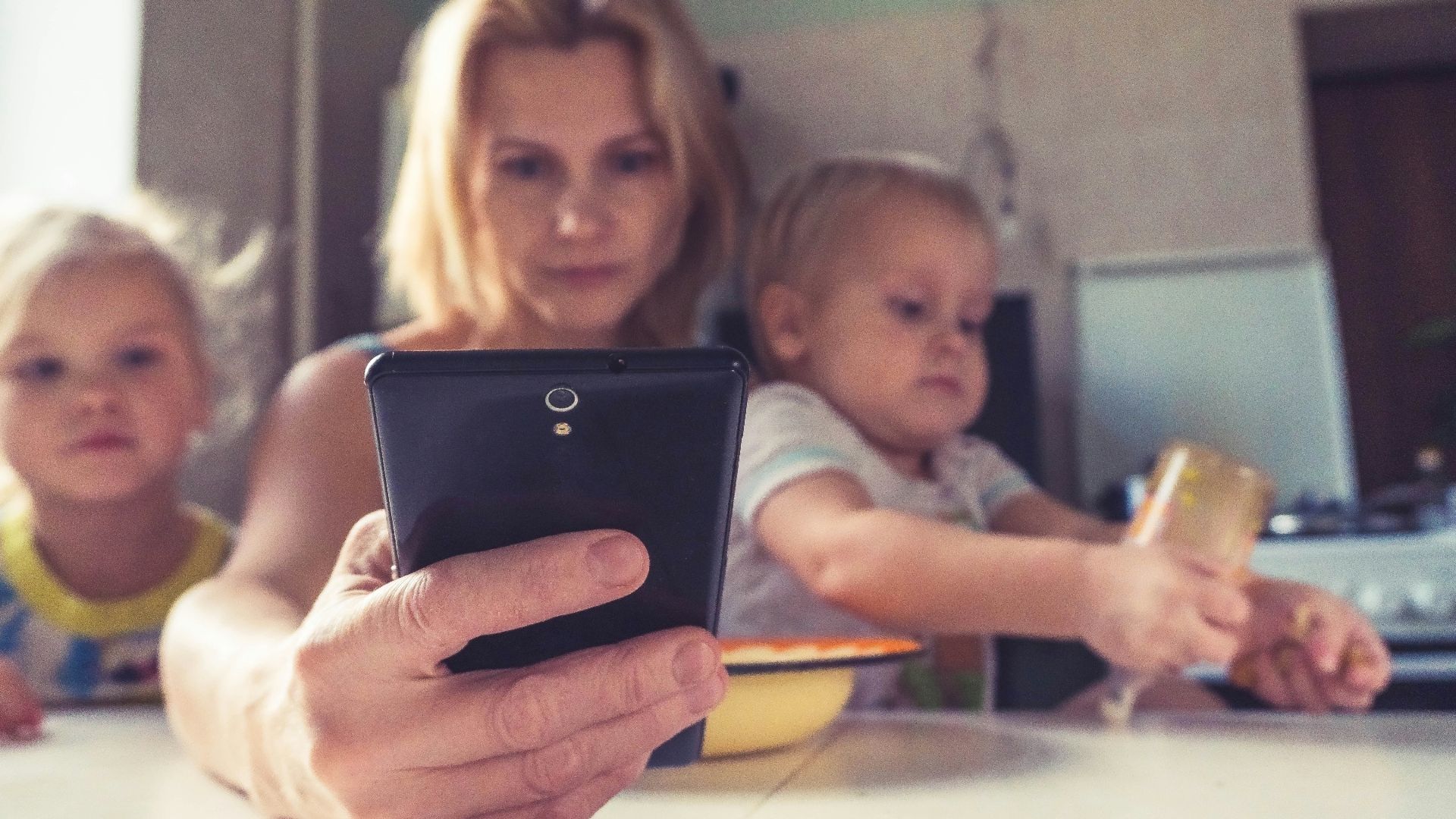
20. Curate A Version Of Happiness
Happiness online often looks like a consistent aesthetic and a steady stream of good news. People learn to show the wins and hide the mess, then compare themselves to everyone else’s highlight reel. Being watched turns feeling okay into something you have to prove.