

Nintendo's story is one of the most remarkable and compelling in the history of entertainment, spanning over a century and encompassing everything from handmade playing cards to globally dominant gaming hardware. The company has produced some of the most beloved consoles and franchises ever conceived, yet that same spirit of experimentation has occasionally produced some truly spectacular failures. Understanding Nintendo’s history means accepting both sides of that ledger, the triumphs that defined generations and the misfires that left fans genuinely baffled.
What makes Nintendo so fascinating is that the flops and the successes often spring from the same source: a willingness to ignore what competitors are doing and bet everything on a novel idea. Sometimes that instinct produces the Wii, a console that sold over 100 million units and brought gaming to people who'd never picked up a controller in their lives. Other times it produces the Virtual Boy, and we'll get to that particular disaster shortly.
From Hanafuda Cards To Household Name
Nintendo's origins bear almost no resemblance to the company it eventually became, which makes its trajectory all the more remarkable. Fusajiro Yamauchi founded the company in Kyoto in 1889 as a manufacturer of hanafuda, traditional Japanese playing cards hand-crafted from mulberry bark. The business found mainstream momentum in the 1950s and 1960s when Nintendo secured a licensing deal to produce Disney-branded cards, moving over 600,000 decks annually at its peak and going public on the Osaka Stock Exchange in 1962.
The pivot toward electronics came gradually through the inventive work of Gunpei Yokoi, an engineer whose instinct for turning simple technology into compelling experiences would shape Nintendo's identity for decades. Products like the 1966 Ultra Hand, a mechanical toy that sold over 1.2 million units, demonstrated that Nintendo could manufacture desire for things people didn't know they needed.
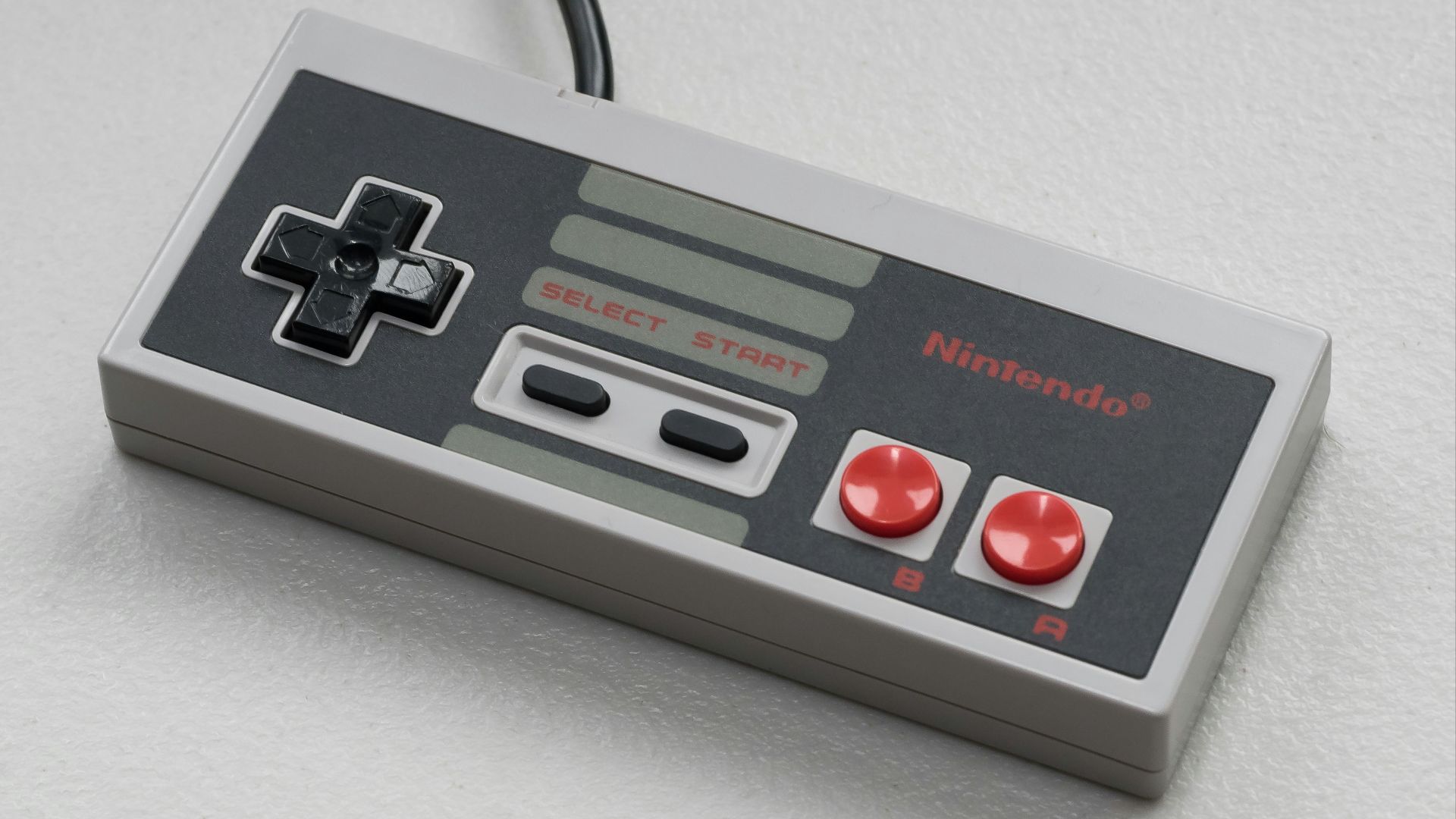
The Famicom launched in Japan in 1983 and arrived in North America as the Nintendo Entertainment System in 1985, hitting the market just as the video game industry was still recovering from a catastrophic crash. The NES revived consumer confidence in home gaming almost single-handedly, with Super Mario Bros. becoming one of the best-selling games of all time and the console moving over 61 million units worldwide. Nintendo hadn't just entered the gaming market; they'd essentially rebuilt it from the foundation up.
A Golden Run
The 1990s belonged to Nintendo. The Game Boy arrived in 1989 and ultimately sold over 118 million units, a number driven partly by Tetris landing as a pack-in title and partly by a battery life that made rival handhelds look embarrassing. The Super Nintendo followed in 1990, selling 49 million units and hosting a software library that included genre-defining titles across RPGs, platformers, and fighting games that players still return to regularly.
The Nintendo 64 launched in 1996 and moved 32 million units while introducing 3D gameplay that genuinely changed what people thought video games could accomplish. Super Mario 64 and The Legend of Zelda: Ocarina of Time didn't just sell consoles; they rewrote the vocabulary of 3D game design in ways the industry spent the next decade replicating and perfecting. The Game Boy Advance extended Nintendo's handheld dominance into the new millennium, selling 81 million units and proving the portable market remained entirely theirs to lose.
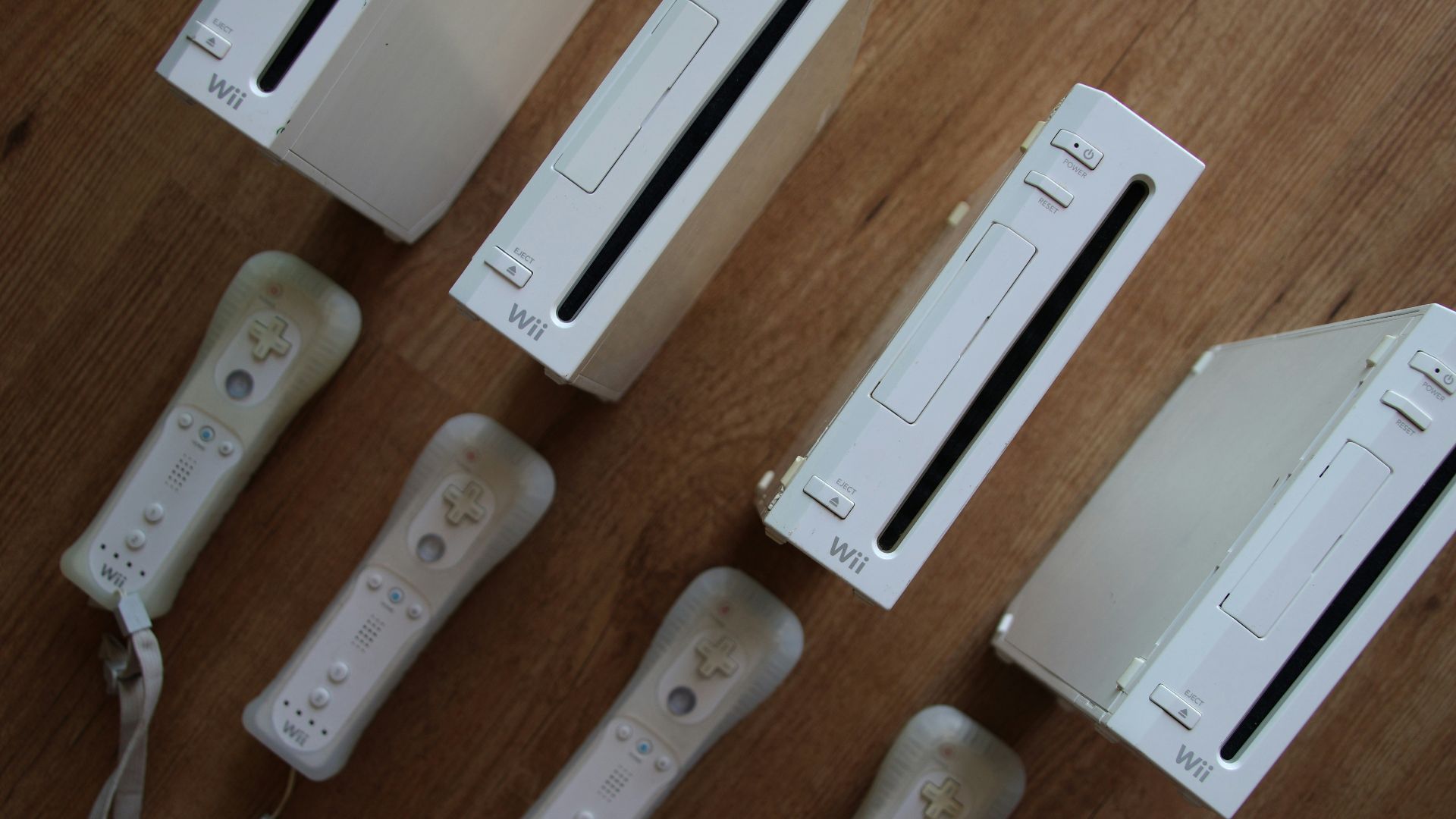
The DS and Wii represent perhaps the purest expression of Nintendo's creative ambition working at full power. The DS sold 154 million units through dual screens and touch controls that opened handheld gaming to entirely new audiences, while the Wii's motion controls moved 101 million consoles and outsold both the PlayStation 3 and Xbox 360 for years. Retirement homes were hosting Wii bowling nights. Nintendo had achieved something genuinely unusual: a gaming device that non-gamers actively sought out.
When Bold Bets Went Wrong
The Virtual Boy arrived in 1995 as Gunpei Yokoi's attempt to deliver portable 3D gaming, a genuinely ambitious concept that the technology of the era simply couldn't support. The headset displayed graphics in a red-and-black palette that caused headaches and eye strain after extended play, and the library never grew beyond a handful of titles before Nintendo quietly discontinued the product, having sold fewer than one million units worldwide. Yokoi left Nintendo shortly after, ending one of the most consequential careers in gaming history on an undeniably sour note.
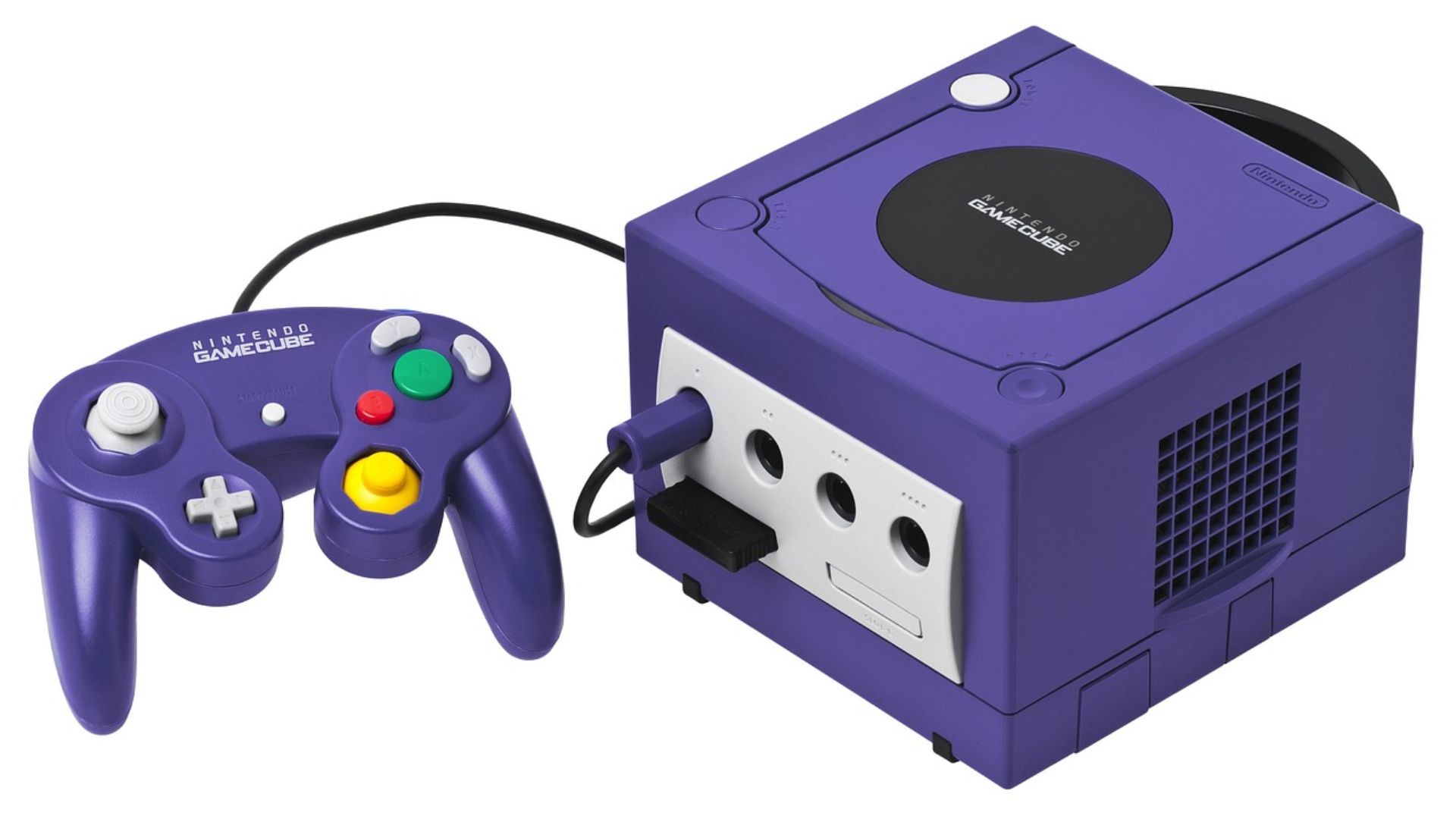
The GameCube launched in 2001 into a market that PS2 had already claimed, and Nintendo's decision to use proprietary mini-discs created friction with both publishers and consumers that the hardware never overcame. The console produced genuine classics, including The Wind Waker, Metroid Prime, and Super Smash Bros. Melee, yet those titles couldn't lift the system past 21 million units sold against the PlayStation 2's staggering 155 million. Strong software sitting on underpowered hardware became a recurring theme Nintendo would have to confront more than once.
Nothing in Nintendo's history compares to the Wii U for sheer magnitude of commercial disappointment relative to the expectations surrounding it. Launched in 2012 as an attempt to build on the Wii's success with a tablet-style GamePad controller, the console suffered from marketing that left many consumers believing it was simply a Wii accessory rather than a new system entirely. Sales reached only 13.5 million units across the console's lifetime, compared to the over 100 million the Wii had moved.
The Switch
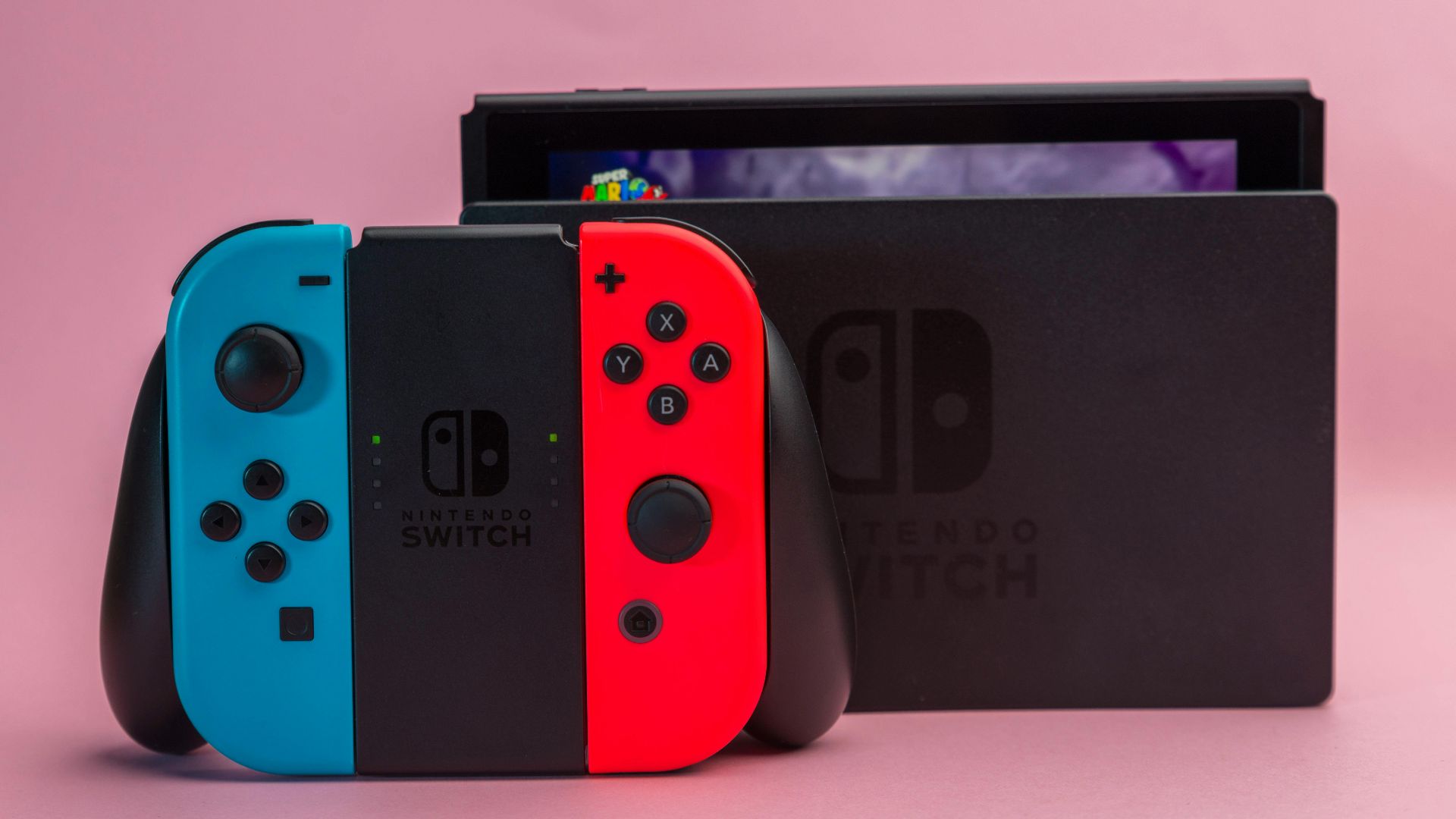
The Nintendo Switch launched in 2017 as a hybrid console that could function as both a home system and a portable device. Global sales surpassed 150 million units by 2026, making it one of the best-selling consoles in history and demonstrating that the Wii U era, for all its damage, hadn't permanently alienated the audience Nintendo needed. Breath of the Wild and Mario Odyssey launched alongside the hardware and immediately reminded everyone what Nintendo software looks like when the platform finally matches the ambition.
The pattern running through Nintendo's entire history is more consistent than the company's wild swings might suggest. Excellence arrives when accessibility and innovation converge on hardware that serves the software rather than demanding the software justify the hardware's peculiarities. The failures, from the Virtual Boy's physical discomfort to the Wii U's identity confusion, share a common thread of technology that created obstacles between the player and the experience. Nintendo's resilience doesn't come from avoiding risk; it comes from the software library that survives every hardware stumble and gives the company enough runway to try again. We’re thrilled to see what comes next from this legacy company.