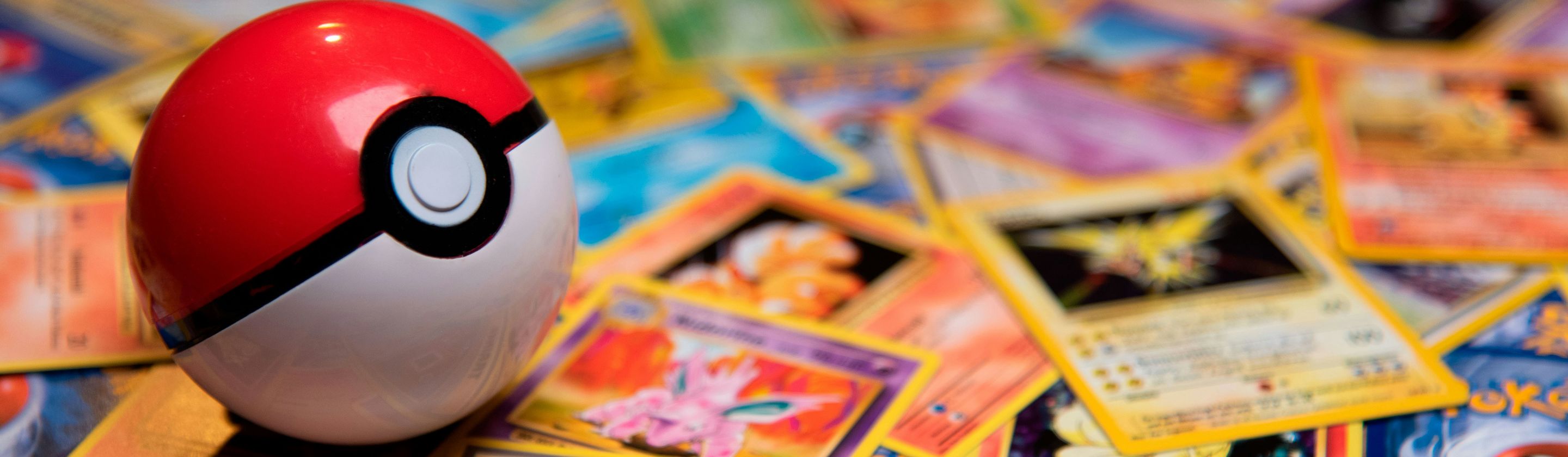
The Disturbing Theory About Poké Balls That'll Change How You See Pokémon Forever
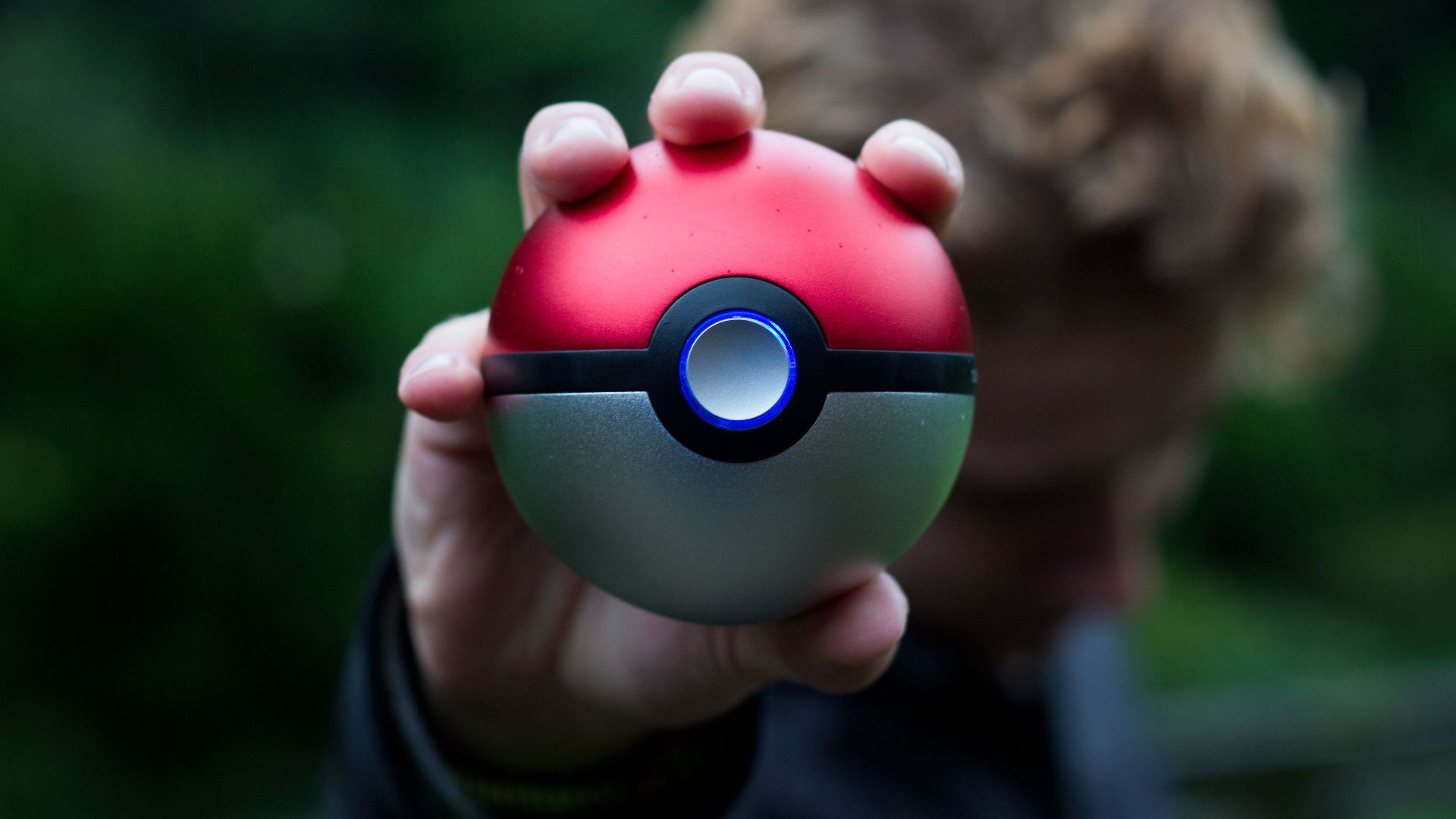 Vincent M.A. Janssen on Pexels
Poké Balls are treated as one of the most normal things in the Pokémon universe. Trainers carry them around, toss them into battle, store creatures inside them, and rarely stop to ask whether any of this should feel strange. The games and shows make it look cheerful, efficient, and almost magical, which helps everyone move along without thinking too hard. Once you do start thinking about it, though, things get a little uncomfortable.
The theory suggests that Poké Balls aren’t cozy little storage capsules at all. They might transform, compress, or digitize living creatures in a way that raises some very weird questions about consciousness, consent, and what actually happens inside that tiny sphere. We're sorry to ruin your childhood, but if you look at the details closely, the most iconic tool in the franchise starts feeling less adorable and a lot more unsettling.
The Capture Process Starts Looking Much Darker
At first glance, a Poké Ball seems to shrink a Pokémon down and tuck it safely away. That’s the version the franchise wants you to accept, because it keeps the whole adventure feeling friendly and fun. However, something stranger must be happening between the moment the ball opens and the moment the Pokémon disappears.
This is where the theory takes a grim turn. Rather than physically storing the Pokémon, the ball may be breaking down its body into energy or destroying its organic matter completely. The red beam that pulls a Pokémon inside starts to look less like transportation and more like a scanning and disassembly process. If that’s true, the original Pokémon may not survive the first capture at all.
What comes back out would still look, sound, and behave like the Pokémon you caught. It might remember its moves, respond to its name, and seem perfectly loyal. That doesn’t prove it’s the original creature, though. It could simply be a reconstructed clone built from the information the Poké Ball recorded during capture.
Digital Storage Makes the Theory Even Creepier
The Pokémon storage system makes this theory feel even harder to ignore. Trainers can send Pokémon to computer boxes, withdraw them later, and move them between digital systems with very little fuss. That sounds convenient in gameplay terms, but it raises strange questions inside the world itself. If Pokémon can be stored in a PC, then their physical bodies clearly aren’t sitting comfortably in a little ball somewhere.
Under this theory, the Poké Ball works like a portable scanner, data drive, and biological printer all in one. It captures the Pokémon’s structure, memories, abilities, and personality, then stores that information until it’s needed again. When the trainer calls the Pokémon out, the device rebuilds a body based on that saved pattern. The creature appears alive, but the process starts sounding less like storage and more like constant deletion and re-creation.
That makes every trip to the PC feel much more disturbing. A Pokémon boxed for months may not be waiting patiently in a cozy digital lounge. It may exist only as stored information, paused until someone decides to rebuild it.
The Clone Question Changes Everything

The biggest problem with the theory is identity. If a Pokémon is destroyed during capture and rebuilt later, is the released version truly the same Pokémon? It may believe it is, especially if the copy includes memories and emotions from the original. From the trainer’s point of view, nothing seems different, which is probably why the system would go unquestioned.
The unsettling part is that a perfect copy can still be a copy. If the original creature’s consciousness ends when the ball captures it, then the one that comes back is a continuation only from the outside. It remembers the battle, the trainer, and its previous life, but that doesn’t guarantee the original experience survived.
This also changes how you see repeated recalling and releasing. Every time a Pokémon returns to its ball, the same process may be happening again. The creature could be destroyed, stored, and reconstructed over and over without anyone noticing because each new version behaves exactly as expected. Suddenly, that quick click of the Poké Ball doesn’t feel nearly as cute.
Why Trainers Might Never Question It
One reason the theory works is that the Pokémon world has completely normalized Poké Ball technology. Children receive these devices at the beginning of their journeys, and nobody pauses to explain the terrifying science behind them. If society has used Poké Balls for generations, people may simply accept the process as safe because it appears to work.
There’s also the fact that Pokémon don’t usually appear traumatized after release. They battle, play, eat, evolve, and form bonds with their trainers. That makes the technology easy to defend, because the reconstructed Pokémon seems happy and functional. Of course, if the clone is built with all the right memories and instincts, it would behave as though nothing horrifying happened.
The Theory Turns a Cute Object Into a Nightmare
Poké Balls are iconic because they make the Pokémon world feel simple and adventurous. They let trainers carry teams, switch partners, and travel with creatures that would otherwise be impossible to manage. Without them, the whole setup of the franchise would collapse pretty quickly. That practical importance is exactly what makes the death-trap theory so hard to shake.
If the theory is true, every capture is not just a victory. It’s the destruction of one living creature and the creation of another that everyone agrees to treat as the same being. That would make trainers less like collectors of companions and more like users of extremely advanced cloning devices. It’s a wild idea, but once it’s in your head, it follows the logic of the world a little too well.
Maybe Poké Balls really are safe, humane, and comfortable in ways the games simply don’t need to explain. Or maybe the Pokémon universe has been hiding a deeply disturbing process inside its most familiar object. Either way, the theory changes the way you see every capture, every transfer, and every cheerful release animation. After this, that little red-and-white ball feels a lot less innocent.