The 10 Worst Alternate Versions Of The X-Men & The 10 Best
Multiverse Mutants: The Versions That Flop and the Ones That Fly
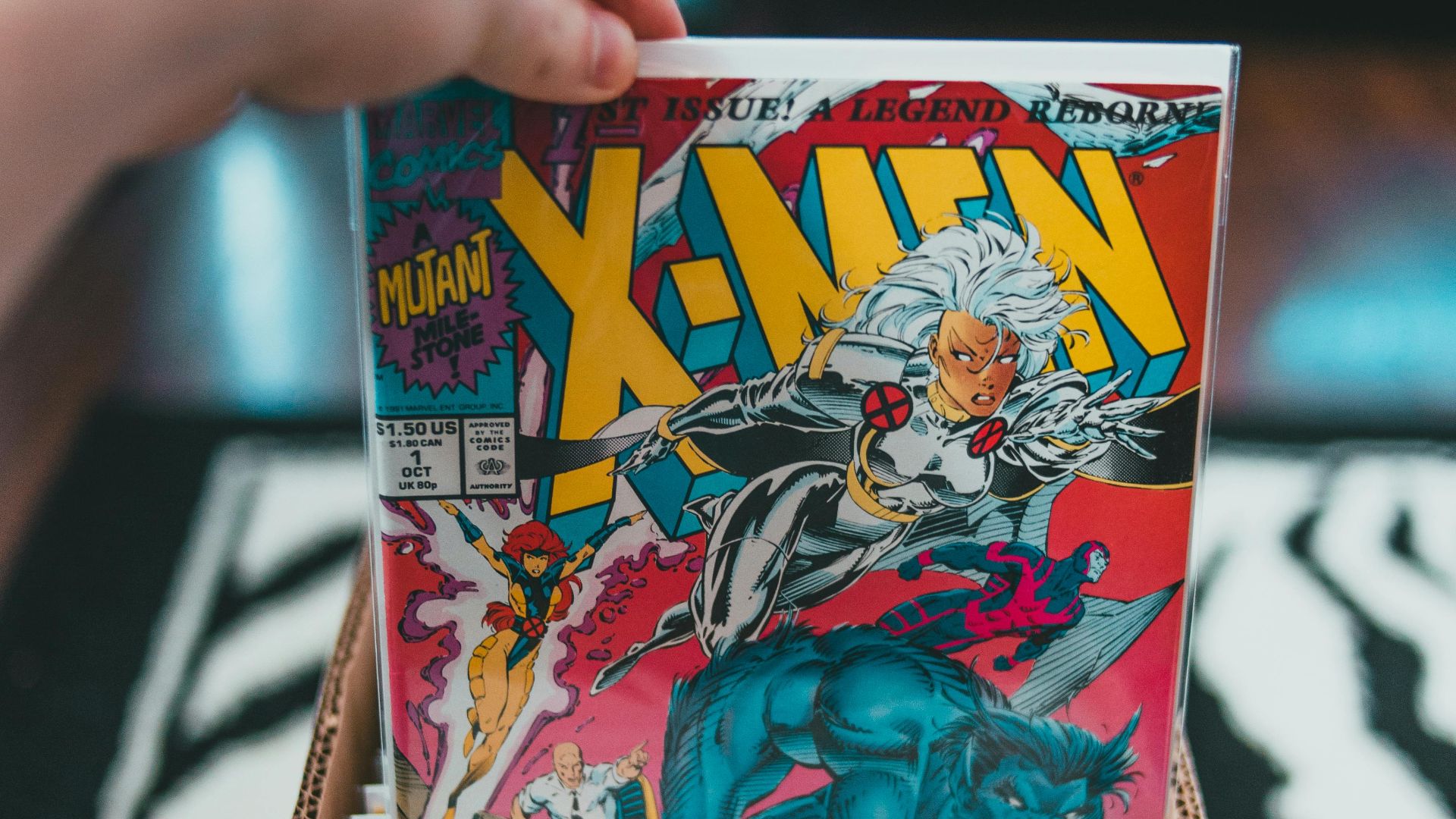
The X-Men have been rebooted, remixed, time-traveled, and reality-swapped hundreds of times over their decades-long existence. Some iterations keep the heart of the franchise intact and just cleverly twist the setting, while others feel like they grabbed the logo, slapped it on a story, and hoped you wouldn’t notice that it makes no sense. Here are 10 alternate versions of the X-Men that are the easiest to side-eye and 10 iterations that are actually really clever.

1. Mutant X (Earth-1298)
This reality swaps familiar faces into new roles, but the overall story often feels like it’s juggling too many melodramatic twists at once. The tone leans so heavily towards soap opera that the character beats can start to feel accidental rather than earned. If you like clean, sharp alternate worlds, this one feels messy.
2. X-Men: The End (Alternate Future)
This version of the X-Men is basically the "everyone grew up, and everything got complicated" lineup, with familiar faces cast in older, heavier roles. The team feels more like a web of veteran leaders, fractured alliances, and fallout from the next generation than a unified found family. That setup can be interesting, but it also makes the book feel crowded, because the “X-Men” identity gets spread across so many moving parts.
3. Marvel Zombies X-Men (Earth-2149)
This version is memorable, but mostly because it’s committed to bleak shock value. The X-Men become horror props rather than characters you connect with, which can make the whole thing feel hollow. It’s a grim novelty that works better as a quick “what if” than as a story you want to sit with.
4. X-Men Noir (Earth-90214)
The noir gimmick is stylish, but it can sand down the weirdness that makes the X-Men feel special. Turning mutant identity into a gritty crime framework sounds clever until you realize how much it limits the scale and wonder. Some readers enjoy the mood, while others feel like the characters are wearing costumes they didn’t choose.

5. Ultimate X-Men (Earth-1610, Later-Era Drift)
The Ultimate Universe can be fun, but later Ultimate X-Men often gets trapped in a cycle of cynicism and chaos. Characters become harsher versions of themselves, and the emotional warmth that usually anchors the team can feel missing. When everything is edgy, nothing feels meaningful. It’s a timeline that sometimes forgets why people fell in love with the X-Men vibe.
6. Age of X-Man (Alternate Reality Created by Legion)
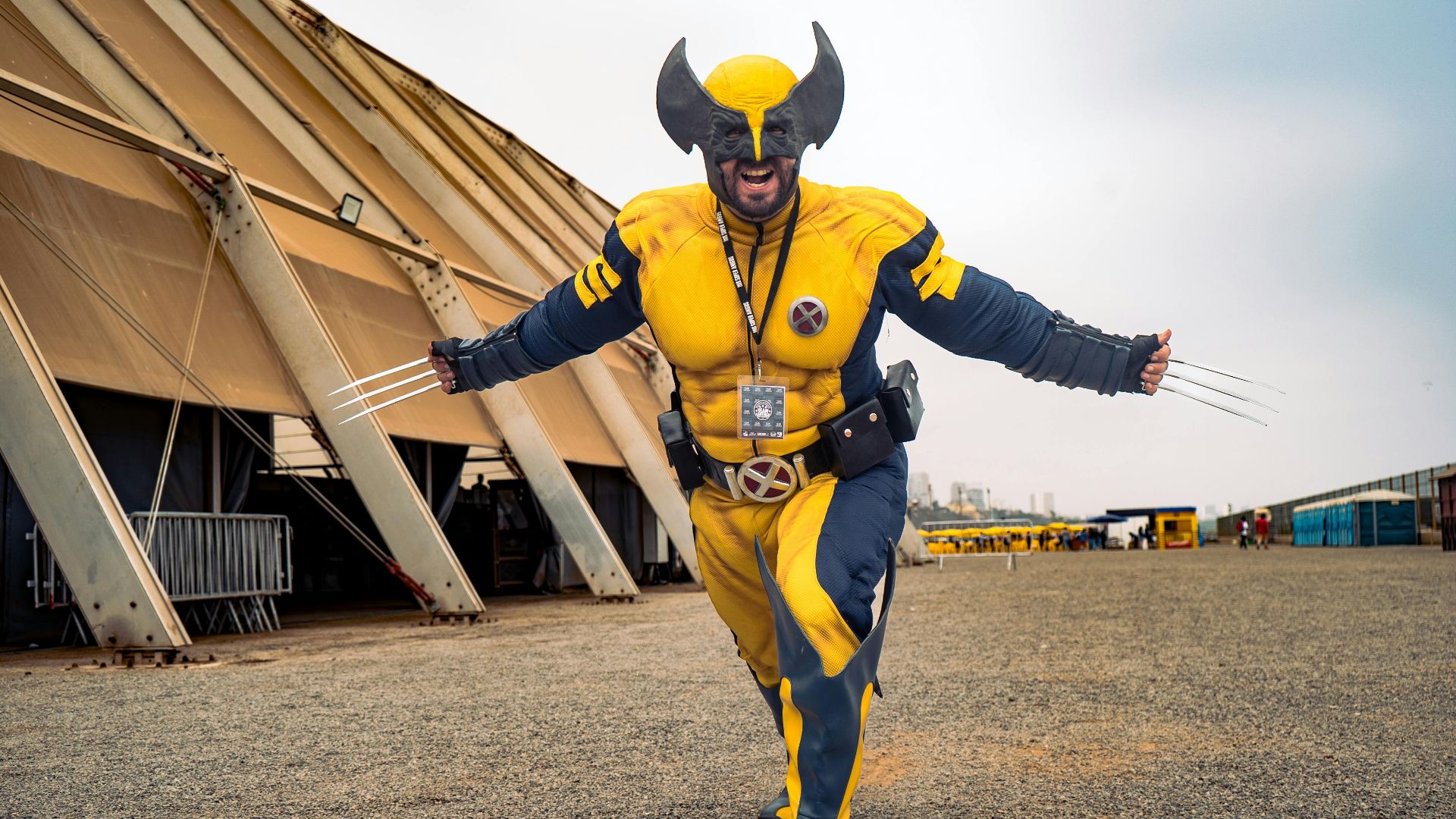
In Age of X-Man, the X-Men aren’t really a superhero team anymore because Legion reshaped reality into a soft-looking utopia. Some characters become versions of themselves that feel off-brand. The concept is strong, but the event can feel more like a prolonged mood than a story with a clear engine.

7. X-Men 2099 (Earth-928, Uneven Runs)
A cyber-future X-Men should be instantly iconic, but parts of X-Men 2099 can feel like the setting is doing more work than the characters. Some arcs are cool, while others struggle to create a team you’d genuinely miss when the issue ends. The concept isn’t the problem; the consistency is. It’s a mixed bag that doesn’t always justify the “2099” label.
8. X-Men: Millennial Visions (Anthology Alternate Takes)
This book is a grab bag of short alternate concepts, and the quality swings wildly because it’s designed as a creative showcase. Some ideas are fun sketches, while others feel like half-formed pitches that never become stories. If you want a cohesive alternate X-Men universe, this isn’t it.

9. Marvel Mangaverse: X-Men (Earth-2301)
The manga-inspired remix is bold, but it can feel more like an aesthetic exercise than an X-Men narrative with emotional weight. Characters get transformed so heavily that the core relationships may not hit the way you expect. If you’re coming for recognizable dynamics, you might feel unmoored.
10. What If…? Vol. 1 #9 — “X-Men Had Died on Their Very First Mission?”
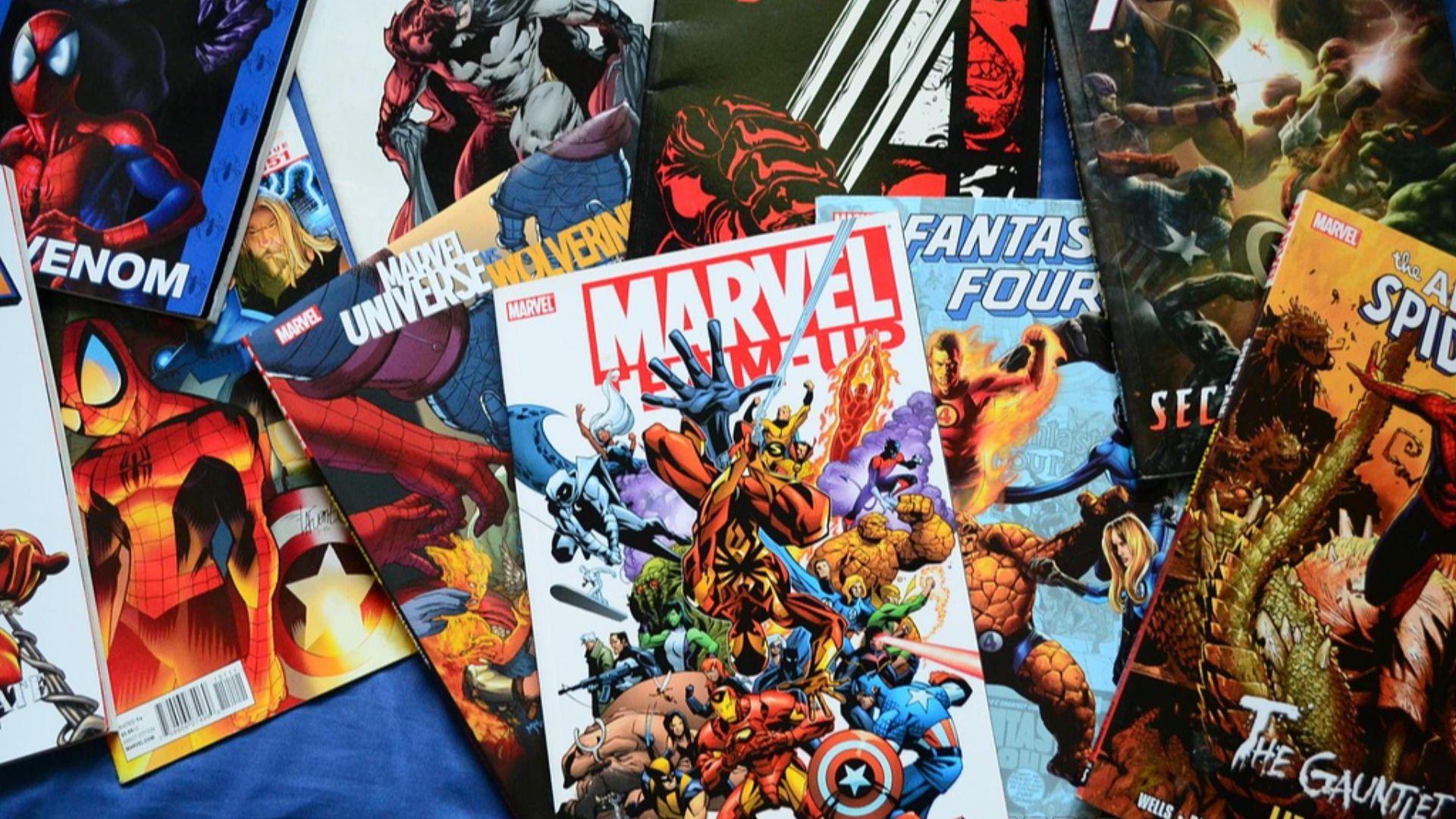
This alternate timeline starts by wiping out the entire rescue team on Krakoa and doesn’t bother offering you much comfort afterward. The X-Men don’t become a stronger family through tragedy here; they become a cautionary tale that spirals into grief, panic, and attempts at replacement. It’s a fascinating gut-punch premise, but it leans so hard into bleak consequences that it can feel more punishing than enjoyable.

Now that we've covered our least favorite of the X-Men iterations, let's talk about the ones that are actually awesome.
1. Age of Apocalypse (Earth-295)
In this world, the X-Men are basically a resistance cell trying to survive in a mutant-ruled nightmare. Professor X is dead, so Magneto becomes the moral center and leader of the X-Men, which flips the usual dynamic in a way that actually works. This is the gold standard because it commits fully while keeping the characters emotionally recognizable, though hardened.
2. Days of Future Past (Earth-811)
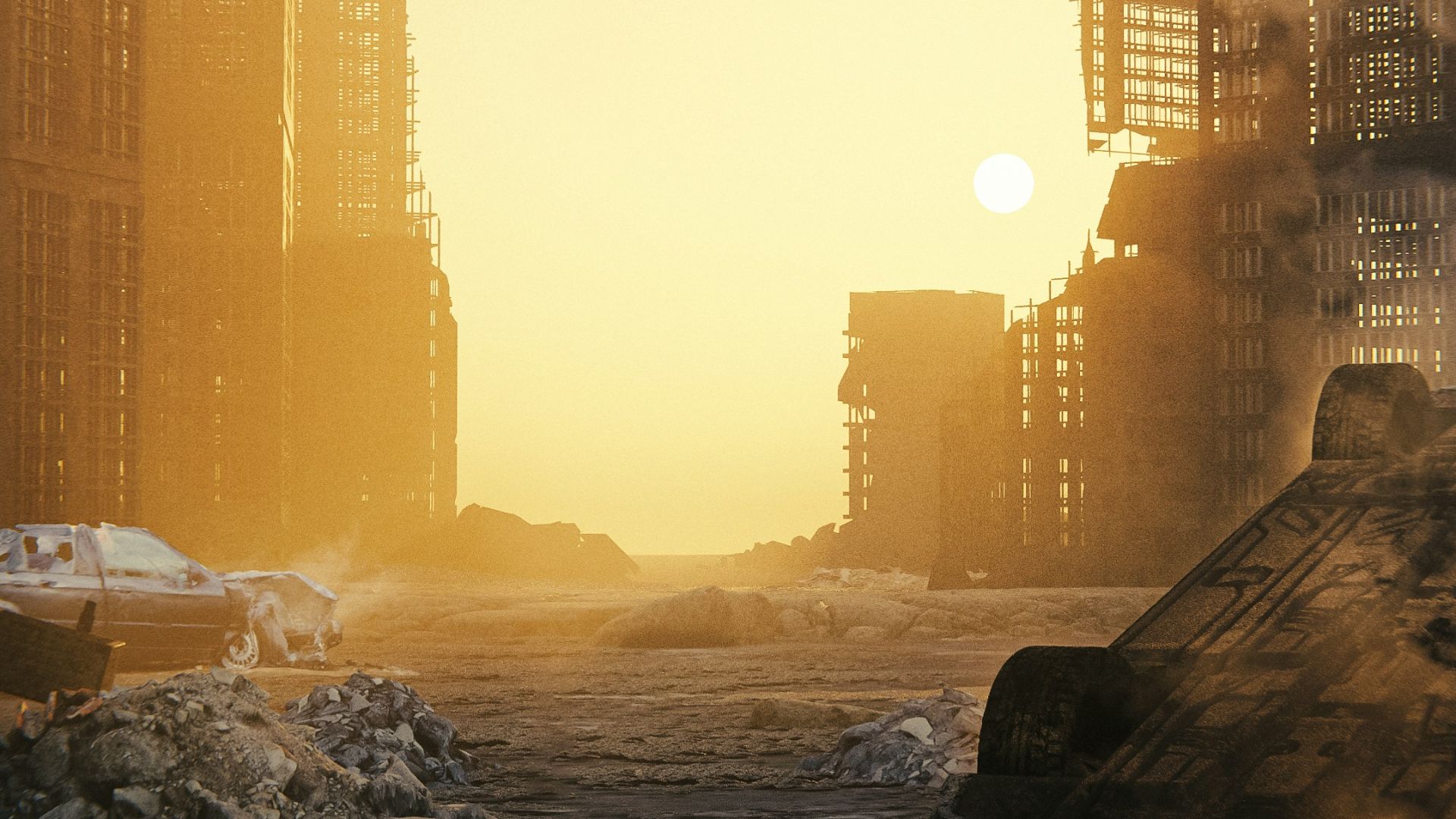
The X-Men here aren’t a thriving team; they’re a scattered, hunted remnant operating in a world where Sentinels already won. This timeline hits hard because it’s terrifying and laser-focused. It shows you a future shaped by fear, and it makes the X-Men’s struggle feel more urgent. It’s one of the rare alternate futures that became a permanent cultural reference point.
3. House of M (Reality Rewrite)
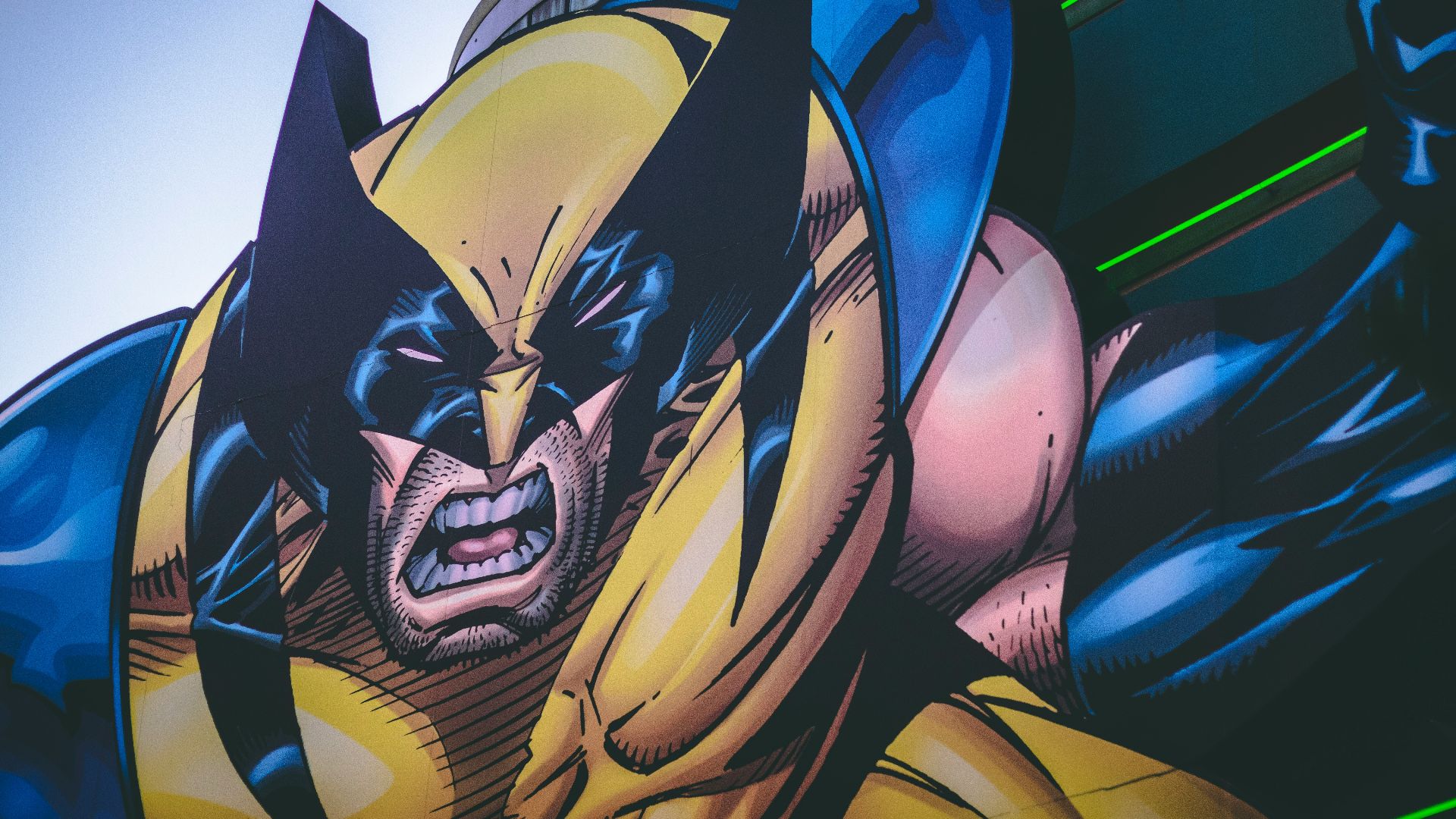
In House of M, the X-Men don’t function as outsiders anymore, because the world flips, so mutants are the dominant group. That change rewires the team’s role from “defenders of a feared minority” to “citizens of the winning side," forcing the characters to confront who they are without oppression shaping every choice. House of M works because it sells you a tempting world first, then reveals the cracks underneath it.

4. Exiles (Multiverse Team Series)
In Exiles, instead of one X-Men team, you get a rotating squad of alternate-reality mutants pulled together as dimension-hopping troubleshooters. You get rotating versions of familiar characters, which keeps it surprising without feeling random. The best runs balance adventure with real character moments.

5. Renew Your Vows X-Men (Earth-18119)
In this timeline, the X-Men aren’t just a superhero team; they become a tight-knit survival network in a world shaped by a major superhuman crackdown. The biggest change is how “family” becomes literal and central, because the story reframes the mutant struggle around protecting kids and keeping people hidden, not just fighting public battles. The team energy shifts toward secrecy, trust, and making hard choices to keep loved ones safe.
6. Old Man Logan’s Wasteland X-Men Echo (Earth-807128)
In this future, the X-Men aren’t an active team so much as a legend and a scar, because most of them are gone and the world has moved on. Logan’s role shifts from teammate to haunted survivor, carrying the weight of the team’s collapse.

7. Earth X (Earth-9997)
Earth X reimagines Marvel as a world where everyone’s becoming something more-than-human, and mutants are no longer a separate “other” because transformation is everywhere. That forces the X-Men concept to evolve from mutant rights to the meaning of humanity, which is a bigger, deeper question. Characters feel less like a school team and more like mythic figures in a shifting world order.

8. What If…? Vol. 2 #87 — “Professor X Had Become the Juggernaut?”
This one changes the X-Men at their core by shifting Xavier’s role from patient teacher to an unstoppable force. When the person who normally preaches restraint becomes the living embodiment of momentum and destruction, the team’s moral center is lost. It’s compelling because it turns the group into people reacting to a changed “father figure,” not just fighting a new villain.
9. What If…? Vol. 1 #30 — “Wolverine Had Become Lord of the Vampires?”
This is a great alternate because it doesn’t just flip a switch; it rewires what “the X-Men” are dealing with. Wolverine becomes a monstrous power center, and the X-Men shift from a team with internal drama to a desperate group facing an existential supernatural threat.

10. Age of X (Carey Era Alternate Reality)
This one stands out because it’s built around identity, memory, and the uneasy feeling that something isn’t right. In Age of X, the X-Men aren’t a public superhero team at all; they’re essentially rebels and fugitives in a world where mutant identity is a constant danger. Characters shift into more paranoid versions of themselves, and the team’s relationships become tighter.