More Than Chess and Checkers
When most people think of strategy games, their minds jump straight to chess, checkers, or maybe even Scrabble, but the world is full of board and tile games that have been sharpening minds for centuries, and most of them never make it onto store shelves in the West. From the highlands of Nepal to the shores of Hawaii, cultures across the globe have developed their own distinct approaches to strategic play, each with unique rules, rhythms, and layers of depth. Whether you're a seasoned board game enthusiast or just looking for something fresh to try at game night, these 20 lesser-known strategy games are well worth your time and attention, so buckle up.
 Hawai‘i Volcanoes NPS on Wikimedia
1. Yut Nori
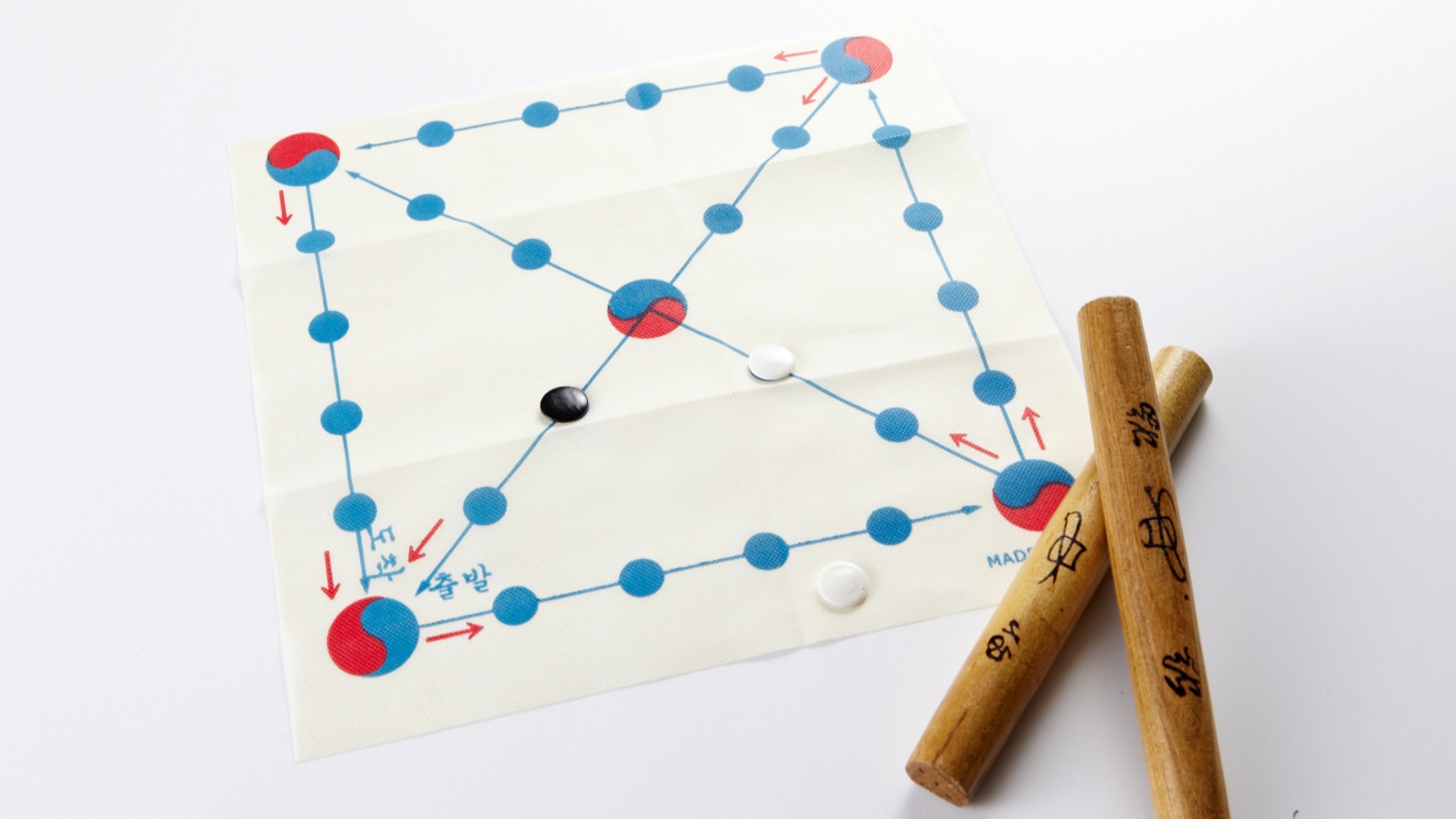
Yut Nori is a traditional Korean board game that's been played during holidays and family gatherings for well over a thousand years. Players throw four wooden sticks, each with a flat and rounded side, and move their tokens around a cross-shaped track based on how the sticks land. It's simple enough for kids to pick up but engaging enough that adults keep coming back to it, especially since the team-play format makes every round feel social and lively.
2. Bagh Chal
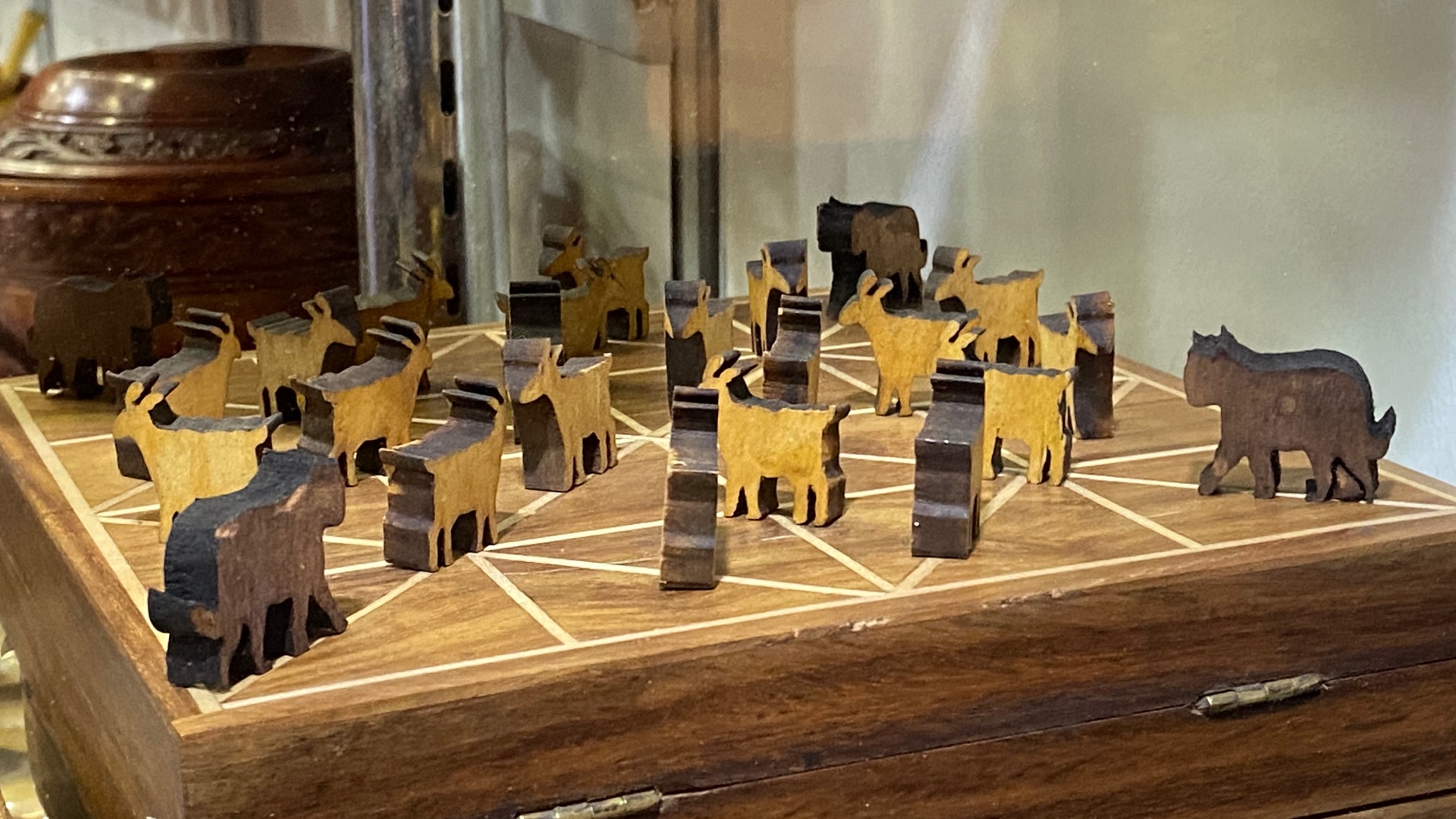
Translated to "tiger game" in Nepali, Bagh Chal is an asymmetric two-player game where one player controls four tigers and the other manages up to twenty goats. The tigers try to capture five goats by jumping over them, while the goat player works to surround and immobilize all four tigers before that can happen. Both sides play so differently from each other that mastering the game means developing two entirely separate strategic approaches, which makes it endlessly replayable.
3. Fanorona
Dating back to the 17th century, Fanorona is a strategy game from Madagascar with deep cultural significance on the island. The board is a grid of intersecting lines, and players capture pieces by either approaching or withdrawing from a line of opponent pieces in a single move. Capturing is mandatory and chain captures follow strict directional rules, so you'll need to think several moves ahead to avoid accidentally handing your opponent a winning sequence.
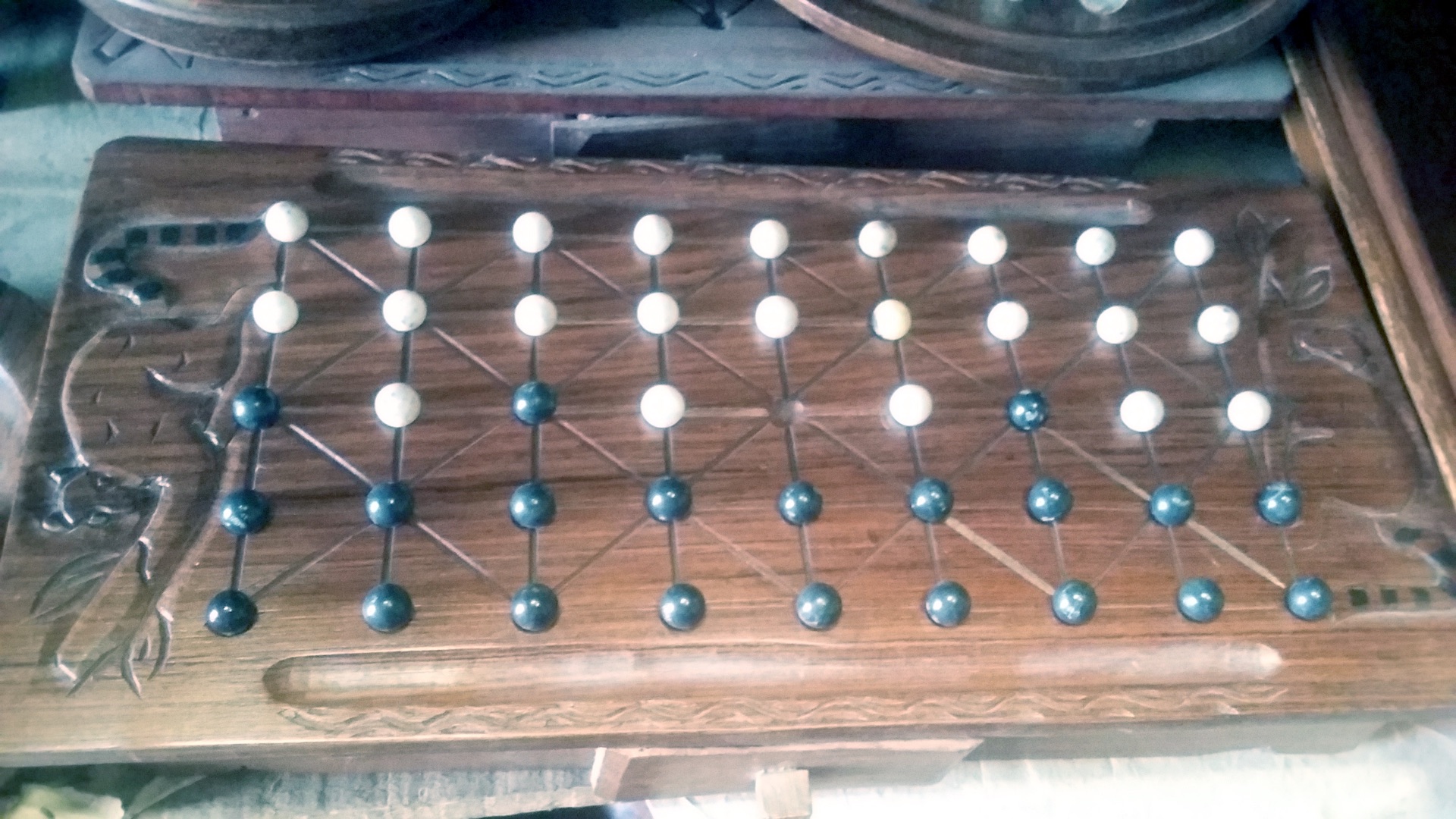 RAZAKARIVONINJATOVO Miendrintsoa Cédric on Wikimedia
4. Hnefatafl
Before chess largely replaced it in Europe, Hnefatafl was a widely played Viking-era board game across Scandinavia and the British Isles. One player commands a king and his defenders at the center of the board, while the opposing player controls a larger surrounding army trying to capture the king before he escapes to a corner square. The deliberate imbalance in forces pushes both players to approach the game from completely opposite strategic mindsets, which is a big part of what makes it so compelling.
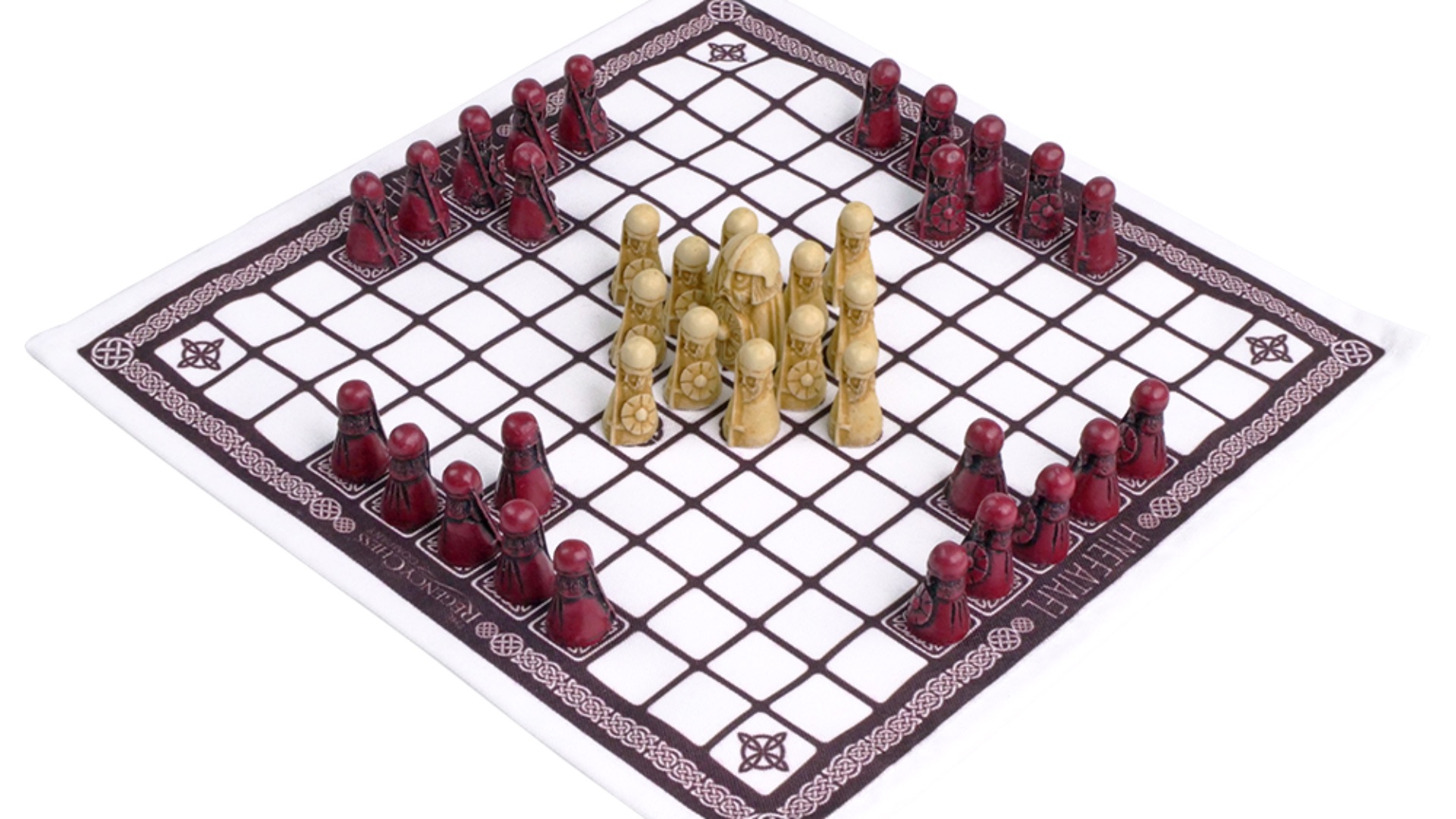 Calogeroa.salomon on Wikimedia
5. Toguz Kumalak
Recognized by UNESCO as part of Central Asia's cultural heritage, Toguz Kumalak is a mancala-style game from Kazakhstan that has been played across the region for generations. Stones are distributed across a row of nine pits on each player's side of the board and collected according to rules that involve capturing pits when they hold an even number of stones. It rewards careful calculation over improvisation, and experienced players can map out long chains of moves with a precision that rivals far more globally recognized abstract games.
6. Oware
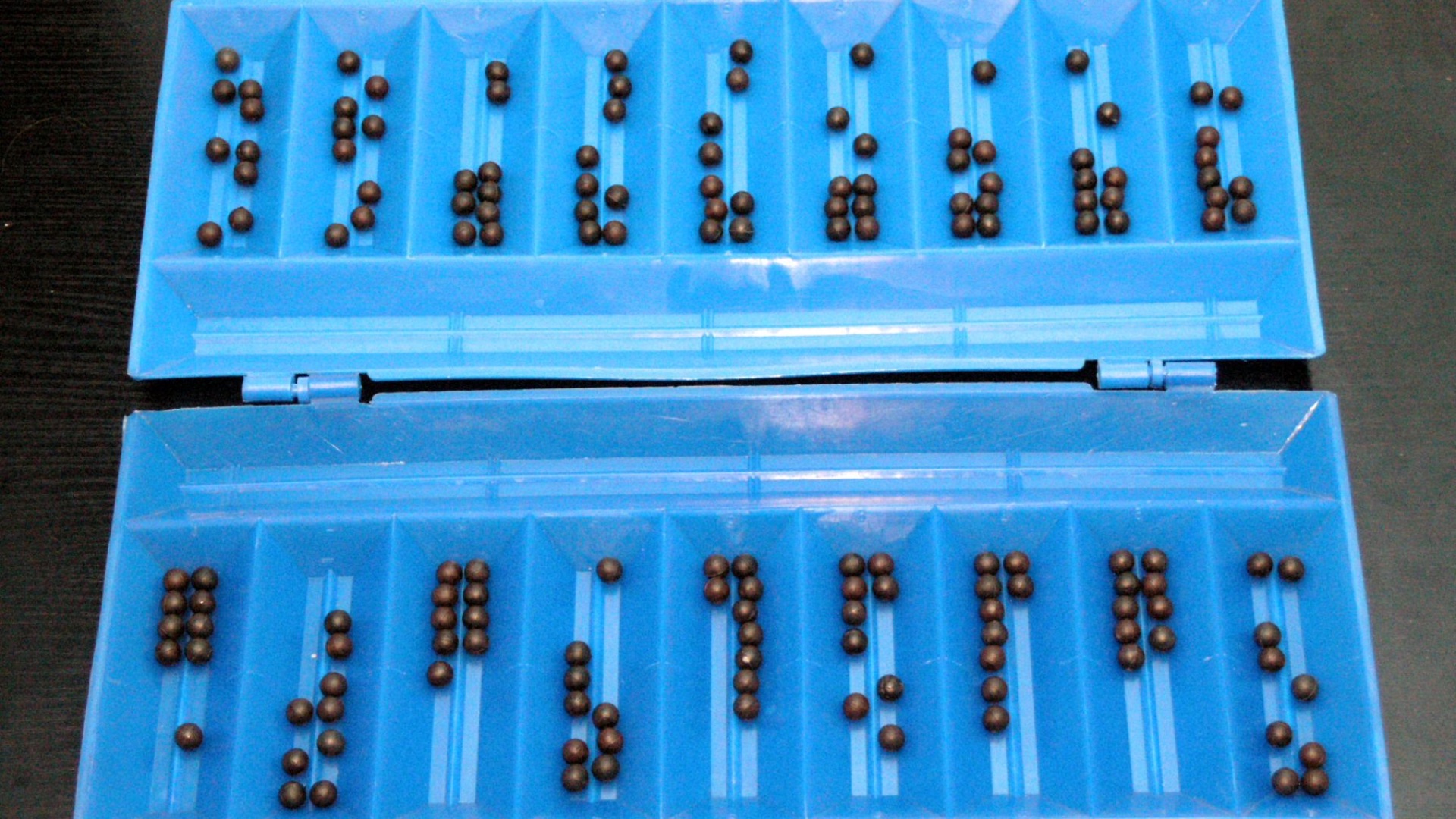
One of the most widely played variants of the ancient mancala family, Oware is popular across West Africa and the Caribbean, particularly in Ghana and Barbados. Players sow seeds around a two-row board and capture groups of two or three seeds on the opponent's side, with one key rule being that you can never leave your opponent without any moves available. The intersection of territorial thinking and resource management gives Oware a surprising depth that's easy to underestimate when you first see the board.

7. Nine Men's Morris
Nine Men's Morris is one of the oldest board games in recorded history, with versions of the board found carved into ancient Egyptian temples, Roman ruins, and medieval European cathedrals. Each player places nine pieces onto a series of concentric squares connected by lines, working to form rows of three called "mills," which then allow you to remove one of your opponent's pieces from the board. The game evolves through three distinct phases as pieces are placed, then moved, and finally reduced, making each stage feel like a new strategic challenge.
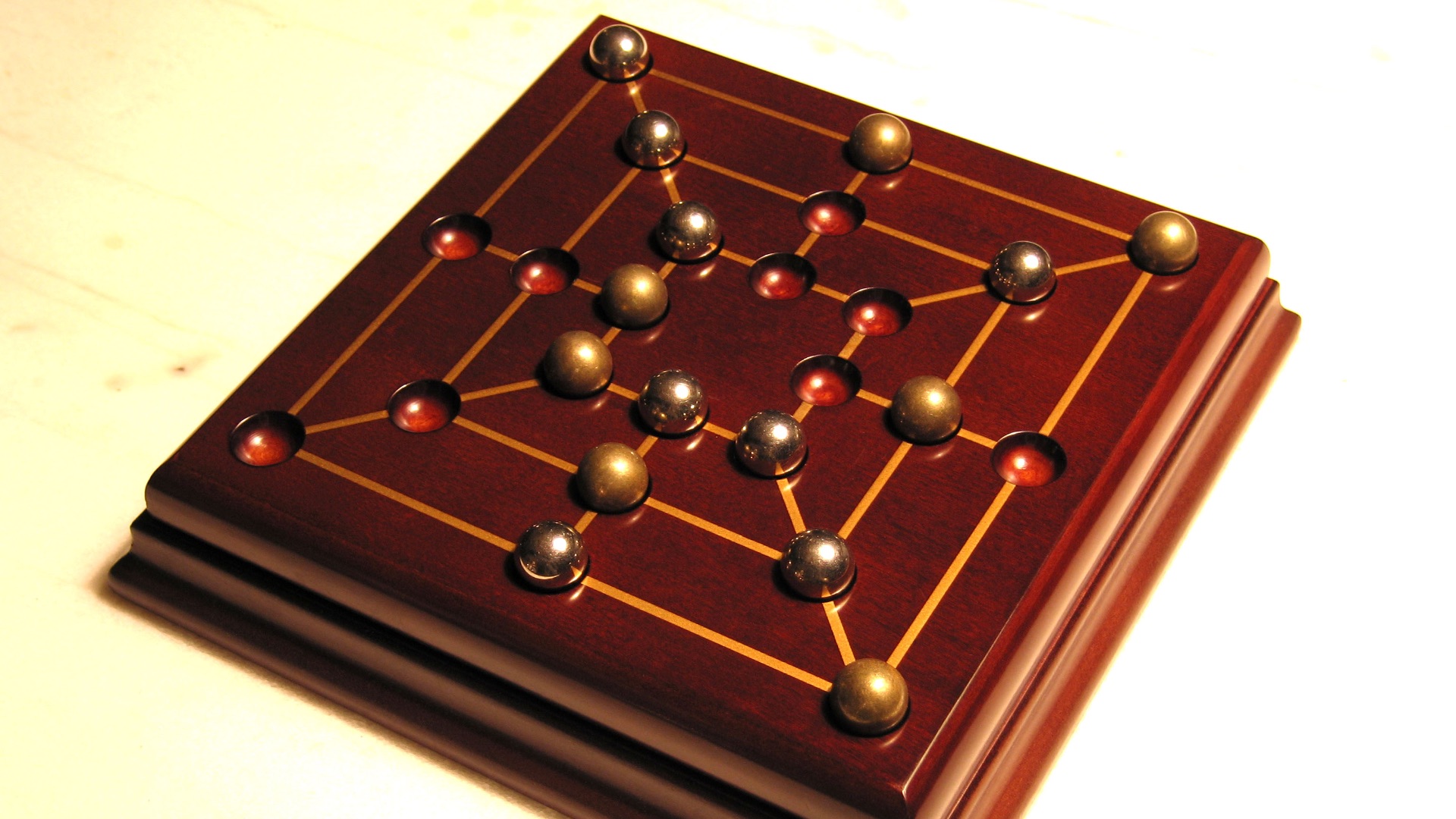 Andrew Magill from Boulder, USA on Wikimedia
8. Konane
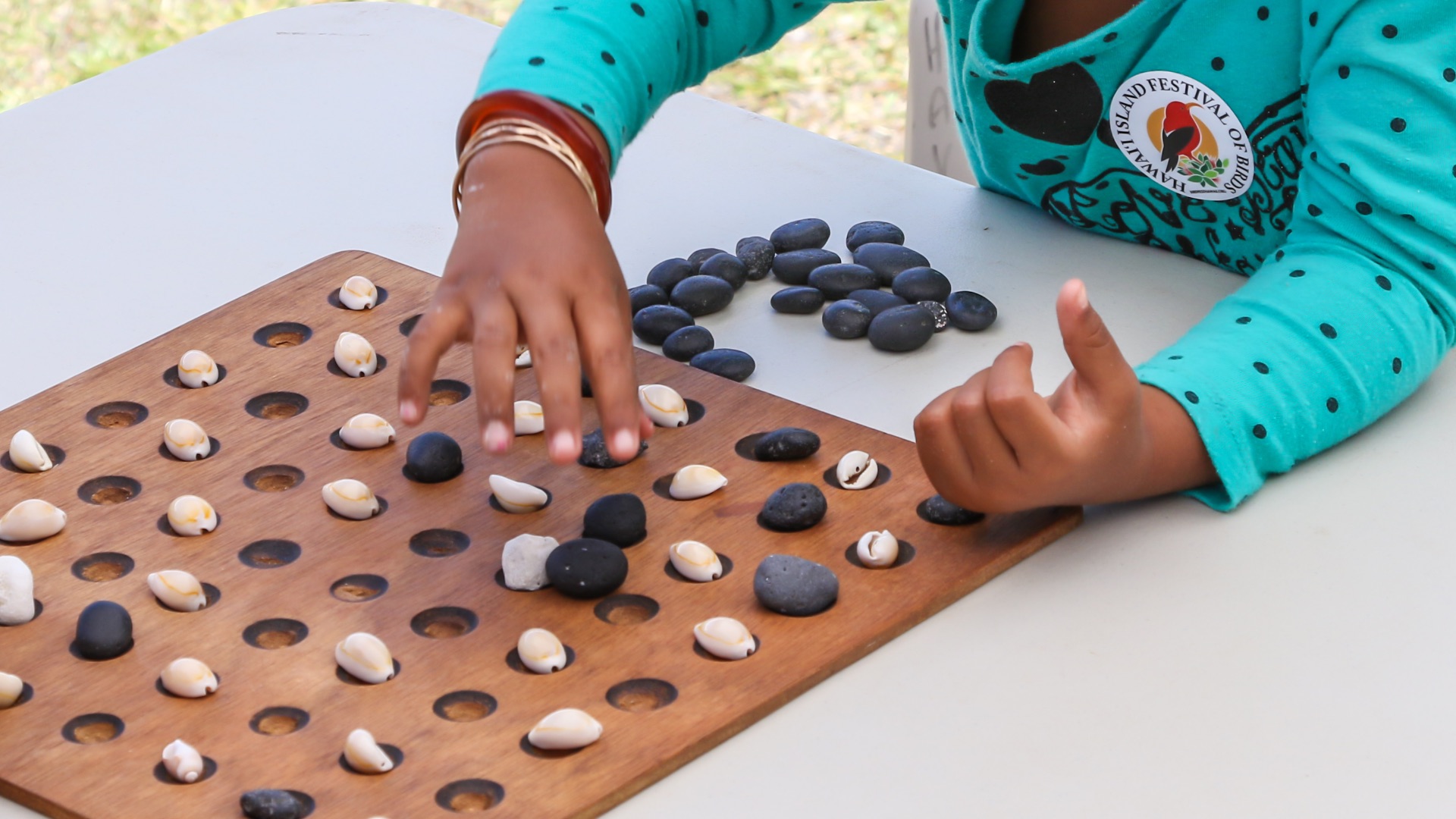
Hawaii has its own traditional strategy game called Konane, played on a grid of alternating black and white stones, with a jumping mechanic similar to checkers. Players alternate jumping over their opponent's pieces in straight lines and removing captured stones from the board, with the goal of leaving your opponent without any legal jumping moves remaining. It was historically played on large, specially carved stone boards called papamu, and the game carries considerable cultural significance in Hawaiian tradition.
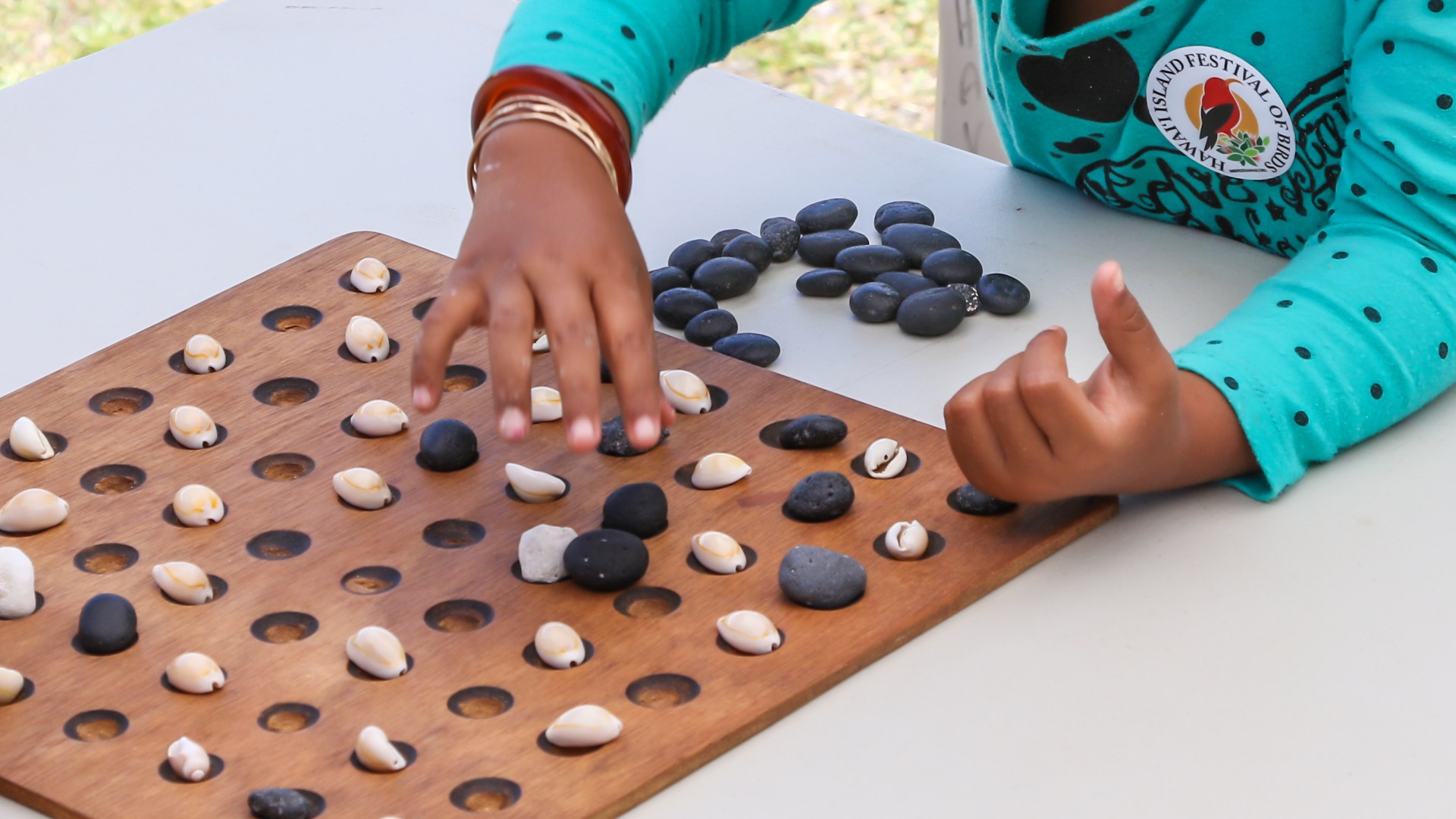 Hawai‘i Volcanoes NPS on Wikimedia
9. Surakarta
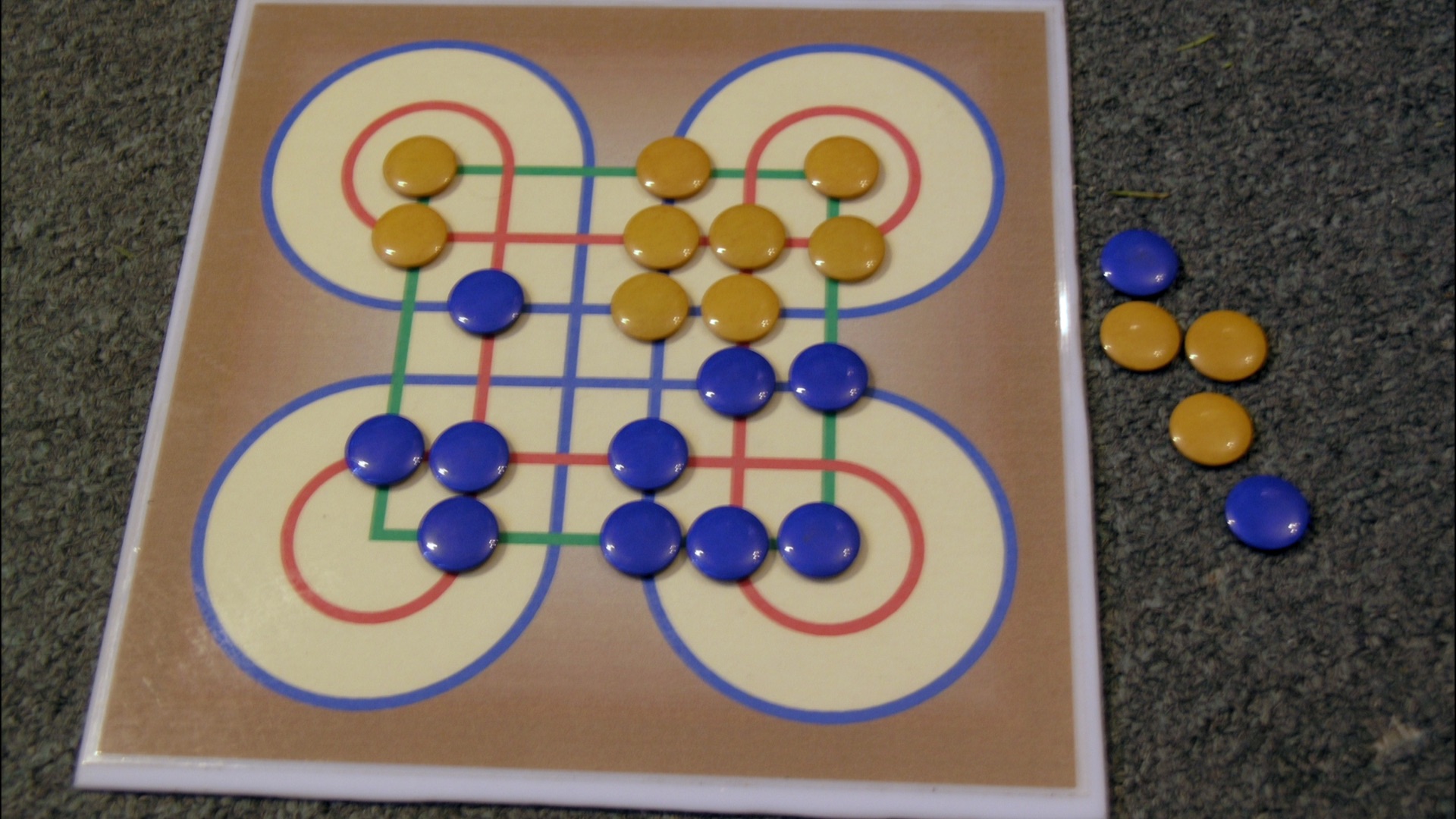
Named after the historic city of Surakarta in Java, this Indonesian strategy game stands out for a board design that features curved loops at the corners and along the sides. Pieces can only capture opponents by traveling along these loops and landing on or passing through a space occupied by an enemy piece, which transforms the board's tactical landscape entirely. Working out when and how to use the loops is the central strategic challenge, and it usually takes a few games before you start to see the board's full range of possibilities.
10. Renju
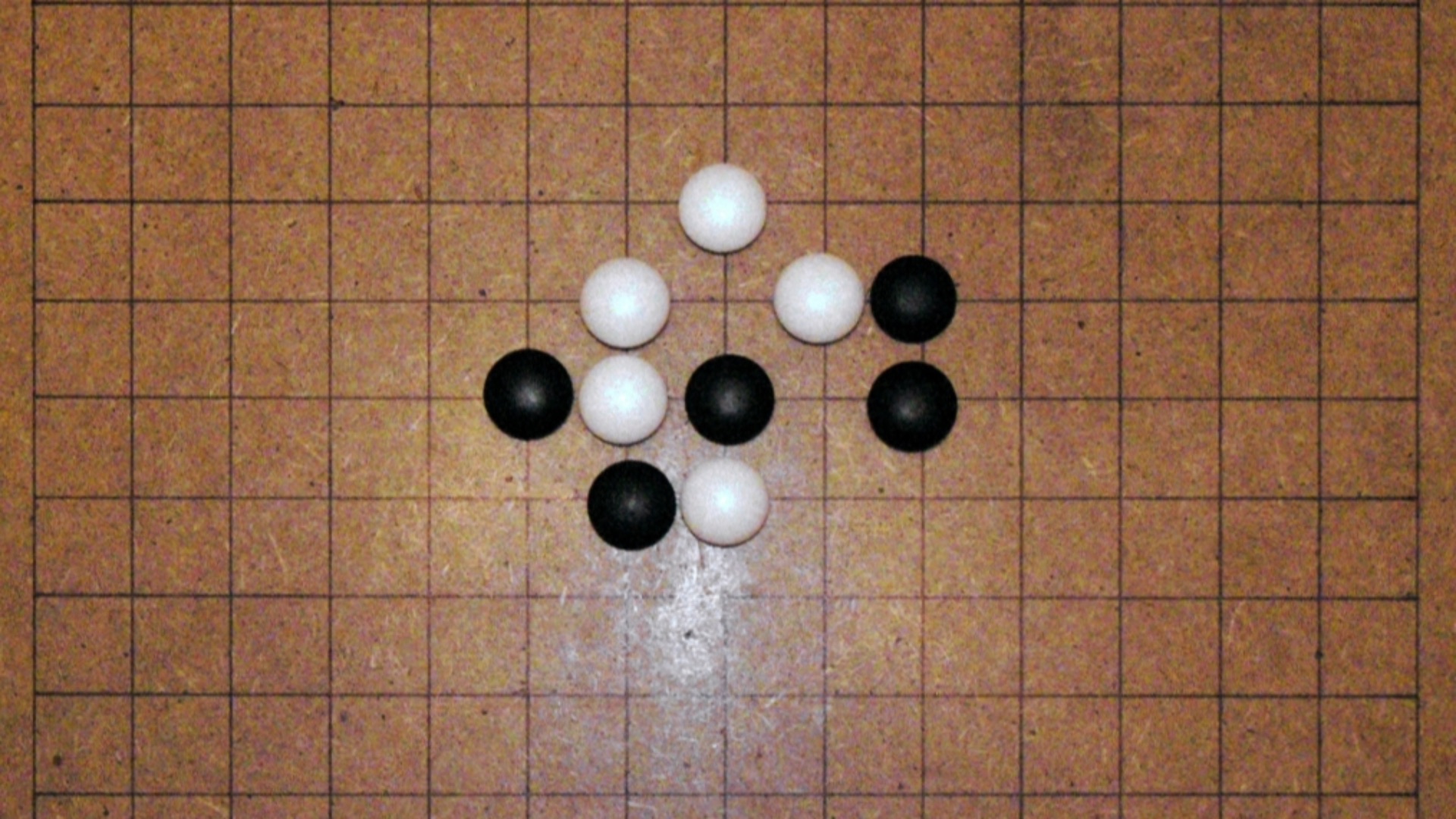
Renju is the competitive, rule-bound version of Gomoku, the Japanese five-in-a-row game, developed specifically to address imbalances that make standard Gomoku feel lopsided at higher levels of play. The black player, who moves first and therefore holds a natural advantage, faces restrictions that prohibit certain winning formations, which brings both sides closer to equal footing. International tournaments and a formal world championship, which has been held every two years since 1989, have kept Renju alive as a serious competitive pursuit.
11. Shisima
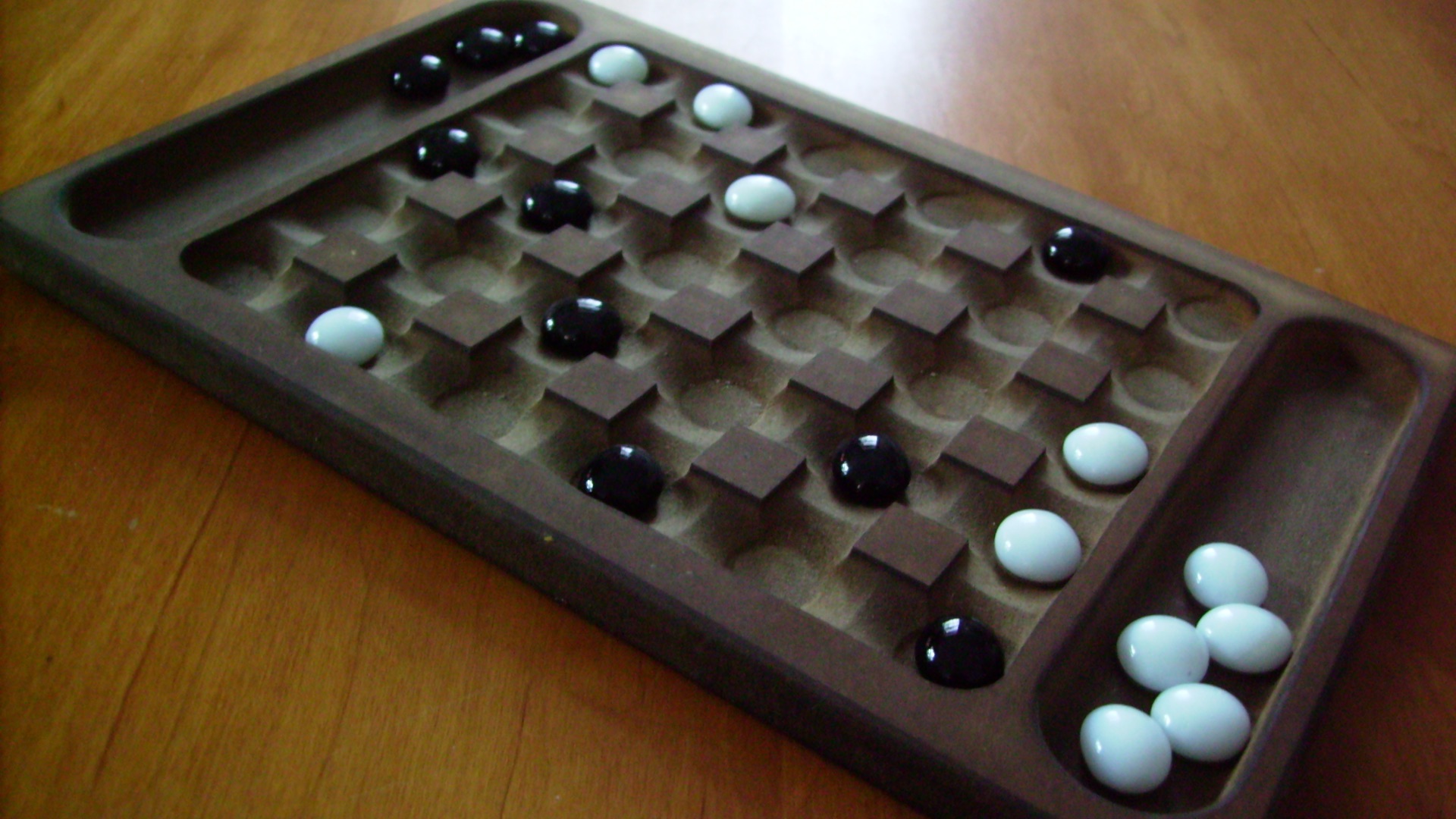
A traditional game from the Tiriki people of western Kenya, Shisima is often used to introduce children to abstract strategic thinking through its straightforward but deceptively tricky format. The board is octagonal with eight points connected to a central hub, and each player has three pieces that they move along the lines in an attempt to align all three in a row, making it a little similar to Tic-Tac-Toe. Individual games are short and rarely last more than a few minutes, yet the limited movement options ensure that every single decision carries real weight.

12. Yoté
Widely played across Senegal and neighboring West African countries, Yoté is a two-player game that blends piece placement and movement within a single session. The board starts empty, and players take turns placing and moving pieces, capturing by jumping over an opponent's stone; a successful capture also gives you the bonus of removing any additional piece of your choice from the board. That extra removal rule introduces a level of tactical aggression into Yoté that most placement games simply don't offer.
13. Pente
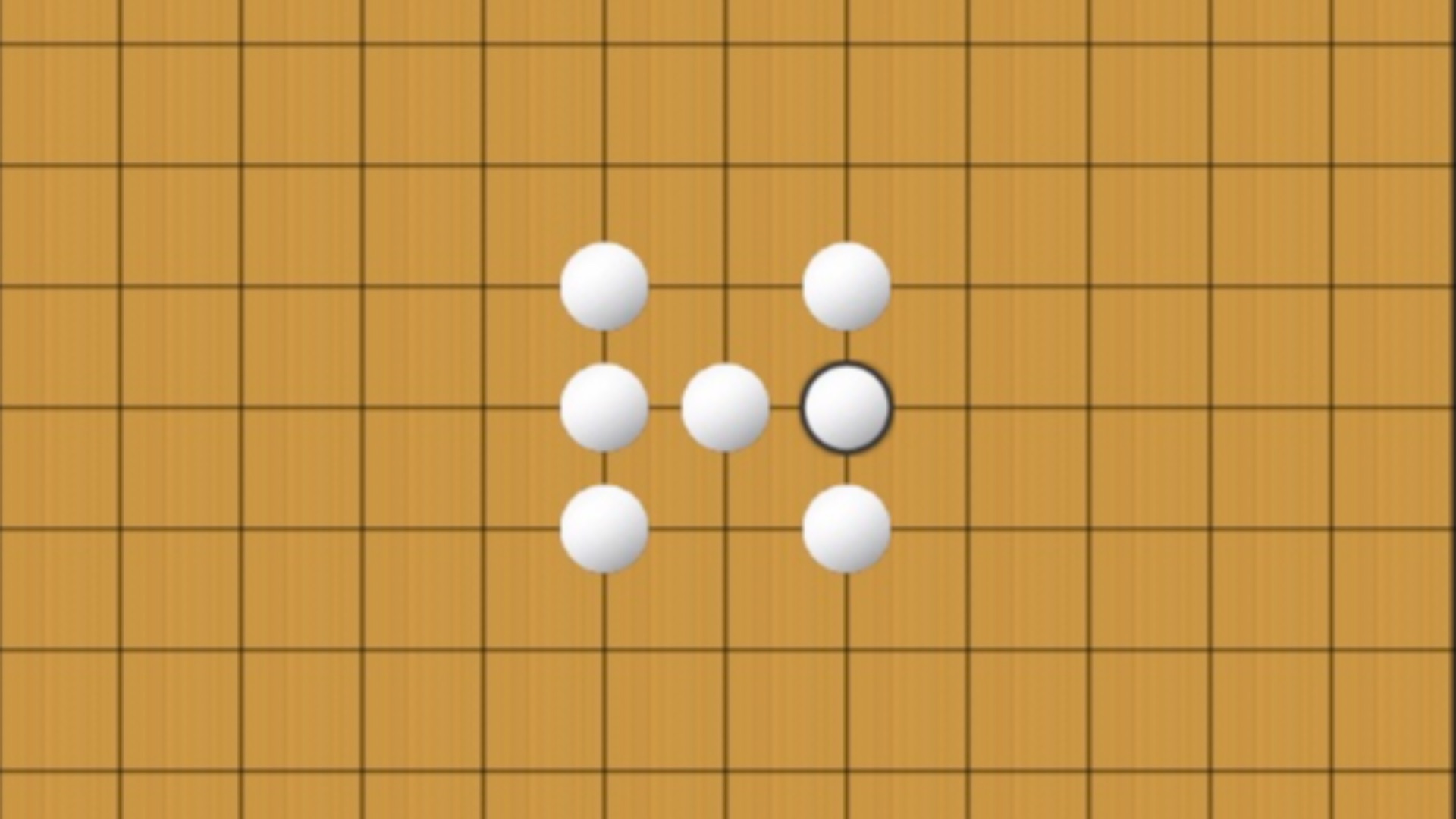
An American board game created in 1977, Pente draws from traditional Japanese Gomoku but adds a capturing mechanic that meaningfully changes how the game plays out. You can win either by getting five stones in a row or by capturing five pairs of your opponent's stones, so you're always juggling two potential paths to victory at once. It enjoyed a burst of popularity in the early 1980s when arcade versions appeared in video game centers, but it's been largely overlooked since despite being one of the more engaging two-player abstract games of its era.
14. Abalone
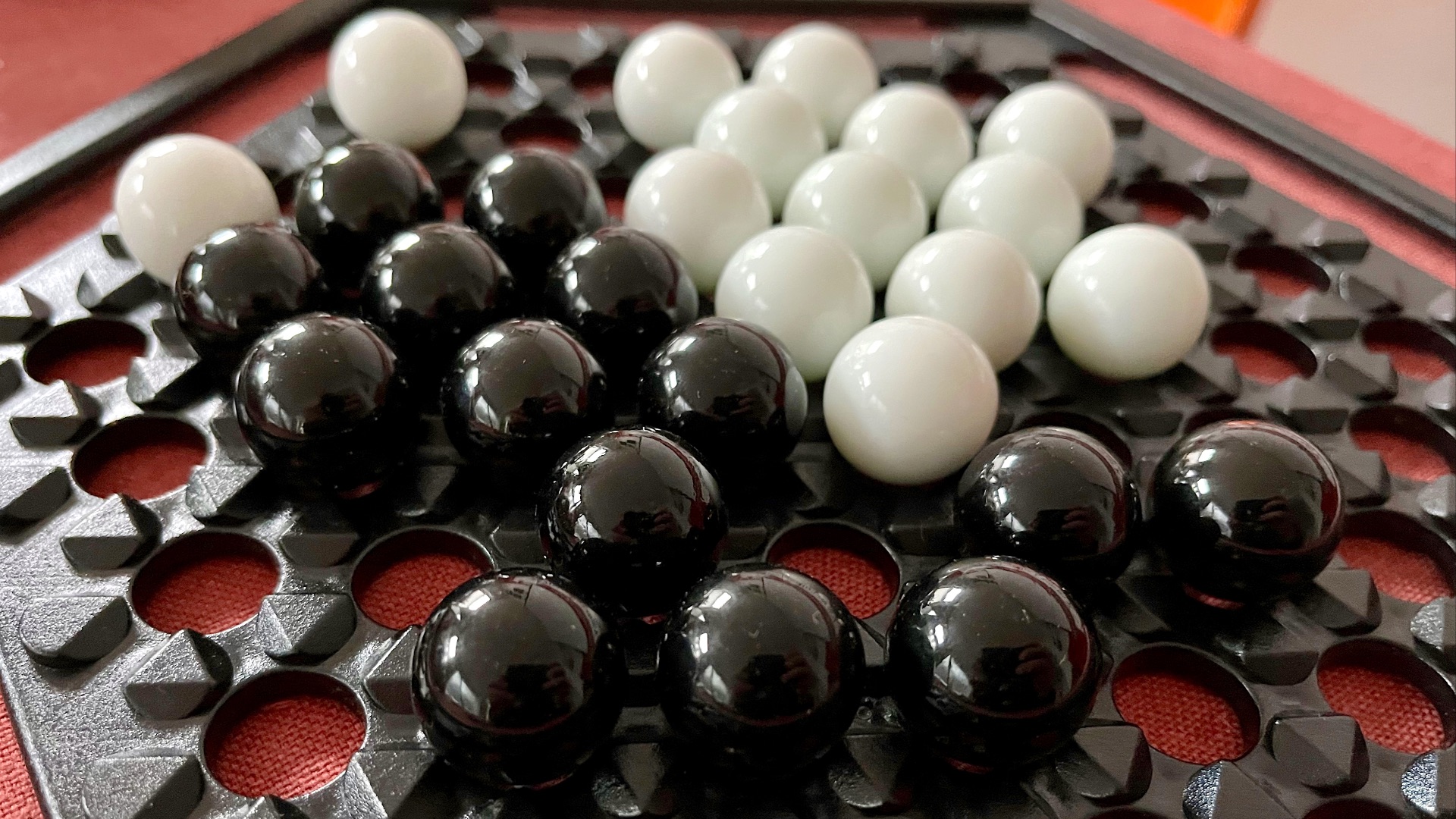
Released in France in 1987, Abalone is an abstract strategy game built around the unusual mechanic of pushing your opponent's marbles off a hexagonal board using the collective weight of your own. You need to outnumber your opponent's marbles in a line to push them, and the first player to shove six of the opponent's marbles off the edge wins the game. It's deeply spatial, requiring you to hold a mental picture of the whole board while tracking every potential push sequence your opponent might be building toward.
15. Hive
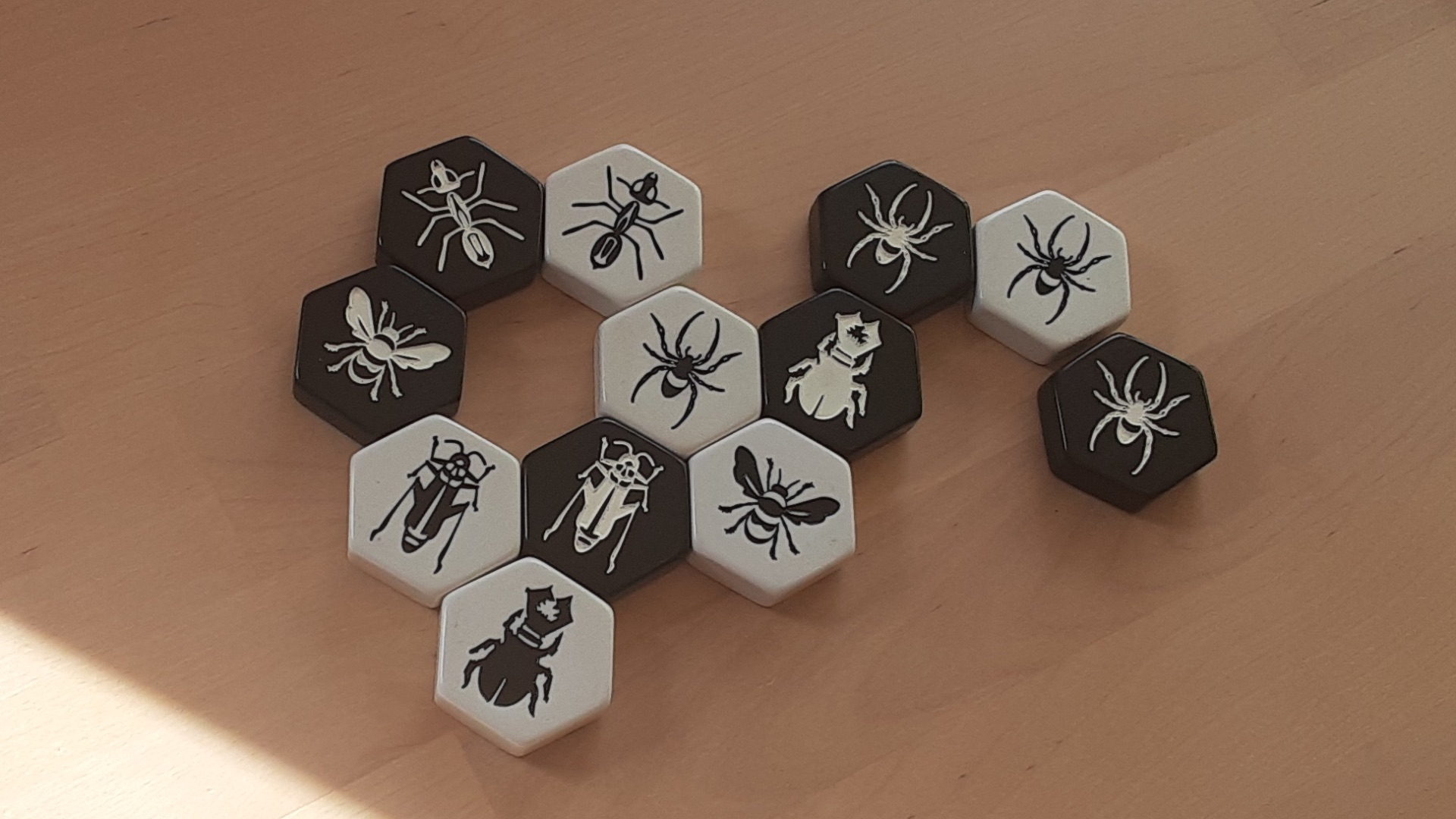
Designed by John Yianni and published in 2001, Hive is a contemporary tabletop game with a notable distinction: it has no board whatsoever, and the pieces themselves form the playing surface as the game progresses. Each insect piece moves according to its own unique rules, and your goal is to completely surround your opponent's queen bee while keeping your own protected. It's compact enough to take anywhere and deep enough to have developed a competitive scene with tournaments held across multiple continents.
16. Tablut
Tablut belongs to the broader family of Norse tafl games and was documented by the Swedish botanist Carl Linnaeus during an expedition to Lapland in 1732, making it one of the better-recorded variants of this game tradition. One player controls a king and eight defenders positioned at the center of a nine-by-nine board, while the other commands 16 attackers placed around the edges. The defenders win if the king reaches any corner square, while the attackers win by surrounding him on all four sides, which creates a tense, shifting territorial contest throughout the whole game.
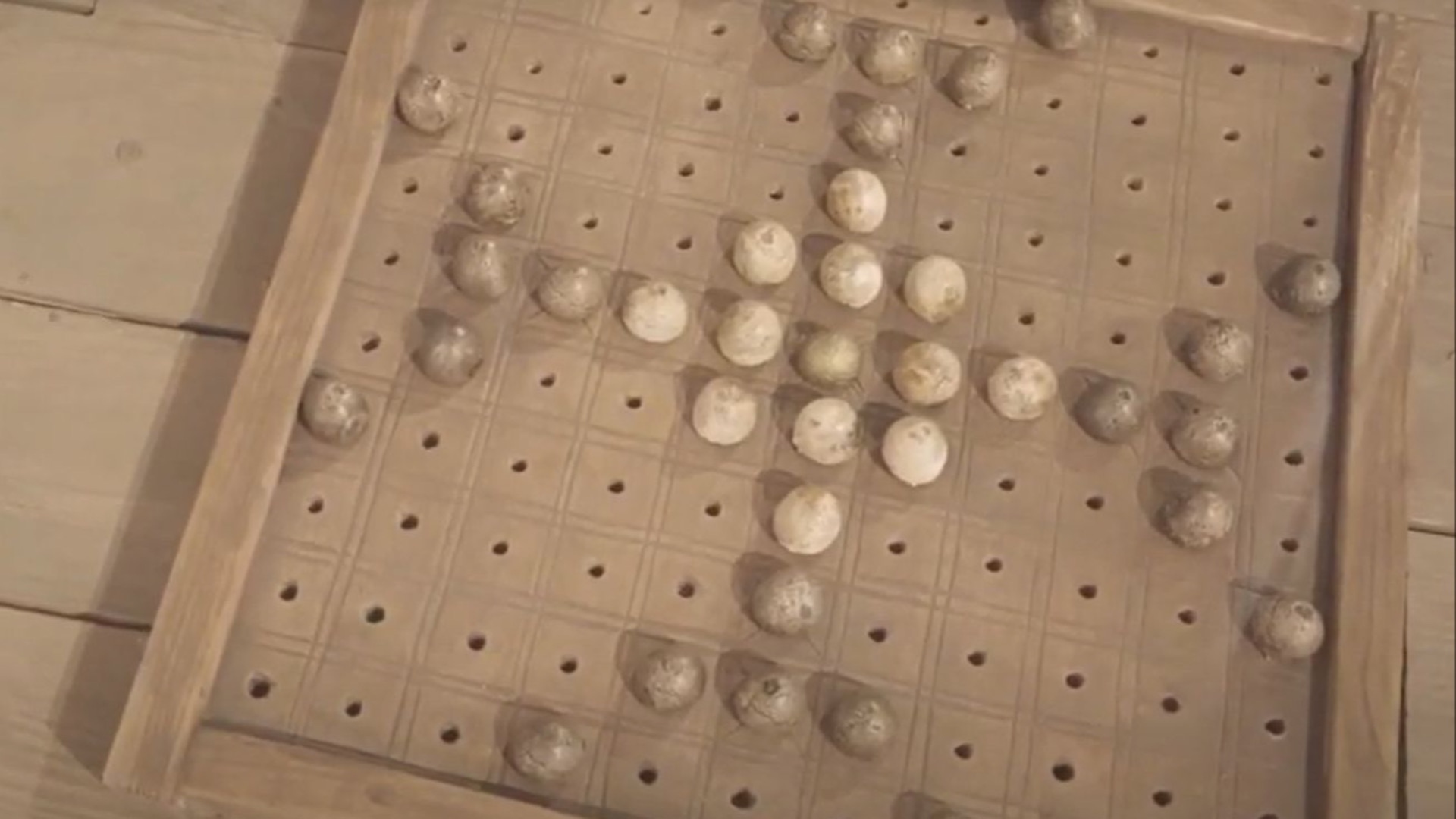 Muzeum Archeologiczno-Historyczne w Elblągu on Wikimedia
17. Chaturaji
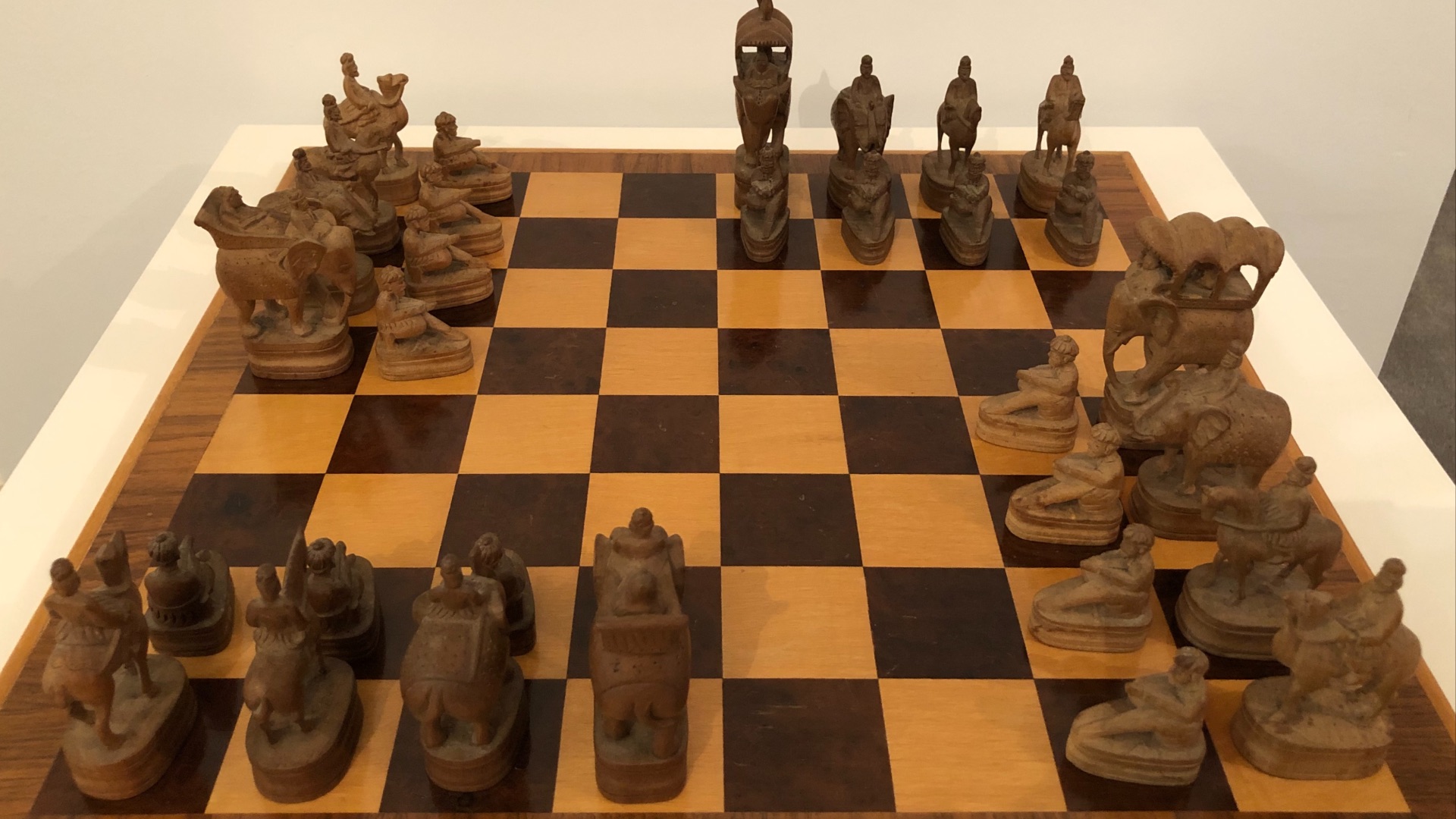
One of the earliest known four-player chess variants, Chaturaji is an ancient Indian game played on a standard eight-by-eight board with two teams of two competing simultaneously. Each player controls a king, a rook, a knight-like piece, a bishop-like piece, and a set of pawns, with points accumulated through captures and certain positional achievements during play. It offers a fascinating glimpse into how chess-like games developed across cultures, and the four-player format gives it an entirely different feel from the head-to-head structure most strategy game fans are used to.
18. Arimaa
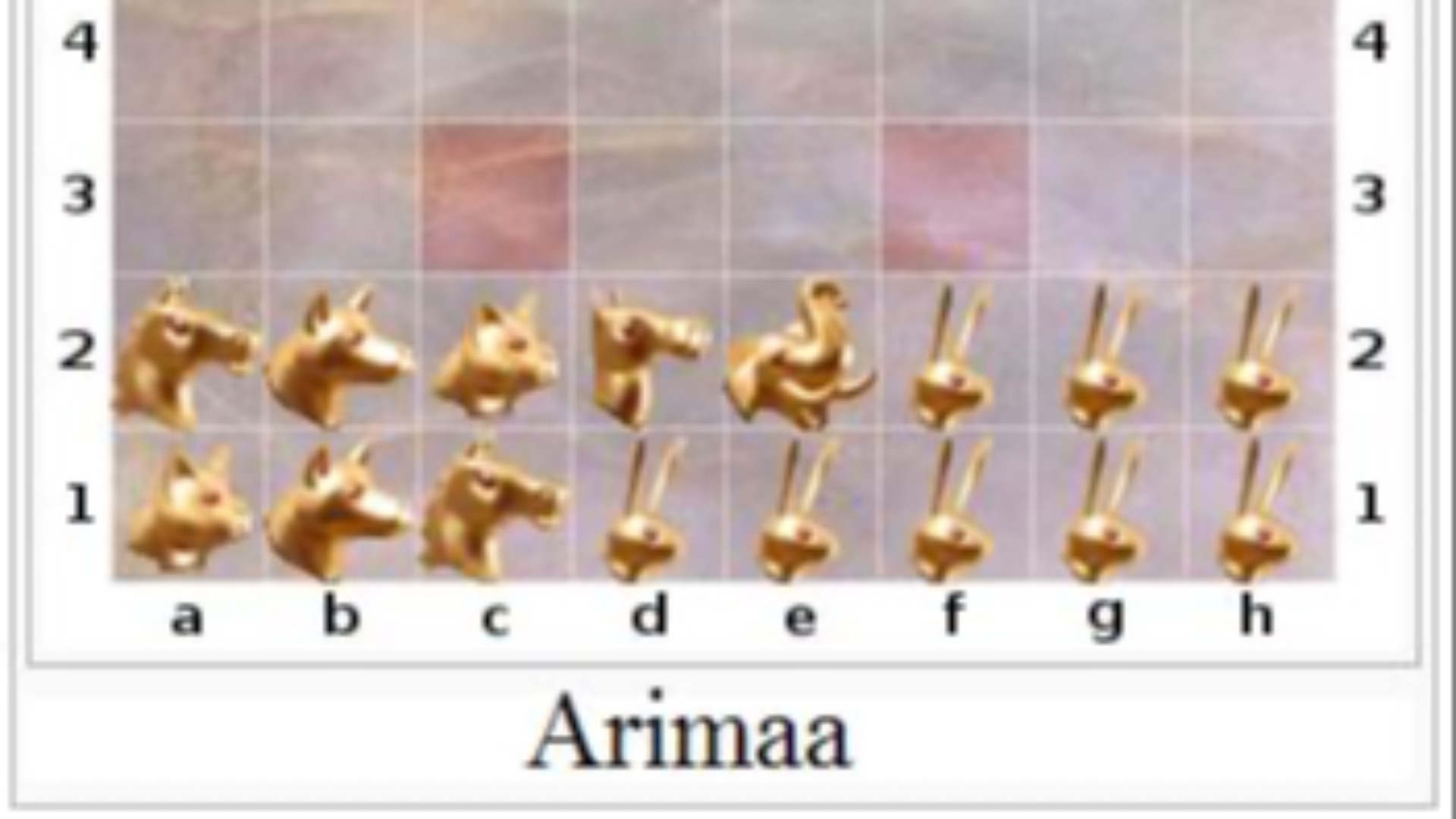
Omar Syed designed Arimaa between 1997 and 2002 as a direct response to the growing dominance of chess-playing AI programs, deliberately creating a game that would be intuitive for humans to learn but extremely difficult for computers to master. The board resembles a chess board, and each player controls a set of animal-ranked pieces that move according to clear rules, but the strategic depth comes from a pushing and pulling mechanic that lets stronger pieces drag or shove weaker ones across the board. A cash prize was offered for years to any computer program that could defeat a top human player, and it went unclaimed until 2015.
19. Quoridor
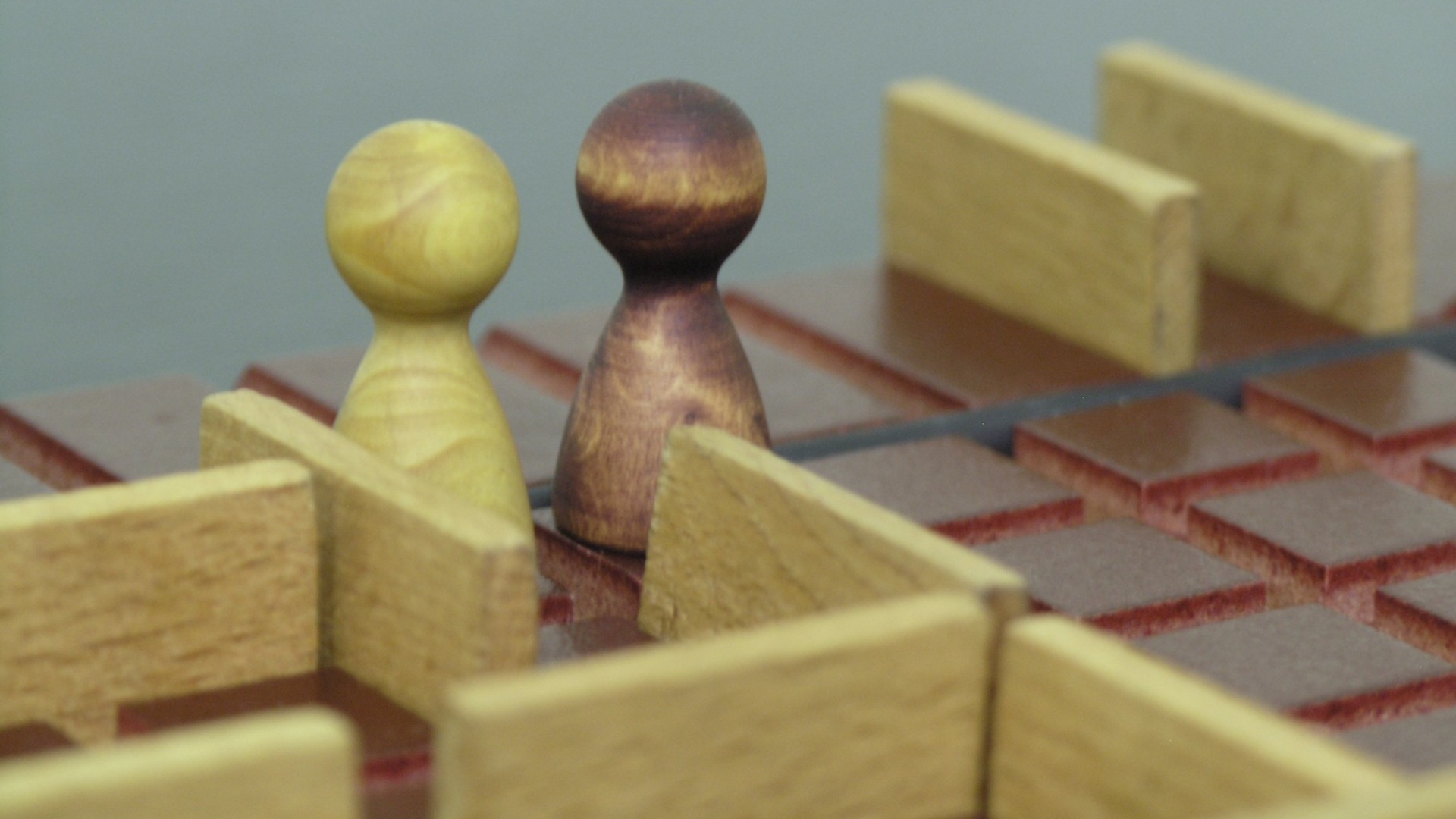
Quoridor is a Swiss-designed abstract strategy game from 1997 that gives each player a pawn and a set of fence pieces, with the goal of moving your pawn to the opposite side of the board before your opponent reaches theirs. You can slow your opponent down by placing fences in their path, but you're never allowed to block them completely; there must always be at least one open route available to them. It won the Mensa Select award the year it was released, and while the rules take about two minutes to explain, the strategic depth that unfolds during play is considerably more involved.
20. Bao
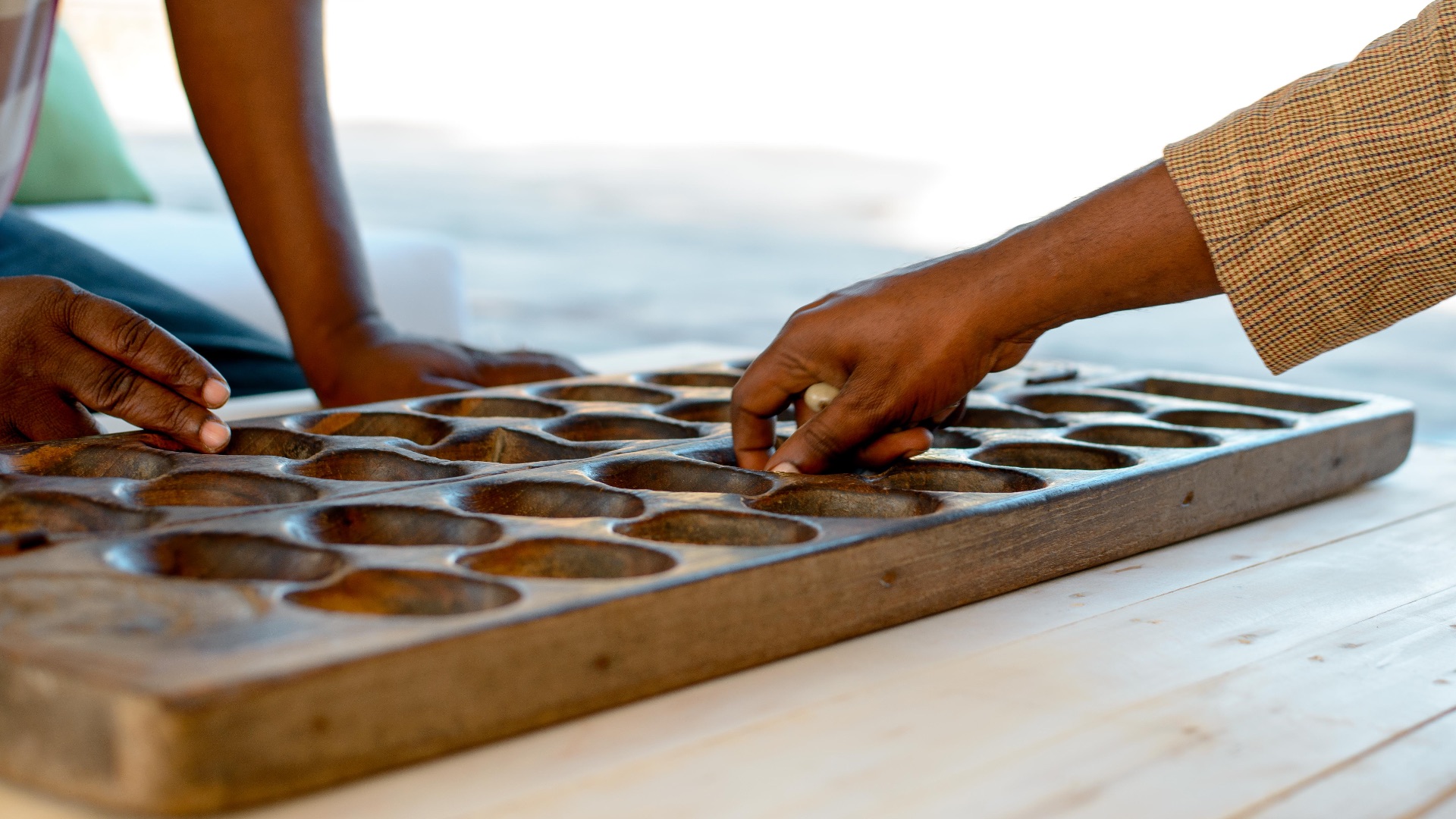
Widely regarded as the most strategically complex game in the entire mancala family, Bao is played primarily across East Africa, particularly in Tanzania, Kenya, and along the Swahili coast. The board features four rows of eight pits, and the rules governing sowing, capturing, and the game's distinct two-phase structure make it substantially more demanding than most other mancala variants you're likely to have come across. Learning Bao takes real commitment, but players who invest the time consistently describe it as one of the most rewarding abstract strategy game experiences available.