20 Real Castles, Libraries, and Villages Harry Potter Fans Should Actually Visit
Surround Yourself With Magic
Sure, you could go to Universal Studios to experience the magic of Harry Potter, but there’s nothing quite like a trip to the actual locations. Between the castles, stone roads, and vast landscapes, it’s easy to get lost in the old glory of European architecture. While these stops are perfect for fans, their stature alone makes them well worth the trip, even without their associations with the franchise. These 20 castles, libraries, villages, and wild outdoor locations give Potter fans a trip that feels rooted in reality.
1. Alnwick Castle, Northumberland
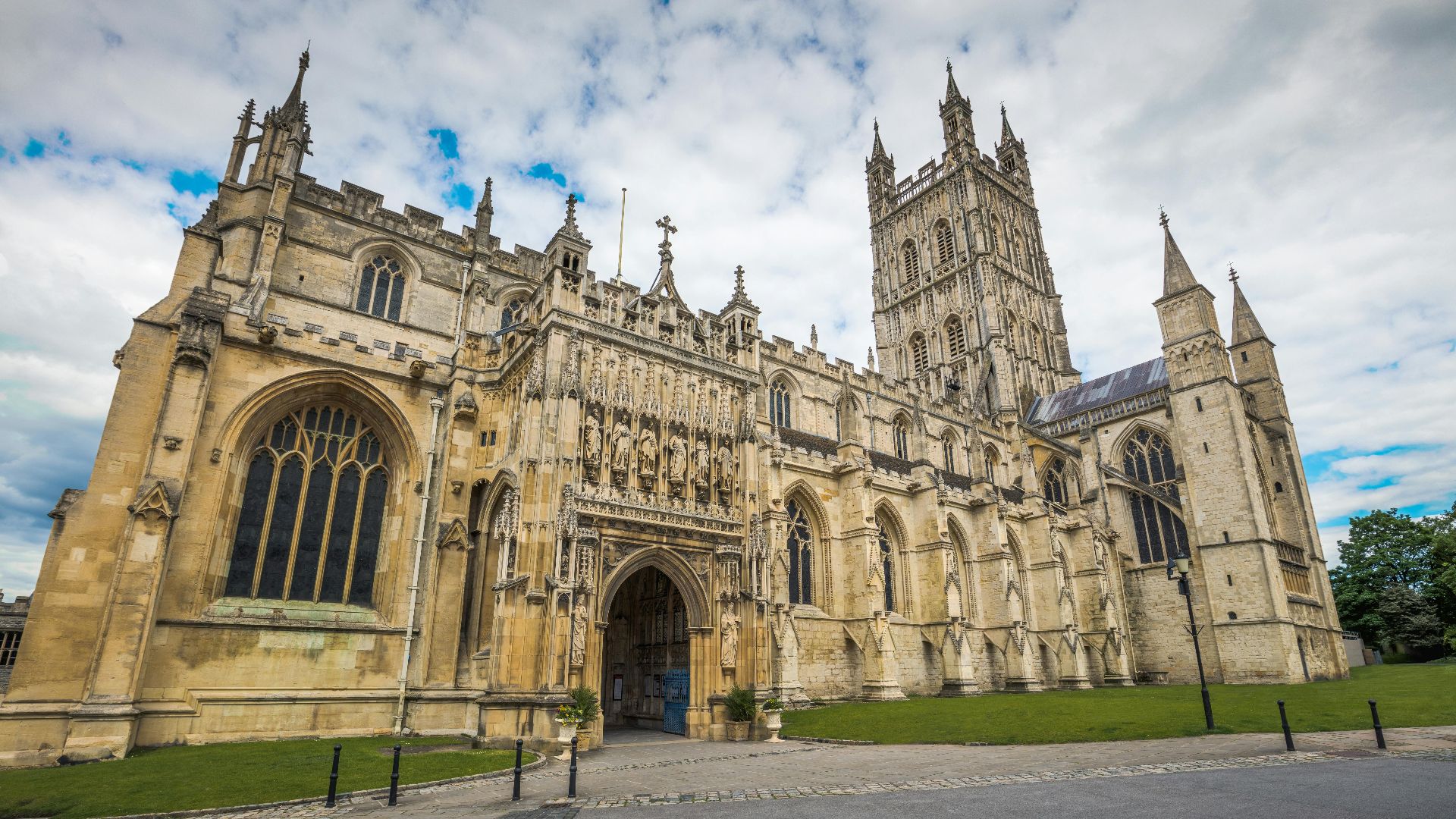
Alnwick Castle is one of the strongest stops for fans of the first two films. Its courtyards and grounds were used for Hogwarts scenes, including Harry’s first flying lesson in Philosopher’s Stone. The castle still runs broomstick training sessions in the same area. It’s touristy, yes, but in this case, the touristy bit is part of the fun.
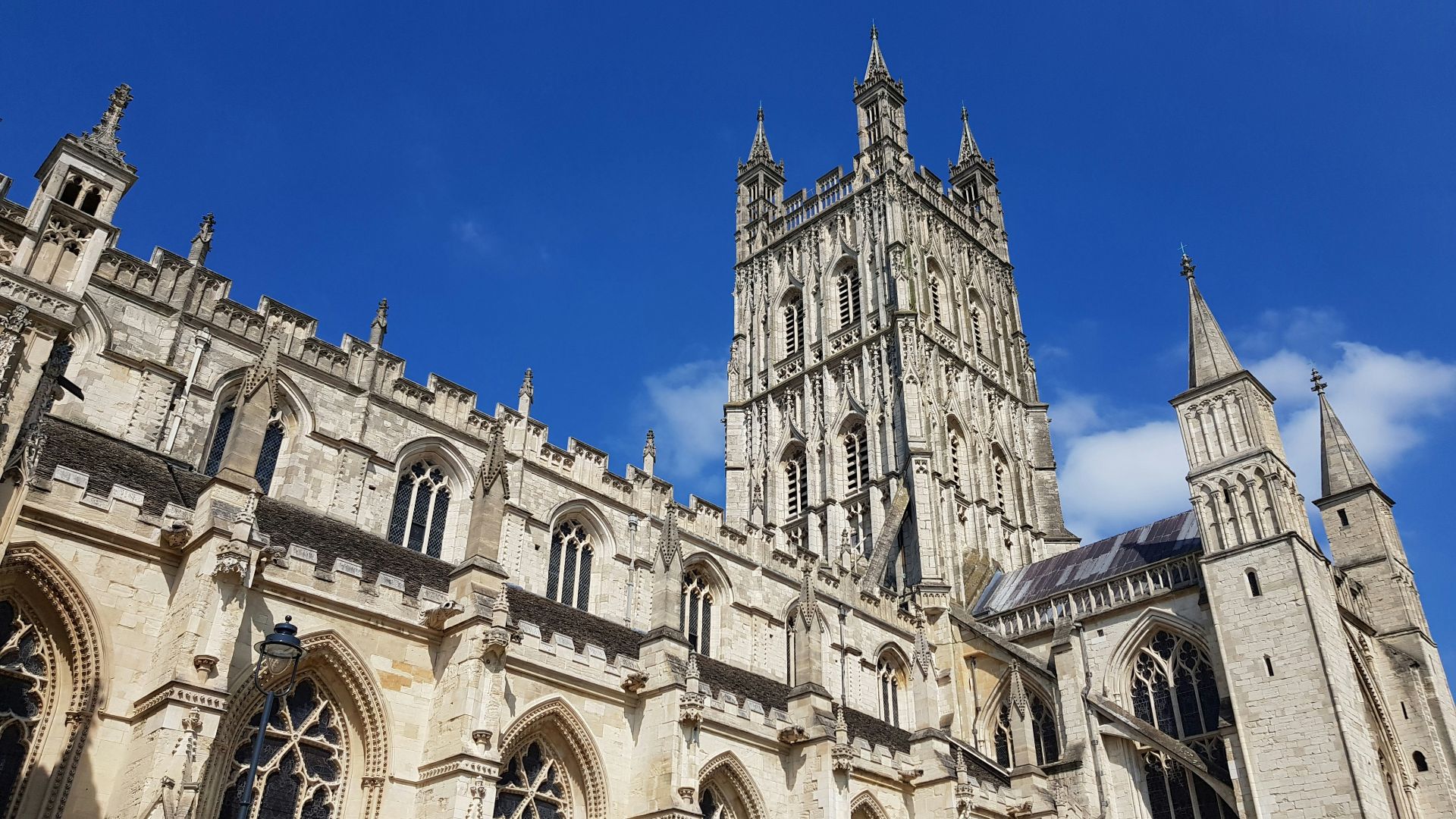
2. Gloucester Cathedral, Gloucestershire
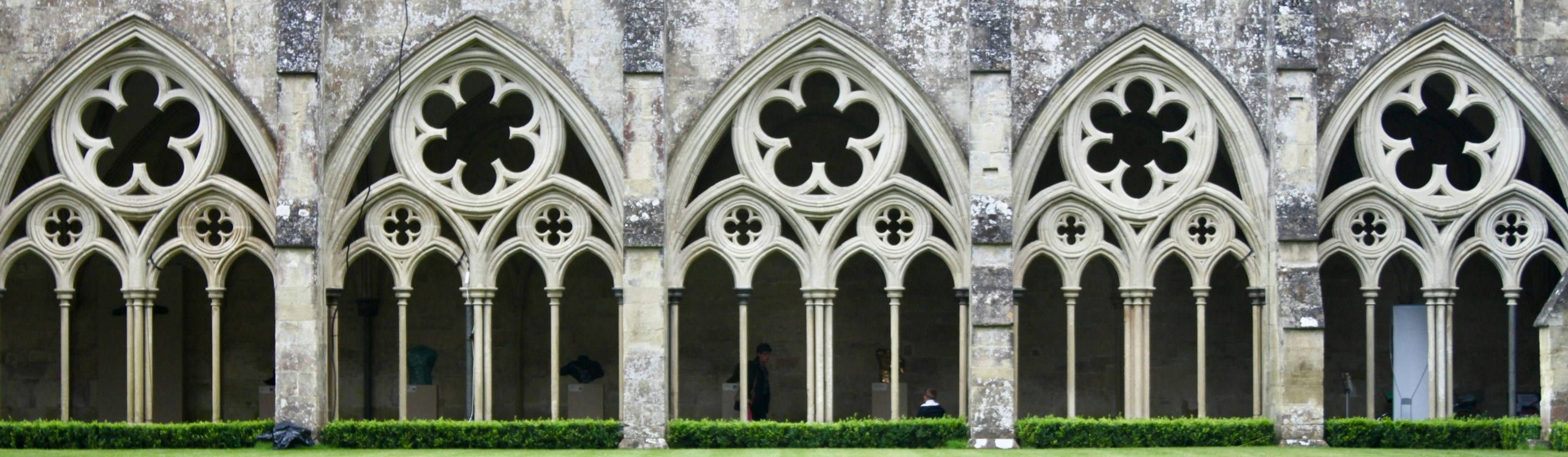
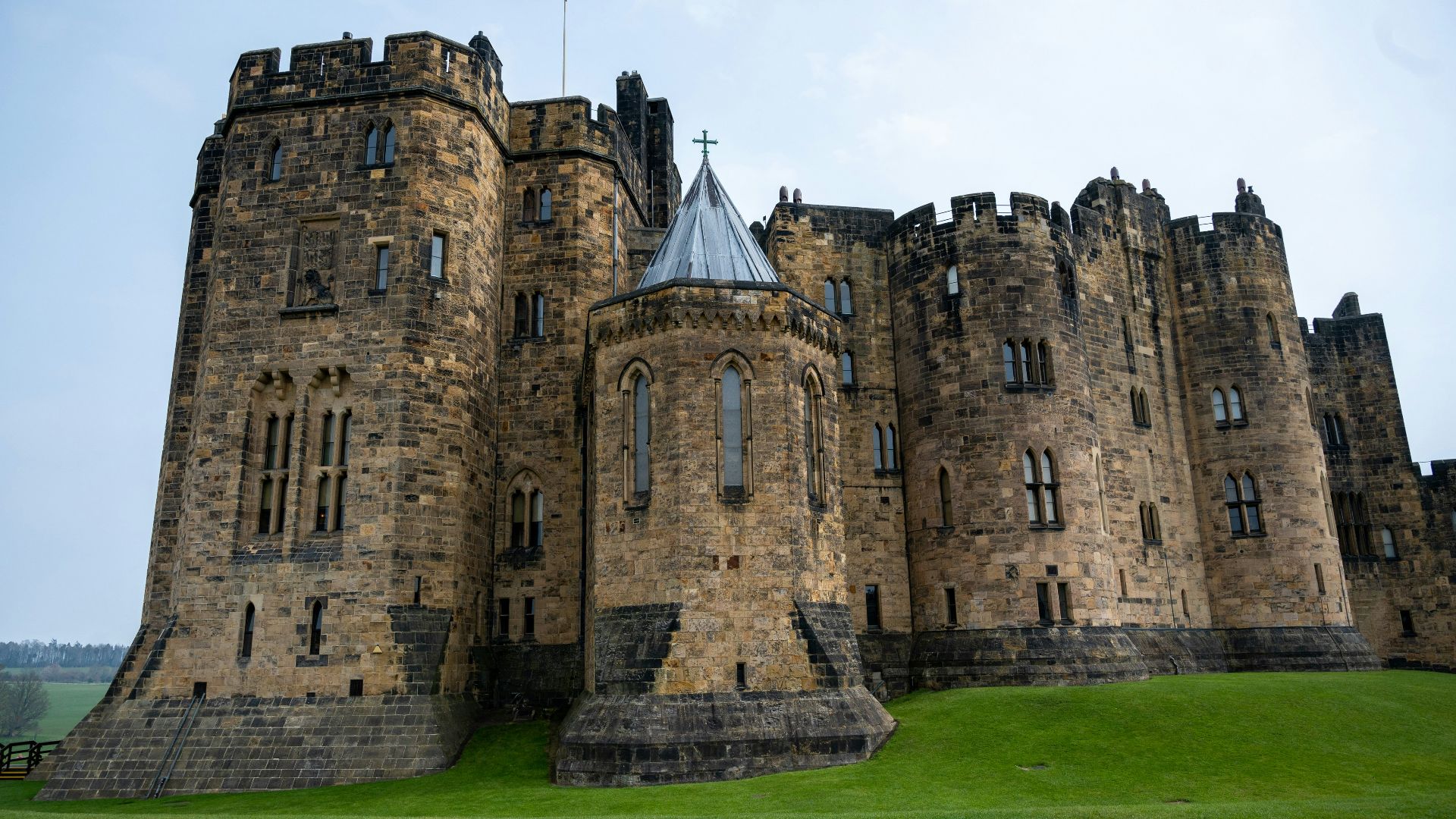
Gloucester Cathedral gives you the long stone corridors many fans picture when they think of Hogwarts. Its cloisters appeared in several films, including Philosopher’s Stone and Chamber of Secrets, and they still have that cool, enclosed hush that makes footsteps sound more serious than they are.
 Elizabeth Jamieson on Unsplash
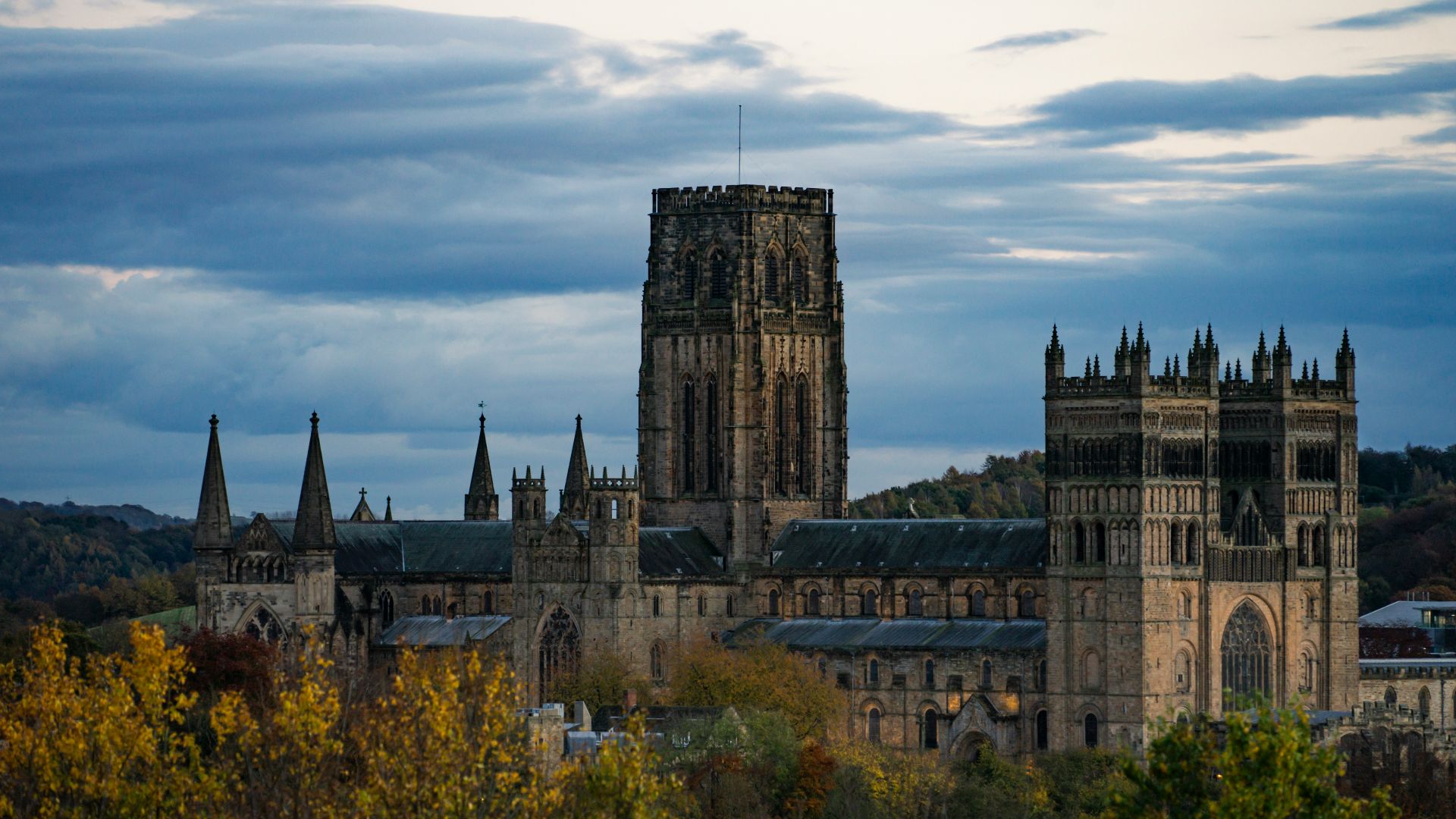
3. Durham Cathedral, County Durham
Durham Cathedral brings a colder, older-feeling version of Hogwarts to the list. Parts of the cathedral were used in the first two films, but the place also works beautifully for anyone who likes the series best when Hogwarts feels huge, drafty, and a little too old for comfort.
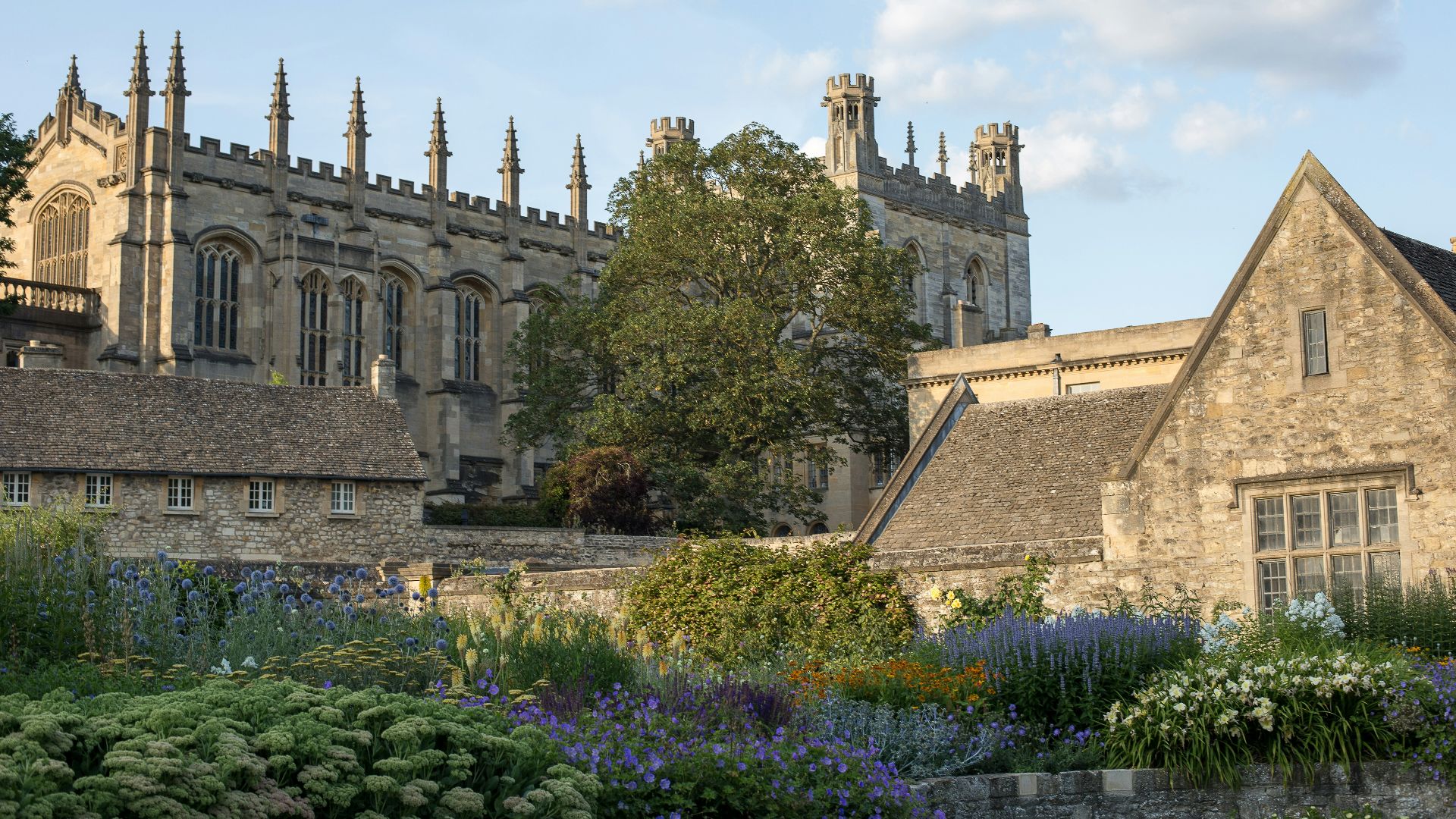
4. Christ Church, Oxford
Christ Church is one of Oxford’s big Potter stops. The grand staircase appeared across the films, and the dining hall actually helped shape the look of the Great Hall set.
5. Bodleian Library and Divinity School, Oxford
The Bodleian Library and Divinity School are the obvious choice for fans who want a more in-depth look at the Hogwarts library. Close by, the Divinity School appeared as the school infirmary. Together, they make Oxford feel especially magical.
 J. Balla Photography on Unsplash
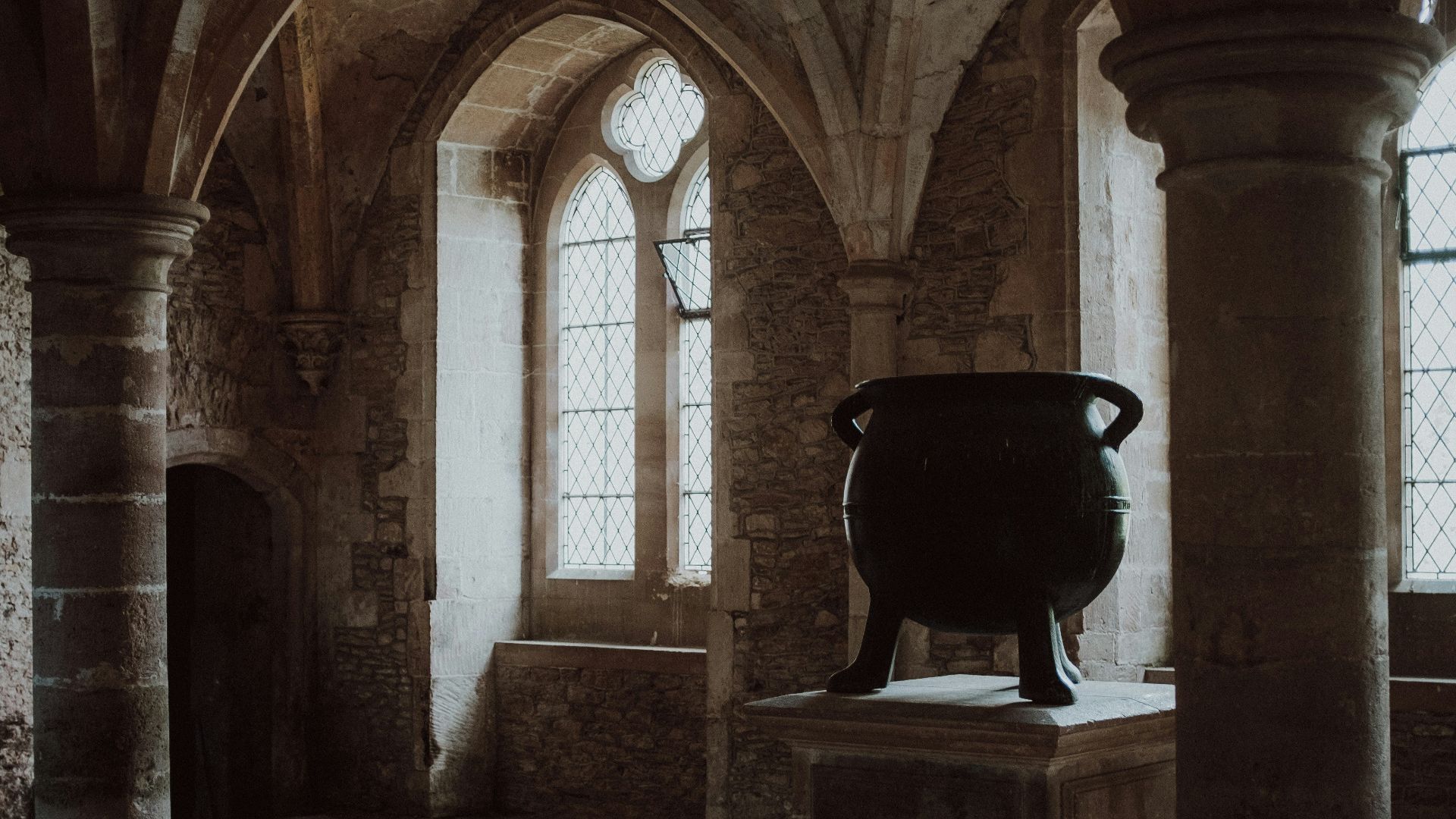
6. Lacock Abbey, Wiltshire
Lacock Abbey’s rooms and cloisters were used for Hogwarts interiors, including classroom and corridor scenes in the early films. The surrounding village also helps the visit feel unhurried, with old stone buildings and narrow lanes that you can explore.
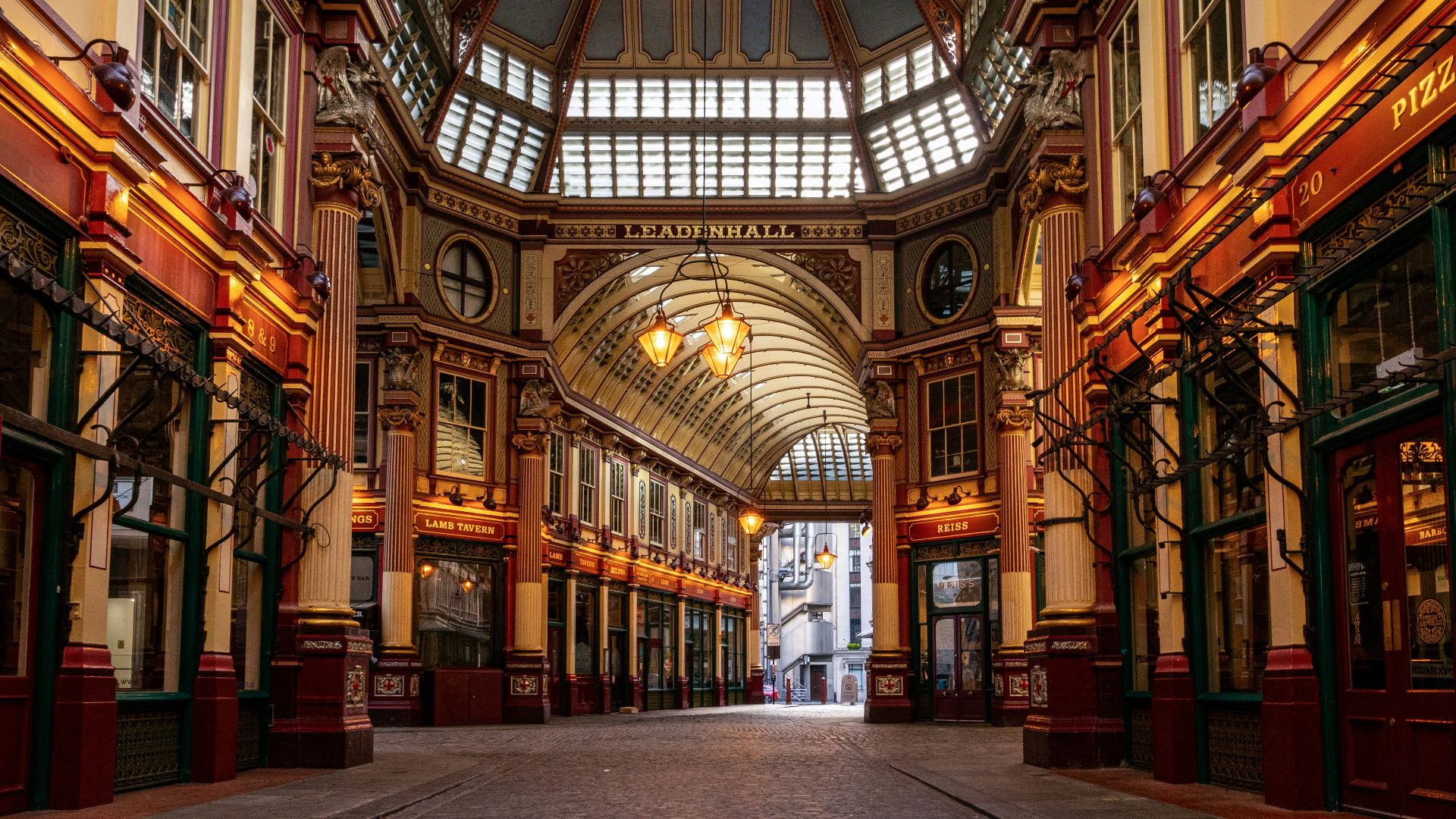
7. Leadenhall Market, London
Leadenhall Market is one of the easiest Harry Potter stops to fit into a London day. It was used for the Leaky Cauldron, and its covered walkways still give visitors a little Diagon Alley energy. You can pop in, take the photo, look around, and then go back to the rest of London’s many charms.
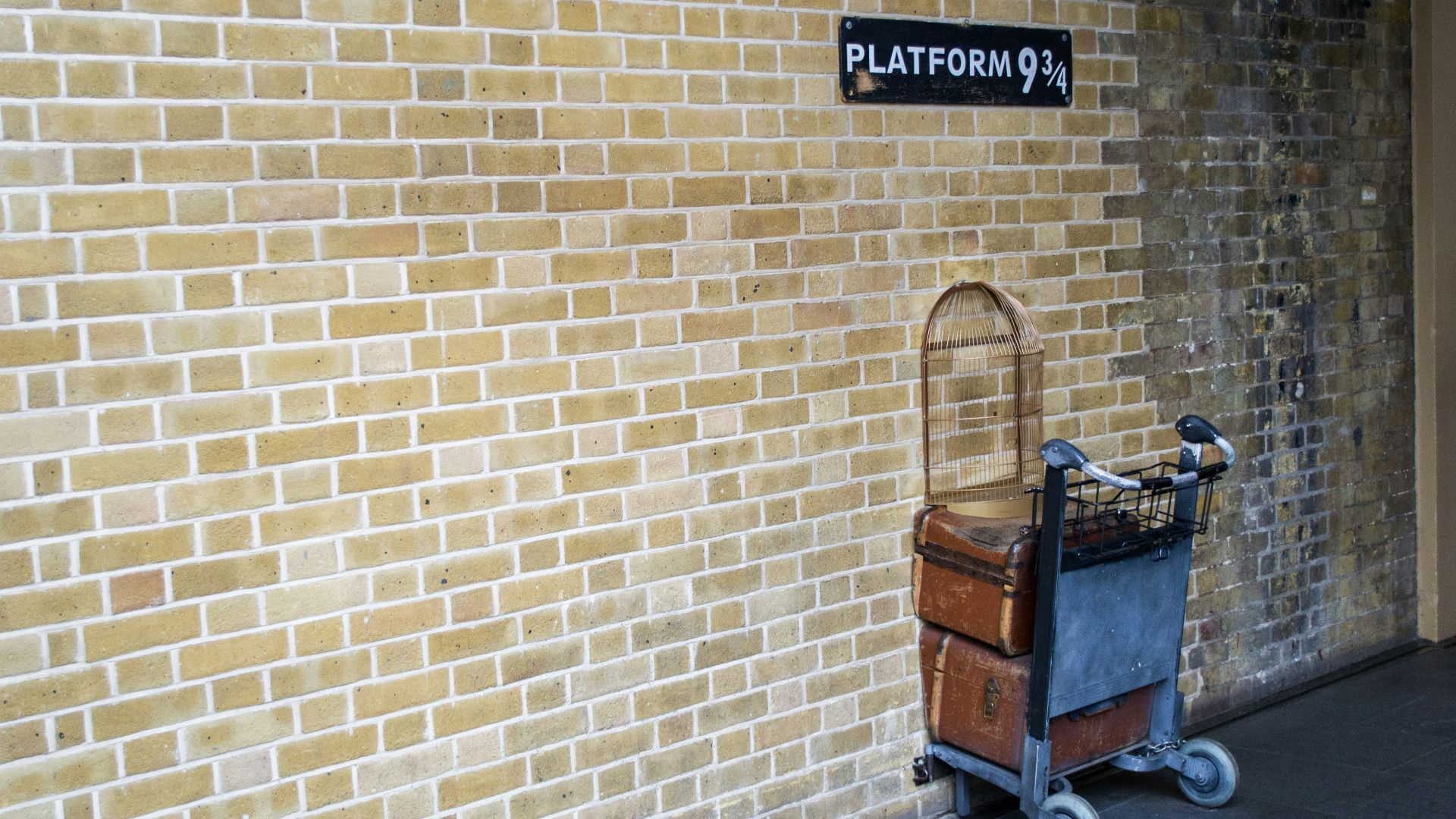
8. Platform 9¾, King’s Cross Station
Platform 9¾ is crowded, commercial, and impossible to miss, which is exactly why people keep going. The trolley photo spot at King’s Cross lets fans recreate one of the series’ most famous travel moments in about 30 seconds.
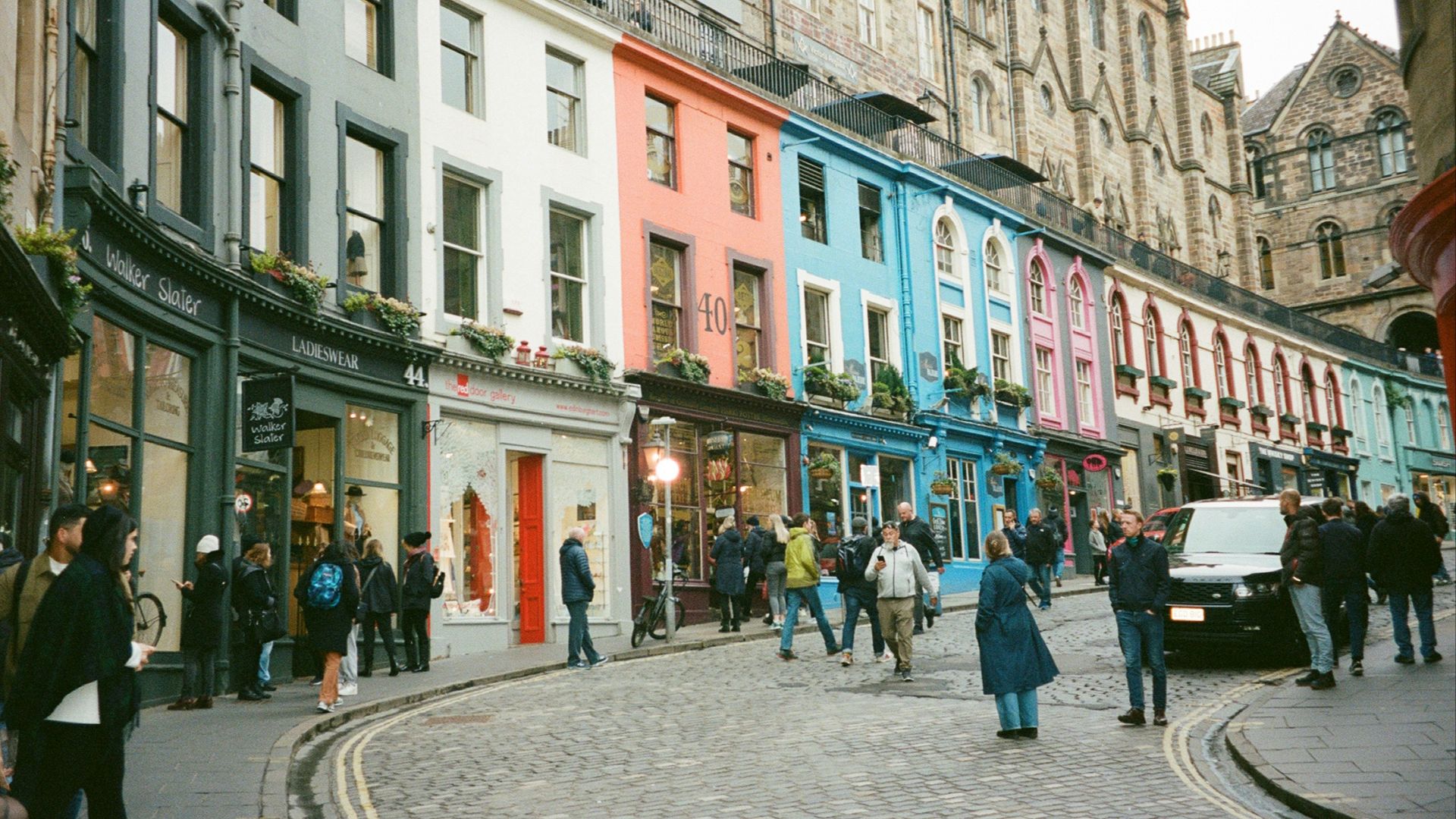
9. Victoria Street, Edinburgh
Victoria Street is best treated as a fan-favorite Diagon Alley lookalike. The curved street, bright storefronts, and layered Old Town setting make the comparison easy to understand, especially once you’re walking uphill with Edinburgh Castle above you. It’s a lovely stop regardless of whether you’re a die-hard fan.
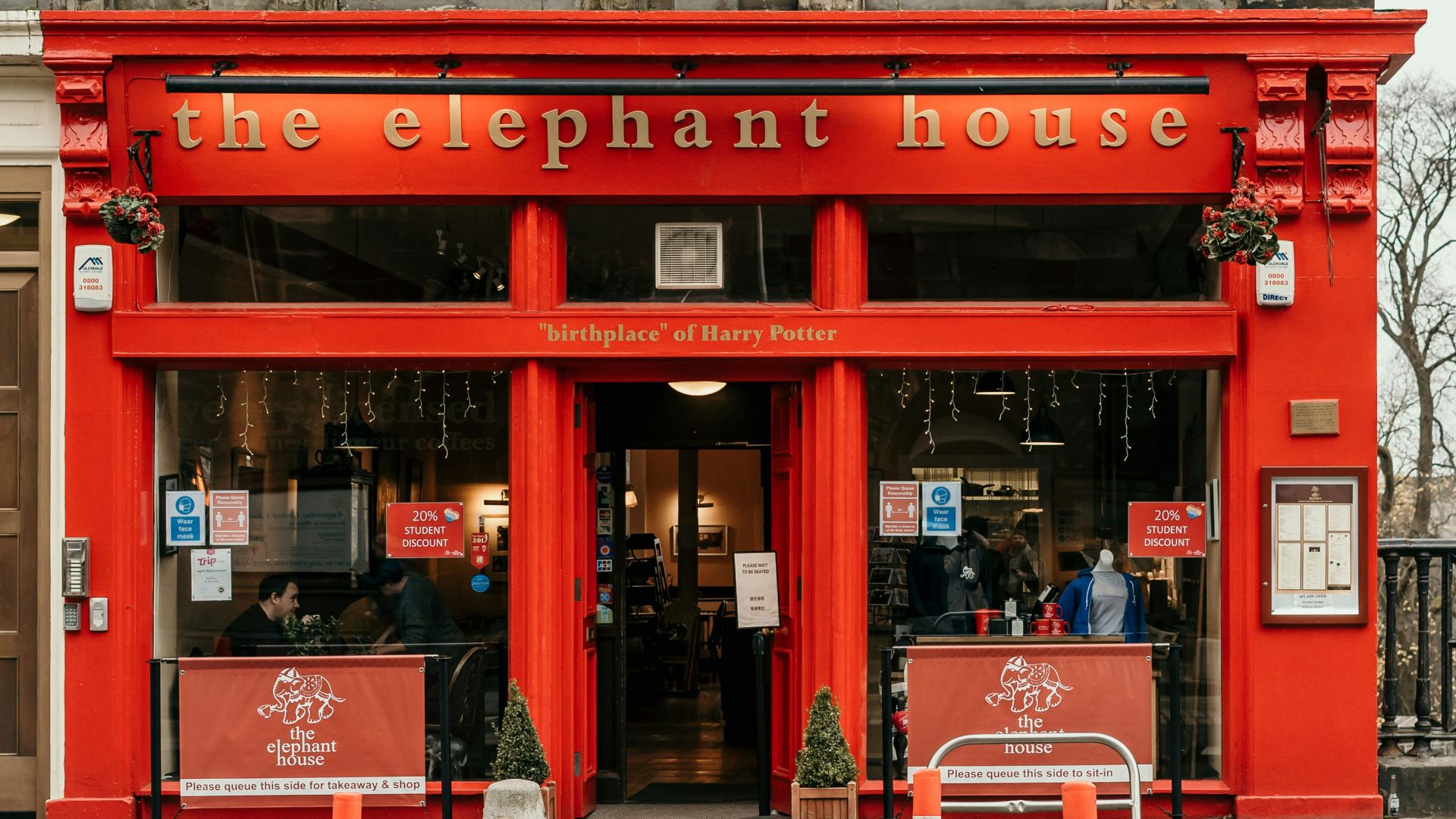
10. The Elephant House, Edinburgh
The Elephant House belongs on the list because of its connection to Rowling’s Edinburgh writing years. While it’s not necessarily the “birthplace” of the series, it’s still fun to see where writers find their inspiration.
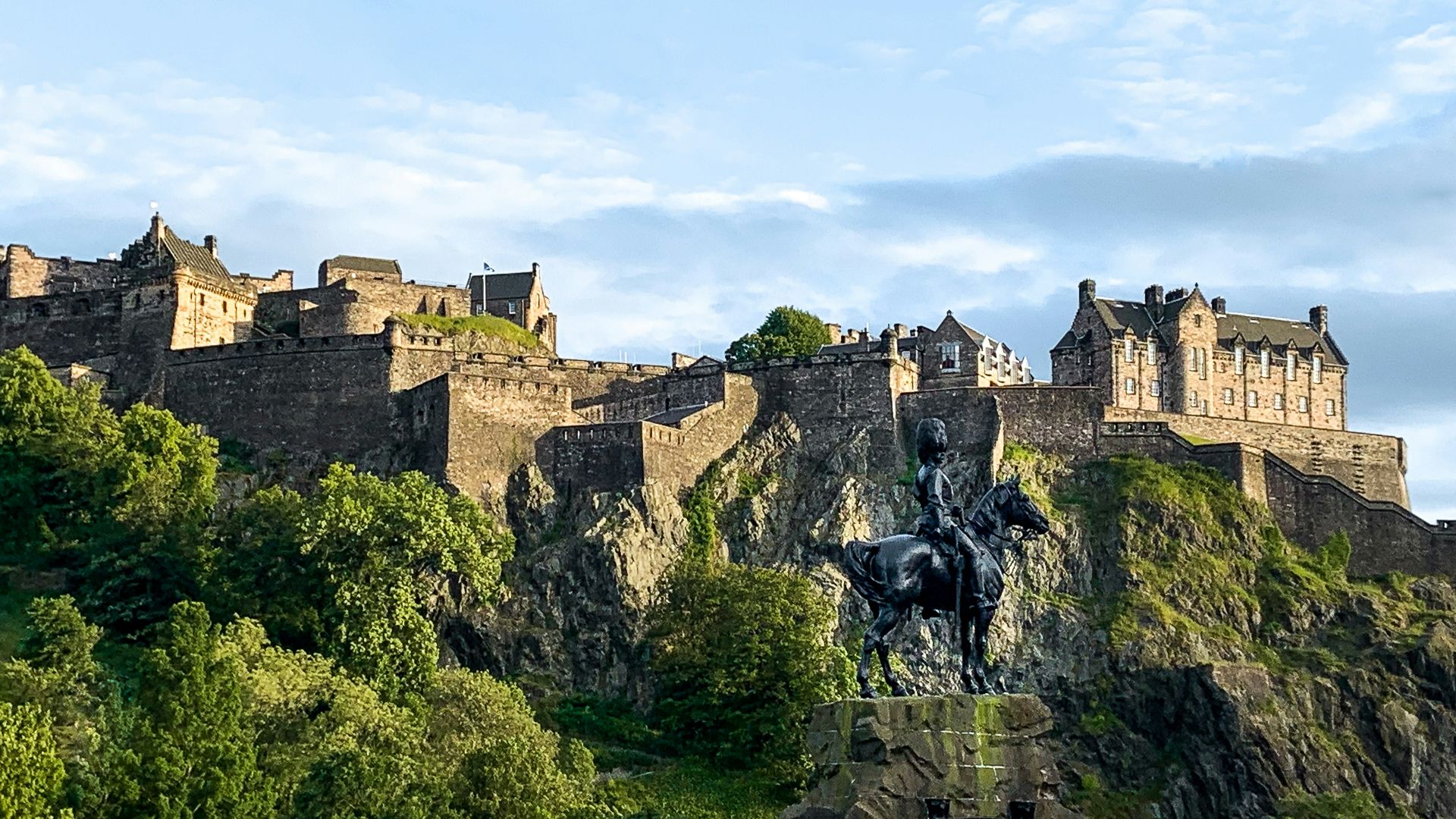
11. Edinburgh Castle, Edinburgh
Edinburgh Castle wasn’t used as a Harry Potter filming location, but it sure looks like it could’ve been. The walk up alone gives you enough old-city atmosphere to justify the stop.
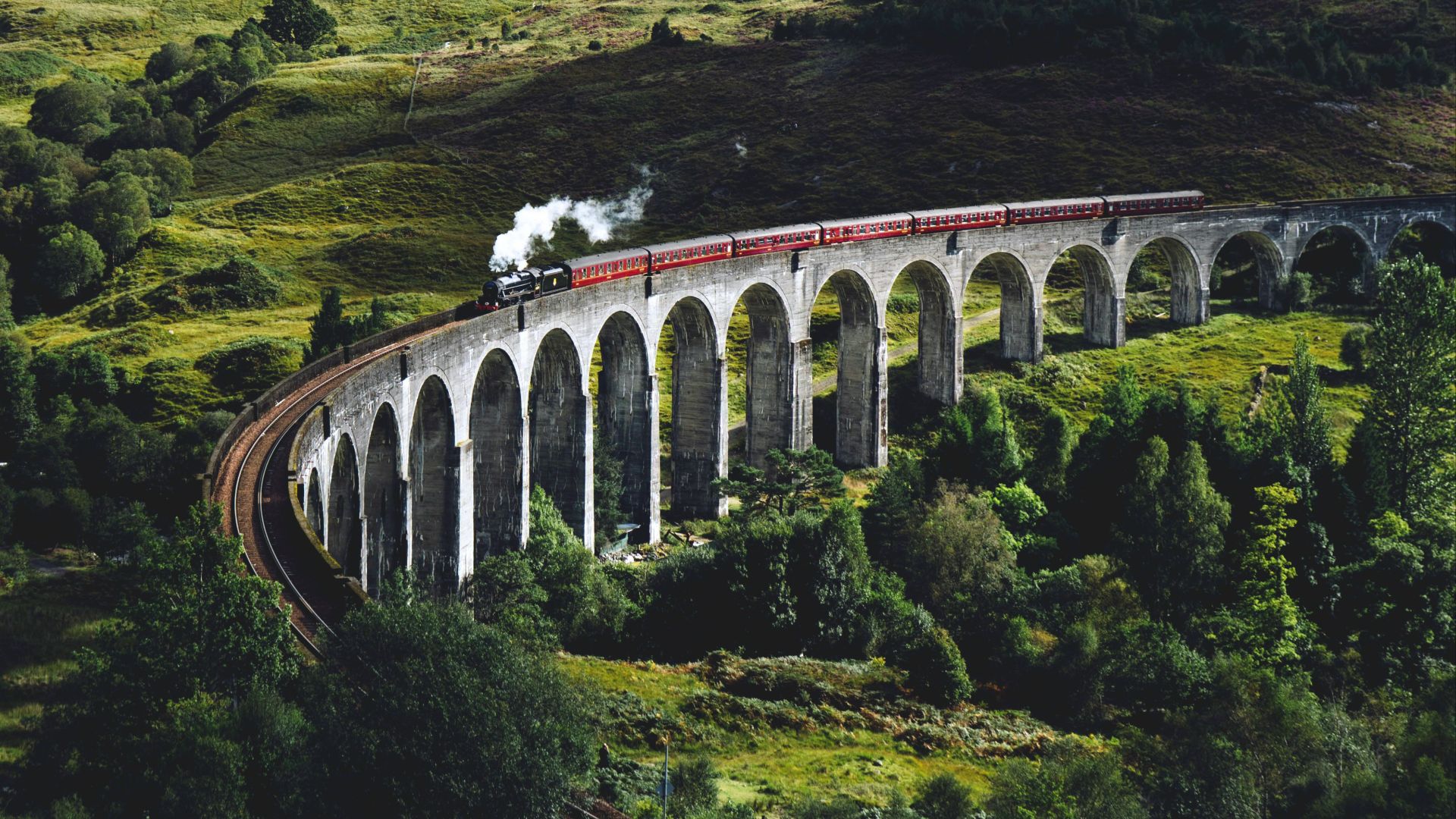
12. Glenfinnan Viaduct, Scottish Highlands
Glenfinnan Viaduct is one of the most recognizable outdoor locations connected to the films. The curved railway bridge appears in Hogwarts Express scenes, and the surrounding Highland landscape gives the moment its scale. Visit from a viewing point or catch the steam train crossing if you have the time.
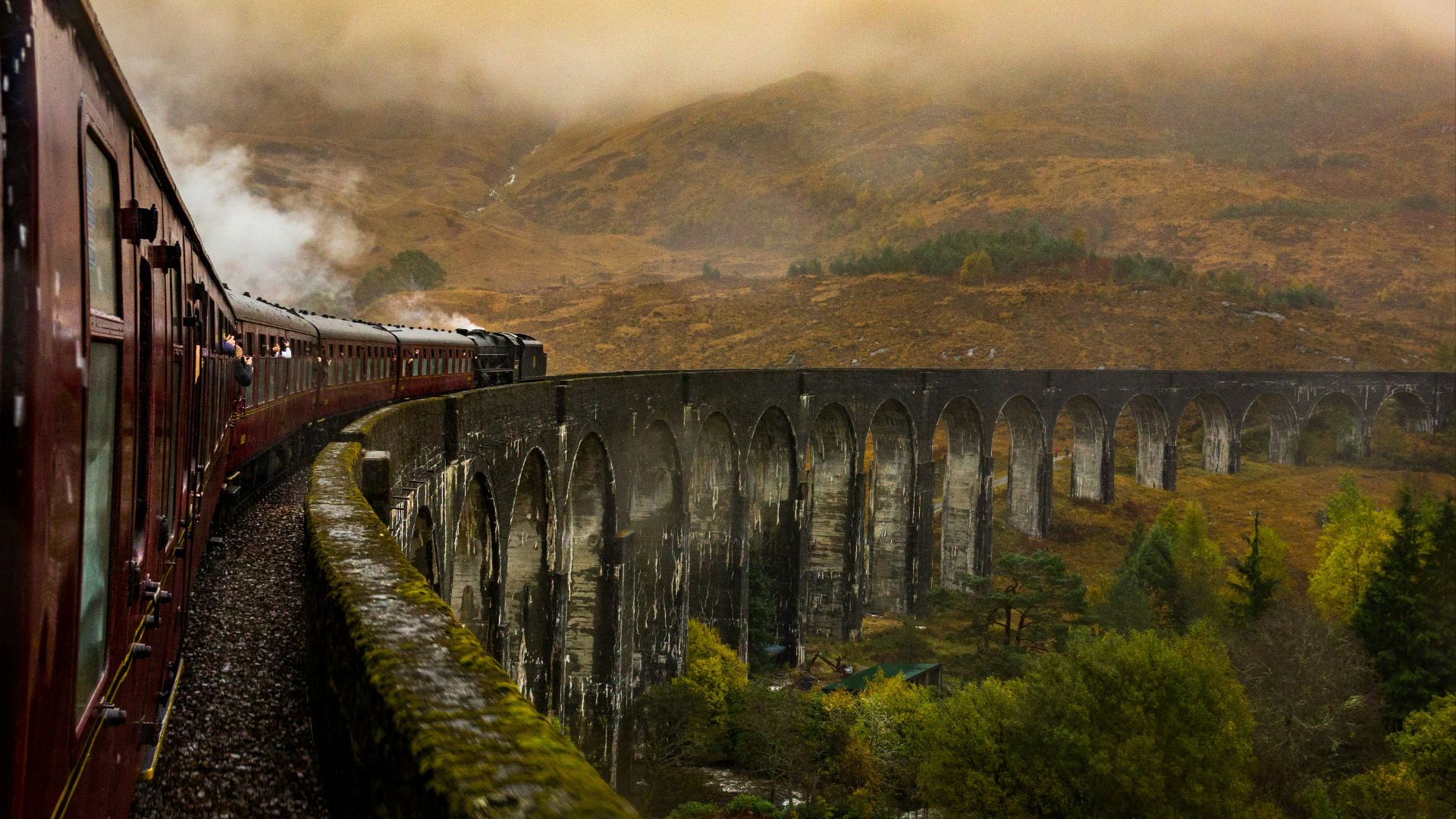
13. Jacobite Steam Train, Scottish Highlands
The Jacobite Steam Train gives fans the rail journey they’re usually picturing when they think of the Hogwarts Express route. It travels between Fort William and Mallaig and crosses Glenfinnan Viaduct, which is the stretch most visitors care about.
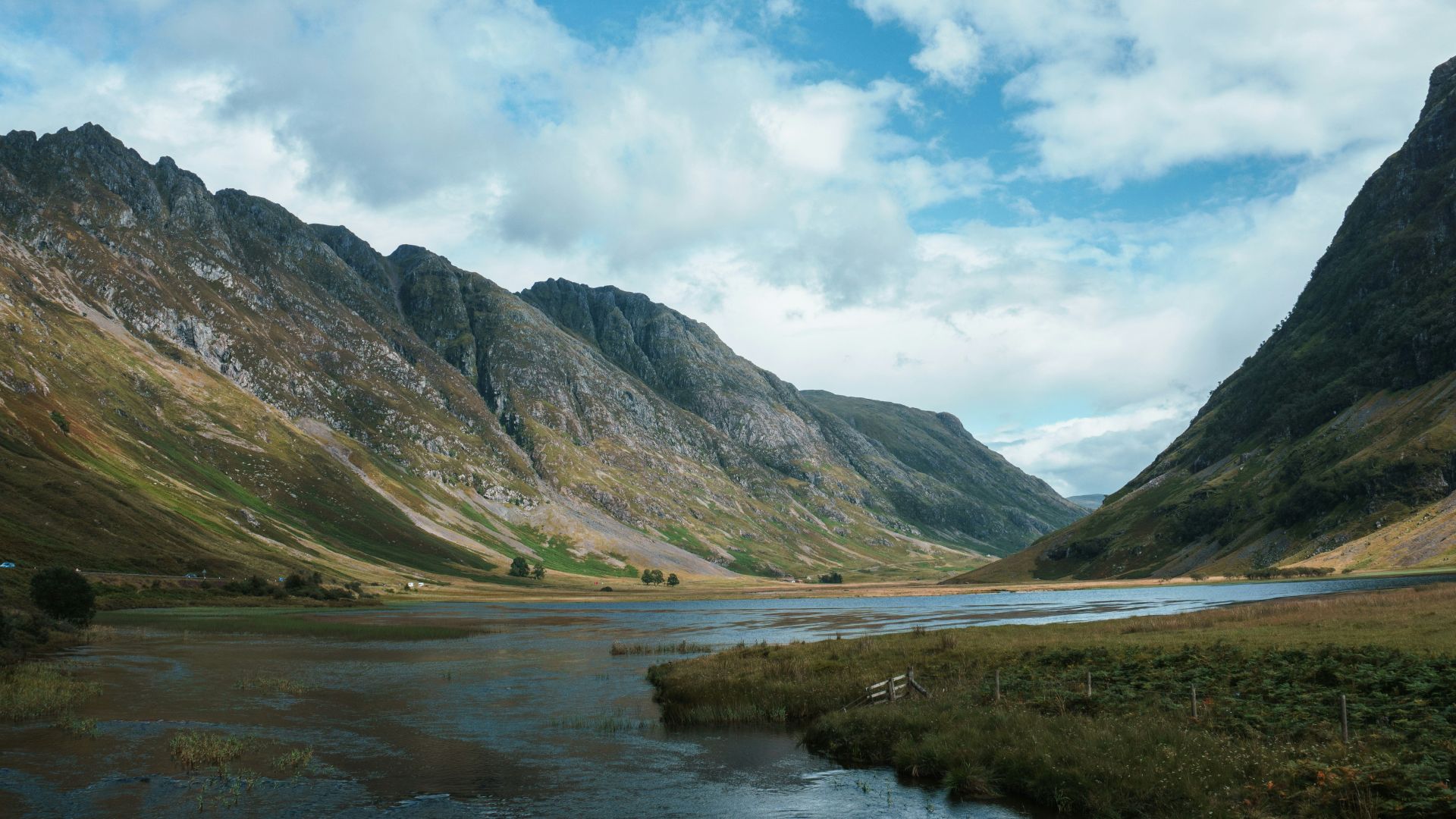
14. Glencoe and Rannoch Moor, Scottish Highlands
Glencoe is tied to several outdoor Potter scenes, including the area associated with Hagrid’s Hut in the later films. The surrounding Highland roads and nearby moorland add that wide, lonely feel the movies leaned on when the story got heavier.
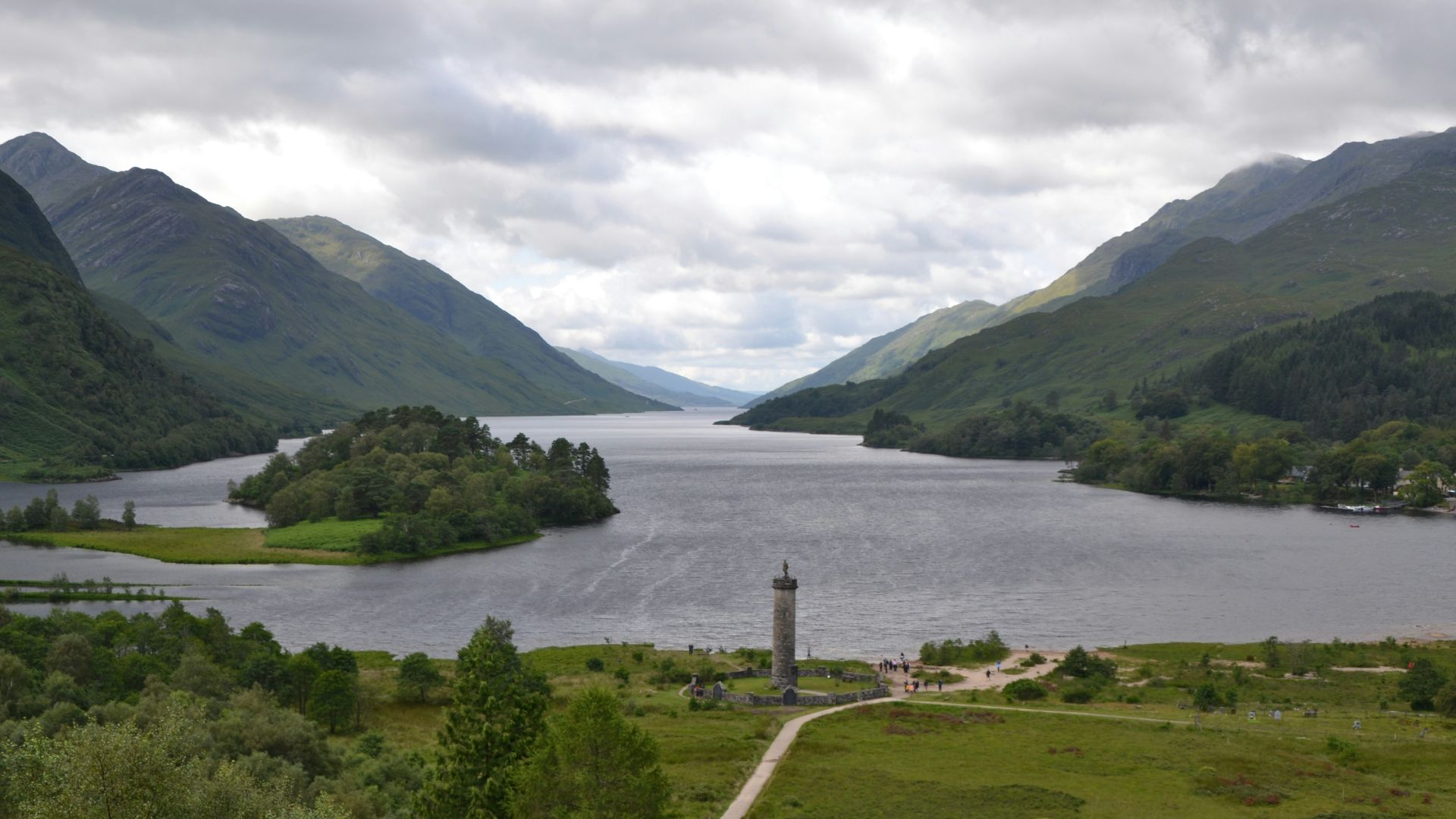
15. Loch Shiel, Scottish Highlands
Loch Shiel gives visitors one of the strongest real-world glimpses of the Black Lake atmosphere. Around Glenfinnan, the water, hills, and railway views all sit close together, which makes it a natural add-on if you’re already visiting the viaduct.
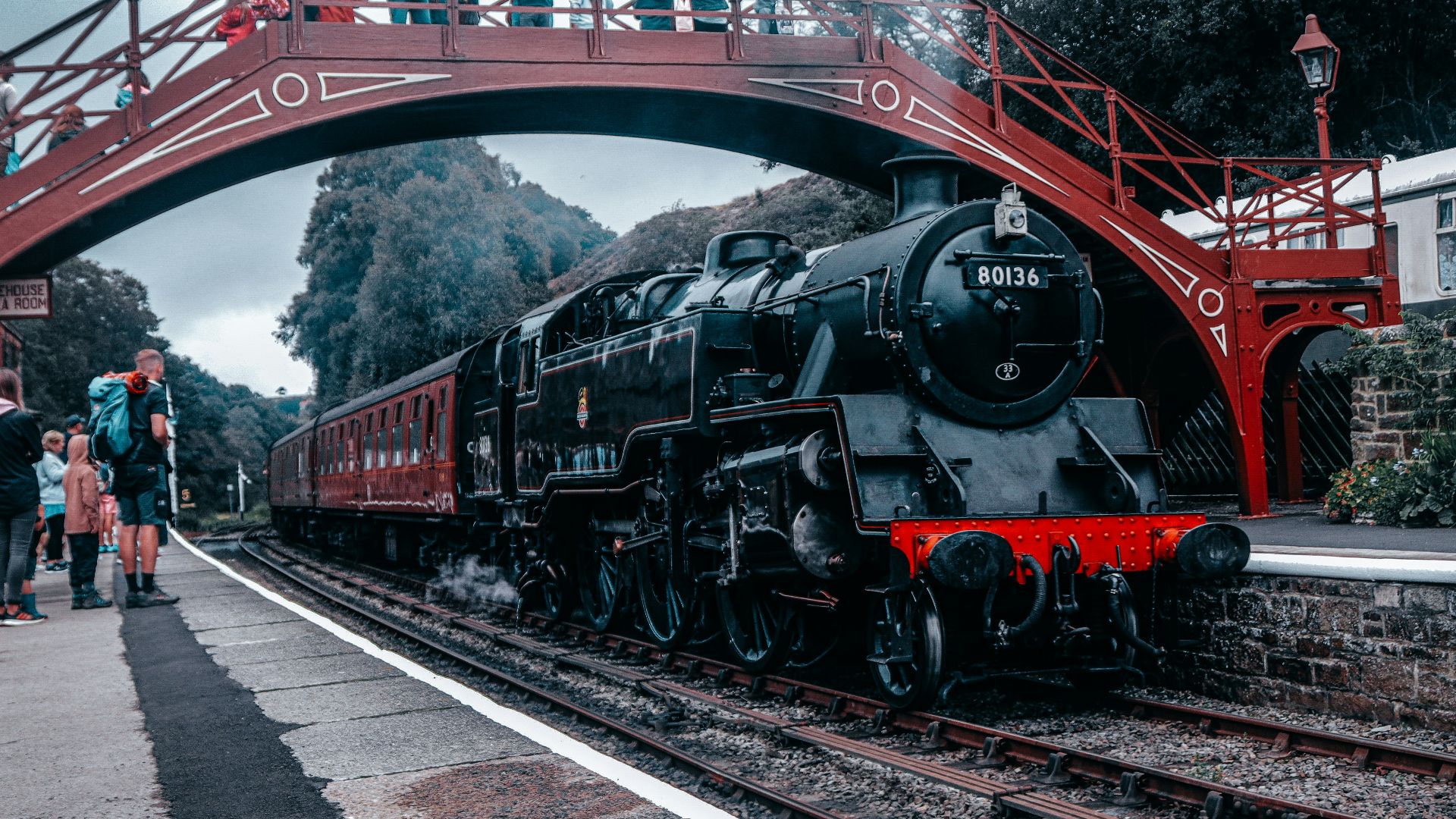
16. Goathland Station, North Yorkshire
Goathland Station appeared as Hogsmeade Station in Philosopher’s Stone, making it a very satisfying fan stop. The heritage railway setting helps too, with platforms and station details that already feel old-fashioned before you add any connection to the franchise.
 Different Resonance on Unsplash
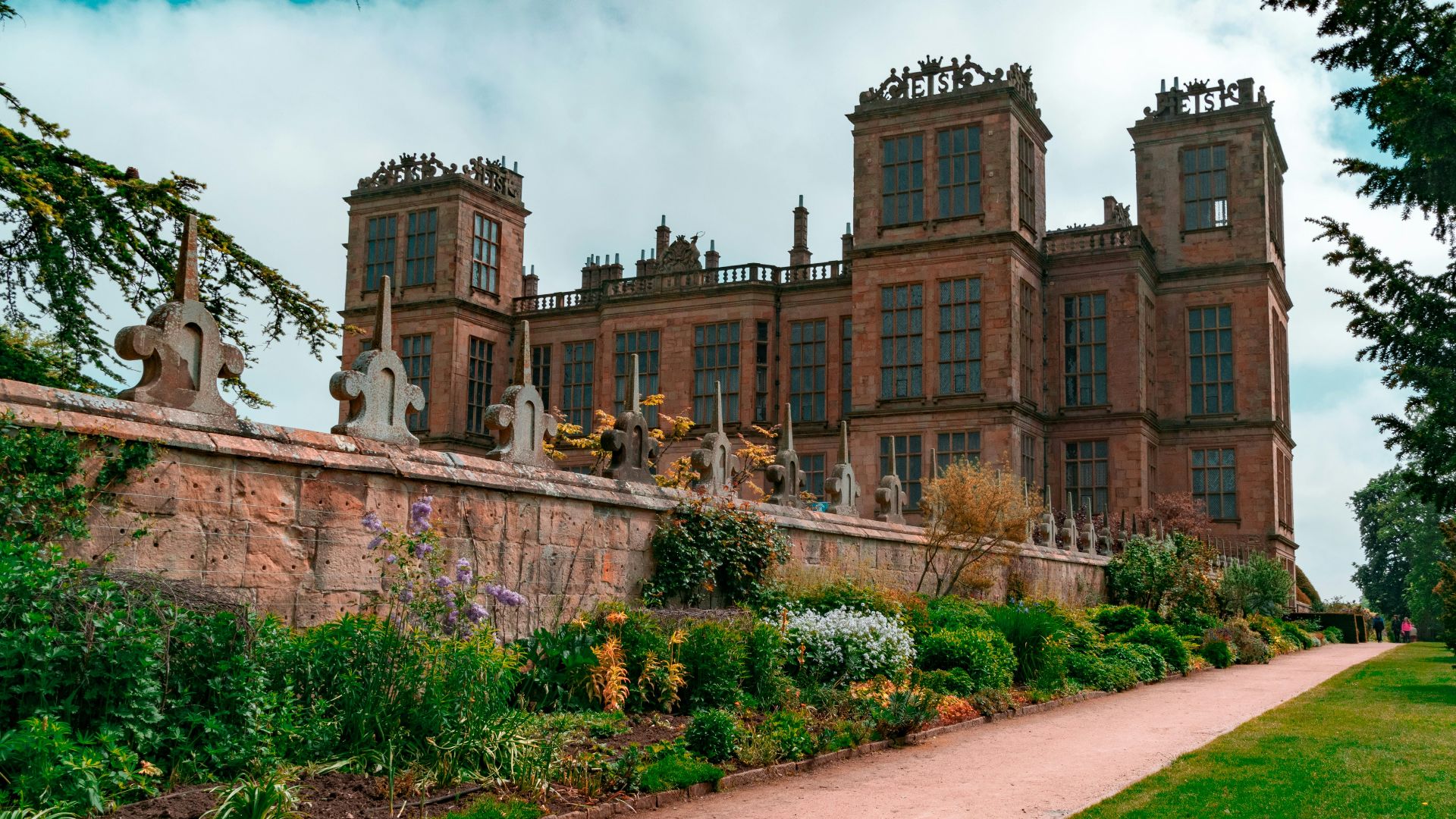
17. Hardwick Hall, Derbyshire
Hardwick Hall belongs to the darker end of the Harry Potter travel map. Its exterior was used for Malfoy Manor in Deathly Hallows, and the building’s grand Elizabethan shape gives it the right chilly authority.
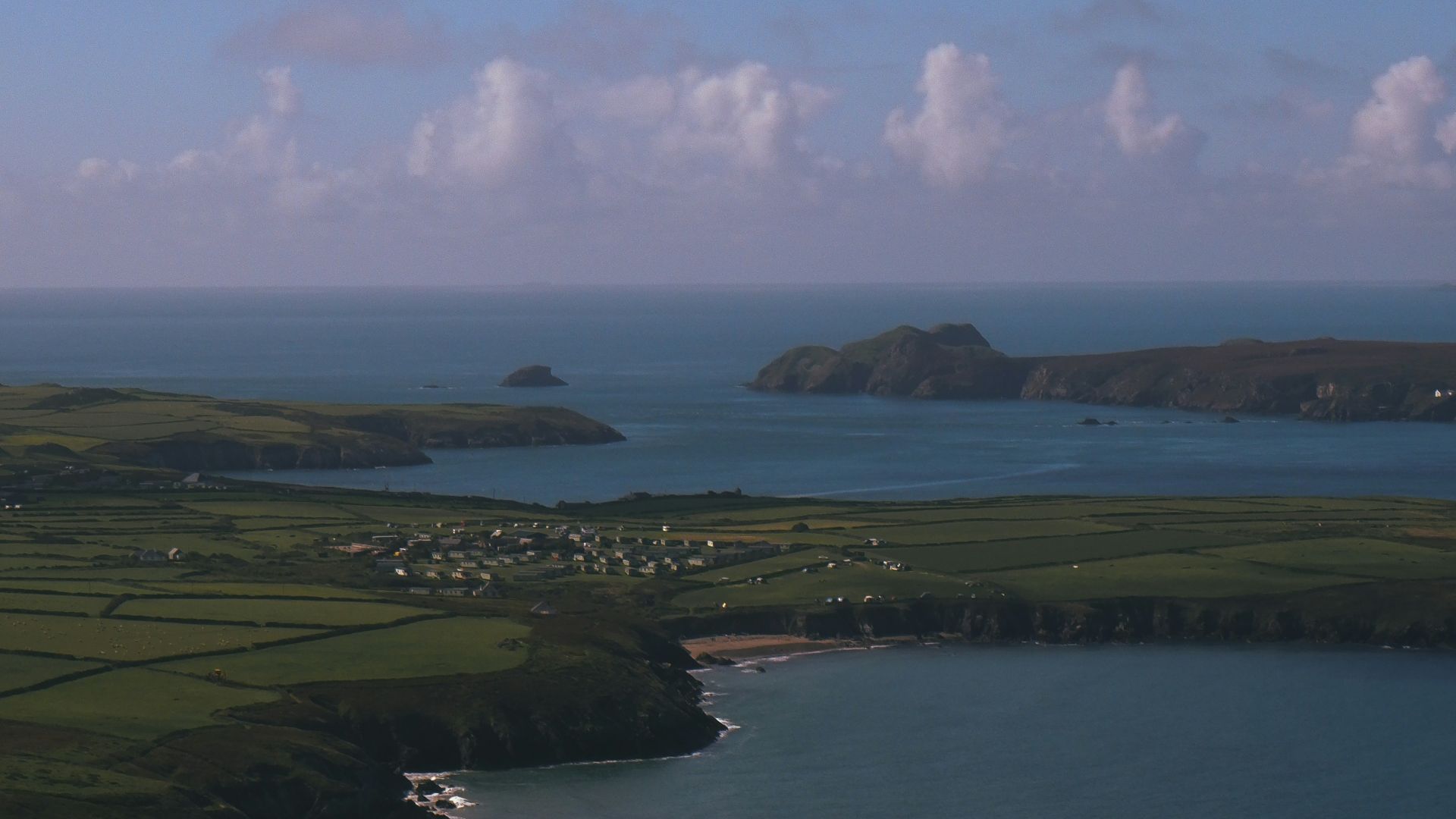
18. Freshwater West, Pembrokeshire
Freshwater West is one of the most emotional stops because of its connection to Shell Cottage and Dobby’s final scenes. The beach is open, windswept, and often a little stark, which suits the mood for this heartwrenching part of the story.
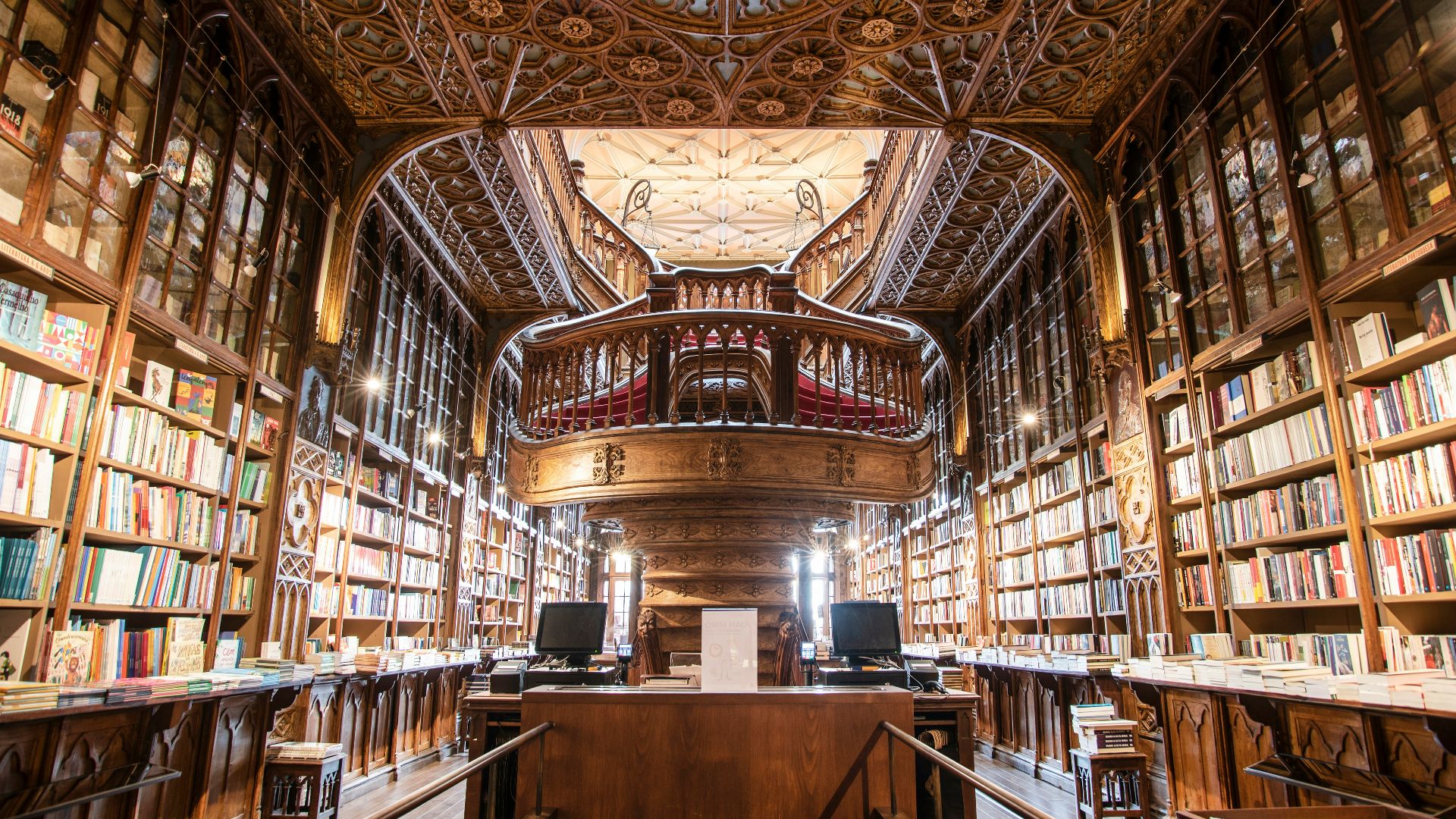
19. Livraria Lello, Porto
Livraria Lello is a famous fan favorite, despite not being used in the films. The carved wood, stained glass, and theatrical staircase explain why fans made the connection. Even without the official origin-story label, it’s still one of the prettiest bookish stops a Potter fan can add to their trip.
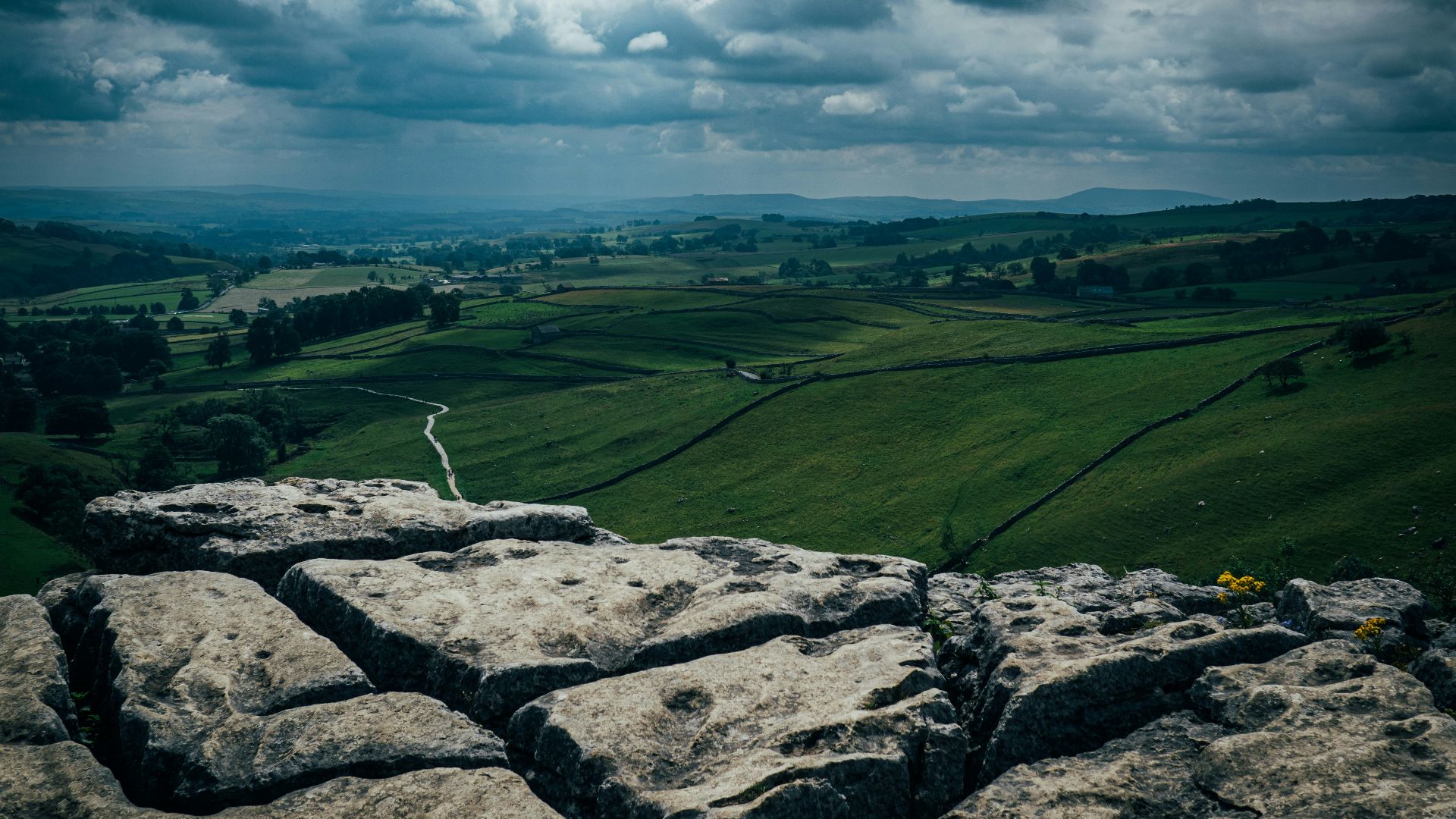
20. Malham Cove, Yorkshire Dales
Malham Cove is tied to Deathly Hallows Part 1. The limestone pavement at the top appears during Harry and Hermione’s camping journey after Ron leaves. It’s a solid final stop for fans who like the later films’ colder, lonelier stretch, when the story leaves Hogwarts behind.