My Daughter Begged Me Not To Speak To Her Future In-Laws, And When I Found Out Why, I Knew I Had To Break My Promise
My Daughter Begged Me Not To Speak To Her Future In-Laws, And When I Found Out Why, I Knew I Had To Break My Promise
My Daughter Begged Me Not To Speak To Her Future In-Laws, And When I Found Out Why, I Knew I Had To Break My Promise
The Request I Couldn't Understand
Rachel grabbed my hand across the coffee shop table, and I felt her fingers trembling. We'd met an hour before the engagement dinner, just the two of us, and I'd expected her to be glowing. Instead, her eyes were wide and desperate in a way that made my stomach drop. "Mom," she said, leaning forward so close I could see the tension in her jaw, "I need you to promise me something." I smiled, ready to agree to whatever last-minute wedding favor she needed. But then she said it: "Please don't speak to Brandon's parents. Not at dinner tonight, not at the wedding, just... please." I blinked at her, confused. "What do you mean, don't speak to them? Honey, that's—" "Please, Mom. Just trust me." Her voice cracked on the last word. I asked why, of course I did, but she just shook her head and squeezed my hand harder. This wasn't teenage drama or cold feet. Rachel had always been honest with me, sometimes brutally so. We'd talked through everything from her first heartbreak to her career anxieties over wine and takeout. But now she sat across from me, begging for something that made no sense, and refusing to tell me why. The fear in her eyes was the kind a mother recognizes instantly but cannot explain.
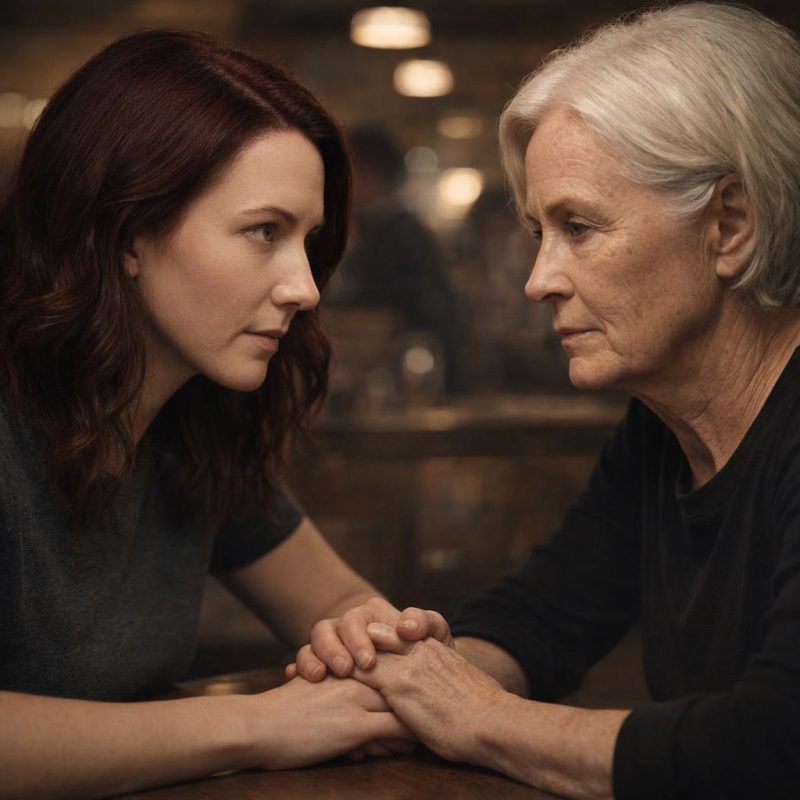 Image by RM AI
The Promise I Meant to Keep
I told her I would respect her wishes. The words came out steady and reassuring, the way they always did when she needed me to be calm. Rachel's shoulders dropped with relief, and she exhaled like she'd been holding her breath for days. But even as she thanked me, I could see the tension still coiled in her neck, the way her fingers kept fidgeting with her coffee cup. Her body language didn't match the relief in her voice, and that bothered me more than I wanted to admit. I'd raised Rachel to be honest and open, to talk through problems instead of hiding them. We'd built that trust over twenty-eight years of late-night conversations and shared secrets. So why was she shutting me out now? I tried to rationalize it as pre-wedding jitters, maybe some family dynamic I didn't understand yet. Maybe Brandon's parents were difficult and she didn't want me caught in the middle. That made sense, didn't it? But the feeling that something was deeply wrong settled into my chest and refused to leave. It sat there like a stone, heavy and cold, even as I smiled at my daughter and promised to keep my distance. I decided I would wait and observe at the engagement dinner, keep my promise on the surface while watching carefully. I told myself I would respect her wishes, but even then, I knew it was a lie.
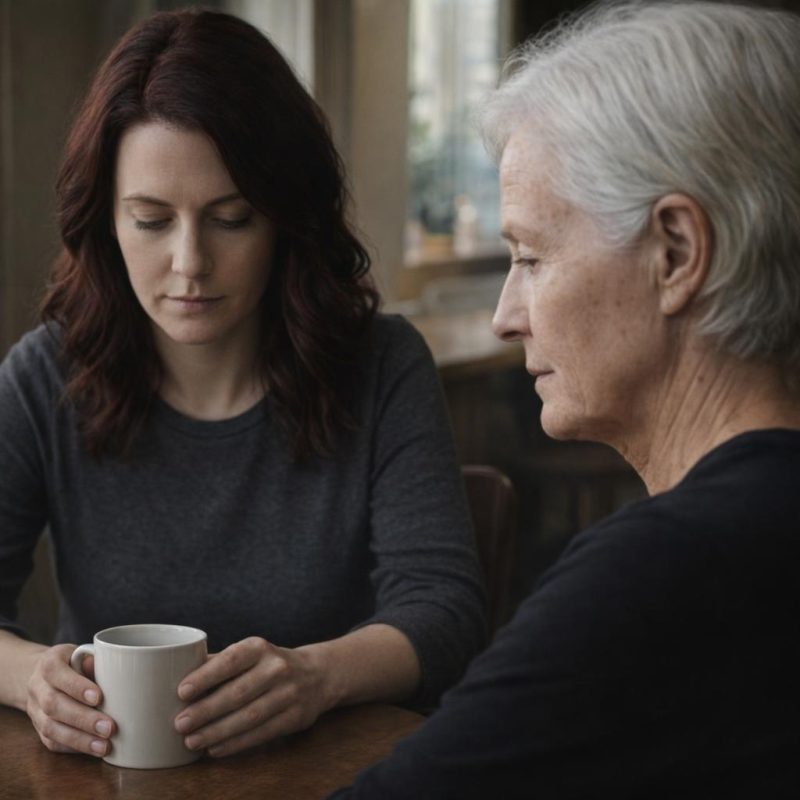 Image by RM AI
The First Encounter
The engagement dinner was at an upscale Italian place downtown, the kind with cloth napkins and waiters who refilled your water before you noticed it was empty. I arrived determined to keep my promise, to smile politely and stay quiet. Patricia and Gerald were already there when I walked in, and my first thought was that they looked exactly like you'd expect successful future in-laws to look. Patricia wore a cream silk blouse that probably cost more than my car payment, and Gerald had that distinguished silver-haired thing going on. The introductions were brief and appropriate. Patricia complimented my dress, Gerald shook my hand with a firm grip, and Brandon beamed at Rachel like she'd hung the moon. Everything was surface-level pleasant. Gerald mentioned something vague about his business consulting work, and Patricia kept complimenting Rachel with these bright, enthusiastic smiles. But here's the thing I couldn't shake: Patricia's eyes kept finding me. Even when she was talking to someone else, even when she was laughing at something Brandon said, I'd glance up and catch her watching me. Not staring, nothing that obvious. Just... measuring. I kept my words minimal, answered direct questions politely, and tried to blend into the background like Rachel had asked. The dinner ended without incident, everyone saying the right things and making the right plans. Patricia's smile never wavered, but her eyes measured me for something I couldn't name.
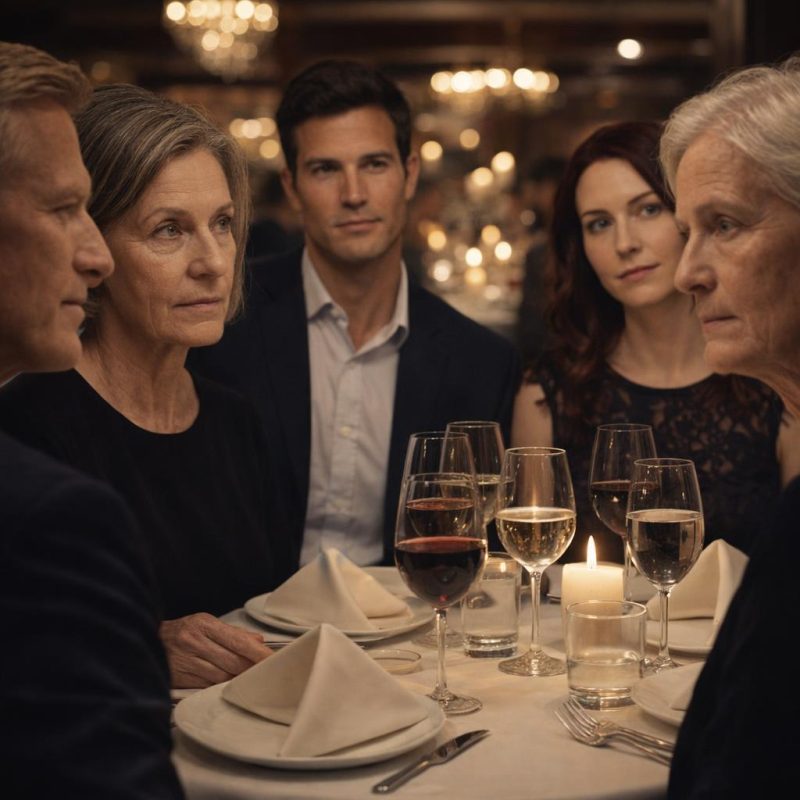 Image by RM AI
The Gaze That Lingered
Three days after the dinner, I was still thinking about that look. I'd wake up at three in the morning, staring at my bedroom ceiling, replaying the way Patricia's gaze had followed me around that restaurant. It sounds paranoid when I say it out loud, I know that. My friend Susan would probably tell me I was being an overprotective mother, reading too much into normal social observation. Maybe Patricia was just attentive, just interested in getting to know her future daughter-in-law's family. That's what people do at engagement dinners, right? They watch, they assess, they try to figure out who everyone is. But this felt different somehow. The look wasn't warm curiosity or polite interest. It was more like... I don't know how to describe it exactly. Like she was taking inventory. Like she was checking boxes on some mental list I couldn't see. I tried to dismiss it as maternal overprotectiveness, that instinct to see threats where none exist because your baby is getting married and moving into someone else's orbit. I told myself I was overthinking a simple glance, making mountains out of nothing. But the discomfort grew instead of fading. I'd be grocery shopping or folding laundry, and suddenly I'd remember the way Patricia's smile never quite reached her eyes. I considered calling Rachel but decided against it. What would I even say? Your future mother-in-law looked at me funny? I replayed that look in my mind at three in the morning and wondered what she had been measuring.
 Image by RM AI
Careful Questions
I called Rachel a few days later, keeping my tone light and casual. "Hey honey, just checking in. How's the wedding planning going?" She sounded tired but happy, rattling off details about flower arrangements and seating charts. I let her talk for a while before I carefully steered the conversation. "So how are Brandon's parents? They seemed nice at dinner." There was the tiniest pause before Rachel answered. "Oh, they're great. Very involved. Very generous." The words were positive, but something about her tone felt flat. I pushed a little further, asking about family traditions, whether they had any expectations for the wedding. "They're helping with a lot of the decisions," Rachel said, and I noticed she'd used the word 'helping' in a way that could mean anything. I asked about Patricia's work, about what the family did for holidays, about Brandon's extended relatives. Every answer Rachel gave was technically informative but somehow empty of real detail. She'd say things like "they're close-knit" or "they value family time" without actually telling me anything specific. When I tried to dig deeper, she'd redirect the conversation back to centerpieces or the rehearsal dinner menu. By the time we hung up, I felt more confused than before I'd called. Every answer felt like it had been prepared in advance, smooth and empty of real detail.
 Image by RM AI
Rehearsed Responses
I met Rachel for coffee the following week, determined to understand what I was missing. The vagueness of her previous answers had been gnawing at me, keeping me up at night with questions I couldn't answer. So I tried again, asking about Brandon's extended family this time. Rachel provided names—aunts, uncles, cousins—but no real sense of who these people were. No funny stories, no personality quirks, nothing that made them feel like actual humans. When I asked what Patricia did for work, Rachel said something about charity boards and community involvement, which was technically an answer but told me absolutely nothing. I asked what family gatherings were like, hoping for some texture, some detail that would help me understand these people my daughter was marrying into. Rachel described activities—dinners, holiday celebrations—but without any emotional color. She didn't say whether she enjoyed them or found them stressful. She didn't mention inside jokes or family dynamics. It was like she was describing a stock photo instead of real experiences. I noticed she never said anything negative, but she also never said anything overly specific. Every question I asked got answered just enough to technically satisfy it, then she'd change the subject. By the time I drove home, I was more frustrated than worried. She had always been an open book with me, and now she was speaking in someone else's sentences.
 Image by RM AI
A Friend's Perspective
I needed to talk to someone who would tell me the truth, even if it wasn't what I wanted to hear. Susan and I had been friends for thirty years, long enough that we didn't bother with polite pretense anymore. We met at our usual lunch spot, a diner with good coffee and booths where you could talk without being overheard. I laid it all out for her—Rachel's fearful request, the brief meeting with Patricia and Gerald, the way Patricia had watched me throughout dinner, Rachel's vague and careful answers to every question I asked. Susan listened without interrupting, which is one of the things I've always loved about her. She didn't jump in with reassurances or tell me I was being ridiculous. When I finished, I admitted what was bothering me most: "I have no concrete reason to be worried. Nothing actually happened. I just... I can't shake this feeling." Susan leaned back in the booth and studied me for a long moment. "The situation seems odd," she said carefully. "And fear in adult children isn't typical, Linda. They don't usually beg their parents to stay away from their in-laws unless something's wrong." She acknowledged that maternal instinct was often accurate, that mothers pick up on things other people miss. I felt less alone after that conversation, less like I was losing my mind over nothing. Susan leaned back and said, 'Trust your gut, Linda. Mothers know.'
 Image by RM AI
Boundaries and Resolve
Susan wasn't finished though. As we paid the check, she put her hand on my arm and said, "Just be careful about overstepping. Rachel's an adult, and if you push too hard, you might push her away." I knew she was right. I could be wrong about all of this. Maybe Patricia was perfectly nice and I was projecting my own anxieties onto a normal family. Maybe Rachel's vagueness was just about setting boundaries as a newly engaged woman. Susan pointed out that doing nothing carried risks too, though. "I didn't speak up once," she said quietly, "when my sister was dating that guy. I thought I was respecting her choices. Turned out I should have trusted my instincts." We sat with that for a moment. I wrestled with the impossible choice in front of me—respect Rachel's request and possibly fail to protect her, or investigate and possibly damage the trust we'd built over twenty-eight years. Both options felt wrong. But as I drove home, I realized that staying silent felt more wrong than breaking my promise. If I was overreacting, I could apologize later. If I wasn't... I couldn't live with myself if I did nothing. I thanked Susan for listening, for validating my concerns without making me feel crazy. I left the restaurant knowing I would break my promise to Rachel, and hating myself a little for it.
 Image by RM AI
Digital Footprints
I waited until after midnight to start searching. I told myself I was just being thorough, just being a concerned mother doing what any parent would do. But my hands shook as I opened my laptop in the dark living room, the screen's glow the only light in the house. I started with the basics—typed Gerald's full name into Google, then Patricia's. Their business website came up first, sleek and professional, with photos of them at ribbon-cutting ceremonies and charity events. I clicked through their social media profiles, scrolling past perfectly curated images of family dinners and community involvement. Everything looked normal. Everything looked fine. I searched property records next, found their address, confirmed they'd owned the house for fifteen years. I looked up business registration information, found their company had been operating since the early nineties. I created a document on my laptop to track what I was finding, organizing it by date and source. The clock read 2:47 AM when I finally closed the laptop. I'd found basic information, the kind of digital footprint anyone leaves behind, but nothing alarming. Nothing that explained Rachel's fear. I sat in the dark for a long time after that, knowing I'd crossed a line I couldn't uncross. The search bar had glowed in the dark room as I typed their names, and now there was no going back.
 Image by RM AI
The Perfect Image
I picked up the search again the next morning after barely sleeping. This time I found articles about their charitable donations—substantial ones, to children's hospitals and literacy programs. They sponsored local youth sports teams. I read testimonials from business partners praising their integrity and generosity. One article called Gerald "a pillar of the community." I found photos from charity galas where they smiled beside local politicians and nonprofit directors. Their business had been successful for decades, with steady growth and no apparent controversies. I searched specifically for negative reviews, complaints, lawsuits—anything critical. I found nothing in recent years. Not a single bad word. Every search result painted the same picture: successful, generous, community-minded people who gave back and treated others well. I should have felt relieved. I should have closed my laptop and called Rachel to apologize for doubting her judgment. Instead, I felt more uneasy than before. The pristine public image troubled me more than it comforted me. I kept thinking about how much effort it takes to maintain such a perfect appearance, how carefully you'd have to curate every interaction, every photo, every public moment. Everything looked perfect, and that somehow made me more uneasy than if I'd found something obviously wrong.
 Image by RM AI
Missing Years
I started creating a timeline the next day, mapping out every article and photo I'd found by date. That's when I noticed the gaps. From 2008 to 2012, the family's name barely appeared anywhere. Before that period, they were regularly mentioned in business sections and community announcements. After 2012, they gradually returned to public visibility. But during those four years? Almost nothing. I searched multiple databases, newspaper archives, business registries. Their company continued operating—I could verify that through state records—but there was minimal press, no photos, no mentions at charity events they'd previously attended annually. I searched for explanations. Had they relocated? Taken a sabbatical? I found no evidence of either. I looked for other family members who might have information, but came up empty. The more I searched, the more deliberate the absence felt. Records don't just disappear. Information doesn't vanish from the internet by accident, not anymore. Someone would have had to actively work to remove it, or they'd have had to completely withdraw from public life during those years. Either way, I needed to understand why. The deliberate-seeming absence of information disturbed me deeply. People don't disappear from the internet by accident, not anymore.
 Image by RM AI
Intentional Silence
I spent the next morning reviewing my timeline notes, staring at those blank years. I searched for cached versions of websites, using tools I'd never heard of until I started this investigation. Some pages had been removed. Others were never archived at all, which seemed odd for a prominent business. I compared the family's online presence before the gap to after it. Before 2008, they appeared frequently and naturally in local news. After 2012, their return to public visibility happened gradually, carefully. First a small donation announcement, then a photo at a fundraiser, then slowly building back to their current level of community involvement. I kept trying to think of benign explanations. Maybe someone in the family had been ill. Maybe they'd dealt with a private tragedy. But wouldn't that leave some trace? Wouldn't there be sympathy cards in online guestbooks, or vague mentions of "difficult times"? I found nothing. Removing information from the internet requires effort and intent. You don't accidentally erase four years of your family's public presence. Someone had taken time to bury these years, and the more I thought about it, the more my unease shifted from curiosity to genuine concern. Someone had taken time to bury these years, and I needed to understand why.
 Image by RM AI
Archive Diving
I accessed every local newspaper archive I could find online. I searched year by year through the gap period, scrolling through digitized pages until my eyes burned. I found occasional mentions in routine business sections—their company listed among others in quarterly reports, nothing more. I expanded my search to regional papers outside their immediate area, thinking maybe they'd been active elsewhere during those years. I tried different search terms, variations of their names, their business name combined with different keywords. Hours passed. My coffee went cold. I found nothing substantive. The tedious work of reading through old newspaper pages, most of them poorly scanned and hard to read, started to feel pointless. I took a break around noon, made lunch I didn't eat, then went back to searching. I kept thinking maybe I should give up, that I was wasting time chasing shadows. But something kept me going. Maybe it was stubbornness. Maybe it was the memory of Rachel's face. I searched until my back ached from sitting, until I'd exhausted every archive I could access without a paid subscription. Most searches returned nothing useful, just the same sparse mentions I'd already found. But I kept digging because mothers don't stop when they're afraid.
 Image by RM AI
Curated Appearances
I went back through all the photos I'd collected, looking at them differently this time. The family appeared in charity events and community photos, always smiling, always perfectly presented. But I noticed something. They were never in contexts that revealed anything personal. Every photo was from a formal event or fundraiser. I couldn't find a single candid shot—no casual mentions in someone else's vacation photos, no background appearances at local festivals, nothing spontaneous. I searched for interviews and found only brief quotes, usually about their business or charitable work. They never discussed personal matters. Never mentioned hobbies, favorite restaurants, weekend plans. I compared their online presence to other prominent local families. Those families had varied, natural presences—tagged in friends' photos, mentioned in casual social media posts, appearing in contexts that weren't carefully staged. The difference was striking. Gerald and Patricia appeared only in situations they could control. I wondered if they actively managed their public image, vetting every photo before it was posted, declining casual social invitations that might lead to unscripted moments. The controlled presentation unsettled me. They were everywhere and nowhere at once, visible but somehow untouchable.
 Image by RM AI
Sleepless Worry
I couldn't sleep anymore. I'd lie in bed at night reviewing everything I knew, which wasn't much. My concern had grown into something that kept me awake, despite having no concrete evidence that anything was actually wrong. I'd stare at the ceiling wondering if I was manufacturing a crisis out of nothing. Maybe the family was simply private. Maybe the gaps in their history had innocent explanations I hadn't considered. Maybe their controlled public image was just good PR sense. But then I'd remember Rachel's expression from that first conversation, the way her hand had gripped mine, the fear in her voice. That was real. I knew my daughter. I'd seen her anxious, stressed, worried about normal things. This had been different. Still, I had nothing solid. No evidence. Just patterns that might mean something or might mean nothing. I worried I was damaging my relationship with Rachel for no reason, investigating her future in-laws based on a feeling. But I also feared what might happen if I did nothing and my instincts were right. At 2 AM, I'd get up and review my notes again, searching for something I'd missed. I'd finally sleep fitfully for a few hours before dawn. I lay in the dark wondering if I was manufacturing a crisis or finally seeing one clearly.
 Image by RM AI
The Memory That Haunts
Rachel's fearful expression from that first conversation replayed in my mind constantly. I'd wake up thinking about it, the exact moment she'd grabbed my hand across the table. I could still see the specific quality of fear in her eyes, hear it in her voice when she'd begged me not to speak to Gerald and Patricia. I'd been a mother for twenty-eight years. Rachel had come to me with problems before—breakups, job stress, friend drama, health scares. I knew her emotional states, could read her moods from across a room. This fear had been different from all of those. It wasn't anxiety about making a good impression or worry about family dynamics. It was something deeper, something that made her voice shake and her hands tremble. I trusted that. Even without evidence, even with all my second-guessing and doubt, I trusted that what I'd seen in my daughter that day was genuine terror. That memory became my anchor when I questioned whether I should continue investigating. Rachel's initial terror justified my search, even if I hadn't found answers yet. The image that started everything wouldn't let me rest. That fear was real, and until I understood it, I couldn't let this go.
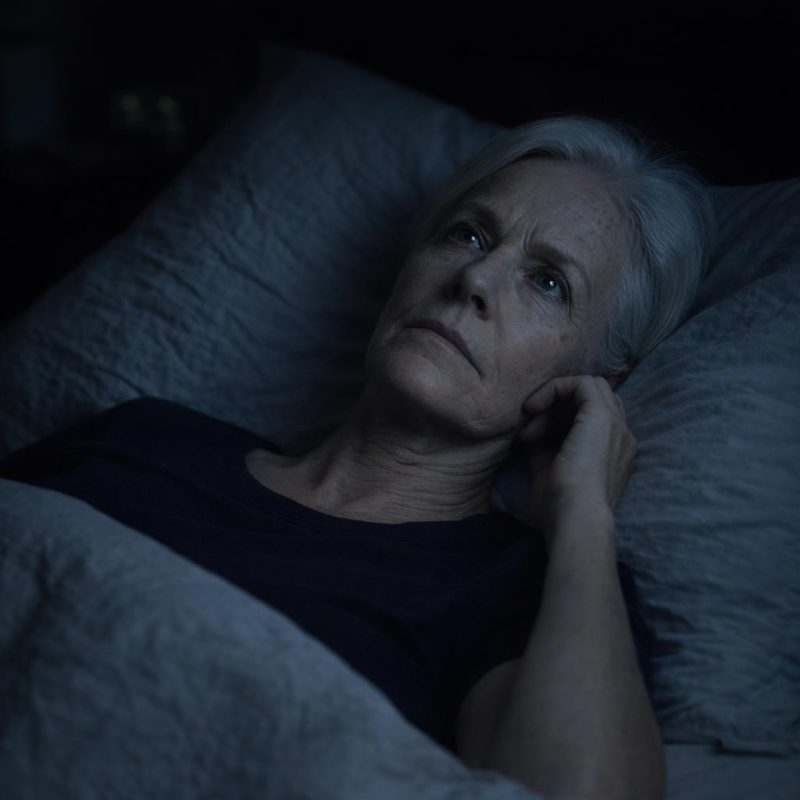 Image by RM AI
Refusing to Quit
I sat at my computer that night, cursor blinking in the search bar, and asked myself the question I'd been avoiding: should I stop? I had a list of reasons to quit. I was invading privacy. I was going behind Rachel's back. I was obsessing over vague feelings and careful words that might mean nothing. I was risking my relationship with my daughter if she ever found out what I'd been doing. I was possibly creating problems where none existed, seeing shadows because I was looking for them. Maybe Gerald and Patricia were just private people. Maybe the community's careful responses were simply respect for boundaries. Maybe I was the problem, a worried mother who couldn't let go and trust her adult daughter's choices. I stared at that list for a long time. Then I thought about Rachel's face across that table, the way her hands had trembled, the specific quality of fear in her voice. I thought about what it would mean if I was right and did nothing. If something happened to Rachel because I'd respected privacy over protection, I would never forgive myself. I could apologize later for being wrong. I couldn't undo failing to act if I was right. I opened a new search window and kept digging. If I was wrong, I would apologize later, but if I was right, I needed to know before it was too late.
 Image by RM AI
The Neighbor's Careful Words
Mrs. Henderson had lived on Maple Street for forty years and knew everyone's business, which made her my best hope for local information. I baked chocolate chip cookies as a pretext and walked to her house on a Tuesday afternoon. She was on her front porch with iced tea, exactly where I'd hoped she'd be. We chatted about the weather, about her grandson's new job, about the Johnsons' kitchen renovation down the street. I let the conversation flow naturally before mentioning that Rachel was engaged. Mrs. Henderson lit up immediately, congratulating me with genuine warmth, asking about the wedding plans and when she'd get to meet the lucky man. I smiled and said his name, then mentioned his parents. The shift in her expression was subtle but unmistakable. Her smile stayed in place, but something changed behind her eyes. She knew them, she said carefully. Well-respected family in the community. Her voice had taken on a different quality, each word chosen with unusual precision. I'd known Mrs. Henderson for fifteen years. She was a gossip, someone who loved sharing stories and details about everyone. This careful neutrality wasn't her natural mode. She smiled warmly but her eyes went cautious when I mentioned their names.
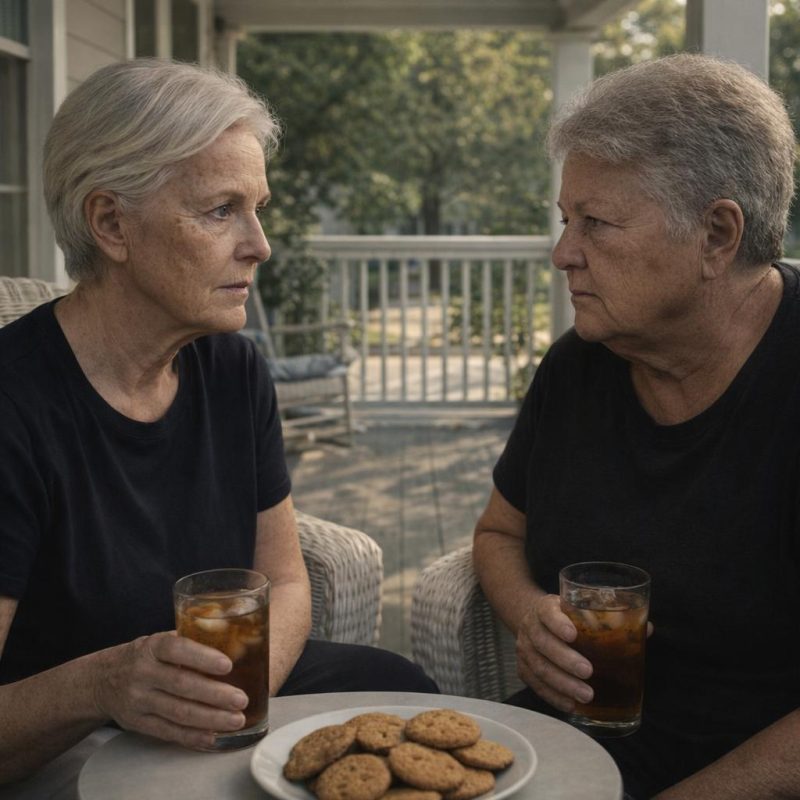 Image by RM AI
Reading Between Lines
I asked how long she'd known the family, keeping my tone casual and friendly. Mrs. Henderson said she'd known of them for quite some time, though she didn't specify exactly how long. I mentioned that they seemed like pillars of the community, hoping she'd elaborate. She agreed they were very involved in local affairs, very visible at charity events. I asked if she knew much about the family beyond Gerald and Patricia, whether there were siblings or extended family in the area. Mrs. Henderson shifted in her chair and mentioned something about the weather forecast for the weekend. The redirect was smooth but obvious. I tried a different angle, asking if she knew anyone who'd worked with Gerald in his business ventures. She mentioned a few names but didn't offer any stories or details, which was completely unlike her usual chatty nature. When I asked what she thought of them as people, she paused. The silence stretched just a beat too long. Then she said they were very proper, very concerned with appearances and reputation. The word 'proper' hung in the air with weight I couldn't quite define. We finished our tea and I thanked her for the chat, but I left her porch with more questions than I'd arrived with. When I asked about their character, she paused too long before saying, 'They're very... proper.'
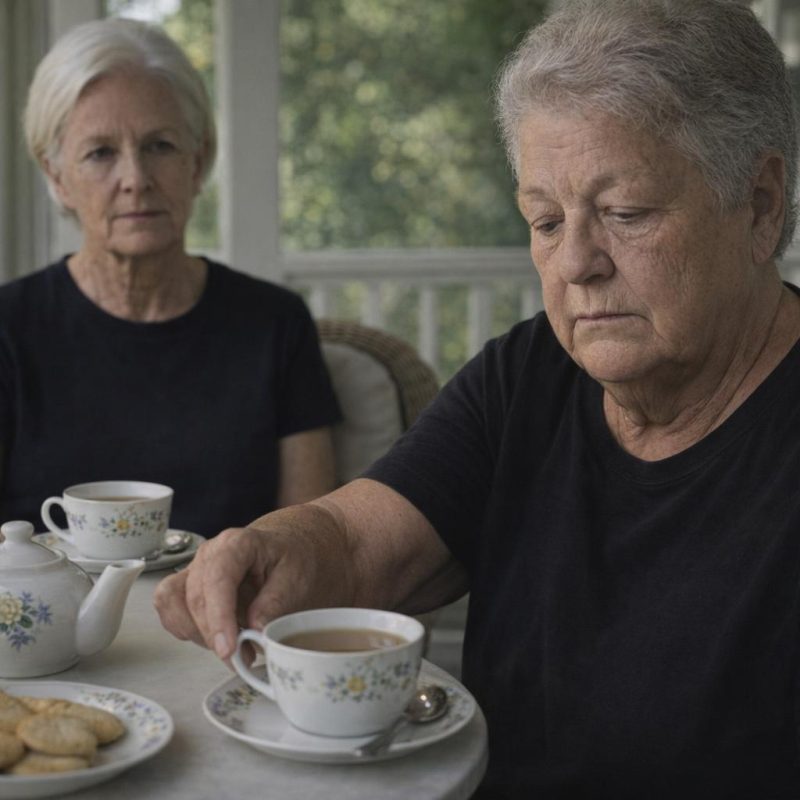 Image by RM AI
A Pattern of Silence
Over the next three days, I made casual calls to other people I knew in the community. I mentioned Rachel's engagement to the librarian who'd known our family for years. I brought it up with Tom Chen from the historical society. I worked it into conversation with Barbara from my book club. Each time, I mentioned the family name and watched the same thing happen. Congratulations, followed by careful pleasantness. General positive statements about reputation and community standing. Vague timeframes when I asked how long they'd known them. Quick subject changes when I tried to ask anything specific or personal. Barbara mentioned they were generous donors. Tom said they were very active in preservation efforts. The librarian called them prominent members of several boards. But none of them told me stories. None of them shared personal anecdotes or specific memories. None of them spoke with the natural ease people use when discussing neighbors they actually know. The pattern was too consistent to be coincidence. These were people who normally loved to chat, to share, to connect through stories about mutual acquaintances. Their uniform caution felt rehearsed, or at least learned through experience. The consistency of their caution felt less like coincidence and more like a shared understanding I wasn't part of.
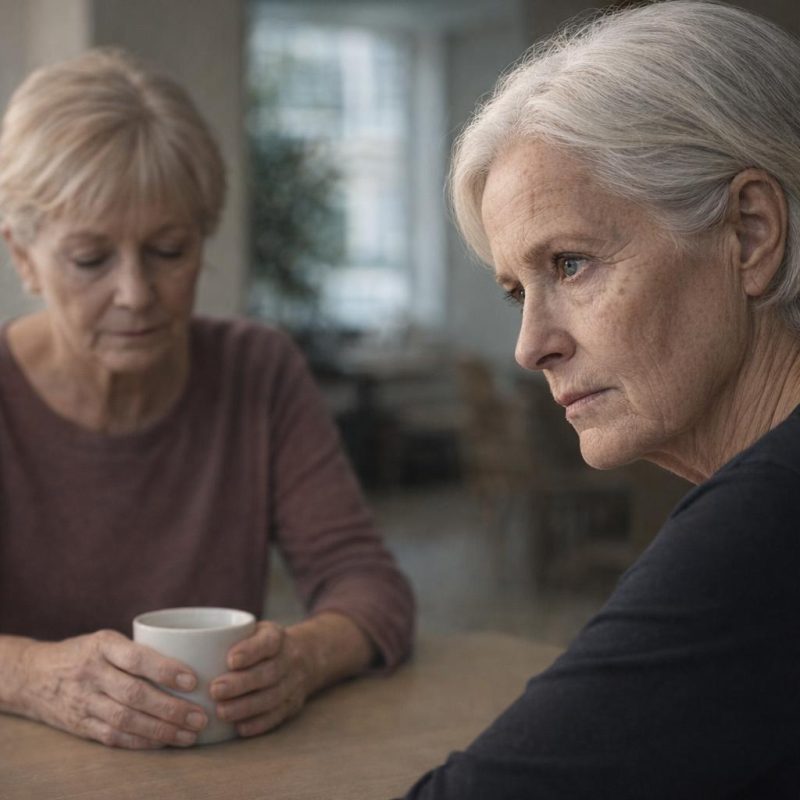 Image by RM AI
The Buried Article
I went deeper into the newspaper archives, searching business journals and local publications from the past fifteen years. Most of what I found was exactly what I'd seen before: charity events, ribbon cuttings, generic mentions in society pages. Then, buried in a 2010 business quarterly, I found something different. The article was brief, maybe three hundred words, about a commercial property dispute involving Gerald's development company. The piece described a contentious situation regarding a mixed-use building project that had apparently gone wrong. Several parties were involved, but the article noted that most had declined to comment for the story. The reporter had tried to reach multiple people connected to the dispute, but attempts were unsuccessful or met with refusals. The article mentioned that the matter had been resolved through private settlement, with terms undisclosed. I read it four times, looking for specific allegations or details about what had actually happened. The language was carefully vague throughout, describing conflict without explaining its nature, mentioning parties without naming most of them, referencing problems without defining them. I saved the article and searched for the names of the few people who were mentioned. Most led nowhere. The article was vague and brief, but the silence around it spoke louder than the words printed.
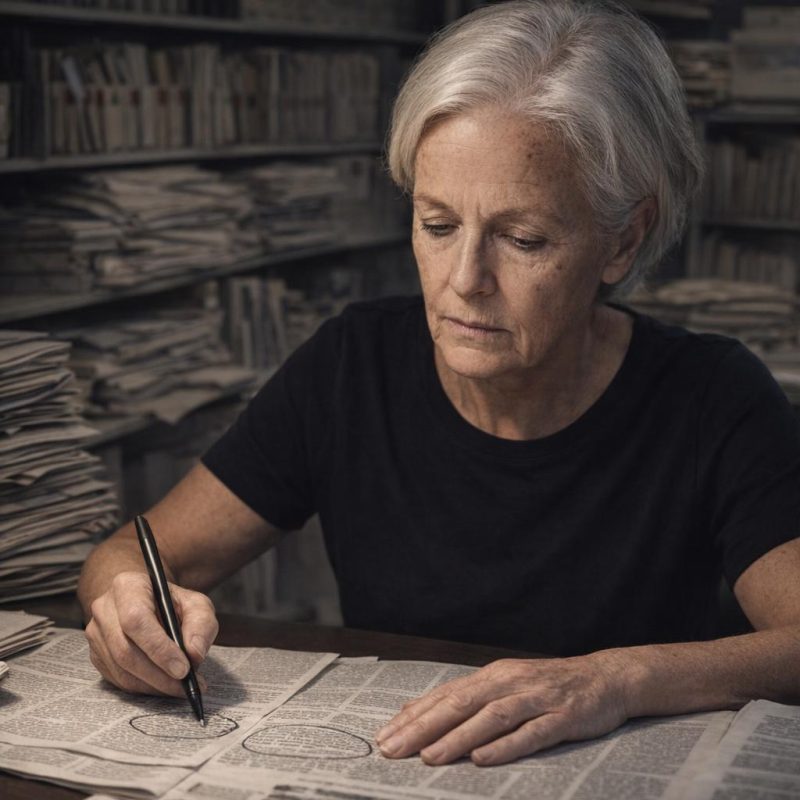 Image by RM AI
The Weight of Silence
I printed the article and read it again with a pen in my hand, circling every refusal to comment, every unsuccessful attempt to reach someone, every vague phrase that suggested information being withheld. At least four people had explicitly declined to speak on the record. The article noted that attempts to reach three other parties were unsuccessful, which could mean they were unreachable or unwilling. I wondered about the difference, about whether people couldn't comment or wouldn't. I thought about Mrs. Henderson's careful words, about the pattern of pleasant neutrality from everyone I'd asked. This article fit that same pattern. People who should have been willing to tell their side of the story had chosen silence instead. In my experience, people stayed silent for two reasons: they were protecting something, or they were afraid of something. I searched for the names mentioned in the article, trying to find current information about those other parties. Most had minimal online presence. One had moved out of state. Another's business had closed years ago. I added notes to my growing document, connecting this article to the broader pattern of gaps and careful words I'd been noticing. My stomach turned thinking about what kind of situation required this level of collective silence. When everyone chooses silence, it means the truth is either too dangerous or too protected to tell.
 Image by RM AI
Searching for Context
I spent the entire next day searching for follow-up coverage. I went through every issue of that business quarterly for the six months following the original article. Nothing. I searched the main newspaper's archives for any mention of the dispute or the parties involved. I found one brief mention in a legal notices section about a settlement being reached, but no details. I tried searching business registration records to see if I could find information about the other companies involved. Some records existed but told me nothing useful about what had happened. I searched court records for the time period, hoping to find case numbers or filings that might explain the dispute. I found references but couldn't access the actual documents. Everything was either sealed, settled privately, or simply unavailable. I tried different search engines, different keyword combinations, different databases. I searched the names of the other parties with various terms related to property disputes and business conflicts. Most of the people mentioned had almost no digital footprint at all, which seemed strange for business professionals. By evening, my eyes hurt from staring at the screen and I had pages of notes that led nowhere. Every search brought me to dead ends, as if the story had been carefully allowed to die.
 Image by RM AI
Quiet Resolutions
I reviewed everything I'd found about the dispute, which wasn't much. A contentious situation had arisen in 2010. Multiple parties were involved and apparently unhappy. Within a few months, according to that brief legal notice, a settlement had been reached. The speed was notable. Complex business disputes usually dragged on for years, especially ones contentious enough to make the news. This one had been resolved and buried in less than six months. I found the public record of the settlement filing, which confirmed an agreement had been reached but provided zero details about terms or conditions. Private settlements often included confidentiality clauses. I knew that from my own work in HR over the years. People signed agreements promising not to discuss what happened, sometimes in exchange for money, sometimes just to make the problem go away. I thought about the resources the family clearly had, the influence they wielded in the community, the careful way everyone spoke about them. I wondered how much it cost to make a problem disappear so completely, to ensure that years later, a simple newspaper article would be the only trace left. I added my speculation to my notes, acknowledging I had no proof, only patterns and gaps and silence. I'd found something, but I didn't know what it meant. I wondered how much it cost to make a problem disappear so completely.
 Image by RM AI
The Necessary Conversation
I sat at my kitchen table that night, staring at my notes spread across the surface like puzzle pieces that almost formed a picture. The legal notice. The settlement that happened too fast. The way everyone spoke about the family with careful respect. My daughter's fear that she couldn't explain. I'd promised her I wouldn't interfere, wouldn't speak to his family, wouldn't make things difficult. But I'd also promised myself years ago that I would always protect my daughter, even when she didn't want me to. Especially then. I picked up my phone three times before I actually called her. My hands were shaking. When she answered, I kept my voice light, asked if she wanted to meet for coffee the next day, just the two of us. She agreed, probably thinking I wanted to talk about wedding flowers or something equally harmless. I spent the rest of the evening rehearsing what I would say, how I could phrase my concerns without sounding accusatory or crazy. I rehearsed what I would say, knowing that this conversation might damage our relationship beyond repair.
 Image by RM AI
Breaking the Promise
The coffee shop was crowded the next afternoon, which somehow made it easier and harder at the same time. Rachel arrived looking tired, dark circles under her eyes that makeup couldn't quite hide. We ordered our usual drinks and found a table in the corner. I started with small talk, asked about work, about wedding planning. She answered in short sentences, her fingers drumming against the table. Finally, I took a breath and said I needed to talk about the engagement, about Brandon's family. Her whole body went rigid. The drumming stopped. I told her I'd been unable to let go of my concerns, that I knew something was wrong, that I could see she was afraid and I needed to understand why. Her hands tightened around her coffee cup until her knuckles went white. I said gently that I'd found some concerning patterns, that I'd been trying to understand what was happening. She asked what I'd been doing, her voice barely above a whisper. I admitted I'd been researching the family online, looking into their history, trying to make sense of what I was seeing. She went very still, her coffee cup frozen halfway to her lips, and I knew I'd struck closer to the truth than I'd realized.
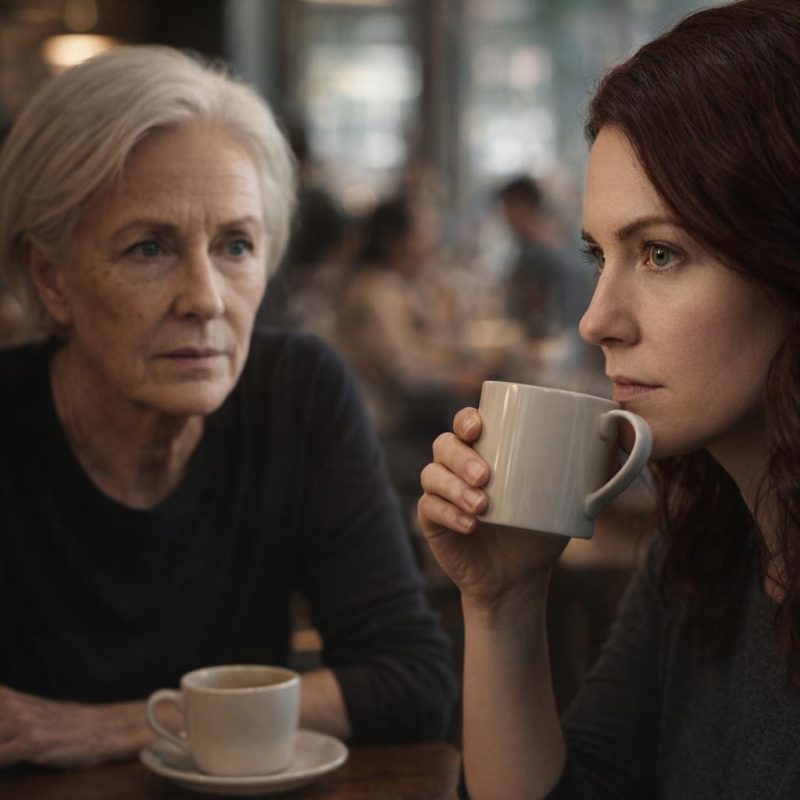 Image by RM AI
The Breaking Point
Rachel set her cup down with a trembling hand. Then she started crying, not the polite tears you dab away with a napkin, but the kind of breakdown I hadn't seen since she was a little girl with a skinned knee. I moved my chair closer, put my arm around her shoulders while people at nearby tables pretended not to notice. She said she'd been terrified and confused for months, that she didn't know what to do. Between sobs, she told me Brandon had given her warnings about his family, about expectations she'd need to meet. He'd described rules about family loyalty, about certain things that would be required of her. At first, she'd thought he was exaggerating, being overly cautious about introducing her to his parents. But the expectations had started seeming more serious over time, more specific, more demanding. She struggled to explain why they felt wrong, kept saying she knew she sounded ungrateful, that the family had been nothing but welcoming on the surface. She said she felt like she was being paranoid, that she should be happy to marry into such a successful family. But something felt off and she couldn't articulate what. She didn't know how to explain it without sounding ungrateful or paranoid, and my heart broke because I understood exactly what she meant.
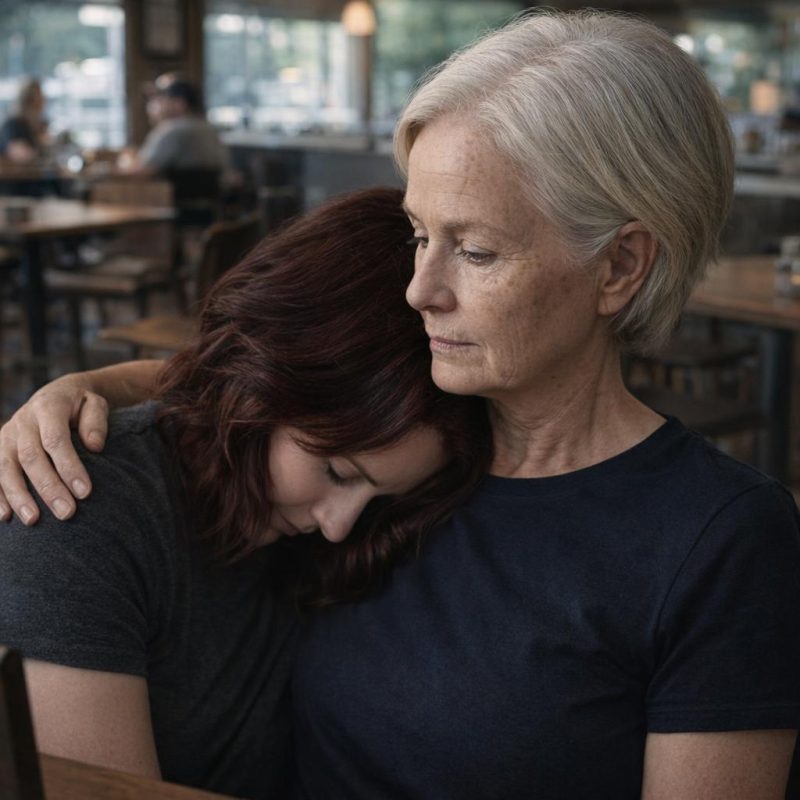 Image by RM AI
Rules That Bind
I asked her to tell me about the expectations, to list them for me. She wiped her eyes and started talking, her voice steadier now that she'd broken through the initial barrier. There were rules about attending all family gatherings without exception, no matter what else might be scheduled. They expected complete discretion about family business, nothing discussed with outsiders, ever. Major holidays would be spent exclusively with Brandon's family, not alternating like most couples did. There were suggestions about appropriate topics of conversation in public, things that reflected well on the family name. Expectations about social media, about what could and couldn't be shared online. Rules about consulting the family before making major decisions, even personal ones. Implications that family unity was paramount, that once you married in, you were part of something bigger than yourself. Rachel noted that each expectation had been presented as normal family closeness, the kind of tight-knit bond everyone should want. Individually, she said, some of them seemed reasonable. But hearing them laid out one after another, I recognized the architecture of control being built around my daughter.
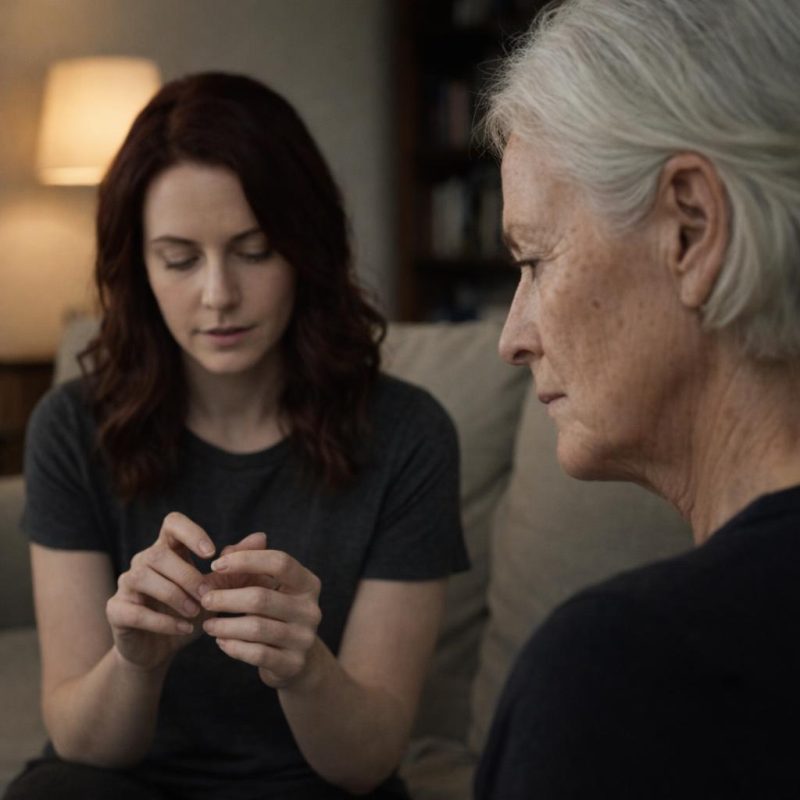 Image by RM AI
Small Beginnings
I reached across the table and took her hand. I told her I'd seen this kind of control before, not in this exact form, but the pattern was familiar. It doesn't start with big demands, I explained. It starts with rules that seem reasonable, even loving. Family dinners become mandatory. Privacy becomes secrecy. Loyalty becomes isolation. The boundaries erode so gradually you don't notice until you're surrounded. I said her unease was justified, that she wasn't being paranoid or ungrateful. I told her that family loyalty could be weaponized, used to justify things that weren't healthy or normal. I explained that isolation often happened slowly, cutting you off from other people piece by piece until the family was all you had left. I said I trusted her instincts completely, that if something felt wrong, it probably was. Rachel's eyes filled with tears again, but different ones this time. She said she'd been second-guessing herself constantly, wondering if she was just being difficult or ungrateful. I promised to support whatever she decided, whether that meant going forward or stepping back. She said she didn't know what to do, that she loved Brandon but felt trapped. I suggested we needed to understand more before the wedding. She looked at me with desperate hope that I might understand what she couldn't fully articulate, and I promised her I did.
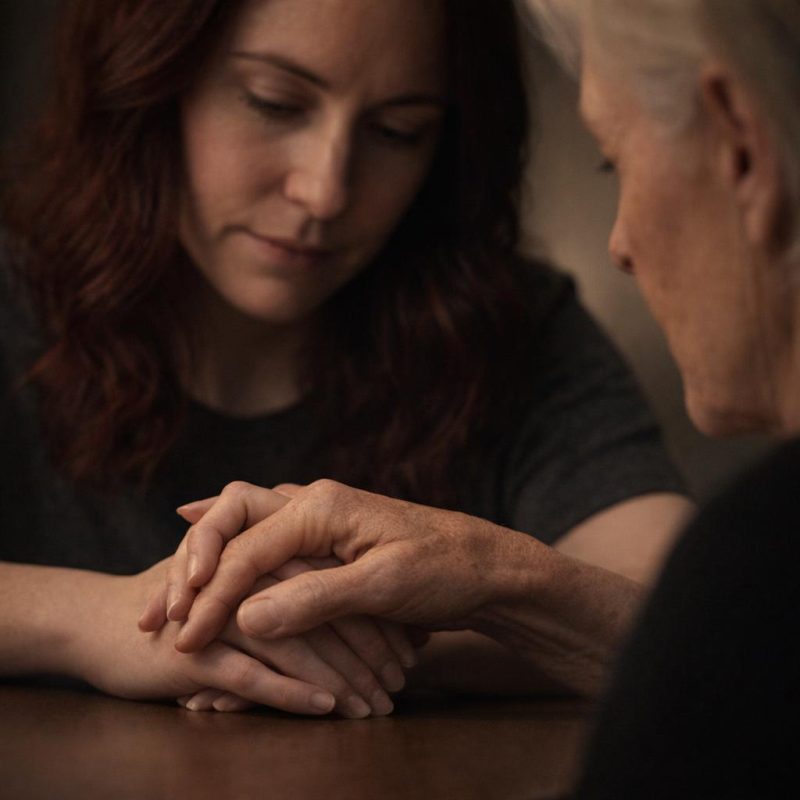 Image by RM AI
The Line in the Sand
I made a decision right then, sitting in that coffee shop with my daughter's tear-stained face across from me. I wasn't going to stay silent anymore. I wasn't going to smile politely and pretend everything was fine. Even if it meant upsetting Rachel, even if it meant causing tension with her future in-laws, I had to do something. Rachel must have seen it in my face because she immediately grabbed my hand. She begged me not to confront the family, said it would make everything worse. She was terrified that if I caused problems, Brandon would be caught in the middle, that his parents would blame her for not controlling her mother. I promised to be diplomatic, to be careful. I assured her I wouldn't cause a scene or damage her relationship. She extracted promise after promise that I wouldn't make things worse, that I'd let her handle it her own way. I agreed to everything she asked, nodding and making soothing sounds. But internally, I was already planning my approach. I needed to see Patricia and Gerald's reaction to direct questions, needed to watch their faces when someone pushed back even gently. Rachel asked me to please not make things worse, and I promised to be careful, knowing I was about to break that promise too.
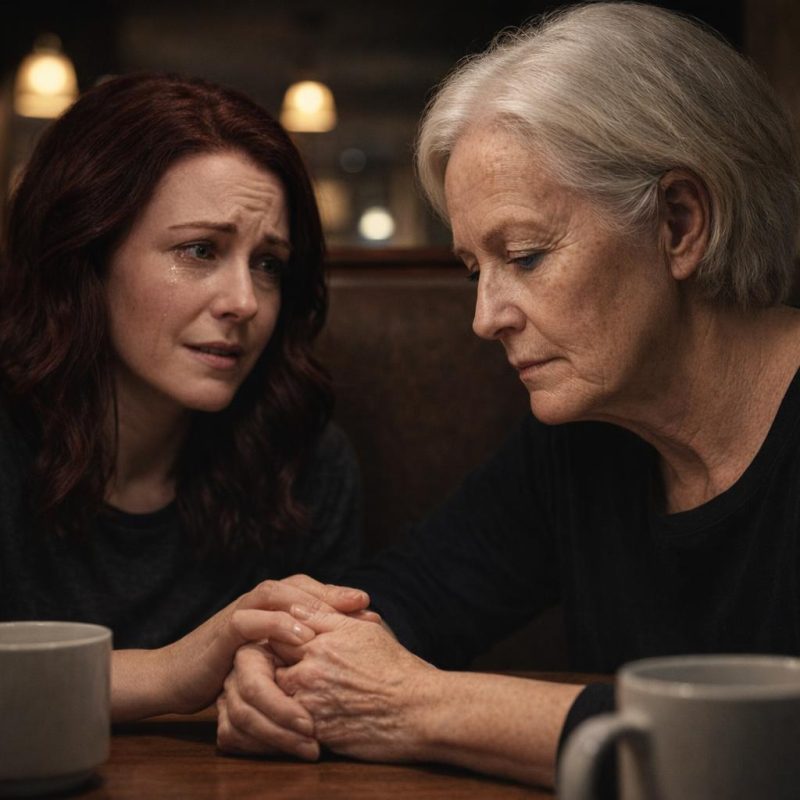 Image by RM AI
Preparing for Battle
A family gathering was scheduled for the following weekend, one of those casual get-togethers that both families were expected to attend. Rachel mentioned it reluctantly, probably hoping I'd forgotten. I hadn't. I spent the week preparing, reviewing everything I'd found, everything Rachel had told me. I practiced questions that sounded innocent but might reveal something in how they were answered. I stood in front of my bathroom mirror trying different tones of voice, different facial expressions. Too aggressive and they'd shut down. Too passive and I'd learn nothing. I knew Rachel would be upset when she realized what I was doing. I knew I was violating both promises I'd made to her, the original one about staying silent and the new one about being careful. But I kept thinking about those rules, about the control being built around her, about the fear in her eyes. I picked out clothes that would make me look unthreatening, a nice blouse and slacks, nothing too formal or too casual. I wanted to appear like a friendly future in-law, just making conversation. I went to bed the night before feeling anxious but determined. I practiced my questions in the mirror, trying to find the balance between polite and pointed, knowing there probably wasn't one.
 Image by RM AI
Direct Questions
The gathering was at a restaurant, neutral territory, which somehow made it easier. Rachel shot me warning looks the moment I arrived, her eyes pleading with me to behave. I smiled reassuringly and made small talk with other guests for the first hour. Then I saw my opportunity when Patricia and Gerald were standing together near the bar. I approached casually, complimented the venue, asked how they'd discovered it. Patricia responded with charming vague answers about knowing the owner. I inquired about their business history, mentioned I'd read they were quite successful in the community. Gerald provided polished responses about hard work and good fortune. I asked how long they'd lived in the area, whether they'd always been involved in philanthropy. Patricia and Gerald exchanged a brief glance, so quick I almost missed it. Then Patricia smiled and said they'd been here for decades, loved giving back. I asked about their extended family, whether they had relatives nearby. Their answers remained pleasant but light on detail, deflecting each question with practiced ease. I noted how smoothly they redirected every personal inquiry back to safe topics. Brandon appeared at his mother's elbow, joining the conversation with a protective edge. Rachel watched from across the room with visible tension. Their smiles never dropped, but I watched their eyes closely, looking for any crack in the pleasant facade.
 Image by RM AI
Practiced Deflection
I kept trying to ask real questions, the kind that might actually tell me something about who these people were. Patricia smiled warmly and redirected me to wedding planning, asking if Rachel had chosen her dress yet. I circled back, asking about their family traditions, hoping for something concrete. Gerald launched into a charming story about a family vacation that sounded lovely but told me absolutely nothing about their actual history. I tried asking about the years I'd found gaps in, framing it casually, mentioning I'd noticed they'd moved around a bit. Patricia smoothly changed the subject to Rachel's dress again, asking if I'd gone shopping with her yet. They never said no. They never refused to answer. They just smiled and talked and somehow I'd end up three topics away from where I'd started. I watched them work together, the way Patricia would catch Gerald's eye when I asked something too specific, how he'd step in with a story or she'd redirect with a question. Brandon moved closer to his mother, his posture defensive, his eyes warning me to back off. Across the room, Rachel excused herself, and I could see the upset written all over her face. I was getting nowhere, but I was learning something about how practiced they were at keeping people out. Every answer they gave was technically responsive but revealed nothing real, and I wondered how many other people had hit this same polite wall.
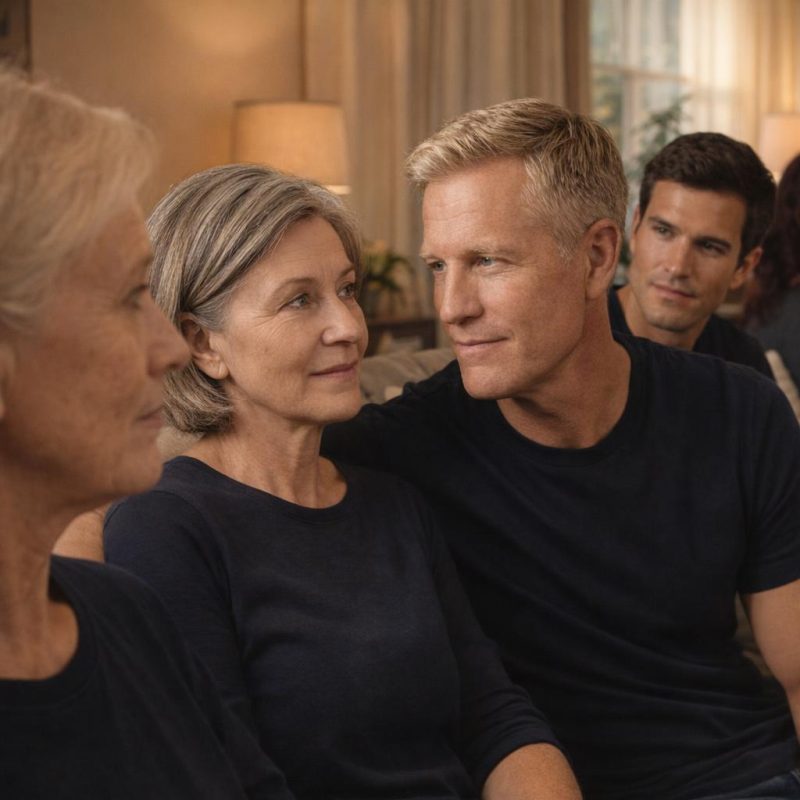 Image by RM AI
Testing the Waters
I found a moment when Rachel had stepped away, when it was just Patricia, Gerald, and me near the bar. I mentioned casually that I'd been reading old local business news, that I liked learning about the area's history. I brought up the article about the property dispute, describing it vaguely, as if I'd barely paid attention to the details. I said something about how interesting it was to see how the community had changed over the years. Gerald's posture shifted, just slightly, his shoulders tensing in a way I wouldn't have noticed if I hadn't been watching so carefully. Patricia's smile stayed exactly where it was, fixed and pleasant. I kept my tone light, curious, nothing more. Gerald asked what article I meant, his voice perfectly casual. I described it in broad strokes, mentioning the business dispute but acting like I couldn't quite remember the specifics. Patricia dismissed it smoothly, saying those things were always misrepresented by the press, that people loved drama. Gerald added that those matters had been resolved years ago, ancient history really. I nodded, agreeing, letting it drop. But I noted how quickly they'd moved to dismiss it, how their answers came so smoothly. The conversation moved on to other topics, but something had shifted in the air between us. For just a moment, the air in the room changed, though their expressions remained perfectly pleasant.
 Image by RM AI
The Crack in the Mask
I kept watching Patricia's face after I'd mentioned that article, and that's when I saw it. Just for a second, her smile froze, not quite reaching her eyes the way it had before. There was a tightness around her eyes, a hardness that flashed through before she recovered. Her jaw clenched, barely perceptible, and then she was smiling again, warm and dismissive. The whole thing lasted maybe two seconds, but I'd seen it. That crack in the perfect composure. Gerald stepped in immediately, supporting her dismissal, adding details about how the press had gotten everything wrong back then. I watched how quickly they closed ranks, how seamlessly they worked together to shut down that line of conversation. Patricia excused herself to check on dinner arrangements, her exit graceful and unhurried. Gerald stayed, making small talk about the restaurant's wine selection, but his eyes followed me with a new awareness. They knew I was digging. They knew I'd found something. I felt both validated and more concerned than before. Whatever they were hiding, they'd had plenty of practice keeping it hidden. I decided to back off for the evening, but I couldn't shake what I'd seen in Patricia's eyes before she'd smoothed it away. I'd seen it, that momentary crack, and it told me everything I needed to know about what lay beneath the polish.
 Image by RM AI
The Aftermath
Rachel called me three days after the gathering, and I could hear the panic in her voice before she even said hello. Brandon had been acting strange, she said. His texts had become brief, just a few words where he used to send paragraphs. He'd cancelled their dinner date with some vague excuse about work. His calls were less frequent, and when they did talk, he seemed distant, distracted. She asked me what I'd said to his parents, her voice tight with worry. I admitted I'd asked some questions about their past, tried to get to know them better. Rachel's breath caught. She said Brandon had told her his parents felt interrogated, that I'd made them uncomfortable. I tried to explain that I'd been gentle, just curious, but Rachel cut me off. She was caught between defending me and salvaging her relationship, and I could hear her tearing apart in the middle. She said she didn't know how to fix this with Brandon, that he'd pulled away and she didn't understand why. I offered to apologize, to smooth things over, but Rachel said that might make it worse, might make it seem like there really was something to apologize for. Rachel asked me what I'd said to his parents, her voice edged with panic, and I couldn't tell if I'd protected her or ruined everything.
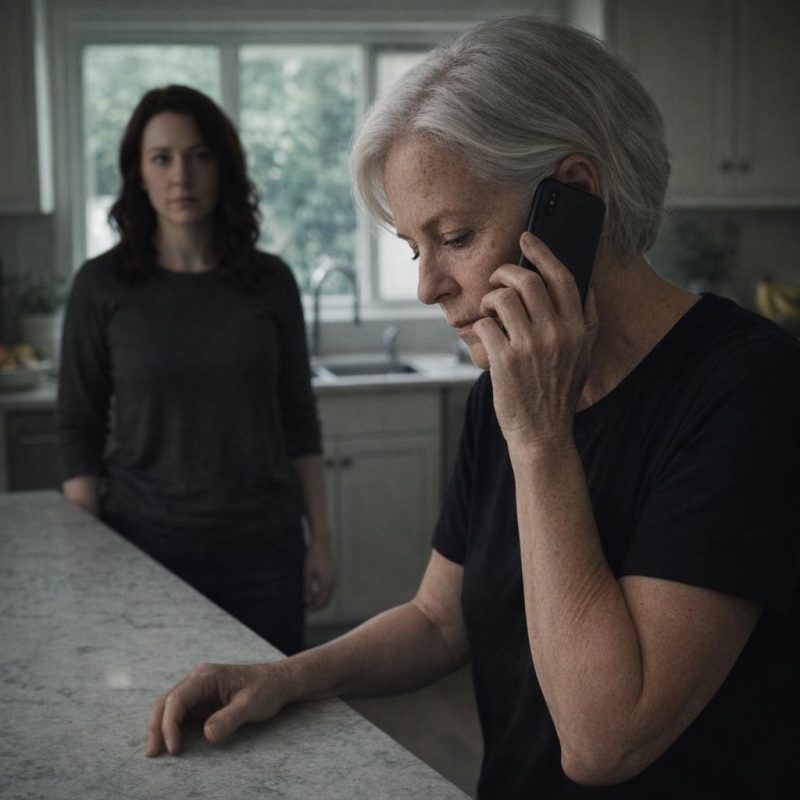 Image by RM AI
Increasing Involvement
Rachel called again a week later with updates on the wedding planning, and that's when I started to see the pattern. Patricia had suggested a particular venue, one of the nicest in the area. When Rachel had hesitated about the cost, Patricia and Gerald had offered to cover it. They'd recommended vendors from their network, people they'd worked with before. Rachel sounded grateful, relieved even, talking about how generous they were being. I asked carefully if there were any conditions attached to the help. Rachel paused, then said no, but she didn't sound certain. Patricia had been calling her multiple times a day about wedding details, Rachel mentioned. Gerald had offered to handle the entire rehearsal dinner, take that stress off their plates completely. I listened to Rachel list all the ways they were helping, and I counted how many decisions they were influencing. The wedding was moving faster than Rachel had expected, she admitted. Everything was falling into place so smoothly. I recognized what I was hearing, how financial involvement created obligation, how generosity could become control. Rachel said she didn't want to seem ungrateful by refusing their help, that it would be rude after they'd been so kind. I felt the trap closing around her, piece by piece. Rachel told me they'd offered to pay for the entire wedding, and I heard the trap closing before she did.
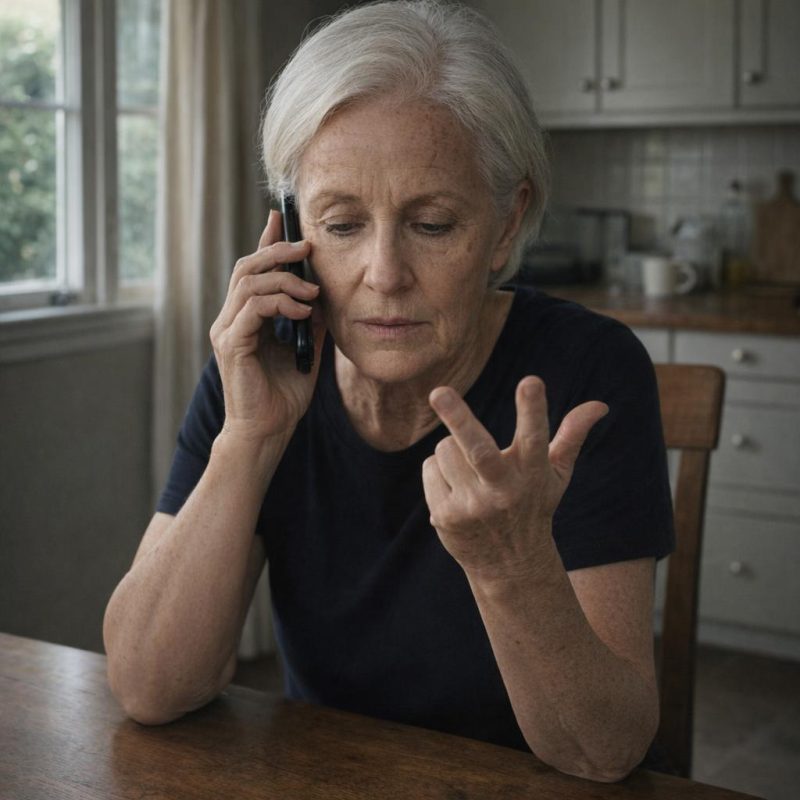 Image by RM AI
Trapped Between
Rachel showed up at my door on a Tuesday evening looking like she hadn't slept in days. She came in without saying much, just collapsed on my couch with this exhausted, defeated posture. She admitted she'd been losing sleep, lying awake trying to sort through everything in her head. She said she loved Brandon, really loved him, but she was terrified of his family. Then she'd question herself, wonder if she was making too much of normal family involvement, if every bride felt this overwhelmed. I listened without offering judgment, just let her talk. She described feeling pulled in different directions, like she couldn't make anyone happy including herself. Brandon had been distant since the gathering, she said again. Patricia called her multiple times every day about wedding details, and Rachel felt like she couldn't say no without seeming difficult or ungrateful. She asked me if marriage would change things, if his parents would back off once they were actually married. I asked her what she wanted, separate from everyone else's expectations. That's when she broke down, saying she didn't know anymore, that she couldn't hear her own thoughts over everyone else's voices. She looked at me with tears streaming down her face and asked if I thought she should call off the wedding. I told her only she could make that choice. She asked me if love was supposed to feel this complicated, and I didn't know how to tell her that it shouldn't.
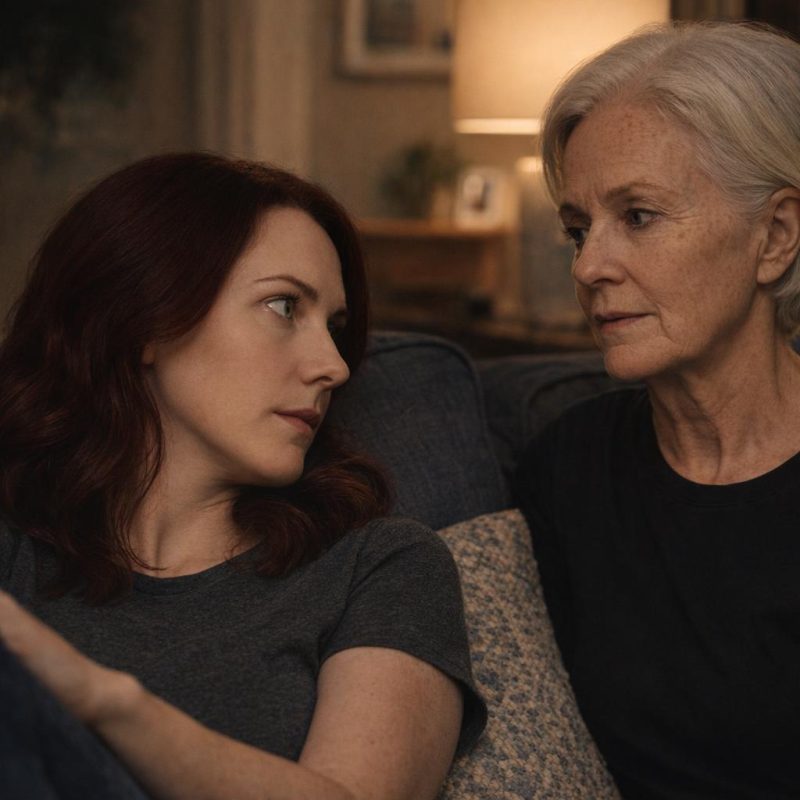 Image by RM AI
Continued Search
I went back to my computer that night with renewed focus, determined to find something concrete I could show Rachel. I searched for more information about that old business dispute, trying to find contact information for the other parties mentioned in the article. I tried social media, professional networking sites, anywhere someone might have left a digital footprint. I looked for employee reviews of the family business, hoping someone might have shared their experience. I found only generic positive reviews, the kind that felt almost too polished. I tried searching legal databases for other cases involving their names, but I kept hitting privacy walls and subscription paywalls. I considered paying for deeper access but hesitated, not sure if it would even help. I searched for property records, business filings, anything public that might tell me more. I stayed up late into the night, following lead after lead, and every single one ended in frustration. Sealed records. Deleted profiles. People who'd moved away with no forwarding information. I kept detailed notes, but I was documenting more about what I couldn't find than what I could. The wedding was getting closer, and I had nothing concrete to offer Rachel except my gut feeling that something was wrong. Every lead I followed seemed to end in the same frustrating place, just beyond my reach.
 Image by RM AI
Walls of Privacy
I tried to access court records about the settlement from that business dispute, but they were sealed, unavailable to the public. I searched for the other business parties mentioned in the article, the people who'd been involved in the conflict. Most had no current contact information I could find anywhere online. I tried professional networking sites, but their profiles were minimal or deleted entirely. I sat back and considered the pattern, how much information had simply disappeared. I wondered if people had been paid to go away, to stay quiet. I searched property records for family holdings, but everything was under corporate entities that obscured the actual details. I hit subscription paywalls on several databases that promised deeper information. I stared at the payment screens, questioning whether I should invest money in this search, whether it would even lead anywhere. My notes had become a document of obstacles, a map of walls I couldn't climb over. Every avenue I tried led to the same locked doors, the same protected records, the same disappeared people. I thought about how many resources it would take to build this many barriers, to make this much information simply vanish from public view. The wedding was approaching, and I had no concrete proof to offer Rachel, just this growing certainty that something was being hidden. I stared at another locked database, another protected record, and wondered how many resources it took to build this many walls.
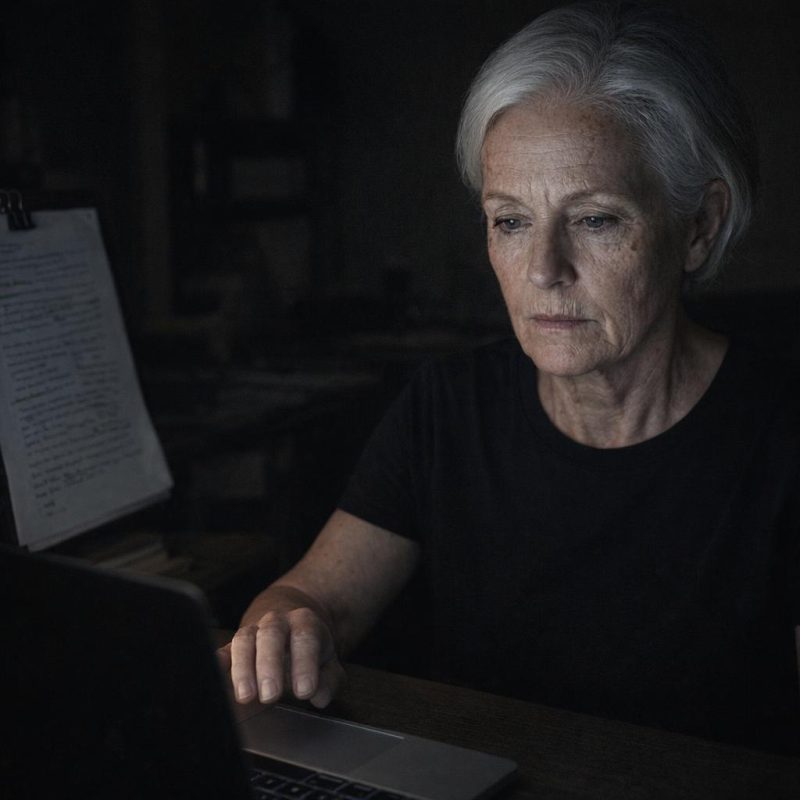 Image by RM AI
The Doubt That Crept In
I sat alone in my kitchen at midnight, staring at my notes spread across the table like evidence in a case I couldn't quite prove. The wedding was six weeks away. I had pages of observations, screenshots of deleted articles, names of people I couldn't reach, and a growing collection of locked doors I couldn't open. But what did I actually have? A family that valued privacy. A mother-in-law who was formal and controlling, sure, but was that a crime? I thought about all the hours I'd spent searching, all the anxiety I'd created for Rachel, all the distance that had grown between her and Brandon because of my questions. Maybe I was the problem. Maybe I was a mother who couldn't accept that her daughter was building a life separate from mine, and I'd dressed up my fear as investigation. I picked up my phone and scrolled back through my texts with Rachel, seeing how her responses had grown shorter, more strained. I'd done that. My searching, my questions, my inability to just trust that she knew what she was doing. The family was private and protective of their reputation—that didn't make them dangerous. It made them careful, maybe even smart in a world where everything ended up online. I thought about Susan's warning about overstepping, about how I'd ignored it and kept pushing anyway. I closed my notebook and rubbed my eyes, exhausted and ashamed. Maybe the problem wasn't them at all—maybe it was a mother who couldn't let her daughter grow up.
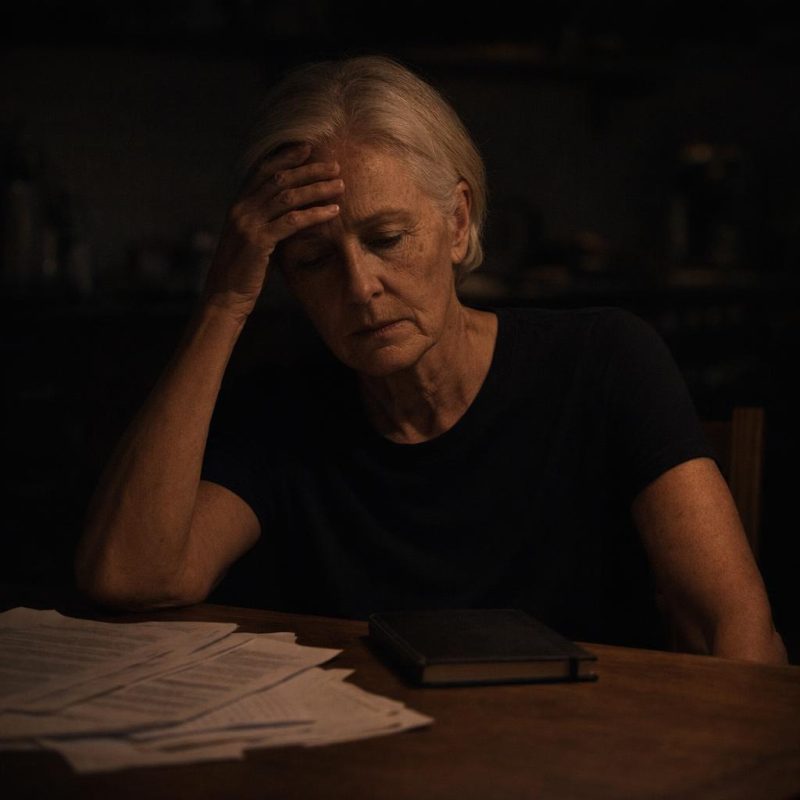 Image by RM AI
An Unexpected Message
My phone buzzed on the nightstand at seven in the morning, pulling me from restless sleep. Unknown number. I almost deleted it without reading, assuming it was spam, but something made me open the message. "Are you the one who's been asking questions about the family?" My heart stopped. I sat up in bed, suddenly wide awake, reading the words again. Someone knew. Someone had heard about my searching. My first thought was fear—that Patricia and Gerald had found out, that I'd been caught. I reread the message looking for threats, for anger, for anything that would tell me what this was. But the tone seemed cautious, almost careful. "I heard you've been looking into their history," the next message said. "I have information you need to hear. I worked with them years ago." I stared at my phone, my hands shaking slightly. This could be a trap. This could be someone sent by the family to find out what I knew. Or this could be exactly what I'd been searching for—someone who could fill in the gaps, someone who knew the truth. I typed carefully: "Who is this?" The response came quickly: "I'd rather not say over text. Can we meet somewhere public? I'll explain everything." I sat there holding my phone, torn between hope and fear. The message said they had information I needed, and they wanted to meet somewhere private.
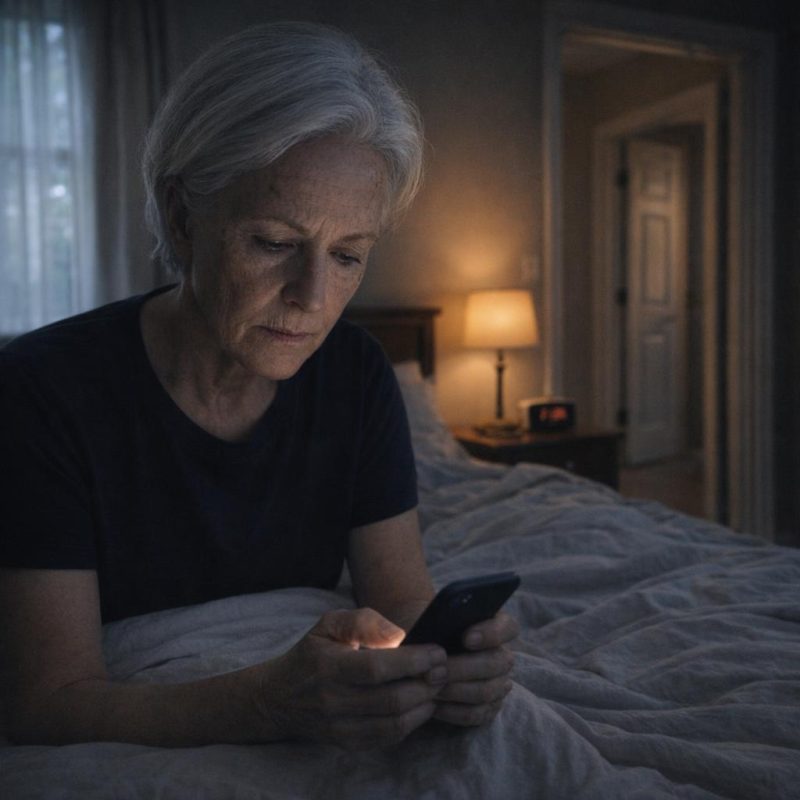 Image by RM AI
The Meeting Arrangement
I spent the next hour exchanging messages with the unknown contact, my coffee growing cold on the counter as I tried to decide if this was real. They suggested a coffee shop two towns over, a place I'd never been. I asked for more details about what they knew, but they kept saying some things shouldn't be written down. I considered calling Susan, telling her about this meeting, but what would I say? That a stranger had texted me and I was planning to meet them? She'd tell me I was being reckless, and maybe I was. But I'd spent weeks hitting walls, and now someone was offering to open a door. I researched the coffee shop online—it was in a busy shopping area, plenty of people around. I agreed to meet the next afternoon. Before I left the house, I wrote down all the details on a notepad and left it on my kitchen counter, just in case. The drive took forty minutes, and I spent every one of them questioning my decision. I arrived early, parked where I could see the entrance, and watched people come and go. Inside, I ordered coffee I didn't want and chose a table facing the door. My hands were shaking as I wrapped them around the cup. Every time someone entered, my pulse jumped. I checked my phone obsessively, waiting for a message that would tell me who to look for. I arrived early, chose a seat facing the door, and waited to see who would walk through it.
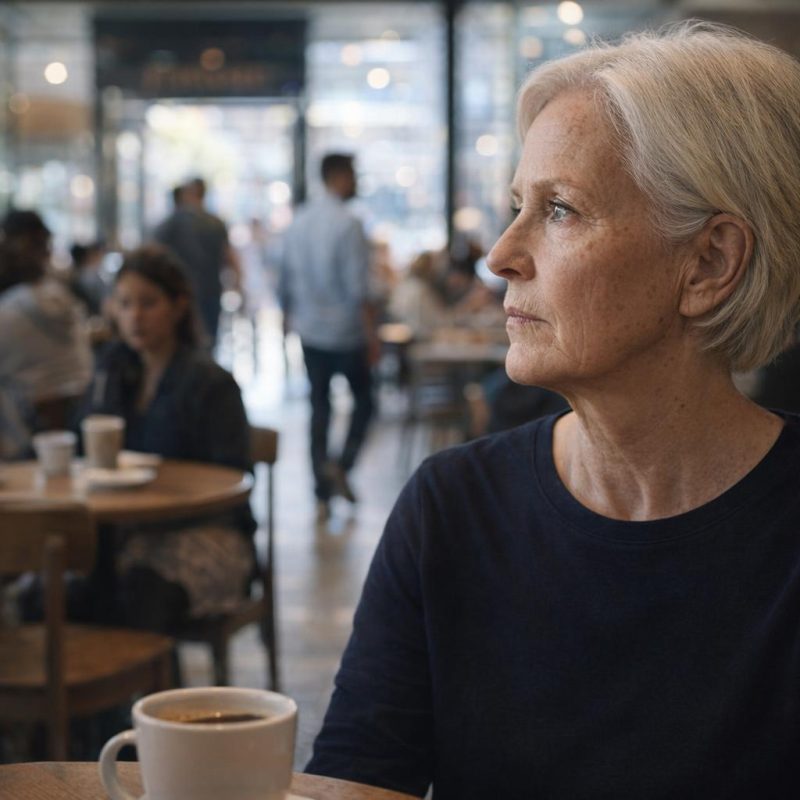 Image by RM AI
James
A man in his late forties entered the coffee shop twenty minutes later, scanning the room with tired eyes that looked older than his years. He was dressed casually but neatly, and he moved like someone who didn't want to be noticed. When his gaze landed on me, he hesitated, then approached slowly. "Are you the one asking questions?" he said quietly, not sitting down yet. I nodded, my throat tight. He pulled out the chair across from me and sat, glancing toward the door before speaking. "I'm James. I worked for Gerald's company about eight years ago." His voice was low, careful. "I heard through someone who heard through someone else that you've been looking into the family." I watched him check the door again, and something about his nervousness made my stomach drop. "They seemed normal at first," he continued, his fingers tapping against his coffee cup. "Welcoming, even. Gerald offered me opportunities, Patricia invited my wife and me to dinners. It felt like being brought into something special." He paused, his jaw tightening. "But over time, I noticed things. The way they talked about employees who got too close to the family, how those people changed. How they pulled away from their old friends, their old lives." He looked at me directly for the first time. "What happened to me and others wasn't illegal. That's the thing—I can't point to a crime. But it was wrong." He looked over his shoulder before sitting down, and I realized he was still afraid of them after all these years.
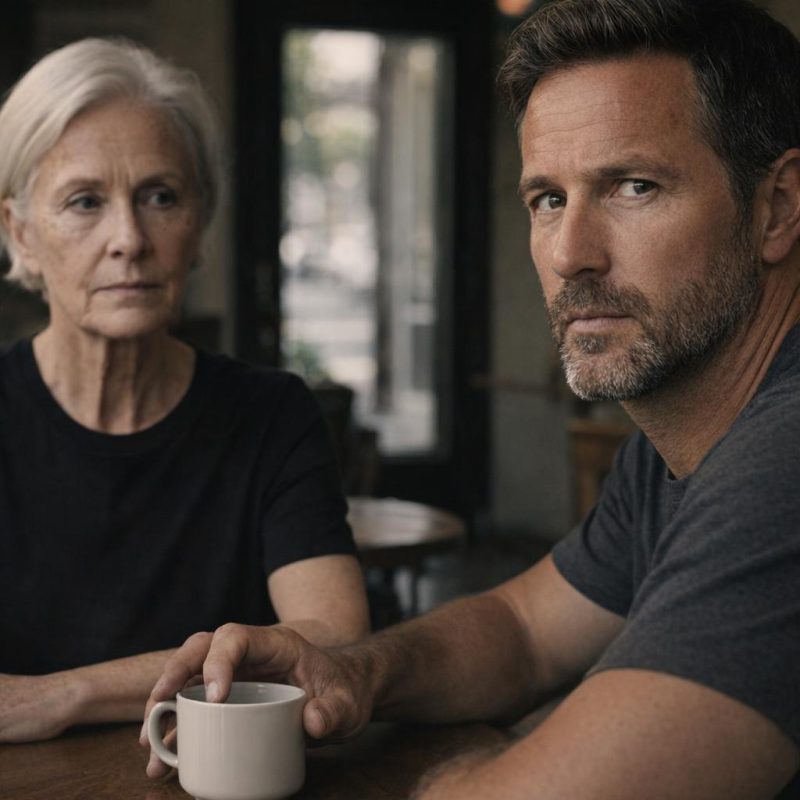 Image by RM AI
The Pattern Revealed
James leaned forward, his voice barely above a whisper as he described what he'd witnessed. "They have a pattern," he said. "It's not random, it's not accidental. They draw people in—employees, business partners, anyone who gets close to the family. They start with generosity, with help you didn't ask for but can't refuse without seeming ungrateful. Then the help becomes expectation. You owe them now, you see? And they collect." He described how holiday invitations became obligations that conflicted with other family commitments. How financial gifts came with invisible strings that tightened over time. How they subtly discouraged relationships outside their circle, making you feel disloyal for maintaining old friendships. "I watched three marriages fail because of them," James said, his voice heavy. "Not through cruelty—they're never cruel. Through a thousand small erosions. A comment here about how your spouse doesn't understand the business. An invitation there that excludes them. Financial entanglement that makes you dependent. Before you know it, you're alone except for them, and you can't remember how it happened." He told me about Brandon's older sister, how she'd distanced from her college friends after marrying into an allied family. About employees who'd been isolated from former colleagues. About the business dispute I'd found—someone who'd tried to break free and been systematically discredited. "The gaps you found in their history? Those are people who cut ties completely. Walked away from jobs, from investments, from everything, just to get out." He said he watched three marriages fail because of them, saw careers derailed, and friendships ended—not through cruelty, but through a thousand small erosions that left people alone and dependent before they realized what had happened.
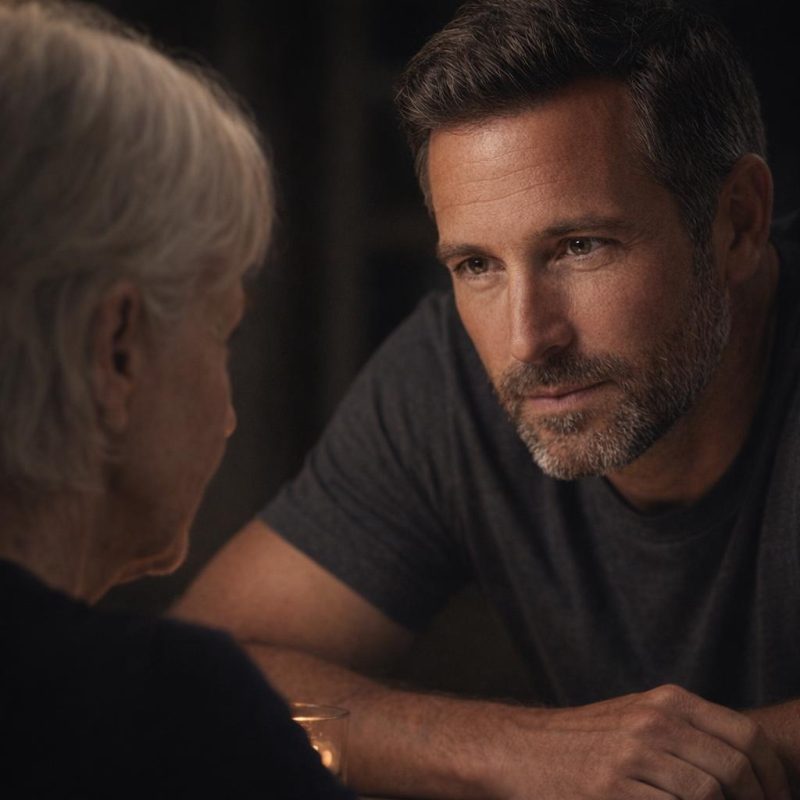 Image by RM AI
The Weight of Knowing
I thanked James and walked to my car in a daze, my legs feeling unsteady beneath me. The drive home passed in silence—I couldn't turn on the radio, couldn't bear any sound except my own thoughts replaying everything he'd told me. A systematic approach to relationships. Generosity that became leverage. Isolation disguised as inclusion. I thought about Mrs. Henderson's careful silence, about the business associate who'd changed the subject so quickly. They'd all known. They'd all seen this pattern and chosen to stay quiet, to protect themselves by saying nothing. I understood now why the records were sealed, why people had disappeared from public view—they'd escaped, and they'd covered their tracks so the family couldn't pull them back. I thought about Brandon, and my heart ached with a complicated sympathy I hadn't expected. He'd been raised in this system. He thought it was normal. His warnings to Rachel weren't red flags—they were him trying to help her adapt to what he'd always known. But that didn't make it right. That made it worse, actually, because it meant he couldn't see the cage he'd grown up in. I pulled into my driveway and sat there, unable to move, staring at my house. I had the truth now. I'd been right to be afraid. But knowing the truth didn't tell me how to use it. I had the truth now, but I still didn't know how to tell my daughter that the family she was marrying into saw her as someone to absorb rather than someone to love.
 Image by RM AI
Building the Case
I spent the next two days at my kitchen table, organizing everything I'd learned into something coherent, something Rachel might actually believe. I created a timeline starting with my first unease at the gathering, moving through the gaps in public records, the careful silences from community members, the sealed court documents, and finally James's testimony. I wrote down specific examples he'd provided—the three failed marriages, the isolated employees, Brandon's sister pulling away from her friends. I documented the pattern: initial generosity, growing obligation, subtle discouragement of outside relationships, financial entanglement, isolation. I tried to write it as facts, not accusations, but even reading it back to myself it sounded overwhelming, almost paranoid. I revised it three times, trying to find the right tone. Too emotional and Rachel would dismiss it as maternal hysteria. Too clinical and it would sound like I was prosecuting her fiancé's family. I wrote a letter first, just to organize my thoughts, to see the words on paper before I had to say them out loud. The letter ran four pages. I read it and felt sick, knowing what this information would do to her. But I also knew I had to give her the full picture. She deserved to make an informed choice, even if that choice broke both our hearts. I wrote it all down in a letter first, because I needed to see the words before I could say them out loud.
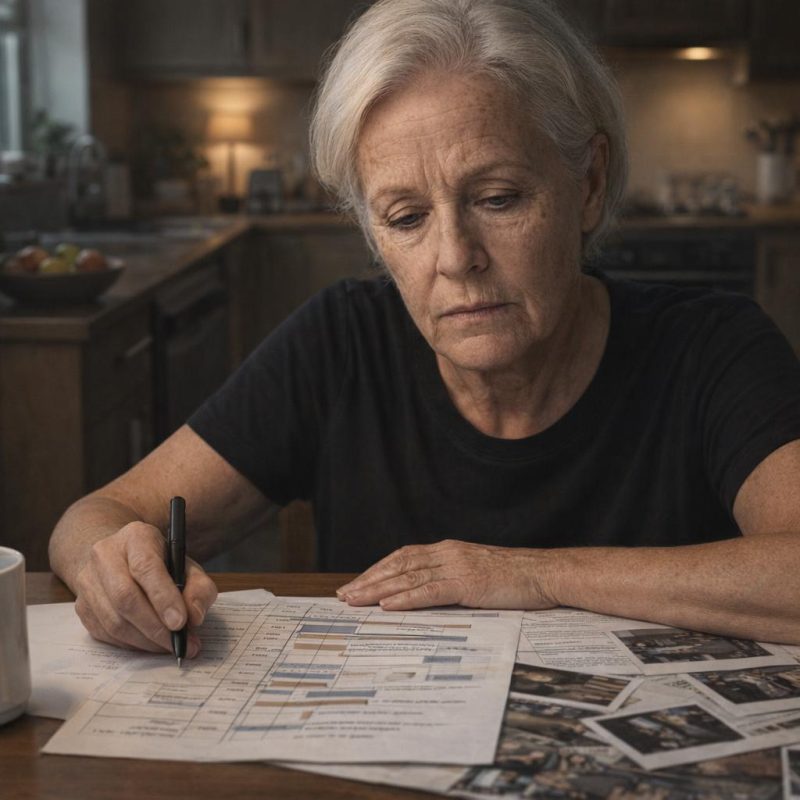 Image by RM AI
Before the Conversation
I picked up my phone and called Rachel, forcing my voice to sound casual even though my hands were shaking. "Hey sweetie, do you want to come over for dinner tomorrow night? I'll make your favorite." There was a pause on the other end, and when she answered, her voice sounded tired, strained in a way that made my chest tight. "Sure, Mom. That sounds nice." We talked for another minute about nothing important, and I ended the call quickly before my nerves could show through. I spent the rest of the day cooking, using the familiar motions to manage the anxiety building in my chest. I made her favorite pasta dish, the one I'd been making since she was little, and I tried not to think about how this might be the last normal dinner we'd have for a while. I rehearsed different ways to start the conversation. "I need to tell you something about Brandon's family." No, too ominous. "I've learned some things that concern me." Too vague. "I met with someone who used to work with Gerald." Maybe that one. I set the table carefully, using the good dishes, and I acknowledged to myself what I'd been avoiding: Rachel might not believe me. She might get angry. She might choose Brandon and his family over me. But I had to tell her anyway. I had to give her the truth and trust her to decide what to do with it. She said yes, and I spent the rest of the day preparing the meal and rehearsing words that might break her heart.
 Image by RM AI
The Truth Laid Bare
Rachel arrived right on time, and we made it through dinner with small talk that felt like walking on glass. I asked about work, she asked about my garden, and we both pretended this was just a normal Tuesday night. But when I cleared the plates and sat back down, I couldn't keep pretending anymore. "Sweetie, I need to tell you something important," I said, and I watched her shoulders tense. I started with what had prompted everything—her fear when I mentioned talking to Patricia and Gerald, the way she'd begged me not to. Then I told her about the investigation I'd done, the gaps in public records, the careful silence from everyone in their community. I explained the business article I'd found, the sealed settlement, the pattern of people disappearing from Gerald's professional life. I described my confrontation with Patricia and Gerald, how Patricia's composure had cracked for just a moment. Then I told her about James reaching out, about his account of the family's pattern—how they absorbed people, isolated them gradually, turned generosity into leverage until you couldn't tell where love ended and control began. I connected it all to the expectations Rachel had described, the way they were already mapping out her entire future. Rachel sat completely still through all of it, her face cycling through expressions I couldn't read, and when I finally finished, she said nothing for what felt like forever.
 Image by RM AI
Connections
When Rachel finally spoke, her voice was barely above a whisper. "Brandon doesn't see his college friends anymore," she said slowly, like she was putting pieces together as she talked. "He says they drifted apart, but now I remember—his mom didn't like them. She said they were a bad influence." She looked up at me with something like recognition dawning in her eyes. "And his sister, at family dinners, she barely talks. She sits there with her husband and they both just... agree with everything Patricia says." Rachel's hands were shaking now. She told me about times Patricia had mentioned conversations Rachel thought were private, things she'd only told Brandon. She described feeling watched at gatherings, the constant pressure to share their location and plans, the way Brandon defended it all as normal family closeness. "I felt it, Mom," she said, tears starting to stream down her face. "I felt something was wrong but I couldn't name it. I kept making excuses, telling myself I was being paranoid or ungrateful." I reached across the table and took her hand. "Hearing you describe it makes it real," she whispered, and then she broke down completely, crying for everything she'd been trying not to see.
 Image by RM AI
Her Choice to Make
I squeezed Rachel's hand and waited for her breathing to steady before I spoke again. "I'm not trying to make this decision for you," I said carefully. "This is your life, your choice. I just wanted you to know what you might be walking into." Rachel wiped her eyes and looked at me with such raw vulnerability that my heart ached. "What do you think I should do?" she asked, and I could hear how desperately she wanted me to give her an answer. But I shook my head. "I can't answer that, sweetie. Only you know what your life is worth to you, what you can live with." She pressed me, asking for my honest opinion, and I admitted I was afraid for her—afraid she'd lose her independence, her happiness, herself. I told her I didn't trust the family's intentions, that everything I'd learned made me deeply uneasy. "But this is still your life," I emphasized. "You're an adult, and I will support whatever you decide. Even if I disagree, even if I'm scared, I will be here for you." Rachel nodded slowly, understanding the weight of what lay ahead. I offered to stay while she thought, but she said she needed to be alone. I hugged her tight before she left, wishing I could carry this burden for her.
 Image by RM AI
Sleepless Nights
I watched Rachel's car disappear down the street, and then I went inside to wait. The next three days were torture. I jumped every time my phone buzzed, my heart racing as I checked to see if it was her. I barely slept, lying awake running through every possible outcome. Rachel called the next afternoon sounding exhausted and confused. She talked in circles about loving Brandon, about the life they'd planned together, about not wanting to throw it all away. I listened without offering advice, just letting her process out loud. Two days later she called again, her voice tight with stress. She said Brandon had noticed something was wrong, that he kept asking what was bothering her. She hadn't told him what she knew yet, and the guilt of keeping secrets from him was eating her alive. "I feel like I'm betraying him," she said, and I heard the agony in her voice. I acknowledged how impossible her position was—damned if she told him, damned if she didn't. When she ended the call, she still hadn't decided anything. I sat there staring at my phone, waiting for it to ring again, waiting to hear what she would choose.
 Image by RM AI
The Pull of Love
When Rachel called me the next evening, she was crying, but it was a different kind of tears. "Brandon surprised me with a weekend getaway," she said through the emotion. "Mom, he was so sweet, so attentive. We talked for hours like we used to, and I remembered why I fell in love with him." She described moments of genuine connection, the way he'd held her hand on a sunset walk, how he'd listened when she talked about her dreams. "Maybe his family's patterns don't have to define him," she said, and I could hear the desperate hope threading through her words. "Maybe he'll choose me over their expectations. Maybe our marriage can be different." She asked me if I thought love could overcome family dysfunction, and I said I didn't know but I hoped so. Then she told me she was considering going through with the wedding after all. My heart sank into my stomach, but I didn't protest. I didn't argue. I just told her I understood and that I loved her. "I need a few more days to be sure," she said before hanging up. I sat there in the silence afterward, hoping for her courage but terrified of her hope.
 Image by RM AI
Standing By
I couldn't just sit at home waiting anymore, so I packed up some dinner and drove to Rachel's apartment. When she opened the door, she looked surprised but relieved to see me. "I'm not here to talk about anything heavy," I said. "I just thought you might want some company." We ate together mostly in silence, but it was comfortable, the kind of quiet that only comes from years of knowing each other. Rachel looked exhausted, dark circles under her eyes from days of wrestling with an impossible choice. I talked about mundane things—my neighbor's new puppy, a funny thing I'd seen at the grocery store—just giving her a break from the weight she was carrying. I noticed she relaxed slightly, her shoulders dropping from where they'd been hunched near her ears. "Thank you for not pushing me either way," she said quietly. "I love you no matter what you decide," I told her, and her eyes filled with tears. When I got up to leave, she hugged me at the door, holding on longer than she had in years. I held her back, feeling her shake slightly, and I knew she was already grieving something—I just didn't know what.
 Image by RM AI
The Choice
My phone rang at seven in the morning on Tuesday, and I grabbed it with my heart pounding. "Mom," Rachel said, her voice shaking but clear. "I called off the engagement." I felt relief and heartbreak crash together in my chest so hard I couldn't breathe for a moment. She told me she'd gone to Brandon's apartment the night before, that it had been the hardest conversation of her life. He'd cried and asked what he'd done wrong. She'd tried to explain about the family patterns, and he'd defended them at first, but then he'd admitted he knew things weren't normal. "He said he loved me," Rachel continued, her voice breaking. "But he couldn't choose me over his family. He actually said that, Mom. He couldn't choose me." She said Patricia had already called three times that morning, but Rachel hadn't answered. The calls kept coming, voicemail after voicemail. "I feel sad," Rachel said. "I feel like my heart is broken. But Mom, I can finally breathe again." I told her I was so proud of her courage, and I meant it with every fiber of my being.
 Image by RM AI
The News Spreads
Within two days, everyone seemed to know. My phone rang constantly with relatives and acquaintances all wanting the story, asking what had happened, whether Rachel was okay, whether there was any chance of reconciliation. I deflected as best I could, saying only that Rachel had made the right choice for herself and leaving it at that. Susan called to offer support, and I was grateful to have someone who knew the truth. Rachel reported similar questions from friends and coworkers, and she'd been just as vague about her reasons. She told me she'd blocked Patricia's number after the tenth call in a single day. But then something strange happened—the calls from Patricia stopped completely. Gerald hadn't called at all, which seemed odd given how involved they'd been in every wedding detail. The family had gone completely silent, and that silence felt heavier than all the phone calls combined. It felt intentional, calculated, like they were regrouping. "Be prepared," I warned Rachel when we talked that evening. "I don't think they're done." The questions from everyone else were uncomfortable, sure, but that silence from the family was worse—it felt like the calm before a storm.
 Image by RM AI
Accusations
The letter arrived on a Tuesday, delivered by certified mail like it was some kind of legal document. Rachel called me immediately, her voice tight with something between anger and disbelief. When I got to her apartment, she handed me the envelope without a word, and I recognized Patricia's precise handwriting on the return address. The letter was three pages long, typed on expensive stationery with the family's monogram at the top. Patricia wrote that Rachel had broken Brandon's heart over paranoid suspicions that had no basis in reality. She said I had poisoned Rachel's mind against a family that had only wanted to welcome her with open arms. The words "jealous" and "interfering" appeared multiple times, always in reference to me. Patricia claimed I couldn't stand to see my daughter happy, that I had manufactured concerns to keep Rachel dependent on me. She described Brandon as devastated, the family as heartbroken, and suggested that Rachel's behavior indicated she might need professional help for her anxiety and paranoia. The letter ended with an offer—Patricia would be willing to forgive Rachel if she reconsidered and sought the counseling she clearly needed. I looked up at Rachel, who was watching my face with those haunted eyes. "This is exactly what James said they'd do," I told her quietly. The letter called me a jealous woman who couldn't stand to see her daughter happy, and I knew then that they had chosen their narrative and would defend it completely.
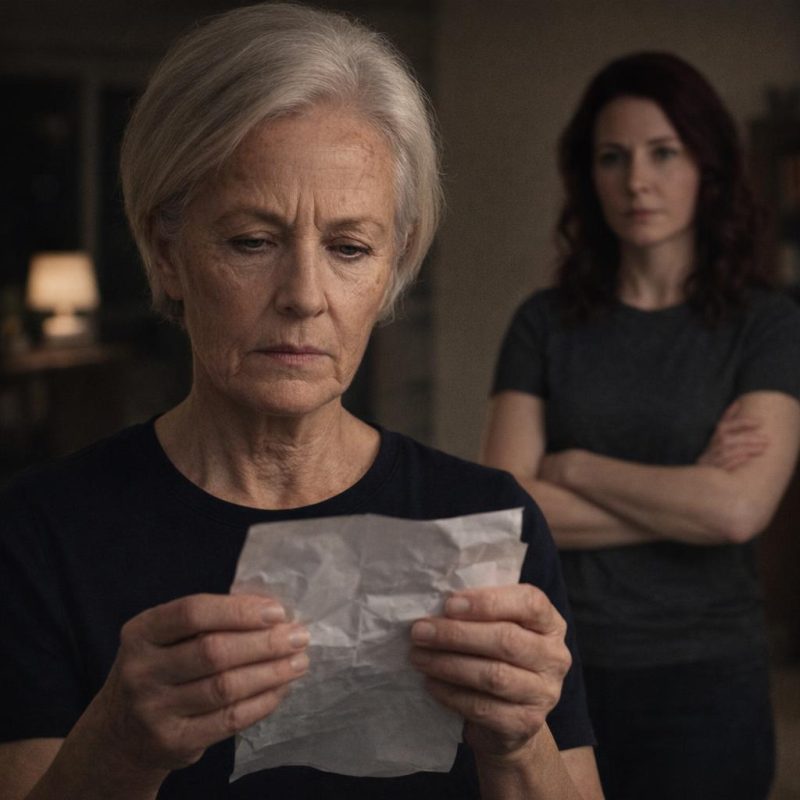 Image by RM AI
Aftermath
The weeks that followed were messier than I'd expected. Some of Rachel's friends stopped calling, and I heard through Susan that people were taking sides without knowing the full story. A few friends reached out to Rachel with quiet support, asking if she was okay without pressing for details. Brandon left one voicemail about three weeks after everything ended, and Rachel played it for me with shaking hands. He sounded genuinely sad and confused, asking if they could just talk, saying he didn't understand what had happened. Rachel listened to it twice, then deleted it without calling back. Susan told me she'd heard rumors circulating—some blamed me for being overprotective, others were curious about what I'd actually discovered. Then James texted me one evening with news that surprised us both. Since Rachel had broken the engagement, three other people had reached out to him privately. They'd had their own experiences with the family, relationships that had ended badly, friendships that had dissolved under strange circumstances. The pattern he'd described seemed to extend back further than any of us had realized, touching more lives than we'd known. Rachel and I talked about it over coffee, both of us processing what it meant. "Some of this we'll probably never know the full story about," she said quietly. We heard hints of other stories about the family surfacing now that someone had broken ranks, secrets that hinted the patterns ran even deeper than James had described.
 Image by RM AI
Finding Solid Ground
I visited Rachel about a month after everything ended, and the difference in her was remarkable. She looked more relaxed than I'd seen her in over a year, her shoulders no longer hunched with that constant tension. She told me she was sleeping through the night again, actually sleeping instead of lying awake with that anxious knot in her stomach. She'd reconnected with a few friends she'd drifted away from during the engagement, and she admitted she hadn't even realized how much she'd been pulling back from people. "Thank you for not giving up," she said over tea in her kitchen. "For keeping looking even when I asked you to stop." I admitted I'd been terrified I was wrong, that I was destroying her happiness over nothing. She shook her head and said she'd felt the truth in her gut all along, she just couldn't name it until I'd shown her the pattern. I told her I was proud of her strength, proud that she'd walked away even when it was hard. She smiled then, a real smile that reached her eyes. "I don't know what I want next," she said. "I don't know what my life looks like now." But then she added something that made my heart lift. She said she didn't know what came next, but for the first time in a long time, that uncertainty felt like freedom rather than fear.
 Image by RM AI
What Remains Unsolved
Several months have passed now, and I've had time to reflect on everything that happened. We still don't know every detail about Brandon's family or the full extent of what they were capable of. Some records stayed sealed, some people chose to stay silent, and I've made peace with that. Complete answers aren't always possible, and I've learned that understanding the pattern was enough to recognize the danger. Rachel is doing well—she's started dating casually, nothing serious, just rediscovering what she wants without someone else's family shaping every decision. She maintains no contact with Brandon or his family, and I occasionally hear fragments about them through others. They continue their public image of generosity and community involvement, and I don't pursue it further. What I've learned is that sometimes you have to trust your instincts even when you can't articulate exactly what's wrong. I think back to that first conversation when Rachel begged me not to speak to them, the fear in her voice that she couldn't quite explain. That fear wasn't paranoia or wedding jitters—it was recognition of something she sensed but couldn't name. I'm grateful I listened to my own unease, grateful I kept looking even when it would have been easier to stop. If there's one thing I know for certain, it's that listening to the fear in my daughter's voice—the one that told me not to speak to them—may have been the very thing that saved her from a life she didn't realize she was walking into.
 Image by RM AI