The Controller Gets Put Down Differently
The games haven't changed that much. You have. Somewhere around 30, the things that make or break a purchase start shifting. Frame rate still matters, but so does being able to save anywhere, pause instantly, read the text without leaning forward, and finish a session without sacrificing the rest of your evening. Nobody announces the change. Then one day you realize you're checking the accessibility settings before the reviews. Here are 20 things gamers start caring about a lot more after 30.

1. The Pause Button
A game that can't be paused is a game you can't play. Live service shooters and souls-likes keep you locked in place while a toddler yells from the hallway or a delivery driver leans on your doorbell. The pause menu went from a convenience nobody thought about to the first thing you check in the options.

2. Save Anywhere
Checkpoint-only saves used to be a design choice you shrugged at and worked around. Now a twenty-minute gap between save points is enough to put something back on the shelf permanently. Quicksave is the feature you check for before any screenshot, and anything that autosaves on exit earns forgiveness for other sins.

3. Forty-Minute Sessions
The question stopped being how many hours of content a game holds. It became whether you can finish something in the forty minutes between dinner and falling asleep on the sofa. Roguelikes and anything built around short runs took over the rotation, and the two-hour raid left the schedule for good.

4. Subtitle Size
Six-point white text over a bright background used to be perfectly fine. Now you squint at the screen, then go hunting for the subtitle options before the first cutscene has finished. Developers who ship a text size slider and a background opacity setting have earned more goodwill than they know.
5. The Chair
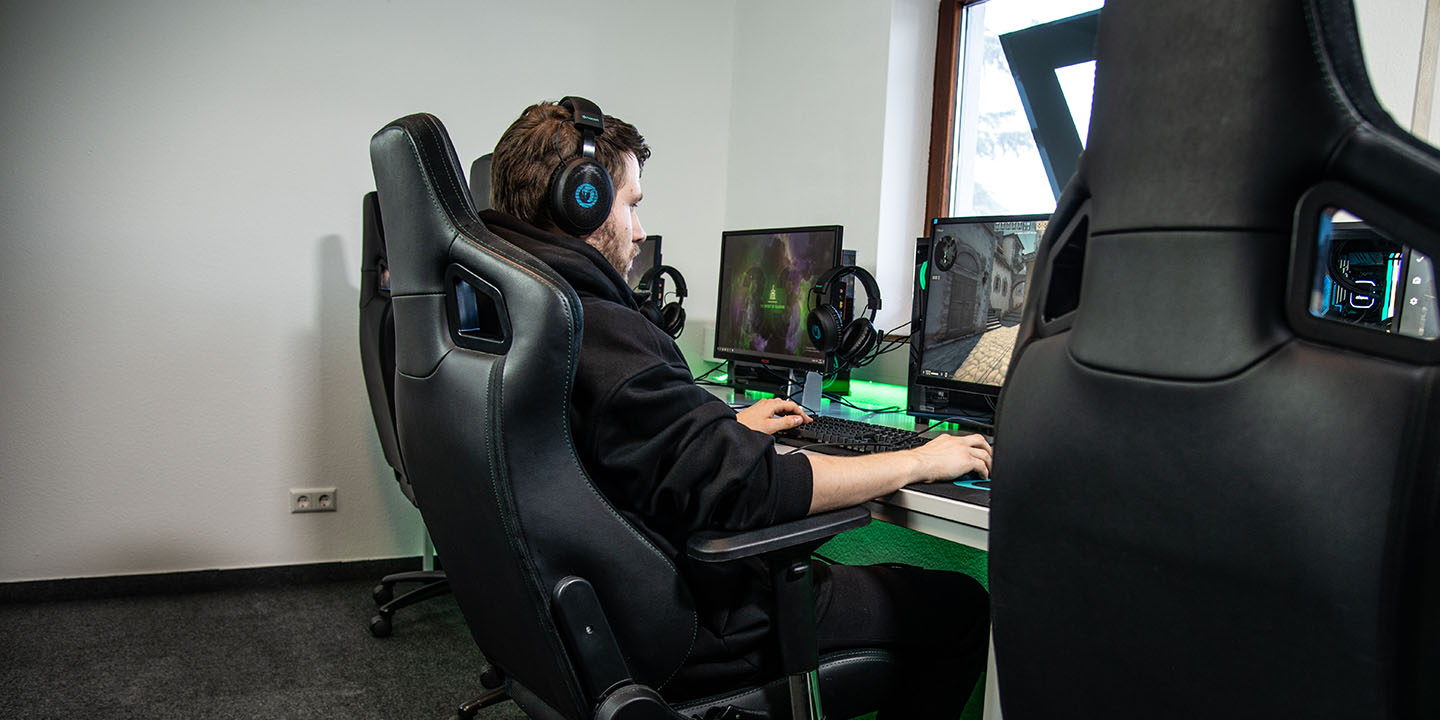
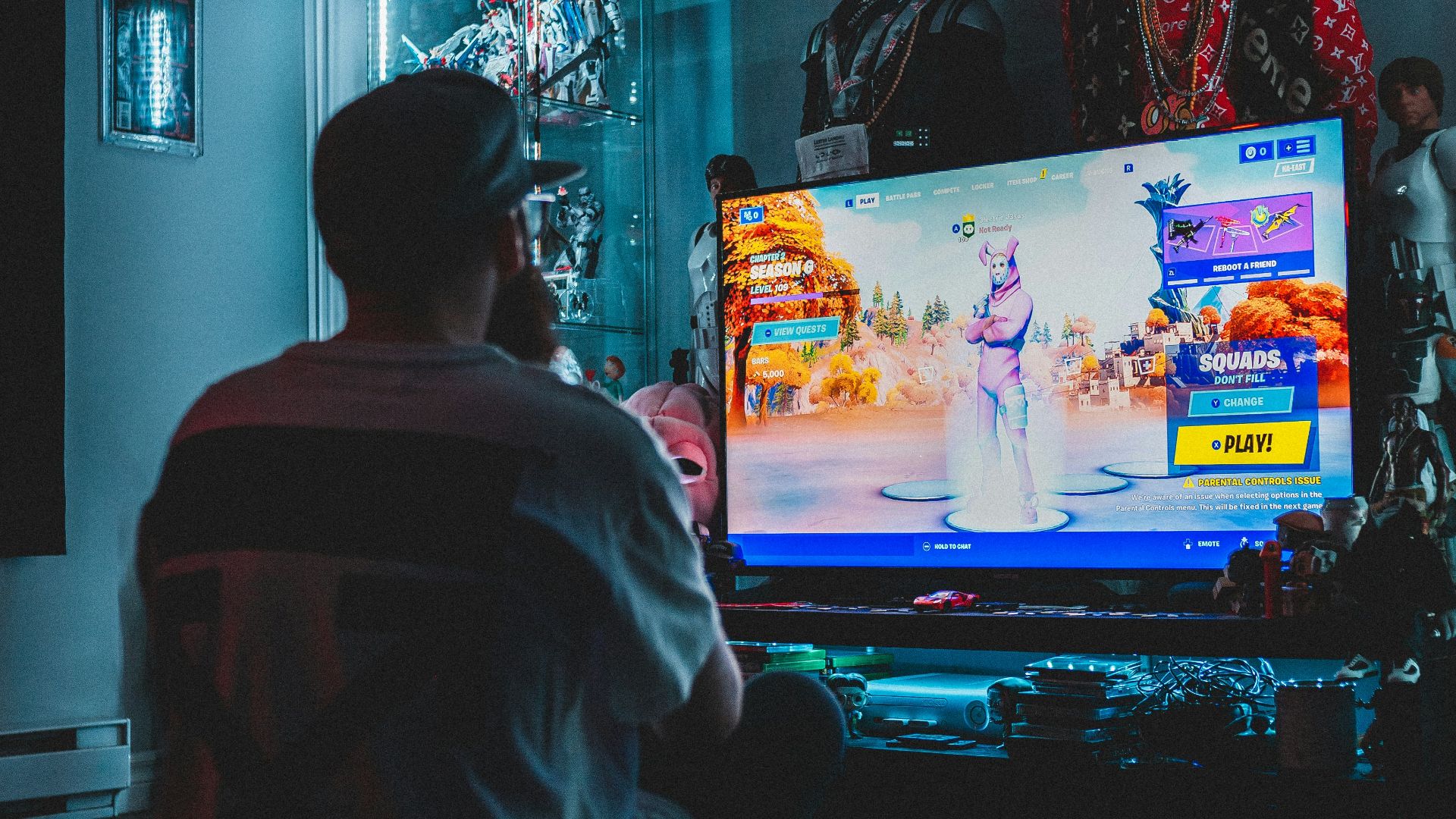
Nobody under 25 thinks about lumbar support. Two hours in a cheap chair shaped like a racing seat and you can feel it in your lower back the next morning. The people who gave up on the gamer aesthetic and bought a proper office chair made the right call.
6. Your Wrists
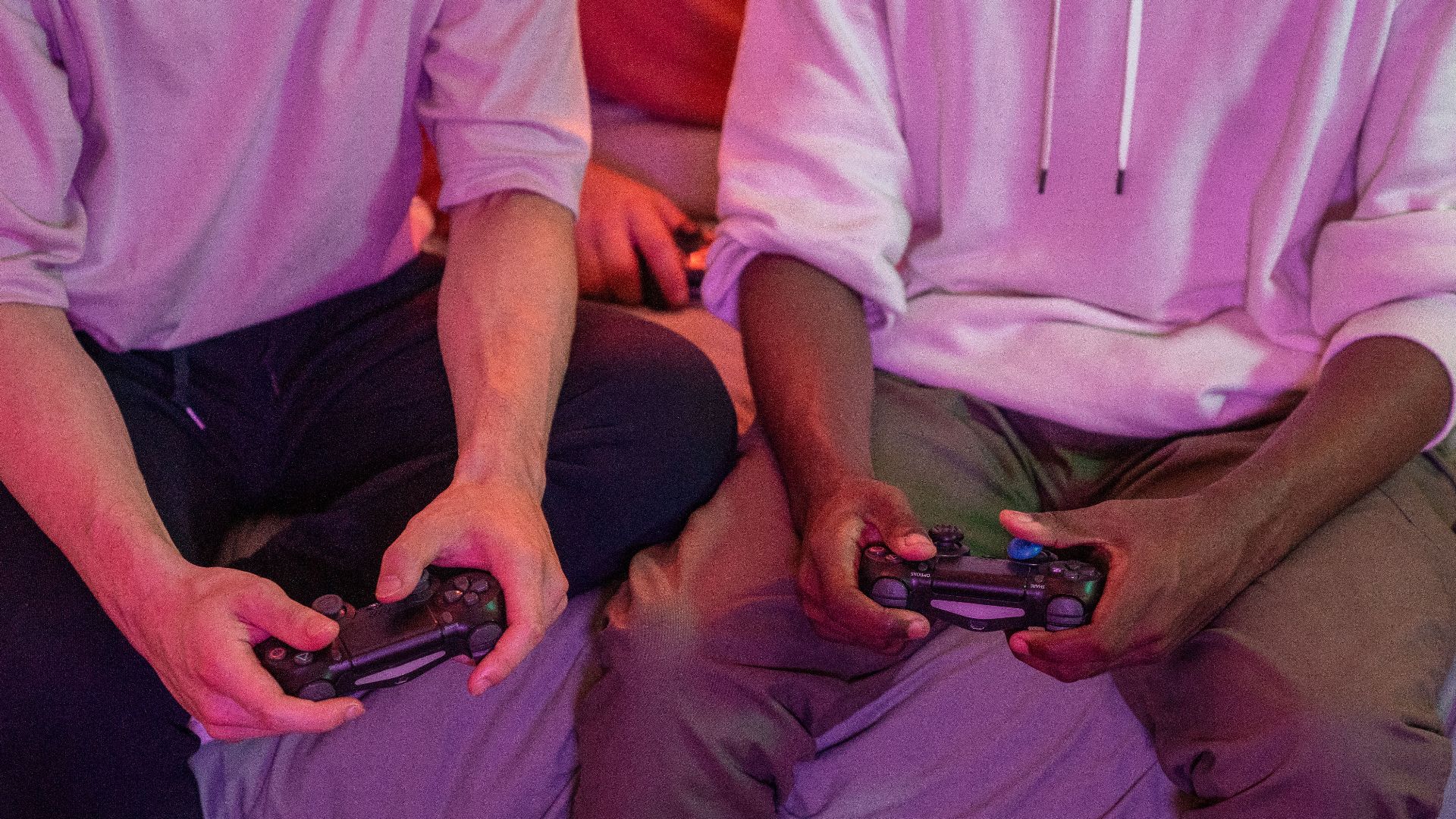
Thumb and wrist pain turns up after a long session and takes a day to clear. Some people switch to a bigger controller with a wider grip, and others stretch beforehand, which sounds ridiculous until the day you need it. Nobody posts about this part of the hobby.
 Glenn Carstens-Peters on Unsplash
7. The 140-Gigabyte Patch
Buying the game is no longer the slow part. You start the download and go to bed, then find out in the morning that the day-one patch is bigger than the disc was. The evening you cleared for it is already gone, and the patch notes mention a loading screen fix.
8. Deleting a Game to Install a Game
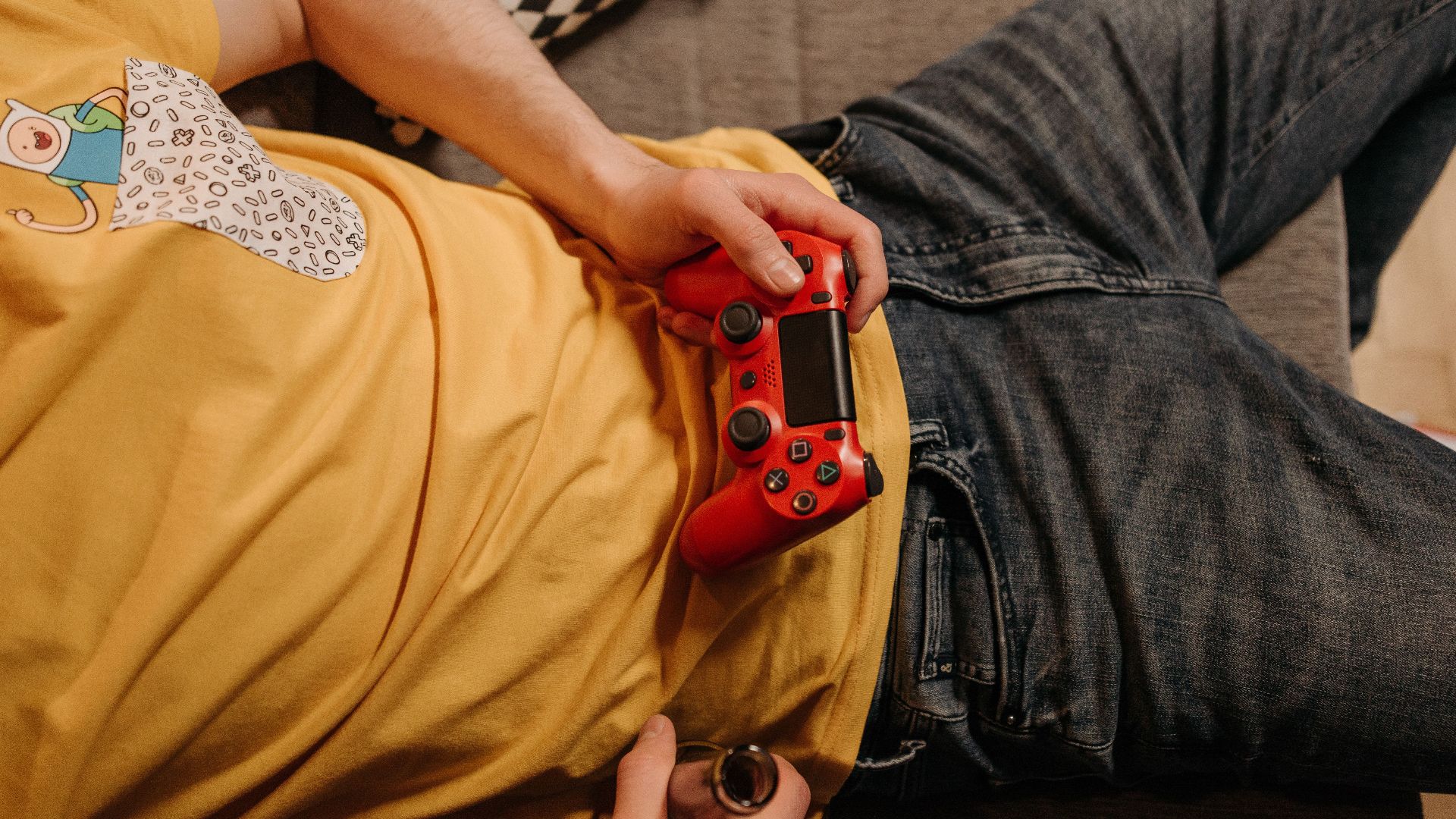
Console storage fills up faster than anybody planned for, especially on a base model bought at launch. Installing something new means choosing which old favorite gets deleted, and that decision takes longer than it should. An external drive stops looking like an indulgence around the third round of this, and the one you buy is never big enough either.
9. Voice Chat Off
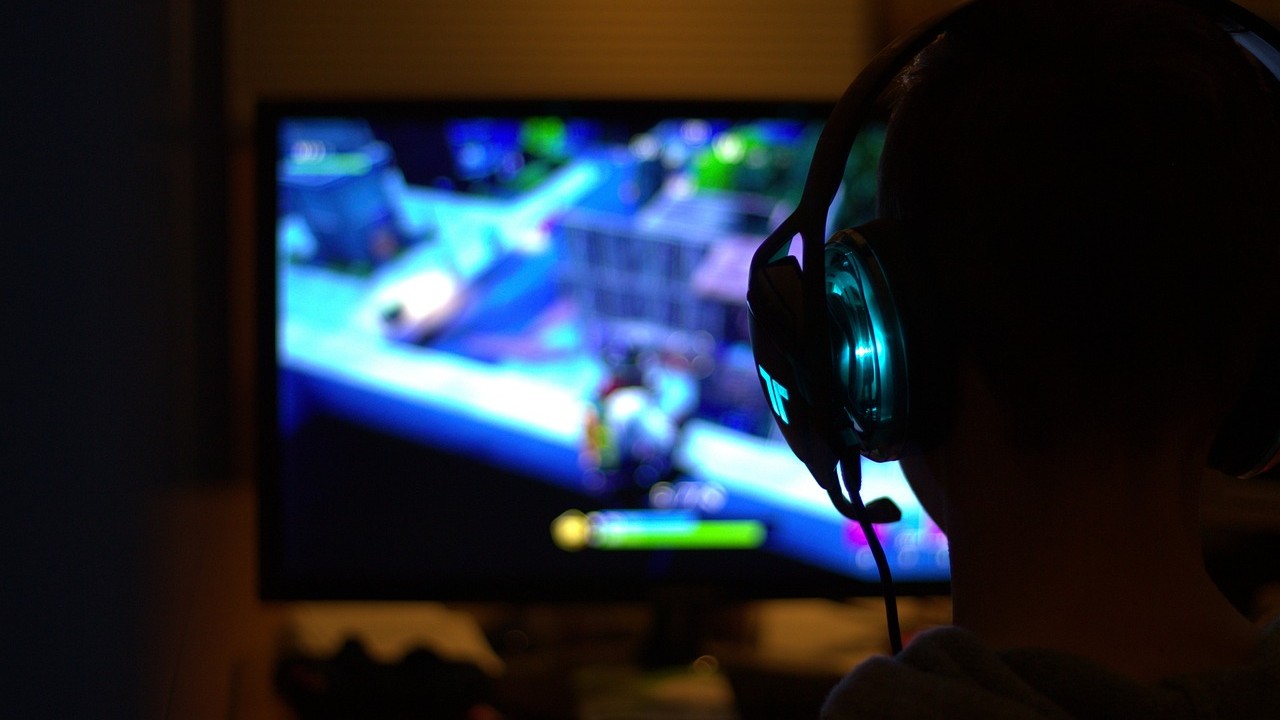
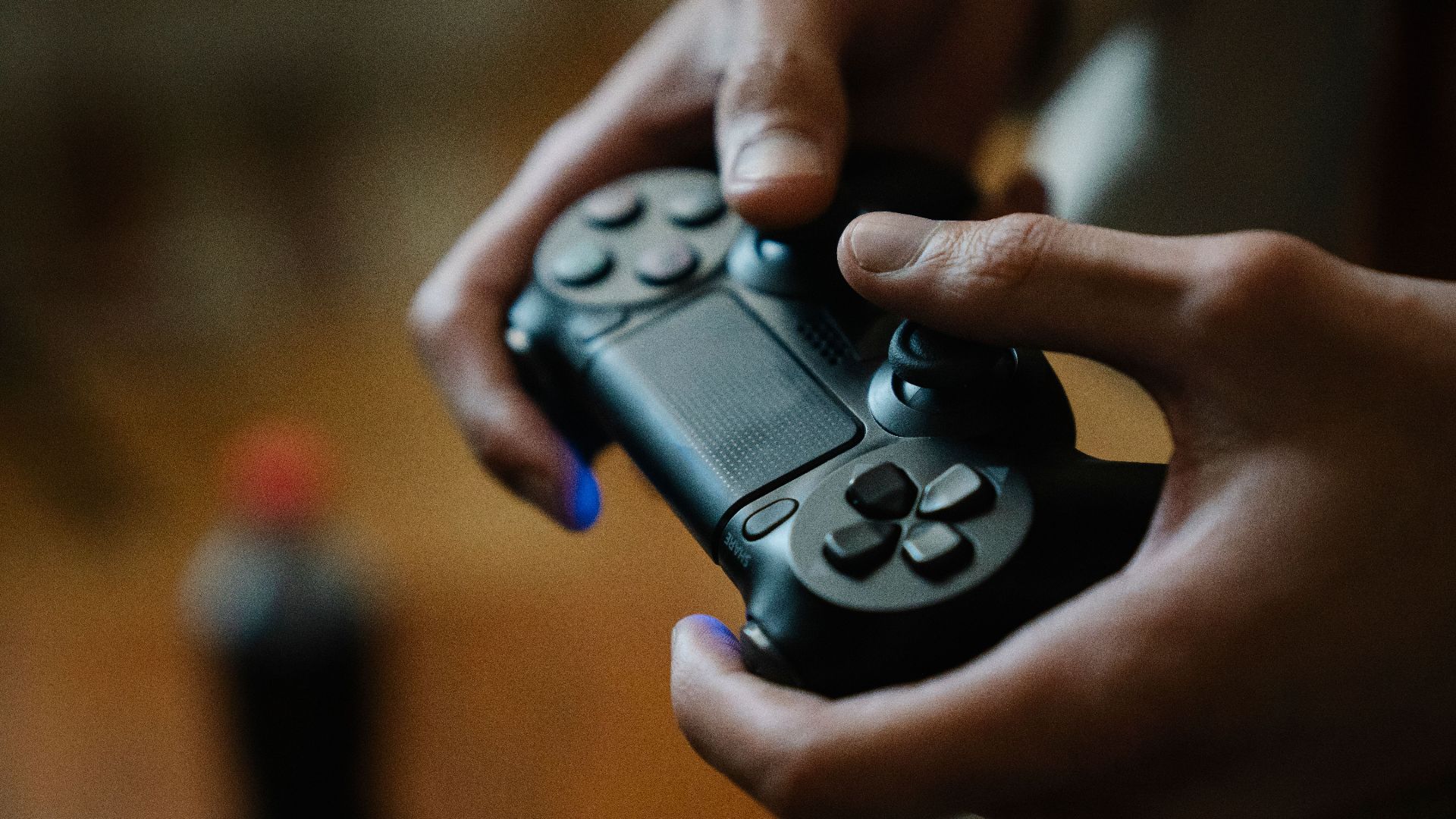
Open lobbies were tolerable at nineteen, when the abuse was part of the texture. Now voice chat is the first setting you change, before difficulty or controls or anything else in the menu. Playing with strangers who want to describe your performance in detail stopped being part of the appeal somewhere in your twenties.
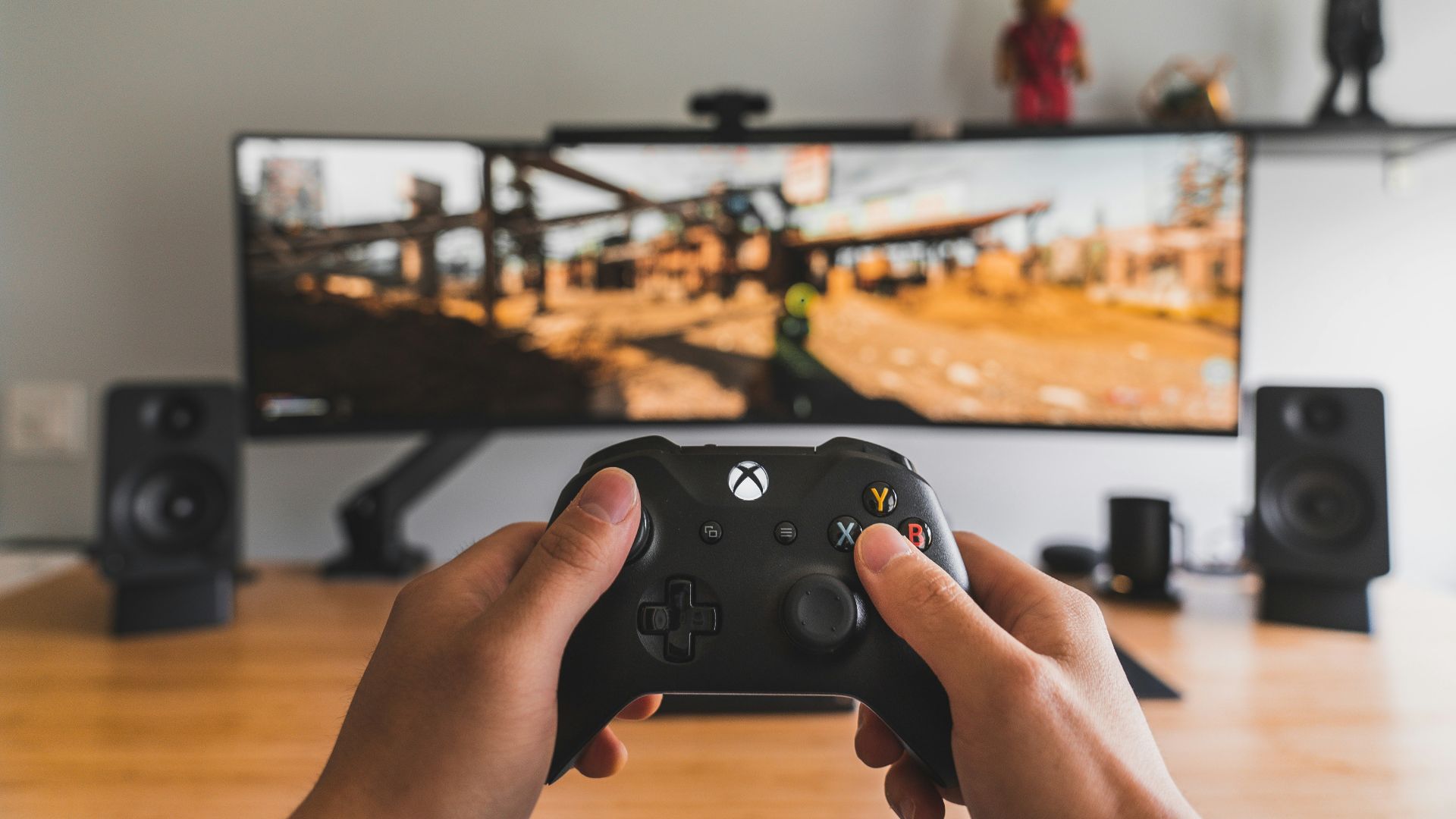
10. The Previously On Recap
You put something down for three weeks and come back lost. A recap screen or a journal that explains the current objective is what saves the file. Without one, a 60 percent playthrough gets abandoned and never picked up again.

11. Difficulty Settings Without the Ego
Easy mode used to feel like an admission of something about you as a person. Now it's a reasonable response to having ninety minutes and an early start, so studios offering a proper difficulty menu get more of your money. Hades and God of War both ship with real difficulty menus, and neither asks you to justify the choice.

12. Daily Login Quests
Anything that punishes you for missing two days is a second job with worse hours and no pay. The timers and streaks were designed for people with open evenings and nothing else scheduled. Deleting one of those feels like relief rather than loss, usually within about a day of the uninstall finishing.

13. Battle Pass Timers
Paying for something and then being told to hurry is strange. A pass you never finish turns into thirty dollars spent on a weekly reminder that you didn't play enough to deserve it. Plenty of people over 30 stopped buying them without making an announcement about it.

14. The Backlog
Steam sales built a library nobody could finish in a decade, and the guilt is real. Thirty unplayed titles sit in a grid, asking why you bought them. Buying fewer of them and finishing what you start is the change that arrives around now.

15. Volume at 11 p.m.
Your whole sound setup now gets judged on one thing, which is whether it wakes anybody up. Headphones become standard equipment and the subwoofer gets unplugged entirely. Anything without separate volume sliders for music and effects becomes a problem at that hour.

16. Playing Late and Paying for It
One more mission at midnight costs you the next morning in a way it never did at twenty-two. The trade is obvious and people still make it. The difference is that now you do the arithmetic before you start the mission.

17. Handhelds Won
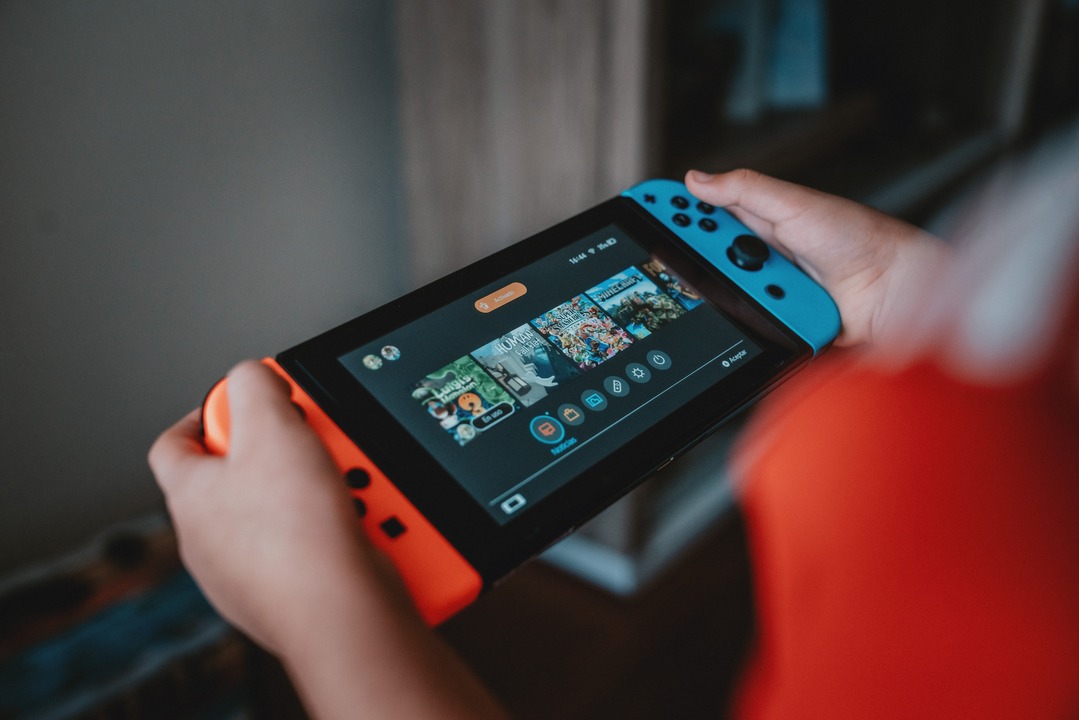
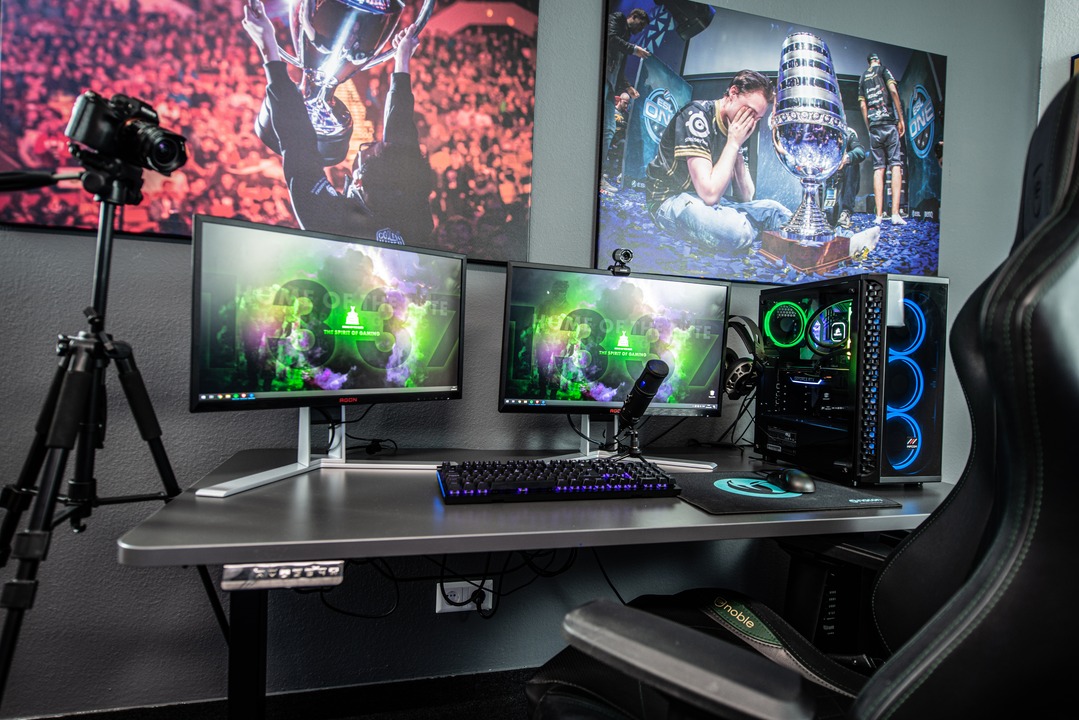
The sofa beats the desk on most nights of the week now. A Switch or a Steam Deck lets you play next to somebody watching television, which is the only slot available on most weekdays. Expensive desktop rigs still get built, then used a good deal less than planned.

18. Loading Times
A ninety-second load screen used to be a free chance to look at your phone. Now it's a real share of the time you have at all. The SSD upgrade was worth every penny, and the console generation that made it standard earned real goodwill for it.
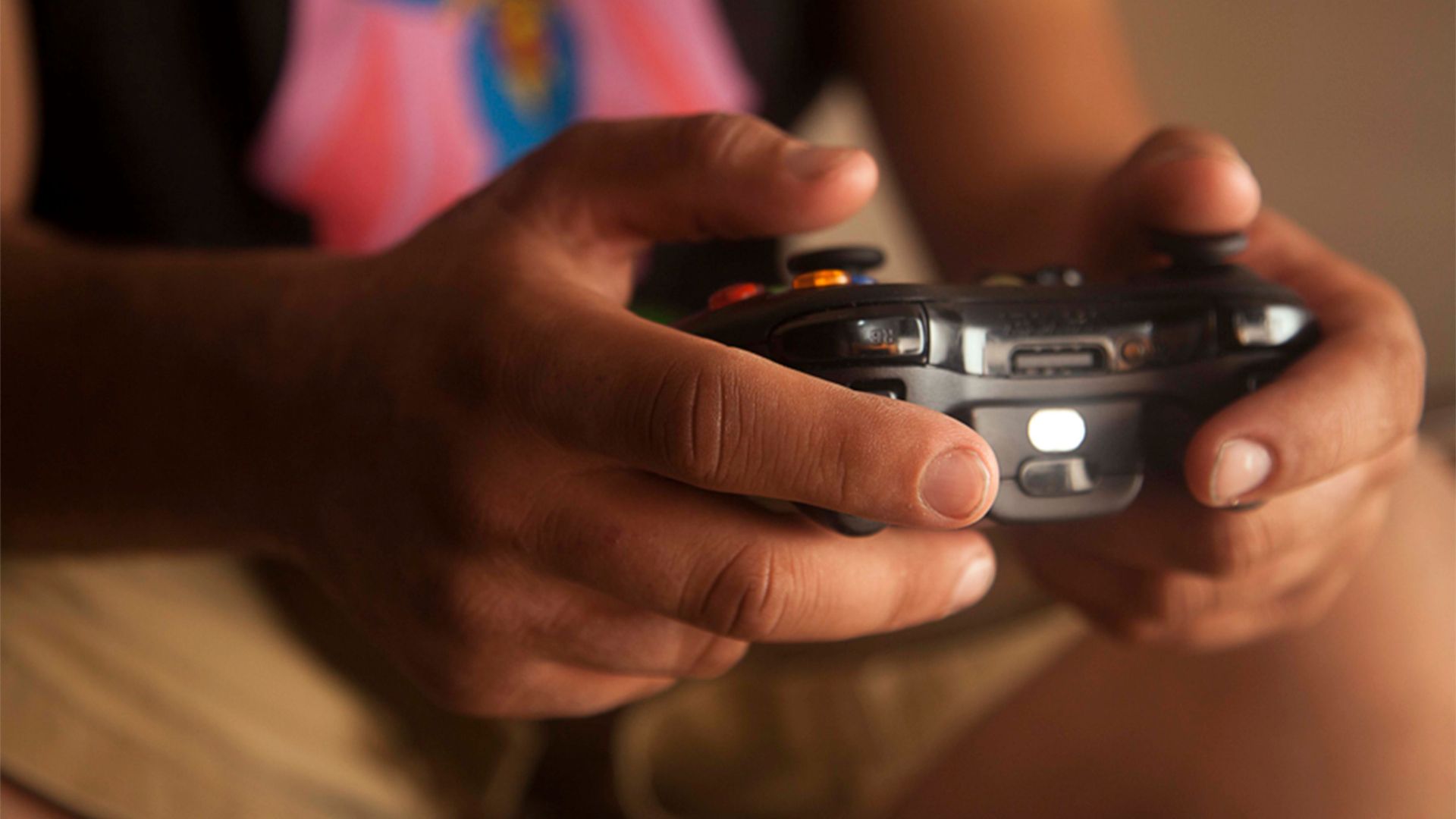
19. Waiting for the Patch and the Sale
Day-one purchases lost their appeal after enough broken launches and apology blog posts. Waiting six months gets you a working version at half price, plus a community that already found every bug worth knowing about. Preorder culture looks very strange from this side of 30.
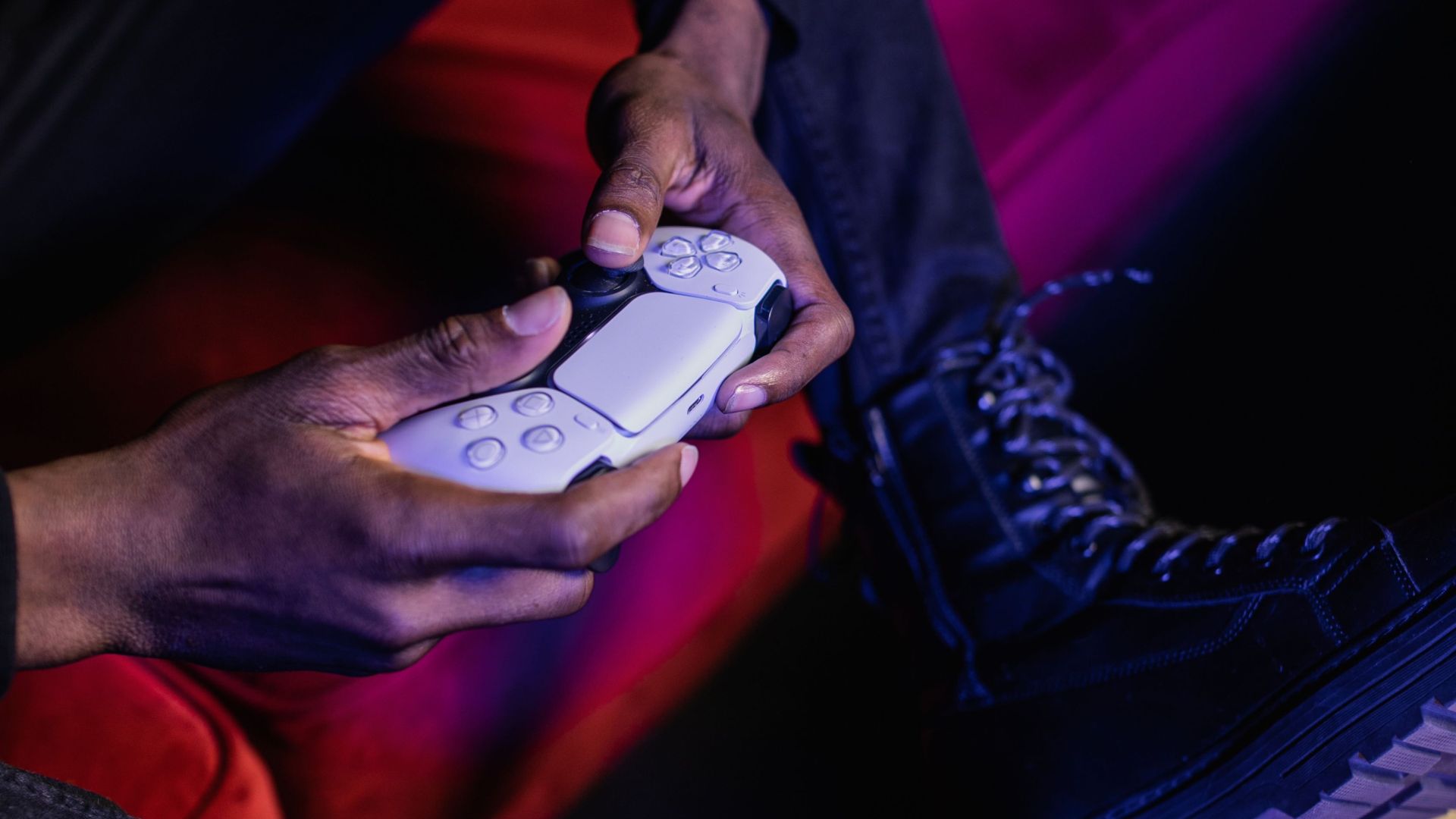
20. Whether You Own It at All
Servers shut down and titles vanish from storefronts, and the thing you paid for stops existing. People who grew up with cartridges that still work notice this faster than anybody. Physical copies and offline installs started mattering again, which is why people over 30 keep the boxes.