Once Won't Cut It
Finishing a game usually means you’ve seen the story and beaten the final boss—but that doesn’t mean it’s finished with you. Some titles just aren’t complete until you dance with them a second, third, or even fourth time! Why call it a day after one playthrough when another will unlock entire hidden storylines, alternate perspectives, new missions, and dramatically different endings? If you stopped after the credits rolled once on these 20 games, there’s a good chance you left some of their best material untouched.
1. NieR: Automata
Reaching the credits for the first time is closer to finishing a chapter than finishing the game. Route B shifts control to 9S and adds hacking sequences and information that completely changes your understanding of earlier events, and the later routes push the plot far beyond the original ending. For this one, you’ll want to keep going through endings C, D, and E; that's where the only way the story comes together.

2. Armored Core VI: Fires of Rubicon
You’re asking a lot of this game with just one trip around the block. One can't show you everything Armored Core VI has hiding in its enormous metal sleeves. Not only that, but there’s more to see than you think. New Game+ introduces different choices and missions, while New Game++ opens additional content that leads toward the Alea Iacta Est ending.
3. Undertale
Your behavior matters so much in this game that different runs feel like different stories. A True Pacifist playthrough reveals relationships and scenes you won't experience if you blast your way through, while the Genocide route changes encounters, music, dialogue, and even how certain characters respond to you. If that’s enough to convince you, the game remembers you across previous saves, so repetition is the whole point.
 CERO, Nintendo, 8-4, Ltd, Temmie Chang and Toby Fox on Wikimedia
4. Resident Evil 2
Escaping Raccoon City doesn't mean you've experienced everything the 2019 Resident Evil 2 remake had in store. Starting a second run as Claire gives you altered item placements, different puzzle solutions, changed enemy encounters, and another side of the outbreak. You'll also need to complete that if you want to see the game's proper final boss and true ending.
5. Fire Emblem: Three Houses
Choosing a house locks you out of huge portions of the other storylines, so you’re only hurting yourself by playing once. Dimitri, Claude, and Edelgard each lead campaigns with different battles, revelations, character arcs, and perspectives. There's even a fourth major route tied to the Black Eagles, so one save barely scratches the surface.
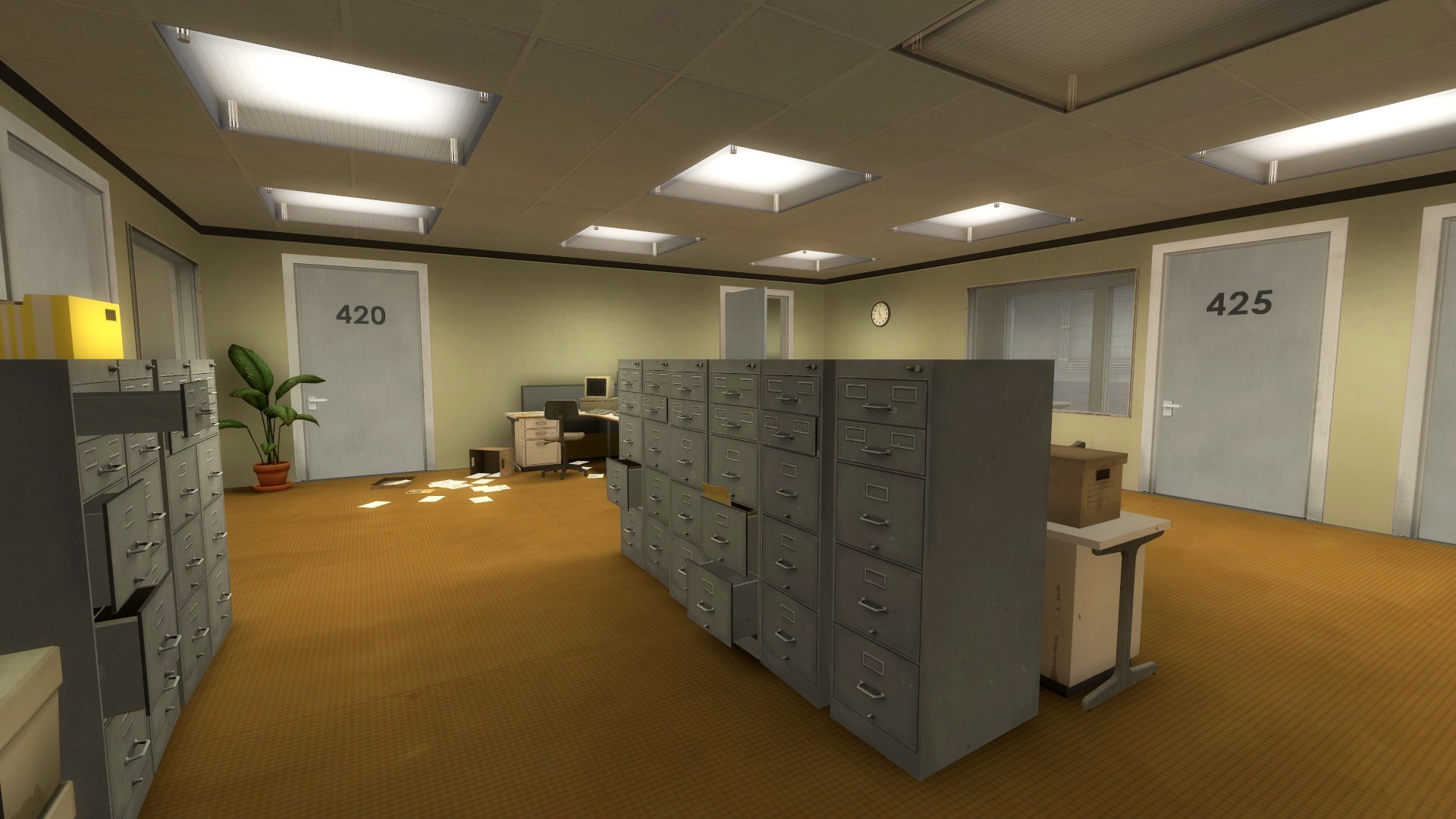
6. The Stanley Parable: Ultra Deluxe
We’d play this one again for no reason other than it’s fun! It does, however, offer new wonders when you load in a second time. Wander through the wrong door, ignore commands, jump from places you shouldn't, or deliberately annoy the narrator and you'll uncover increasingly bizarre endings and conversations. Some later material even builds upon things you've already encountered.
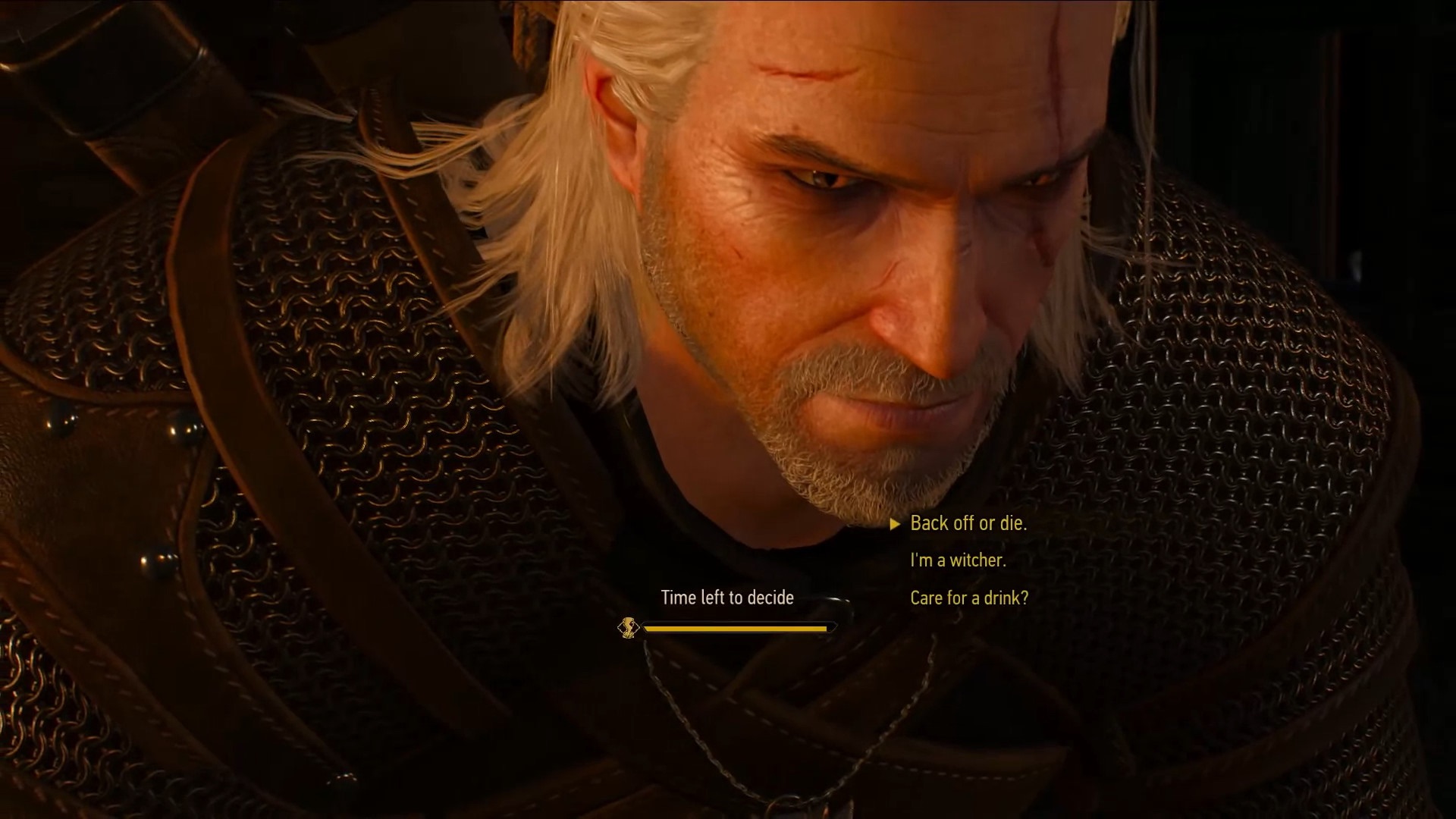
7. The Witcher 2: Assassins of Kings
Few RPGs commit to choice as dramatically as The Witcher 2. Near the end of the first chapter, siding with Vernon or Iorveth sends Geralt into substantially different versions of the second act. We’re not kidding. You’ll encounter separate locations, quests, characters, and political information!
 BANDAI NAMCO Europe on Wikimedia
8. Chrono Trigger
Chrono Trigger made New Game+ worth getting excited about. Beating the game unlocks opportunities to challenge Lavos at different points in the story, producing a collection of alternate endings based on when you decide to confront him. Some are serious, some are downright odd, and others have scenes you'd never encounter during a first run.

9. Alan Wake 2
The Final Draft mode in Alan Wake 2 isn't just the same adventure with harder enemies. It’s only available after completing the game, and it adds manuscript pages, videos, altered material, and extra narrative details that reframe parts of Alan and Saga's story. Most importantly, it has an expanded ending that makes the second journey feel legitimately worth it.

10. Detroit: Become Human
It's impossible to appreciate the branching structure of Detroit: Become Human without replaying it. It should almost be a crime to avoid a second run! In subsequent playthroughs, Connor can remain obedient or become a deviant, Kara's journey can end way too early, and Markus can pursue resistance or revolution, with dozens of choices feeding into those outcomes.
 KniBaron from Bangkok, Thailand on Wikimedia
11. NieR Replicant
Don't assume the first ending of NieR Replicant means the end. Later routes add new scenes and perspectives, particularly information about the Shades that makes earlier battles far more uncomfortable. Continuing through endings B, C, D, and E turns what initially seemed straightforward into something a lot more complicated.

12. Triangle Strategy
Picking a side in Triangle Strategy can close one door while opening an entirely different stretch of the story. So why not do it again? Decisions determine which battles and chapters you'll encounter, and the special Golden Route demands a very particular chain of decisions. The coolest thing about multiple runs is that they also let you recruit characters who couldn't join your army the first time around.

13. Dishonored
Corvo's efficiency has consequences in Dishonored, and you won't really appreciate them until you try acting differently. A high-chaos run fills Dunwall with more rats and weepers, whereas restraint creates a noticeably less grim version of events. Playing both sides of the coin also forces you to rethink missions that only looked easy on the surface.

14. Until Dawn
We’ll say it: saving everyone during your first run is possible, so you can stop banging your head against the wall. That being said, a second run is almost mandatory. Seemingly minor choices can determine who survives hours later, and replaying lets you explore horrible decisions you were sensible enough to avoid before. Not to be morbid, but seeing characters die at different moments also reveals how flexible the later chapters can be.
15. Baldur's Gate 3
Sorry, champ—one playthrough won’t cut it. Playing as the Dark Urge is reason enough to boot up a second time, but you can also learn more about your favorite characters in origin runs! Even familiar quests have solutions you wouldn't know existed until you return with another party and a worse idea.
 Miguel Discart & Kiri Karma on Wikimedia
16. Silent Hill 2
Your actions affect which ending you'll get, even if you don’t see it coming. How James treats his health, how much attention he gives Maria, and other habits all help steer the conclusion. Additional endings available through repeat play only make revisiting Silent Hill stranger…especially once a certain dog enters the arena.
 Konami Digital Entertainment on Wikimedia
17. Tactics Ogre: Reborn
Law, Chaos, and Neutral story paths have different recruits and events. You know what that means: time for a second playthrough! The World Tarot system also lets you revisit earlier points in the timeline instead of forcing you to abandon everything you've earned, making exploration well worth it for curious players.

18. The Dark Pictures Anthology: House of Ashes
Keeping the entire cast alive is only one way to experience House of Ashes. Don’t forget that you also have relationships, quick-time events, dialogue choices, and split-second decisions to worry about—none of which you’ll experience with one playthrough alone.

19. Oxenfree
The first ending of Oxenfree isn't as final as it seems, and starting it again introduces changed dialogue and opportunities connected to Alex's awareness of the time loop. Don’t fall for the trap. The game only wants you to think that another playthrough isn’t worth it.

20. Zero Escape: Virtue's Last Reward
You can’t pick one route and call it a day in this one. Different choices lead to separate branches, endings, deaths, and pieces of information that eventually help Sigma overcome obstacles elsewhere on the flowchart. But that’s just half the reward. The real satisfaction comes when knowledge gathered in one timeline finally explains mysteries that made no sense in another.