When the Set Fought Back
Television used to be a heavy piece of furniture with a schedule attached to it, and you watched what was on when it was on. Anyone under 25 has never planned an evening around a broadcast or lost an episode forever by walking in ten minutes late. The whole arrangement held for about fifty years and then dissolved inside a single decade. Here's 20 things about watching TV that younger people will never understand.

1. Getting Up to Change It
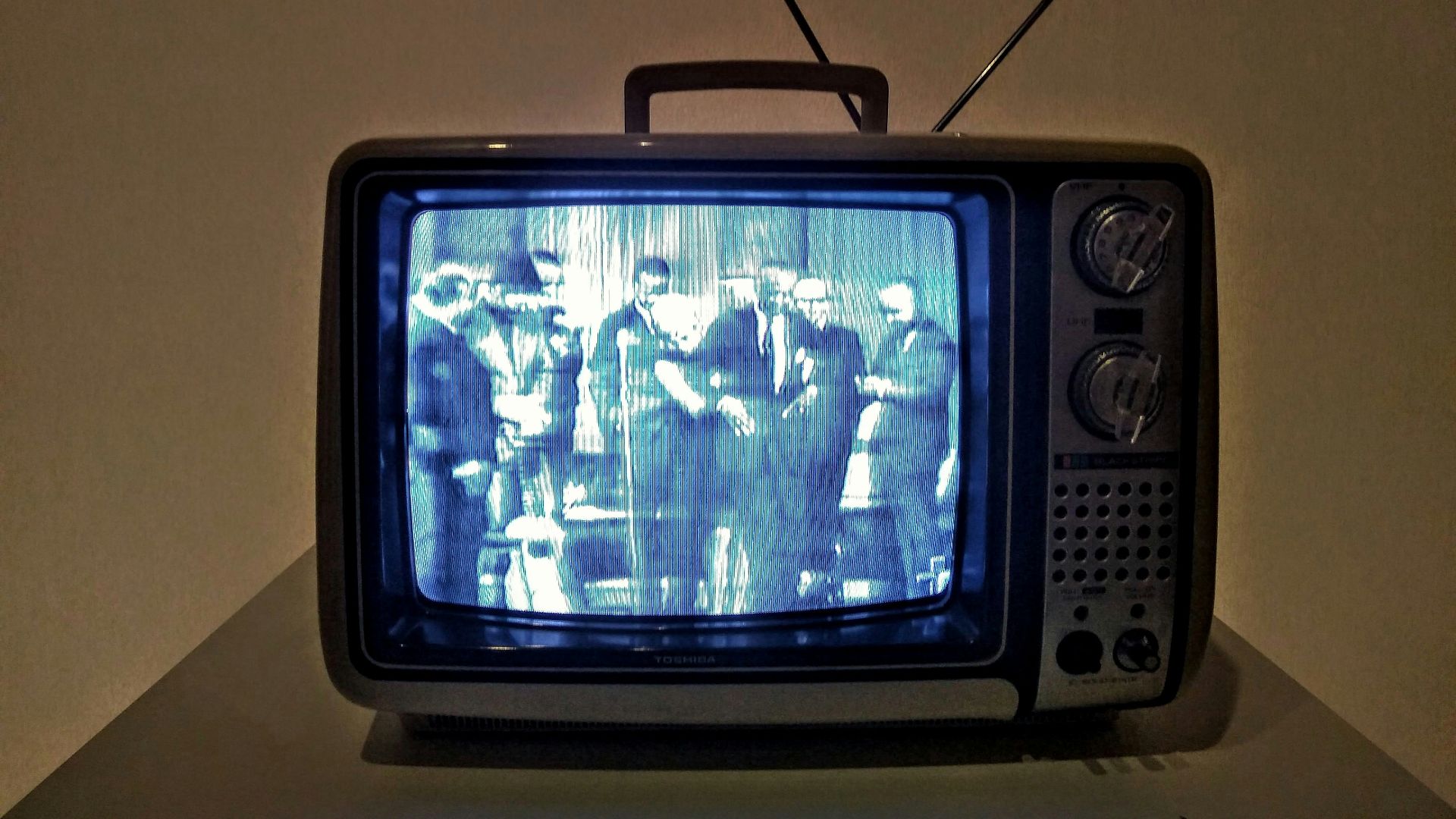
Early sets used a mechanical tuner with twelve VHF positions that you turned by hand, each one landing with a solid clunk. Whichever kid sat closest to the cabinet served as the household remote control, a position that came with no appeal process and no time off. Channel surfing didn't exist as a concept, because surfing requires staying on the couch while the channels change.
2. Rabbit Ears and Tinfoil
Indoor antennas arrived as two telescoping rods that you bent into whatever shape made the picture behave itself that evening. Aluminum foil wrapped around the tips did help, mostly by making the antenna physically larger. Half the household would end up frozen mid-step, since walking anywhere in the room shifted the reception and undid ten minutes of work.
 Glenn Carstens-Peters on Unsplash
3. The Second Dial
UHF channels 14 through 83 lived on a dial of their own, and that one spun continuously rather than clicking into fixed positions. Congress passed the All-Channel Receiver Act in 1962 specifically to force manufacturers into fitting one, since they had been leaving UHF off cheaper sets. Tuning in a UHF station took three or four passes before the picture settled anywhere close to watchable, and a knock on the cabinet could undo it.
 https://kaboompics.com/ on Pexels
4. Vertical Hold
A picture that started rolling upward like a slot machine sent somebody scrambling behind the set for the vertical hold knob. Stopping the roll took tiny adjustments and a feel for the knob. Horizontal hold did the same job sideways, and both drifted out of adjustment again on their own schedule.
5. Everybody's Face Was Green
Color sets shipped with tint and color knobs any relative could turn in passing. Households lived for weeks with every face onscreen tuned slightly green or violently orange, and nobody thought to correct it. Stations broadcast color bars for calibration purposes, a tool that almost no viewer at home ever once put to use.
6. The TV Was Furniture
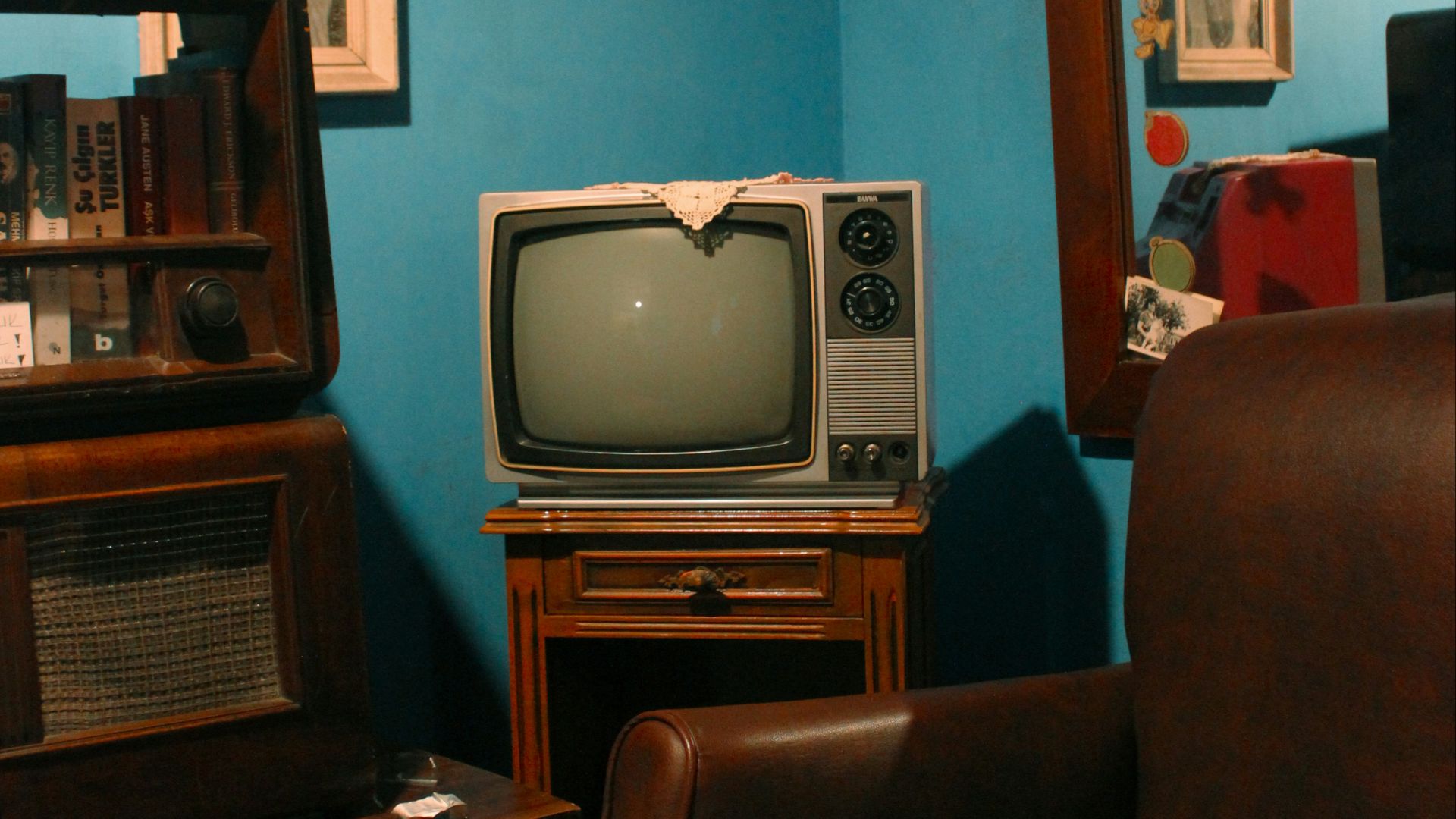
Console models sat inside a wooden cabinet on legs, sometimes with a record player built into one side and a speaker grille below. Shifting one across a room took two adults and a clear path. The top surface held framed photographs and a doily, since that's what a flat wooden surface was for in 1974.
7. One Set, Whole Family
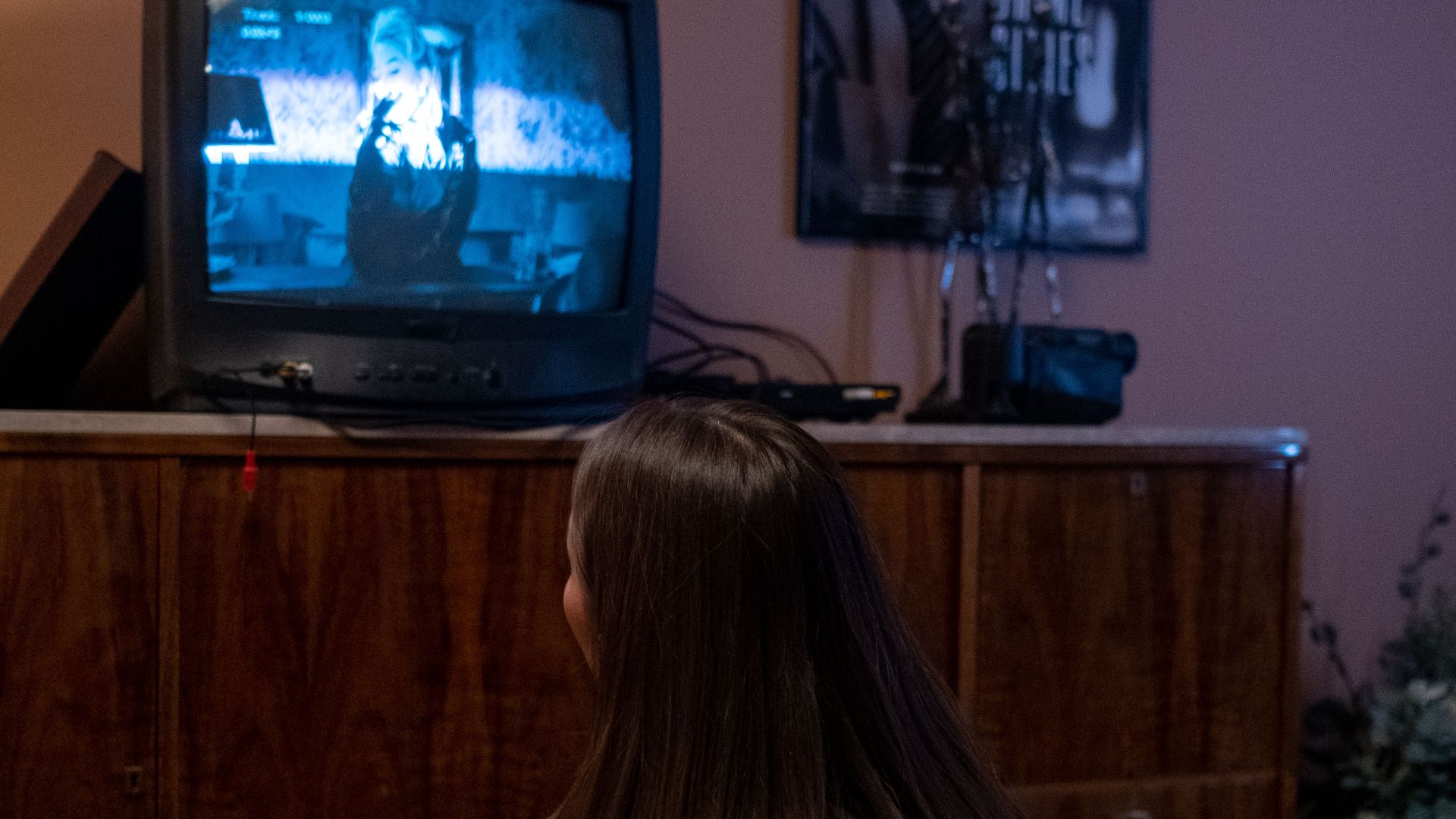
One television turned every evening into a negotiation, with whoever held the tuner holding the power. Parents overruled children, and the oldest sibling overruled everybody ranked beneath them in the household order. Watching something alone was a privilege that arrived after the rest of the house went to bed.
8. TV Guide
TV Guide printed regional editions carrying the full week of listings and sold roughly 20 million copies a week in the mid-1970s, which made it the biggest-circulation magazine in the country. Readers worked through it with a pen, circling anything they intended to watch that week. Lose the issue behind a sofa cushion and the whole week turned into guesswork.

9. The Newspaper Grid
Daily papers ran a listings grid, and the Sunday edition came with a pull-out section covering the week ahead. You read across the row to find the time slot, then down the column to find the channel. A short capsule review in the corner told you whether Thursday's movie justified staying up past eleven on a school night.
10. Appointment Viewing
Episodes aired exactly once. Miss the eight o'clock slot and the thing was gone, with no way to catch up until the network chose to repeat it months later. Families arranged dinner and phone calls around a broadcast schedule that total strangers in New York had set months earlier.

11. Summer Reruns
Summer months came packed with repeats, the only mechanism anyone had for seeing an episode twice. You sat through an episode you had already seen twice, because the alternative was staring at a wall. Catching the specific episode you had missed back in March came down to luck and constant checking.

12. Waiting Eight Months for J.R.
Dallas closed its 1980 season with J.R. Ewing shot by an unseen assailant, then left the country hanging through the summer and a writers' strike on top of it. The answer aired on November 21, 1980, pulling in somewhere around 83 million American viewers. British bookmakers were taking bets on the shooter's identity for months before the answer finally aired.
13. The Station Signed Off
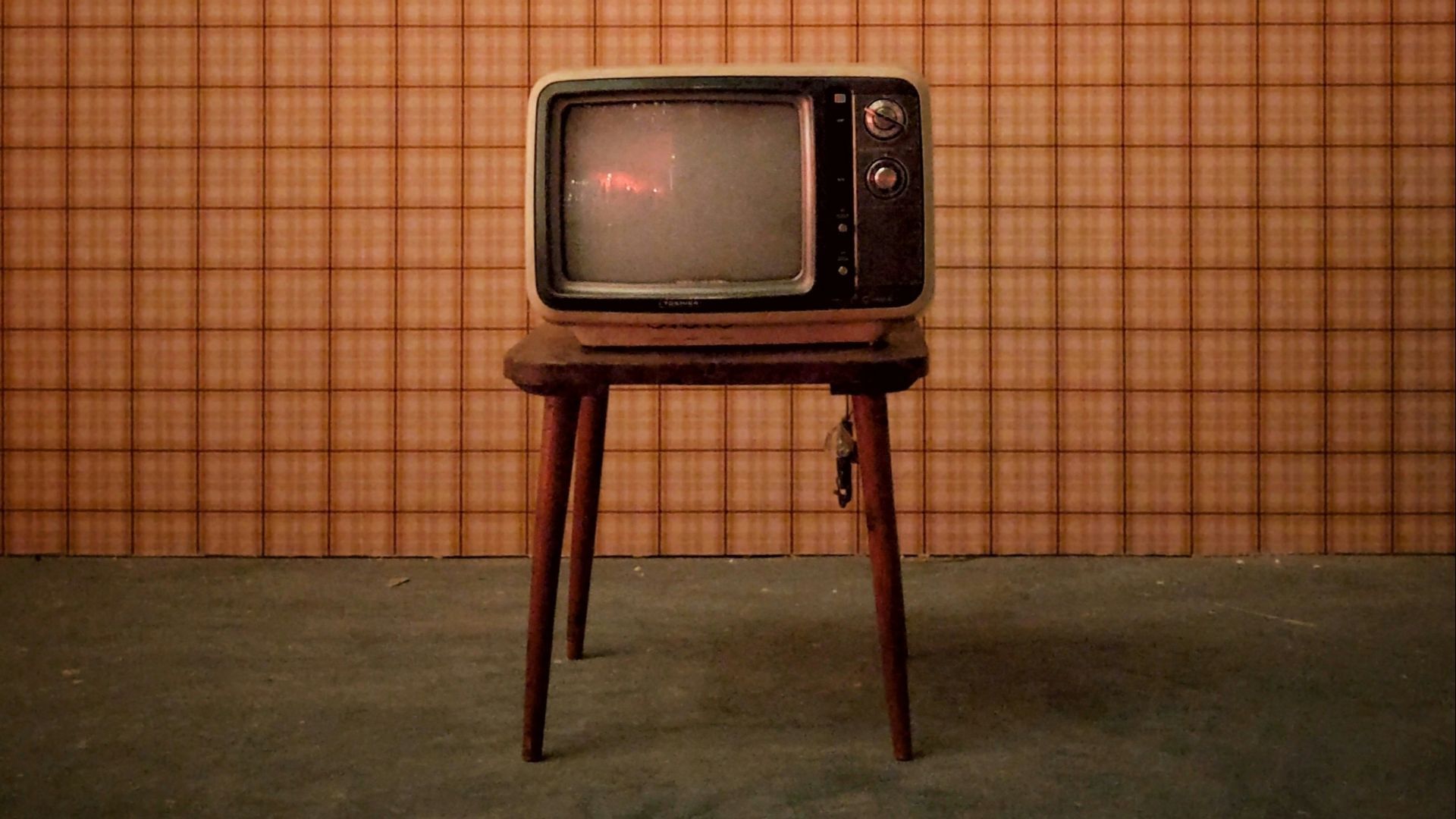
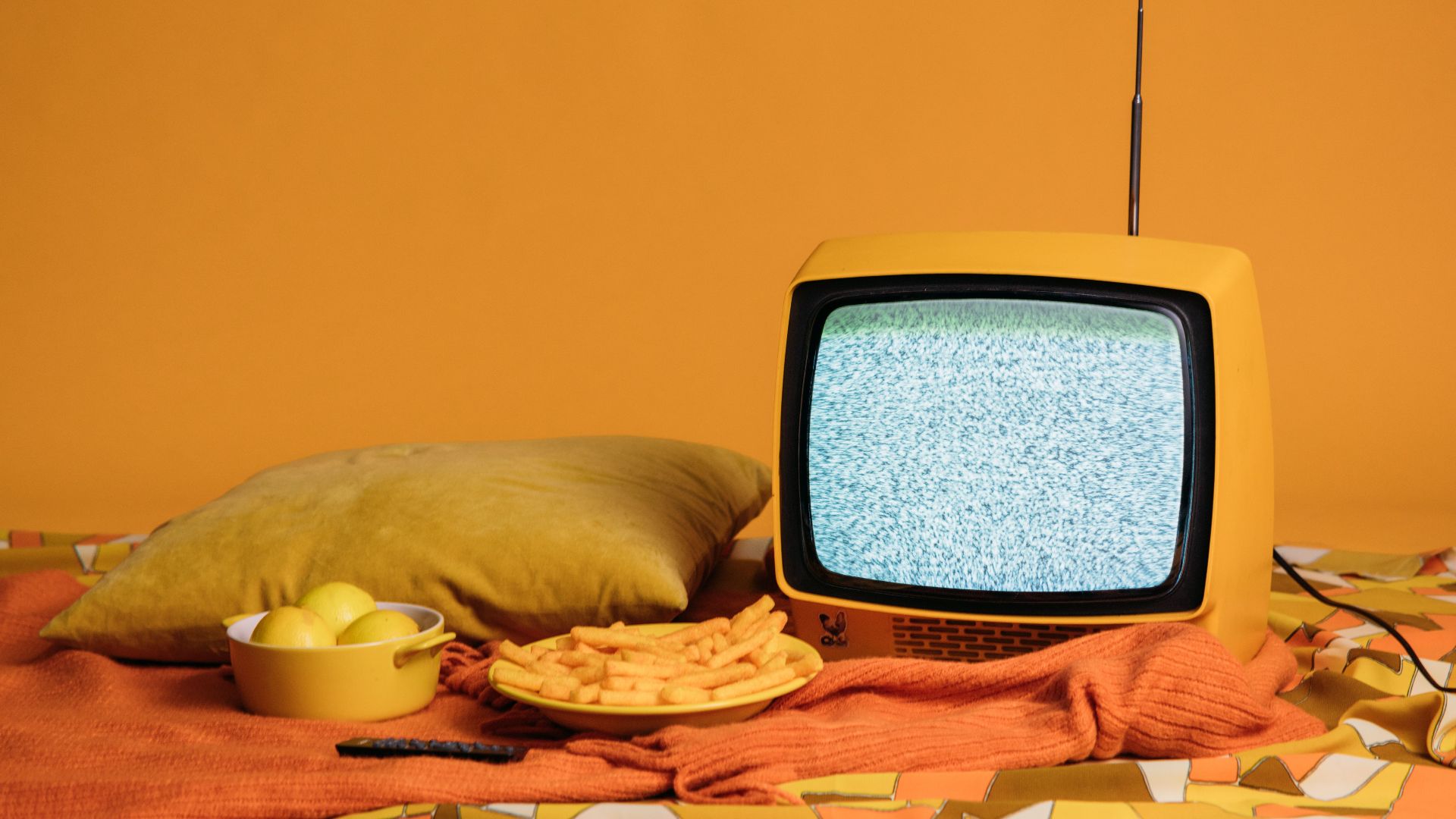
Broadcasting stopped overnight, every night. A station played the national anthem, ran a sign-off message, then dropped to a test pattern or dead static until the morning crew arrived. Fall asleep with the set on and you woke to a screen full of snow and a room full of hissing.
14. The Emergency Test
The Emergency Broadcast System cut into programming with a harsh two-tone signal built from 853 and 960 hertz sounded together. An announcer then explained it had only been a test, a point everybody in the room had worked out from the noise alone. Children learned to find that sound frightening in a way no phone notification has managed since.
15. Warm-Up Time
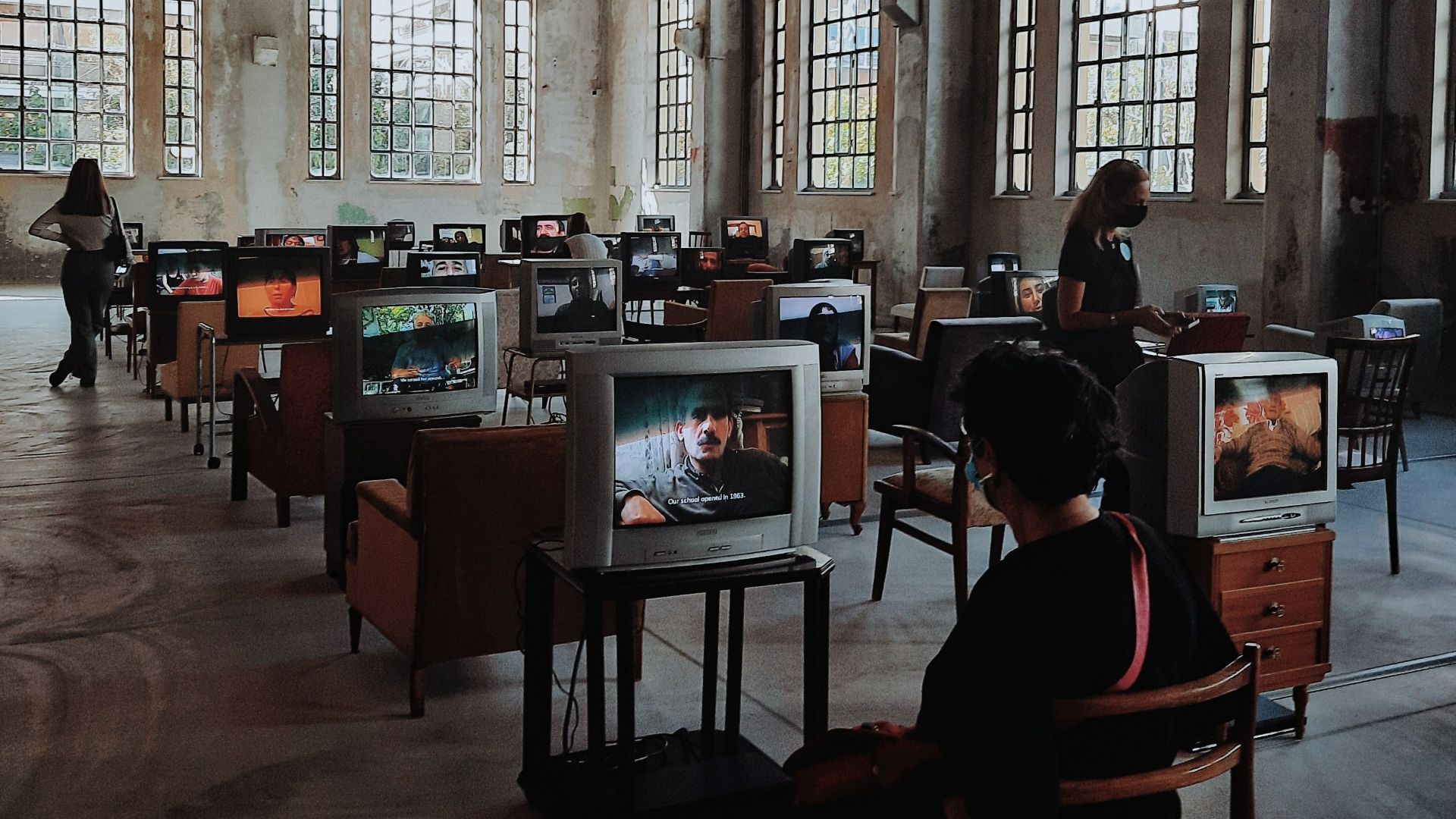
Older sets needed a good several seconds to produce a picture at all, while the tubes climbed up to working temperature. Some announced themselves with a heavy thunk as the degaussing coil fired inside the cabinet. Static collected on the glass, so the screen gathered dust and crackled faintly whenever you put a hand near it.
 Mayara Caroline Mombelli on Pexels
16. The Blinking 12:00
Every VCR in the country blinked 12:00 indefinitely, because setting the clock required a manual that had gone missing during the first month of ownership. Setting up a recording involved a channel number and two separate times, punched into a remote with almost no display. A power cut wiped the lot and returned the clock to its blinking default.

17. Taping Over Things
Blank tapes cost real money, so households recorded over whatever looked least important. Somebody's wedding video ended up half erased by a football game that nobody remembers the score of. Labels were strips of masking tape carrying three crossed-out titles written above the current one.

18. Be Kind Rewind
Rental tapes wore a sticker asking you to rewind them, and the store charged a fee when you forgot. Late fees ran into hundreds of millions of dollars a year for Blockbuster before the chain finally dropped them in 2005. Beating the deadline usually cost you a drive across town late on a Sunday night.
 https://kaboompics.com/ on Pexels
19. Formatted to Fit Your Screen
Screens were nearly square at a 4 to 3 ratio, so widescreen films turned up cropped down both sides. A title card apologized in advance that the movie had been formatted to fit your screen. Under pan and scan, an editor somewhere had already decided which half of every shot you were allowed to see.

20. Snow Between Channels
Turning past an unused channel produced a screen of black and white snow, a small fraction of it radiation left over from the Big Bang. Cable boxes required you to park the set on channel 3 and then never touch that dial again. A lost signal called for a firm slap to the side of the cabinet, which worked often enough that everybody kept doing it.