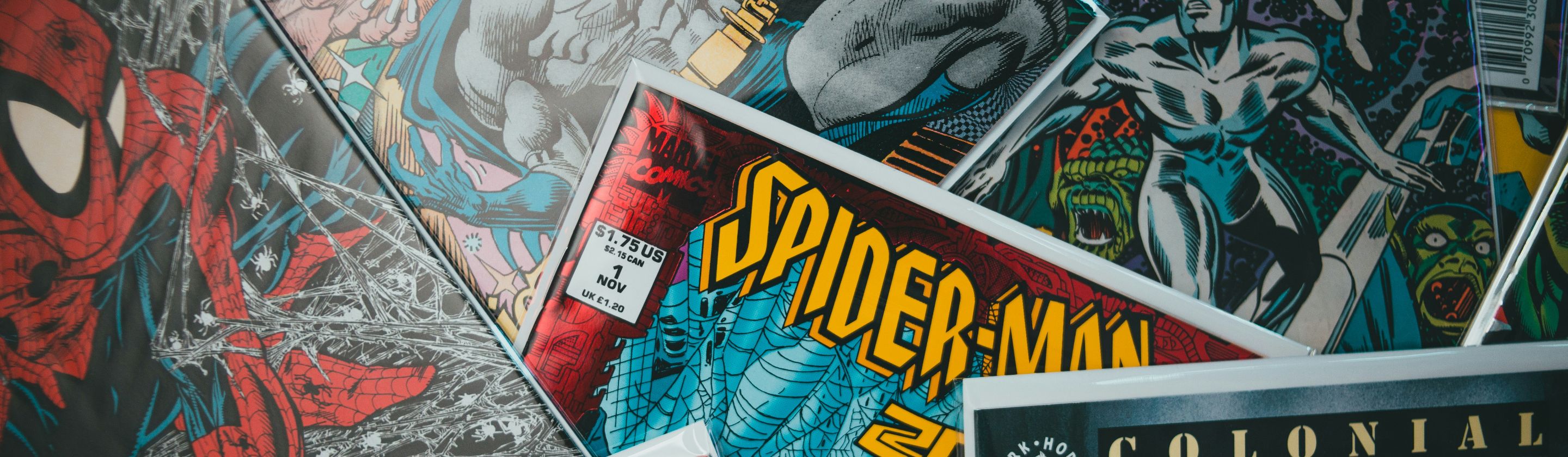
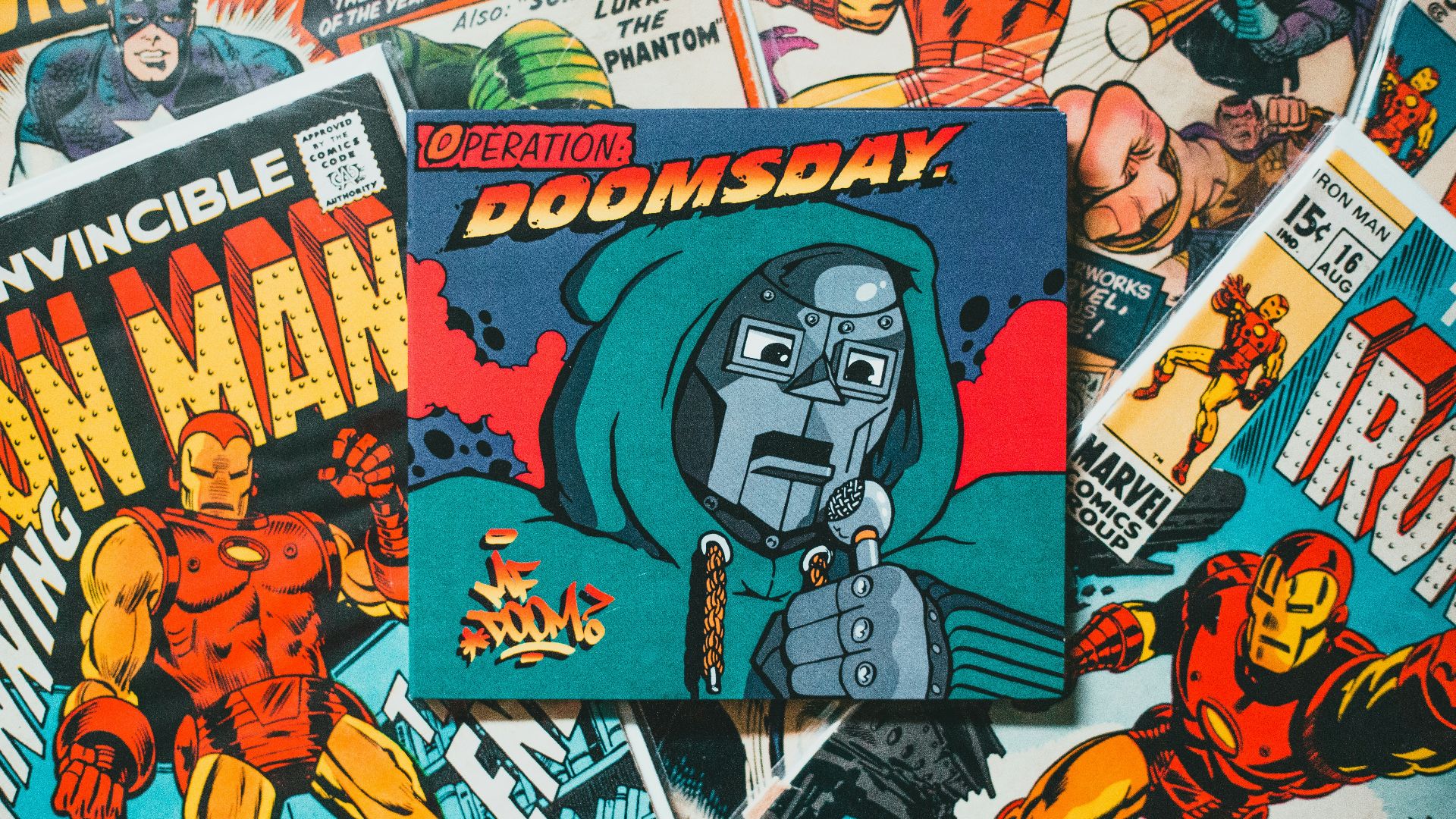
The question of whether Marvel is in a creative slump keeps coming up because Marvel’s current line gives people two very different impressions at once. On one hand, the publisher still has enormous visibility, a deep bench of characters, and plenty of new launches. On the other hand, the broader conversation around the line often sounds less excited than it used to, especially when readers compare today’s books with past eras that felt more defining.
The fairest answer is that Marvel does not look creatively dead, but it does look uneven. Some books and imprints still feel sharp, ambitious, and worth following, while other parts of the line can come across as overly managed, too event-driven, or temporary. If you're asking whether Marvel feels as consistently vital as its best years, the answer is probably no, but if you're asking whether it still produces strong comics, the answer is still very much yes.
The slump conversation did not come out of nowhere
Part of the problem is that Marvel’s line can feel built around motion rather than momentum. There are always new number ones, fresh “jumping-on points,” and another big status-quo shift right around the corner, which can create activity without always creating attachment. Readers may sample a relaunch, but constant resets can also make the books feel less like long stories and more like recurring marketing phases.
Sales chatter has also fed the idea that Marvel is not dominating in the way people once assumed. ICv2 reported Marvel’s direct-market share at 37.9% in Q1 2025 after a dip to 33.3% in Q4 2024, which shows both resilience and volatility rather than total control. Year-end sales roundups from comics-market watchers also painted 2025 as a year in which DC was stronger at the very top of the charts, which naturally encouraged more “What’s wrong with Marvel?” talk.
There is also a perception issue that is harder to measure but easy to feel if you follow comics closely. Marvel still publishes a lot, yet not every launch feels like it arrives with a strong creative identity beyond the logo and the concept. This leaves readers feeling like the books are more about brand maintenance than actual storytelling.
Marvel still has books that argue the opposite
The strongest argument against the slump narrative is the Ultimate line. Marvel said the new Ultimate Universe had “taken the industry by storm,” which maybe doesn't mean a lot coming from the company itself, but it did clearly signal a line with energy, purpose, and a point of view. Books like Ultimate Spider-Man helped remind readers that Marvel can still make familiar characters feel newly interesting when it gives creators room to build something coherent.
What made that imprint stand out was not just quality, but clarity. The Ultimate books felt like they knew why they existed, how they were different, and what kind of reader excitement they wanted to generate. In a main line that can sometimes feel crowded by overlapping continuity demands, that cleaner identity mattered a lot.
Even outside the Ultimate Universe, Marvel still has enough worthwhile material to shut down any blanket dismissal. The company continues to launch major books like a new Fantastic Four volume while reshaping big franchises such as the Avengers and X-Men line, which suggests a publisher still willing to retool, gamble, and reframe its icons.
The real issue may be inconsistency, not collapse
The better diagnosis is probably that Marvel is in a patchy phase rather than a full creative nosedive. When a publisher still produces breakout successes but struggles to make the whole line feel equally essential, readers experience that as a slump anyway. The highs remain visible, yet the average week may not feel as exciting as the company’s best books suggest it should.
There is also a curious tension in the way Marvel handles success. The new Ultimate Universe generated real enthusiasm, but Marvel also announced its end in 2026, with Ultimate Endgame and the final issues of core titles mapping out a defined conclusion. A planned ending is not a bad idea on its own, yet it also reinforces the sense that Marvel’s most exciting recent initiative was designed as a contained project instead of a lasting philosophical reset for the line.
So, while Marvel hasn't forgotten how to make great comics, it can be said that the company is in a period where its best ideas feel more concentrated than widespread, and where readers do not always trust the main line to be as bold as the standout books prove it can be.
It's not broken, not coasting entirely, but still trying to convince people that its creativity is deeper than its release schedule. If the company can take the focus, confidence, and identity of its strongest recent projects and spread that across more of the line, the slump conversation will cool down on its own. Until then, the debate will keep going, because Marvel still looks talented enough to make people expect more from it.