Big Ideas From Small Development Teams
Independent games have consistently shown that creativity, focus, and strong design can rival even the largest studio productions, often without the same budgets or resources. These titles stand out not because of scale alone, but because they introduced fresh mechanics, memorable storytelling, or innovative approaches that reshaped player expectations. Many were developed by small teams or even individuals, yet they managed to influence the broader industry in lasting ways. Here are 20 standout indie games that demonstrate how ambition and execution can go hand in hand, regardless of team size.

1. Minecraft
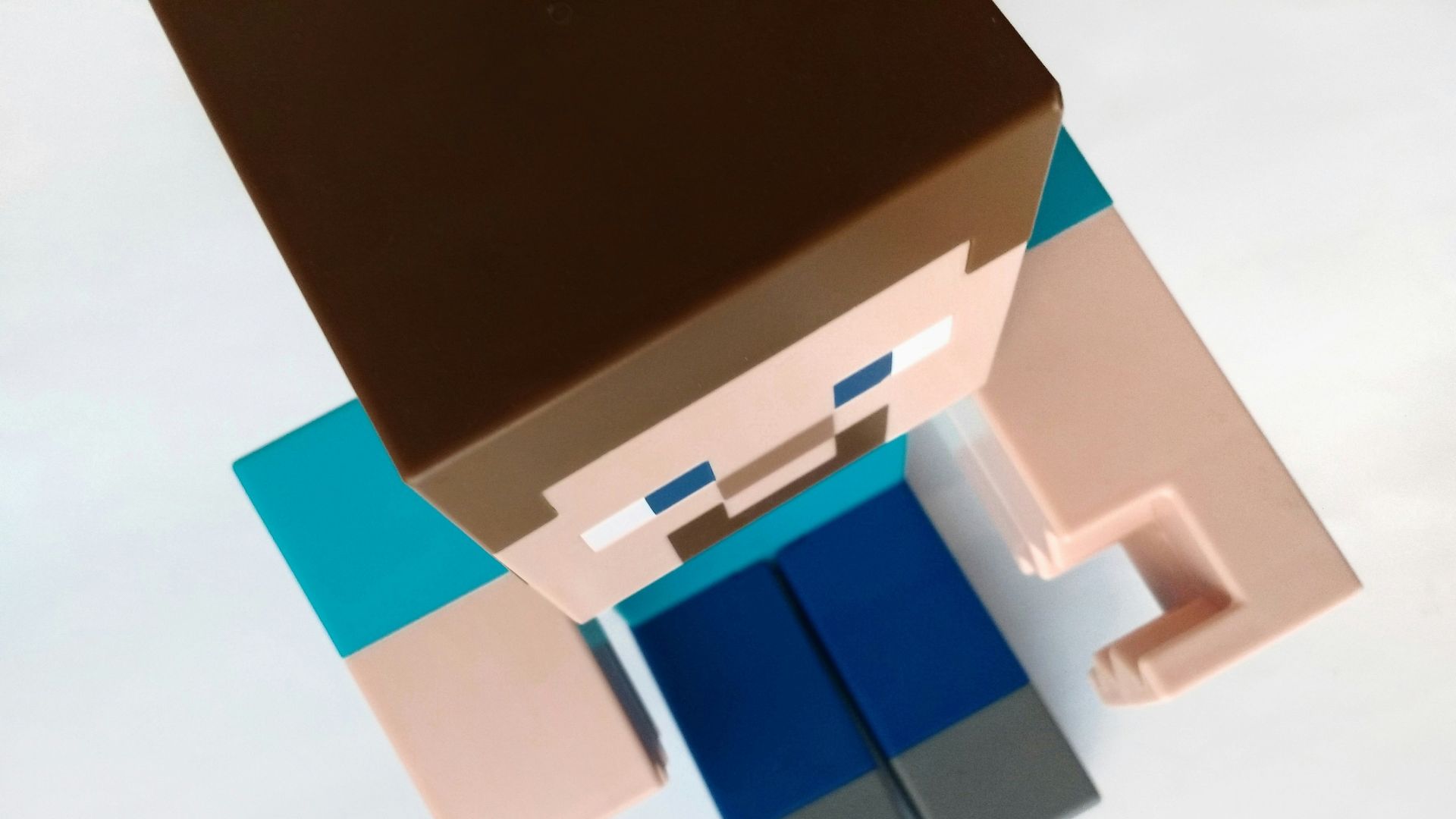
Created initially by a single developer before expanding into a small team, this game redefined open-ended play. Its block-based world encouraged creativity, exploration, and player-driven goals rather than structured progression. The concept proved that simple visuals paired with strong mechanics could lead to massive cultural impact.
2. Stardew Valley
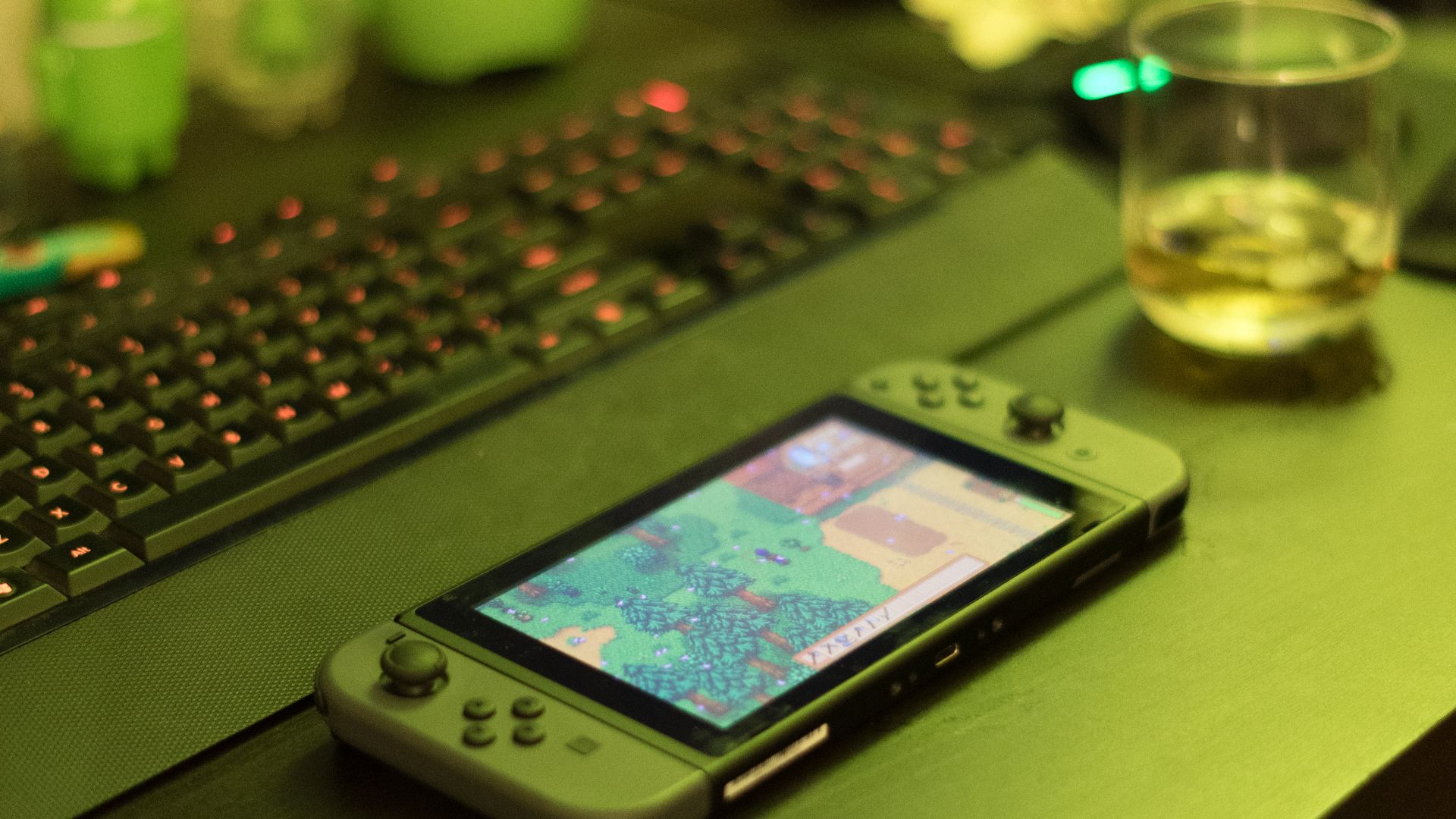
Developed entirely by one person over several years, this farming simulation revitalized a genre that had become niche. Its depth, including relationships, resource management, and seasonal cycles, created a rich experience. Players responded to its thoughtful design and consistent attention to detail.
3. Undertale
Built largely by a single creator, this role-playing game challenged traditional combat systems by allowing non-violent solutions. Its writing and character interactions created a strong emotional connection with players. The game’s unique approach influenced how narrative choices could shape outcomes.

4. Hollow Knight
Developed by a small Australian team, this title offered expansive exploration within a carefully crafted world. Its hand-drawn art style and precise gameplay created a polished experience despite limited resources. It demonstrated how attention to detail can elevate a project beyond expectations.

5. Celeste
This platformer combined challenging mechanics with a thoughtful narrative about personal struggle. Created by a small team, it balanced difficulty with accessibility through smart design choices. Its success showed that gameplay and storytelling can reinforce each other effectively.

6. Hades
Developed by an experienced but still relatively small studio, this game refined the roguelike genre with strong character writing and progression systems. Its iterative development process, including early player feedback, contributed to its polish. The result was a highly replayable experience with narrative depth.

7. Among Us
Originally released by a very small team, this social deduction game gained widespread attention years after launch. Its simple mechanics allowed for complex player interaction and strategy. The game’s success highlighted how community engagement can drive long-term growth.

8. Cuphead
Created by a small group of developers, this game stood out for its hand-animated visual style inspired by early cartoons. Its challenging gameplay complemented its artistic ambition. The project showed that a clear creative vision can define a game’s identity.

9. Dead Cells
This title blended fast-paced combat with procedural generation, offering a fresh take on action-platforming. Developed by a small studio, it maintained a strong gameplay loop that encouraged repeated play. Its design demonstrated how combining existing ideas can lead to innovation.
10. Limbo
Developed by a small Danish team, this game used minimal storytelling and a monochrome aesthetic to create atmosphere. Its puzzles and environmental design communicated narrative without dialogue. The approach proved that restraint can be a powerful tool.

11. Inside
This game combined strong ideas with great complexity. Its environmental storytelling and precise pacing created a cohesive experience. It showed how thoughtful design and storytelling can refine a concept.

12. Papers, Please
Created by a single developer, this simulation placed players in the role of an immigration officer. Its mechanics explored moral decisions through routine tasks. The game demonstrated how gameplay systems can convey complex themes effectively.

13. The Binding of Isaac
Developed by a small team, this roguelike introduced randomized elements that made each playthrough different. Its unconventional themes and design choices set it apart from mainstream titles. The game influenced many later projects within the genre.
 Nikita Kachanovsky on Unsplash
14. Braid
This puzzle-platformer, created by a very small team, used time manipulation as its core mechanic. Its design encouraged players to rethink traditional approaches to problem-solving. The game played a significant role in bringing indie titles into the spotlight.

15. Journey
Developed by a small studio, this game focused on exploration and emotional experience rather than traditional objectives. Its multiplayer elements allowed for subtle interaction without direct communication. It showed how simplicity can create meaningful connections.

16. Fez
Created by a small team, this game used perspective-shifting mechanics to redefine spatial puzzles. Its design required players to think beyond conventional dimensions. The concept highlighted how a single idea can drive an entire experience.
17. Slay the Spire
Developed by a small group, this deck-building game combined strategy with roguelike progression. Its mechanics encouraged experimentation and adaptation while demonstrating how blending genres can create something new.

18. Disco Elysium
Created by a relatively small team, this role-playing game emphasized dialogue and character development over combat. Its writing and branching choices offered a deep narrative experience. It proved that storytelling alone can carry a game.
19. Return of the Obra Dinn
Developed by a single creator, this game used a distinctive visual style and deduction-based gameplay. Players pieced together events through observation and logic. The design showed how originality can define success.

20. Outer Wilds
This indie exploration game centered on discovery within a time-loop structure. Its design encouraged curiosity and careful observation rather than direct instruction. The experience highlighted how systems can guide players naturally.