10 Ways 80s Gaming Is Superior To Modern Gaming & 10 Ways It's Definitely Not
Why The 80s Still Matter To Gamers
There are many things to love about the 80s, and one area that's not talked about enough is its gaming era. Even today, 80s gaming has a fun personality that feels distinct and unique, especially compared to the huge, polished, and online-connected releases of the modern age. Both have their pros and cons, and let's look at them today, comparing both to see how each one shines above the other.
1. 80s Gaming Had A Stronger Pick-Up-And-Play Quality
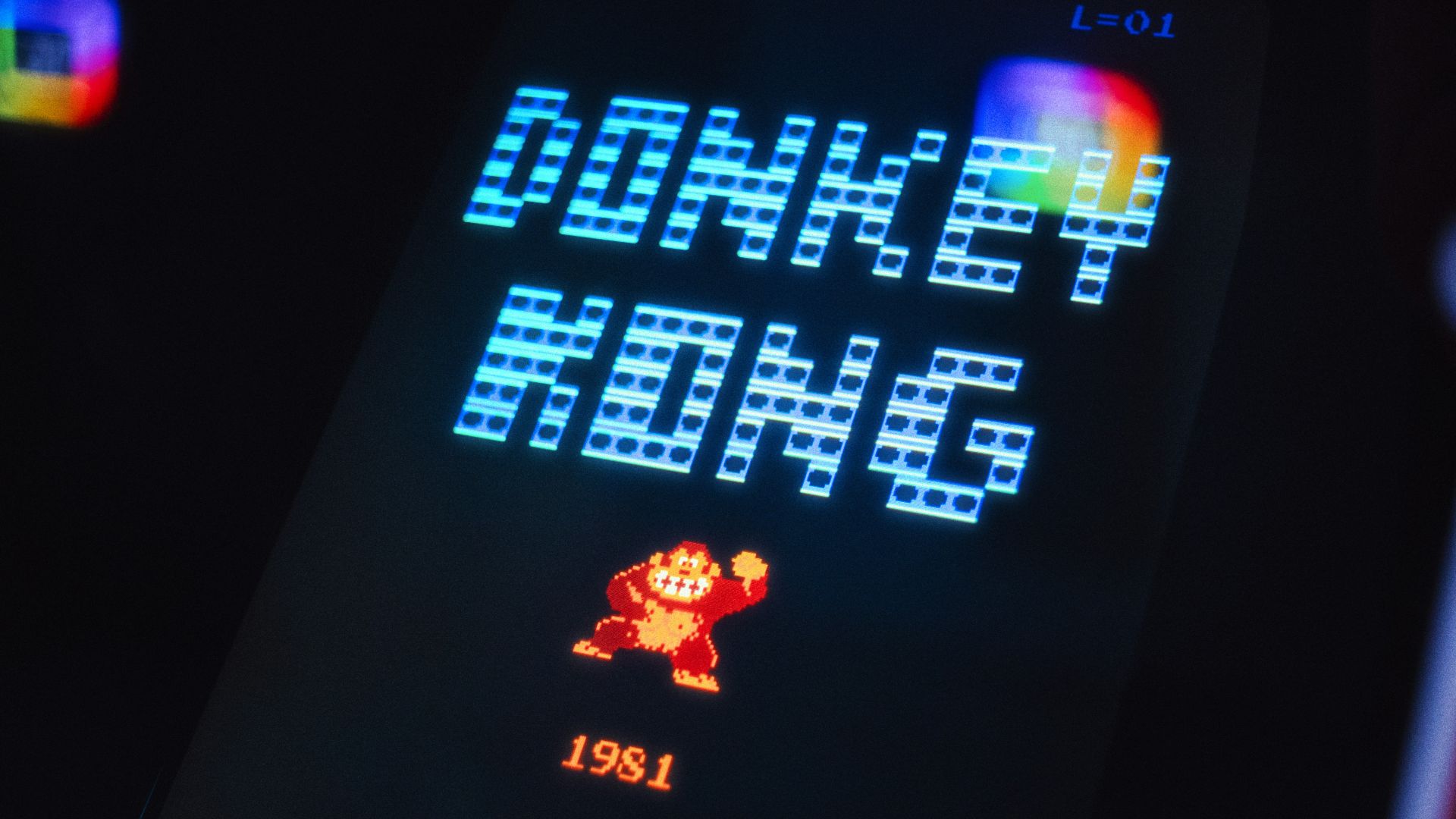
A lot of 80s games were easy to understand within seconds, which made them incredibly approachable and addictive to play. You didn’t need a long tutorial before you could start having fun, and that kind of directness made games feel instantly engaging.
2. Arcade Culture Made Gaming More Social In Person
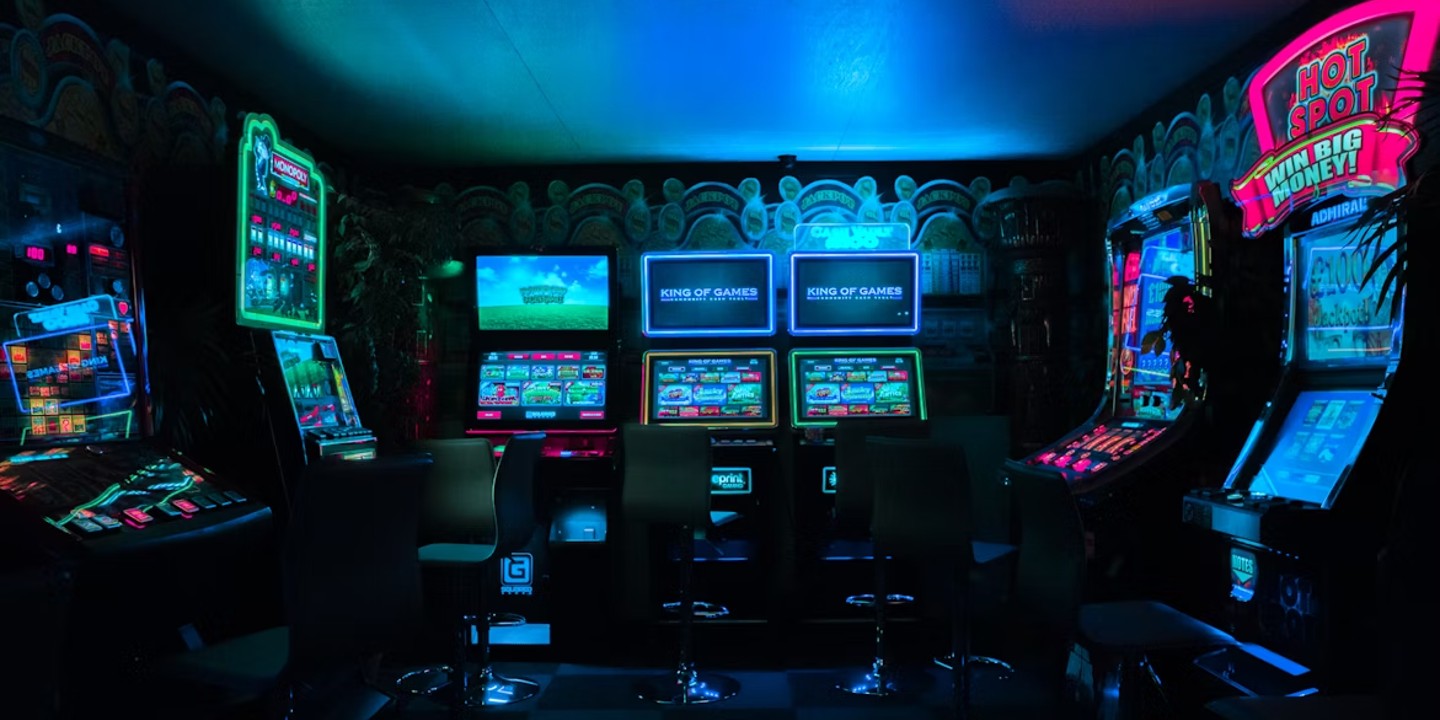
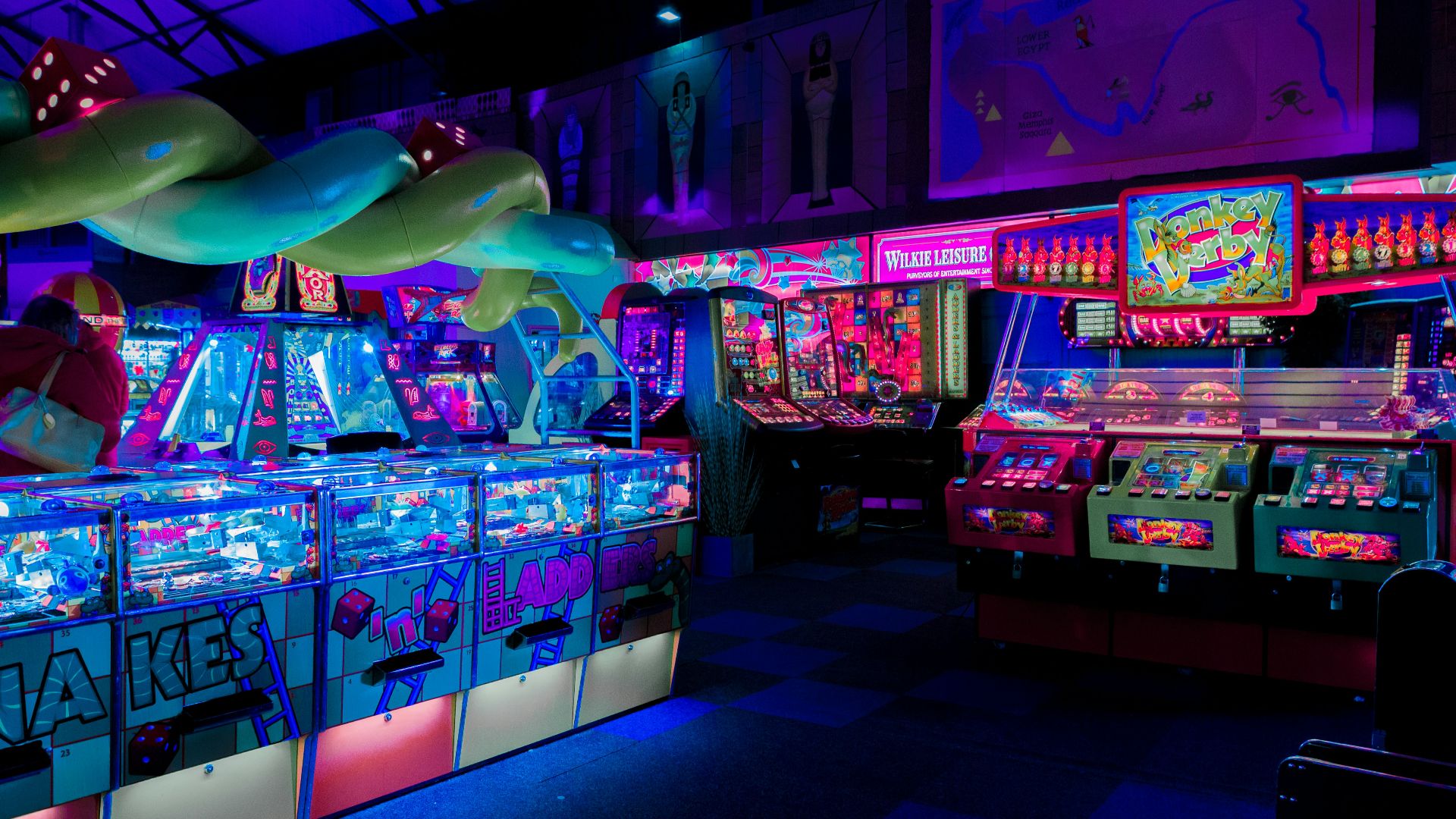
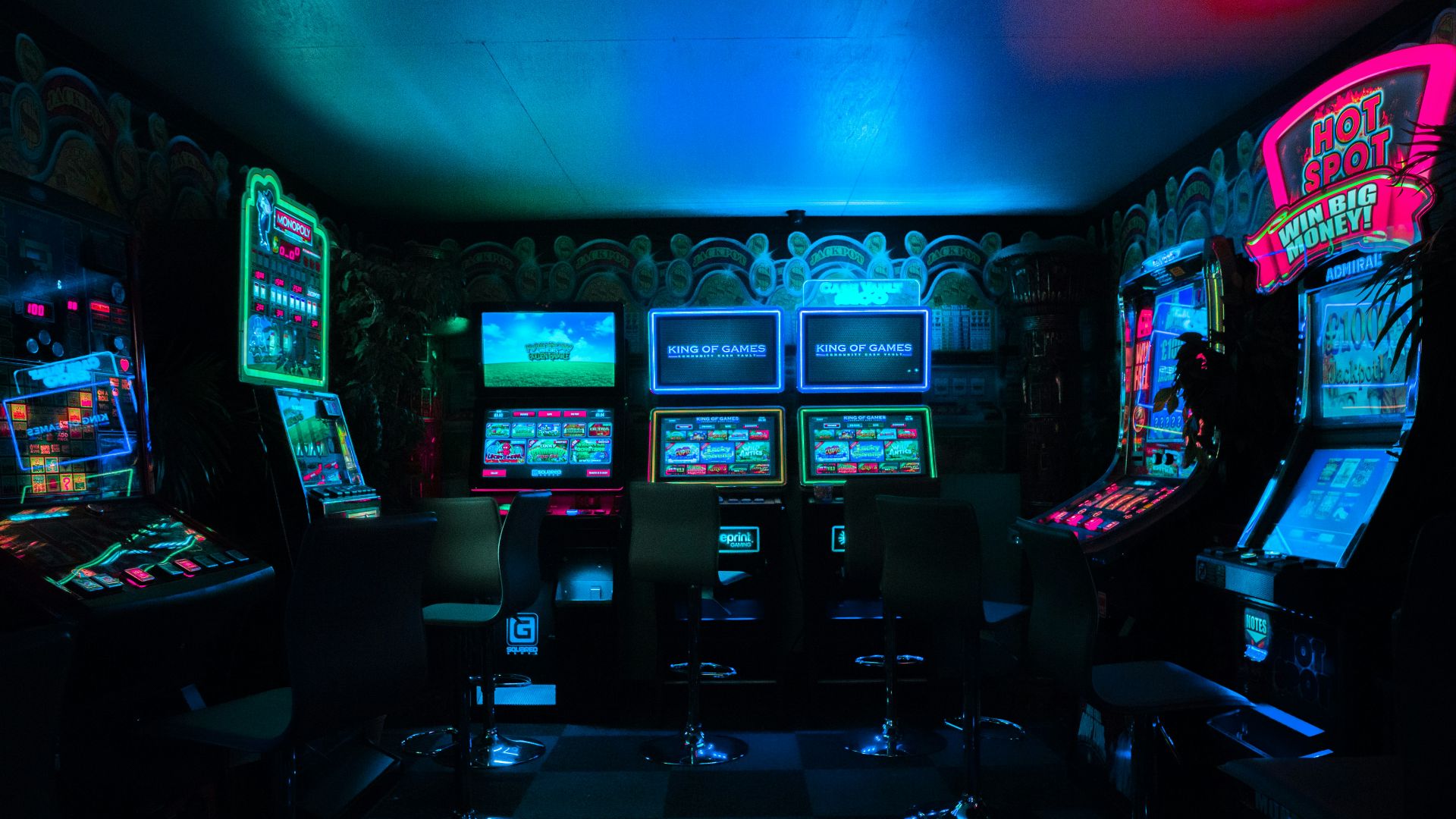
The beauty of arcades in the 80s meant gaming was a social activity. You stood next to other people, watched them play, reacted, and waited for your turn. It was a public community that felt exciting and made you feel like part of something bigger than yourself.

3. Limited Hardware Encouraged Clearer Game Design
Developers in the 80s had to work within serious technical limits, and while it may seem like a negative at first, it just meant they focused on making one central idea work as well as possible. That restraint led to games with clean objectives, readable mechanics, and memorable loops.

4. Difficulty Made Success Feel Earned
Many 80s games were built around practice, pattern recognition, and fast reactions, which is why when you finally beat a level or reached a new high score, it felt genuinely exhilarating. There was very little hand-holding, so progress often came from dedication rather than luck.
5. High Scores Gave Games Simple Lasting Value
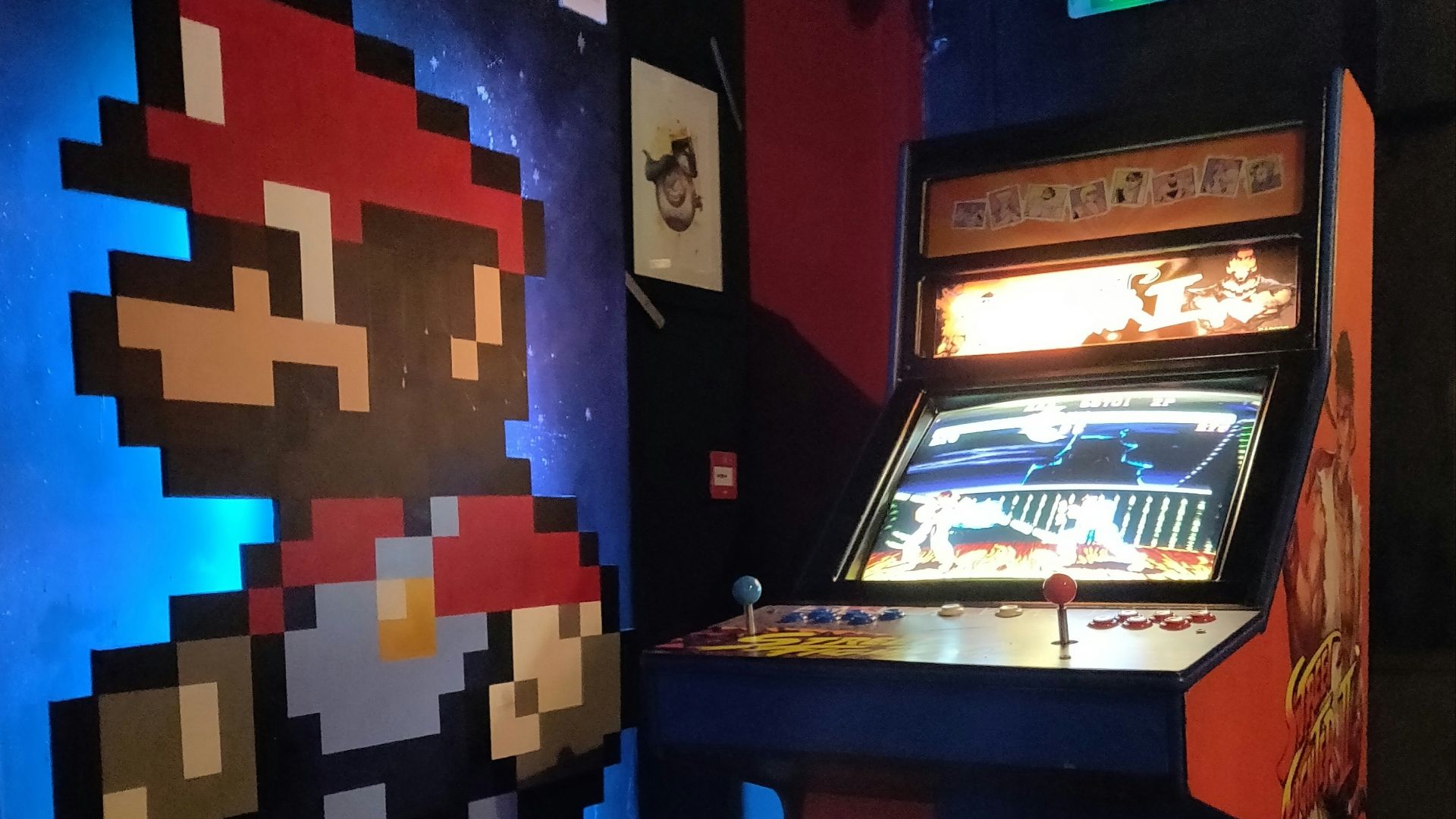
Back in the day, high-score tables meant everything to gamers. It kept players coming back time and time again, and it was never about unlocking something new, it was about proving to others and yourself that you could do better than before.

6. Physical Media Felt More Personal
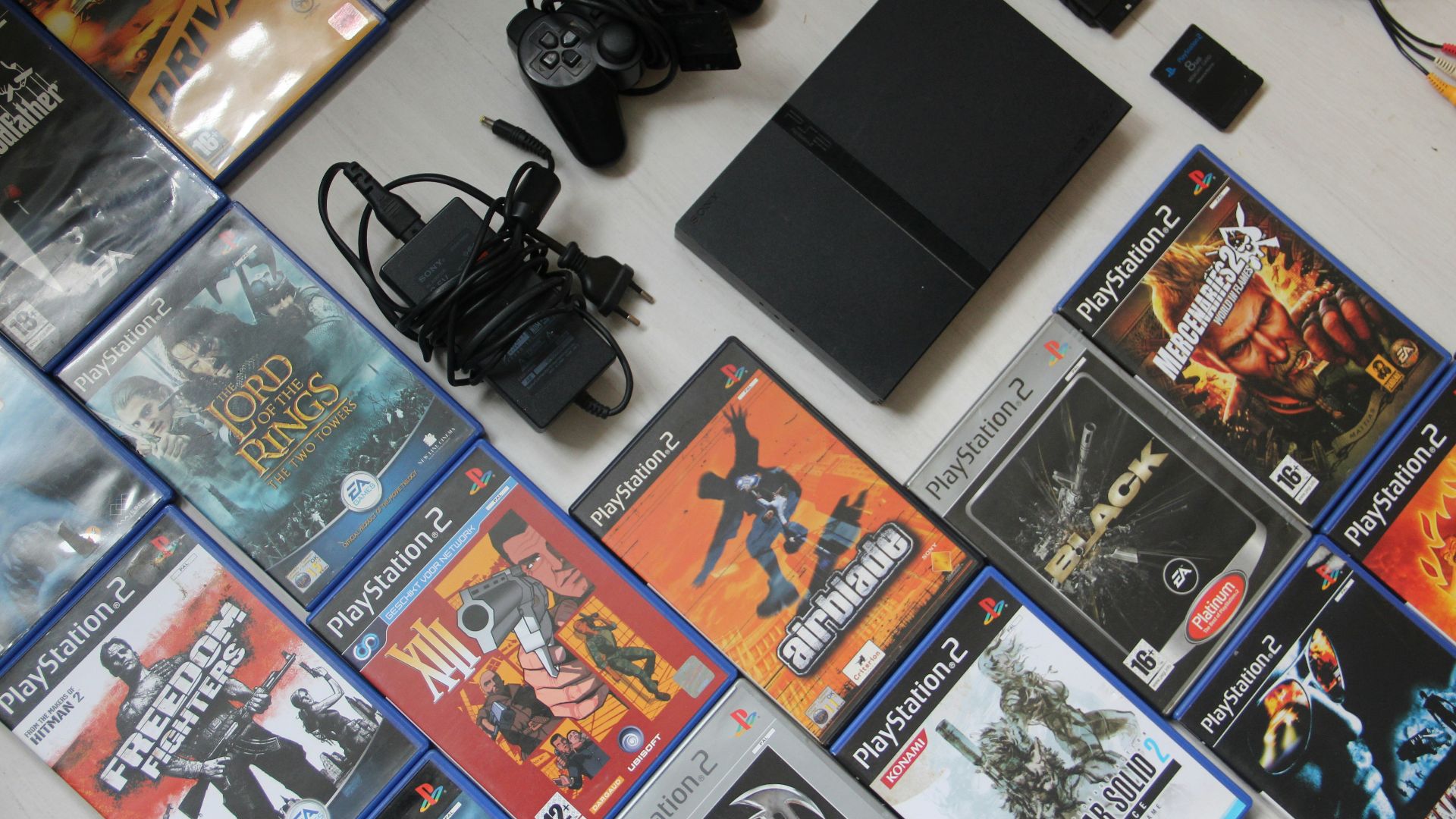
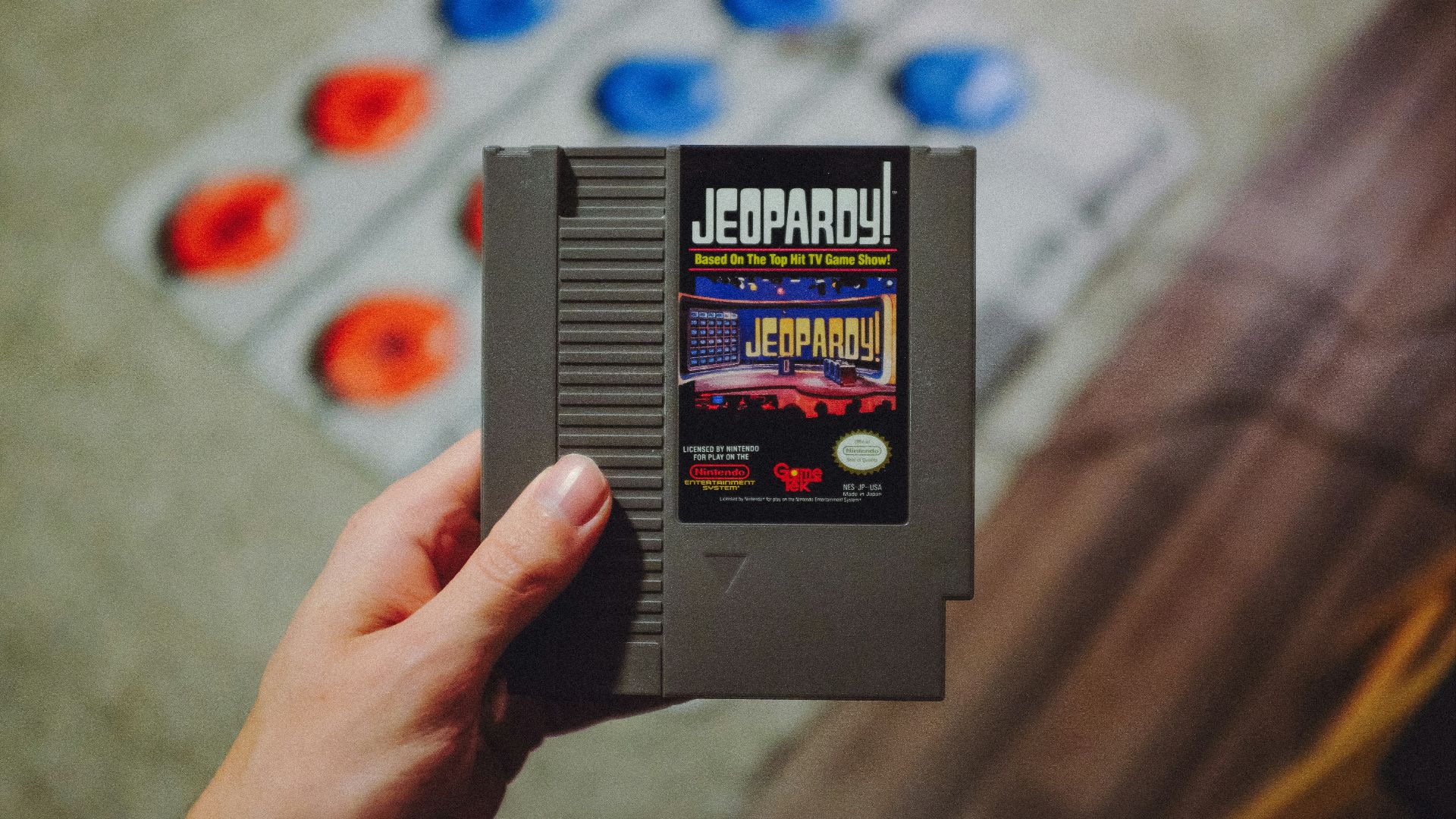
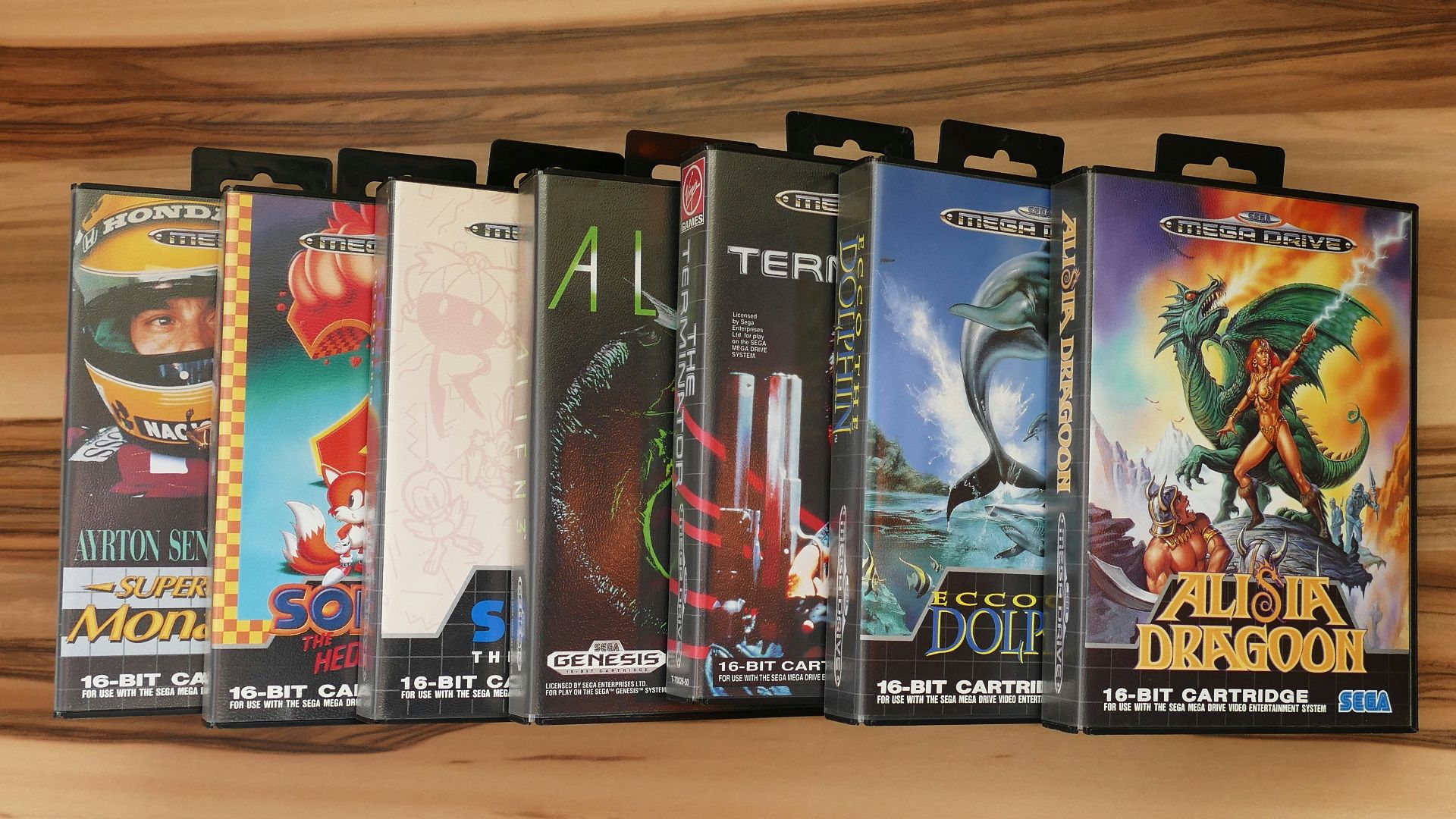
With everything being digital nowadays, cartridges, boxes, manuals, and arcade cabinets gave 80s gaming a physical presence that many players still miss. It's about creating a tangible collection that you can see and hold.
7. Local Multiplayer Was Often More Immediate
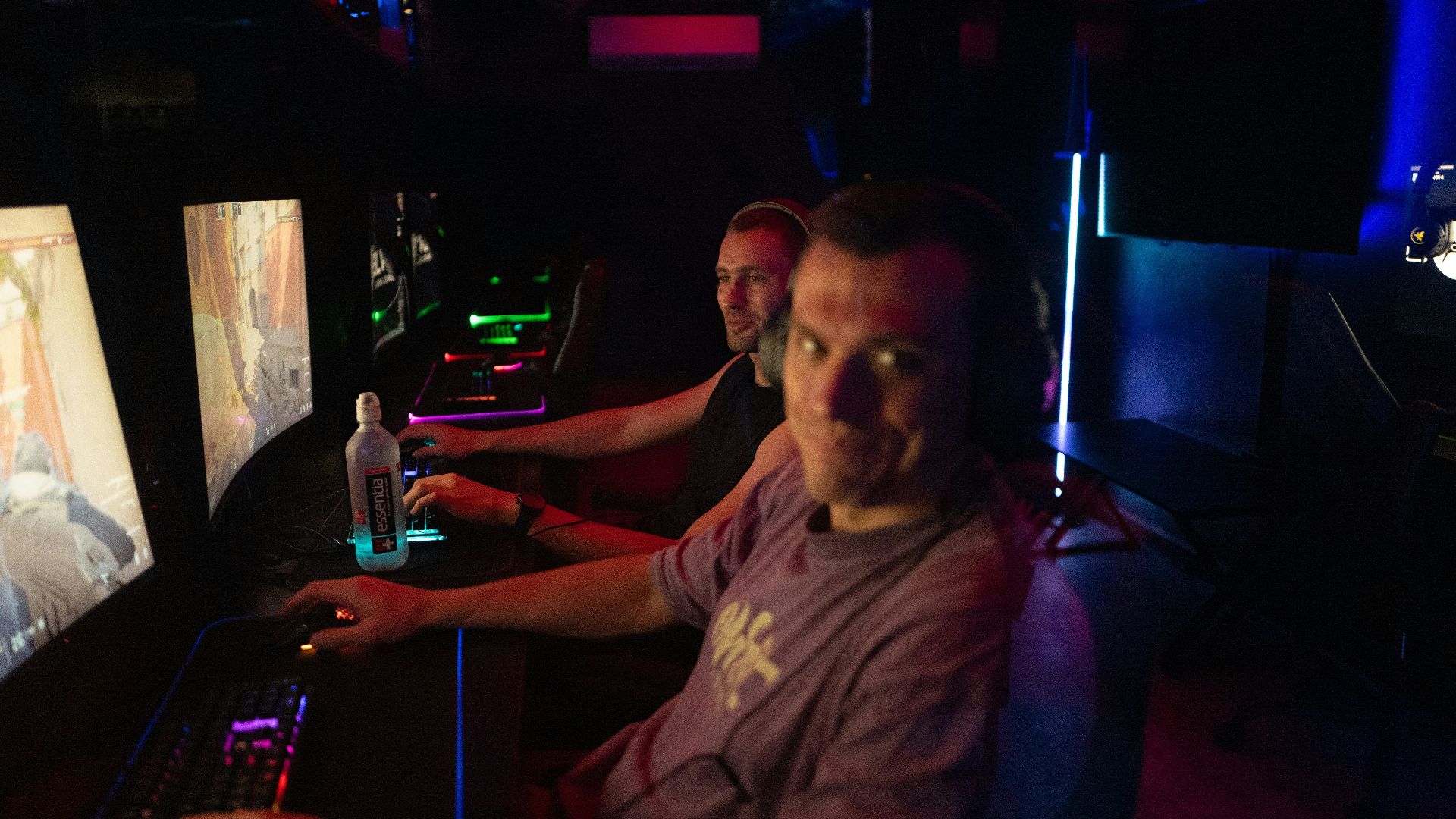
Today, multiplayer can happen even if two people are worlds apart. Back in the day, you needed to share the same screen or machine, which made competition and co-op play far more exciting and engaging. There's something different about being right next to your player two.
8. Visual Style Was Often More Iconic
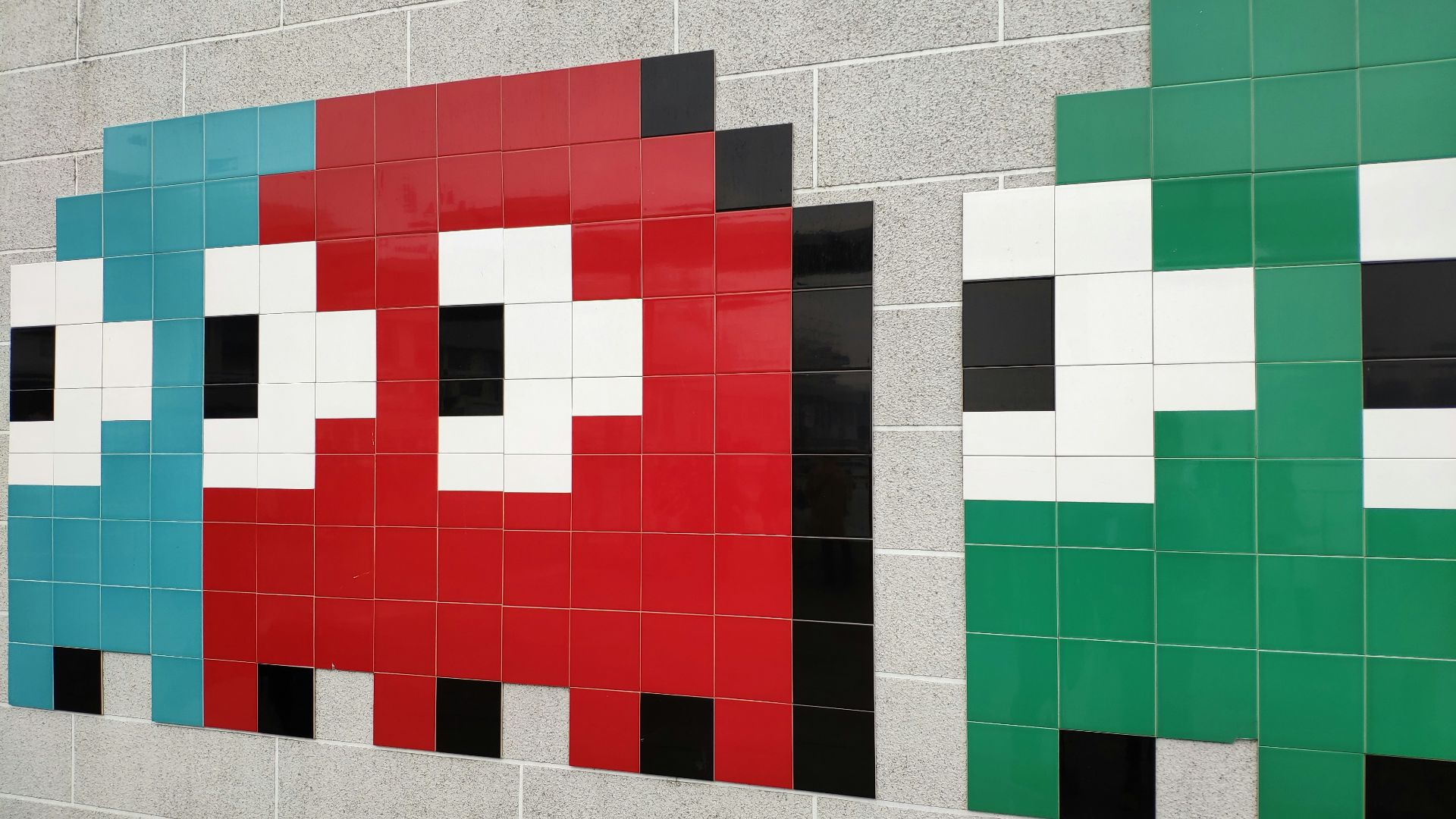
Because 80s games had so few pixels and colors to work with, characters and objects needed to be recognizable right away. It may seem like a limitation, but in reality, it helped create bold designs that are still remembered decades later.
9. Games Felt More Complete At Launch
In the 80s, once a cartridge shipped or an arcade cabinet arrived, that was usually the finished version of the game. Developers couldn’t rely on day-one patches, balance updates, or later fixes to correct major problems. If it was released, you best believe that was the final product.
10. The Sense Of Discovery Was Harder To Spoil
With constant trailers, livestreams, and walkthroughs spoiling game content each and every day in modern society, the feeling of discovery is rare. But back in the 80s, making a new game discovery felt personal and exciting. You came across it on your own, and that meant something.
1. Modern Games Have Far Better Accessibility
As charming as 80s games can be, most of them weren’t designed with accessibility in mind. Modern games are much better about offering subtitles, remappable controls, difficulty options, colorblind modes, and other features that help more people play. If you want something customized, you're likely able to.
2. Storytelling Has Improved Dramatically
Sure, 80s games had fun visuals and characters, but storytelling from today is simply unmatched. Sometimes it feels like you're watching something straight out of a movie! From using voice acting, cinematic direction, and strong screenwriting, games from today have far richer narratives.
3. Controls Are Usually More Comfortable Now
Let's be honest, 80s games often felt less responsive and harder to control. The schemes were stiff, awkward, and with no customizability options, were often unforgiving. Today, modern controllers, keyboards, and touchscreen interfaces are able to perform with such smooth and effortless design.

4. Saving Progress Is A Huge Improvement
The fear of losing all of your game progress back in the 80s was a serious concern. Who would want to lose all that hard work because there was no save button? Today, it doesn't even cross a player's mind. With built in save systems that work automatically, it's definitely an upgrade from the past.
5. Modern Games Offer Much More Variety
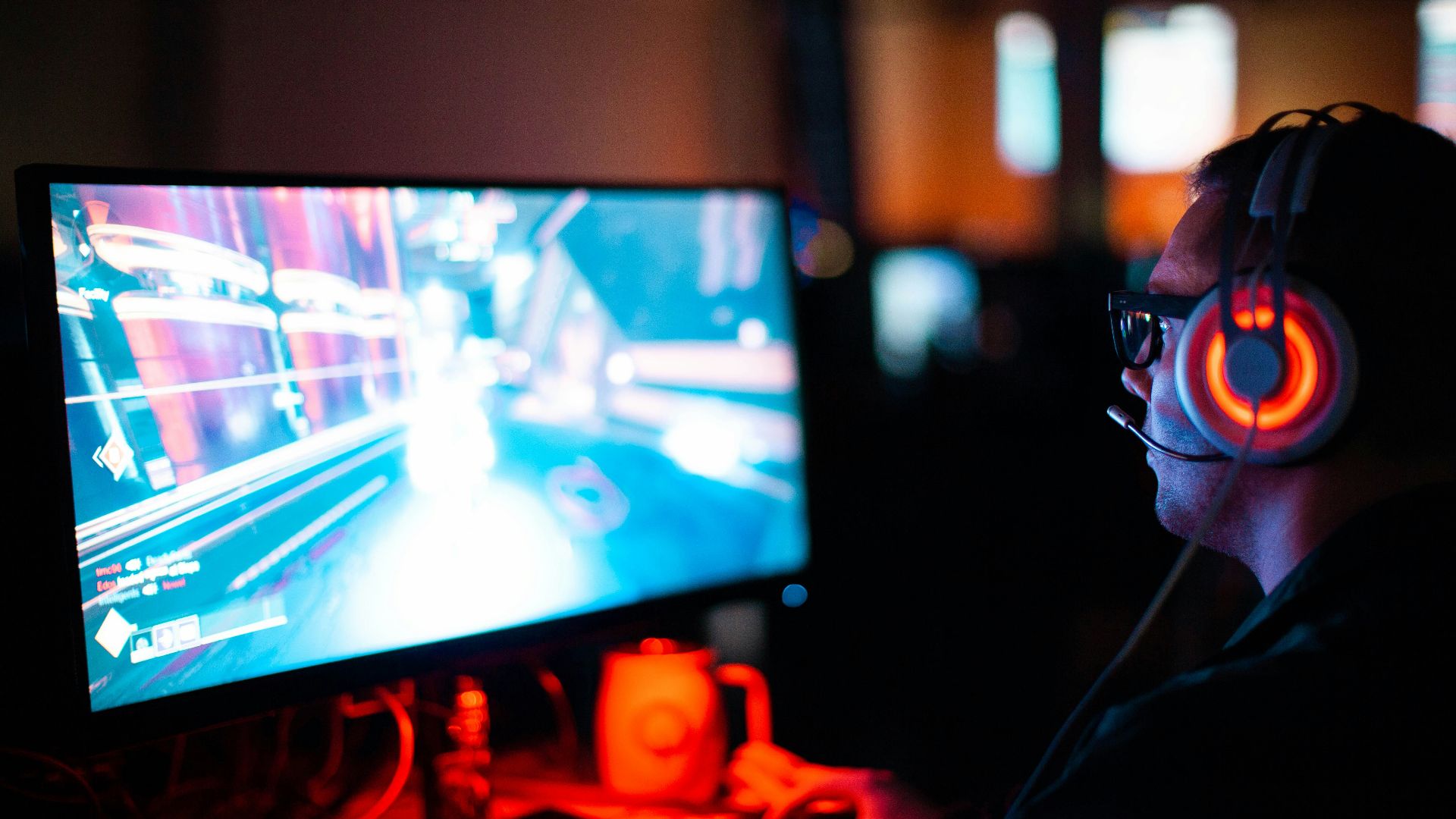
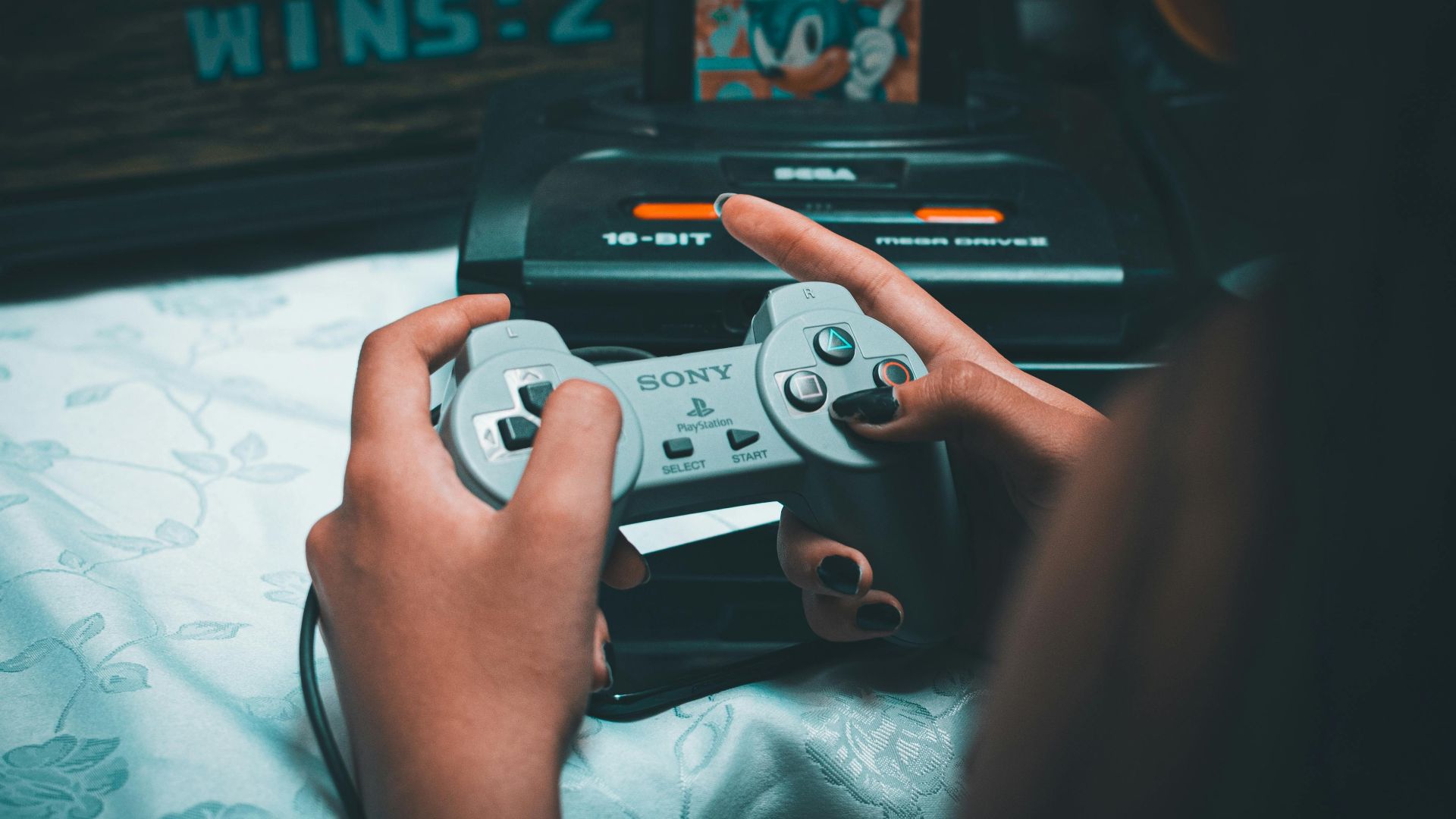
The 80s had plenty of creativity, but today’s gaming landscape covers a much wider and more impressive range of genres. You can play massive open-world games, tiny experimental indies, serious narrative dramas, cozy life sims, competitive esports titles, and so much more!
6. Online Play Has Expanded What Games Can Be
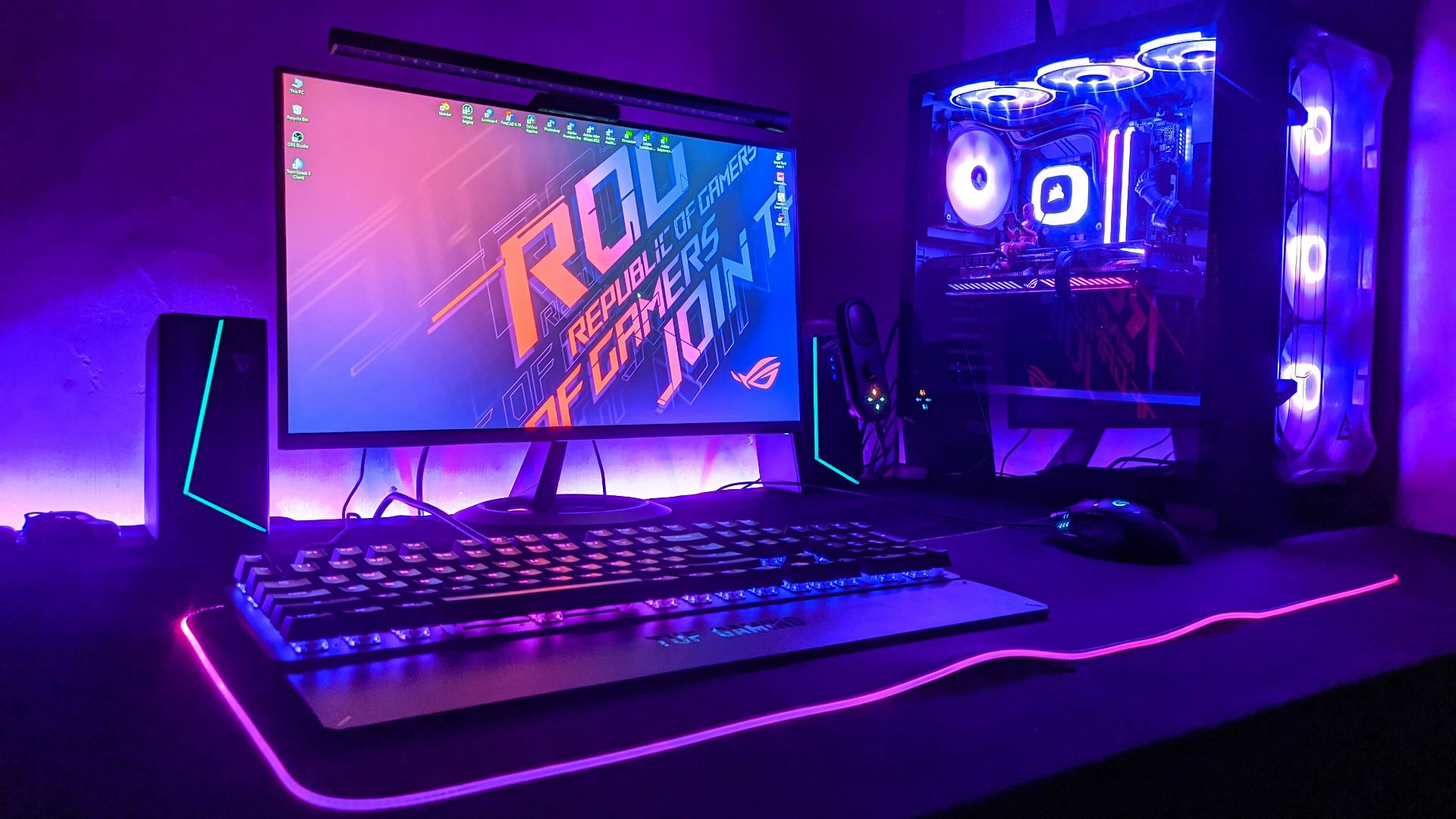
There's something special about playing with people right next to you, but not everyone is always able to get together to game. Online play has changed what's possible with gaming, connecting players from around the world so that they can enjoy some fun gaming experiences together.
7. Audio Design Is Vastly More Advanced
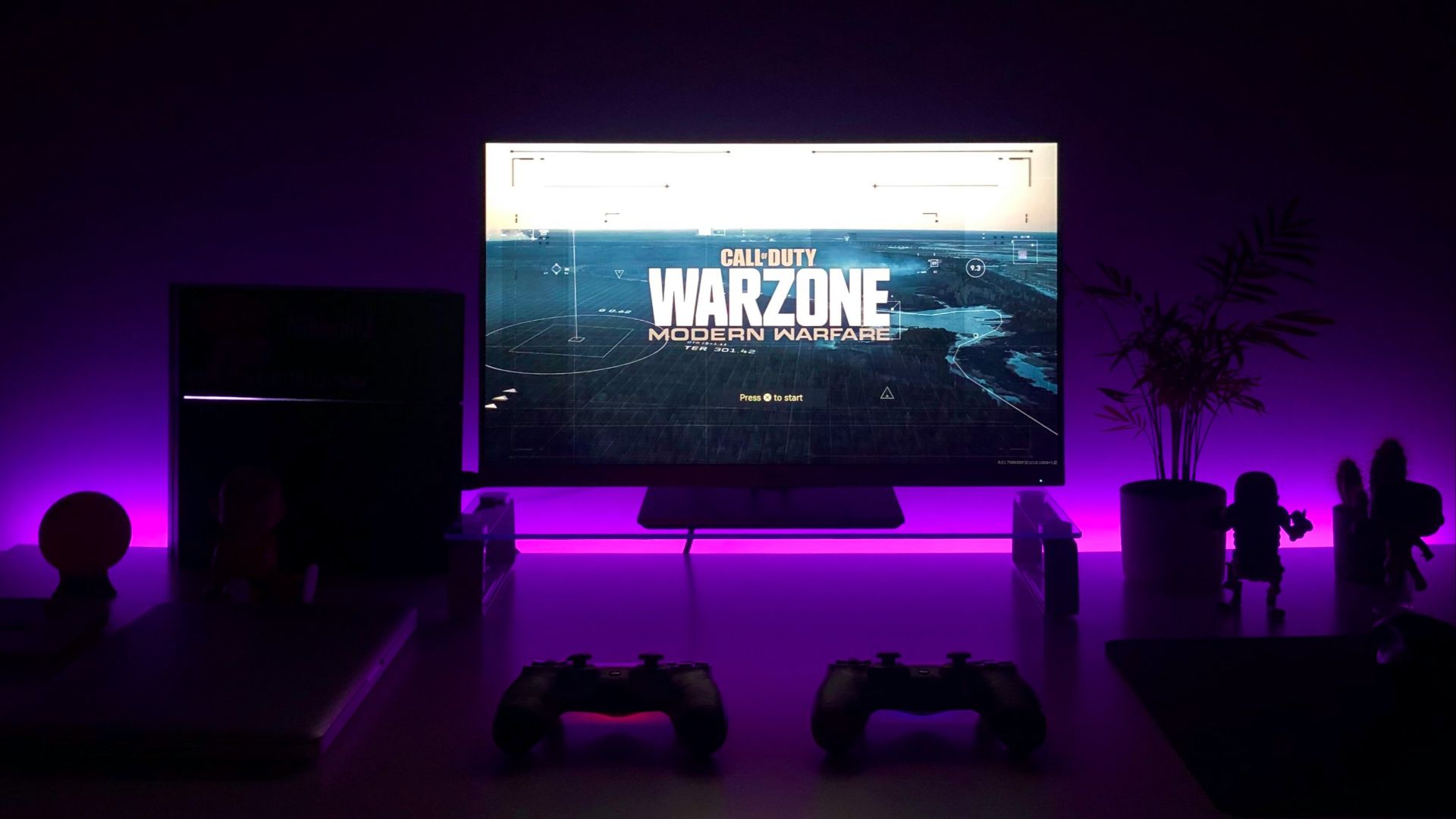
The bleeps, bloops, and chiptunes of the 80s are beloved for good reason, and many of those tunes remain catchy today, but modern sound design can't be beat. Video games of today can deliver full orchestral scores, realistic sound effects, and detailed voice performances that keep you deeply immersed.
8. Game Worlds Are More Immersive
Speaking of immersive, modern games continue to wow players with their detailed environments with believable movement, weather, lighting, physics, and interactive spaces. When done well, that extra attention to detail can make exploration feel much more engaging and addictive.
9. Patches Can Actually Help Players
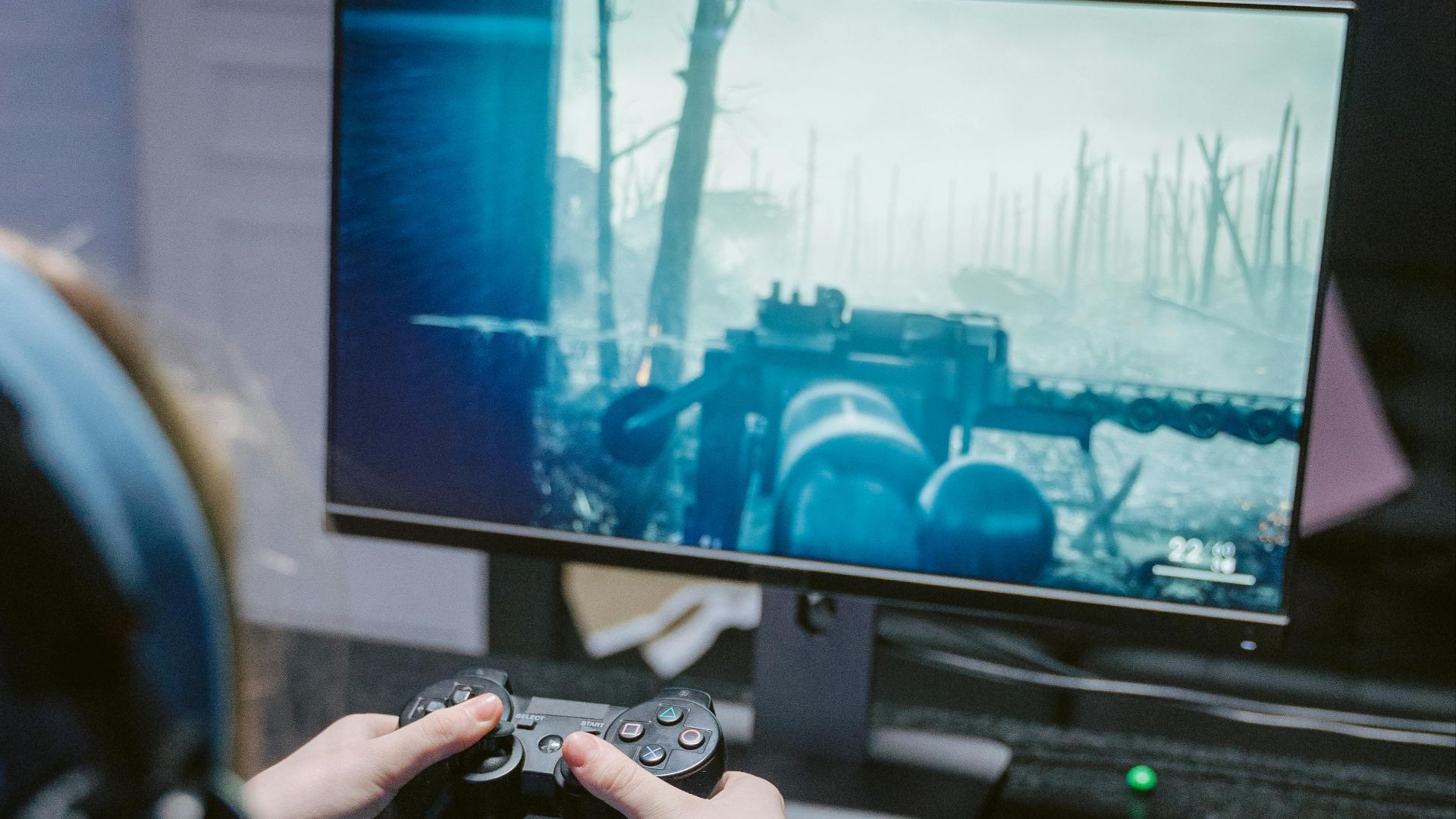
It’s easy to complain about unfinished modern releases, and while it can be frustrating, having the ability to make patches also means developers can fix bugs, improve balance, add options, and respond to player feedback after launch. Games can only get better this way!
10. Modern Gaming Is Easier To Preserve And Share
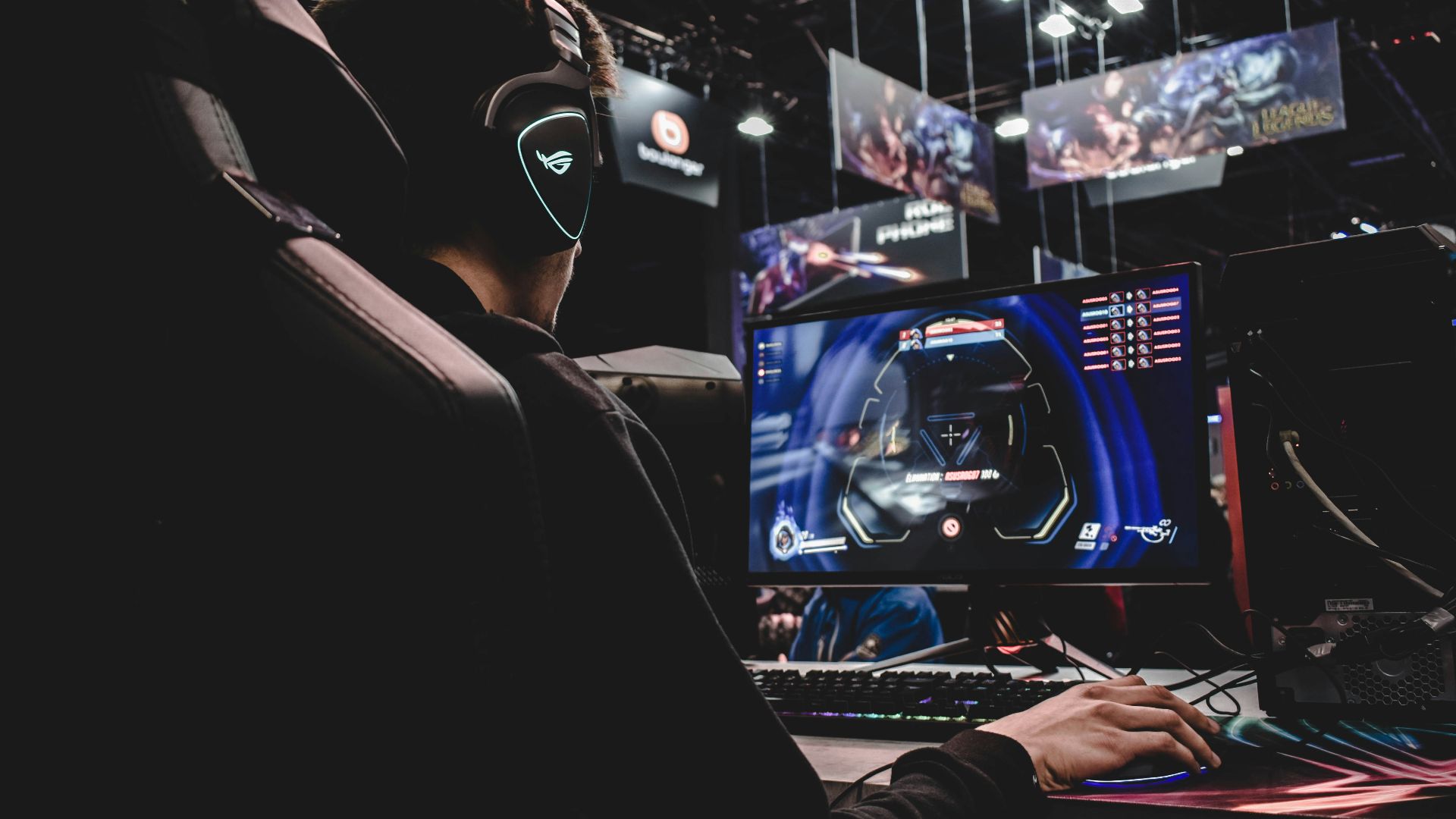
There's something magical about physical copies of video games, but it does make it harder to keep safe, clean, and to share with other friends. With digital libraries, it takes up zero space, meaning you can collect without fear of losing them or running out of space.