For some Star Wars fans, this question hardly deserves more than a simple “yes.” Disney bought Lucasfilm, brought the franchise back to theaters, pushed it hard on Disney+, and turned what used to feel like an occasional pop culture event into something much more constant. While it’s kept the content wheel fed for the last few years, it doesn’t mean everyone is in love with what's coming out.
Maybe the better way to look at it is whether Disney made Star Wars stronger, or mostly just made more of it. From a gaming and technology angle, the answer is a mix of hits and misses. Ultimately, it’s a franchise that still hasn’t fully settled into its modern shape.
Disney Grew Star Wars
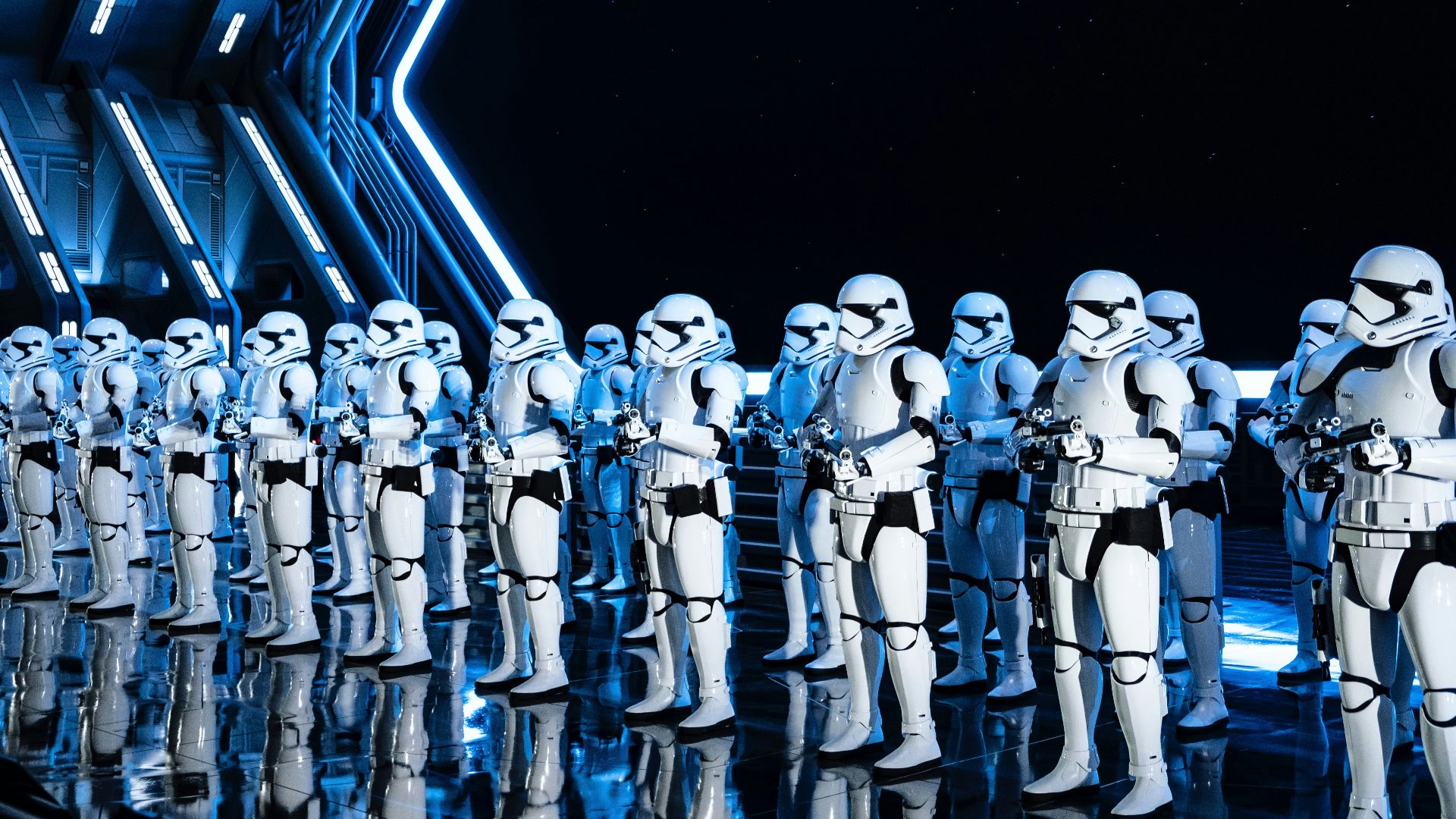
Disney’s 2012 purchase of Lucasfilm always meant more than a new trilogy. The $4.05 billion deal brought Star Wars, Indiana Jones, Industrial Light & Magic, and Skywalker Sound under Disney’s control. Disney described the acquisition as a way to grow Lucasfilm storytelling across film, television, games, consumer products, and other parts of the business.
On paper, that plan made plenty of sense. Star Wars was already one of the most recognizable entertainment brands in the world, and Disney had already built huge franchise ecosystems with Marvel and Pixar. The Force Awakens quickly showed that audiences were still ready to show up, becoming a massive theatrical success.
The cracks in this plan started to show after The Force Awakens release. Alongside a constant stream of Star Wars-related content, The Last Jedi and The Rise of Skywalker received mixed reviews in comparison to The Force Awakens.
Highly-Regarded TV Shows
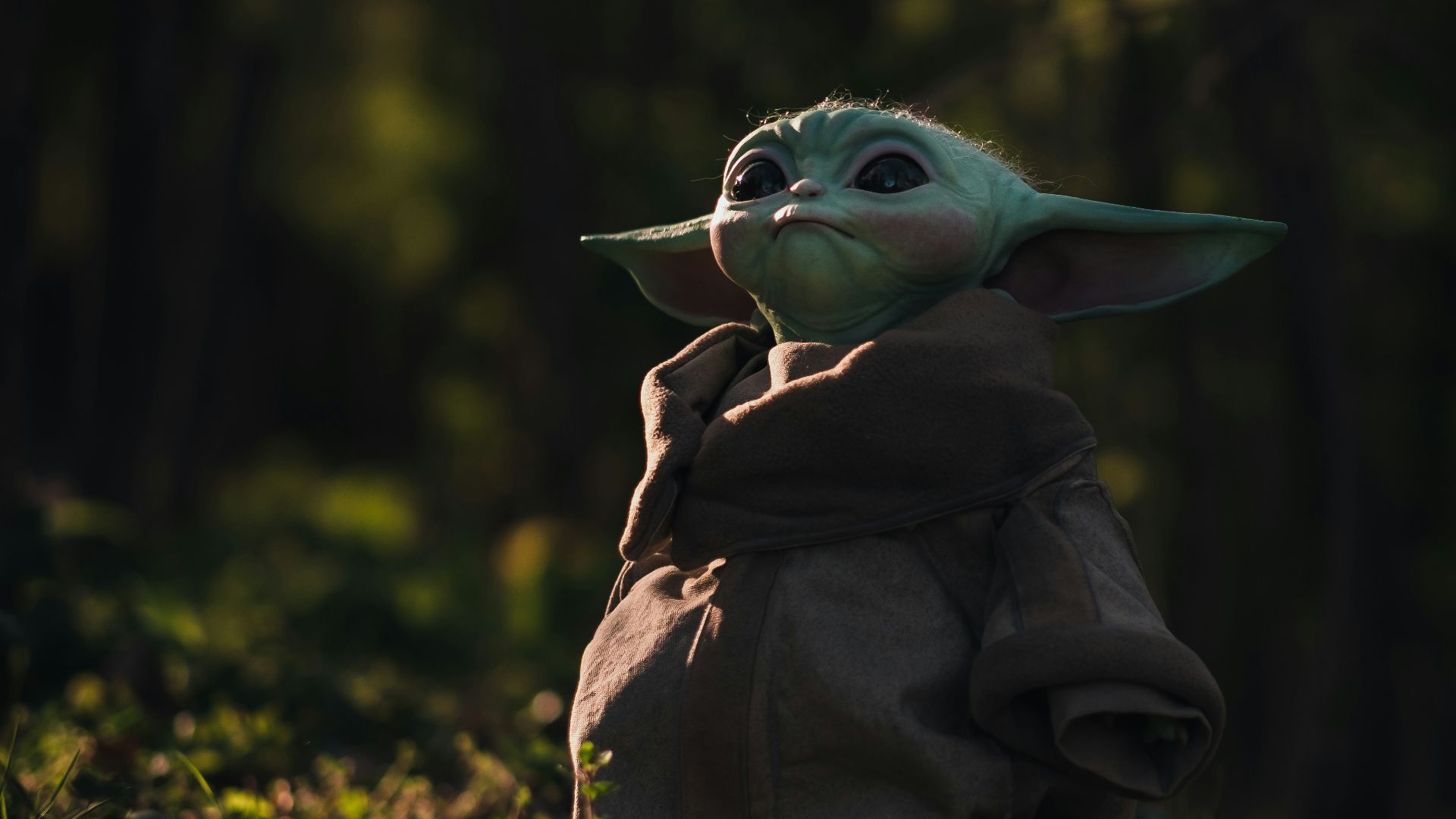
Disney+ gave Star Wars a much-needed reset after the sequel trilogy debate wore people down. The Mandalorian premiered on November 12, 2019. Alongside its solid first two seasons, it’s difficult for audiences to resist loving a baby-like creature. We’re not saying that Grogu is the reason the show did so well, but his presence certainly didn’t hurt.
The Mandalorian didn’t need to settle every old fan fight, explain every Jedi connection, or keep circling the same family tree. The writing was solid, and gave audiences something new to explore.
Andor showed another side of what Disney-era Star Wars could do. Instead of leaning on callbacks, it leaned into political tension, slow-burn rebellion, and more adult storytelling. Over the course of its two-season run, the show won a total of five Emmys for costuming, writing, visual effects, editing, and production design.
Other TV Shows
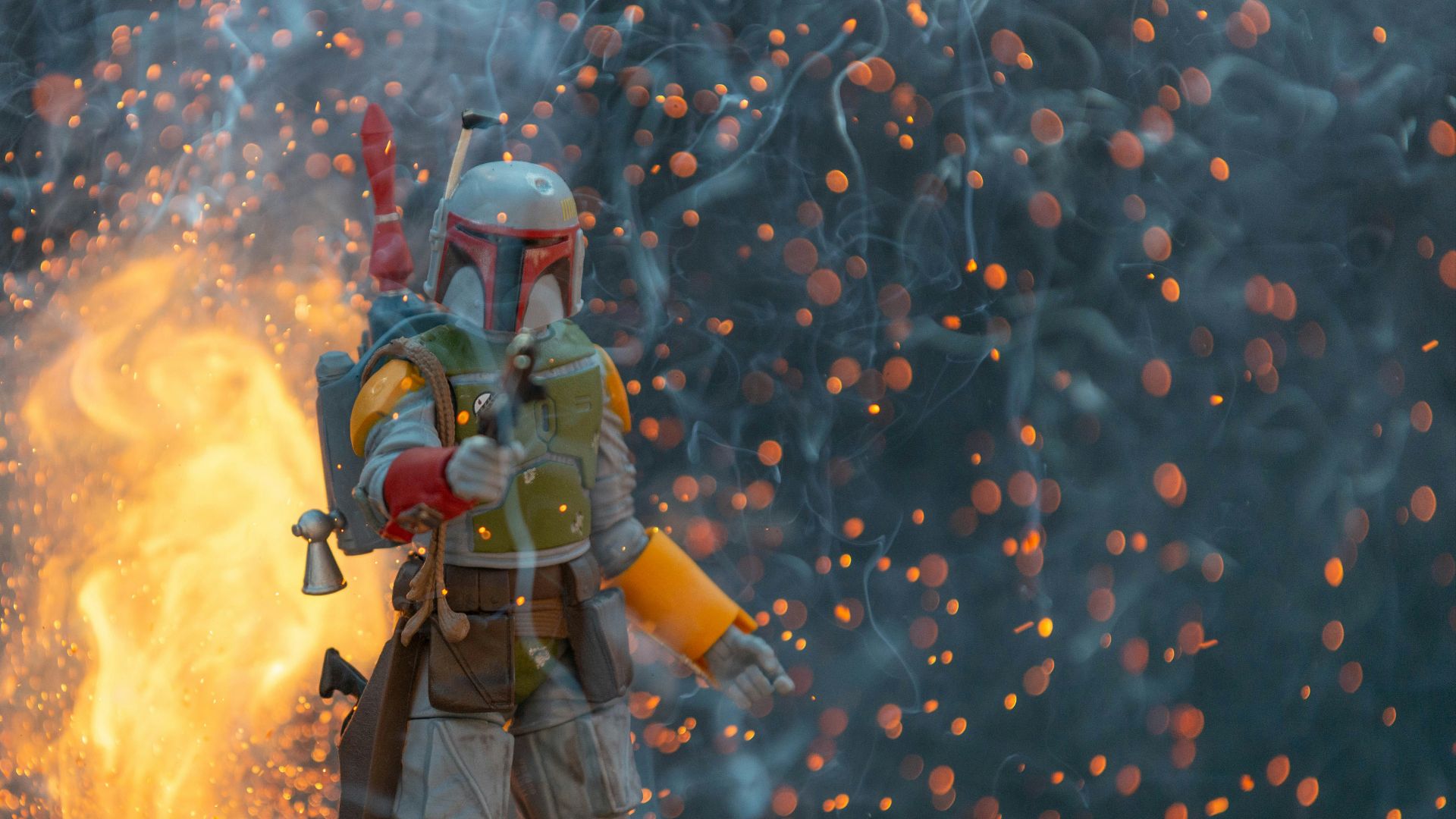
Unfortunately, not every Star Wars show was a smashing success. Whether you thought they were good or bad, shows like The Book of Boba Fett, Obi-Wan Kenobi, Ahsoka, The Bad Batch, Tales of the Jedi, and other projects made Star Wars harder for casual viewers to keep up with. Longtime fans may enjoy having more lore to dig through, but casual watchers may find they’re missing information.
This problem continues to happen with other Disney-owned franchises. Ten years ago, you could watch an Avengers film and have a pretty decent grasp on the context if you kept up with the movies. Today, any new Marvel show or movie requires years and years of content between TV shows and movies to understand what’s happening.
Unfortunately, Star Wars has become a part of the ever-churning content mill. Disney+ needs a steady flow of content, the same way many modern games rely on updates, expansions, and recurring engagement. Star Wars now lives inside that same rhythm. There’s almost always something new to watch, but not every new thing feels essential.
The Games
Unfortunately, the Star Wars games have also had a polarizing effect on fans. After the acquisition, Disney shut down LucasArts as an internal development studio and moved toward licensing, a shift Wired reported in 2013. For players who grew up with LucasArts games, this was definitely the end of an era.
Disney later signed a multi-year exclusive licensing agreement with Electronic Arts for core Star Wars games, saying the company would develop and publish new Star Wars titles for a core gaming audience across major interactive platforms and genres. The results were mixed. Star Wars Battlefront II became a major flashpoint for loot box backlash and concerns about monetization in full-price games. Polygon reported that EA removed paid microtransactions from the game shortly before launch after intense criticism.
Respawn’s Jedi games gave Disney-era Star Wars a much stronger gaming win. EA’s FY20 financial results said Star Wars Jedi: Fallen Order had more than 10 million unique players to date, which showed demand for a story-driven, single-player Star Wars game.
The newer licensing era also made room for Ubisoft’s Star Wars Outlaws, which StarWars.com described as the first open-world Star Wars game. Ubisoft later said Outlaws’ initial sales were “softer than expected” in a trading update, which is a useful reminder that the Star Wars name alone can’t carry every release.
So, Disney didn’t necessarily ruin Star Wars. The franchise has produced strong shows, major games, and a wider range of stories under Disney. At the same time, it isn’t unfair to say that Disney has made Star Wars feel more corporate, more crowded, and potentially less creative. What we could really use is a completely new story in this ever-growing world.