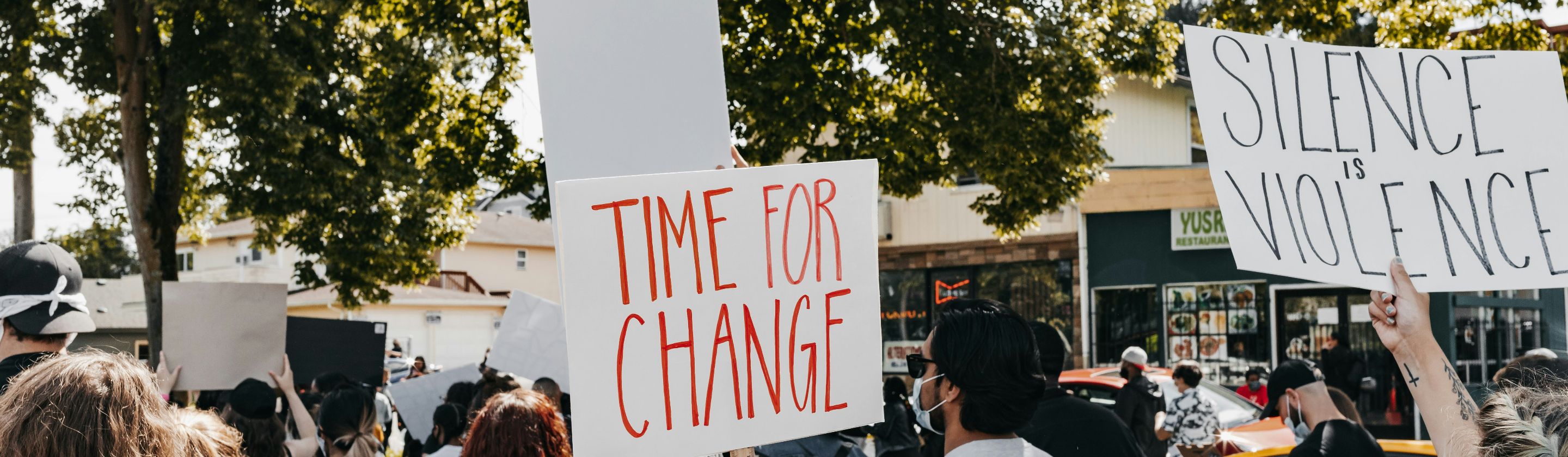
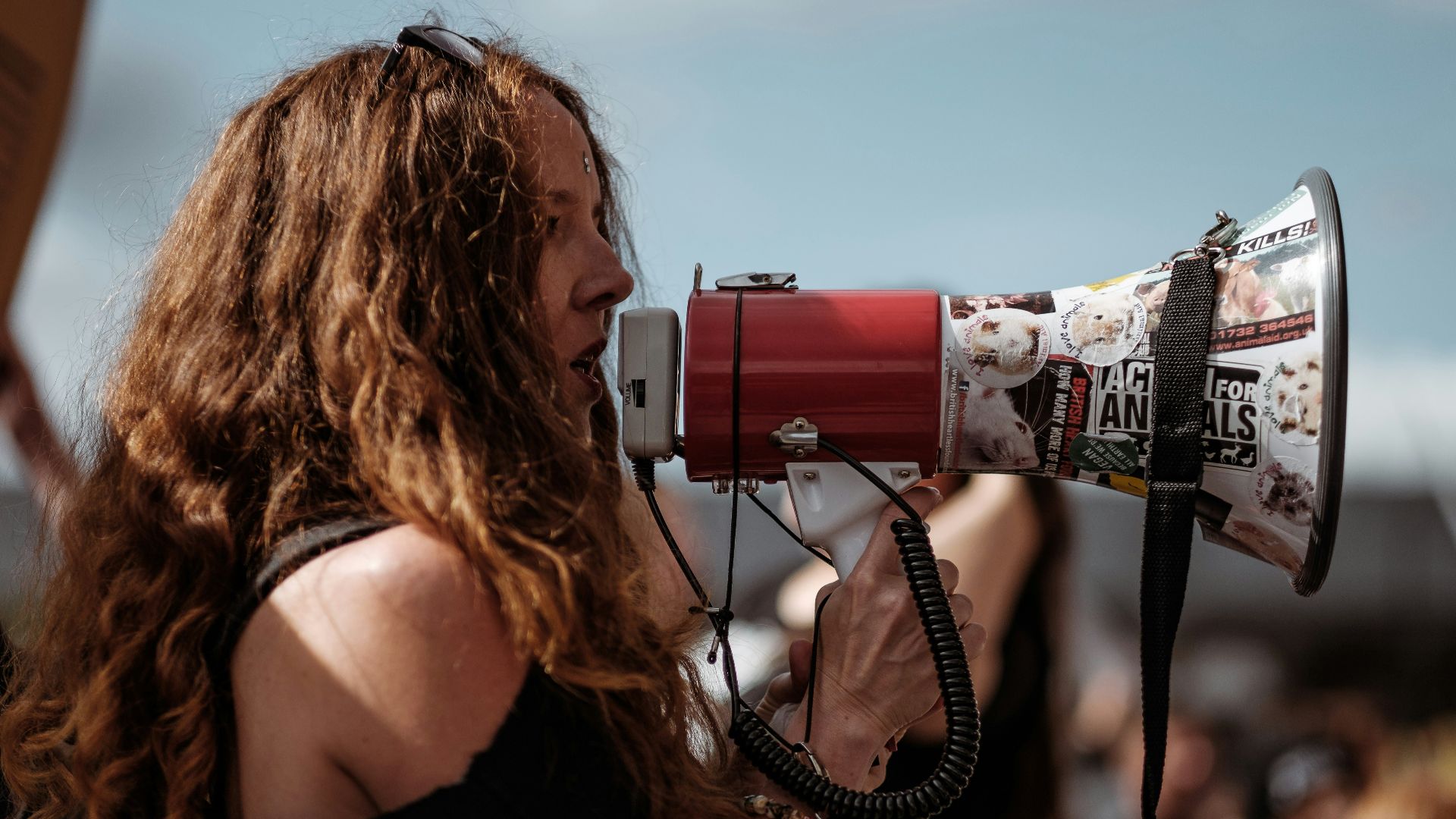
There was a moment, roughly between 2018 and 2022, when cancellation felt like a genuine consequence. Sponsors fled, platforms disappeared, and the collective machinery of public shaming moved fast enough that careers could be destabilized over a weekend. People debated whether it had gone too far. Everyone agreed that it was doing something.
That window has more or less closed. The mechanism did not break down. The posts still come, the pile-ons still happen, and the people who make their living being outraged on your behalf have not gone anywhere. What changed is the audience. Cancellation still performs accountability. The crowd has largely stopped believing the performance.
The Numbers Caught Up With the Feeling
The Pew Research Center has been tracking American attitudes toward cancel culture since 2020, and the trajectory is instructive. By 2022, 61 percent of U.S. adults said they had heard at least a fair amount about the phrase, up from 44 percent two years earlier. In that same survey, 45 percent said calling people out on social media was more likely to punish people who did not deserve it than to hold anyone accountable. Awareness went up and trust went down, which is roughly the definition of a phenomenon eating itself.
The problem was always structural. Cancellation was designed as a tool of the powerless, a way for people without institutional access to apply pressure to those who had it. For a few years it worked in specific contexts, particularly around documented sexual misconduct, where the targets were real and the harm was demonstrable. The #MeToo movement used this logic effectively enough to produce actual legal consequences for figures like Harvey Weinstein and R. Kelly. Those cases had evidence, victims with names, and the texture of something real.
The further the mechanism drifted from that template, the more it malfunctioned. Getting canceled for an old tweet, for a decade-old joke, for holding an unfashionable opinion on a contested question, produced a very different cultural response than getting canceled for assault. The distinction between accountability and punishment, which Pew found Americans drawing by 2022, was not a conservative talking point. It was a reasonable observation that the same word was being used to describe very different things.
The Canceled Kept Showing Up
The most direct evidence that cancellation stopped working is that the canceled stopped staying canceled. Ye spent the years between 2022 and 2025 making his antisemitism explicit and entirely undeniable. He expressed admiration for Hitler on live television, released a song called Heil Hitler in May 2025, and lost most of his corporate partnerships. And then, in April 2026, his album BULLY debuted at number two on the Billboard 200, and he sold out SoFi Stadium in Los Angeles across two nights, grossing a reported $33 million with guests including Travis Scott and Lauryn Hill.
This is not an argument that what Ye did was acceptable, or that the people who showed up bore no moral responsibility. The point is simpler: the cancellation did not cancel him. He is currently touring Europe, minus the UK, which barred him entry. Whatever cancel culture was supposed to be, a sold-out stadium and a top-five album is not it.
The Ye case is extreme, but the pattern runs throughout the culture. Louis C.K. won a Grammy in 2022 after losing most of his career following credible misconduct allegations. Johnny Depp returned to Hollywood after the defamation trial, his public reputation more intact than before. Comebacks are no longer surprising. The question is no longer whether a canceled figure will return, but how long they will wait.
What Replaced It Was Quieter and More Effective
Adrian Daub, in his 2024 book The Cancel Culture Panic, argues that cancel culture was never the totalizing threat its critics claimed, nor the accountability tool its supporters believed. It was, in his reading, the latest chapter in a much older American argument about who gets to set the terms of public discourse, a debate running continuously since at least the Reagan-era culture wars under different names.
What that framing suggests is that the outrage cycle was always somewhat theatrical, and that the more durable forms of accountability were happening in quieter places: human resources departments, legal proceedings, institutional policies written in the aftermath of specific scandals. The people who lost their positions and kept them lost tended to lose them through formal processes, not through the pressure of a trending hashtag alone.
There is also something worth noting about attention itself. The economics of social media outrage require novelty, and cancellation has become too familiar to generate the engagement it once did. The same users who once amplified callouts now scroll past them. Exhaustion is not the same as resolution, and it does not mean the underlying grievances are gone. It means a particular performance of those grievances has lost its audience, and without an audience, even the loudest performance is just noise.