
The Features Are Already Shipping
AI is already showing up in dating apps, helping people choose photos and improve their profiles. Some companies are even exploring ways to let assistants handle the first conversation. So far, these features haven't changed the way people date all that much. The bigger shift could come when everyone starts using AI, and the usual rules about flirting and getting to know someone no longer work quite the same way. Here are 20 dating habits that could change as a result.
1. Nobody Writes Their Own Opener
Hinge already has a tool that reads your profile and tells you how to improve the answers without writing them for you. The next step is obvious and some apps have taken it. Once the first message is generated by default, what gets judged at the far end is a model's output rather than a person's effort.
2. A Model Picks Your Lead Photo
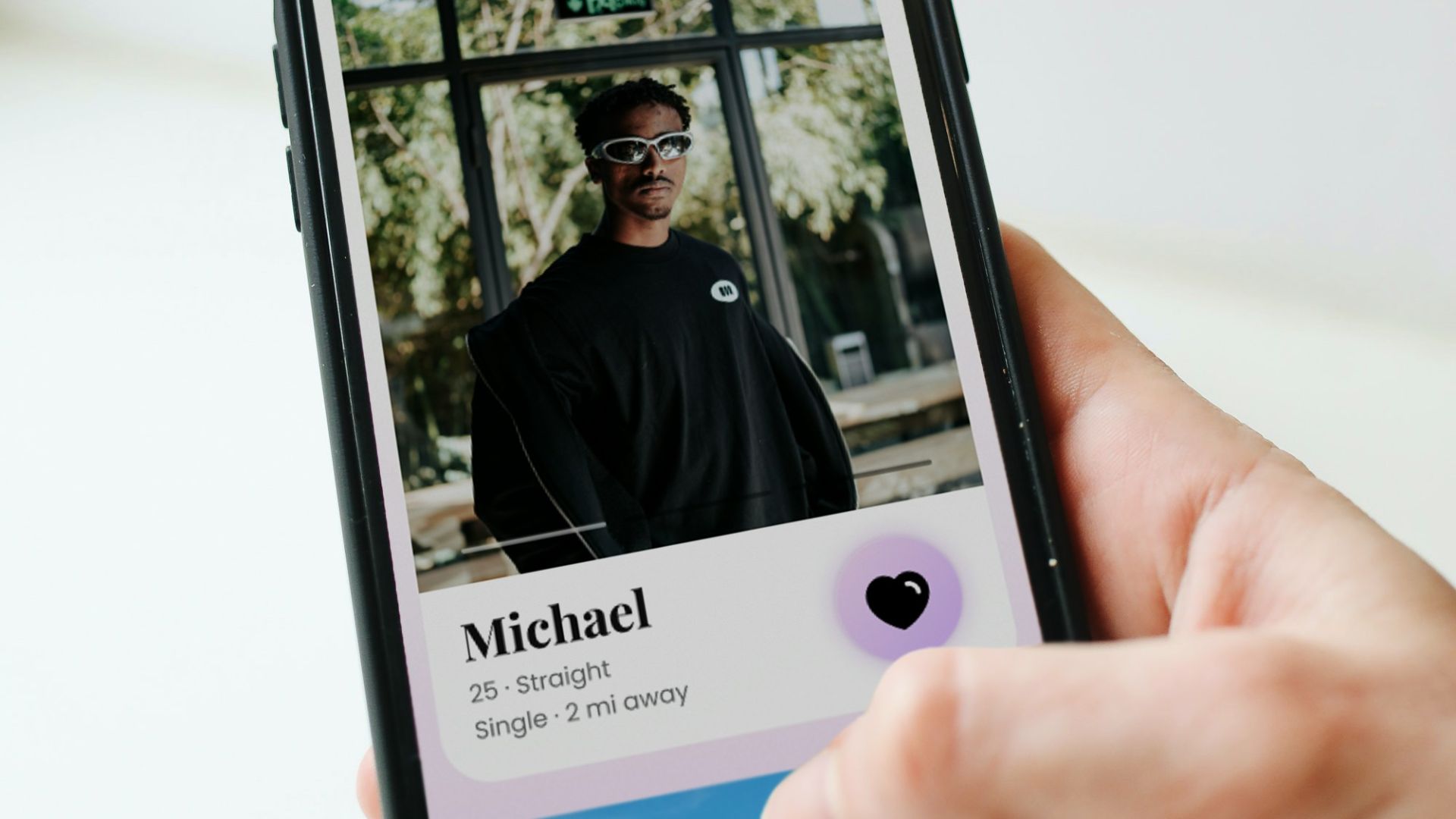
Tinder's photo selector asks for a selfie and scans your camera roll on the device. It hands back the shots it thinks will perform. Tinder's own survey found under-25s spend about 33 minutes choosing a profile picture. That decision is already automated. The photo that gets you noticed stops being a choice you made about yourself.
 Marcos Paulo Prado on Unsplash
3. Your AI Screens The Field First
Bumble's founder told a tech conference in 2024 that your dating concierge could go on dates with other people's concierges and then hand you a shortlist. The room laughed and she doubled down. If that arrives, you never see the six hundred people, which means you never learn who got filtered or why.

4. First Dates Start At Date Three
If the small talk has already happened between two models, the humans meet with the groundwork laid and nothing much to do. There's no hometown question and no cautious probing about what you do for a living. Some people will love that. Others will find that the slow part was where the liking came from.

5. Flirting Stops Being A Skill You Learn
Plenty of single people struggle with flirting, and the fear of saying something awkward can stop them from approaching anyone. AI can make that easier by suggesting what to say or even handling the conversation for them. But relying on it also means missing out on the practice that would have made flirting easier in the first place.

6. Everyone Asks If You Wrote It
A dating message that sounds a little too perfect may soon raise the question of whether AI wrote it. Even if you typed every word yourself, there's no easy way to prove it. People may start leaving typos in their messages or making their replies sound less polished just to seem more human. It's already happening with online writing, and text messages are even harder to verify.
 Priscilla Du Preez 🇨🇦 on Unsplash
7. Disclosure Becomes An Etiquette Problem
Nobody has settled whether using AI to write your messages is like using spellcheck or like hiring a ghostwriter. Both comparisons have defenders. Until a norm forms, the honest move is telling people, and telling people early reads as either refreshing or disqualifying depending entirely on who you happen to be talking to.
8. Optimization Stops Being An Advantage
The first people to use AI to improve their dating profiles may have an advantage, but that disappears once everyone else catches on. Professional dating photos followed a similar pattern, going from something that made a profile stand out to something people increasingly expect. AI could make everyone's profiles more appealing while making it even harder for anyone to get noticed.
 Priscilla Du Preez 🇨🇦 on Unsplash
9. Romance Scams Get Much Worse
Reported romance scam losses in the United States passed 1.16 billion dollars in the first nine months of 2025, with complaints up 22 percent on the year before. Much of that already runs through industrial scam compounds overseas. Tireless, convincing conversation in any language is the one thing this technology does unambiguously well.
10. Proof Of Being Human Becomes The Premium Tier
If the cheap version of everything is automated, verification becomes the product. Apps already run photo checks and ID verification. Those will get stricter and probably pricier as the automated version gets cheaper. A verified badge will start carrying the weight a good photo used to carry. Being provably a person turns into a selling point.
11. Rejection Gets Outsourced
Letting somebody down is the worst part of dating, which makes it the obvious thing to delegate. Software that sends the kind decline on your behalf spares you the discomfort. It also means the person on the other end is being turned down by software, which is a specific new flavor of bad.

12. The In-Person Mismatch Gets Worse
Every layer of help widens the distance between the version of you in the app and the version that turns up at the bar. Catfishing used to mean lying about your face, and the newer version is subtler, where every individual detail is accurate and the overall impression is still somebody else.

13. Logistics Get Handled Without You
Scheduling is the dullest part of the whole business and the easiest to automate, so assistants will negotiate times and places between themselves long before they negotiate anything emotional. That much is welcome. The cost is the small signal you used to get from how much thought somebody put into picking the place.

14. Compatibility Scores Become The Stated Reason
People already look for reasons to explain why they're attracted to someone. Give them an AI compatibility score, and suddenly the number becomes part of the explanation. Someone who scores 92 percent sounds like a great match, even if the date itself felt awkward. People may start trusting those numbers more than their own instincts.

15. Your Exes Become Training Data
An assistant that learns what you like learns it from your history, which means your previous relationships are shaping who you get shown next. Patterns you would rather break get reinforced, because to a model they look like preferences. Breaking a type is hard enough without software treating it as a specification.

16. Some People Date The Assistant Instead
Companion apps already have millions of users talking to them daily, and the appeal isn't hard to understand. Something attentive that is never in a bad mood is a real draw. For some people the wingman becomes the destination rather than the route, and that is already happening at a scale nobody quite expected.
17. Breakups Get A Post-Mortem
If your assistant has every message, it can tell you what went wrong, or at least produce something that sounds like it can, and people will ask. Getting an analysis of a failed relationship out of the thing that helped you write it is a strange loop that plenty will find comforting anyway.
18. Apps Sell Coaching Instead Of Matches
These apps have always had an awkward business model, because a satisfied customer leaves. Coaching doesn't have that problem, since improvement is open-ended and you can always buy more of it. Expect the subscription to shift from access toward advice. The incentive to keep you single survives the switch completely intact. Nothing about that is new.
 Priscilla Du Preez 🇨🇦 on Unsplash
19. The Odd Parts Get Smoothed Away
AI tends to suggest whatever appeals to the most people, but attraction doesn't always work that way. Someone might fall for your strange sense of humor or an unusual hobby that an AI tool would suggest leaving out of your profile.

20. Meeting Offline Becomes The Flex
When everything mediated is suspect, the unmediated version gains status. Expect run clubs and being set up by friends to come back into fashion. Part of that is simple reaction to all of this. Saying you met in person with no app involved already works as a small boast. That effect should get stronger.