You don’t need a leather-bound tome or a fountain pen blessed by an archmage to take great Dungeons & Dragons notes. What you do need is a method that keeps you focused on the story while still capturing the details that matter. And trust us, if your current approach is “I’ll remember it later,” your future self would like a word.
Good notes aren’t about writing everything down like a courtroom stenographer with a d20. They’re about preserving the stuff that helps you play smarter, roleplay richer, and avoid the awkward moment when you can’t recall the name of the mayor you promised to protect. Once you use a consistent structure, your notes stop being clutter and start being a tool. Let’s dive into a few key strategies to make you the best note-taker at the table.
Use A Single, Repeatable Template Every Session
 Fiona Murray-deGraaff on Unsplash
The only way to take good D&D notes is to stop reinventing your system every week. When you use the same template each session, your brain learns where information belongs, so you spend less time organizing and more time playing. That consistency also makes it easy to review later without feeling like you’re decoding your own handwriting from a stressful dream.
Start with a short “session header” that lists the date, in-game location, and your party’s immediate goal. Add a quick line about your character’s current motivation, too; it helps you roleplay with intention instead of vibes. Keeping this at the top makes your notes instantly useful the next time you sit down at the table.
Then give yourself three fixed sections: People, Places, and Problems. “People” is for NPC names, titles, voices, and what they want, not their entire life story. “Places” holds landmarks and factions tied to locations, while “Problems” tracks quests, threats, and unresolved mysteries you don’t want to forget when the dragon starts monologuing. All that stuff comes in handy down the line, especially if your Dungeon Master decides to use those tiny details against you later!
Capture Decisions and Consequences, Not Every Line Of Dialogue
Your notes should read like a highlight reel with context, not a transcript. If you try to write down everything the Dungeon Master says, you’ll miss the best parts of the game, so instead, focus on the decisions your party makes and the consequences that follow. That’s what shapes the campaign.
A good rule is to write whenever something changes: a new lead appears, an alliance forms, a deal gets struck, or a plan goes sideways. Those moments are the hinges of the story, and they’re the ones that come back later with interest.
To keep it practical, use short sentences that answer three questions: what happened, why it mattered, and what you plan to do next. For example, “We spared the captain because he knows the smugglers’ route, but now the guard distrusts us” is more valuable than three paragraphs of banter. You’re building a map of cause and effect that helps your party avoid repeating mistakes with impressive confidence.
Actionable Notes With Tags, Follow-Ups, and Quick Recaps
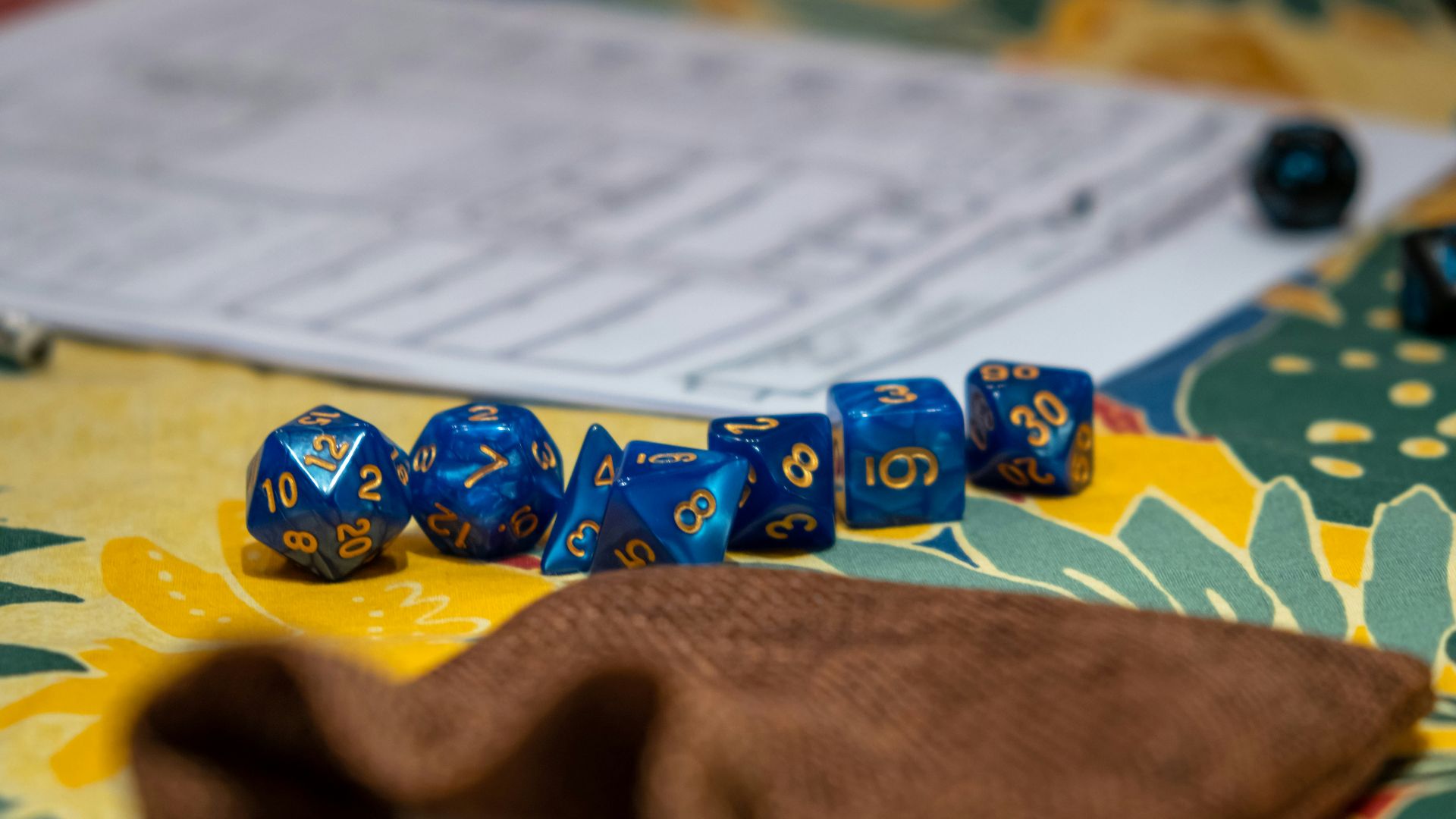
Notes become powerful when they tell you what to do, not just what you saw. Give yourself a simple tagging system that you can use without thinking, like stars for urgent leads, question marks for mysteries, and exclamation points for danger. The symbols work because they’re fast, and D&D rarely gives you the courtesy of a quiet moment to format anything nicely.
After the session, take a few minutes to add a clear follow-up list. Write the next steps your character would actually pursue, and any questions you want to ask at the start of the next game. This small habit turns scattered observations into a plan, and it makes you look like the party’s unofficial strategist without being obnoxious about it.
You can also write a recap before the next session begins. Keep it short: where you are, what just happened, and what’s at stake. You’ll become the kind of player everyone turns to in an emergency, which is its own reward!
Okay, But What About Digital Notetaking?
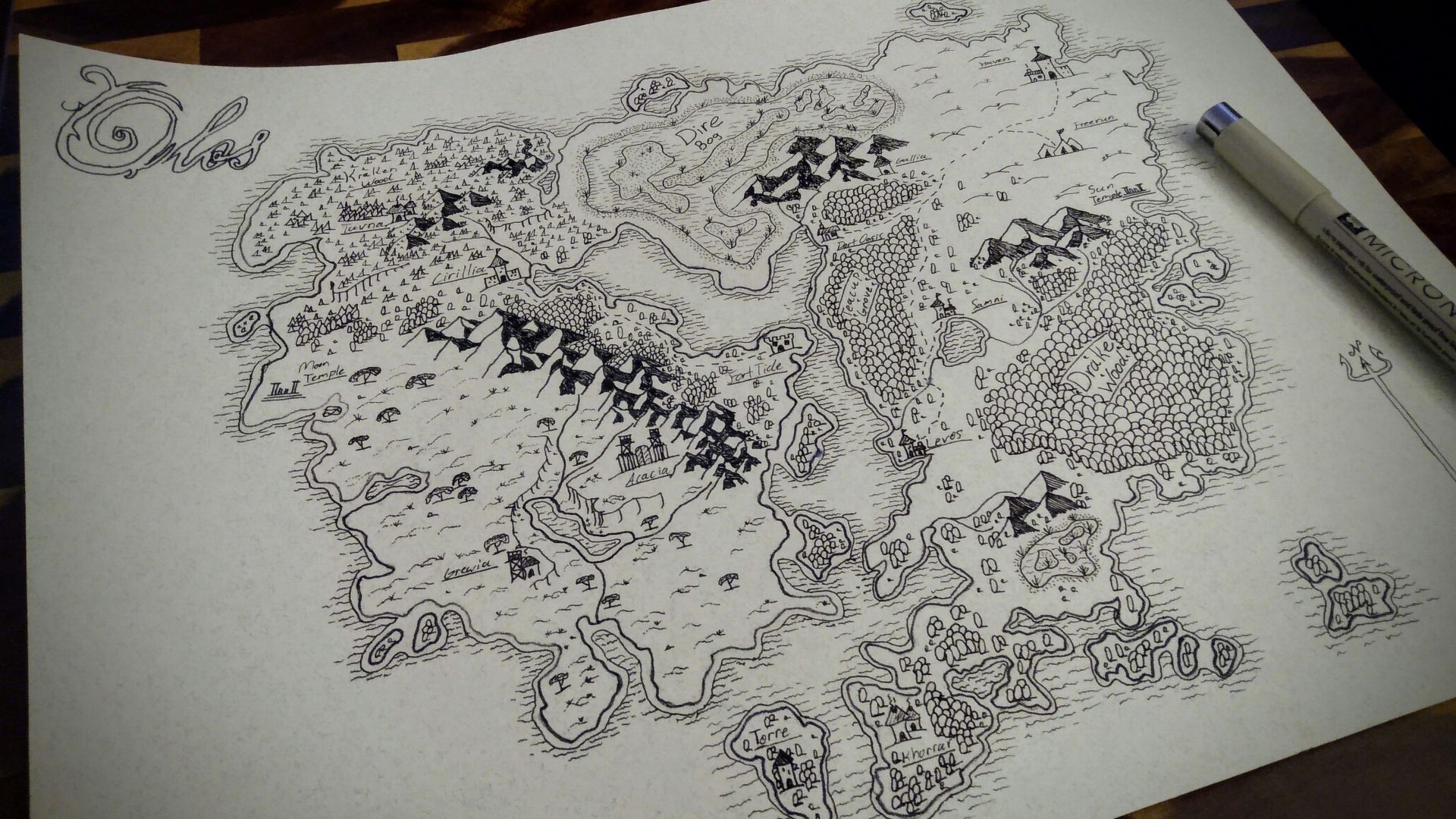
If you play digitally, don’t let the tool decide your system for you. A notes app is fine, but the template still matters more than the platform, so pin your sections at the top and copy them each session. When something feels important mid-scene, drop it into the right bucket with a quick phrase and move on before the spotlight shifts.
At the table, a tiny “party index” can save you from the classic D&D amnesia spiral. Only update your notes when the social landscape changes. When your DM casually mentions a familiar name, you’ll know whether to smile, negotiate, or slowly reach for your dice.
In the end, good Dungeons & Dragons notes come from one reliable habit: using the same structure. When you prioritize decisions, consequences, and clear next steps, your pages stop being a mess and start acting like a compass. Best of all, your notes won’t just record the adventure—they’ll help you steer it.