20 Things Tolkien Fans Will Correct You About Immediately
Middle-earth Comes With a Lot of Fine Print
Getting into Tolkien seems simple enough until you discover that nearly every character, place, object, and historical event comes with several paragraphs of extra context. Fans of The Lord of the Rings and The Silmarillion have spent decades keeping track of family trees, invented languages, ancient wars, and tiny distinctions that casual viewers understandably miss. Say the wrong thing about an eagle, wizard, or glowing tree, though, and someone will probably have the correction ready. Here are 20 things hardcore Tolkien fans are unlikely to let slide.
1. Sauron Isn't the Original Dark Lord
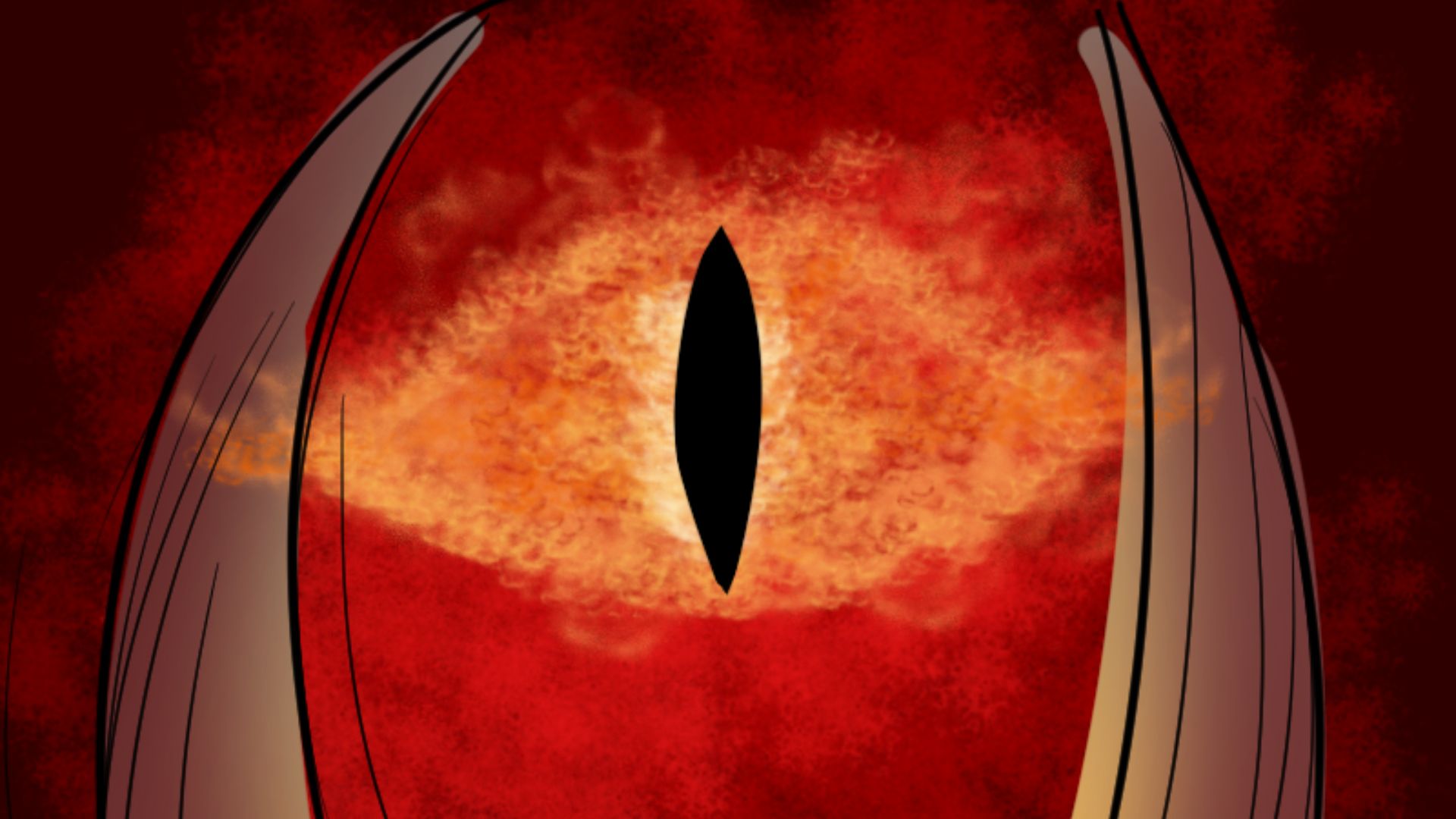
Sauron might be the main villain of The Lord of the Rings, but he wasn't Middle-earth's first great evil. He originally served Morgoth, also known as Melkor, the far more powerful Dark Lord who dominated much of the First Age. Sauron essentially became his master's successor after Morgoth was defeated and cast out of the world.
2. Gandalf Isn't the Most Powerful Wizard
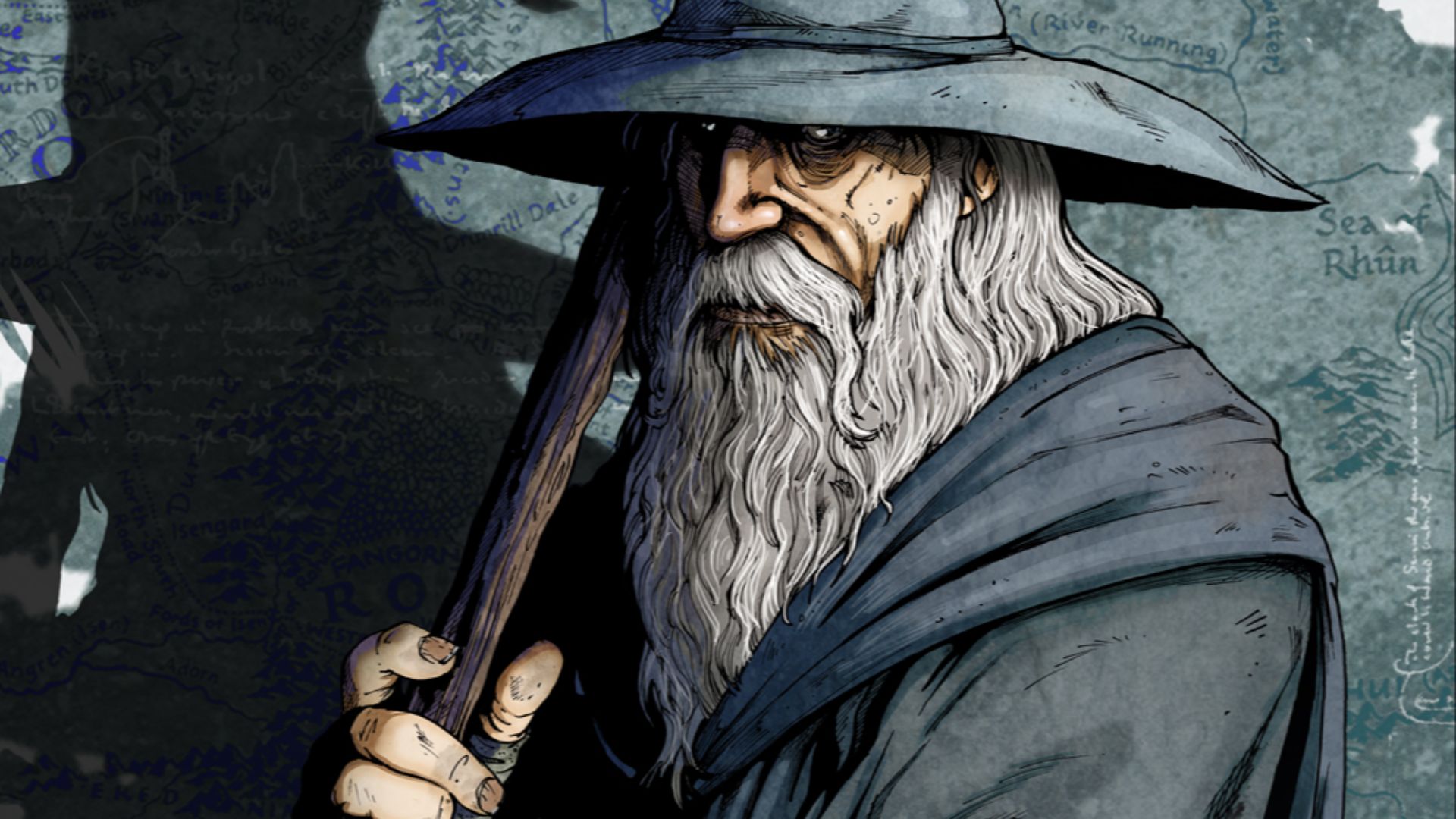
Gandalf may be the hero everyone remembers, but he isn't automatically the strongest of the Istari. Saruman originally held the highest rank among the Wizards and led the White Council before his fall. Gandalf's importance comes less from raw power and more from his wisdom, restraint, and ability to inspire others.
3. The Balrog Isn't Just a Giant Fire Monster
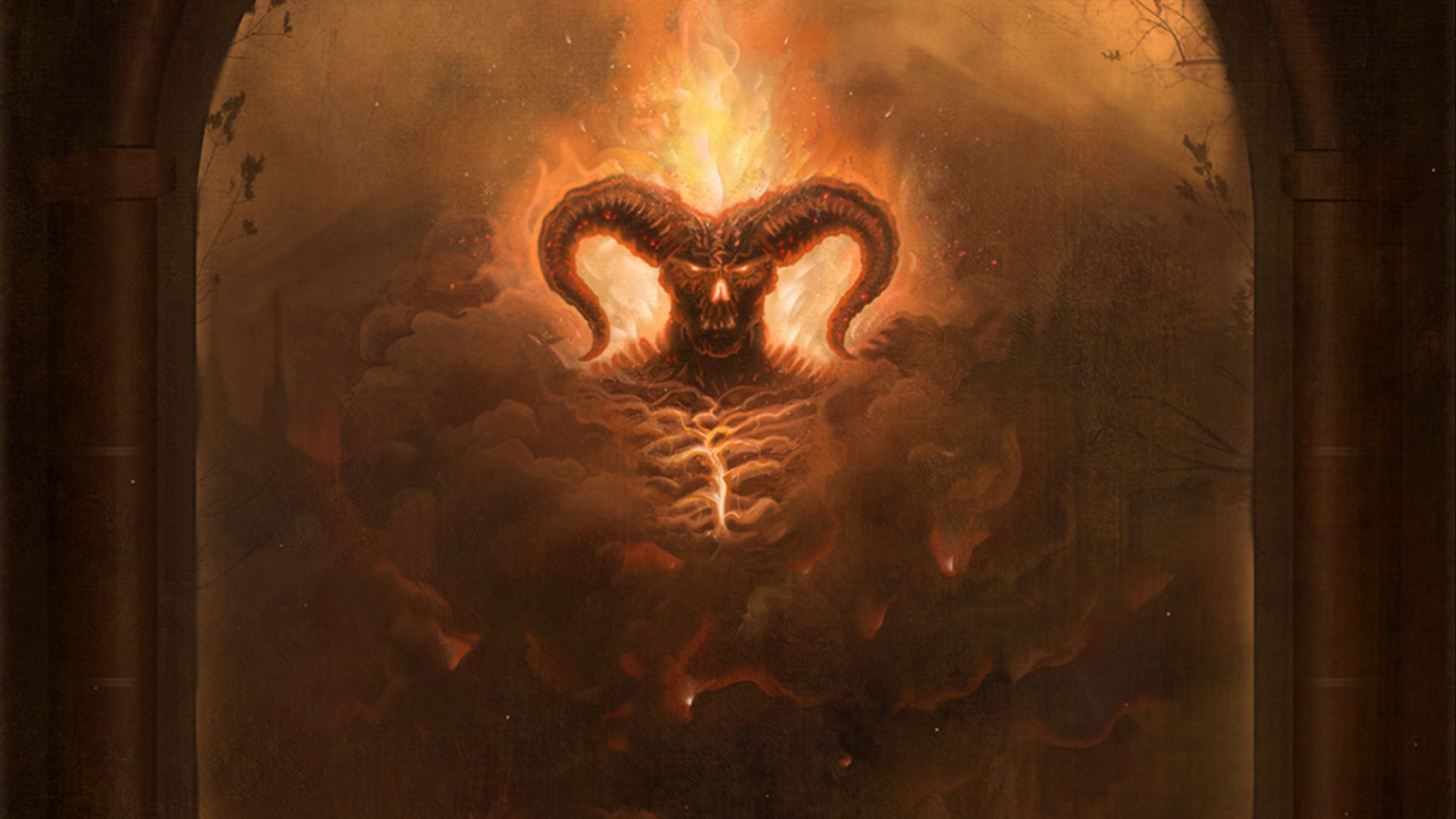
Calling the Balrog a monster technically isn't enough for someone who knows the lore. Balrogs were corrupted Maiar who joined Morgoth during the earliest days of the world, meaning they're the same broad order of supernatural being as Gandalf. That makes their confrontation in Moria a little more significant than wizard versus random cave creature.
 Álvaro Fernández González on Wikimedia
4. Aragorn Is Way Older Than He Looks
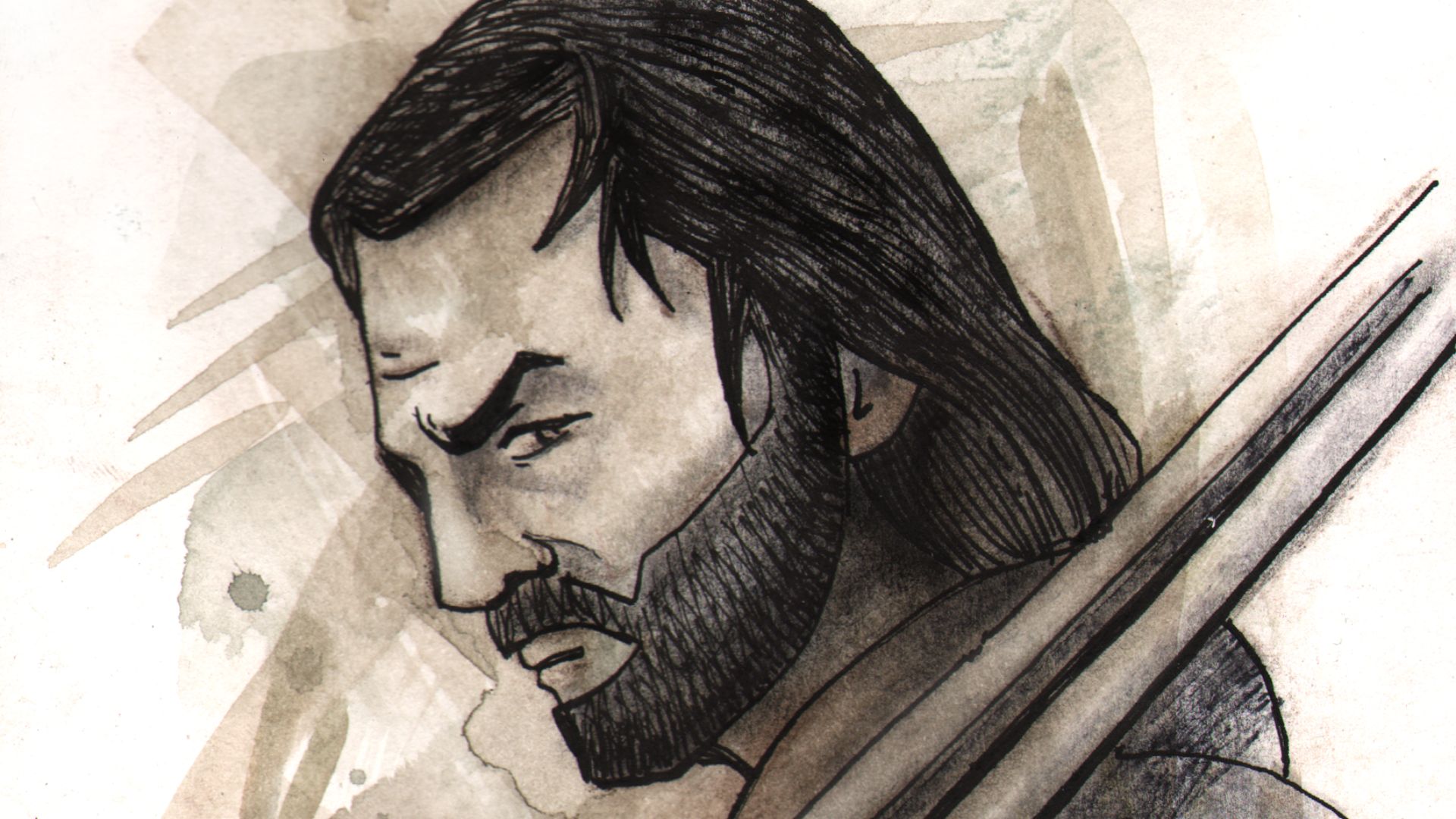
It's easy to assume Aragorn is somewhere around his forties when The Lord of the Rings begins, but he's actually 87 when he meets Frodo. His unusually long lifespan comes from his Númenórean ancestry through the Dúnedain. He eventually lives to the age of 210, so middle age works a little differently for him.
5. Legolas' Age Is Never Actually Given
You'll sometimes see very specific ages assigned to Legolas online, but Tolkien never clearly tells us when he was born. We know he's been around long enough to consider the other members of the Fellowship relatively young, but that's about it. Elves are immortal, so the answer could really be anything.
6. There Aren't Just Three Elven Rings
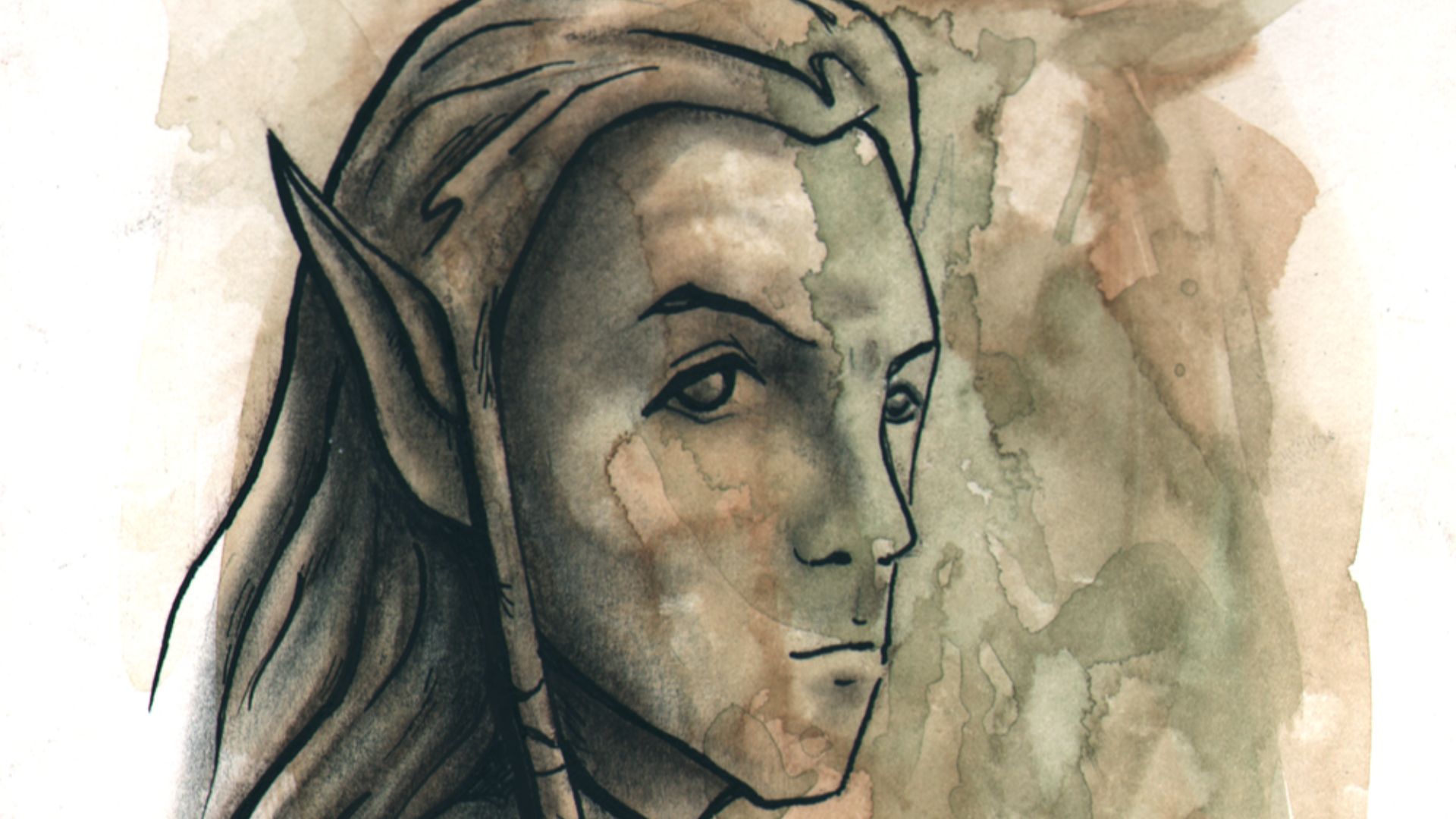
People often hear about the three Elven Rings and assume those were the only important Rings of Power besides the One Ring. In reality, the famous verse mentions three for the Elves, seven for the Dwarf-lords, and nine for mortal Men, along with the One Ring created by Sauron. There were also lesser rings made during the Elves' experiments with ring-making.
7. Sauron Didn't Make Every Ring of Power
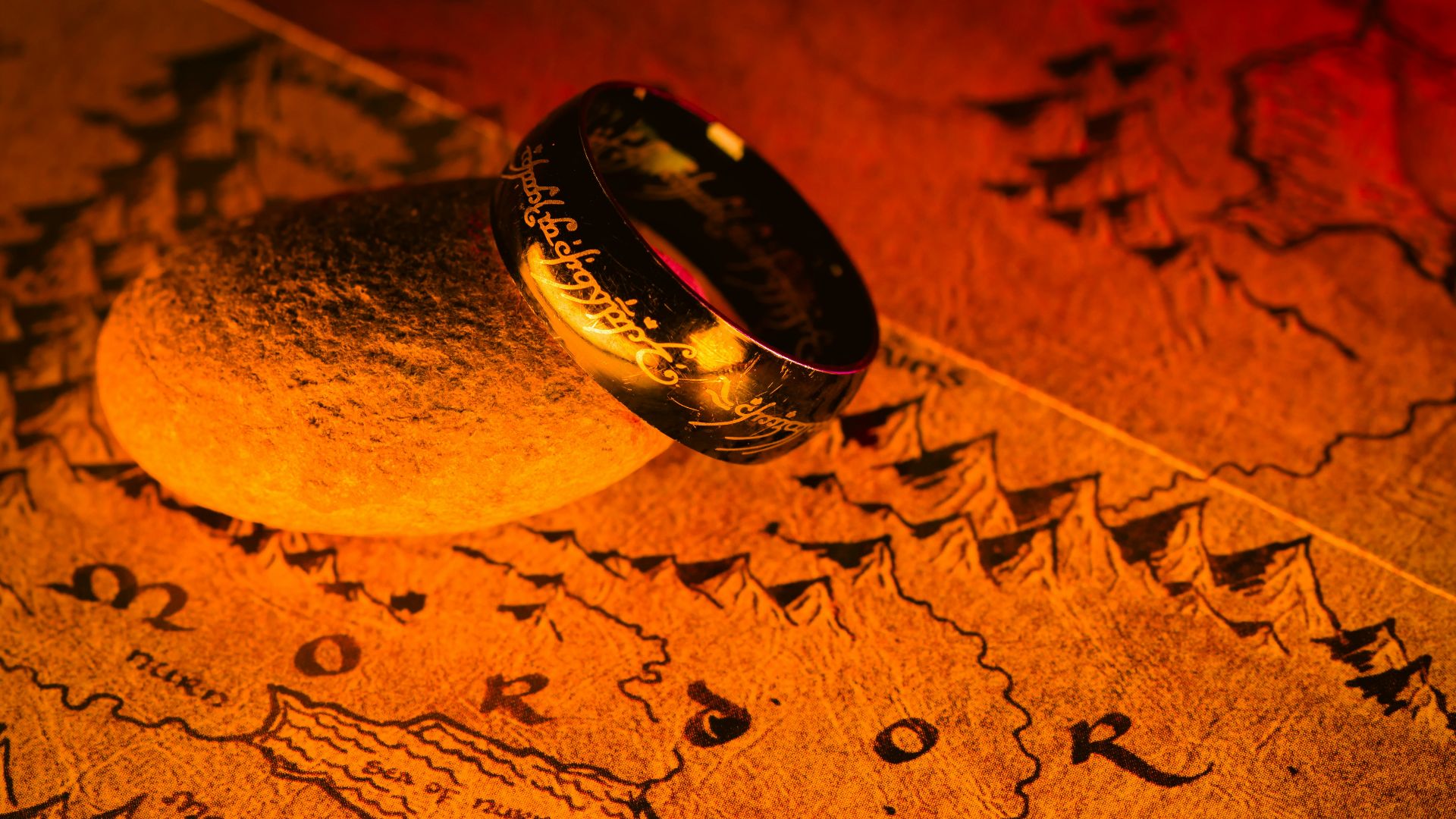
Sauron taught the Elven smiths of Eregion much of what they knew about creating the Rings of Power, but he didn't personally forge all of them. Celebrimbor made the Three Elven Rings without Sauron's direct involvement. Sauron secretly forged the One Ring himself in Mount Doom so he could dominate the others.
8. The One Ring Doesn't Simply Make Everyone Invisible
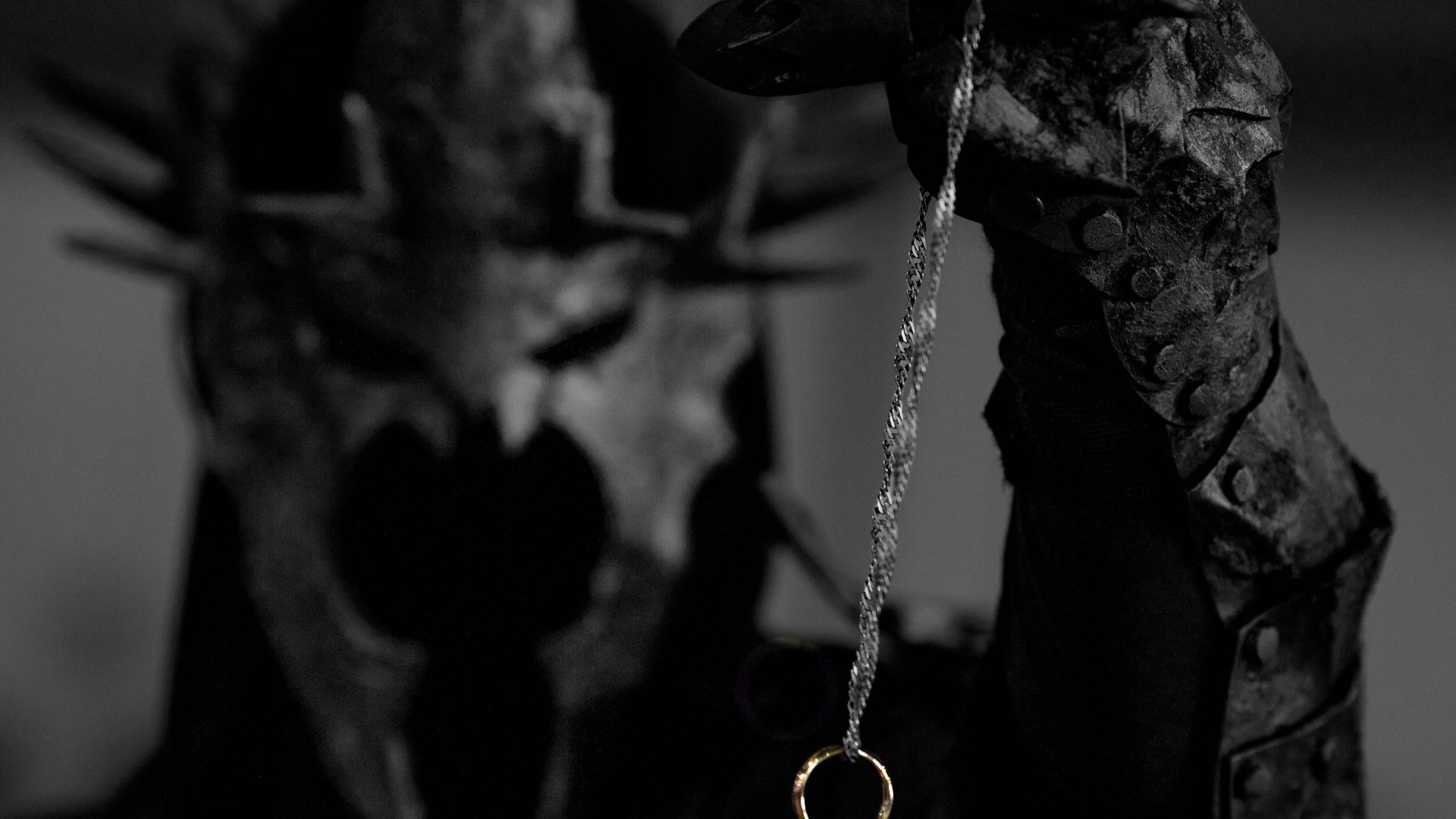
The Ring's invisibility effect is particularly noticeable when mortals like Frodo and Bilbo wear it because it draws them into the unseen realm. Powerful beings wouldn't necessarily experience the Ring in the same way. Its greater purpose was domination and the enhancement of a bearer's existing power, not providing a convenient invisibility trick.
9. Shelob Isn't Just a Giant Spider
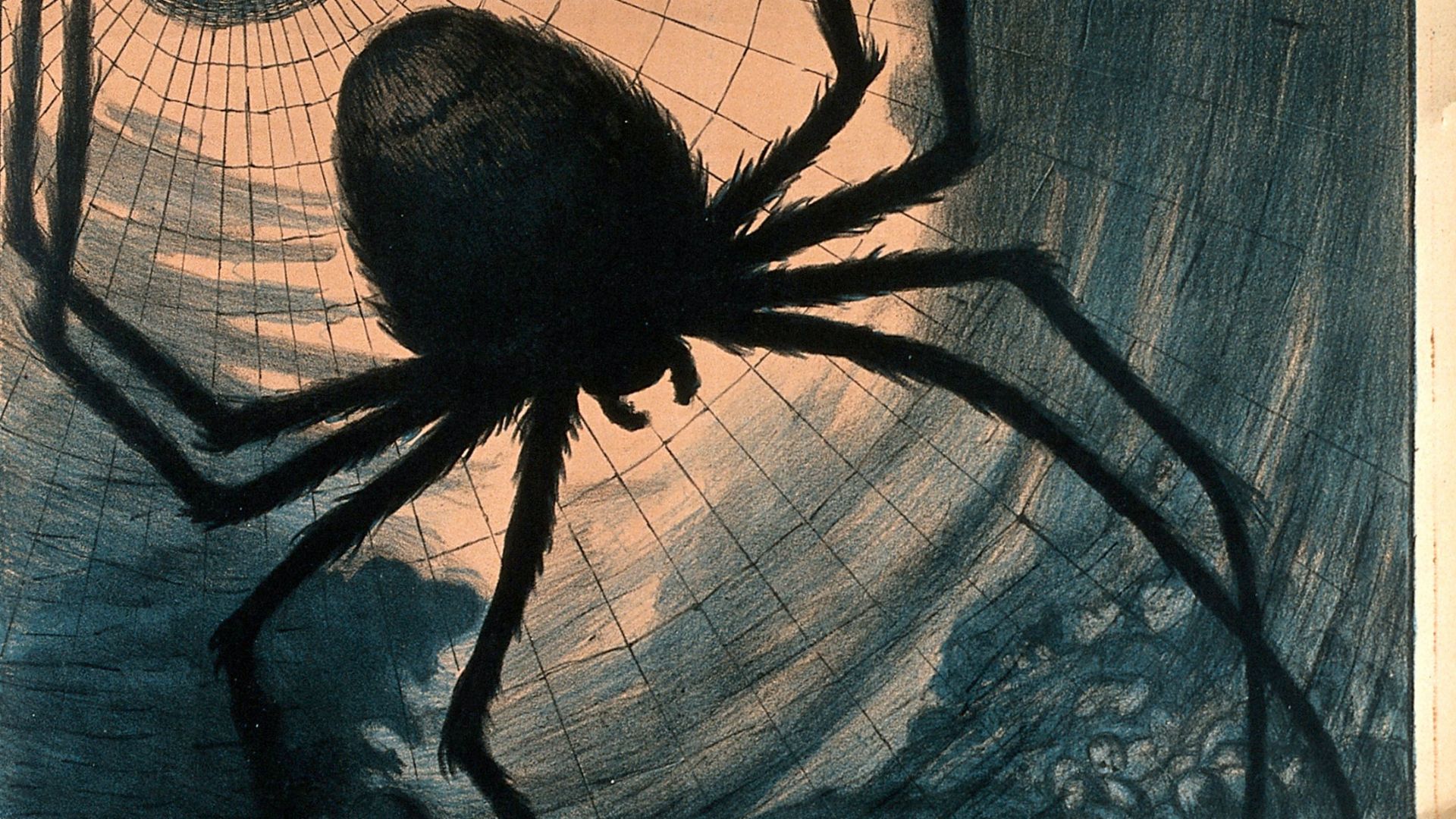
Shelob looks like an enormous spider, but Tolkien gives her a much stranger background. She's a descendant of Ungoliant, the ancient creature that helped Morgoth destroy the Two Trees of Valinor. That connection makes Shelob part of a much older and darker history than her appearance in The Lord of the Rings might suggest.
10. The Eagles Couldn't Simply Fly Everyone to Mordor
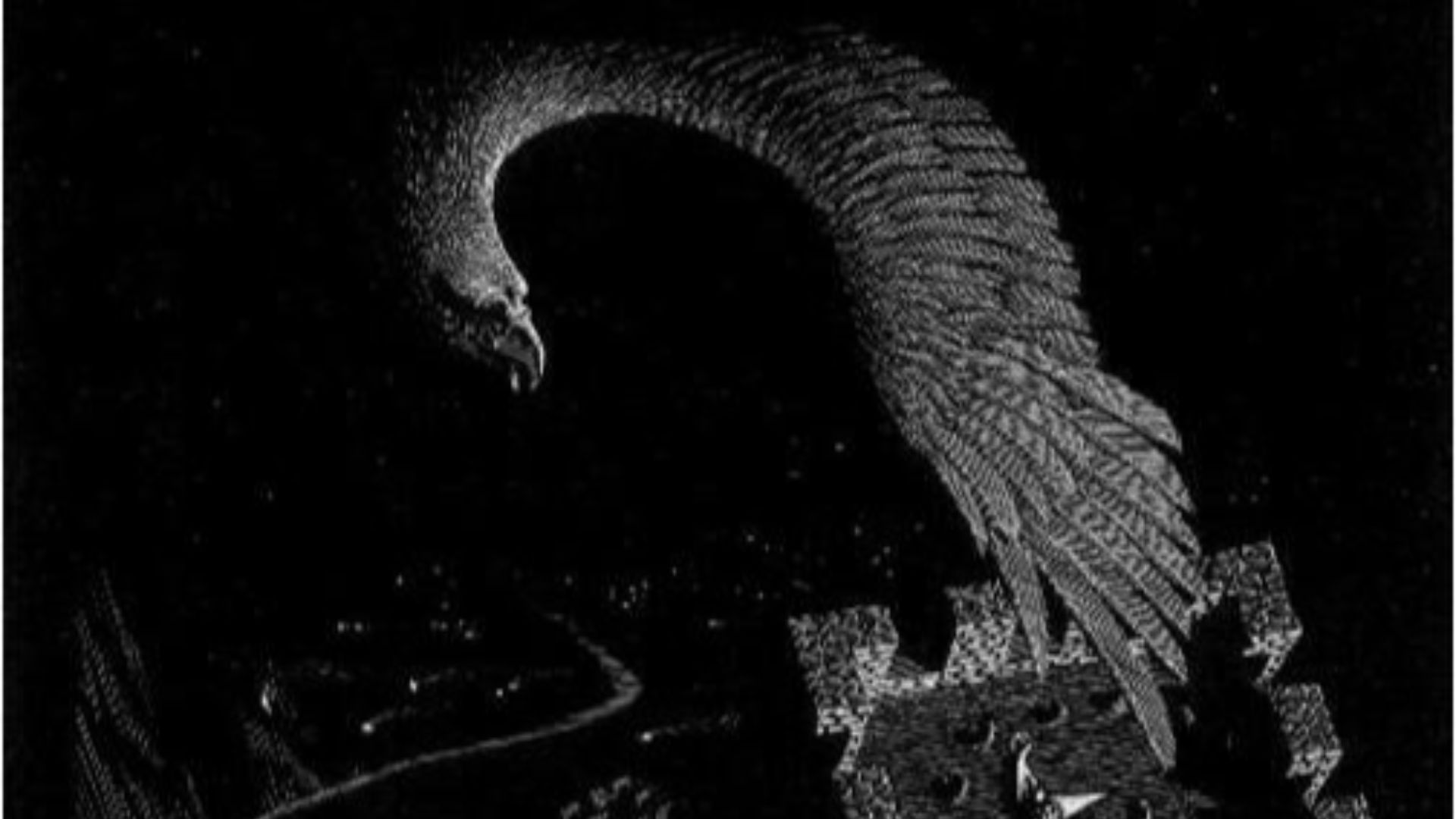
Mentioning the Eagles and why they couldn't just give Frodo a lift to Mordor is one of the fastest ways to start a Tolkien debate. They're intelligent, independent beings, not giant taxis waiting for Gandalf's instructions, and flying openly into Mordor would have exposed the Ring-bearer to enemies and Sauron's attention. The entire mission depended heavily on secrecy, which a group of enormous Eagles approaching Mount Doom wouldn't exactly provide.
 Александр Коротич on Wikimedia
11. Aragorn Isn't the Last Heir of Isildur
Aragorn is the most famous descendant of Isildur, but he isn't literally the final person in that bloodline. He eventually has a son, Eldarion, with Arwen, and the royal line continues through him. Calling Aragorn the “last heir of Isildur” sounds dramatic, but Tolkien's family trees make it clear who's who.
12. Gollum Was a Hobbit, More or Less
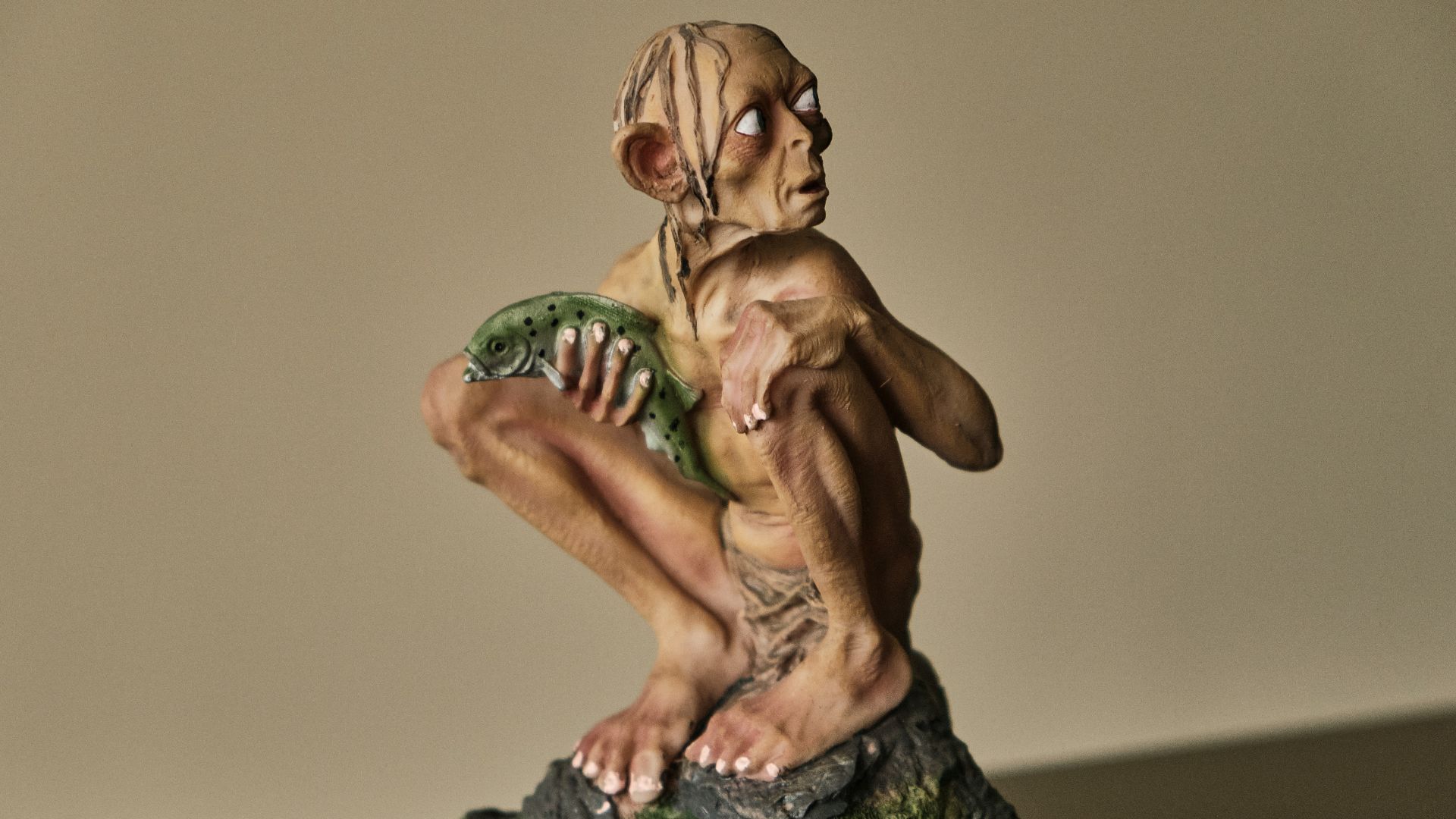
Gollum wasn't always a mysterious cave creature. He began life as Sméagol, a member of a Hobbit-like people related to the Stoors. Centuries of possessing the Ring gradually twisted his body and mind until very little about him resembled the person he had once been.
13. "Hobbit" & "Halfling" Aren't Different Species
You'll occasionally hear Halflings discussed as though they're separate from Hobbits, but they're simply different names for the same people. "Hobbit" is the term they use themselves, while other peoples often call them Halflings. Tolkien also gives them older names in different languages because one name for anything would apparently have been far too easy.
14. Saruman Wasn't Always Evil
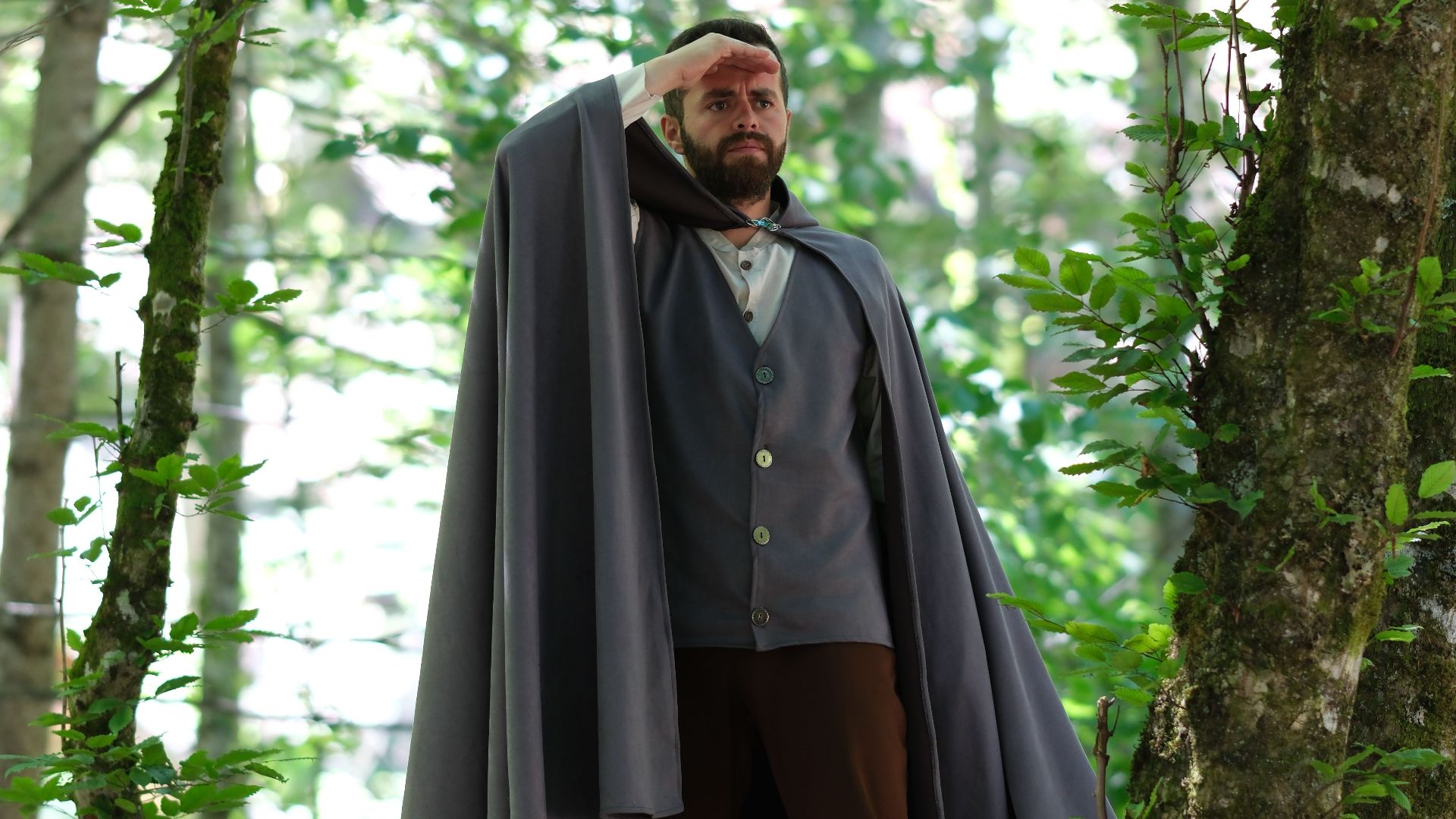
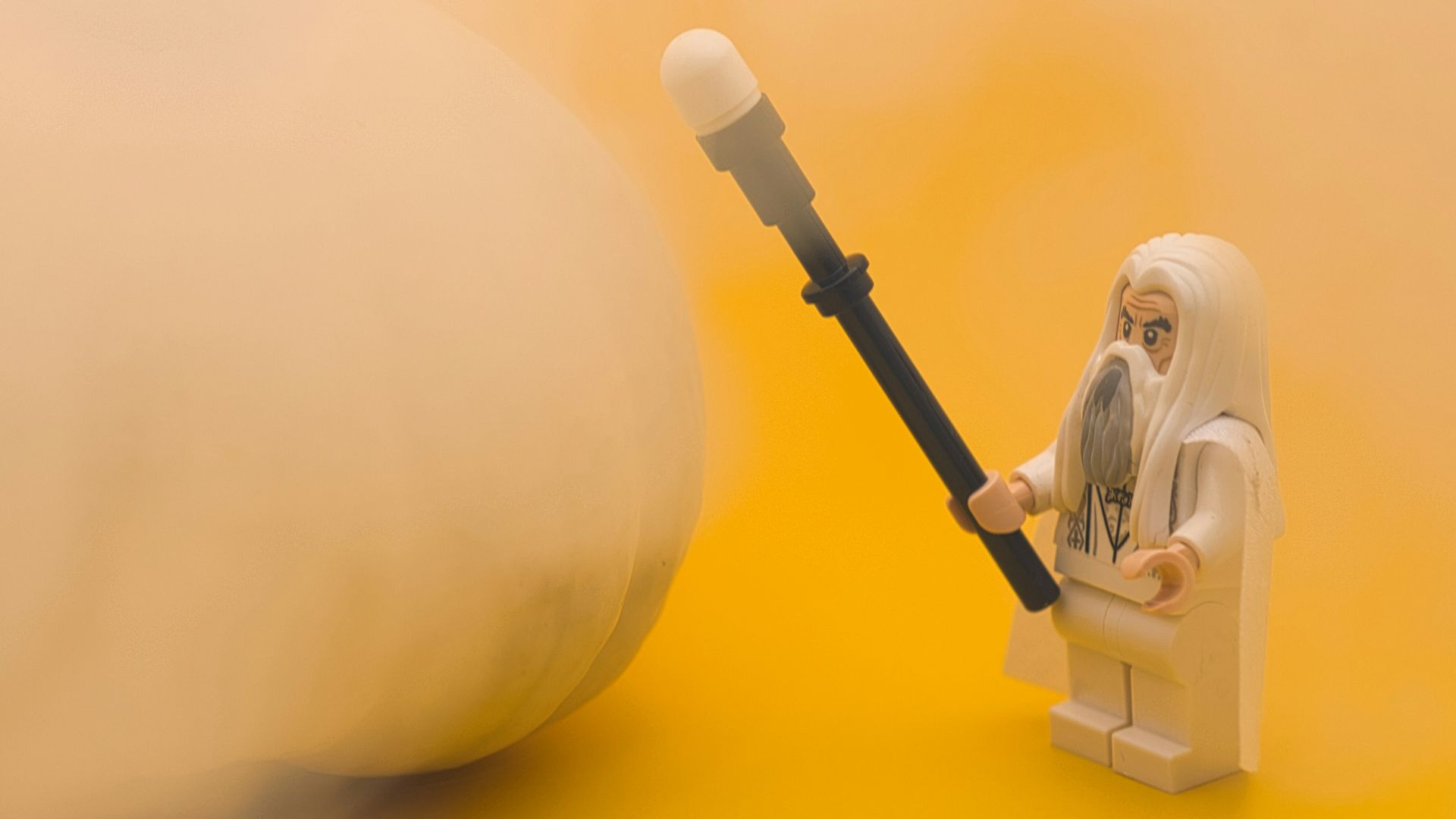
Saruman arrived in Middle-earth as one of the Istari and originally shared the mission of opposing Sauron. Over time, pride, jealousy, and his fascination with the Rings of Power pushed him toward betrayal. By the events of The Lord of the Rings, he's trying to build power for himself rather than simply functioning as Sauron's loyal employee.
15. Orcs & Uruk-hai Aren't the Same Thing
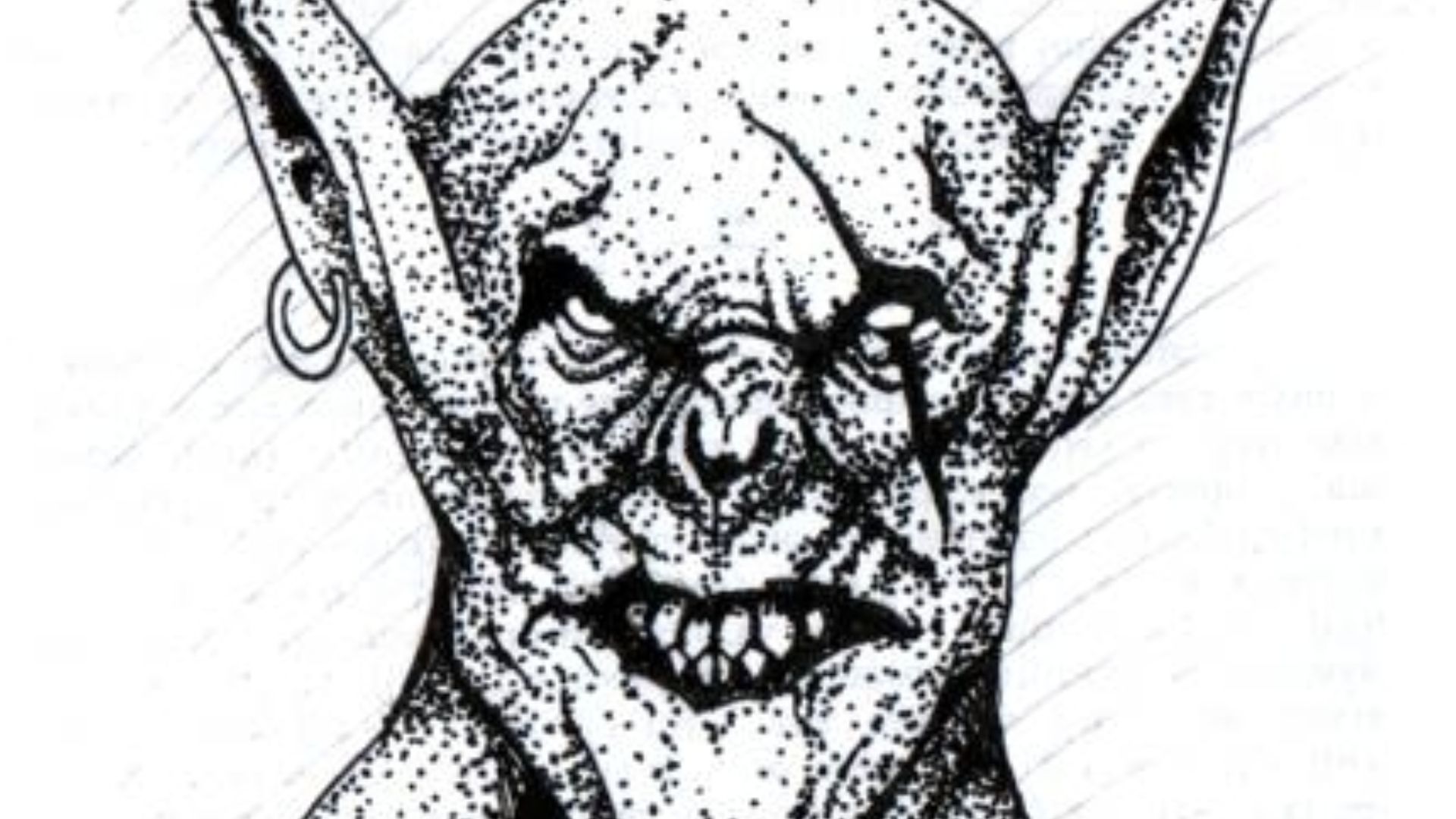
Uruk-hai are Orcs, but not every Orc is an Uruk-hai. "Uruk" refers to particularly large and powerful Orcs, with Sauron's forces containing Uruks well before Saruman's army entered the story. Saruman's Uruk-hai became especially famous, but he didn't invent the concept of a stronger Orc from scratch.
16. Elves Aren't Automatically Immortal in Every Sense
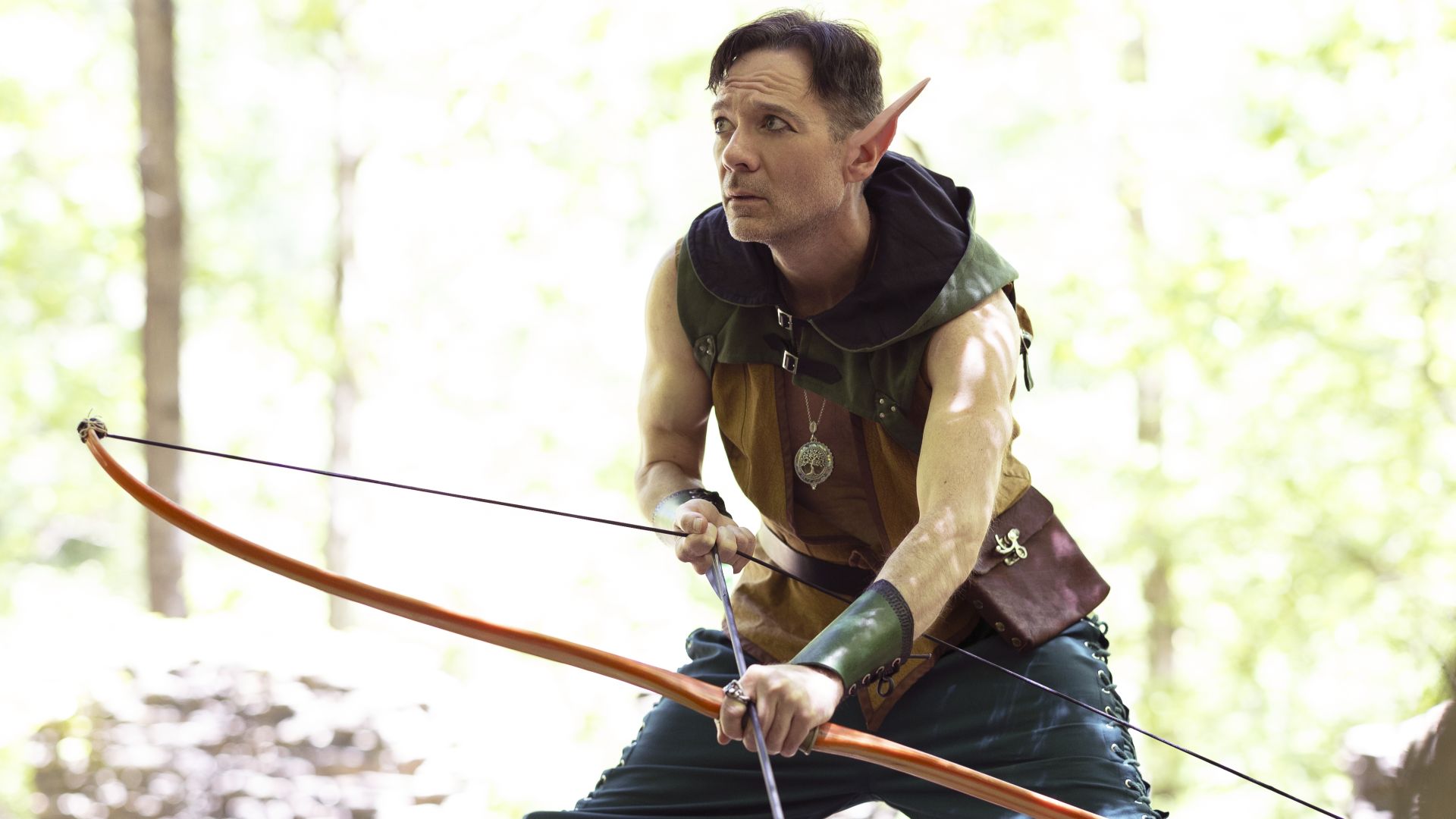
Tolkien's Elves don't die naturally from old age, which is why they're commonly described as immortal. However, they can still be killed, and extreme grief can also lead to death. Their spirits remain tied to the world, making Elven immortality considerably more complicated than simply being impossible to kill.
17. Númenor Isn't Atlantis, Exactly
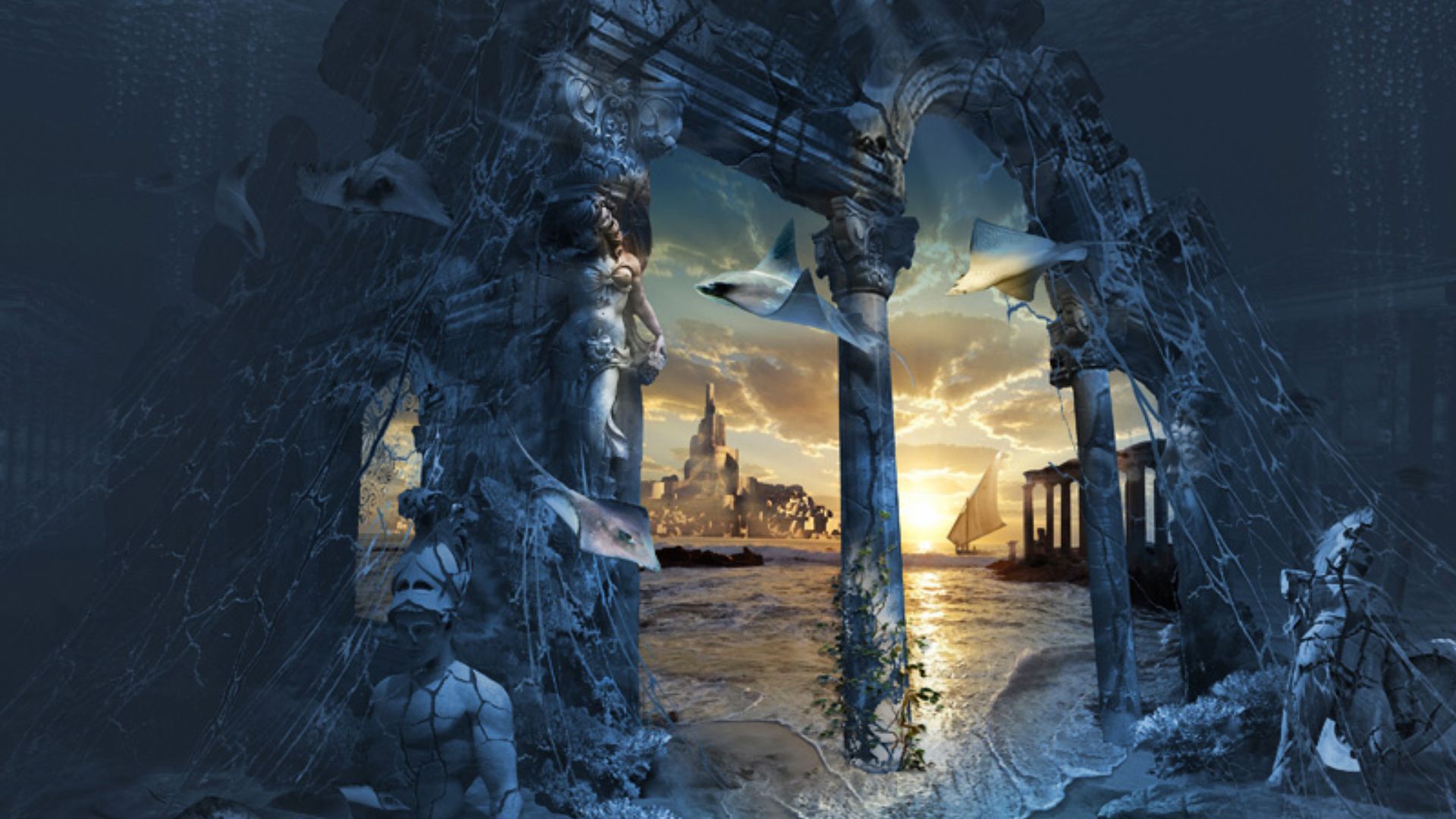
The similarities are very deliberate, but Númenor is still its own place within Tolkien's mythology. It was a powerful island kingdom of Men that eventually sank beneath the sea after its rulers attempted to defy the restrictions placed upon mortals. Tolkien even used the Quenya name "Atalantë" for the fallen island, so he wasn't exactly hiding the connection.
18. The Silmarils Aren't Rings
The Silmarils are arguably among the most important objects in Tolkien's wider mythology, but they have nothing to do with jewelry you wear on your hand. They're three radiant jewels created by the Elf Fëanor using the light of the Two Trees of Valinor. The wars, betrayals, and tragedies surrounding them drive a huge portion of the posthumously published collection of Tolkien stories, The Silmarillion.
19. Middle-earth Isn't the Name of the Entire World
Middle-earth refers to a region of Tolkien's fictional world, not the whole planet. The world itself is generally called Arda, while Middle-earth is the continent where most of the familiar stories unfold. Calling the whole setting Middle-earth is common shorthand, but lore-focused fans know there's much more beyond it.
20. Tolkien Didn't Write Only Three Major Books
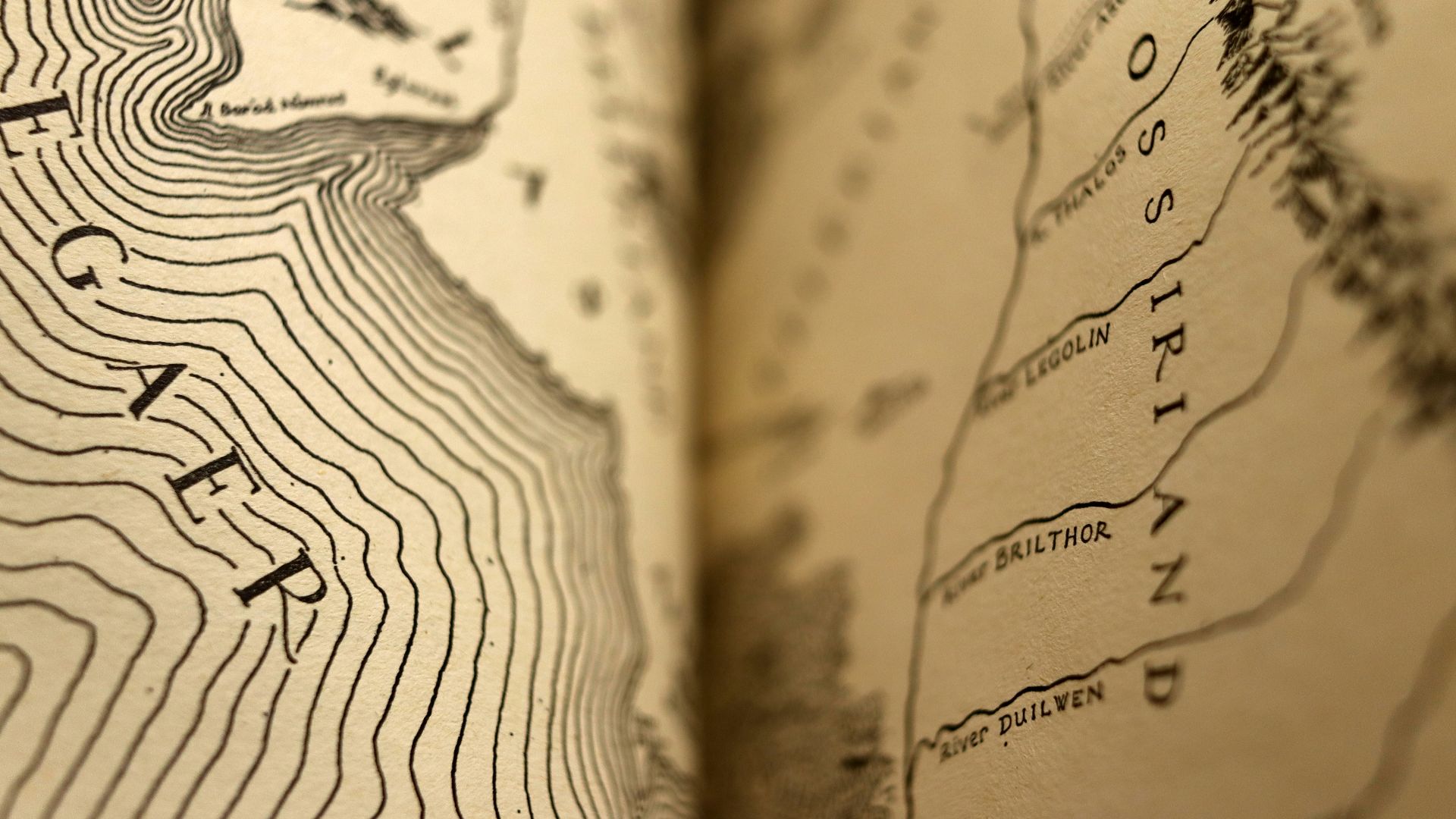
If you only know The Hobbit and The Lord of the Rings trilogy, you've barely entered the library. Tolkien was a prolific writer who left behind a huge amount of material about the wider history of Arda. The Silmarillion, Unfinished Tales, and the multi-volume History of Middle-earth reveal just how enormous the mythology became.