The Future Showed Up on Schedule
Science fiction has been off the mark plenty of times. We still don't have flying cars, and the Mars colonies are running well behind schedule. Then there are the predictions that landed so precisely they read like a leaked product roadmap. Some came from famous novels, while others came from comic strips and forgotten pulp stories. Here's 20 things science fiction predicted that came true.
1. Gas-Powered Cars and Fax Machines
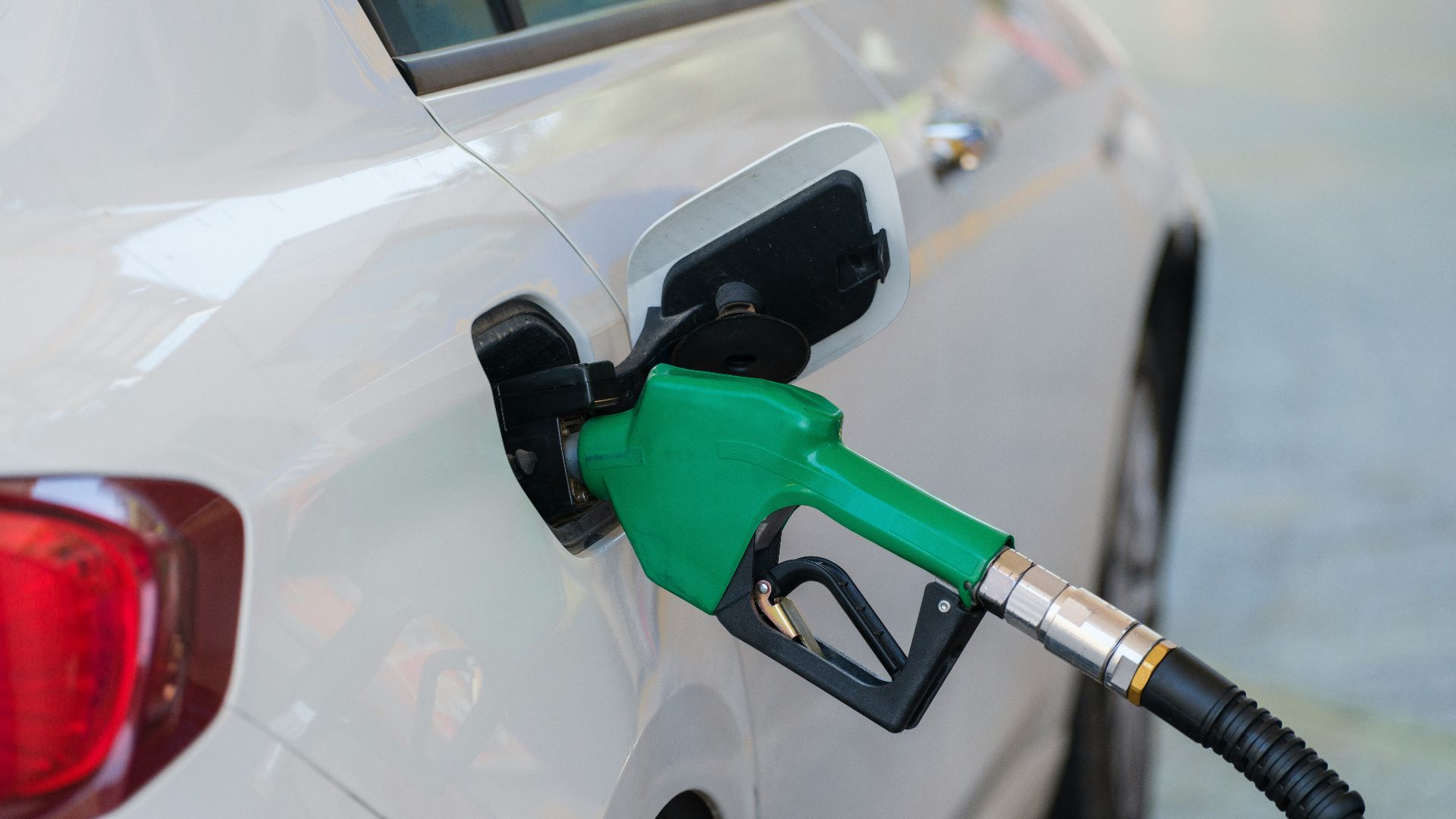
Jules Verne wrote Paris in the Twentieth Century in 1863, and his publisher rejected it as too gloomy to sell. The manuscript sat in a family safe until his great-grandson found it in 1989. It describes gas-powered cars and a network sending images over telegraph wires, close enough to a fax machine to be unsettling.
2. A Moon Launch From Florida
Verne's From the Earth to the Moon, published in 1865, sends three men to the moon from a launch site in Florida. In the sequel, their capsule splashes down in the Pacific Ocean. Apollo 11 launched from Florida with a crew of three in 1969 and splashed down in the Pacific eight days later.
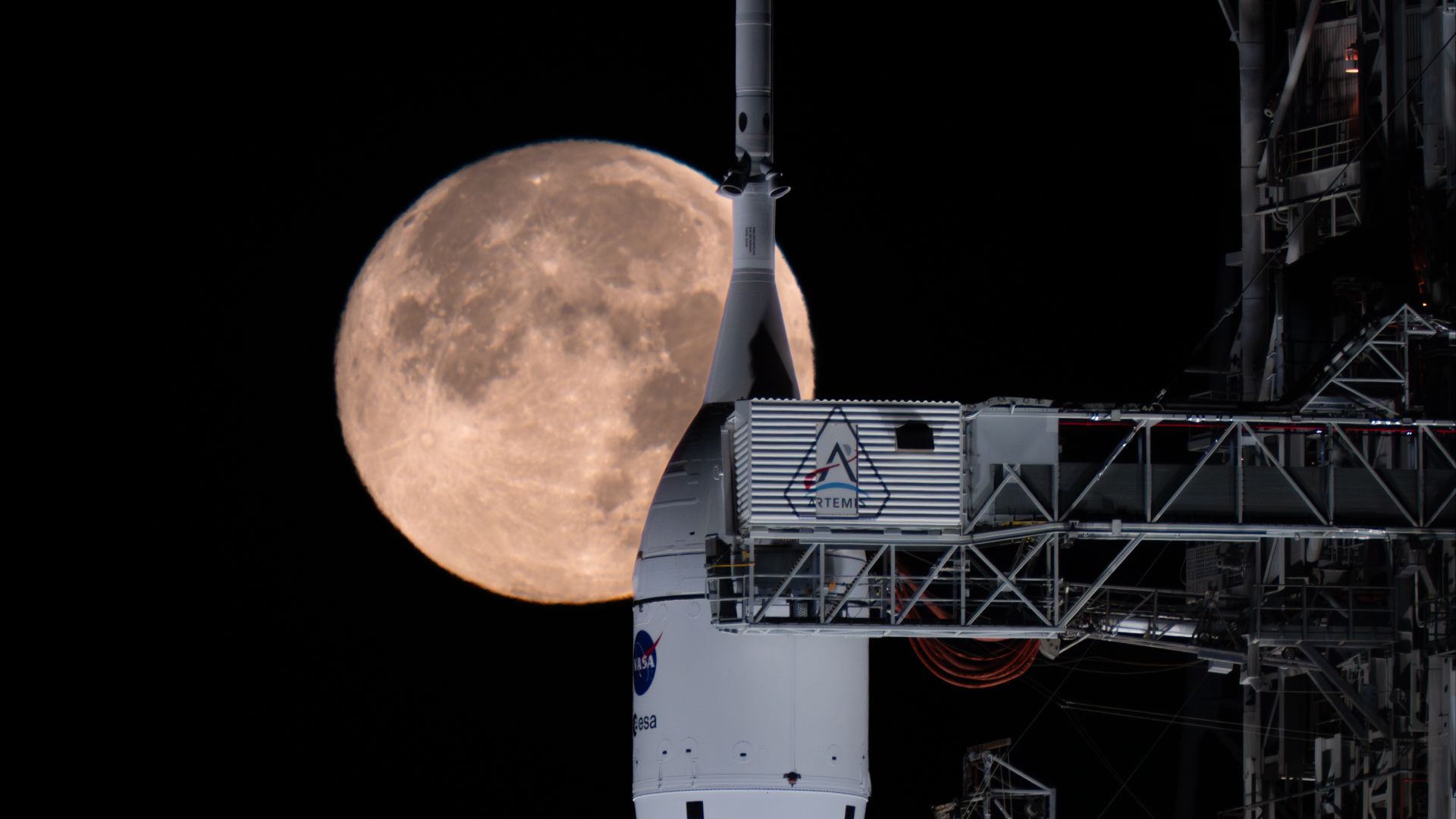 NASA Marshall Space Flight Center / NASA/Brandon Hancock on Wikimedia
3. Credit Cards
Diners Club launched the first general-purpose charge card in 1950. Edward Bellamy had named the idea 62 years earlier in Looking Backward, his 1888 novel about Boston in the year 2000. Citizens in his future carry a card that draws on their share of the national product, and he called it a credit card.

4. A Worldwide Video Network
Mark Twain published a short story in 1898 about the telelectroscope, a device hooked into the global phone system. Anyone with one could watch events on the other side of the planet in real time, which sounds like the internet with livestreaming built in. The plot turns on a man convicted of murder who uses the device to show his supposed victim alive and well in China.
5. The Laser
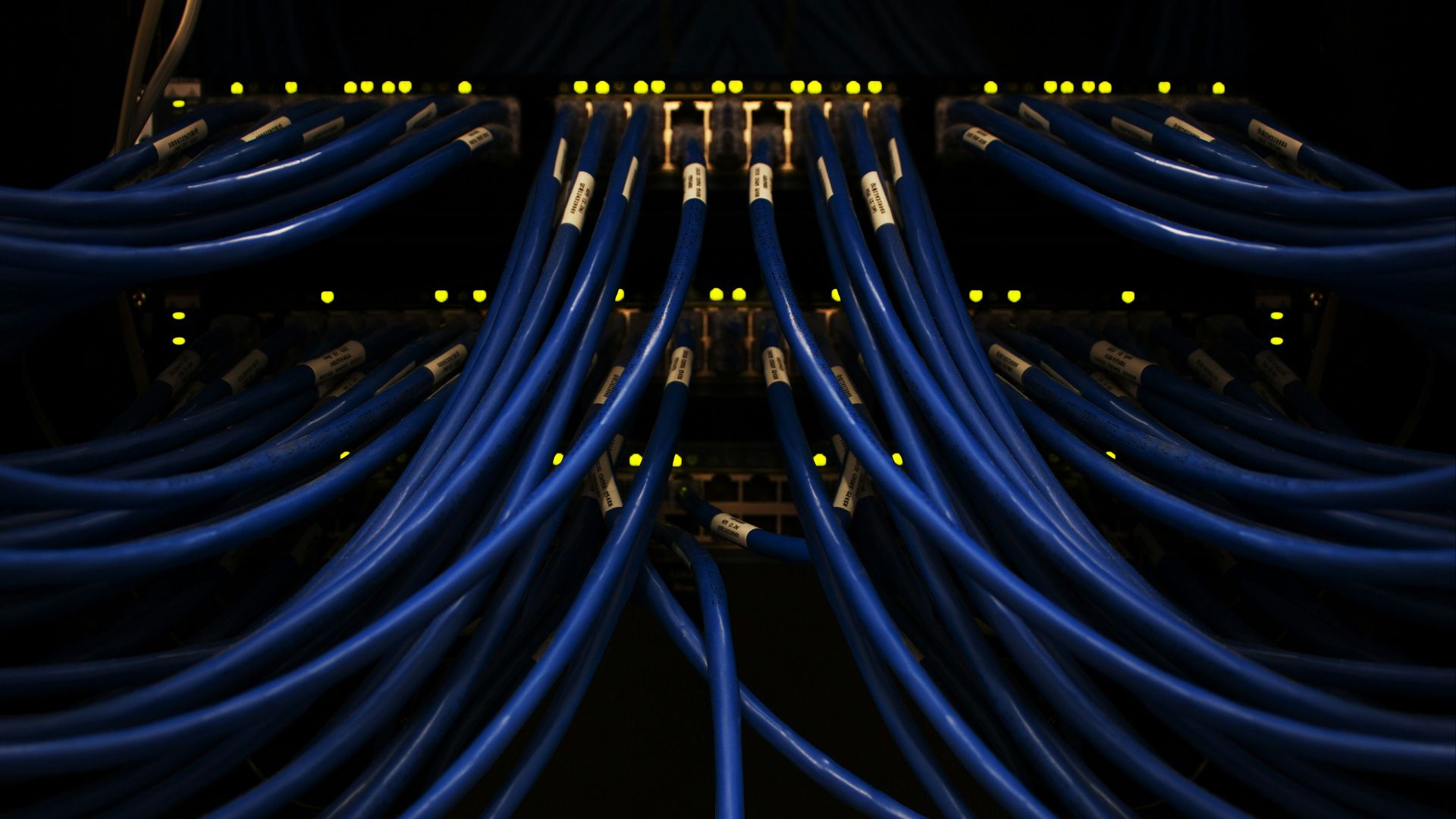
The Martians in H.G. Wells' The War of the Worlds in 1898 burn through armies with a focused beam he called the heat-ray. Theodore Maiman built the first working laser at Hughes Research Laboratories in 1960. Early lasers were far too weak for warfare, and today they read barcodes at the grocery store.
6. Living on Video Calls
E.M. Forster's 1909 story The Machine Stops shows people living alone in underground rooms, talking to each other through glowing screens. Meeting in person strikes most of them as slightly distasteful. The story ends with the Machine breaking down on a population that no longer knows how to live without it.

7. The Taser
NASA researcher Jack Cover grew up reading Tom Swift and His Electric Rifle, a 1911 adventure novel for boys. Decades later he built a stun gun that fired electrified darts. He named it TASER, short for Thomas A. Swift's Electric Rifle, and added the middle initial so the acronym would work.
8. Radar
Hugo Gernsback serialized his novel Ralph 124C 41+ in his magazine Modern Electrics starting in 1911. One scene describes bouncing pulsed waves off a distant object to find where it is. Working radar systems showed up in the 1930s and helped the Royal Air Force spot incoming German bombers during the Battle of Britain.
9. The Atomic Bomb
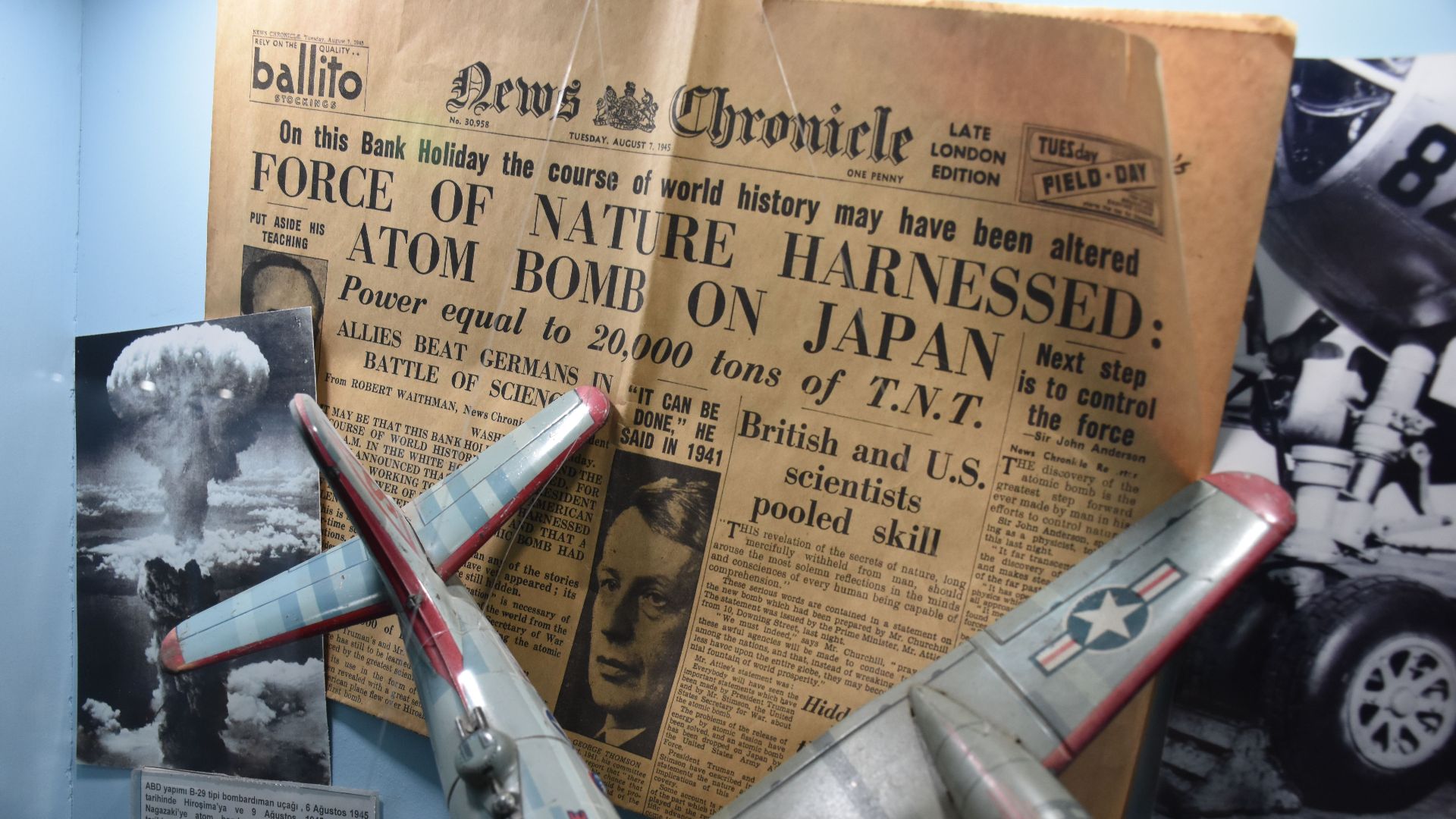
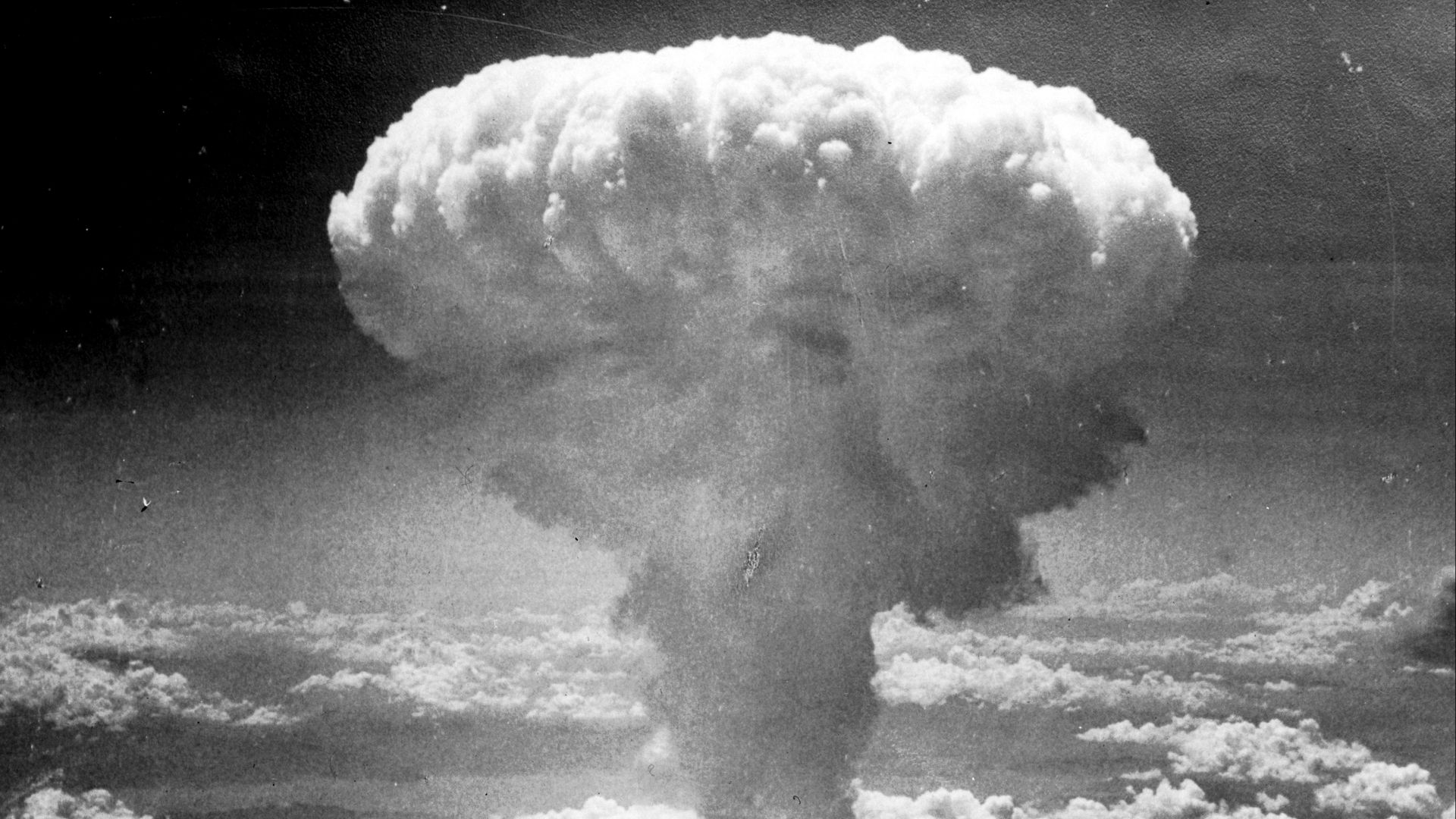
Wells used the phrase atomic bombs in his 1914 novel The World Set Free, describing weapons that kept exploding for days. Physicist Leo Szilard read the book in 1932. A year later he came up with the idea of a nuclear chain reaction and went on to help push the United States toward building the bomb.
10. Test-Tube Babies
Aldous Huxley's Brave New World in 1932 opens in a hatchery where humans are fertilized and grown in bottles. Louise Brown, the first baby conceived through in vitro fertilization, was born in England in 1978. IVF stopped well short of Huxley's assembly line, and millions of babies have been born through it since.

11. Rockets That Land on Their Tails
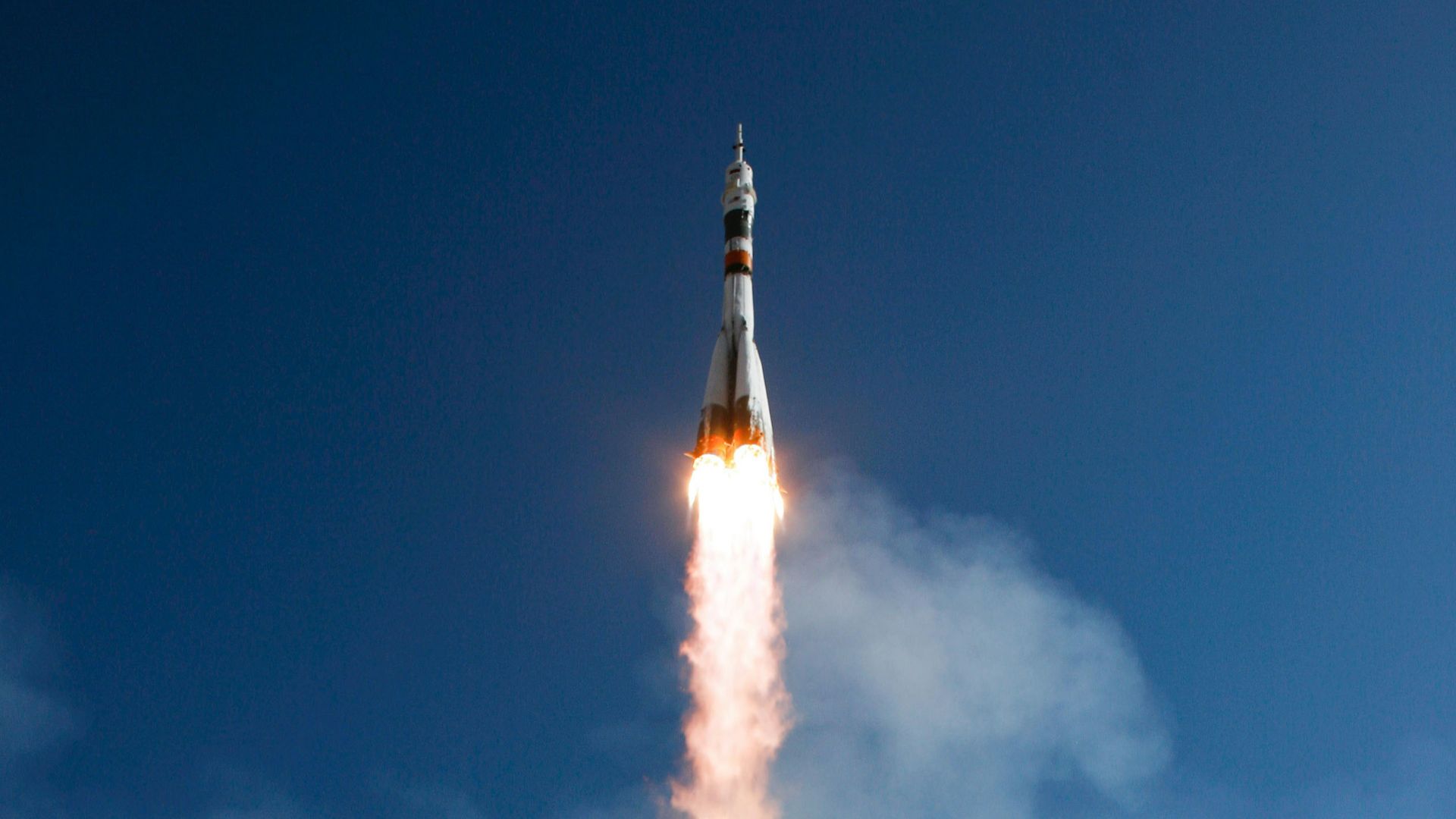
Pulp magazine covers in the 1930s and 1940s loved showing rocket ships settling back to the ground upright on columns of flame. For most of the space age, real boosters were thrown away after a single flight. SpaceX landed a Falcon 9 first stage upright in December 2015, and booster landings are now close to routine.
12. Smartwatches
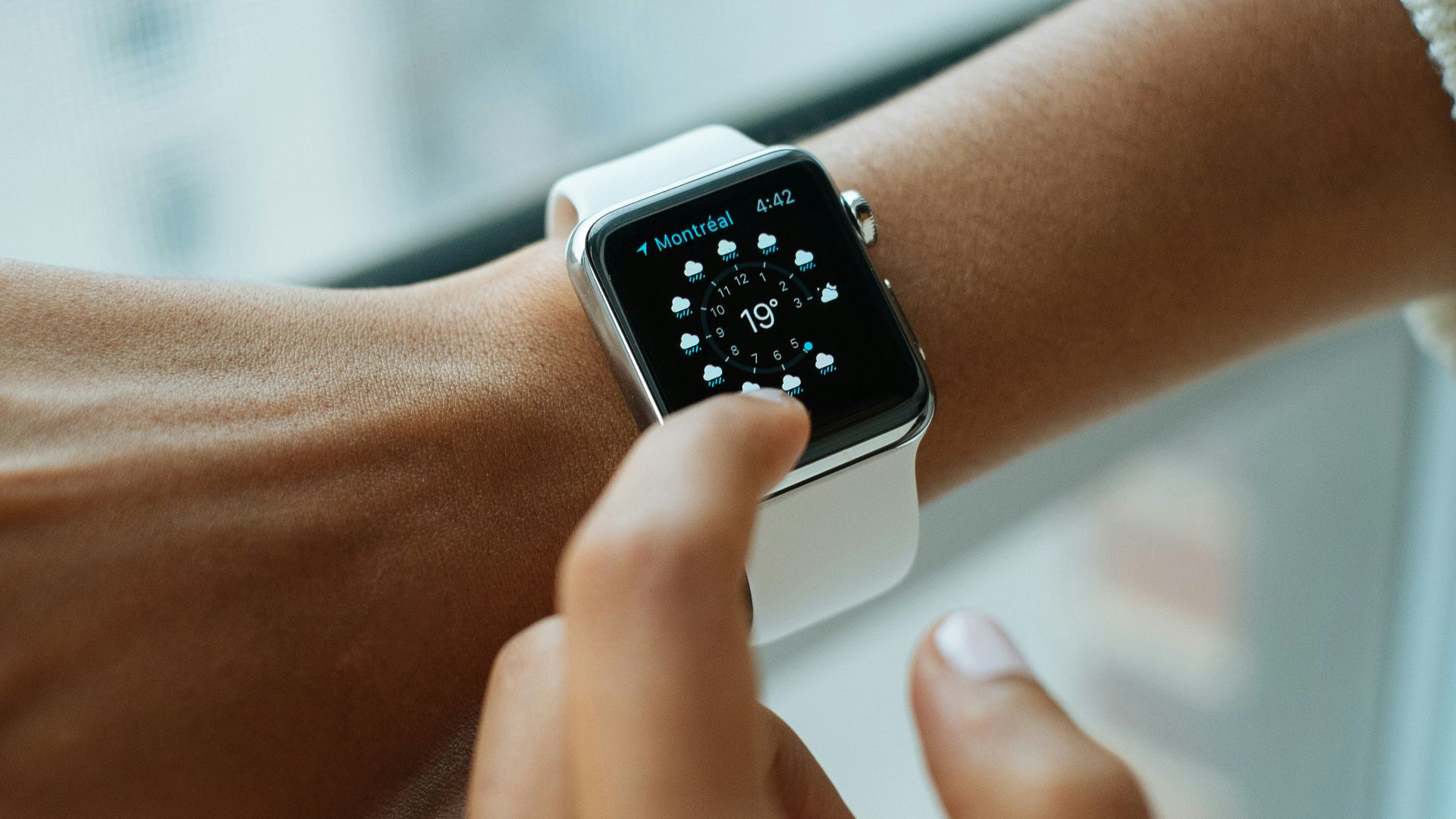
Dick Tracy started talking into a two-way wrist radio in 1946, when Chester Gould added one to the comic strip. The detective used it to call headquarters from crime scenes. Smartwatches with calling built in reached the mass market in the mid-2010s, almost 70 years after Tracy's first call.
13. TVs That Listen
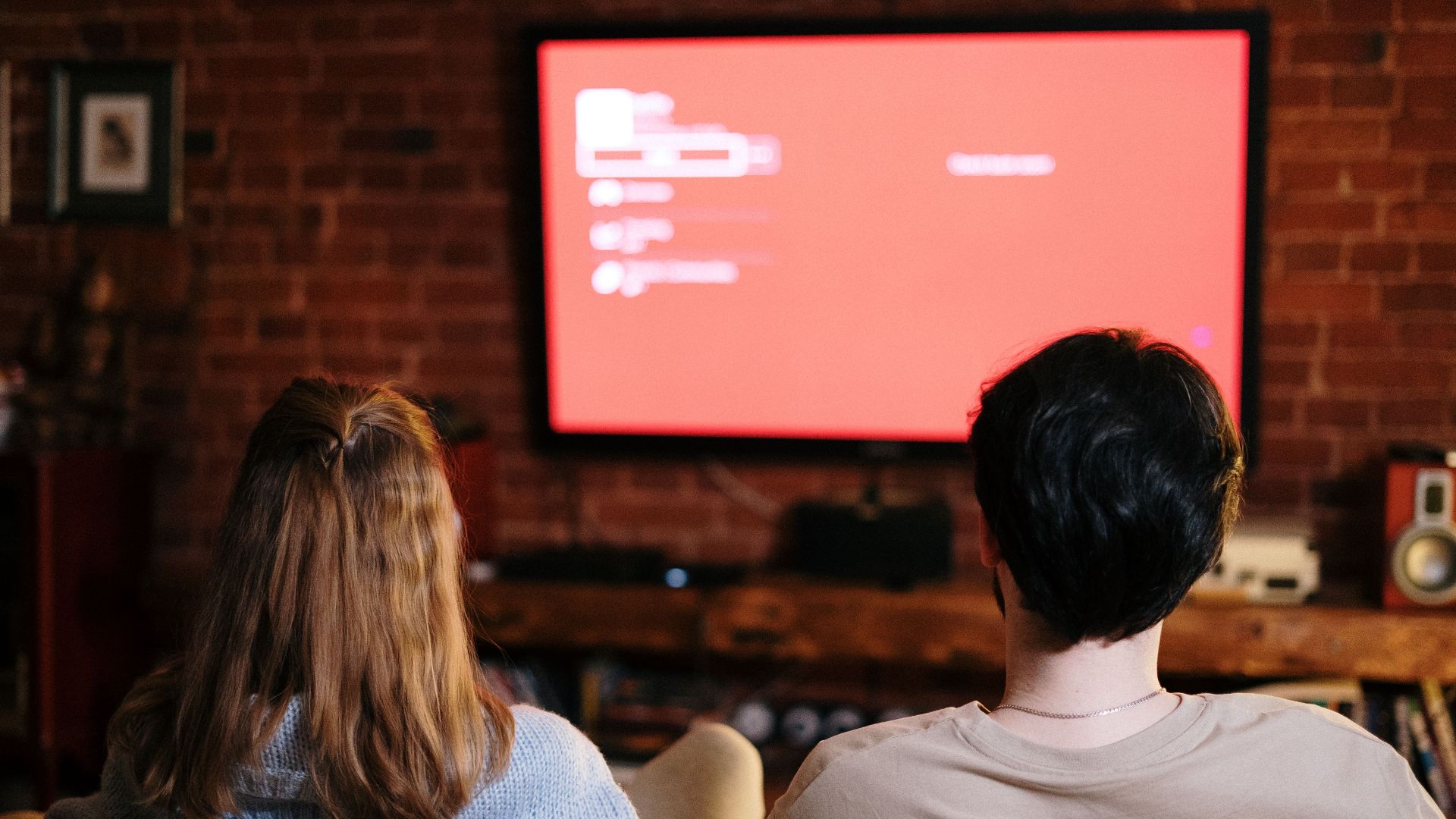
George Orwell's 1984, published in 1949, puts a telescreen in every home that broadcasts and watches at the same time. In 2015 Samsung's smart TV privacy policy warned owners that anything they said near the voice recognition feature could be captured and sent to a third party. The company rewrote the policy after the backlash, with the telescreen comparison in headline after headline.
14. Earbuds
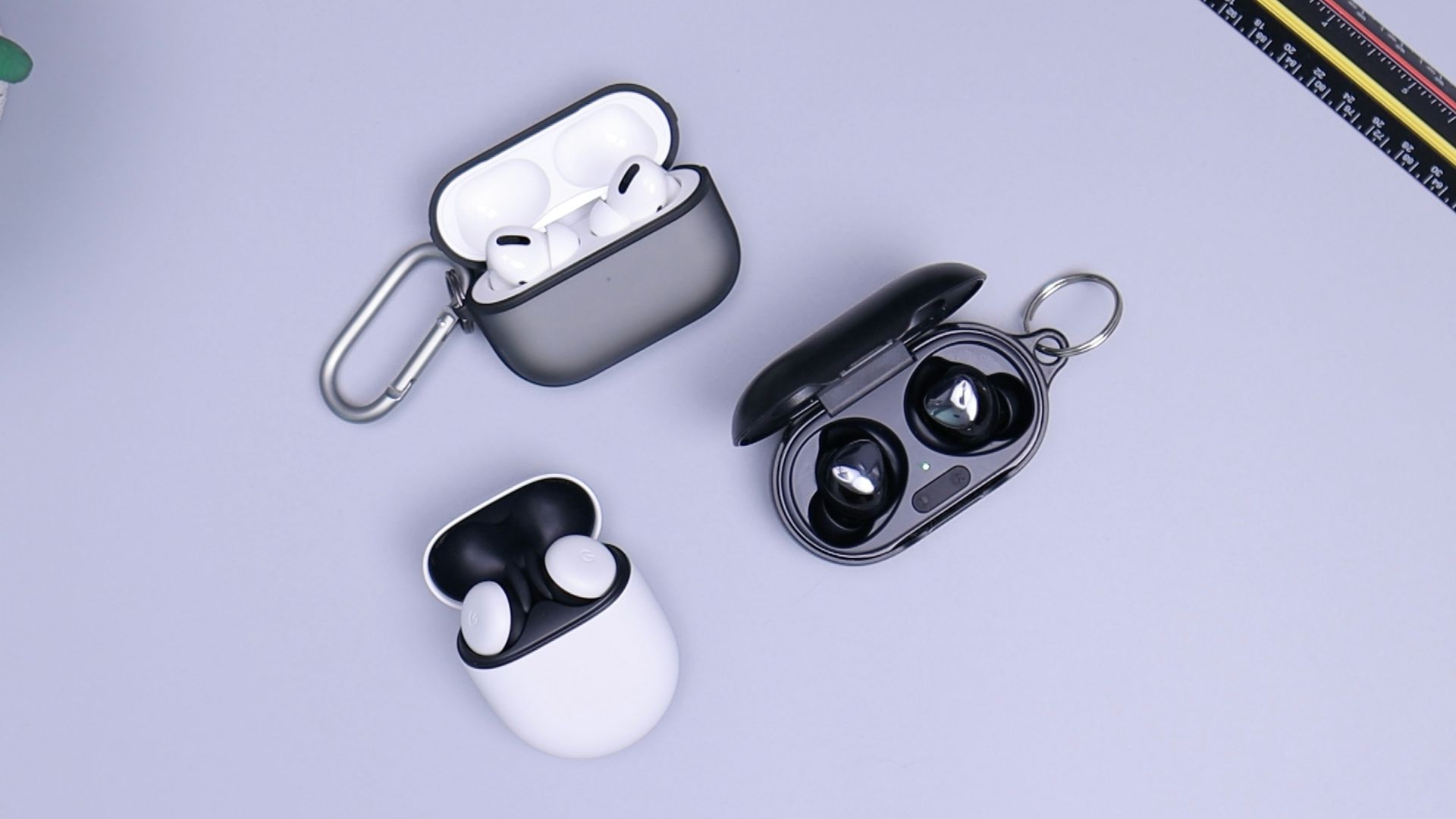
Ray Bradbury's Fahrenheit 451 came out in 1953, during the early years of television. Montag's wife sleeps with tiny radios called Seashells tucked into her ears, tuned out of every conversation around her. Wireless earbuds sit in millions of ears on any given commute, with plenty of their owners tuning out the same way.
15. Self-Driving Cars
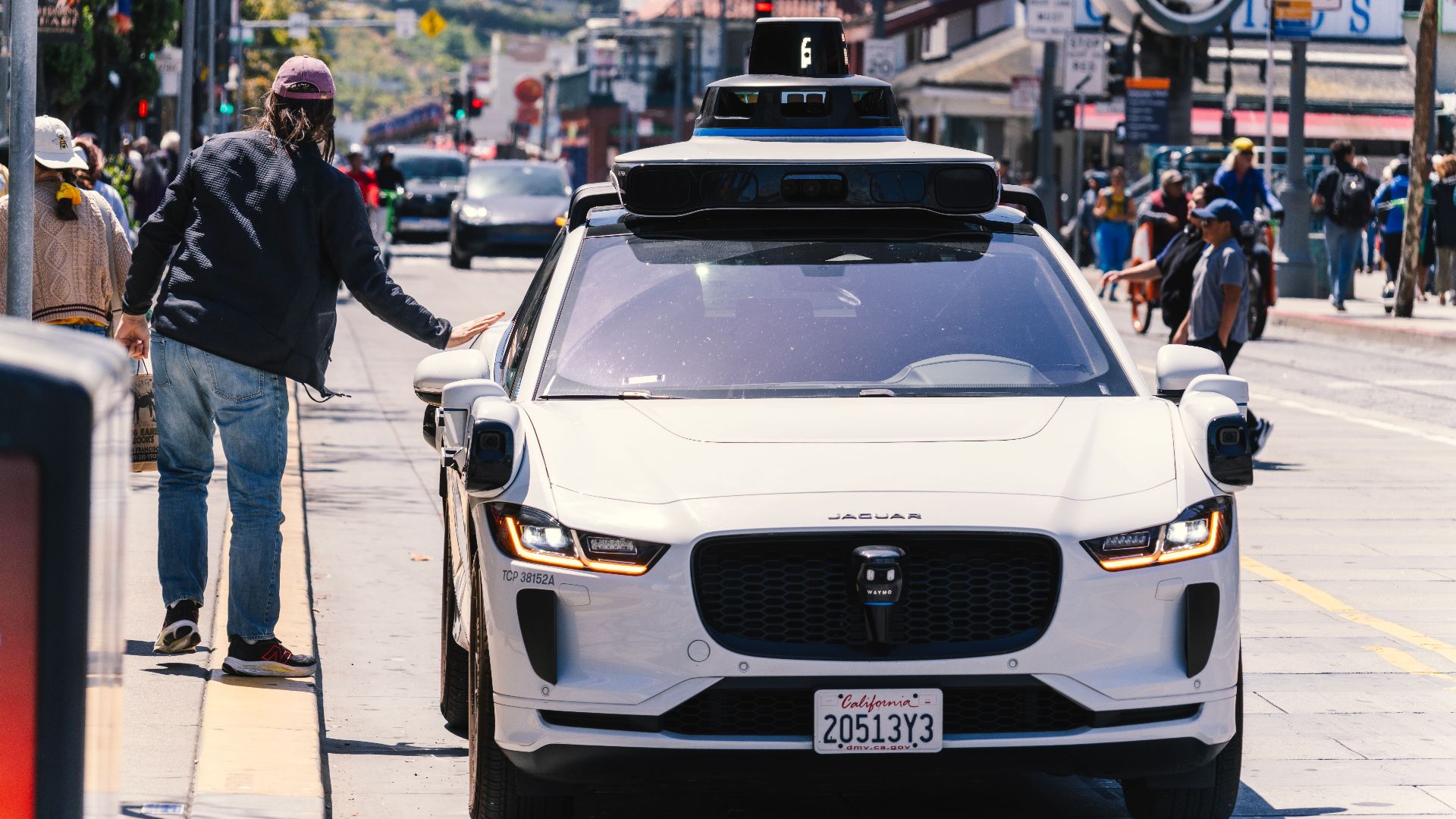
Waymo opened fully driverless rides to the public in Phoenix in 2020. Isaac Asimov got there first with Sally, a 1953 short story set on a farm for retired cars that drive themselves. His cars have personalities and hold grudges against humans, which so far the Waymos don't.
16. Solar Sails
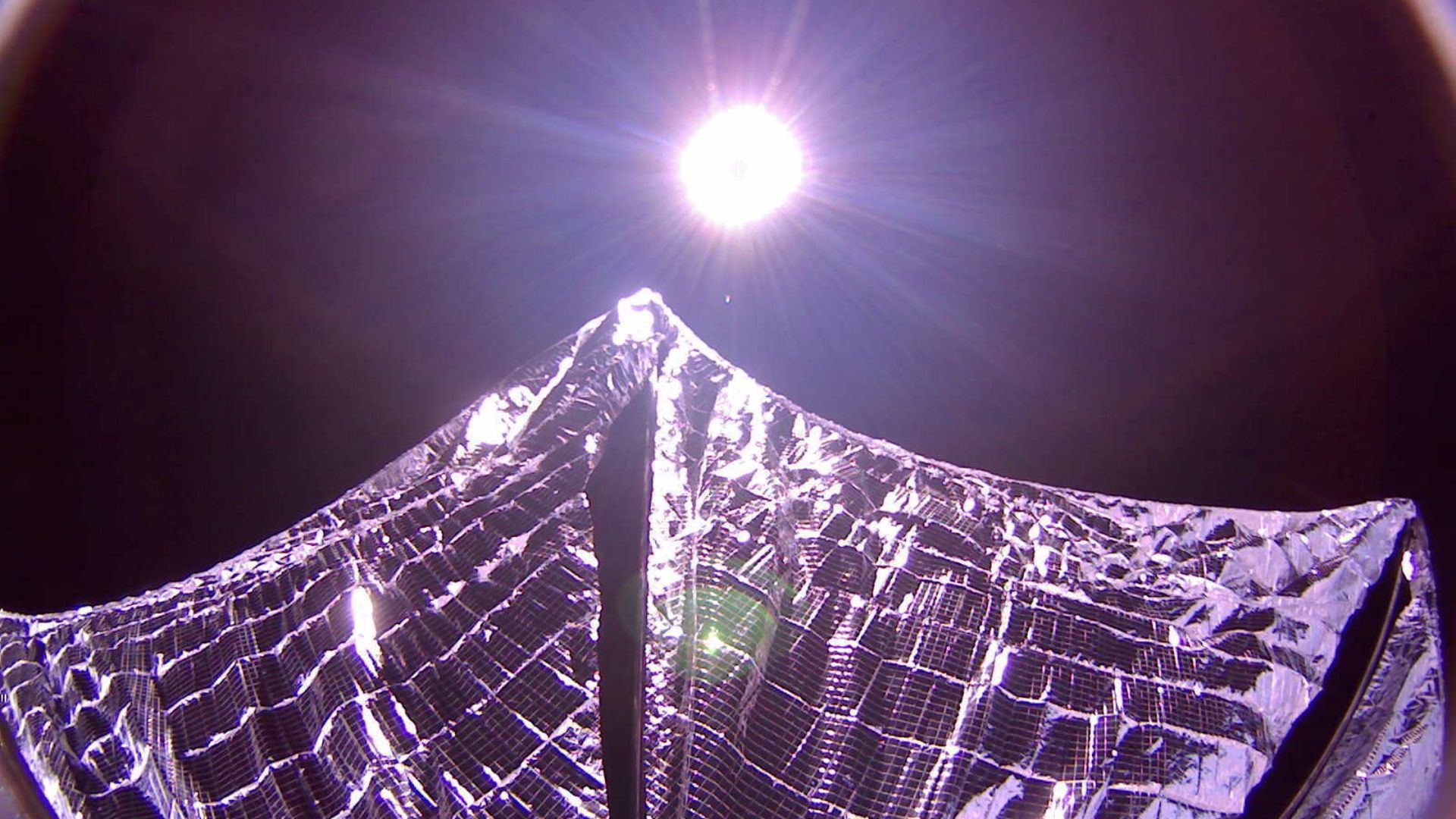
Arthur C. Clarke's 1964 story Sunjammer follows a yacht race through space powered by sunlight pressing on giant sails. Japan's space agency launched IKAROS in 2010, and it became the first spacecraft to sail between planets using sunlight alone. Its sail was about 7.5 micrometers thick, roughly a tenth the width of a human hair.
 The Planetary Society on Wikimedia
17. Tablets
Astronauts in the 1968 film 2001: A Space Odyssey eat breakfast while reading the news on thin, flat screens called newspads. When Apple sued Samsung over the iPad design in 2011, Samsung's lawyers pointed to that scene in a court filing. A jury sided with Apple anyway in 2012.
18. Computer Worms
John Brunner's 1975 novel The Shockwave Rider features a program called a tapeworm that copies itself across a computer network. Researchers at Xerox PARC borrowed the term for their own self-spreading programs by the early 1980s. The 1988 Morris worm showed how badly one could go wrong on the early internet.
19. Cyberspace
William Gibson coined the word cyberspace in his 1982 story Burning Chrome and made it famous in Neuromancer in 1984. He described a shared digital world that users experience together through a computer interface, back when most people had never heard of the internet. Gibson has said he wrote Neuromancer on a manual typewriter.
20. The Metaverse
Neal Stephenson invented the word metaverse for his 1992 novel Snow Crash, a virtual city where people meet through avatars. Second Life launched in 2003 with a similar idea. Facebook renamed itself Meta in 2021 and has spent billions trying to build its own version.