The Machines That Moved The Paper
Before email, even the simplest office task needed a physical system behind it. Messages had to be written down, copied, sorted, carried, filed, or fed through a machine, which meant desks were crowded with objects that existed only to keep information moving. Most of those jobs now happen invisibly in a few seconds on a computer. The strange part is how quickly the tools themselves disappeared. Here are 20 things that once seemed essential to almost every office.
1. The Typing Pool
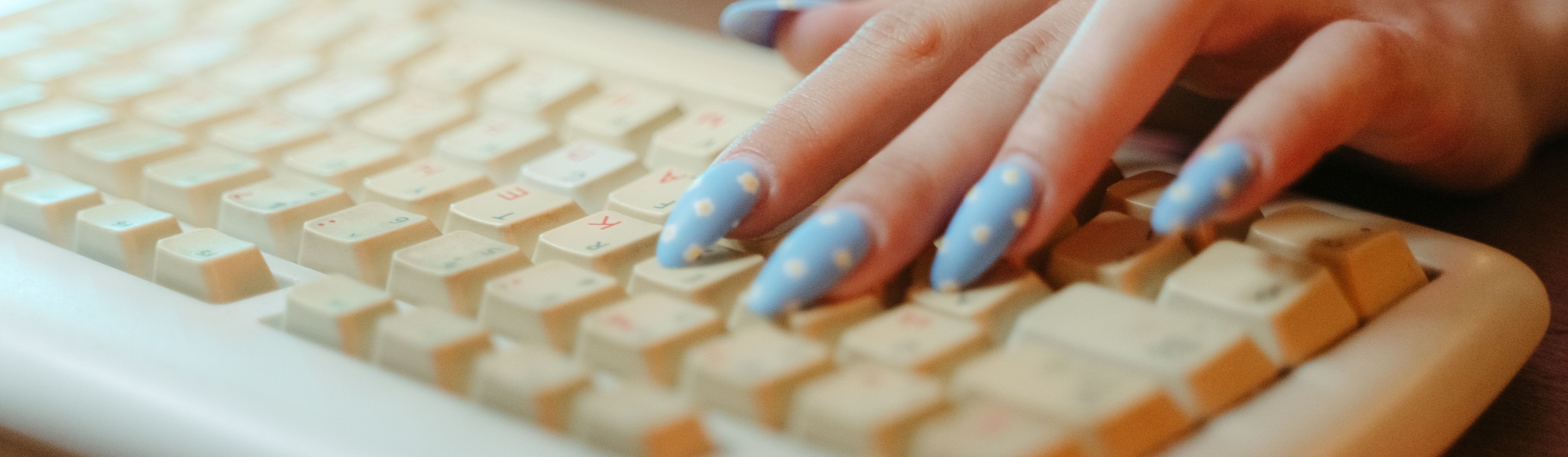
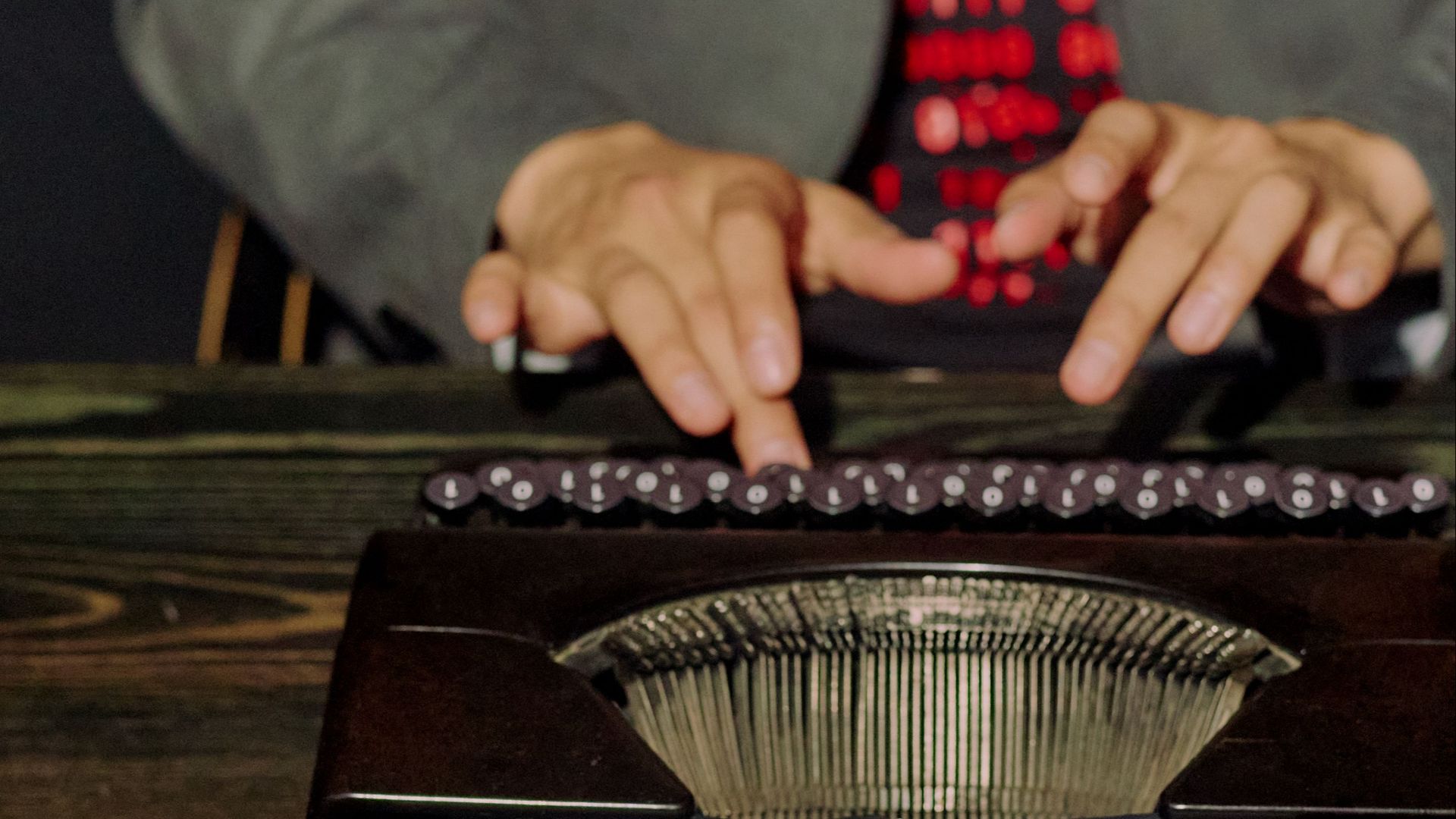
A room of typists sat in rows and produced every document the company sent out. Executives dictated or scrawled a draft, and the pool turned it into clean copy with a deadline attached. One typo near the bottom of a page meant retyping the page from the top.
2. Carbon Paper
Making a copy meant layering a sheet of carbon between two pages and hitting the keys hard enough to mark both. The stuff came off on your fingers and the heel of your hand. The cc field in your email client is a carbon copy that nobody ever bothered to rename.

3. The Interoffice Envelope
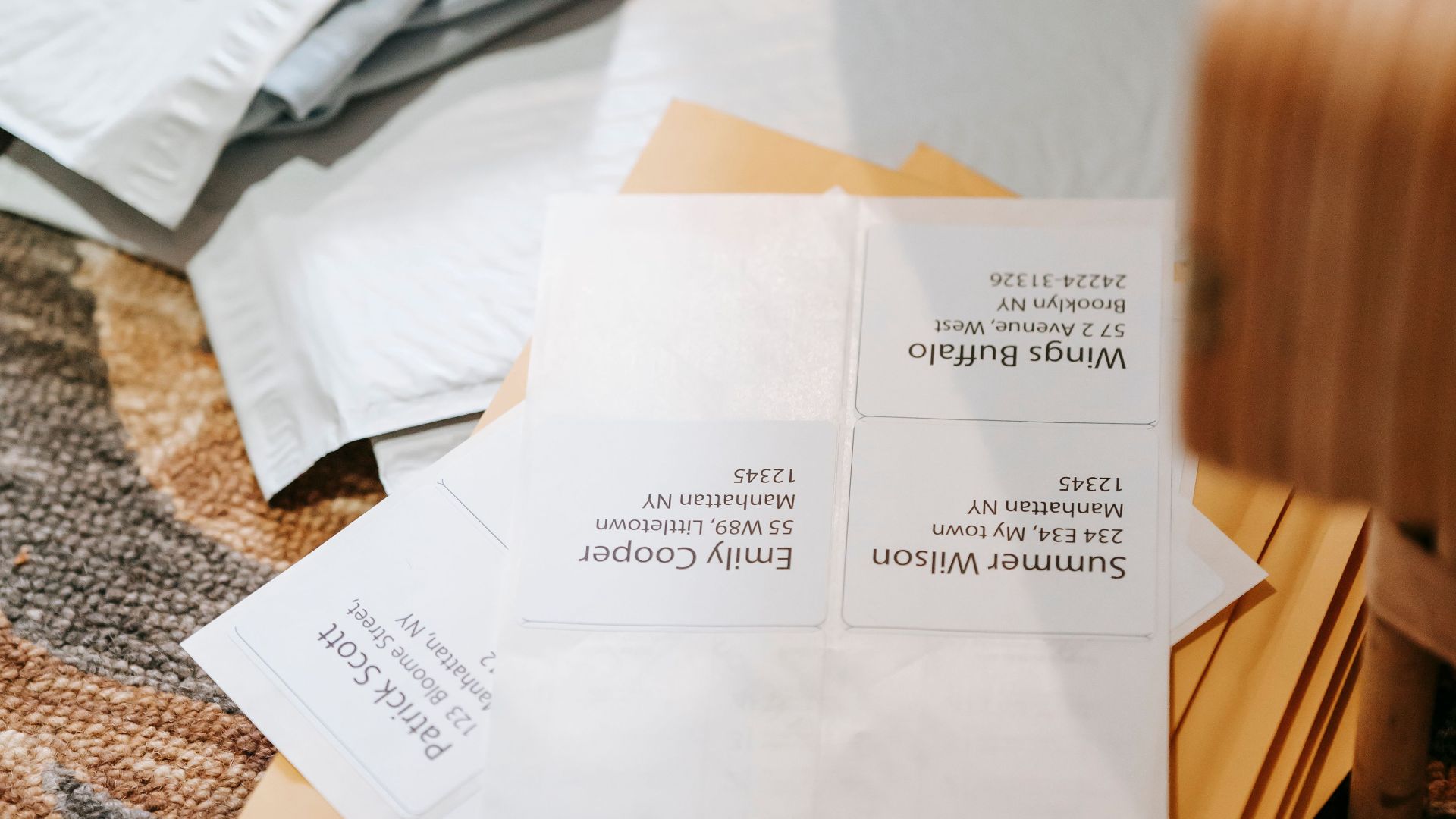
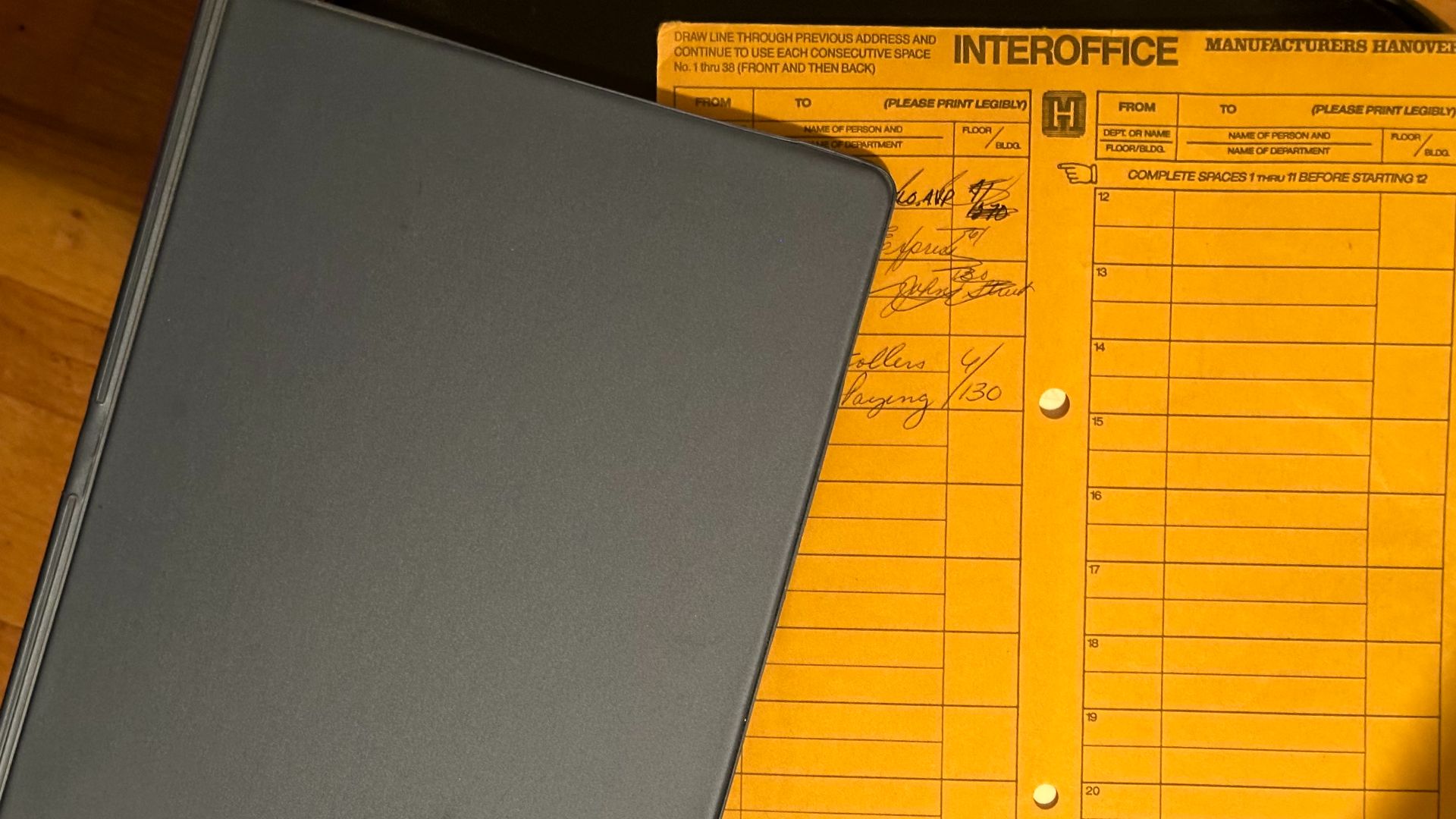
Manila, reusable, and closed with a string wound around a little cardboard disc. The front was a grid of names, each one crossed out as the envelope moved along, so you could see everyone who had handled it before you. Some of them stayed in circulation for years.
 Jonathan Schilling on Wikimedia
4. The Rolodex
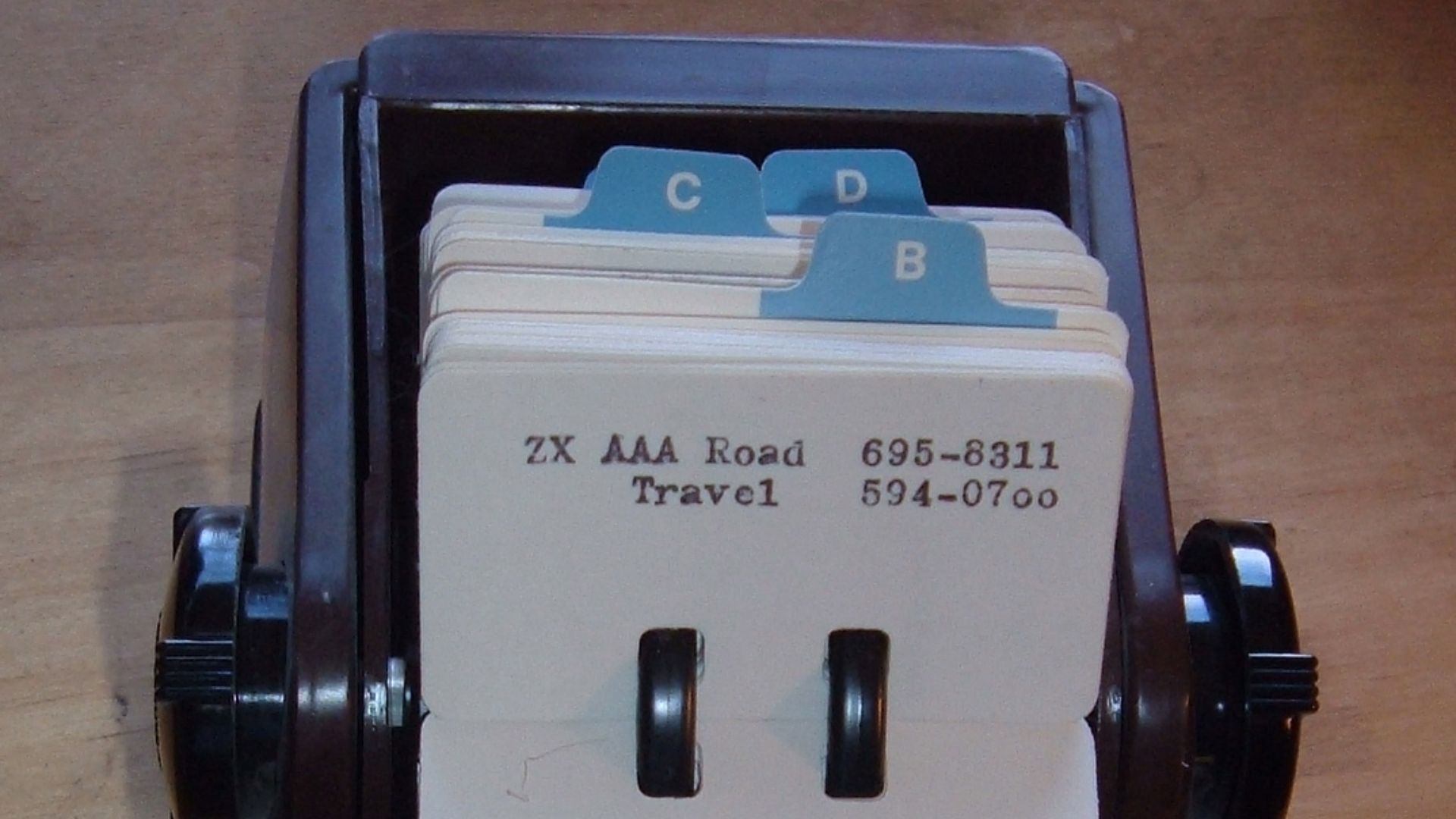
A rotating drum of index cards held every contact a person had, one card per name, annotated in pen. Arnold Neustadter's company brought it to market in the late 1950s and it held its spot on desks for four decades. Walking out of a job with your Rolodex was a real threat, which is why some employers claimed the cards belonged to them.
5. Shorthand Pads
Secretaries wrote in Gregg or Pitman shorthand, symbol systems that let a trained writer keep pace with ordinary speech. A good stenographer could take dictation well above 100 words a minute and read it back an hour later without hesitating. Those notebooks are now unreadable to almost everyone alive.
 Danielle-Claude Bélanger on Unsplash
6. The Dictaphone
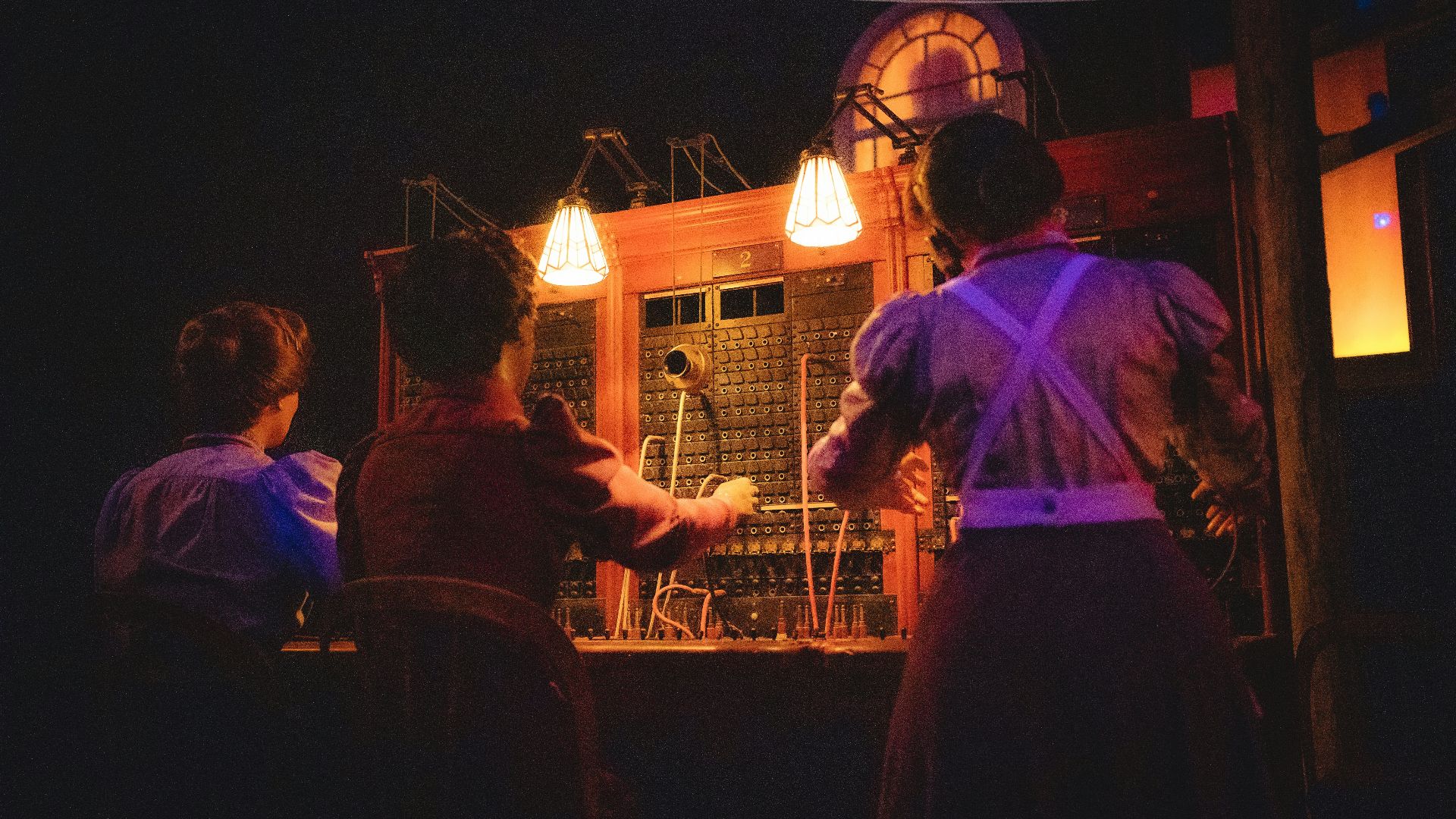
Managers talked into a machine and handed the recording to somebody else to type up. Early models cut grooves into wax cylinders, and later ones used magnetic belts and small cassettes you could label and mail across the country. The habit of composing out loud disappeared along with the equipment.
7. The Pink Message Pad
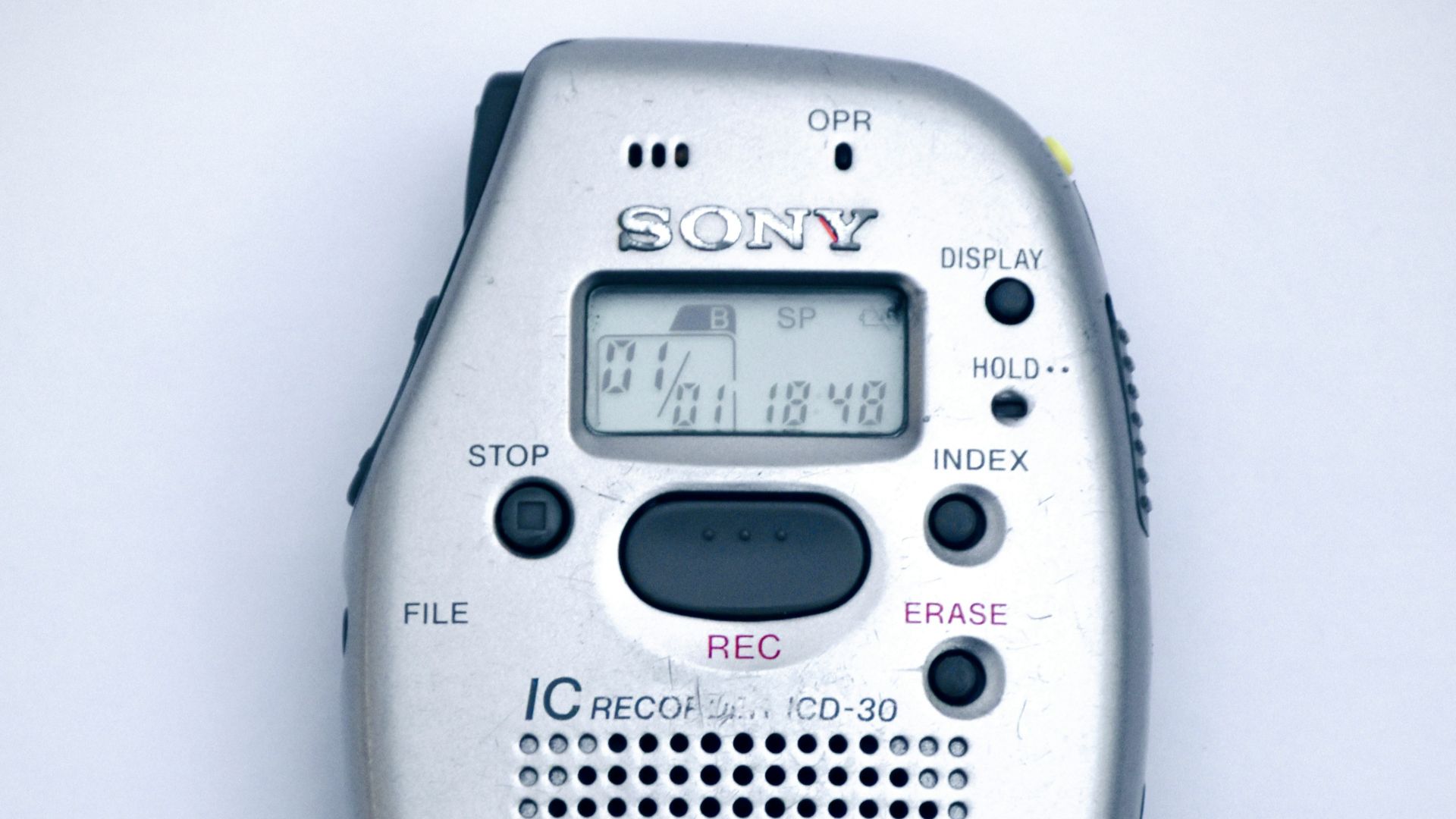
Pads printed with While You Were Out sat beside every phone, with tick boxes for who called and whether they wanted a call back. The top copy went to the recipient and a flimsy second sheet stayed in the book as the record. Coming back from lunch to six pink slips told you exactly how your afternoon was going.
8. The Switchboard
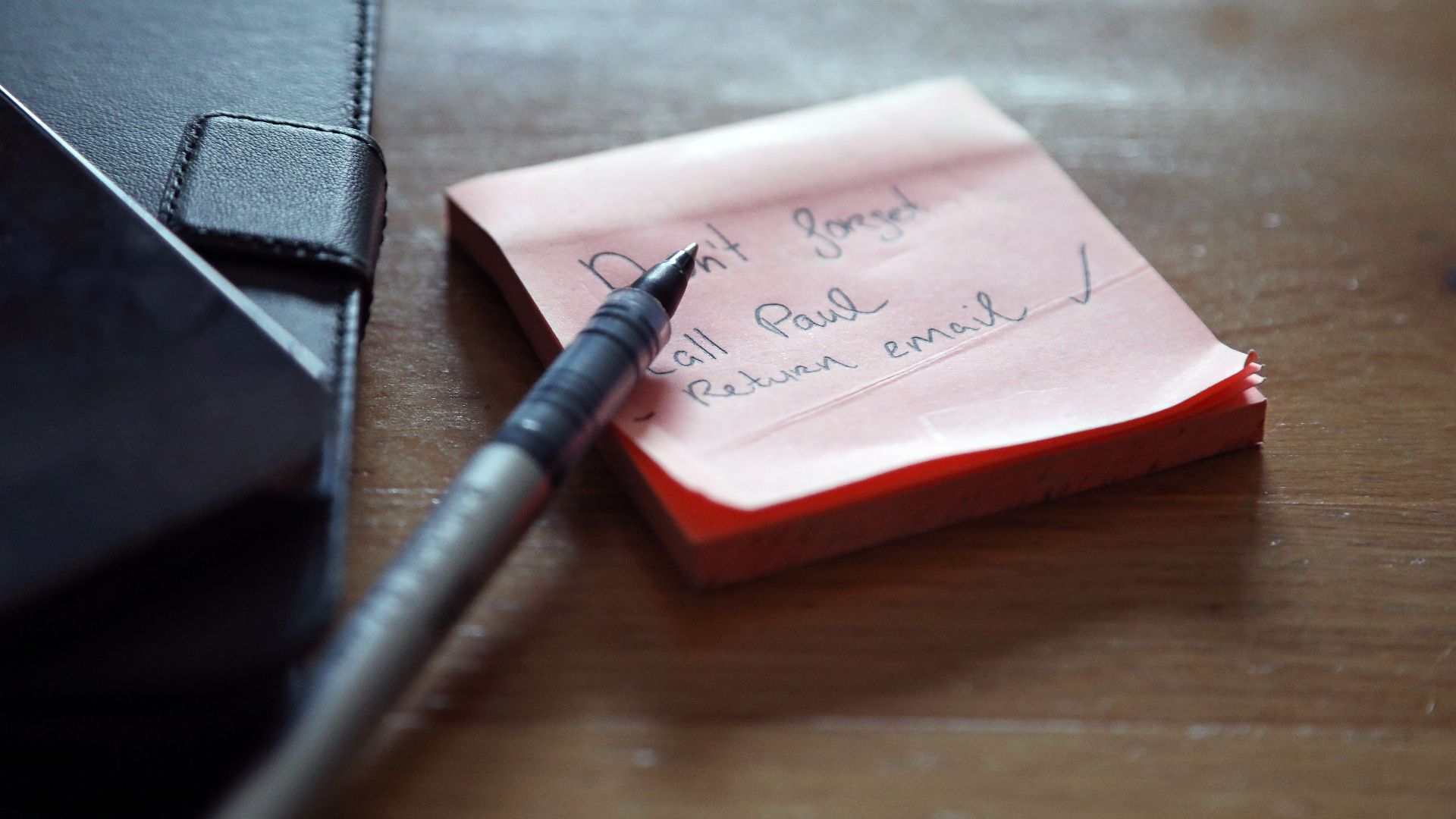
An operator sat at a board of jacks and cords and physically connected every call coming into the building. Calls between departments went through her too, which meant one person knew who was talking to whom all day long. Direct dial extensions dismantled the job over the 1970s and 1980s.
9. The Telex
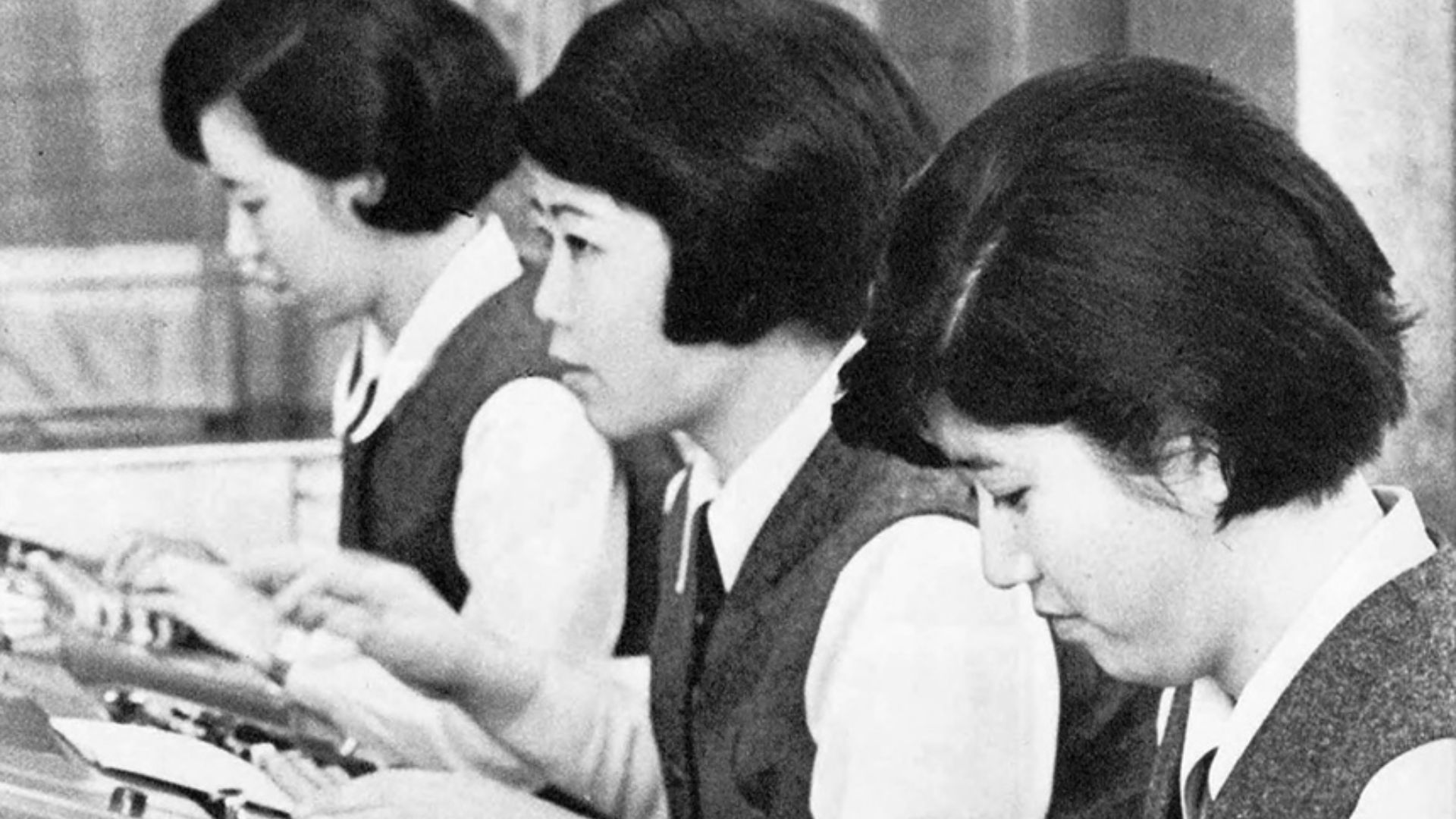
A global network of teleprinters carried business messages decades before email, and companies printed their telex number on letterhead right next to the phone number. You typed a message and it came out on a paper roll in Osaka or Hamburg a minute later. The machines were loud enough to need a room of their own.
 NTT Public Corporation on Wikimedia
10. The Fax Machine
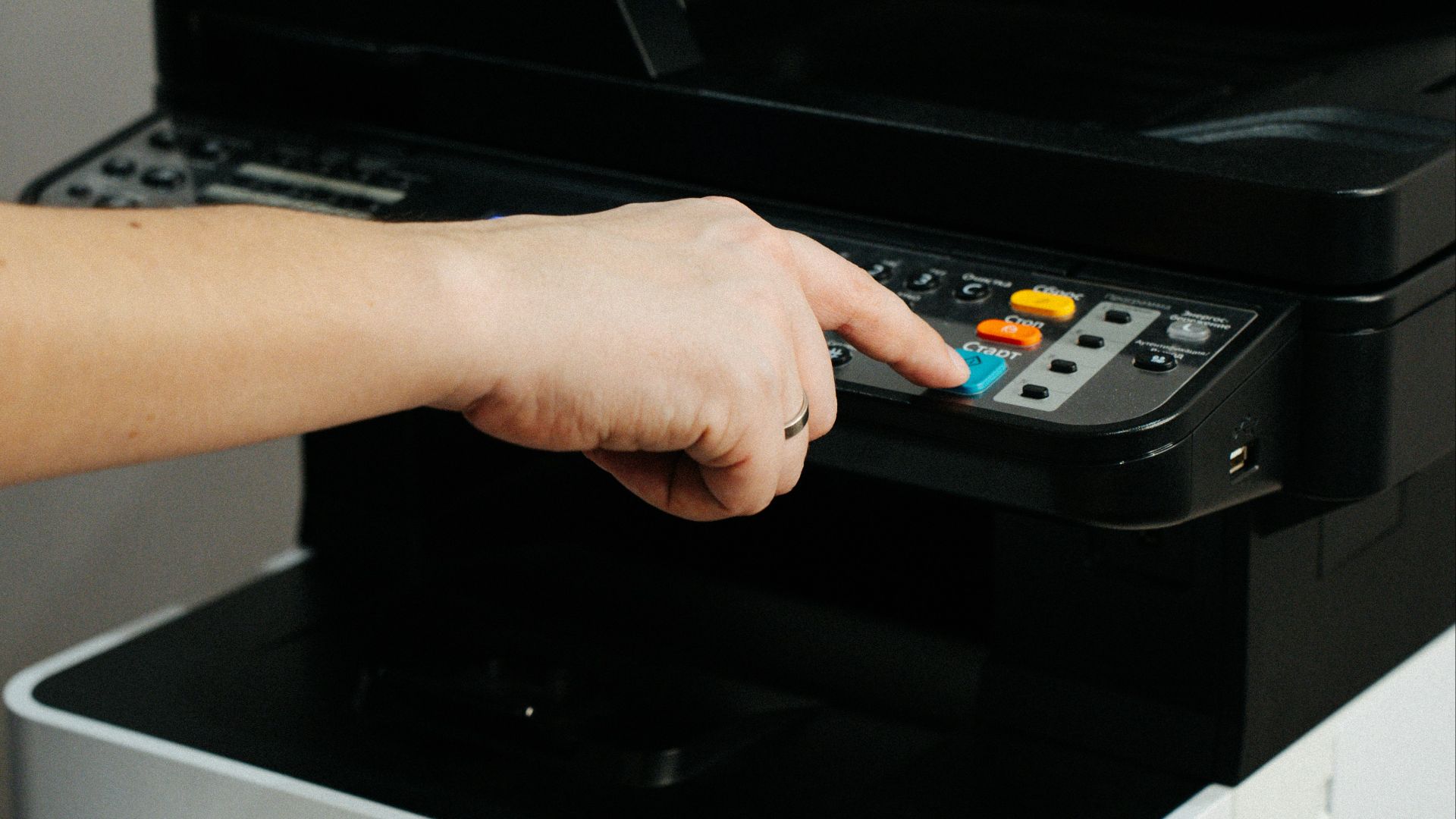
Fax technology is older than the telephone, though the Group 3 standard adopted in 1980 is what made it cheap enough for every office. It ran on thermal paper that curled at the edges and faded within a year, so anything worth keeping got photocopied. Japan and Germany went on faxing long after everyone else quit.
 Stanislav Staritsyn on Unsplash
11. The Ditto Machine
The spirit duplicator, which everybody called the ditto machine, printed in purple using a solvent that people still describe from memory decades later. Copies came out warm and faintly damp. The mimeograph standing next to it used ink and a cut stencil and could run thousands of sheets before the master gave up.
12. Pneumatic Tubes
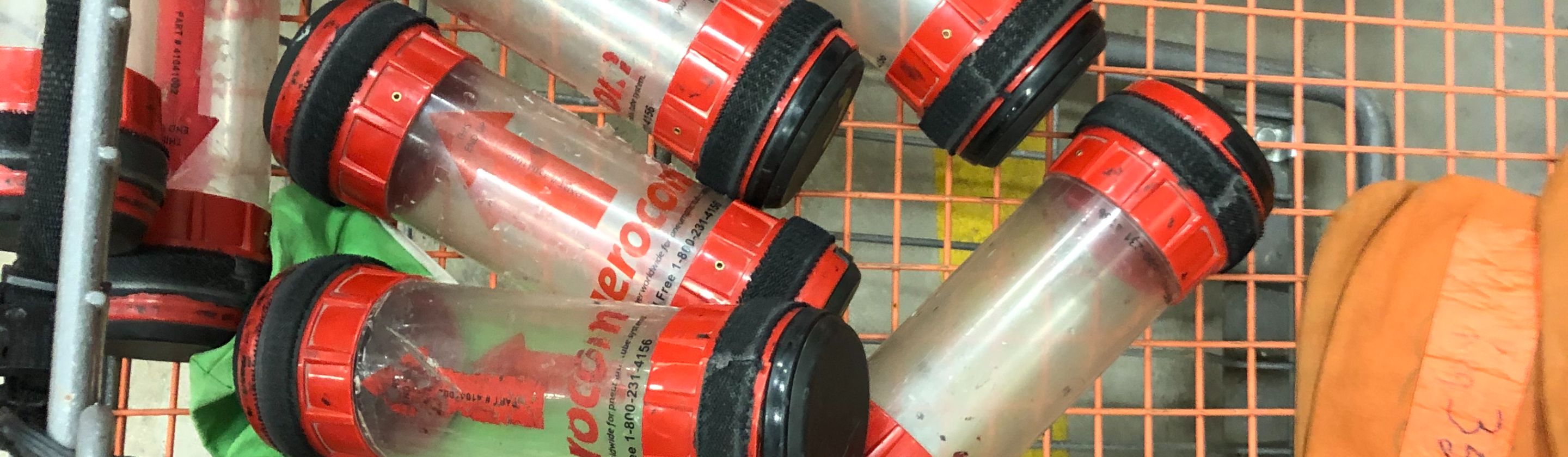
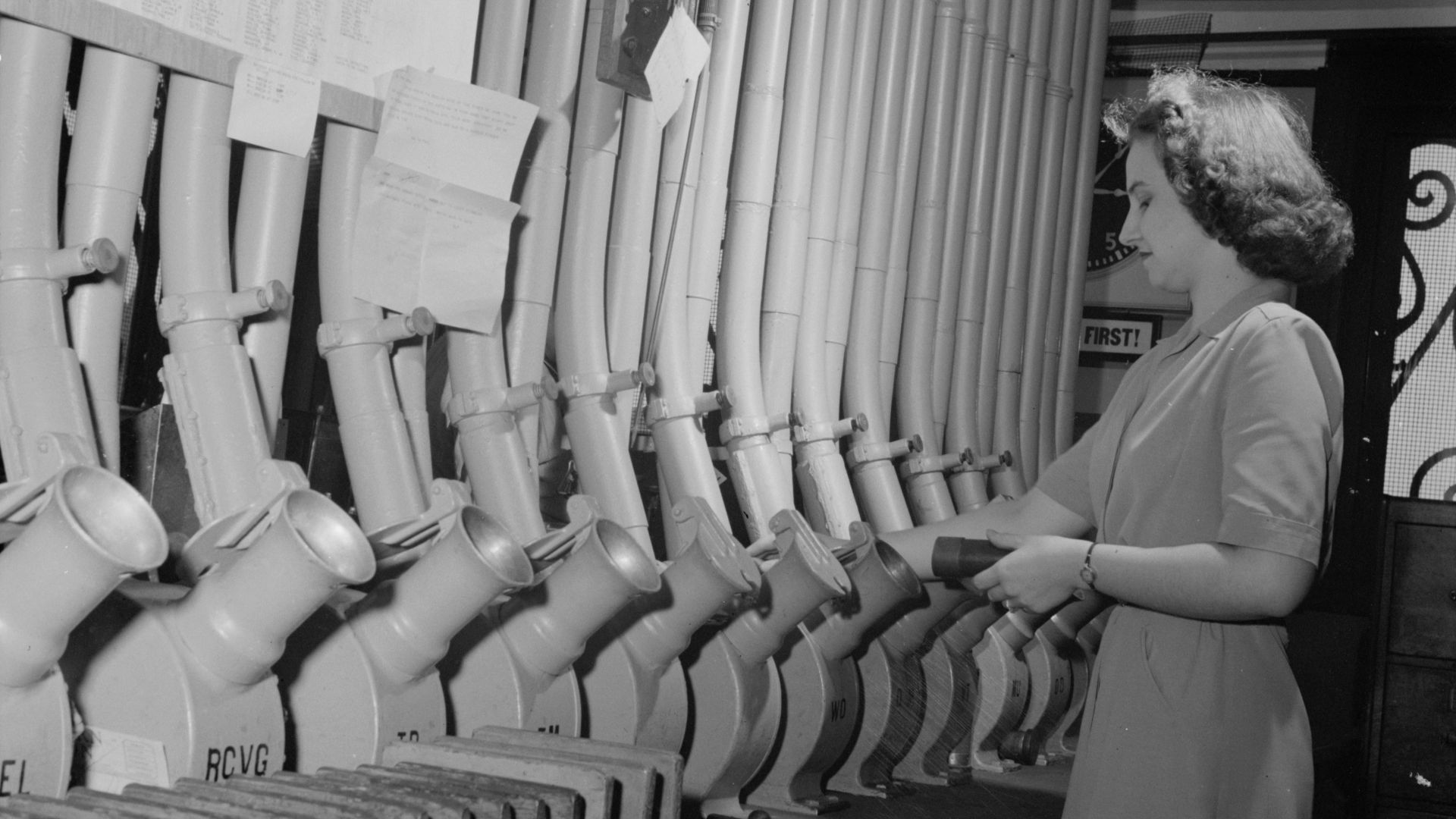
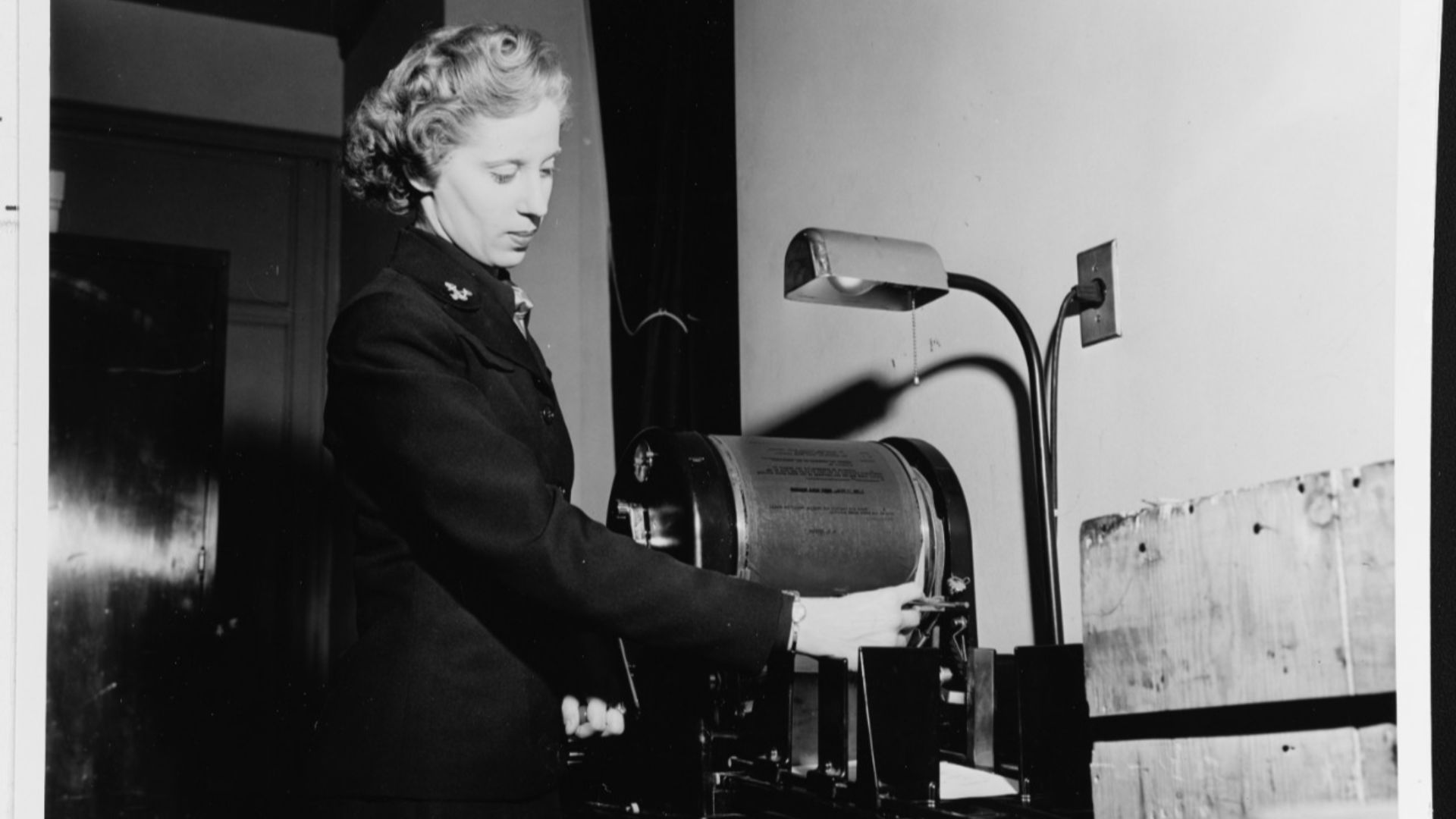
Banks and newspaper offices moved documents between floors in canisters fired through brass tubes by compressed air. The system beat any person with an elevator, and it made a distinct thunk when a canister dropped into the basket. Hospitals still run them for blood samples.
13. The Mail Cart
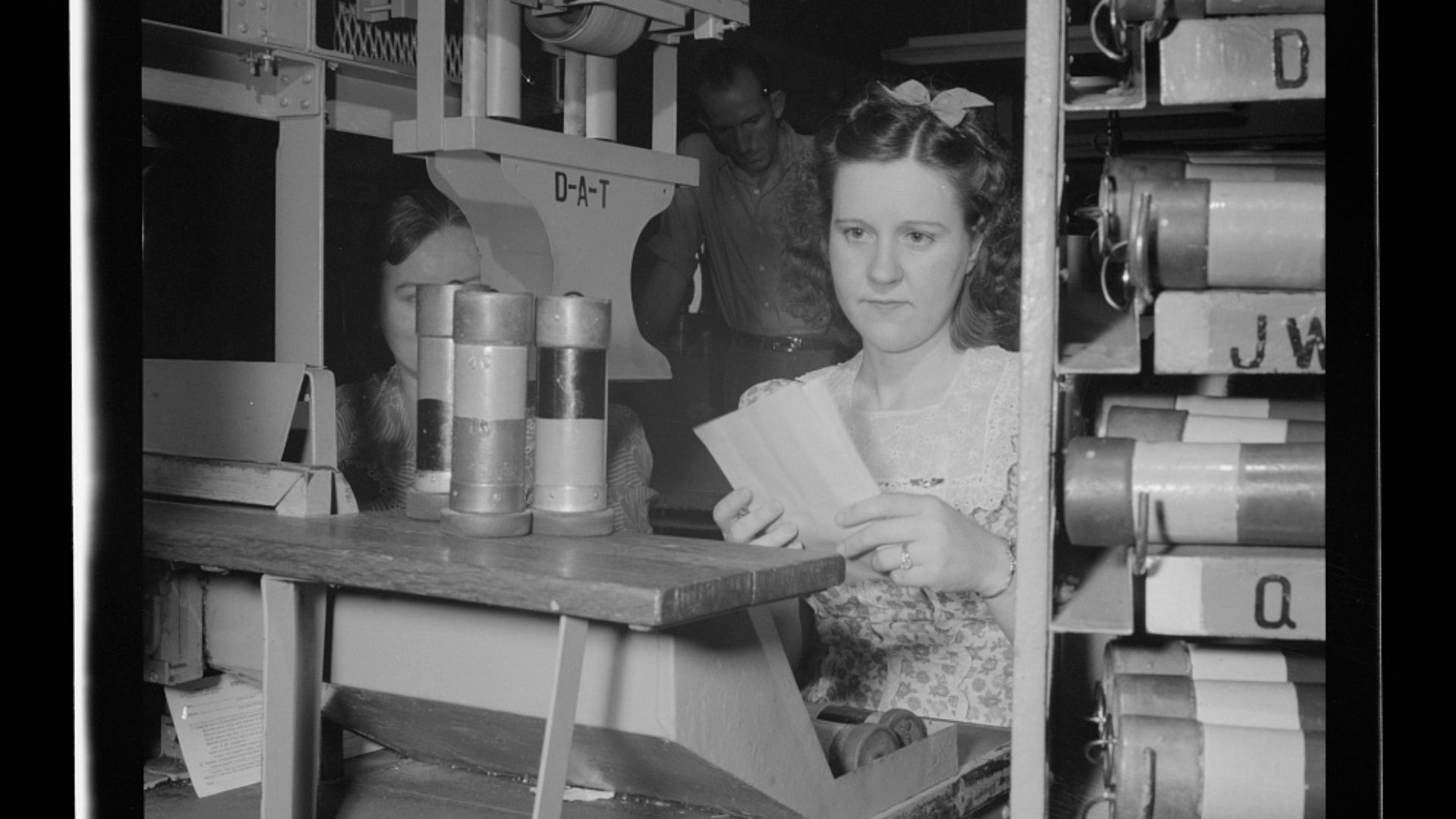
Somebody pushed a cart through the building twice a day, dropping off envelopes and collecting whatever sat in your outbox. That schedule shaped the whole workday, since missing the afternoon run cost you a full twenty-four hours. Plenty of executives started in the mailroom pushing one.
14. Pigeonholes
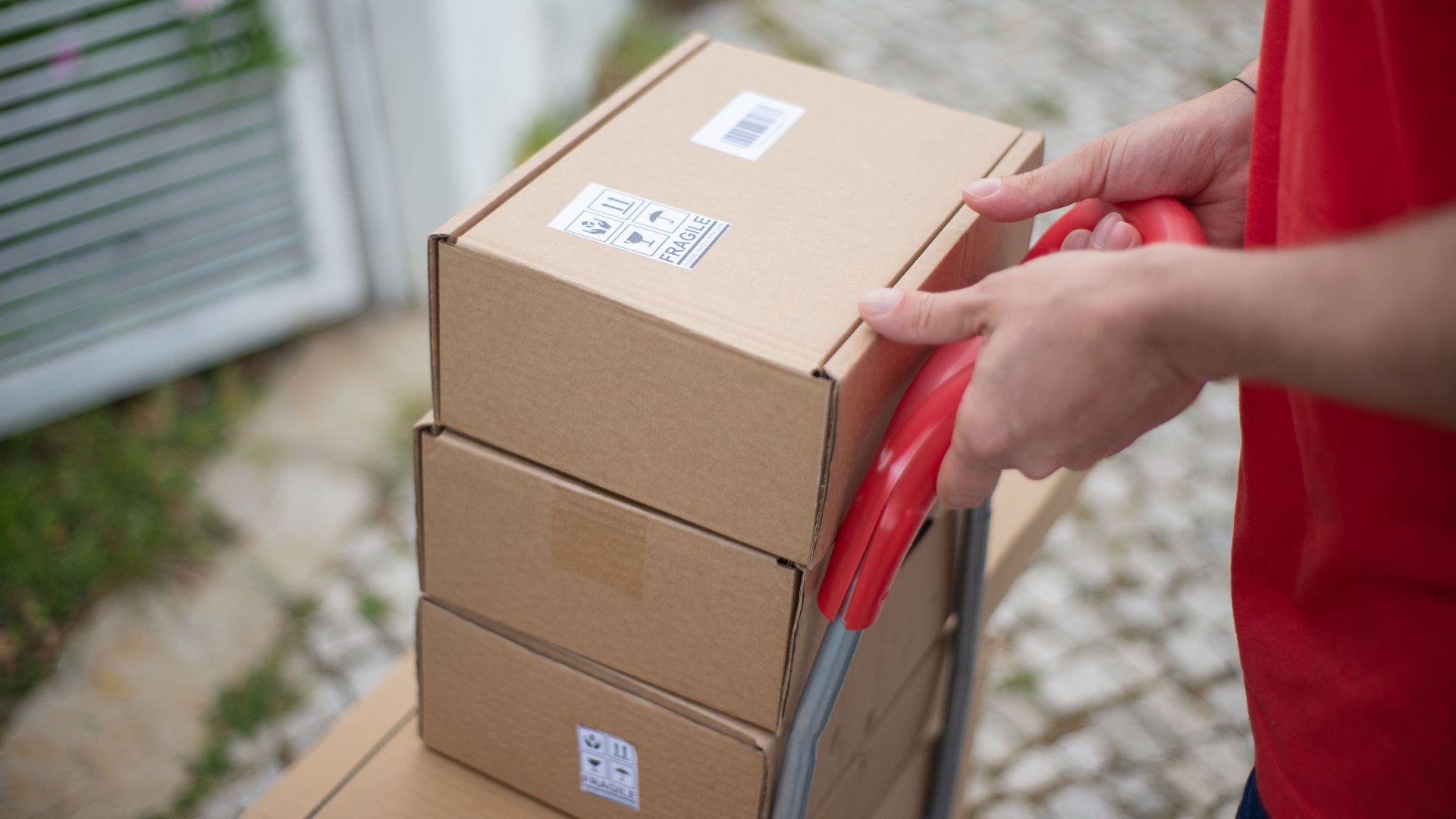
A wall of open wooden slots, one per employee, held anything that arrived for you. Checking your box meant a physical trip you made a few times a day, and the person whose slot overflowed became a standing joke. Anyone walking past could see precisely how much mail you were getting.
15. Correction Fluid
Bette Nesmith Graham was a Dallas bank secretary who mixed white tempera paint in her kitchen to cover her typing mistakes. She built it into Liquid Paper and sold the company to Gillette in 1979 for $47.5 million. Every desk had a bottle with a crust of dried fluid welded around the cap.

16. The Paper Spike
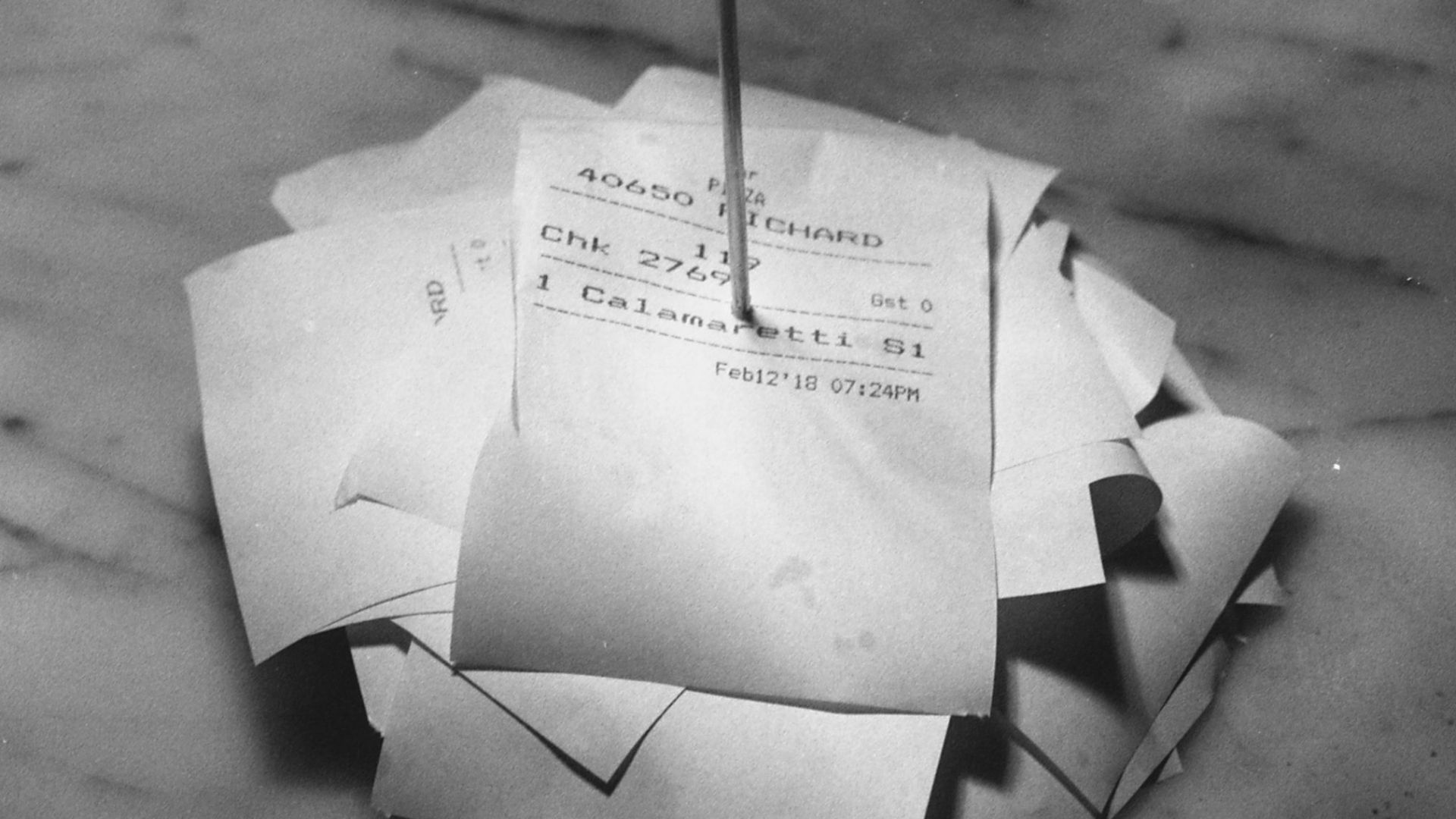
A steel spindle on a weighted base held receipts and message slips that had already been dealt with. Stabbing paper down onto it was satisfying and mildly dangerous. Office safety rules eventually caught up with the design.
17. The Intercom
A box on the desk let a manager talk into somebody else's office without getting up or dialing anything. The squawk made everyone within earshot a participant in the conversation. Most were wired so the person on the other end couldn't switch them off.
18. In And Out Trays
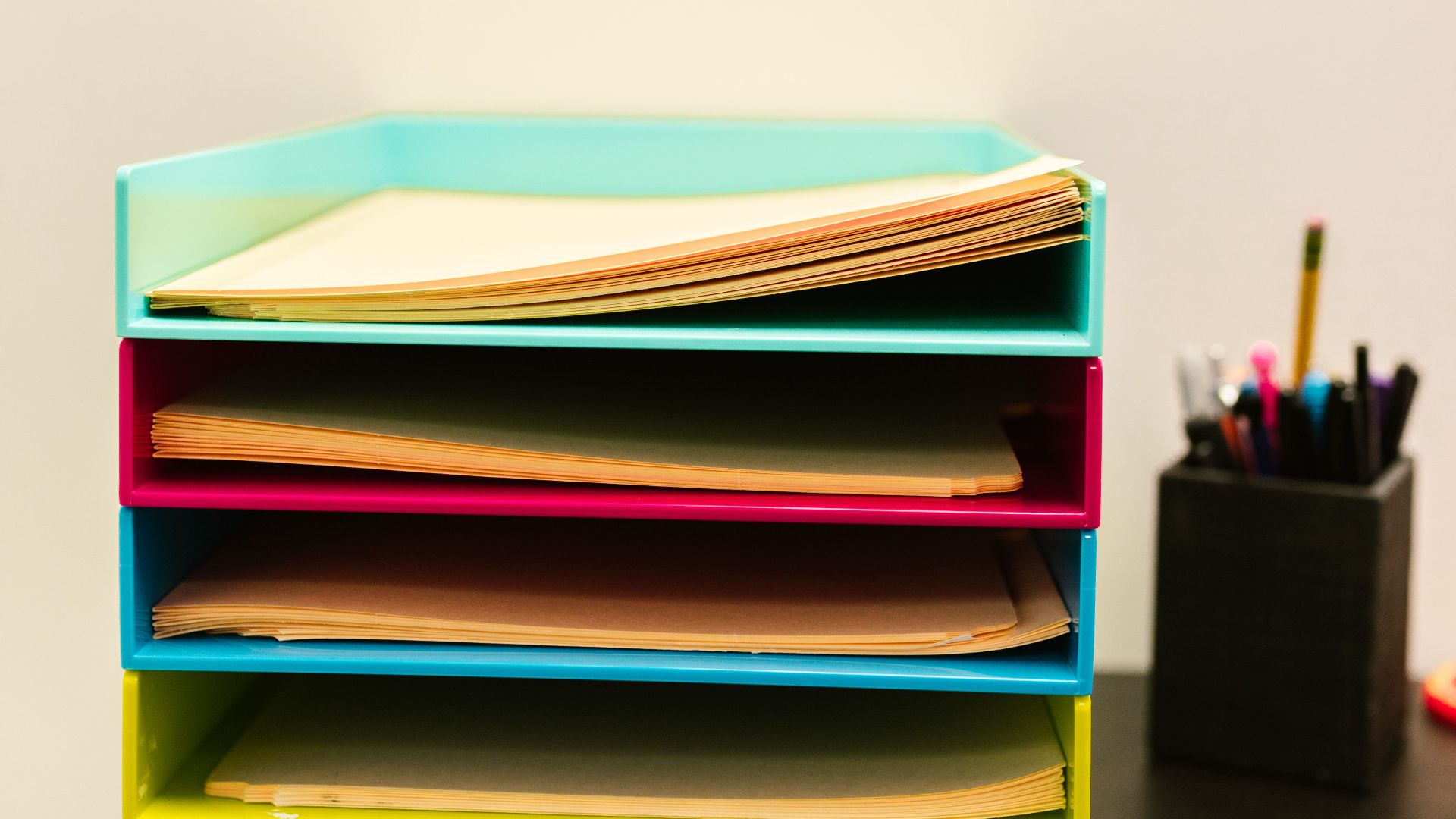
Two stacked wire trays on the corner of the desk displayed your workload to anyone walking by. Work arrived in the top one and left through the bottom, and a tall inbox was a status claim you didn't have to make out loud. Nobody needed to ask whether you were busy.
19. The Wall Of Filing Cabinets
Four-drawer steel cabinets ran the length of entire walls and held the company's memory in folders organized by whatever system the last clerk invented. Finding a two-year-old letter took twenty minutes on a good day. A misfiled folder was a small disaster with no recovery option.
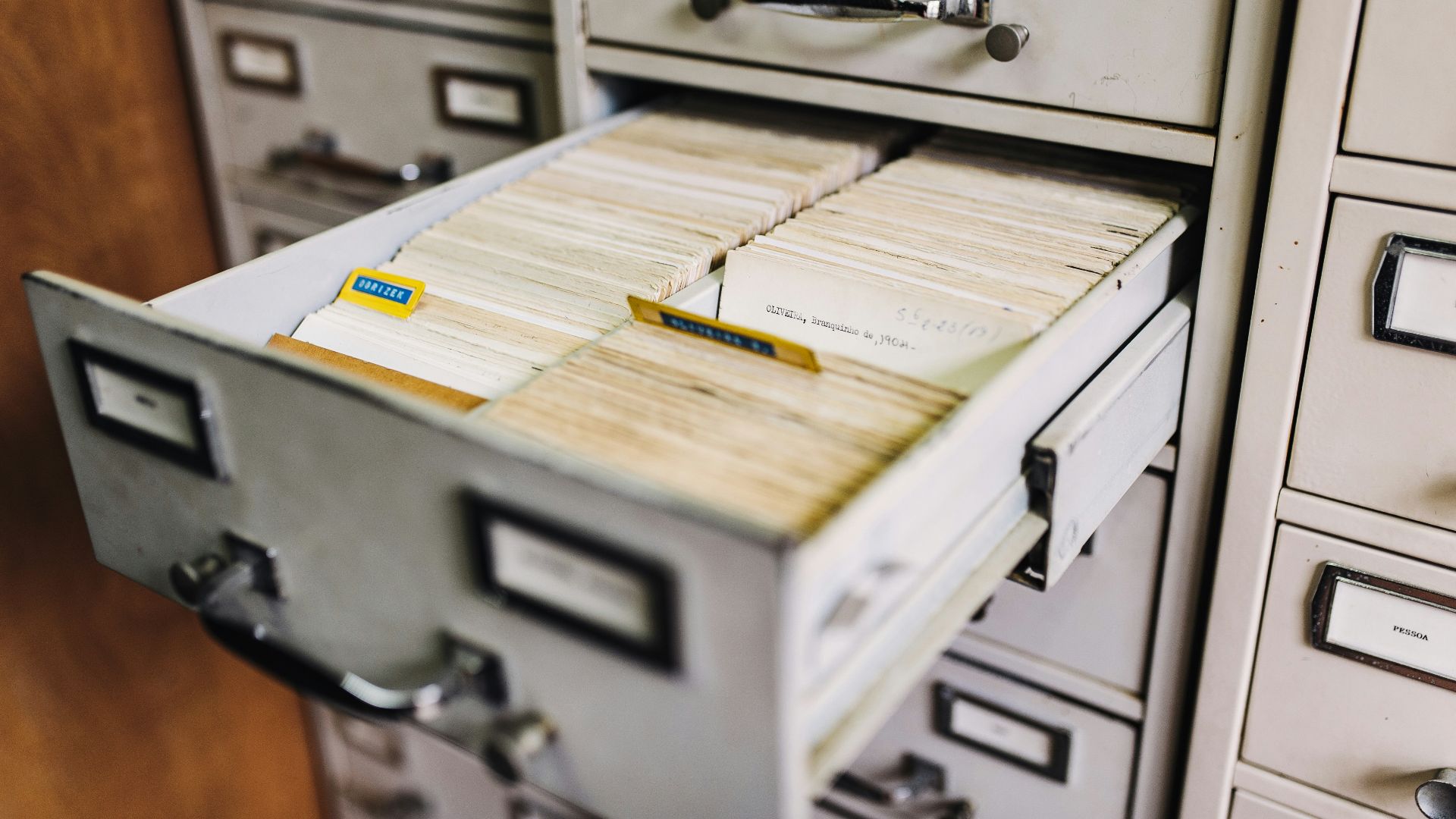 Maksym Kaharlytskyi on Unsplash
20. The Telegram Form
Urgent news arrived as a telegram, priced by the word, which is why the wording came out clipped and slightly panicked. Offices kept blank forms on hand and a standing account with Western Union. The company sent its last domestic telegram on January 27, 2006, by which point the fax and the inbox had taken the whole business.