If you grew up in the late 1990s, there's a good chance you owned a Tamagotchi. Scratch that, you probably owned at least two or three, a whole mini collection and a whole array of different designs and versions. Small as this egg-shaped toy was, it once ruled everyone's daily routine. On the surface, it was just a tiny digital pet you could feed, clean, and play with, and yet, there was a charm to it that turned it into a global obsession.
So popular was the Tamagotchi, in fact, that you'll likely still find adults who grew up in the '90s playing with one now. Just seeing a Tamagotchi may bring a wave of nostalgia. And certainly, there was a lot more to it that drew in so many people. Let's break down exactly what made the Tamagotchi craze so powerful, and why so many people still remember theirs by name.
Collectible Designs
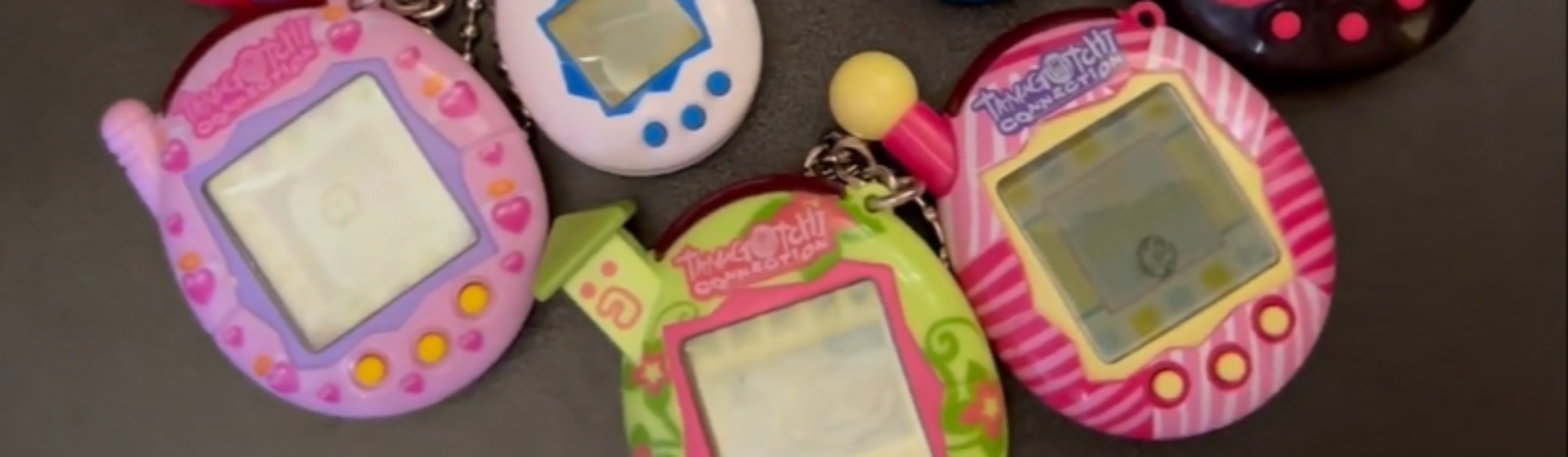
Before there was the pet, there was the shell. If you've never owned a Tamagotchi before, you might not understand the craze behind it, but nothing was more coveted than all the different collectible designs you could get. With well over 50 different hardware models, countless accessories, and several software versions, the Tamagotchi lineup gave everyone a plethora of looks to choose from. It's probably not hard to see why every new seasonal pattern or limited-edition print ended up on every kid's wishlist.
This collectible angle wasn't an accident; it drove demand. After all, Bandai knew that the scarcer a product, the more people would want it. The demand for these units became so intense that supply couldn't keep pace with interest, especially in the international market, where customers left and right were snapping up the eggs with each new release. Even today, these nostalgic shells are a status symbol, and collectors are willing to pay good money to get specific designs.
Different Possible Characters
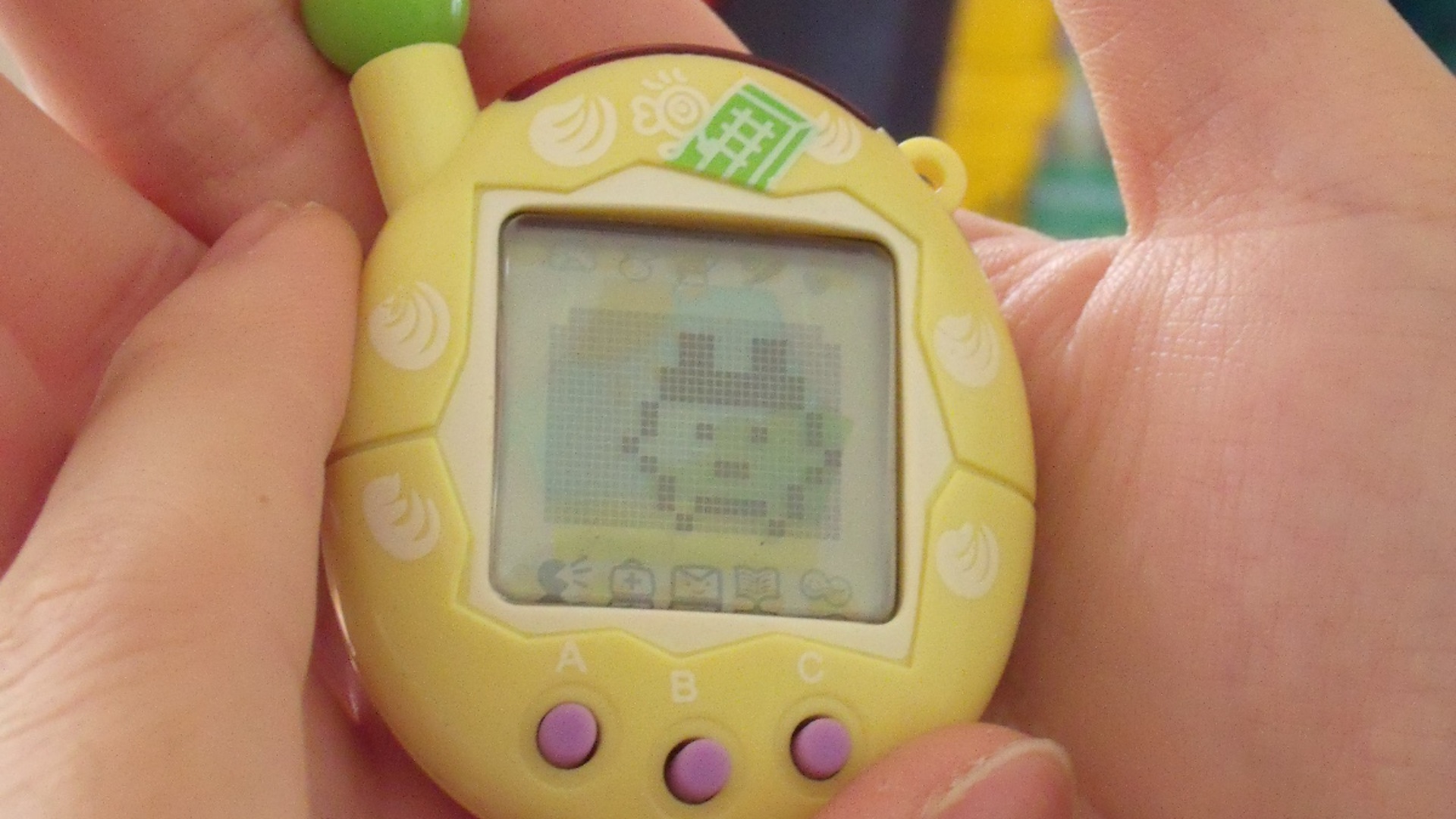
Aside from the shells, part of the magic of a Tamagotchi wasn't just raising a pet, but never knowing exactly which character you'd end up with. After all, while it was partially random, the pixelated creature you ended up with depended heavily on how well you took care of it. For example, Mametchi (the face and one of the main mascots of Tamagotchi) can only be obtained through perfect care. Kuchipatchi, on the other hand, is lazy and loves to binge, meaning you likely didn't care as well for your pet as you should've.
This system meant that no two players necessarily ended up with the same outcome, even if they started with an identical egg. Every evolution can be slightly different, depending on how you did during that stage. That branching structure gave the toy an addictive quality; you could replay it over and over, and still be chasing a specific character you hadn't unlocked yet.
Once your Tamagotchi was married off and had a child of its own, the cycle repeats. And unless you gave your pet drastic care, the loop goes on indefinitely, until you have a long list of previous parents and family members. Ultimately, each of these mini "restarts" gave you another opportunity to get a better character.
The Built-In Social Aspect
Besides just bringing your Tama to school, you could also compare evolution stages with your friends, swap tips on how to avoid common care mistakes, and—the most exciting of all—even "connect" with your friends. The toy essentially functioned as a built-in conversation starter, giving you something to immediately bond over.
By "connecting" your Tamagotchis, you opened up an array of fun possibilities: your characters could marry one another, you could send gifts, you could enter another Tama's "house" and play. Plus, back when Bandai still had a dedicated website for Tamagotchi owners to enter secret codes online, the social and community aspect was even more exciting, giving the toy a communal quality that outlasted the initial novelty of just owning one. Plenty of people made close friendships just because of this shared hobby.
So: why was the Tamagotchi craze so popular? Well, it all came down to the perfect formula, combining collectibility, unpredictability, and social interaction into one small package that just worked. From the endless variety of shell designs that gave collectors something to chase, to the branching character evolutions that gave players a reason to keep experimenting, the whole experience had a kind of staying power that typical toys in the '90s rarely achieved. Decades later, it's clear that the craze lives on—many original Tama owners still play with one now. Thankfully, even the brand has continued re-releasing previous models, proving that Tamagotchis are not going away any time soon.