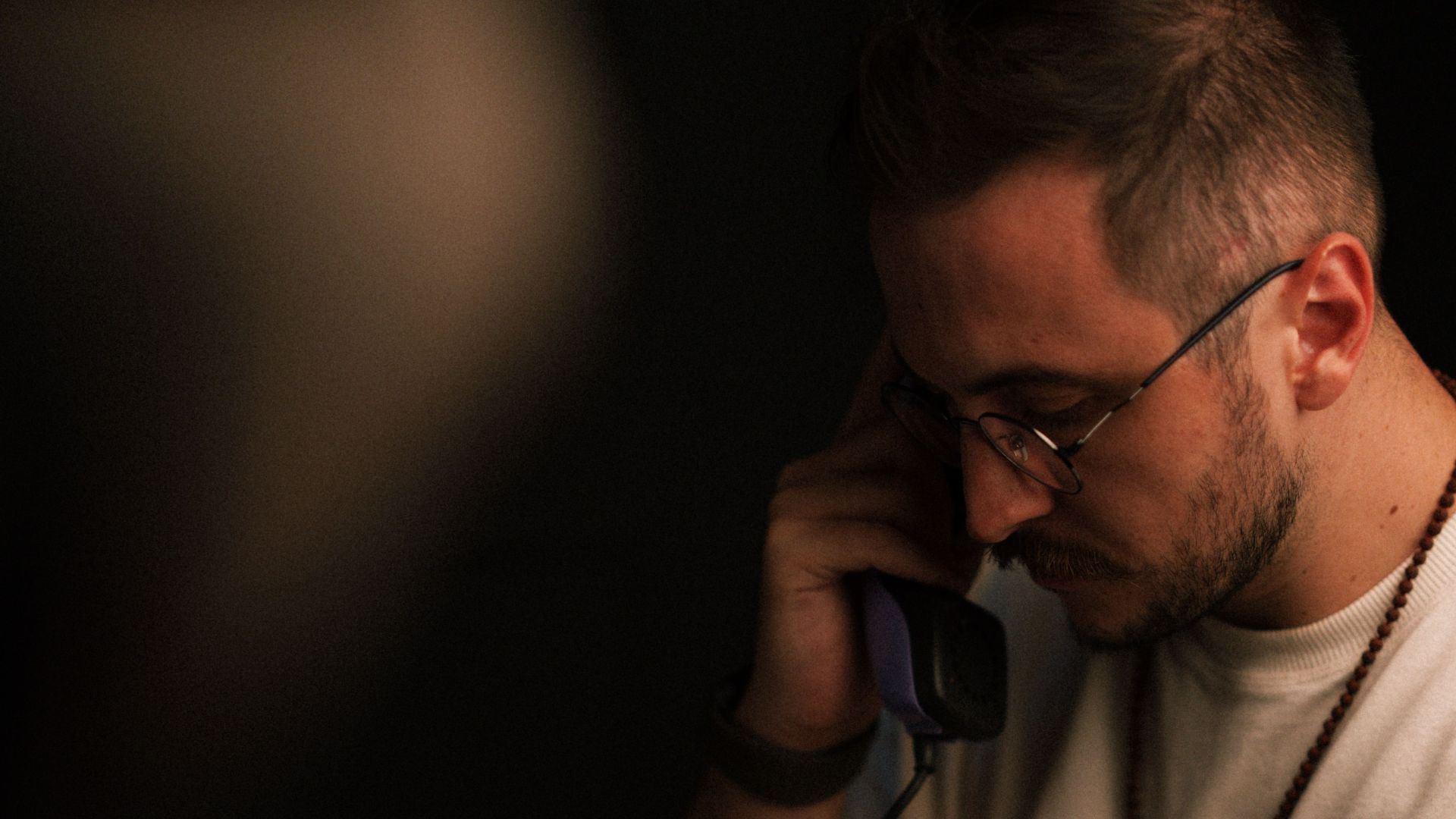
One Tape, One Household
The answering machine sat on a table in the hallway and got used by everyone in the house. There was one phone number, one tape, and one blinking light holding every message anyone had left since Tuesday. Calls went to a household rather than a person, which meant whoever got to the receiver first could answer it, ignore it, or yell across the house for someone else. A whole set of habits grew out of that setup, and almost all of them were tossed the moment cellphones came into the picture. Here are 20 things about answering machines that a kid today would find completely baffling.

1. The Whole House Shared One Machine
Your friends and your mother's coworkers left messages on the same short loop of tape, along with the occasional wrong number asking for somebody named Ron. Anyone walking past the table could hit play and hear all of it. Privacy meant getting home first and reaching the machine before anybody else did.

2. Recording the Greeting Took Nine Takes
Somebody had to speak into a small grille on the front of the unit without stammering. Families would stand around the machine arguing over whether the last attempt sounded friendly or strange. Getting one clean take was a minor household event, and the result stayed up for years.

3. The Blinking Number
A red LED on the front showed how many messages were waiting, readable from the far side of a dark room before you found the light switch. Walking in to a blinking three meant something had happened while you were out, and a steady zero after a full day away delivered its own verdict on your week.

4. Screening Calls in Real Time
The machine played the caller's voice into the room while they were still talking, which let you stand two feet away and decide whether this was a conversation you wanted. People got good enough at this to identify a caller inside of two words. Picking up halfway through somebody's message meant explaining why you had been standing there listening.

5. Everyone Heard Everything
News about a doctor's appointment or the end of a relationship played into the room at whatever volume the dial happened to be set to. The caller had no idea whether the intended person or that person's father was standing three feet away, which is why an entire generation learned to leave messages that gave away nothing.

6. The Beep Was a Deadline
You had about thirty seconds on most machines and the cutoff came without any warning tone. Callers learned to put the important part first and save the pleasantries for whatever time was left. Getting cut off mid-sentence meant calling back and starting the whole thing over, with the machine now holding two half messages.

7. Nobody Knew If You Got It
There was no read receipt and no way to confirm a message had recorded at all. A caller sat with the possibility that the tape had run out before their message ever recorded. The uncertainty ran until they either called back or gave up.
8. Rewinding to Hear It Again
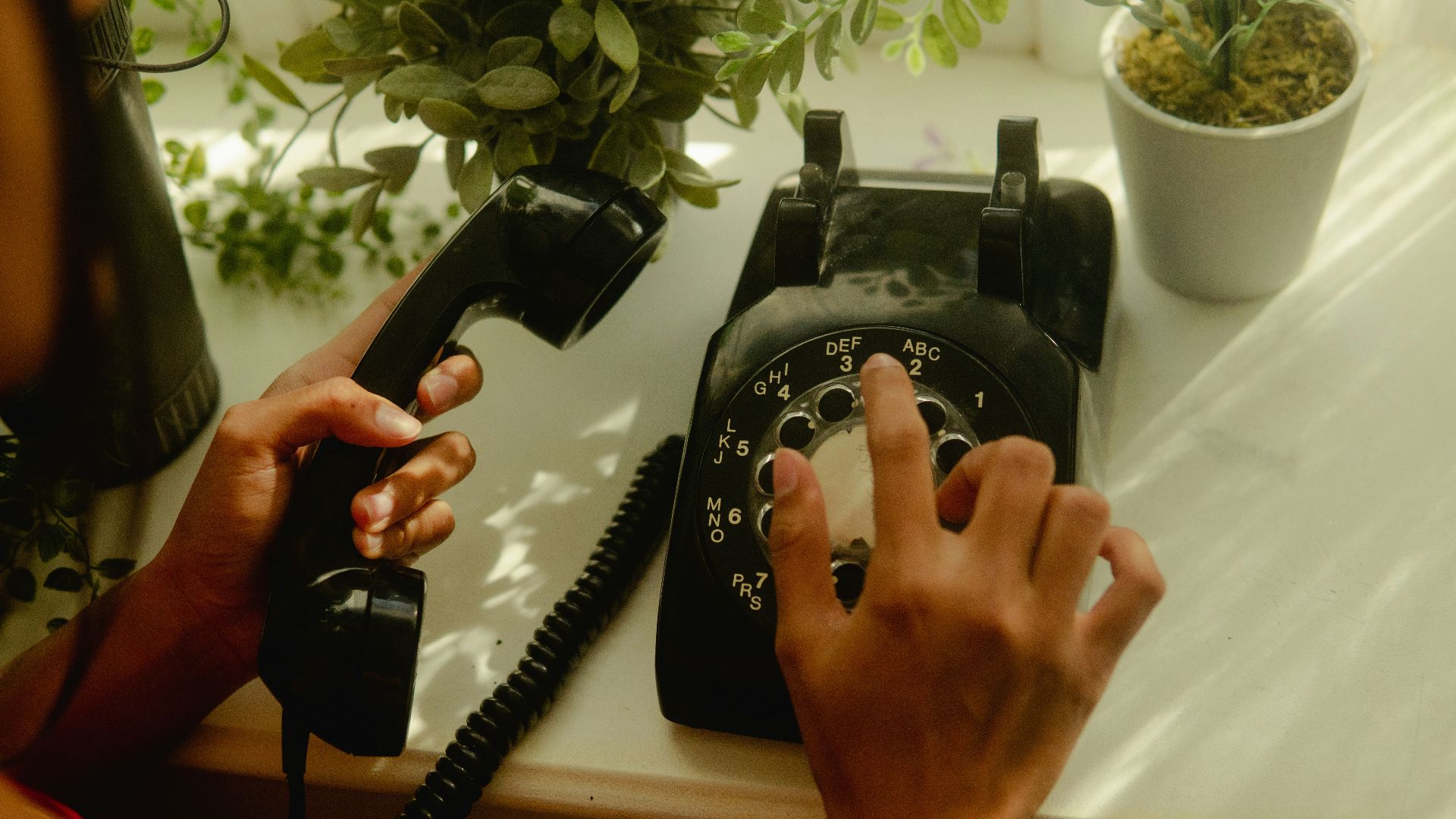
Missing a digit in a phone number meant rewinding the tape, and the rewind overshot the mark every single time. You would land in the last four seconds of the previous message and have to sit through it again. Getting the number down correctly on the first pass, with a pen that worked, was the actual skill.
9. Someone Always Erased Everything
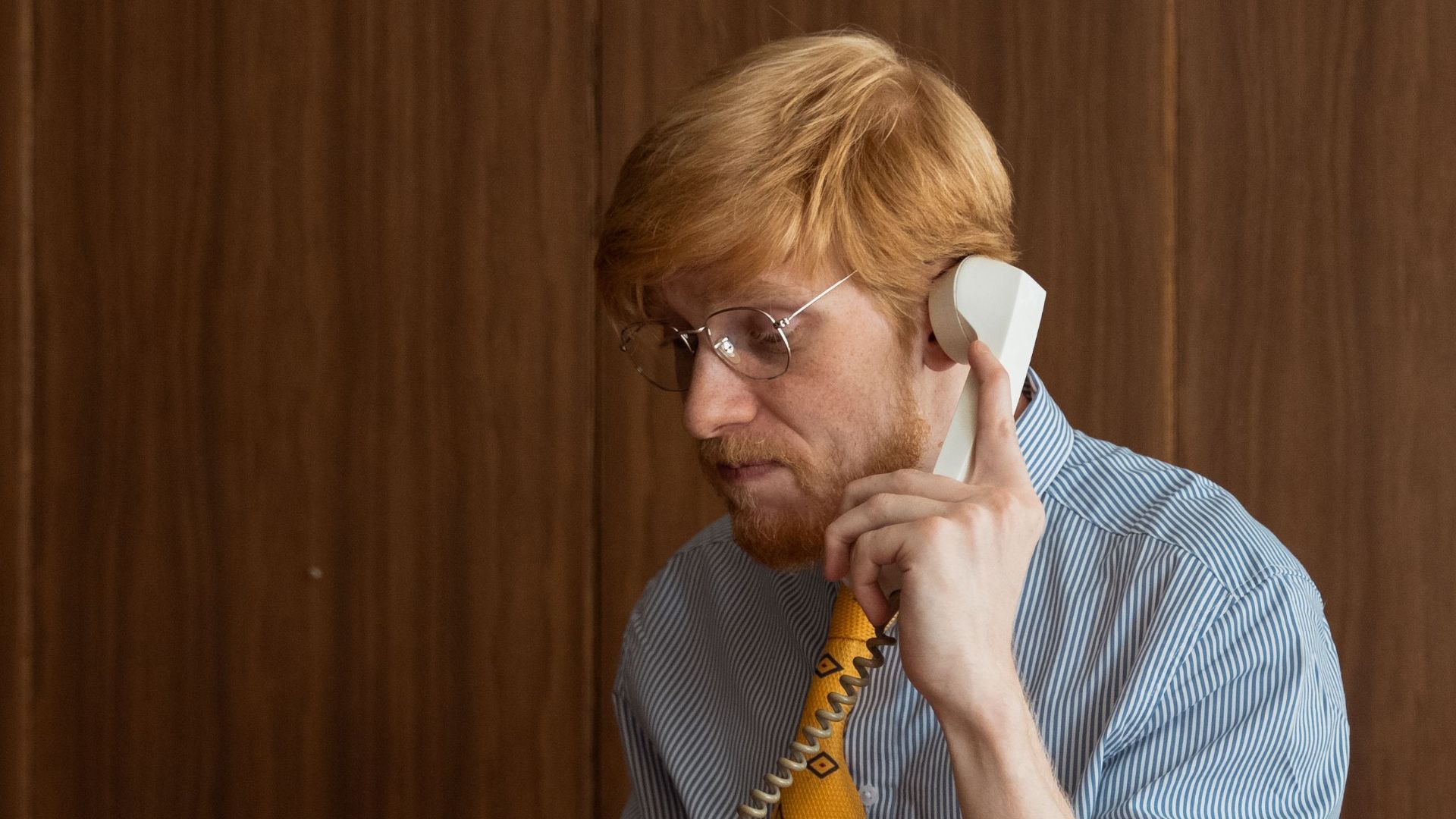
One button cleared the entire tape, and on most models it sat directly beside play. Somebody in the house always hit it eventually, usually while trying to do something else. Nothing came back off an erased tape, so the blame never went anywhere.
10. Tapes Wore Out
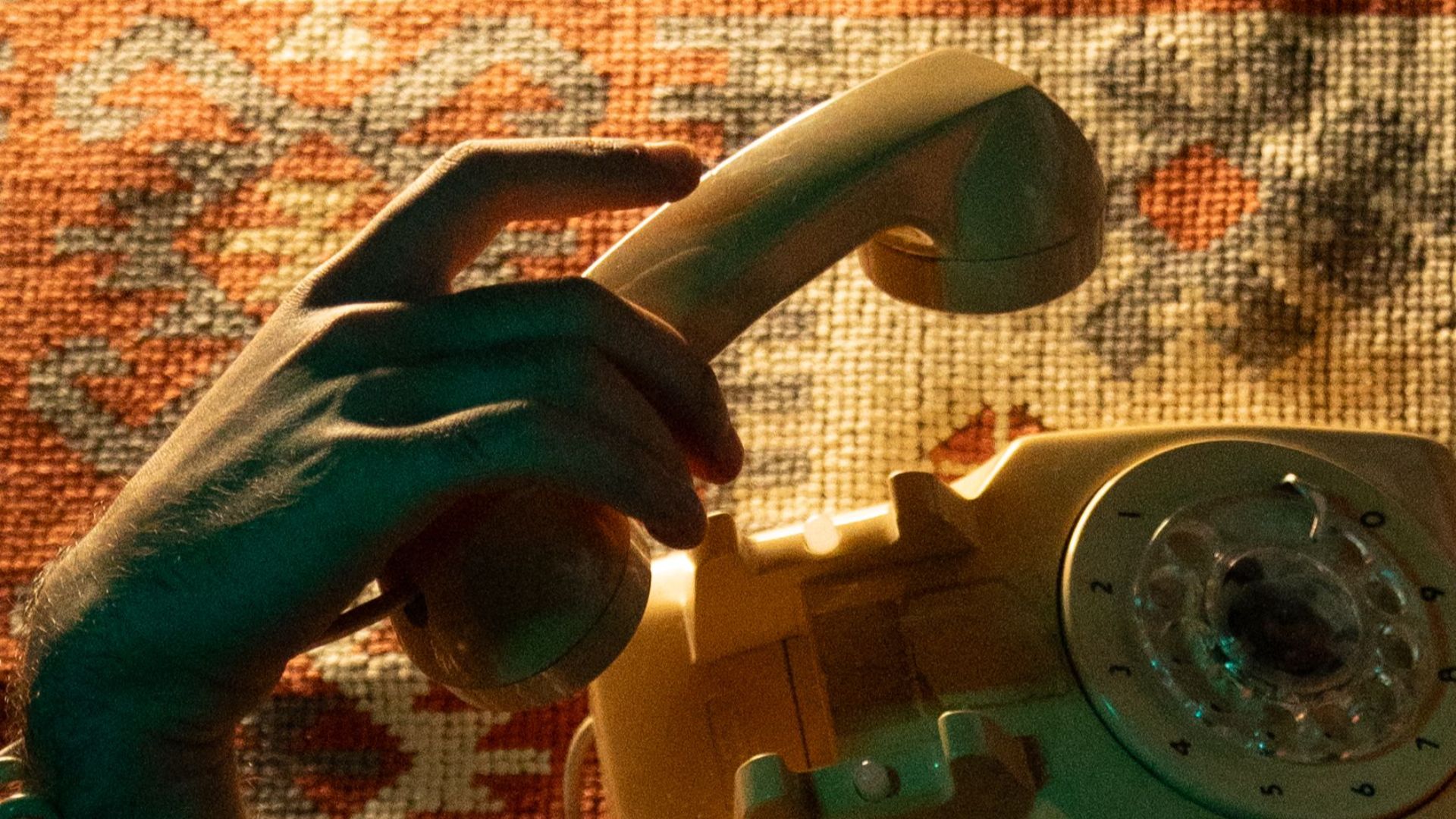
The cassette stretched a little with every pass, so older messages sounded thinner and further away with each passing month. Machines chewed up tapes the same way a car stereo did, and replacement microcassettes sat on a drugstore shelf near the film counter for a couple of dollars.

11. The Outgoing Message Was a Performance
Some households recorded music underneath the greeting, cued up on a stereo across the room. Others put the kids on, which meant a thirty-second bit that stayed on the machine long after it stopped being funny. A certain kind of person recorded a fake pickup that said hello twice and then went silent, waiting for the caller to start talking to nobody.

12. Long-Distance Meant Something
Out-of-state messages carried weight, since the call itself was billed by the minute and everyone knew it. People kept them short and usually said so at the start. Nobody rang long distance to leave a message about nothing.
13. You Could Not Delete Your Own
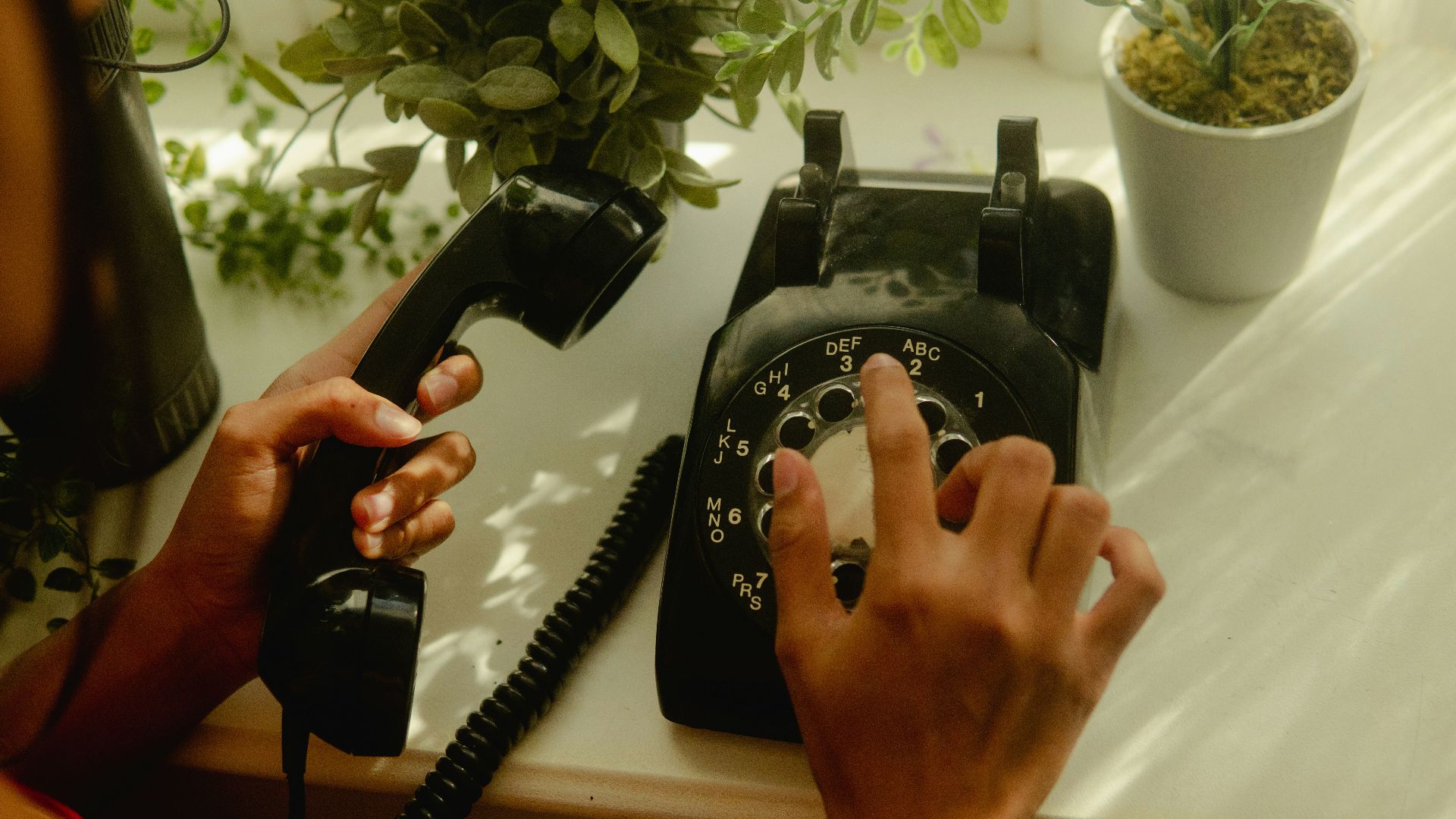
Saying something regrettable into a machine became permanent the second you hung up the receiver. There was no unsend and no way to reach into the house and take it back, so the only remedy was calling again and hoping somebody answered live before anyone hit play.
 Connor Scott McManus on Pexels
14. Remote Retrieval Required a Code
Checking messages from a payphone meant calling your own number and punching a two-digit code over the greeting. Some models needed a plastic tone generator, a keychain gadget you held to the mouthpiece to produce the right beeps. Half the households that owned one never learned how any of it worked.
15. The Answering Service Alternative
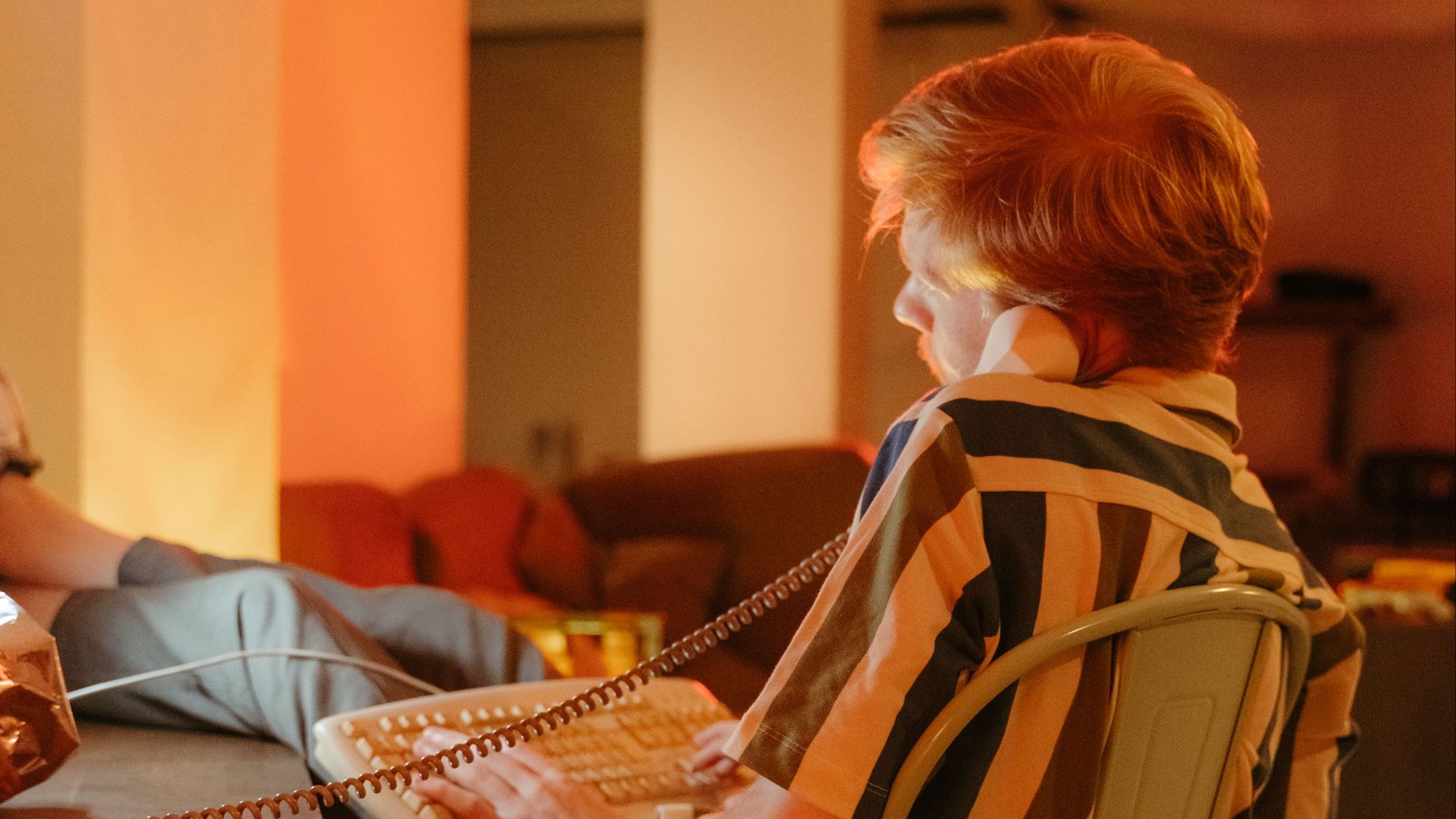
Before machines got cheap enough for a household, a person somewhere else answered your line and wrote the messages down by hand. Doctors and small businesses ran on those services for decades, and what came back at the end of the day was a stack of pink carbon slips with a name and a number on each one.
16. Hanging Up Was a Statement
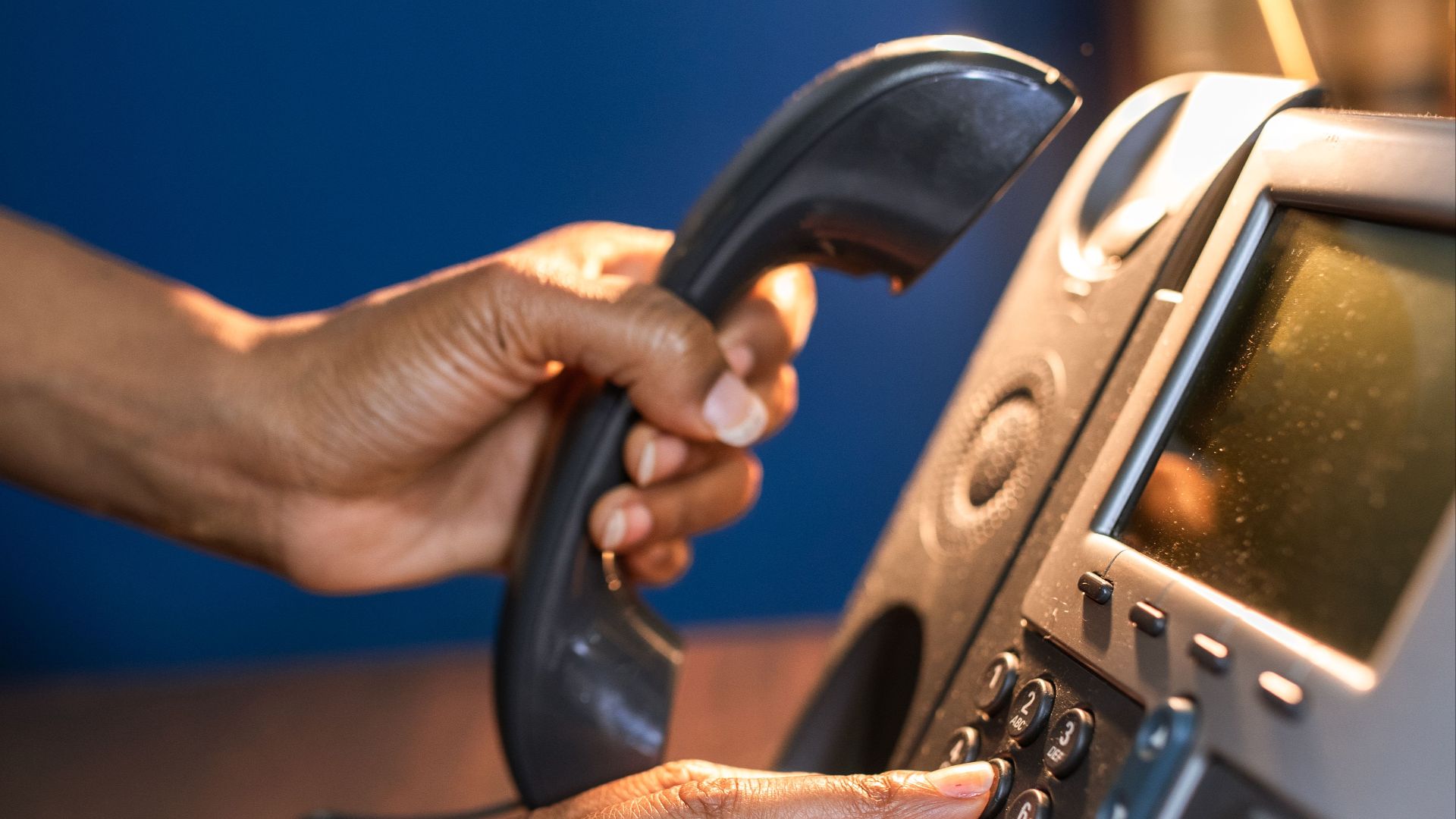
A caller who reached the machine and hung up left a few seconds of silence and a click, which the machine counted as a message. Everyone in the house knew somebody had called and decided not to speak. Caller ID eventually attached a name to those, which took most of the mystery out of it.

17. Waiting by the Phone Was Literal
If somebody said they would call that night, you stayed in the house and stayed off the line. Going out meant finding out hours later whether they ever did, and a busy signal meant they might have tried and given up, which together account for an entire genre of teenage misery.

18. Saving a Message Meant Keeping the Tape
Keeping a voice message meant pulling the cassette out and putting it somewhere safe, which meant buying another one. People held onto tapes with a grandparent's voice on them, filed in a drawer as an heirloom. For some families that cassette is the only recording of that person that exists.

19. The Machine Answered on the Fourth Ring
Ring count was a setting somebody in the house had to sit down and choose, and four was the standard. Two rings meant a person in that house was waiting on a specific call and did not want the machine getting there first.
20. Sunday Night Was Full
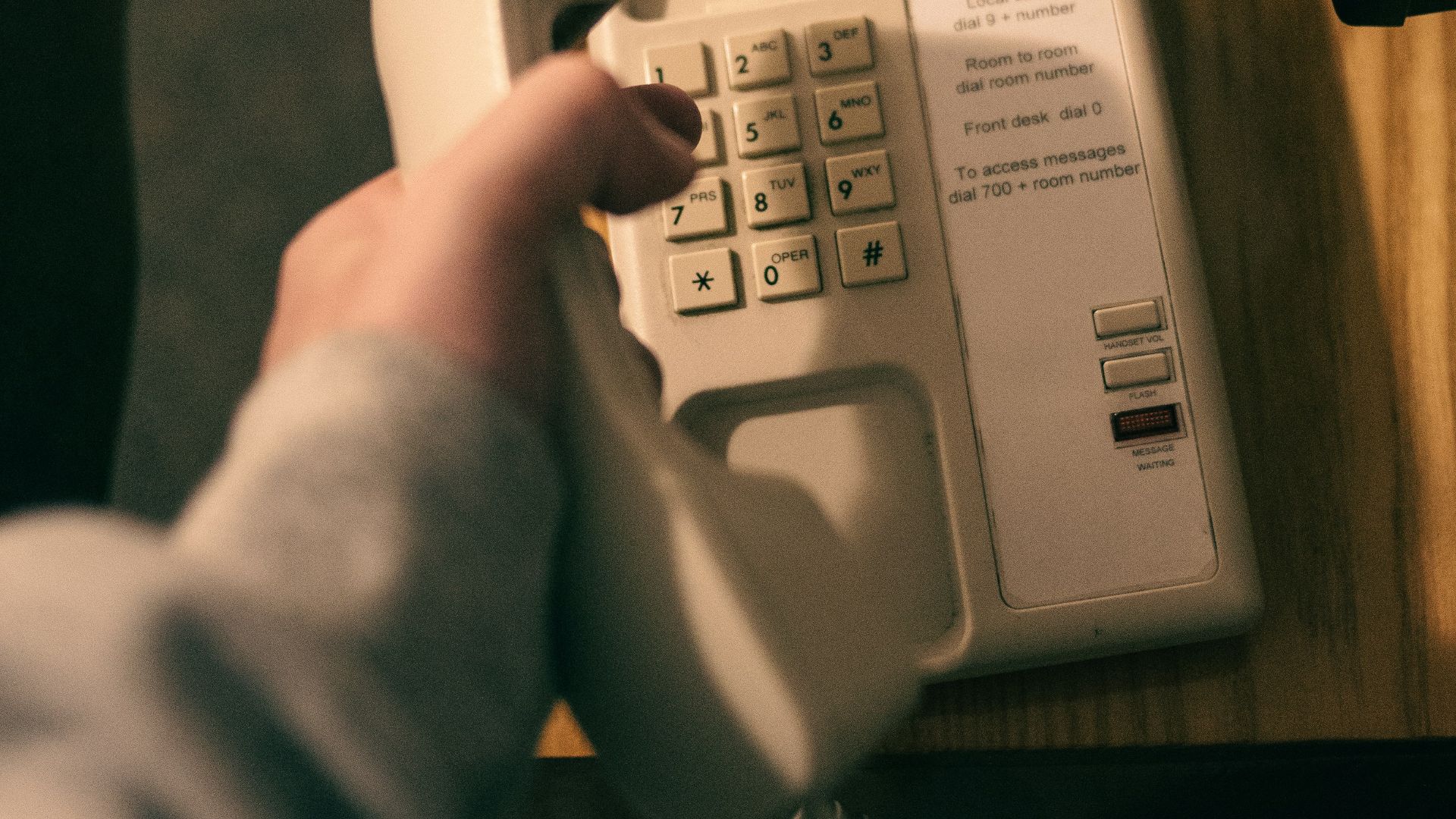
Coming home from a weekend away to nine messages meant standing there working out which ones required follow up. That meant ruling out expired invitations to things that happened while you were gone. The household listened to the whole tape in order, because there was no way to know which were relevant and which weren't.