
Growing Up Plugged In
For kids growing up in the 2020s, screens are part of almost everything, from schoolwork to keeping in touch with friends. Some spent their early school years attending classes on video calls, while others have never known a time when their parents couldn't track their location through a phone. Much of this feels perfectly normal today, but the next generation may look back on these habits the way we now look at dial-up internet and paper phone books. Schools and governments are already starting to reconsider some of them. Here are 20 tech habits future kids may find hard to believe.

1. Attending Class on a Video Call
Closures in 138 countries sent roughly 1.37 billion students home in the spring of 2020, and many finished the year on video calls. Frozen screens and muted microphones became part of the lesson, along with the occasional pet wandering into the frame. Kids who only know a school building with a bell may find it hard to picture class happening in a kitchen.

2. Typing a Different Password for Every Account
Logging in meant inventing a password with the right mix of letters and symbols, then resetting it after forgetting it. By May 2026 an estimated 5 billion passkeys were in use, and they let a fingerprint or a face open an account instead. Passwords are still the most common way in, though, so the typing habit hasn't disappeared yet.
3. Clicking Traffic Lights to Prove You Weren't a Robot
Websites regularly asked visitors to prove they were human by picking out traffic lights and crosswalks in a grid of blurry photos. The puzzles tended to get harder as software improved, which left plenty of real people clicking again.
4. Carrying a Different Charger for Every Device
Phones and cameras once came with their own cables, so most households had a drawer of mismatched chargers. The European Union required a common USB-C port on new phones and similar devices starting in December 2024, with laptops following in 2026. The rule may have nudged products toward the same cable even outside Europe, since many companies sell worldwide.

5. Scanning a QR Code to Read the Menu
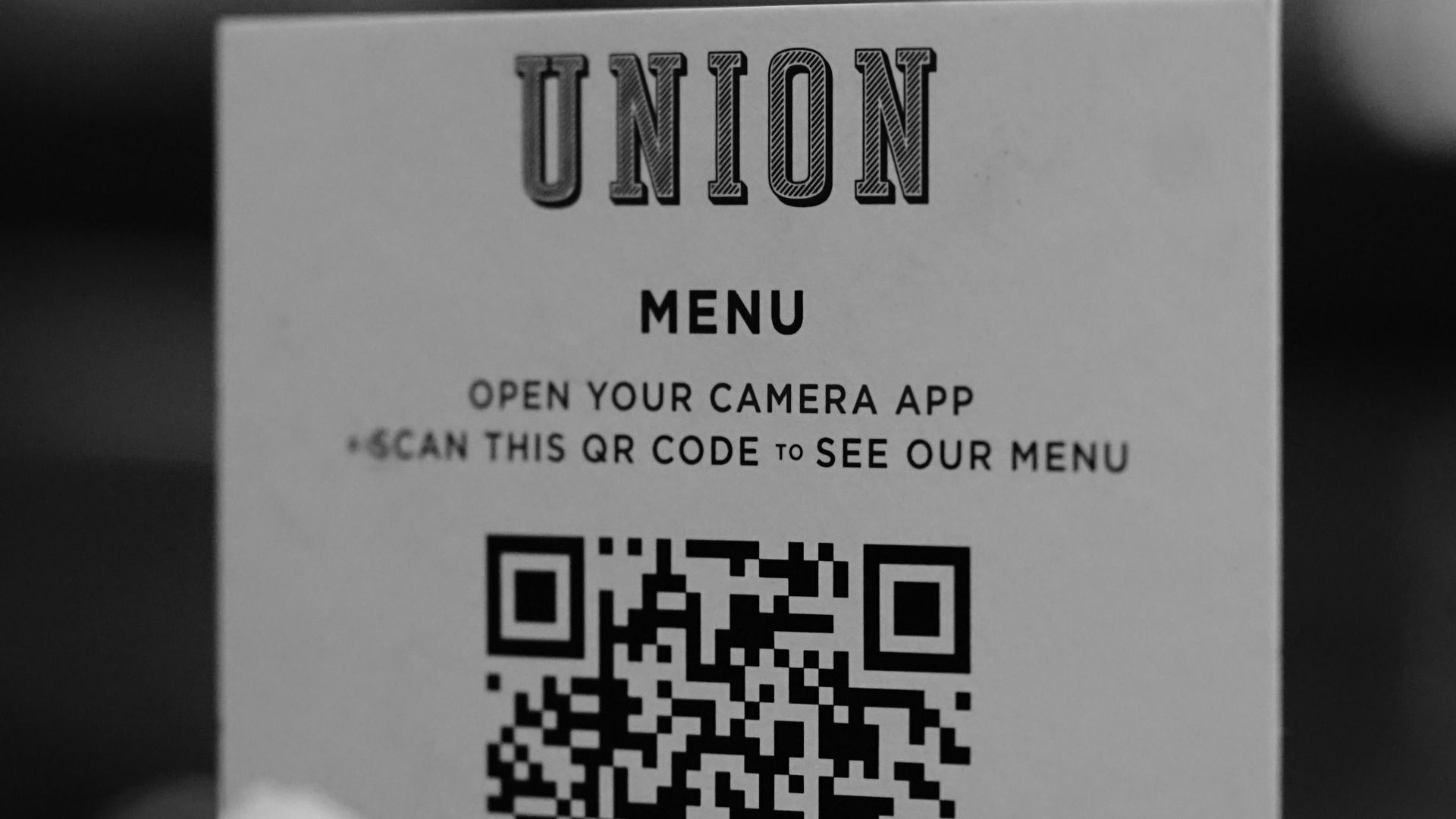
Restaurants swapped paper menus for QR codes during the pandemic so diners could pull the menu up on their own phones. Some places kept the codes long after the lockdowns ended, which meant tables full of people staring at screens before anyone ordered. Kids raised on printed menus may wonder why a phone was ever needed to read one.
6. Waiting Out Unskippable Ads
Streaming apps that once sold themselves as ad free started offering cheaper plans with commercials, and many video sites played an ad before the clip you came for. Skip buttons appeared after a few seconds on some ads and never on others. Paying extra to remove the ads turned into a standard upsell.

7. Subscribing to Everything by the Month
Games and cloud storage joined movies and music as things people rented by the month, and the charges were easy to forget about. Families often held several streaming services at once and canceled one to try another. Small charges on a card statement added up for many households without anyone noticing.
8. Paying Millions for Digital Art Anyone Could Copy
In March 2021 an artist sold a digital collage at Christie's for $69.3 million, and the buyer received a token that served as a certificate of ownership over a file anyone could still view. The artist himself said he thought the market was a bubble. Prices for many similar tokens fell sharply in the years after.

9. Signing Up for Social Media at Any Age
Australia began barring children under 16 from major social platforms in December 2025, and officials said about 4.7 million accounts were deactivated or restricted. Opposition politicians argued that teenagers could find ways around it, and one regulator said downloads of other apps jumped without a matching jump in use. A future kid raised with firm age limits may be surprised that a young child could simply sign up.
10. Carrying a Phone Into the Classroom
By the spring of 2026, at least 33 US states had enacted school cellphone bans, and some covered the whole school day. Before that, many students kept phones in their pockets and checked them between lessons, and teachers had to compete with the buzz.

11. Sharing Your Location With Your Parents All Day
Many families used apps that showed a teenager's live location on a map, so a parent could see whether a kid had made it to practice. Some teens didn't mind, while others felt watched, and the arrangement sometimes outlasted its original reason.
12. Asking a Chatbot That Made Things Up
AI chatbots started helping with homework in the early 2020s, and they sometimes stated wrong answers with complete confidence. Students and teachers learned to double-check names and quotes, since a chatbot could invent a source that looked real. As the tools improved, the more obvious errors became less common.
 Emiliano Vittoriosi on Unsplash
13. Scrolling Short Videos Picked by an Algorithm
Feeds of short videos picked by an algorithm kept many kids scrolling long after they meant to stop. Parents and schools worried about it, and researchers have been debating how much it affects attention and sleep. A kid whose feed ends on its own may think it strange that scrolling could go on forever.
14. Spending Real Money on Virtual Hats
Games like Fortnite and Roblox sold cosmetic items that existed only on a screen, and kids often asked for gift cards to buy them. Critics said the in-game currencies made it harder to notice how much real money was changing hands. A pile of virtual currency was a familiar birthday present.

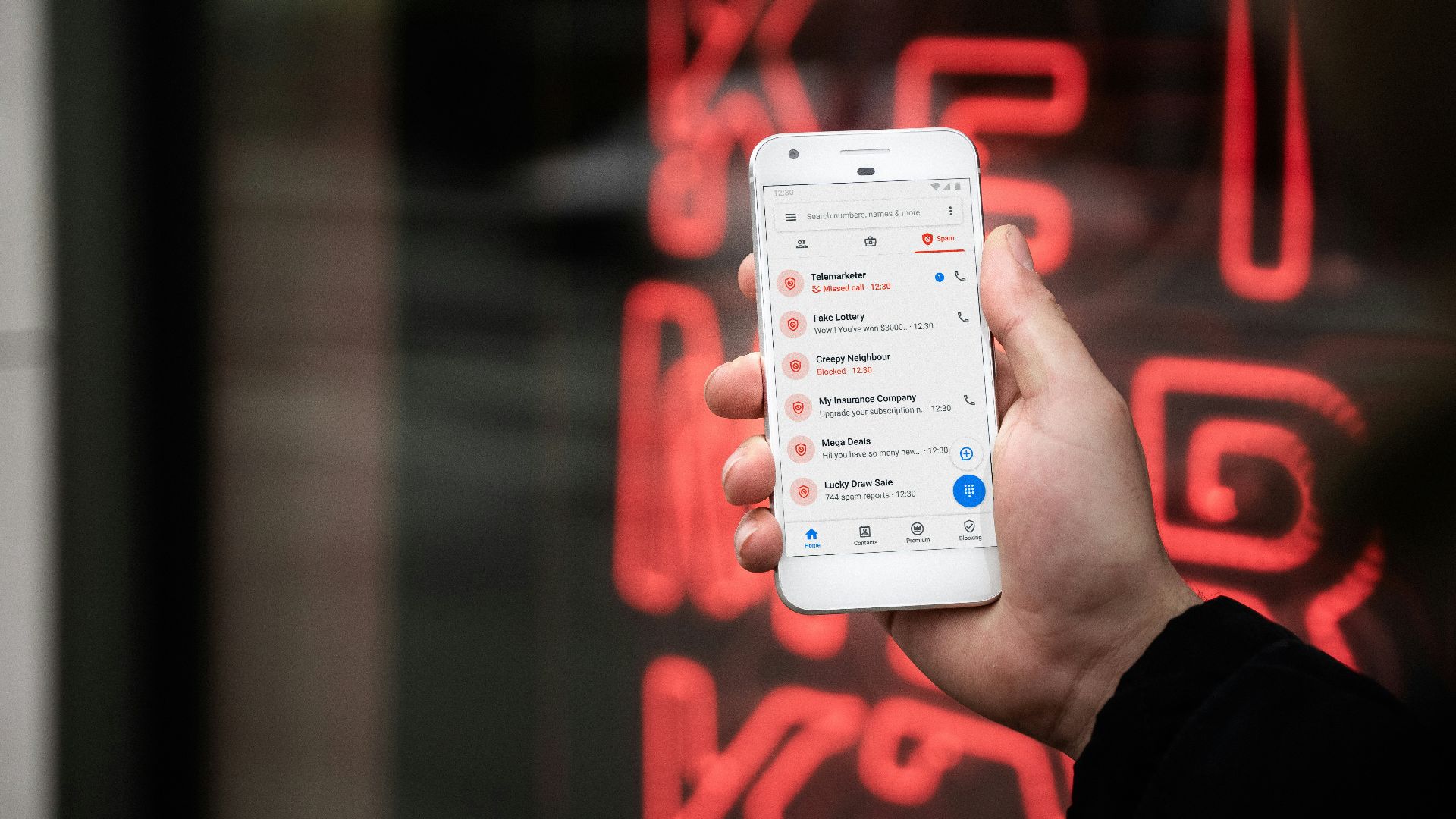
15. Picking Up Spam Calls
Unknown numbers called constantly with offers and fake emergencies, and some scams were aimed at older relatives. People got in the habit of letting unfamiliar numbers ring through to voicemail. Call-screening features on newer phones started answering for them.
16. Yelling at a Smart Speaker
Voice assistants in kitchens and living rooms answered questions and played music, but they often misheard the request. Plenty of families repeated the same command in a louder voice until the speaker got it. The speakers also listened for a wake word all day, which made some people uneasy about having them in the house.

17. Getting a Storage Full Warning
Phones filled up with thousands of photos and videos, and a storage full warning tended to appear at the worst moments, such as when someone tried to record a concert. The usual fixes were paying a monthly fee for cloud storage or deleting pictures one by one. Many of those photos were probably never looked at again.

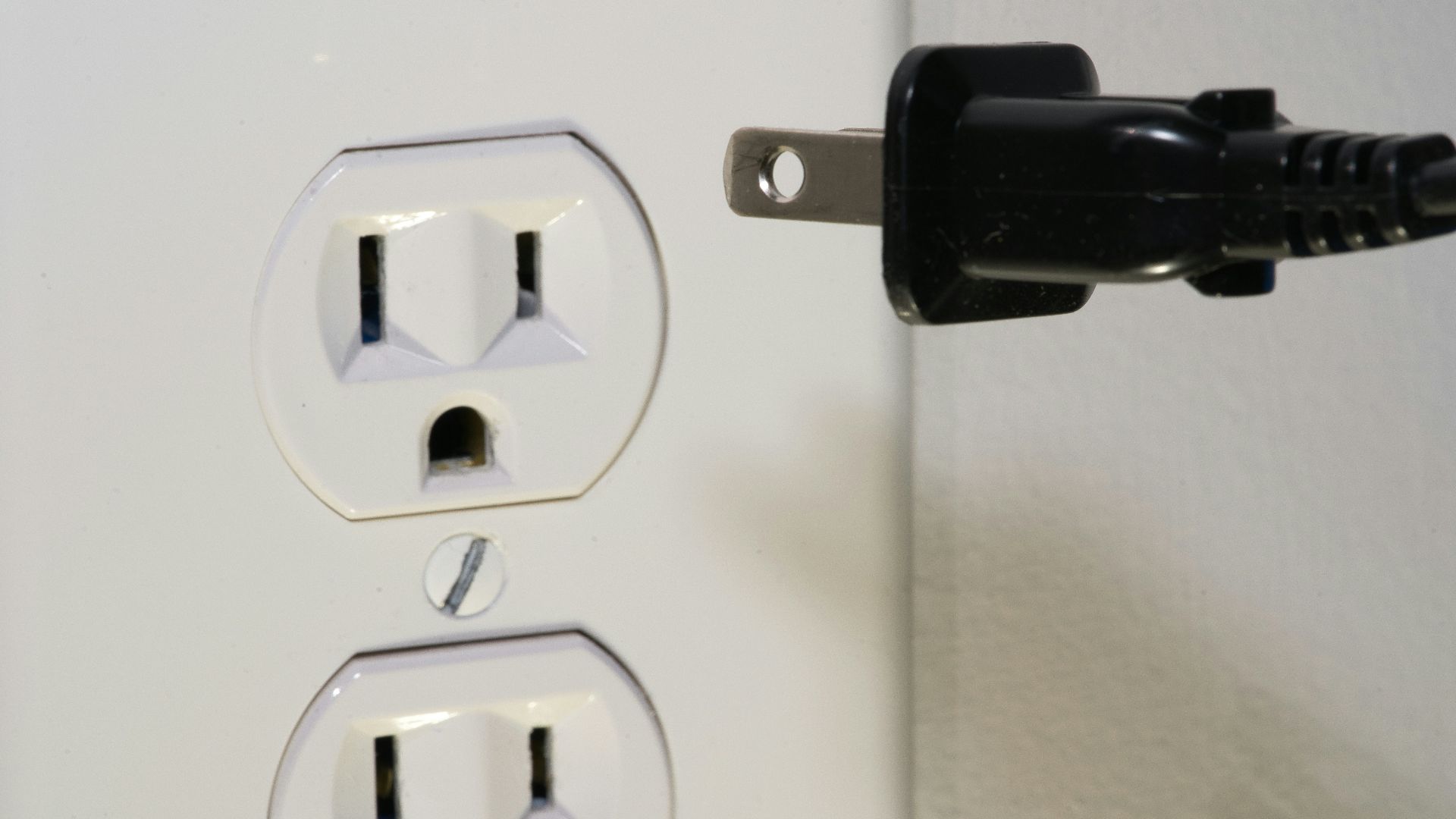
18. Hunting for an Outlet to Charge a Phone
Phone batteries rarely lasted much past a full day of heavy use, so people checked the percentage and planned around the nearest outlet. Airports and cafes were full of people sitting on the floor beside a wall socket. Anyone with a phone that lasts for days would struggle to imagine that kind of anxiety.
19. Driving a Car by Hand
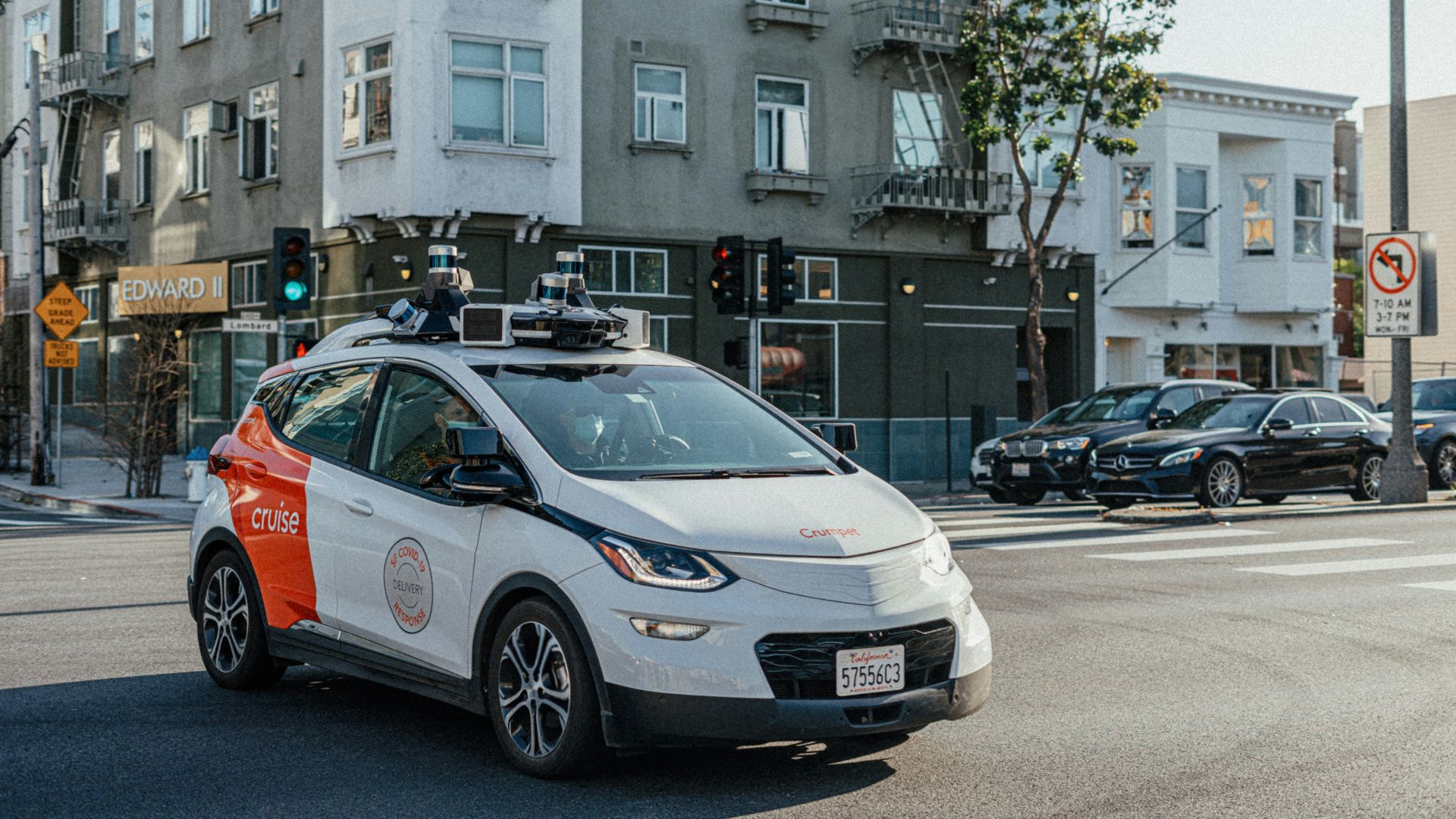
Waymo's robotaxis were running in 10 US cities by March 2026, and the company said it hoped to pass a million paid rides a week by the end of the year. Most cars on the road still needed a person at the wheel for every trip. In the newest cities, service started with invited users before opening more widely.
20. Clicking Away Cookie Banners
Opening a website often meant dealing with a pop-up asking whether you wanted to accept cookies. Most people clicked the accept button just to get to the page they wanted. These banners became widespread following the introduction of European privacy regulations, eventually appearing on websites around the world. What was meant to give people more control over their data became another routine part of browsing the internet.