A Few Red Flags Can Save You a Lot of Trouble
The internet makes shopping, banking, and connecting with people easier than ever, but it also gives scammers countless opportunities to trick unsuspecting users. While many scams have become more sophisticated over the years, they still tend to follow familiar patterns once you know what to look for. Paying attention to a few warning signs can help you avoid losing money, personal information, or access to your online accounts.
 Viktoria Slowikowska on Pexels
1. The Offer Sounds Almost Too Perfect
If someone promises huge rewards for very little effort, it's worth slowing down before clicking anything. Whether it's an unbelievable investment return or a luxury item being sold for a tiny fraction of its value, scammers know attractive offers grab attention. Taking a few extra minutes to research the claim can save you from making an expensive mistake.
2. You're Being Pressured to Act Immediately
Creating a sense of urgency is another favorite tactic of scammers because it forces people into making snap decisions. If you receive a message that your account will expire in five minutes or a deal will be gone forever if you don’t act immediately, stop and take a breath. Trustworthy companies will almost never try to pressure you.

3. They Ask for Payment With Gift Cards
One of the biggest warning signs is being told to pay with gift cards instead of traditional payment methods. Government agencies, banks, and reputable businesses don't collect payments through prepaid gift cards. If someone insists that's the only option, it's a strong indication you're dealing with a scam.
4. The Website Address Looks Slightly Off
Scammers frequently buy web addresses that replace one letter with a number or change the domain from .com to something similar. These sites typically look identical to the company they’re imitating at first glance. Look closely at the URL before providing personal information.

5. You're Asked to Keep Everything Secret
A scammer may tell you not to discuss the situation with family members, friends, or your bank. They know another person might recognize the warning signs and stop the scam before it succeeds. Honest organizations don't ask customers to keep routine transactions confidential.
6. Someone Wants Your Password
No legitimate company would ever need your login password to provide customer service. Even if someone claims they need it to “verify your identity,” you should hang up the phone. Legitimate support representatives have other ways to verify your identity.

7. Unexpected Prizes Suddenly Appear
Winning a contest you never entered should immediately raise questions. Scammers often claim you've won cash, vacations, or expensive electronics before requesting taxes, fees, or personal information. A prize that requires upfront payment usually isn't much of a prize at all.

8. Poor Grammar and Strange Wording Keep Appearing
Keep in mind that not every scam will have typos or grammatical errors. Many scammers simply write oddly worded sentences or format their messages strangely. While grammar alone isn't proof of fraud, it should encourage you to look more closely.

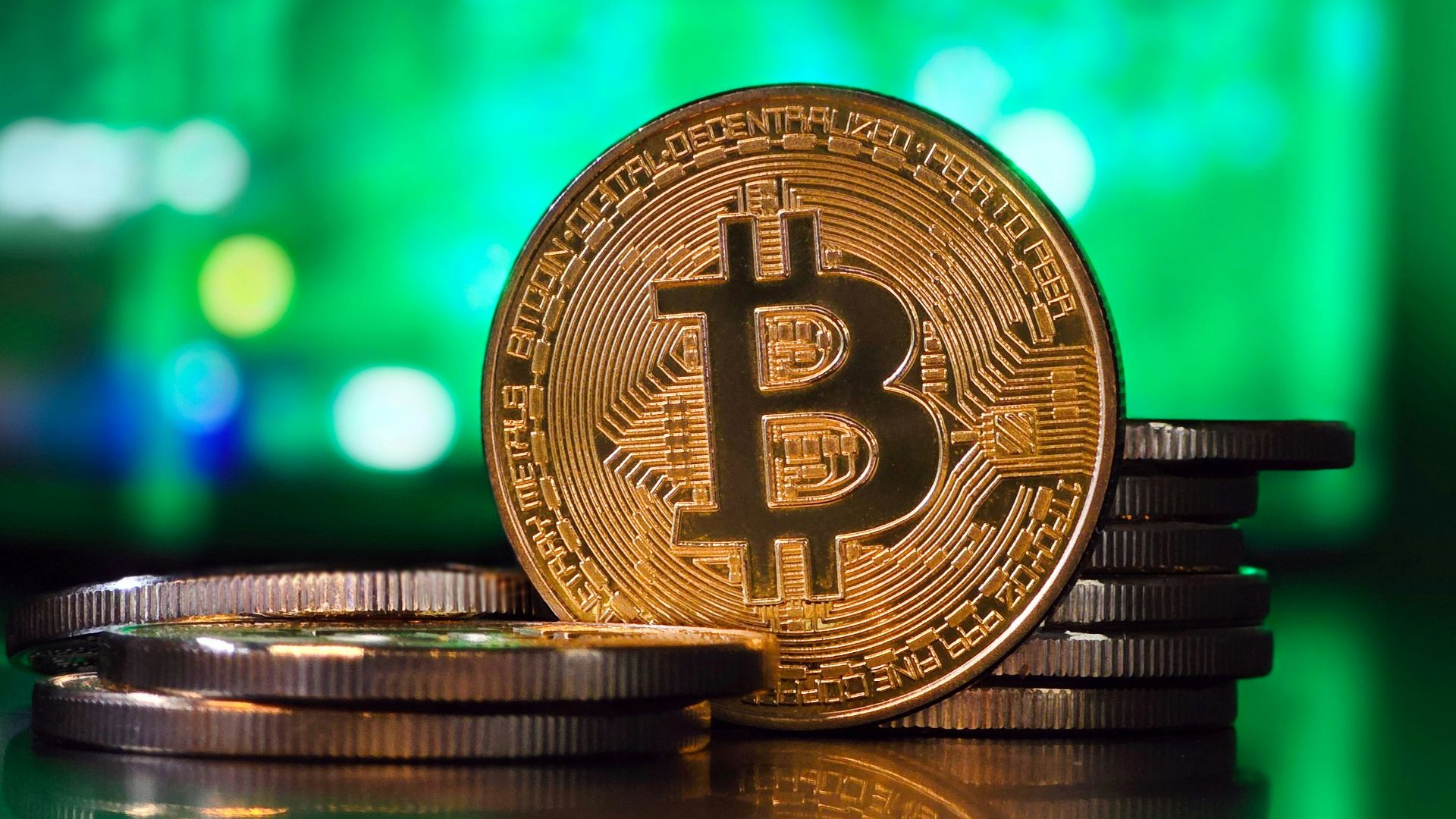
9. They Request Cryptocurrency Payments
Cryptocurrency itself is legitimate, but scammers frequently prefer it because transactions are difficult to reverse. If someone insists you can only pay using digital currency, you should be especially cautious. Reputable businesses generally offer multiple secure payment options.
 Erling Løken Andersen on Unsplash
10. The Customer Support Contact Seems Impossible to Reach
Before making a purchase, look up the business to confirm it has legitimate customer support. Sites owned by scammers will often list fake phone numbers, unresponsive email addresses, or nothing at all. If you can’t confirm they offer customer support before your purchase, you may be out of luck if you need it later.

11. You're Asked to Verify Information You Never Shared
Receiving a message asking you to confirm account details for a service you don't even use should immediately seem suspicious. Scammers often send these messages to thousands of people, hoping someone happens to have the account in question. Verifying personal information can give them exactly what they're looking for.

12. The Sender's Email Doesn't Match the Company
At first glance, you may think the email is actually from a company you know and trust. Take a closer look at the sender’s address. You may discover random letters, unusual domains, or completely different companies once you start digging. Often, that one small thing can help you determine whether you can trust the message.
 Glenn Carstens-Peters on Unsplash
13. Unexpected Attachments Arrive
Be careful whenever you receive attachments you weren't expecting, even if they appear to come from someone you know. Malicious files can install harmful software or direct you to fake login pages. If you're unsure, contact the sender through another method before opening anything.

14. They Want Remote Access to Your Device
Some scammers pretend to be technical support and ask you to install remote access software. Once connected, they may attempt to access personal files or online accounts without your knowledge. Unless you've contacted a trusted company directly, don't hand over control of your computer.

15. Reviews Seem Suspiciously Perfect
When every review gives five stars while using nearly identical wording, something may be off. Fake reviews are often created to build trust quickly and encourage impulse purchases. Looking at reviews across multiple platforms usually provides a more balanced picture.

16. You Feel Confused Instead of Informed
Legitimate businesses generally explain their services clearly and answer reasonable questions. Scammers often rely on confusing language, vague promises, or complicated stories that become harder to follow the longer the conversation continues. If you can't clearly explain what's happening, it may be time to walk away.

17. Personal Information Is Requested Too Early
While some information is needed to make purchases or create an account, others ask for it too early. Asking for your Social Security number, bank account details, or multiple forms of ID upfront isn’t normal. Only provide information that you know is necessary.
18. The Deal Keeps Changing
You may agree to one price only to discover unexpected fees, new conditions, or additional payments later. Scammers often move the goalposts to keep extracting money once someone has already invested time or cash. Constantly changing terms are rarely a good sign.

19. Something Just Doesn't Feel Right
Your instincts can be surprisingly useful when something seems off. Maybe the conversation feels rushed, the explanations don't add up, or the promises seem unusually generous. If you find yourself questioning the situation, take a break before making any decisions.

20. They Discourage You From Verifying Their Claims
Perhaps the biggest warning sign is someone who doesn't want you to fact-check what they're saying. A legitimate business won't mind if you visit its official website, call customer service using a published phone number, or seek independent advice. Scammers depend on trust without verification, so taking the time to confirm the facts is often the easiest way to avoid becoming their next target.