Pros and Cons of a Digital Wallet
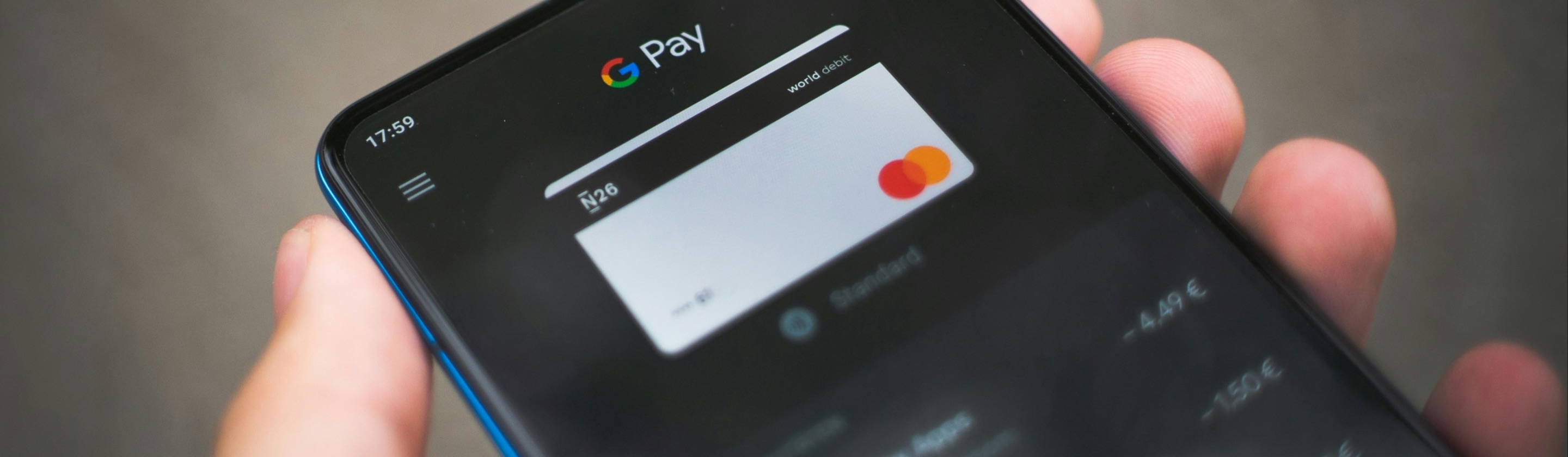
If you're like most, you probably have your debit and credit cards linked to your phone. After all, it makes things so much easier: you no longer need to carry around your physical wallet, and checkout is so much faster. But you might want to think twice. As convenient as it makes things, there's a cost that comes with it. Putting so much financial access on a single device, for one, can spiral into a bigger problem if your phone gets stolen or goes missing. Before deciding whether a digital wallet is worth the hassle, let's take a deeper look at both the possible drawbacks and the practical advantages.
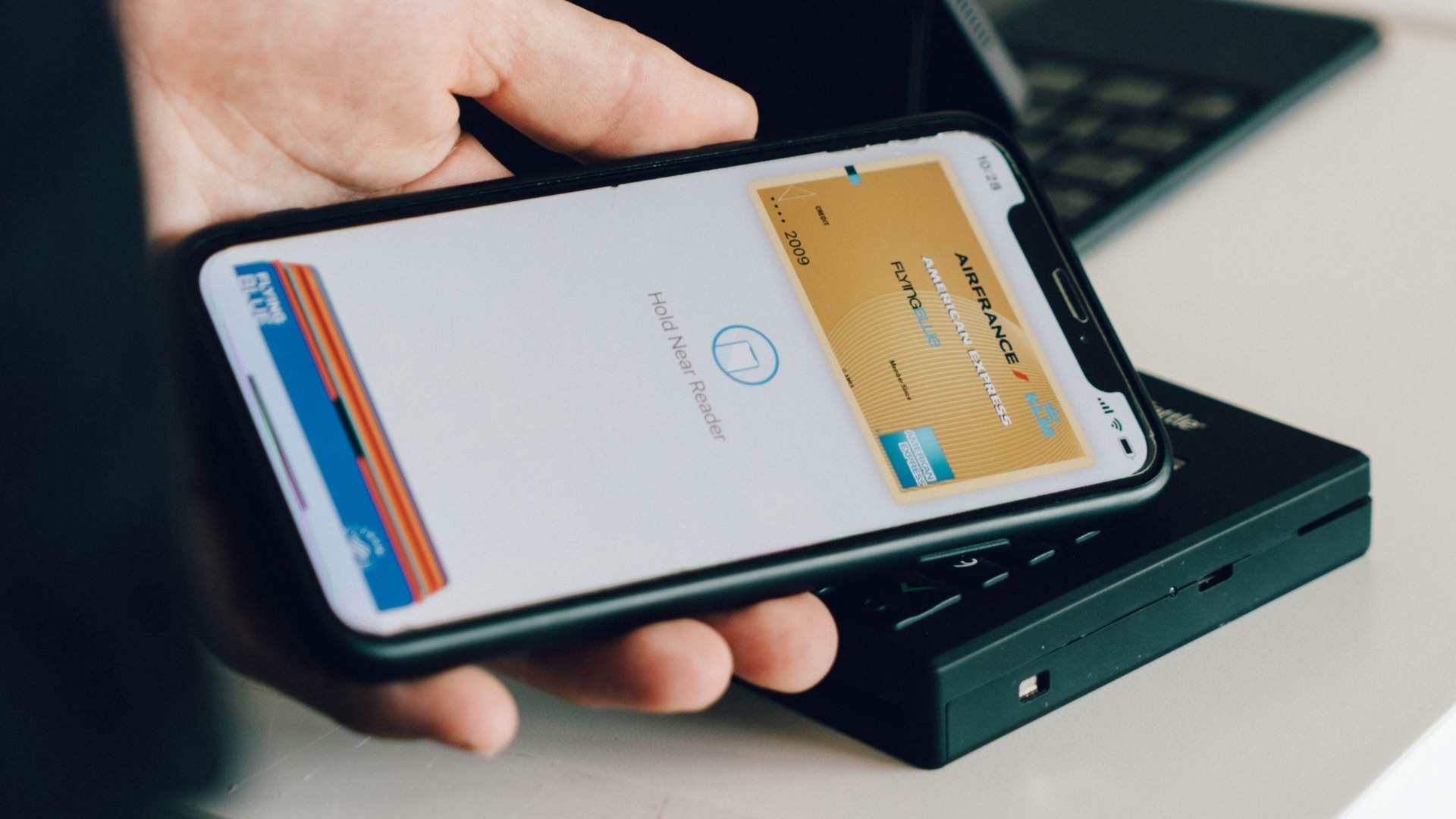
1. Higher Risk If Your Phone Is Lost
Misplacing your phone is stressful enough without wondering whether someone can also access your payment cards. Security features such as passcodes and biometric authentication offer protection, but they aren't a reason to become careless. A weak PIN, visible notification, or unlocked device could expose more information than you intended. You may also need to contact your bank and remotely secure the phone while dealing with the loss itself.
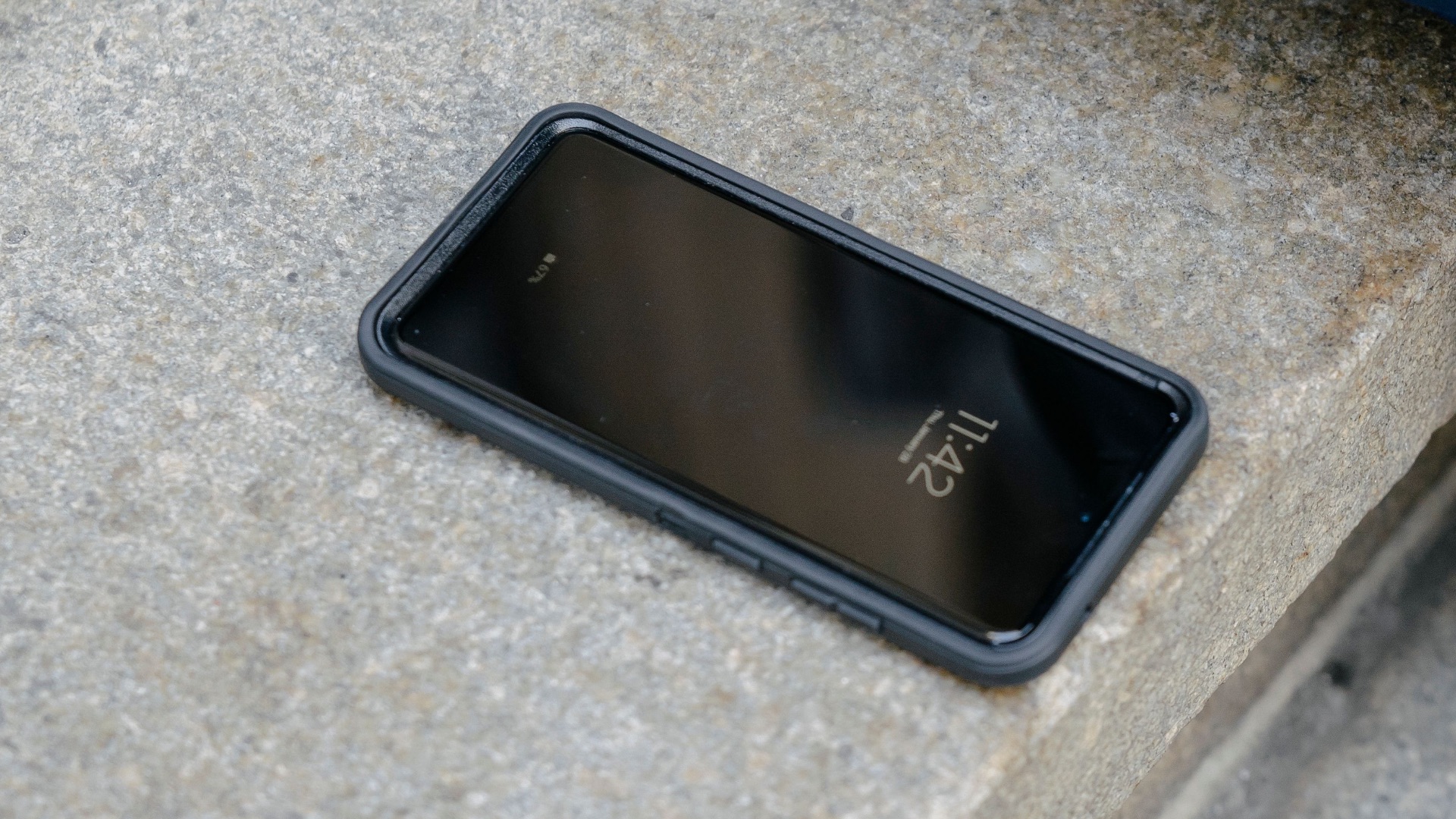
2. Too Much Personal Information
Your phone may already contain emails, passwords, photos, identification details, and private conversations. Adding payment cards places another important part of your life on the same device. Although mobile wallets are designed with security controls, concentrating so much information in one location can make a compromised phone especially disruptive. Some people feel more comfortable keeping their financial tools separate from their other digital accounts.
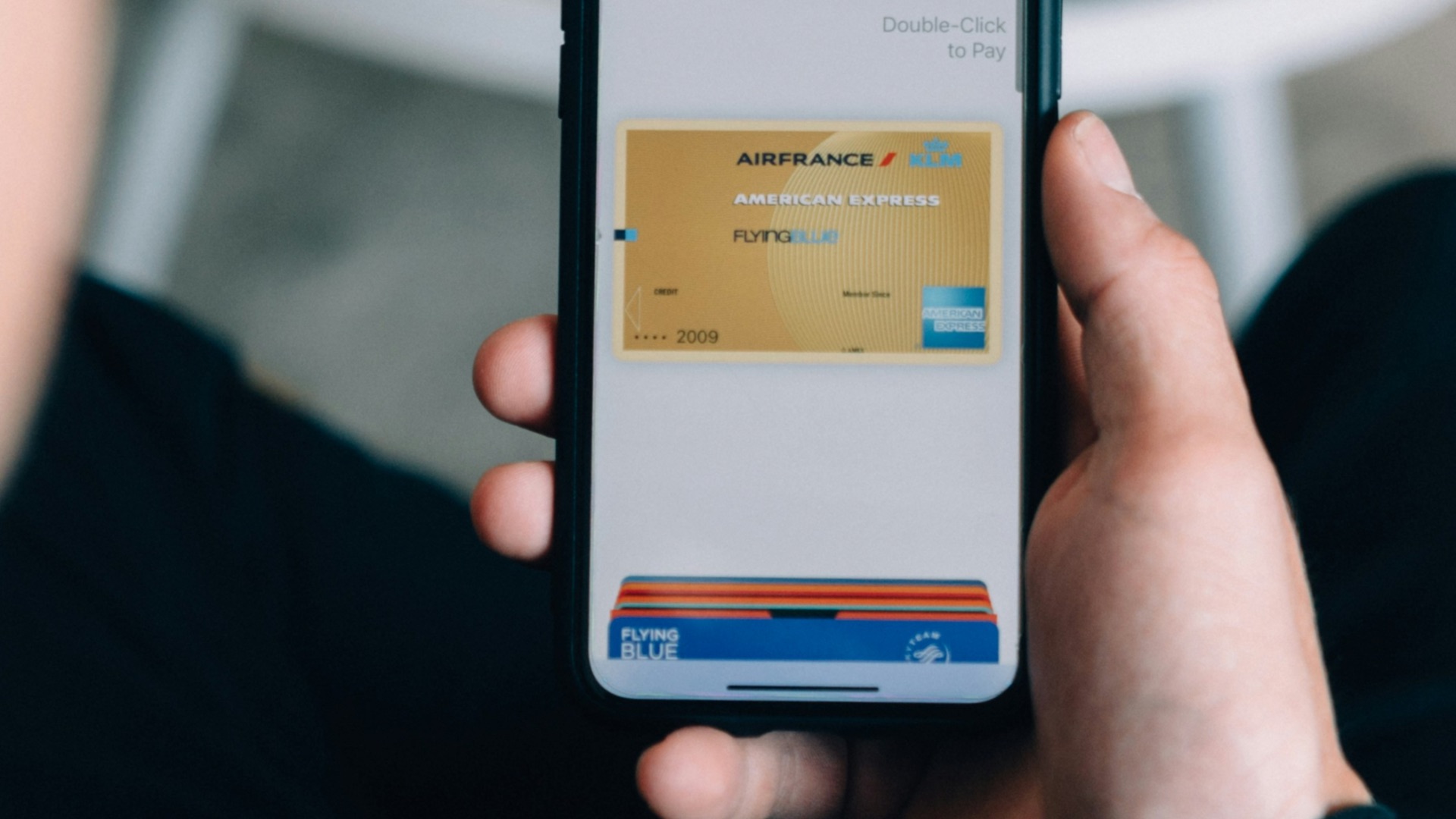
3. Scams Can Target Your Mobile Wallet
Fraudsters may send fake texts, emails, or alerts that appear to come from your bank or mobile wallet provider. These messages often try to persuade you to enter login details, verification codes, or card information on a fraudulent website. Linking cards to your phone doesn't cause these scams, but it may give criminals another subject they can use to make their messages seem believable. You still need to examine unexpected notifications carefully, even when they look professional.
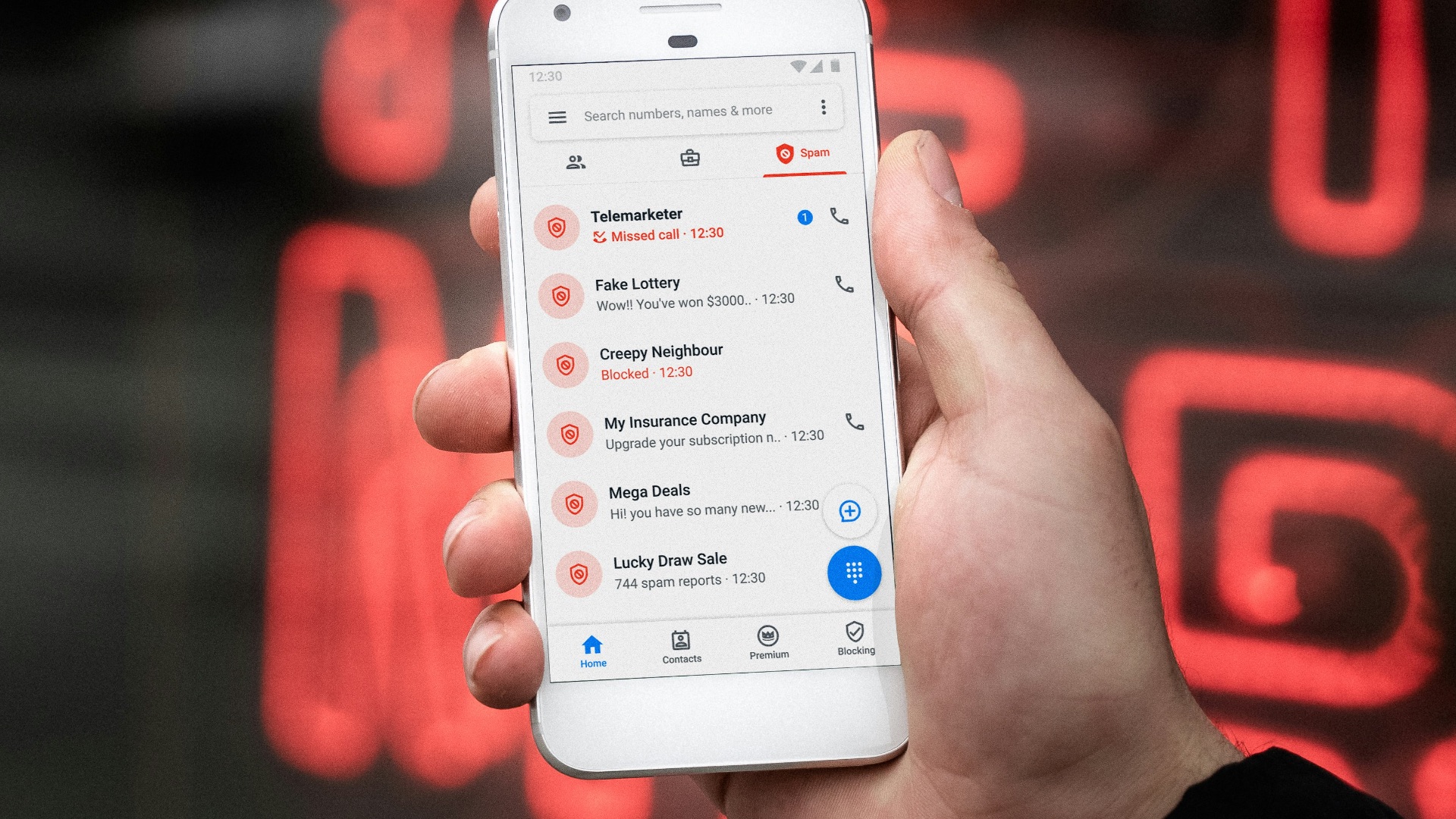
4. A Dead Battery Can Come with a Cost
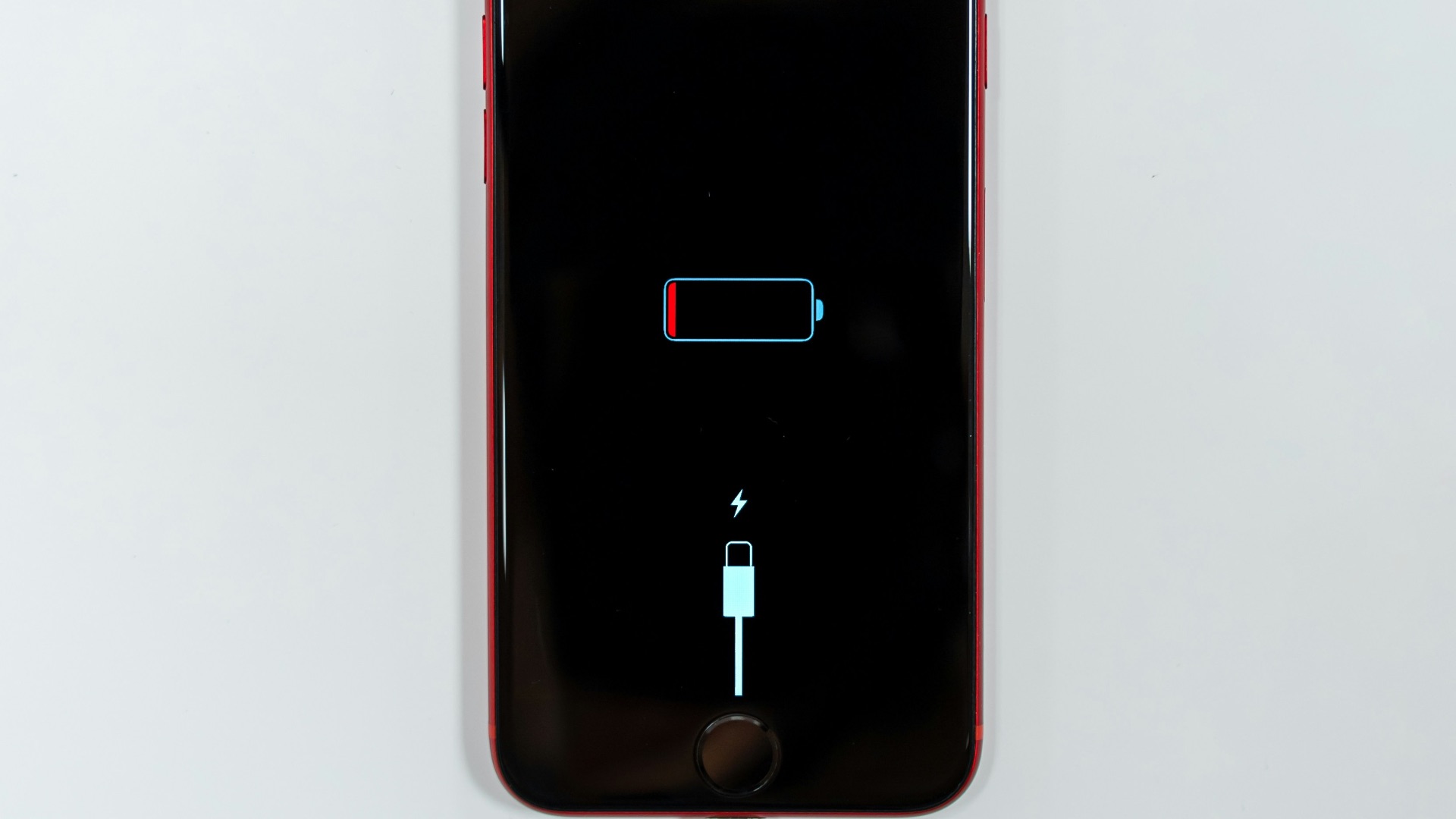
Mobile payments depend on having a functioning phone at the right moment. If your battery dies while you're shopping, taking transit, or dining out, you may suddenly lose access to the cards stored on it. This becomes especially inconvenient when you don't have a physical card or cash as a backup. Depending entirely on your phone can turn an ordinary battery problem into a payment problem.
5. Not Every Business Accepts Mobile Payments
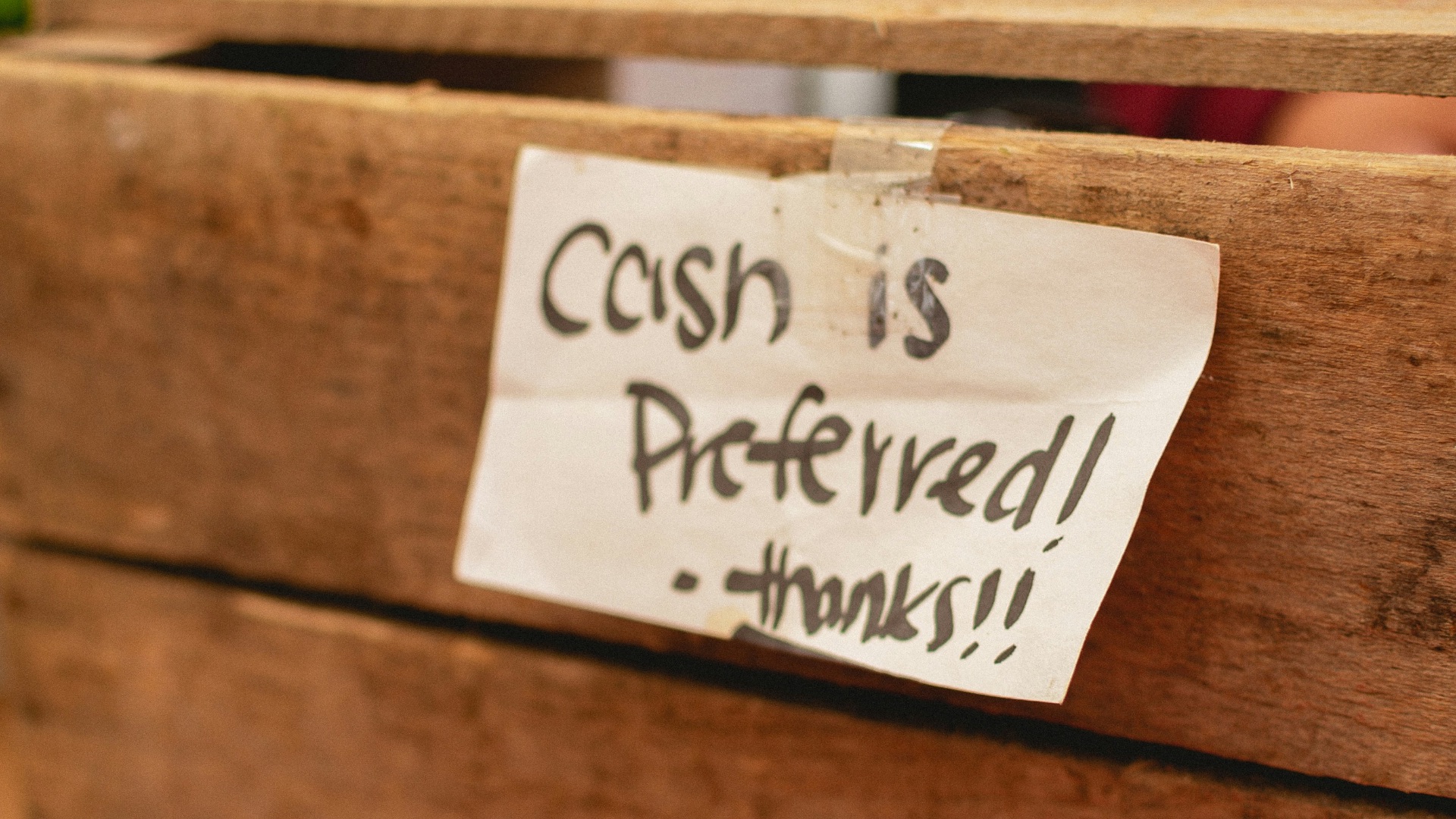
Tap-to-pay technology is common, but it still isn't available everywhere. Some smaller stores, older payment terminals, parking machines, and service providers may require a physical card or cash. Acceptance can also vary when you're traveling, particularly in places where mobile wallet systems aren't widely used. Leaving your wallet at home may feel efficient until you reach a checkout that can't process your phone payment.
 Bovia & Co. Photography on Unsplash
6. Technical Problems Can Interrupt Transactions
Software glitches, network issues, damaged sensors, and malfunctioning terminals can all prevent a mobile payment from working. You might tap several times and still receive an error, even though your card account is perfectly fine. Resolving the problem at a busy register can be uncomfortable when other customers are waiting. A physical card usually provides a useful alternative when the technology refuses to cooperate.
7. It May Encourage More Impulsive Spending
Paying with a phone can feel almost effortless because the transaction requires so little movement or thought. That convenience may make it easier to approve small purchases without considering how quickly they add up. Someone who struggles with impulse spending might benefit from the extra pause involved in opening a wallet and selecting a card. Removing friction isn't always helpful when you're trying to follow a strict budget.
8. Privacy Practices Can Be Difficult to Understand
Digital payments involve several parties, including your bank, phone manufacturer, wallet provider, payment network, and retailer. Each organization may collect or process different types of information related to the transaction. The policies explaining how that data is handled can be long and complicated, making it difficult to know exactly what you're agreeing to. People who prioritize financial privacy may prefer payment methods that involve fewer digital systems.
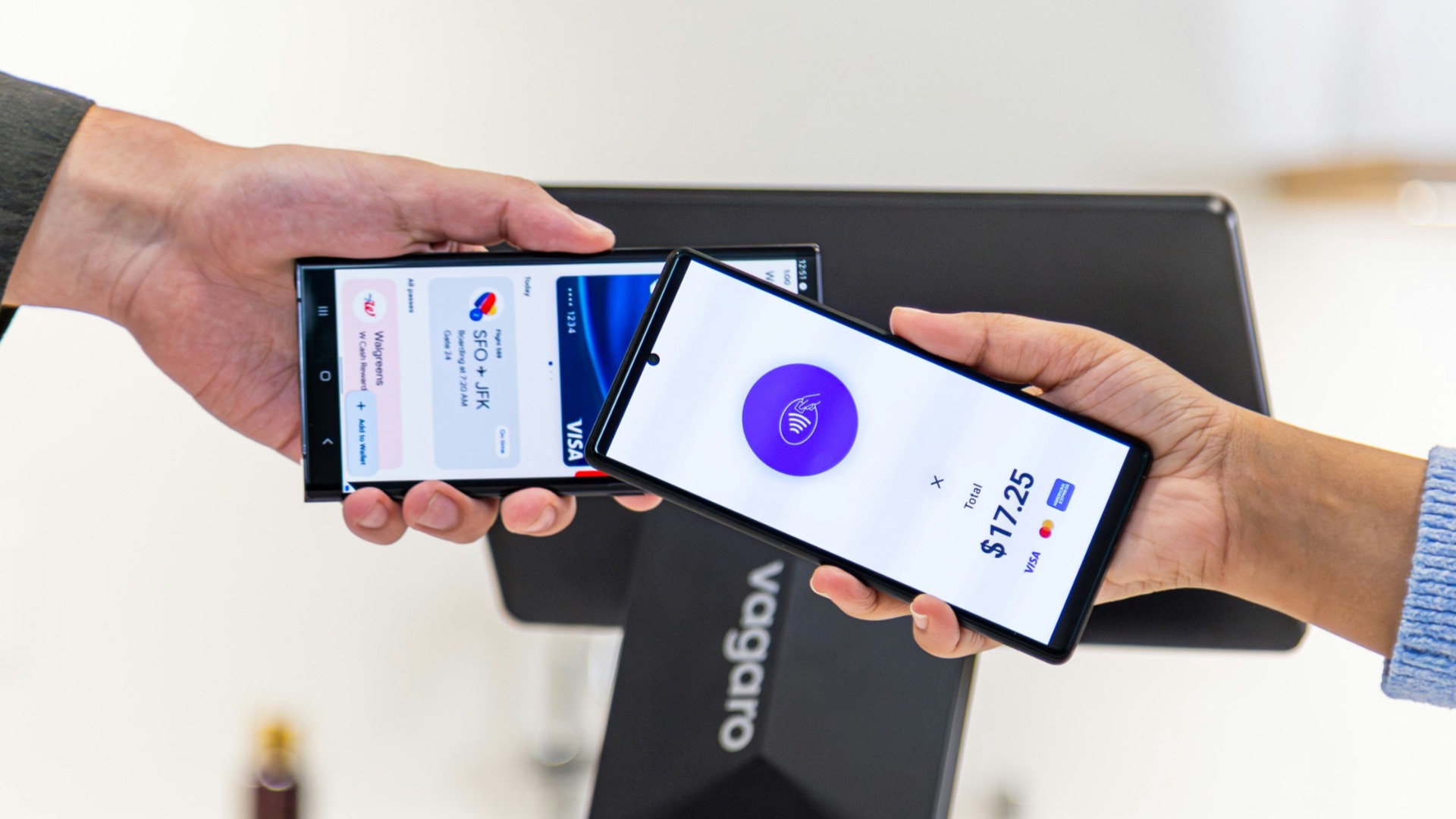
9. Account Recovery Might Get Complicated
Changing phones, forgetting a password, or losing access to your primary email address can make it harder to restore your mobile wallet. You may need to verify your identity, re-enter card details, contact your bank, or wait for security checks to be completed. These procedures are important for preventing unauthorized access, but they can still be frustrating when you need to make a payment immediately. Keeping at least one physical card available reduces your dependence on successful account recovery.

10. Other People May Have Access to Your Phone
Family members, friends, partners, or coworkers may occasionally borrow your device to make a call, view a photo, or look something up. Even if they can't complete a payment, they might see card names, recent purchase alerts, or other financial details on the screen. Children can also tap buttons or approve prompts without understanding what they're doing. Sharing a phone becomes more complicated when it also functions as a wallet.
As you see, mobile payments clearly aren't risk-free, and they shouldn't be treated as a complete replacement for every traditional payment method. However, when they're protected with strong security settings and used with reasonable caution, they can make many everyday transactions noticeably simpler. Here's why having a digital wallet can also be convenient:
1. You Can Pay in Seconds
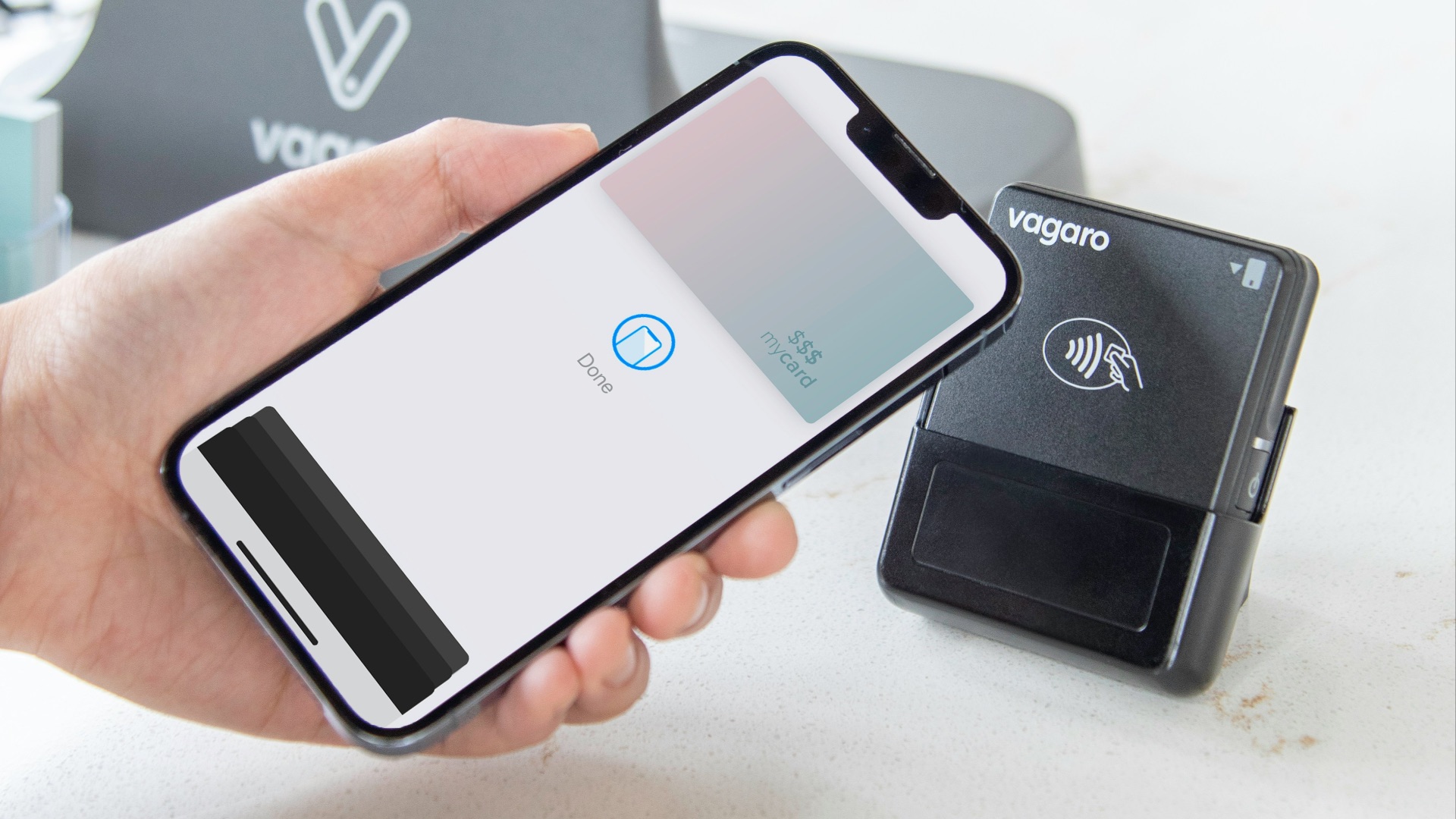
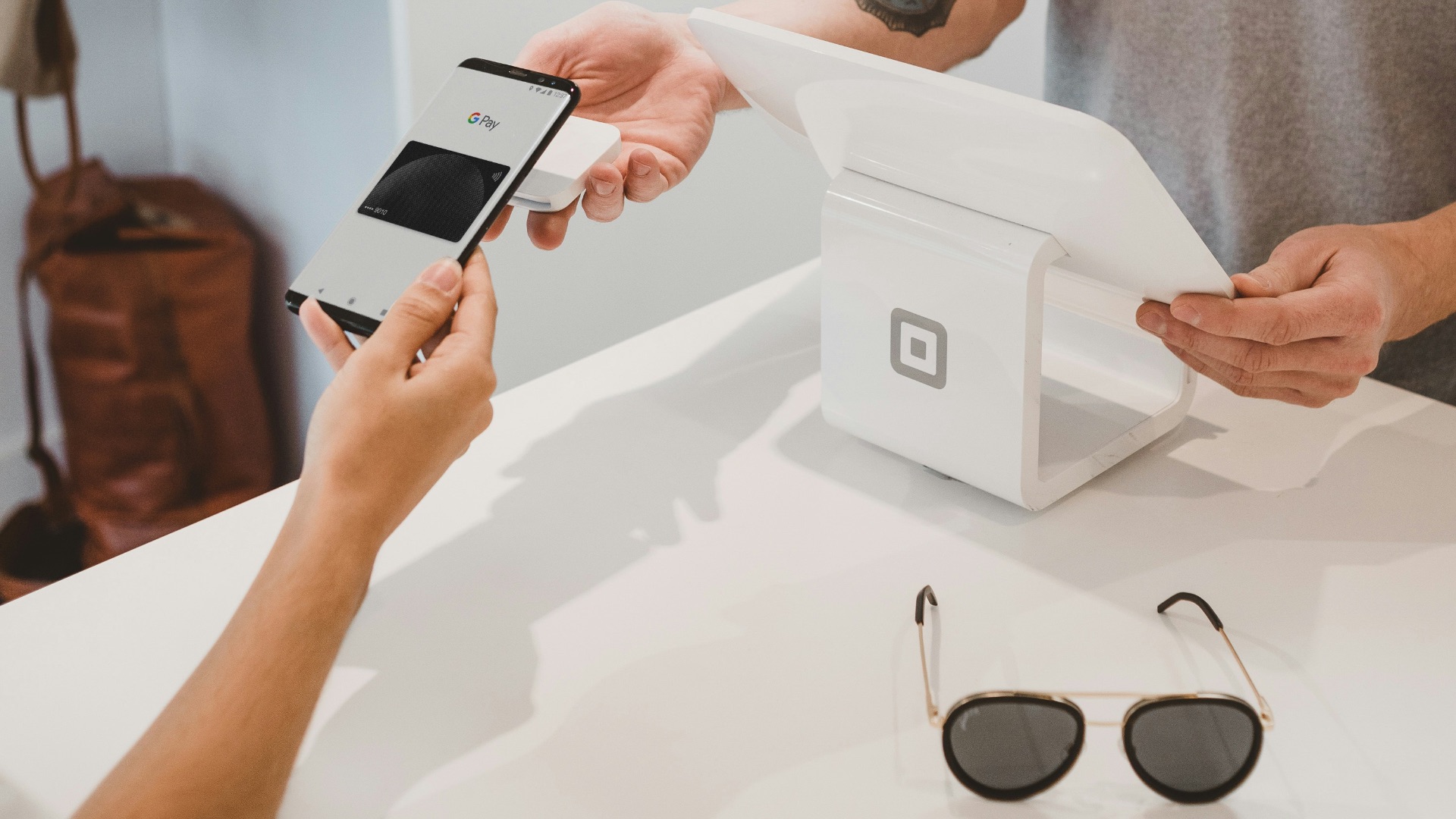
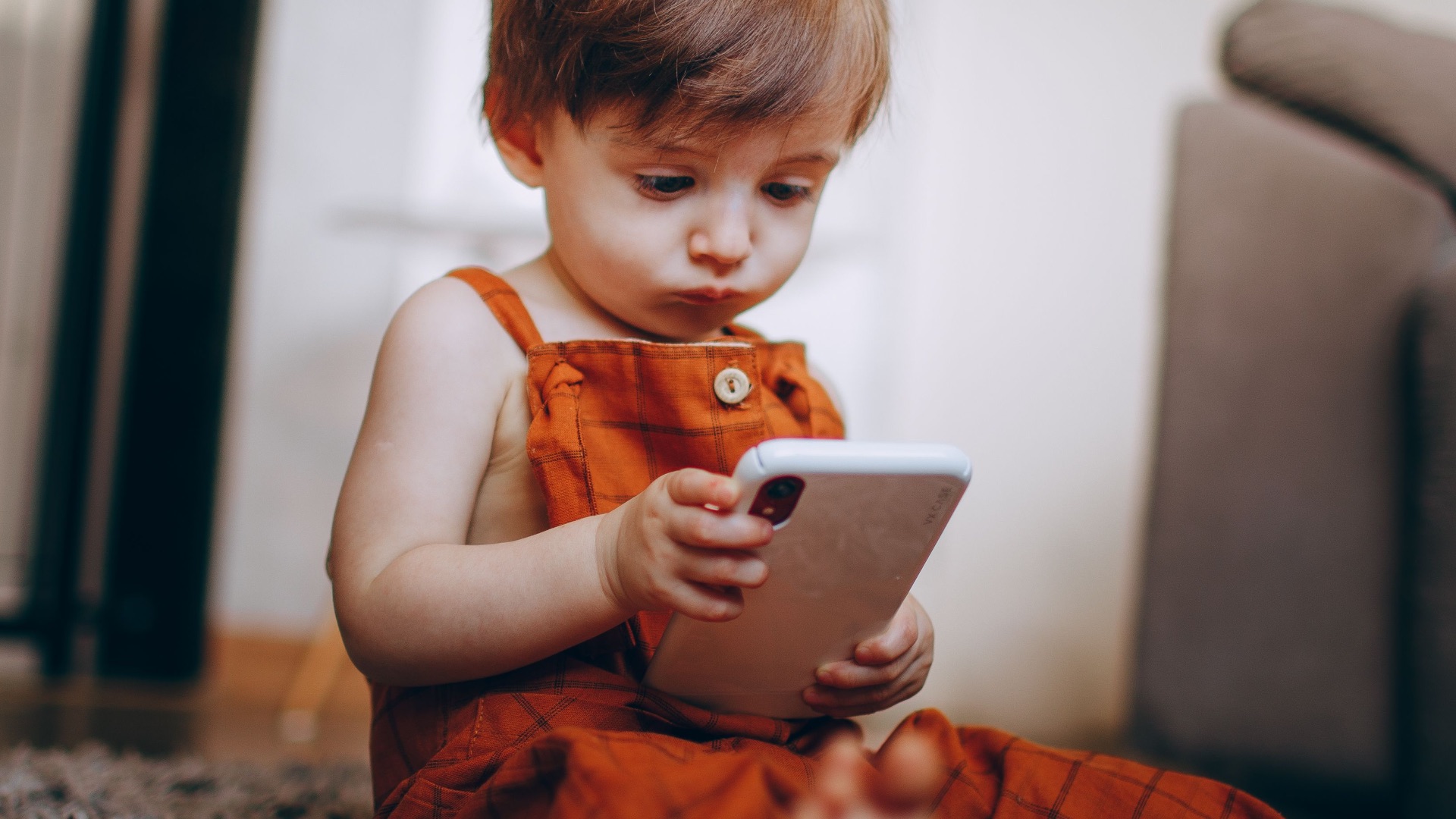
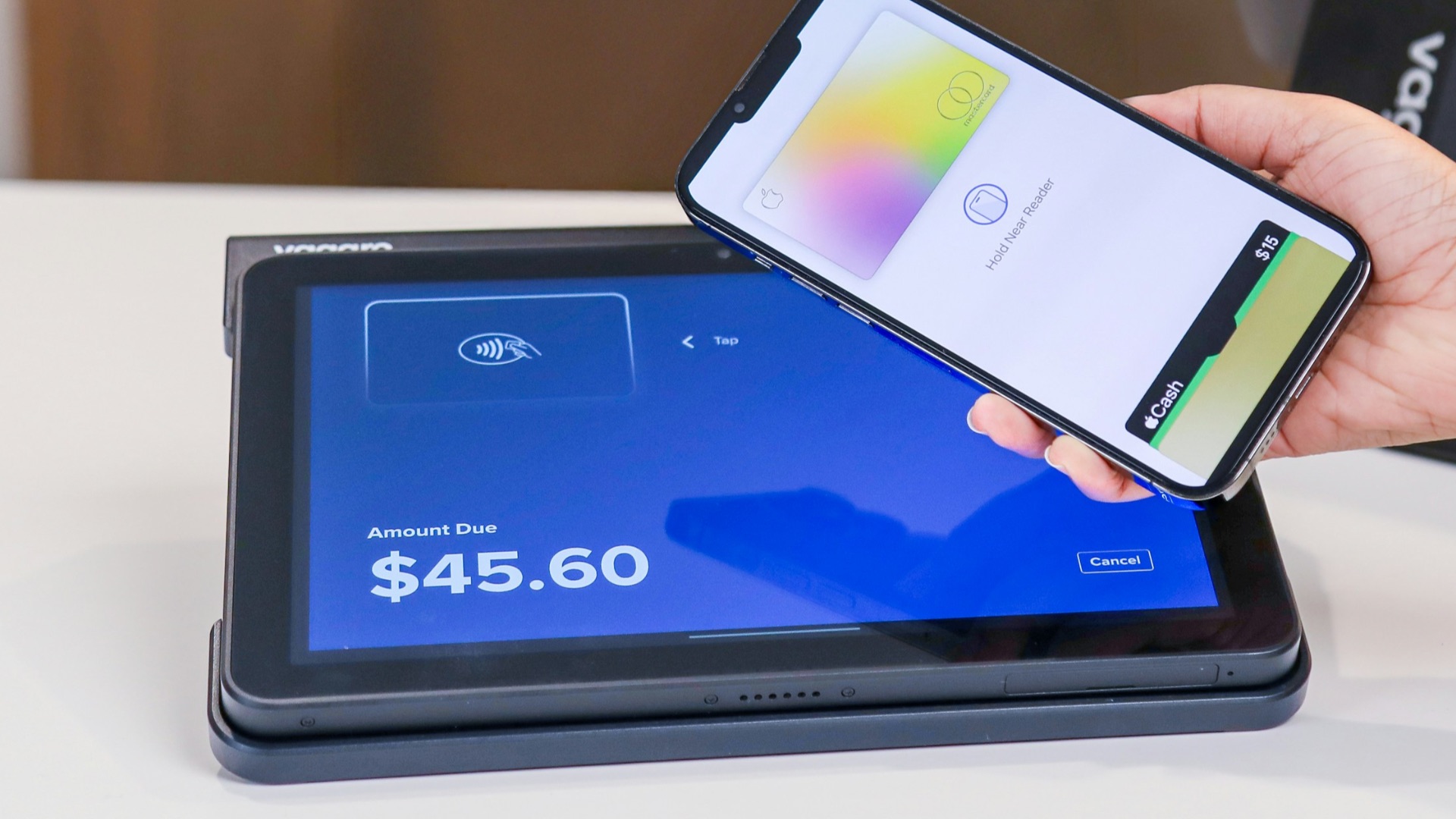
Mobile wallets let you complete many purchases by unlocking your phone and holding it near the terminal. There's no need to search through a bag, remove a card, insert it, and put it away again. The difference may seem small, but it can make busy checkout lines move more efficiently. Fast payments are especially useful when you're carrying groceries, luggage, or other items.
2. You Don't Need to Carry Every Card
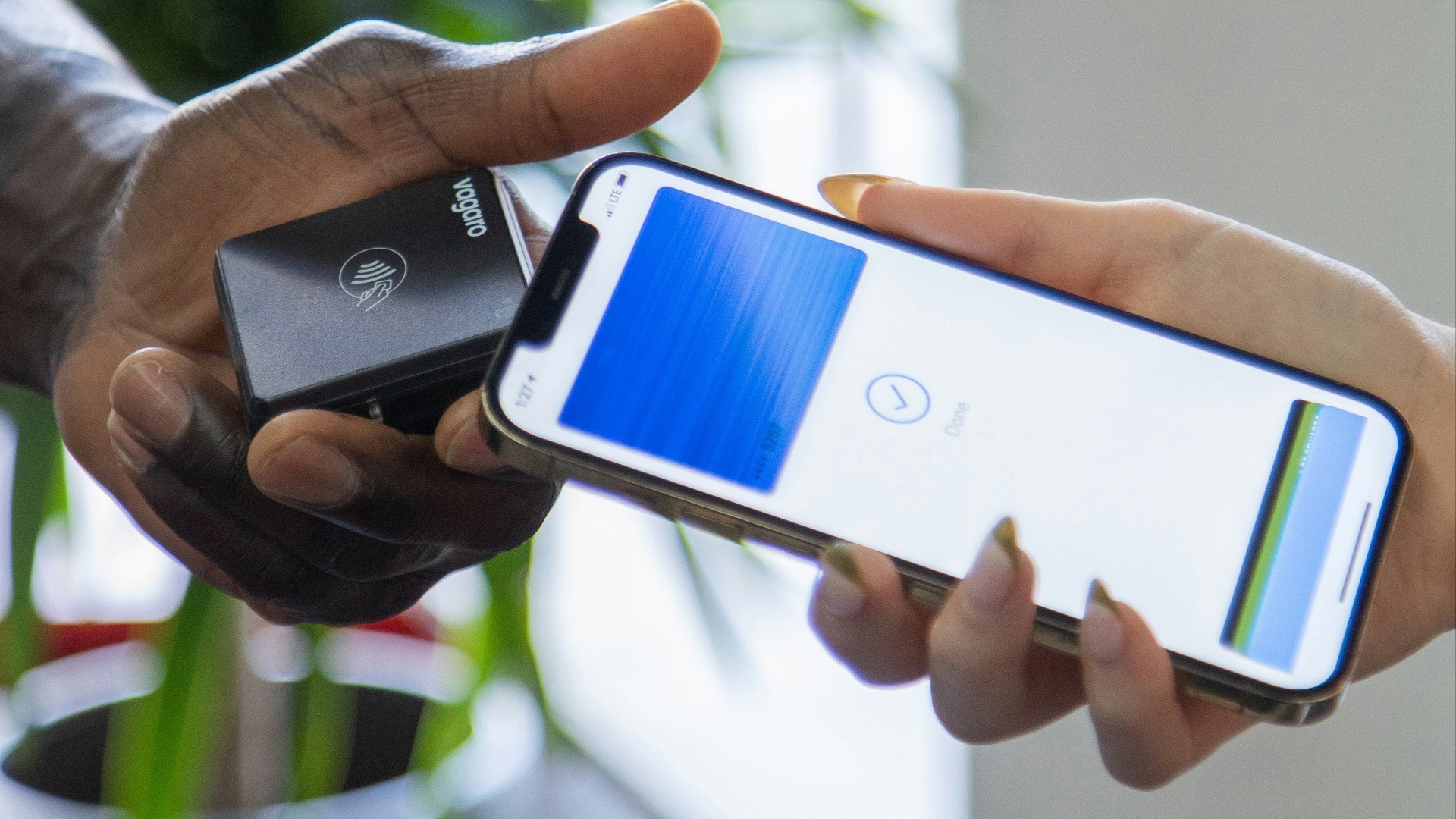
A traditional wallet can become bulky when it contains several credit cards, debit cards, loyalty cards, and transit passes. Storing compatible cards on your phone allows you to bring multiple payment options without physically carrying each one. This can reduce clutter and make it easier to switch between cards when you want different rewards or benefits. You may still carry a backup card, but your wallet won't need to hold everything.
3. Your Card Number Isn't Shared Directly
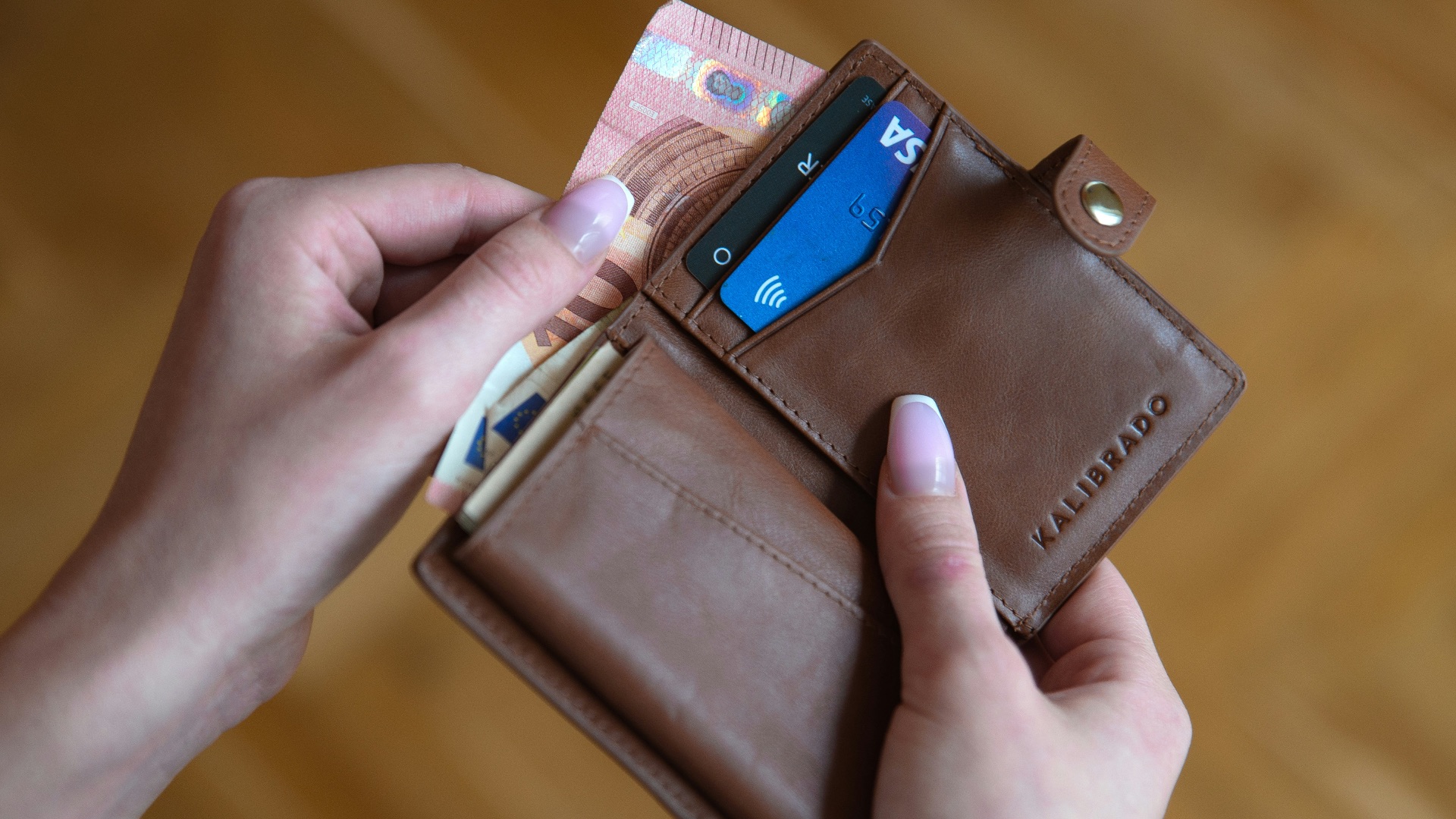
Many mobile wallet systems use a device-specific number or digital token instead of sending your actual card number to the merchant. That approach can limit the exposure of your card details during a transaction. It doesn't eliminate every form of fraud, but it adds a useful layer between the retailer and your financial account. For many shoppers, this security feature is one of the strongest reasons to use mobile payments.
4. Biometric Approval Adds a Layer of Protection
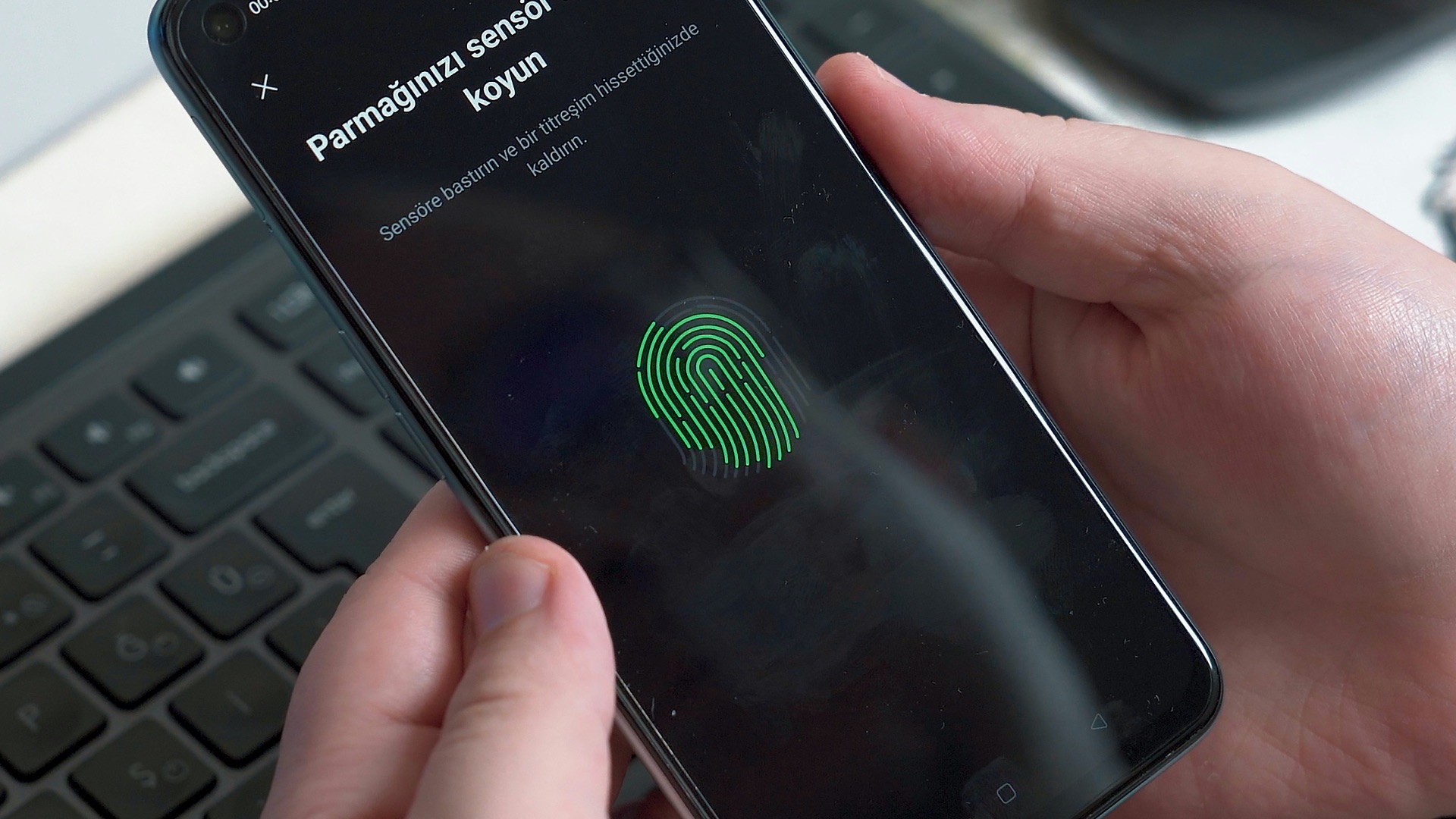
A phone payment will often require your fingerprint, face scan, or device passcode before it can be completed. A physical card, by comparison, may be usable by anyone who finds it, especially for small contactless purchases. Biometric checks can make unauthorized spending more difficult when your device is properly locked. They also let you approve a transaction without entering a PIN on a public keypad.
5. Transaction Alerts Appear Quickly
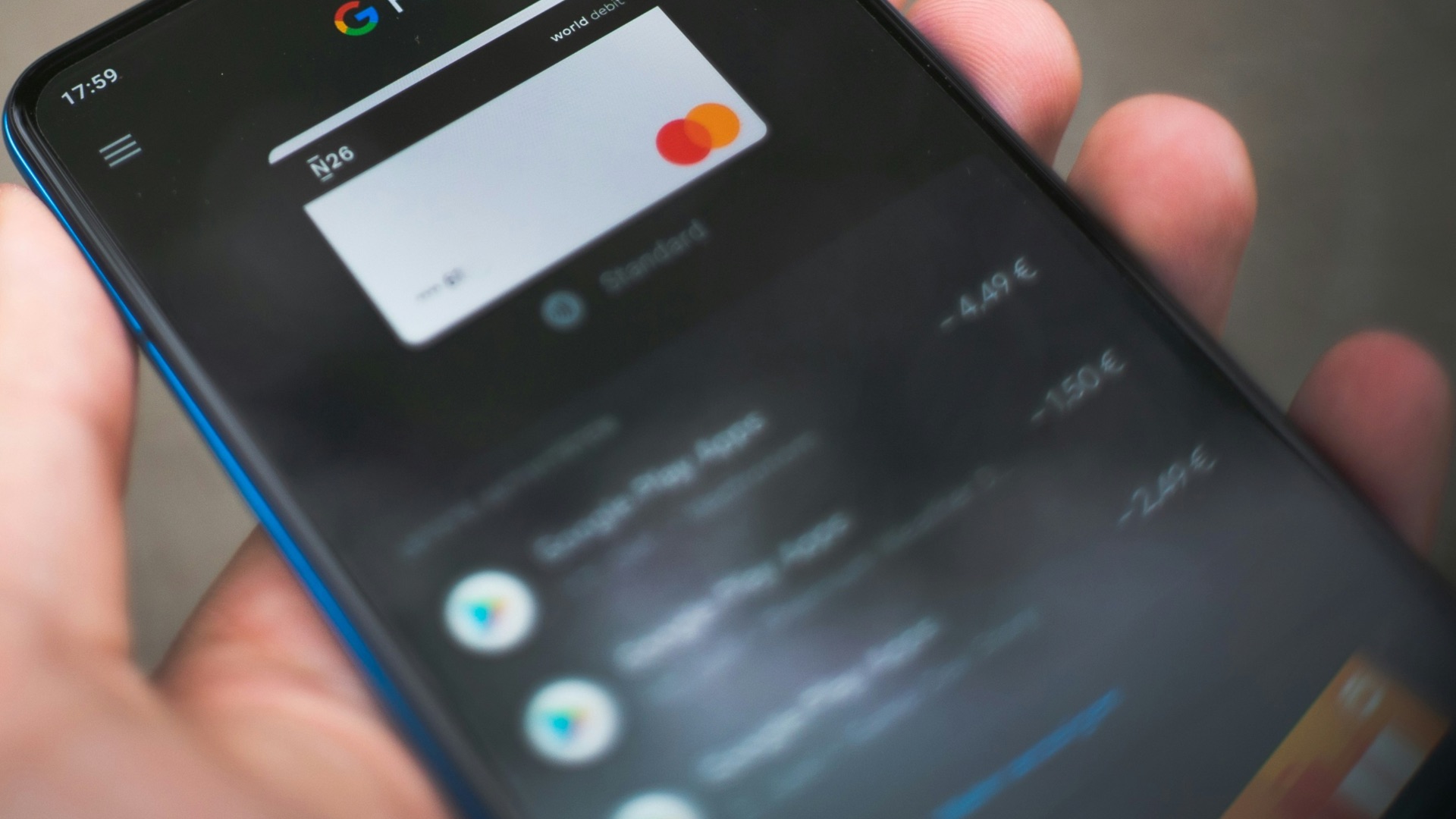
When your cards are connected to your phone, purchase notifications may appear soon after a payment is processed. These alerts can help you notice an unfamiliar charge before you review your monthly statement. Immediate visibility also makes it easier to keep track of what you've spent throughout the day. The feature is particularly useful when several people are authorized to use the same account.
6. Easier Online Checkouts
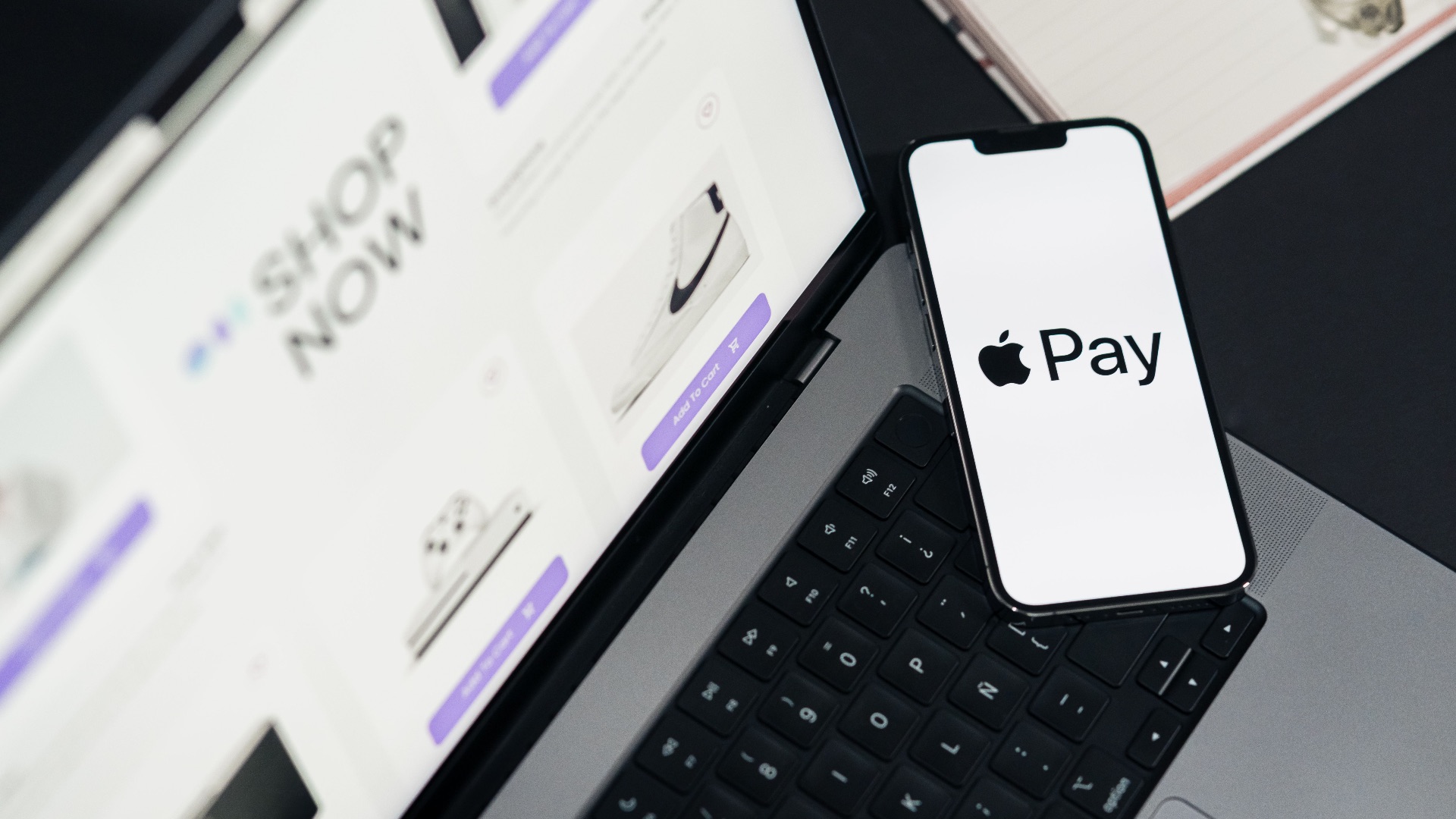
Some apps and websites allow you to pay through your mobile wallet without manually entering your card number, expiration date, and billing details. This saves time and reduces the chance of making a typing error. It can also prevent you from storing your card information directly with every retailer you use. Shopping on a small phone screen becomes much less frustrating when checkout only requires a few taps.
7. Replacing an Expired Card May Be Simpler
Depending on your bank and wallet provider, updated card information may be added automatically when a card expires or is replaced. You might not need to remove the old details and type in the new ones yourself. This can prevent interrupted subscriptions or declined purchases caused by outdated information. The exact process varies, but digital updates often require less effort than replacing a physical card across multiple accounts.
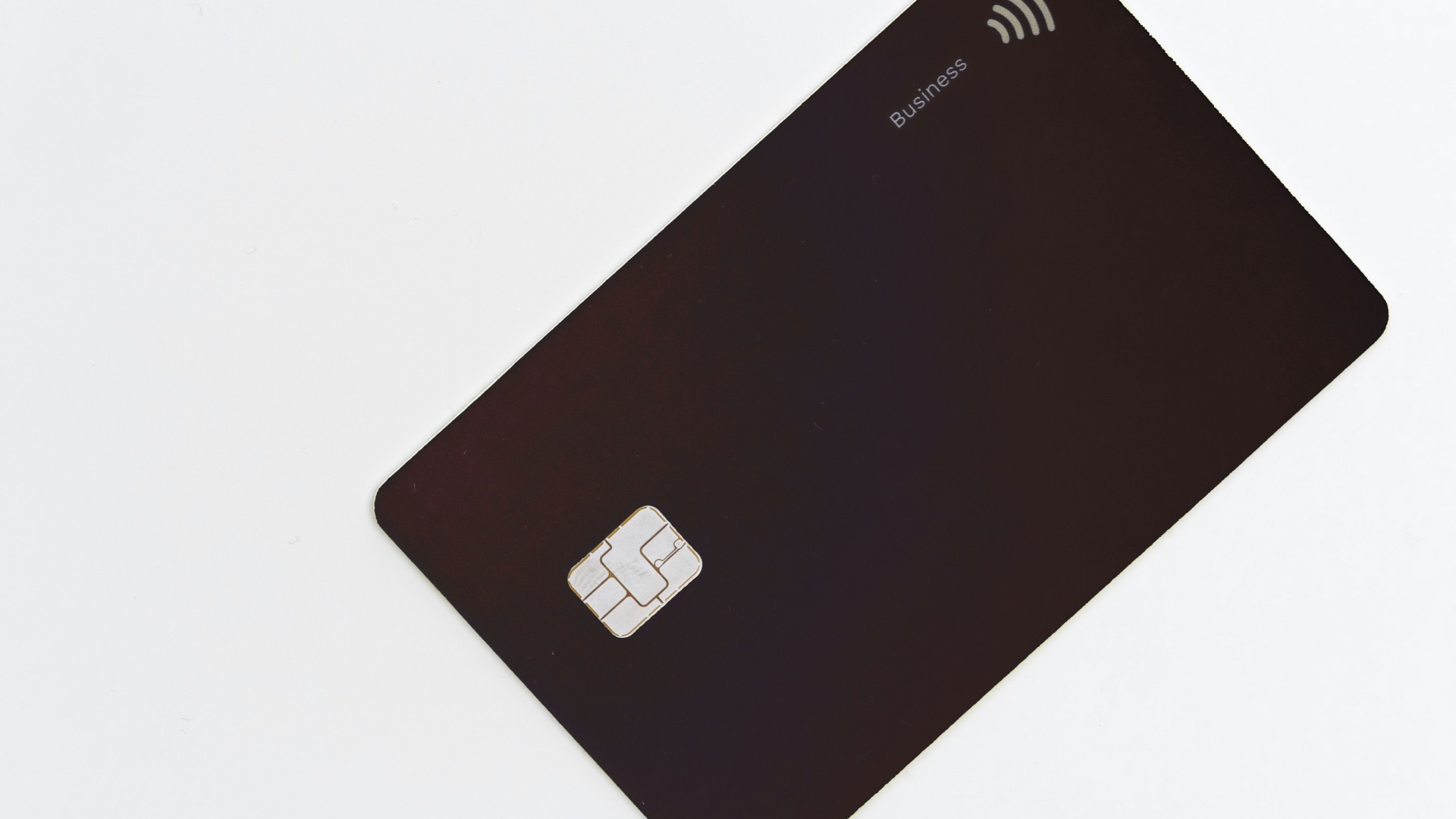
8. It Helps When You Forget Your Wallet
People may leave home without their wallets, but they rarely go far without noticing a missing phone. Having your cards stored digitally can save you from returning home or abandoning a purchase. It can also provide an emergency option when your physical wallet is packed in another bag or left in the car. As long as the retailer accepts mobile payments, a forgotten wallet doesn't have to ruin your plans.
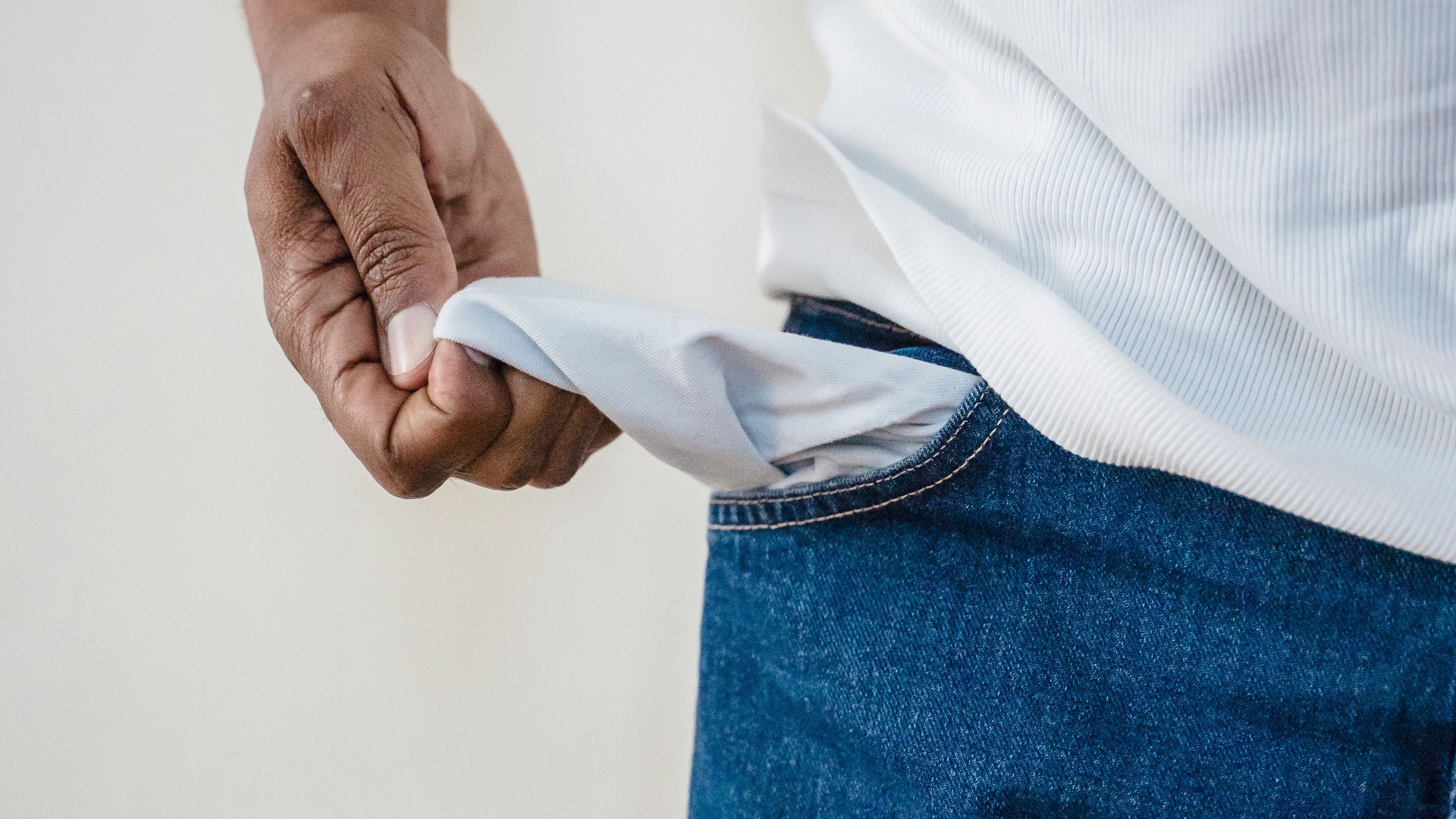
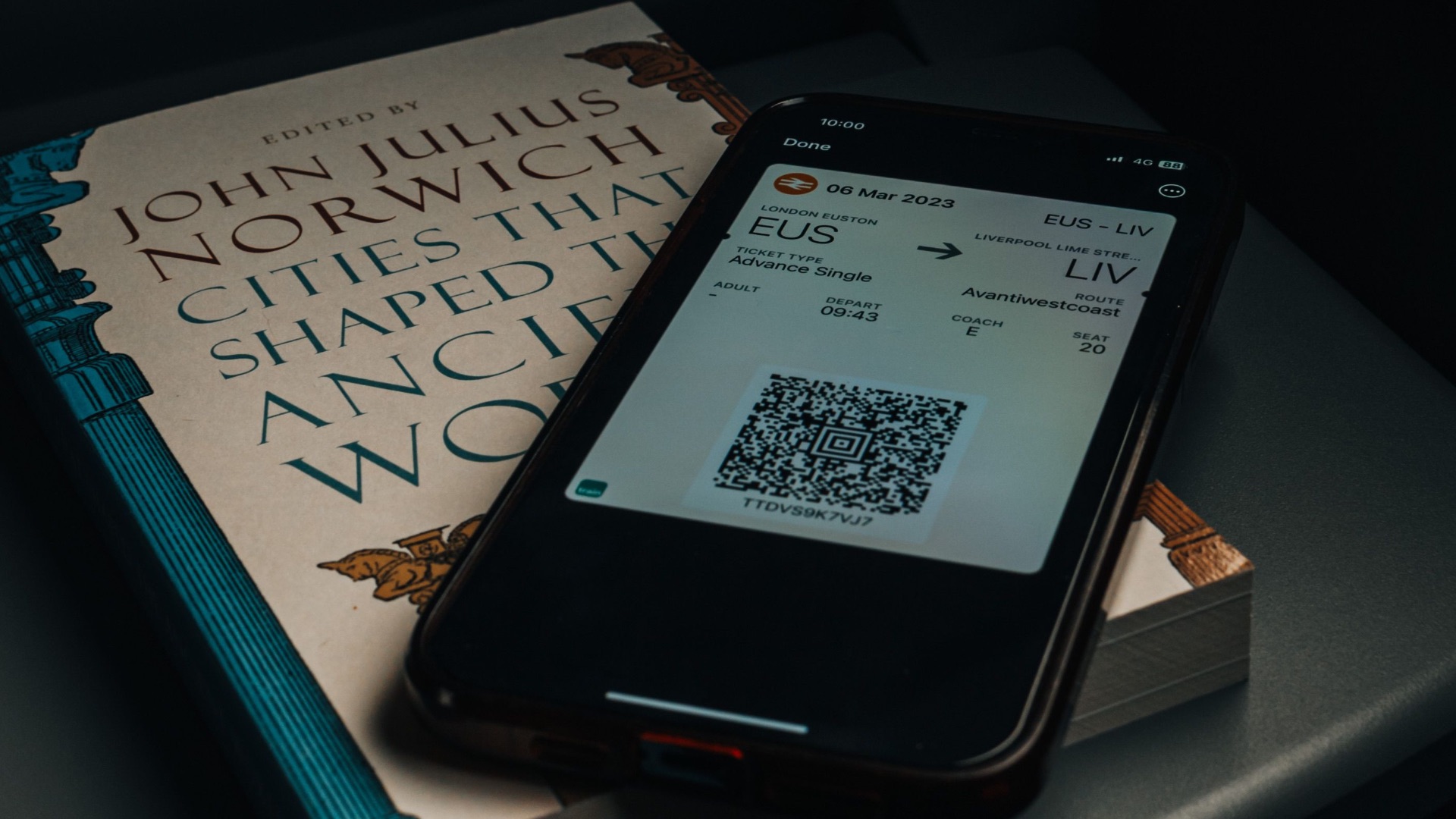
9. Helps Keep Things Organized When Traveling
Mobile wallets can keep payment cards, boarding passes, event tickets, and some transit passes in one accessible place. That organization reduces the number of documents you need to handle while moving through airports or unfamiliar cities. You can also choose among several stored cards when one offers better travel benefits or has no foreign transaction fee. A physical backup remains important, but the phone can manage much of the routine activity.
10. Contactless Payment Limits Physical Handling
Paying with your phone usually means you don't need to hand a card to another person or touch a shared keypad. This can make transactions feel more efficient at restaurants, stores, ticket machines, and service counters. It also reduces the chance of leaving your card behind after someone takes it away to process a payment. Keeping the entire transaction in your hand gives you more control from beginning to end.