Exaggerated Childhood Skills
Millennials grew up during an unforgiving stretch of gaming history, and not enough people acknowledge the limited lives, awkward controls, and missing checkpoints we all had to endure. And now, years later, many of us love to talk about our supposed mastery while conveniently omitting the cheat codes and older siblings who handled the difficult sections. Well, we’re all friends here, and it’s time to acknowledge that being able to play these 20 games and being genuinely good at them were two very different things.
 Tim Sheerman-Chase on Wikimedia
1. Contra
Plenty of millennials claim they could finish Contra, although the famous 30-life code usually played a major role in whether you reached the finish line. A single enemy bullet could wipe out your character, while hazards arrived from several directions during already demanding platforming sections. Anyone who completed all eight stages with the standard supply of lives earned the right to brag, but that group was, in fact, pretty small.
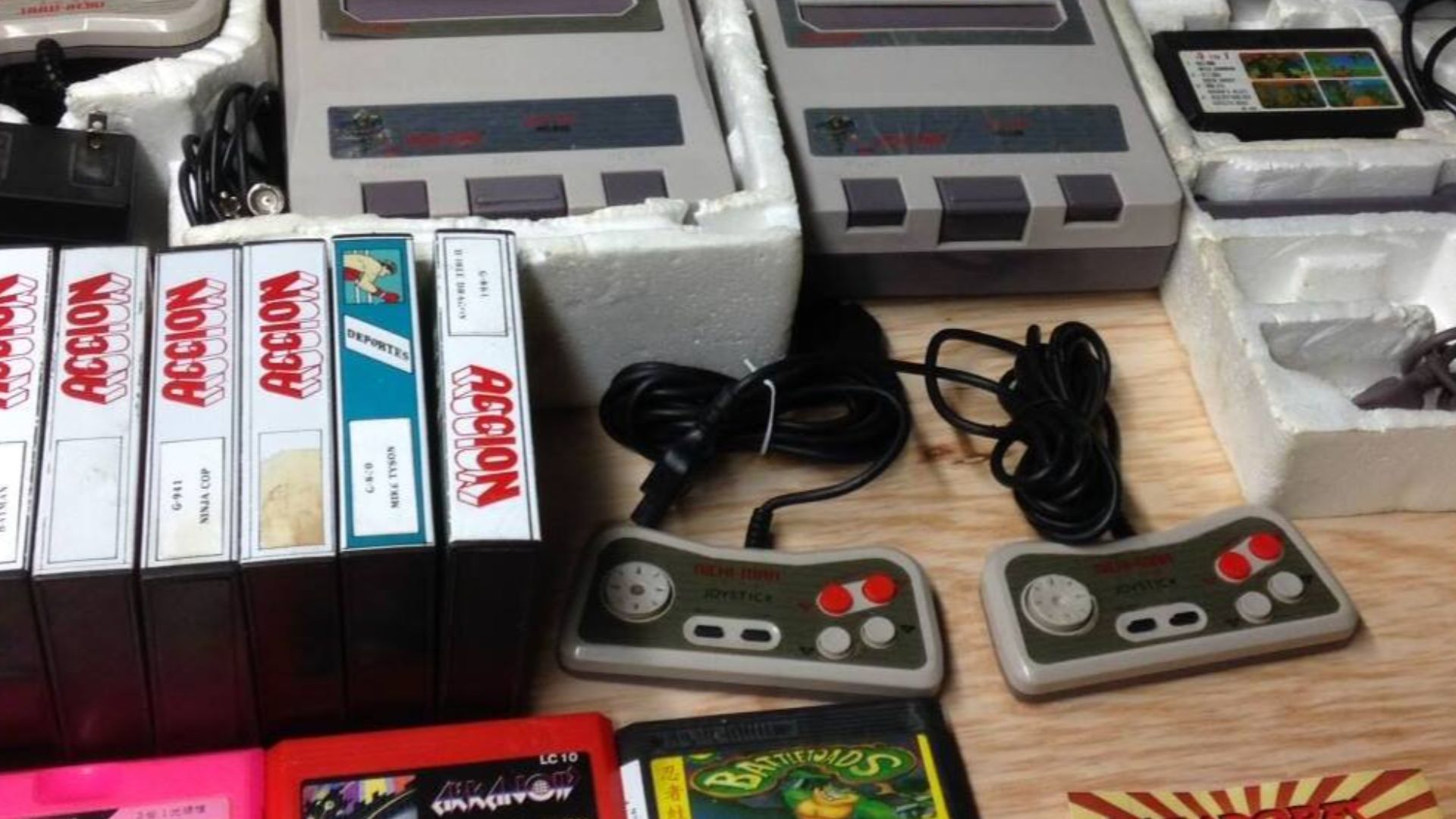
2. Battletoads
The first two stages allowed us to enjoy the oversized punches and cartoon chaos, so we thought it would be an easy ride…then the Turbo Tunnel hit. Its speeder-bike section demanded memorization, precise jumps, and increasingly fast reactions as barriers rushed onscreen. Be honest: you probably didn’t even reach the fourth level.
 Julio alberto casallas on Wikimedia
3. The Lion King
Literally don’t talk to us about this game. What kind of platformer was this? And we all know what we’re talking about: “Can’t Wait to Be King”. It started throwing Simba between giraffes, ostriches, and monkeys, but later stages only added confusing routes and jumps. You bet we gave up on this.

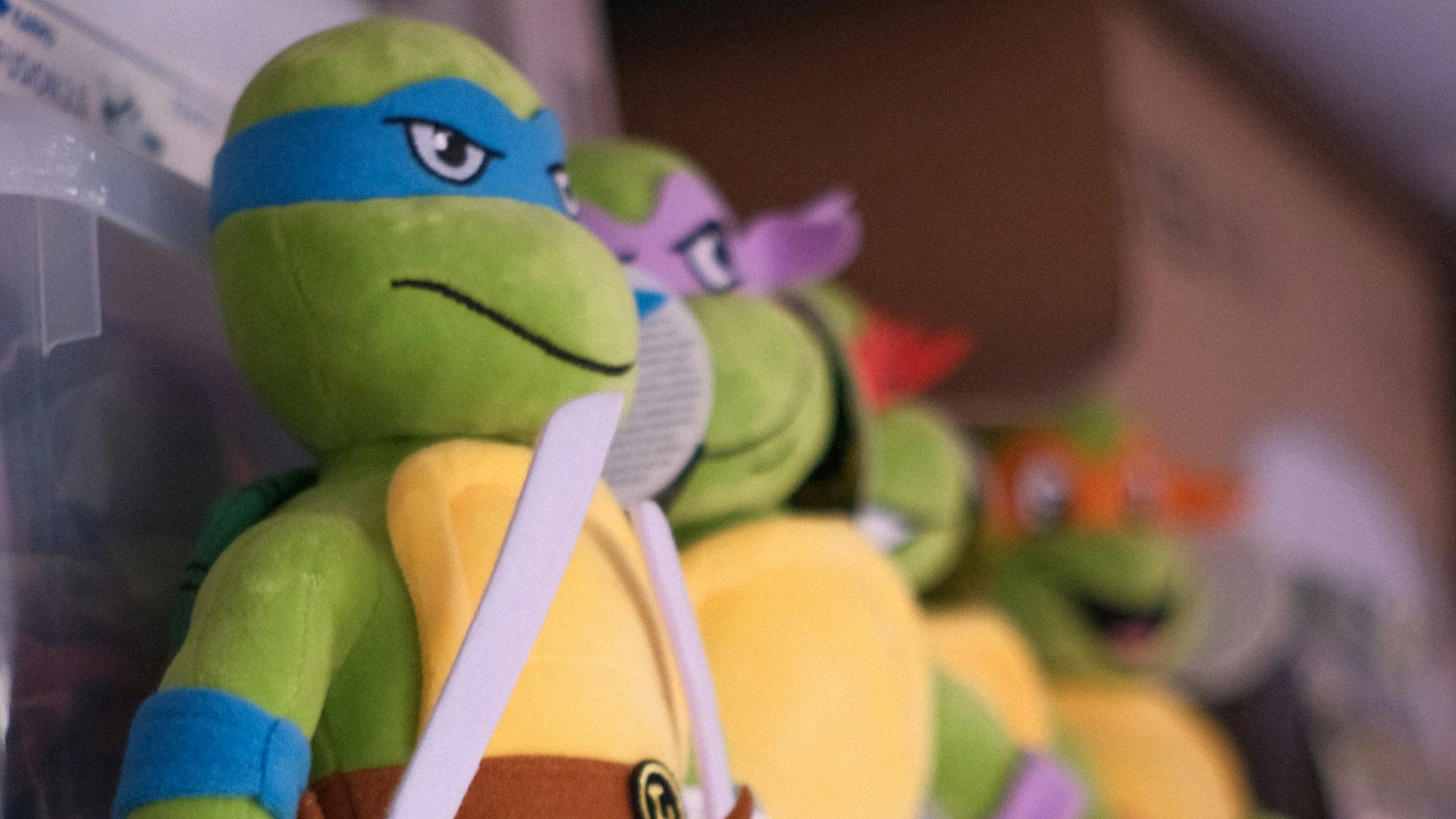
4. Teenage Mutant Ninja Turtles
Selecting your favorite Turtle was easy—keeping the entire team alive was something different. The underwater dam section forced you to defuse eight bombs against a strict timer while also navigating obstacles with awkward controls. Reaching April O’Neil’s message was practically a childhood milestone.
5. Ninja Gaiden
Ryu Hayabusa may have moved quickly, but the enemies would knock him back at the worst moment. Reappearing threats, narrow platforms, and the brutal final act punished anyone who tried to rush forward without learning every screen, too. Even worse, losing near the closing boss sequence could send you back through earlier portions of Act 6.
 Doug Kline / Pop Culture Geek on Wikimedia
6. Mega Man 2
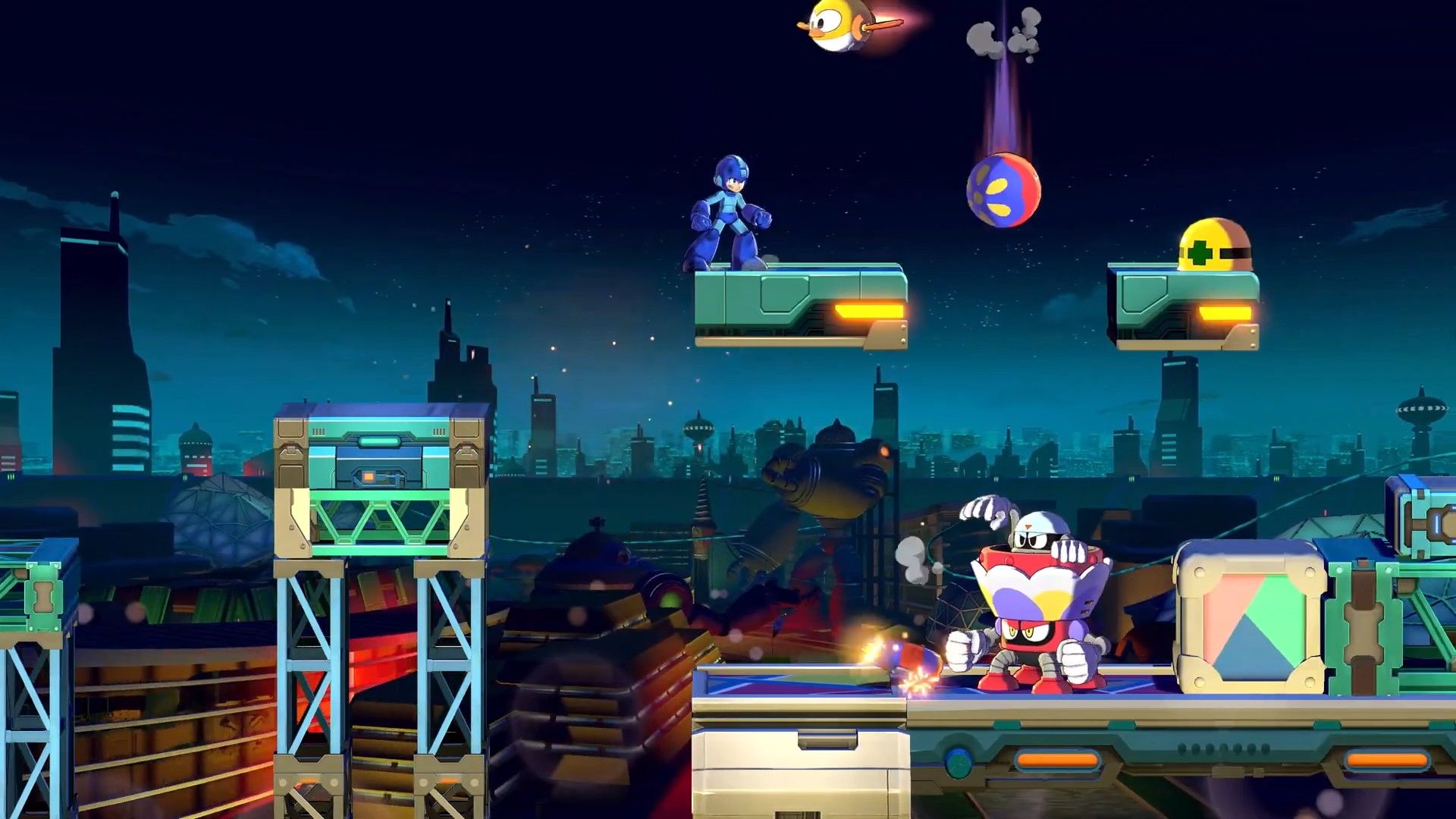
Knowing the correct Robot Master order certainly helped, but that doesn’t mean it made Mega Man’s jumps or boss battles any easier. Quick Man’s stage featured high-speed beams that killed him instantly, and Heat Man’s disappearing blocks forced rhythm and confidence. Oh, sure, rely on Metal Blade all you want—it was hard to have fun after a while.
7. Super Mario Bros. 3
Warp Whistles allowed countless children to visit later worlds long before they had the platforming ability to survive them. World 8 combined tanks, short timers, and Hand Traps that could drag Mario into additional challenges. Long story short, it wasn’t as fun as it sounds, and defeating Bowser without power-ups or assistance was way less routine than we said it was.
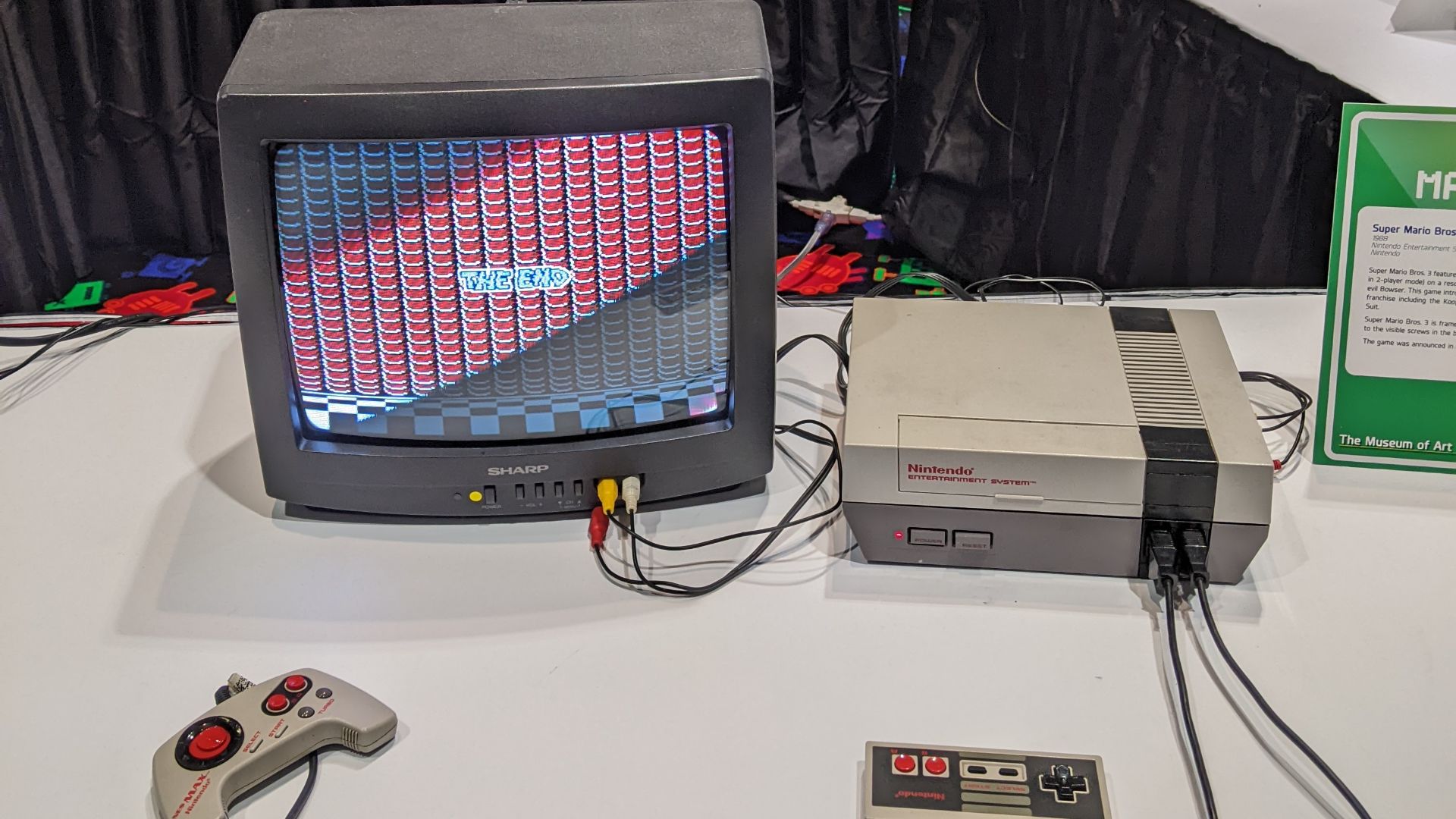
8. Donkey Kong Country 2: Diddy’s Kong Quest
Dixie Kong’s ponytail spin saved plenty of careless jumps, but it couldn’t remove the game’s increasing demands. Who among us doesn’t remember Bramble Scramble, the level that placed us in tight passages filled with Zingers? Lest we forget the optional Lost World. Collecting every DK Coin and reaching the full 102 percent completion rate required serious dedication, and we didn’t have it.
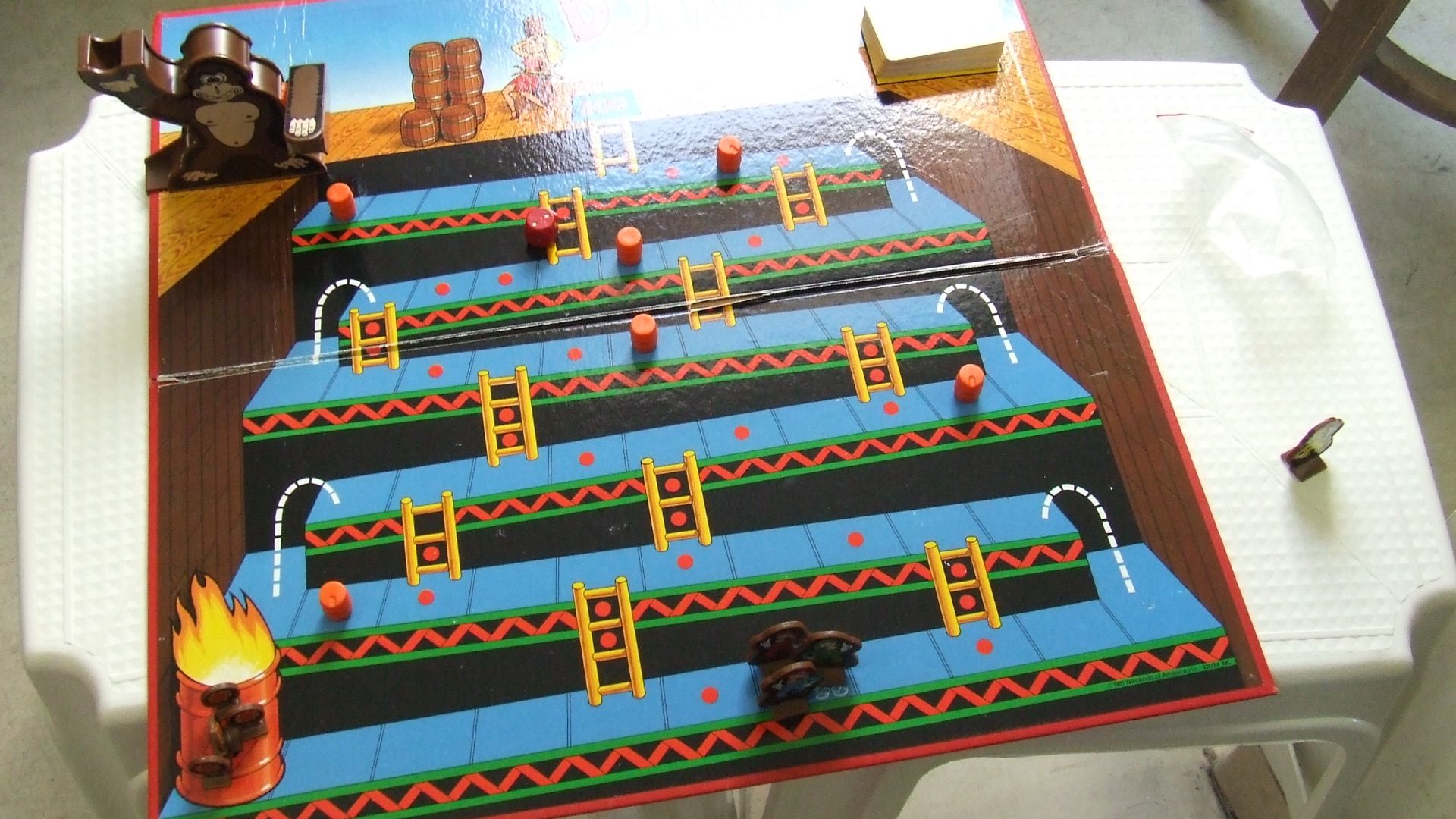
9. Crash Bandicoot
For a game with so much nostalgia, you’d think we actually had fun playing it. In reality, the original was filled with a camera angle that didn’t always make distance easy to read. The worst part was how Castle Cortex had moving platforms, retracting stairs, and drops that erased several minutes of careful progress. You definitely didn’t earn as many gems as you said.

10. GoldenEye 007
Four-player matches made almost everyone feel like they were crushing it—until the results hit. The campaign became far less forgiving later on, where missions added objectives and stronger enemies rather than merely increasing damage. Unlocking invincibility was always proof of skill, though.
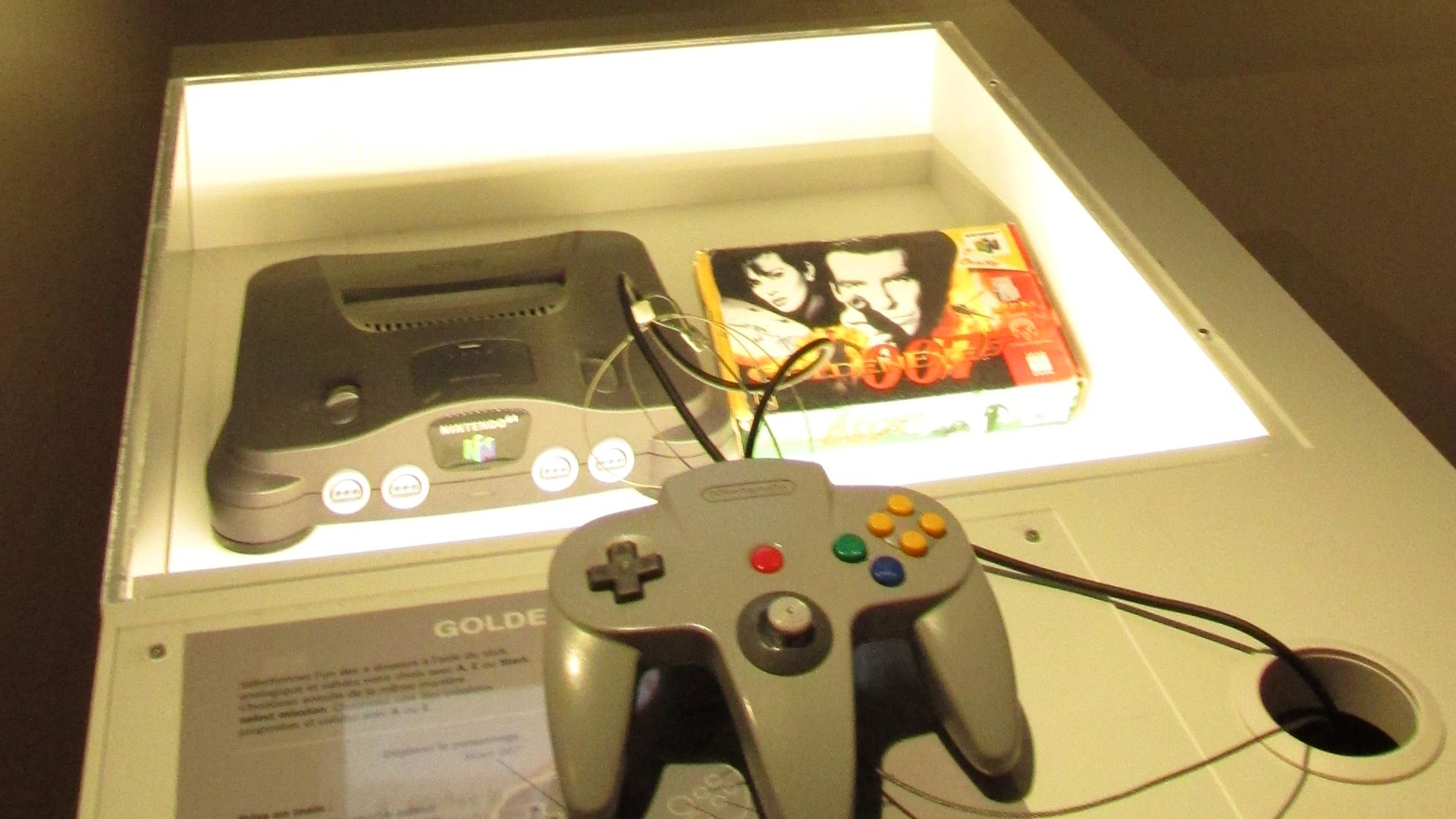
11. Mario Kart 64
Winning on Luigi Raceway didn’t prepare anyone for rivals who knew how to power-slide or guard shortcuts, and it’s a hard lesson we all learned. Yoshi Valley and Toad’s Turnpike didn’t do you any favors either. Every friend group had a self-declared champion, but that title often depended on who had the Nintendo 64.
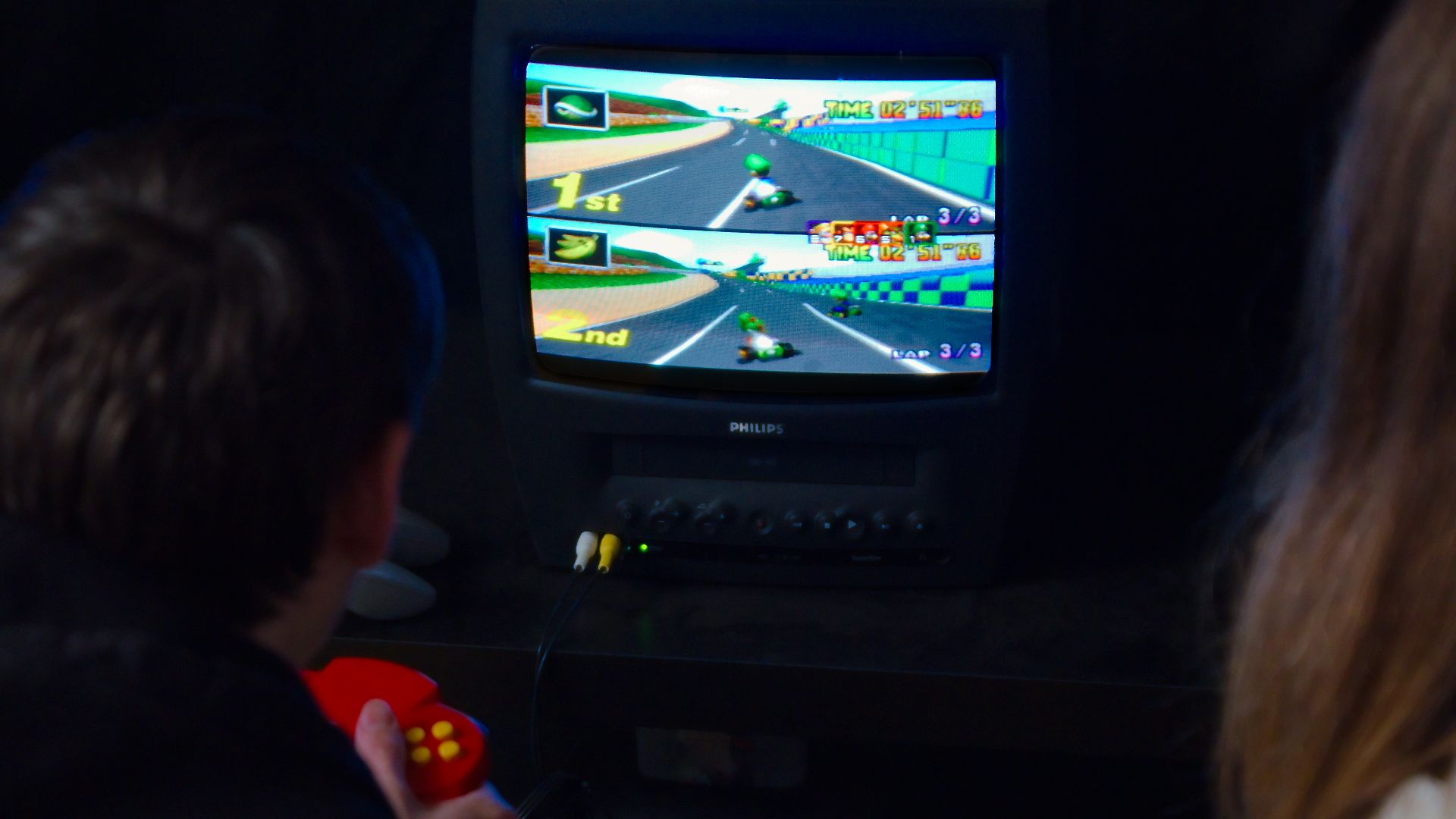
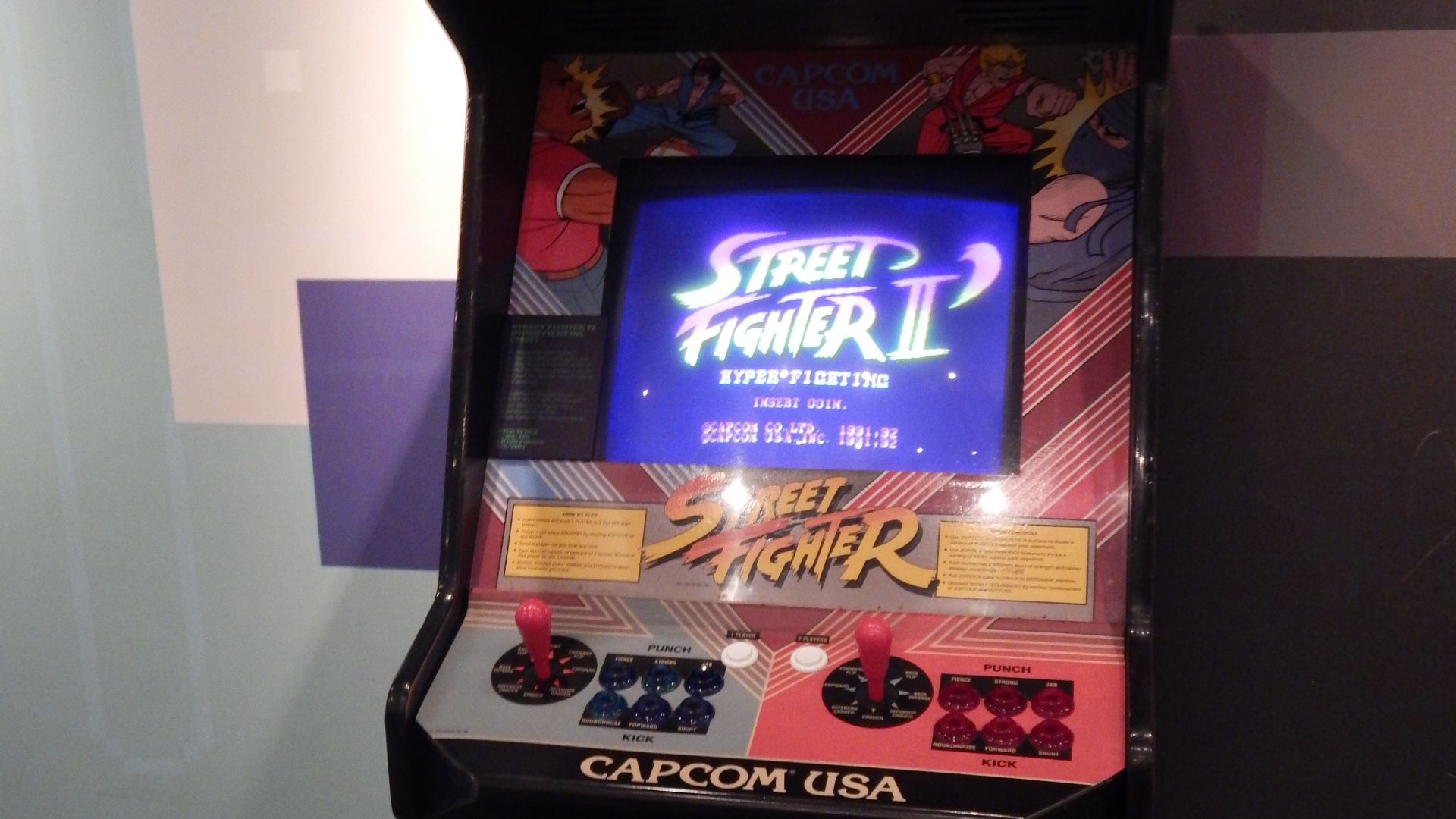
12. Street Fighter II
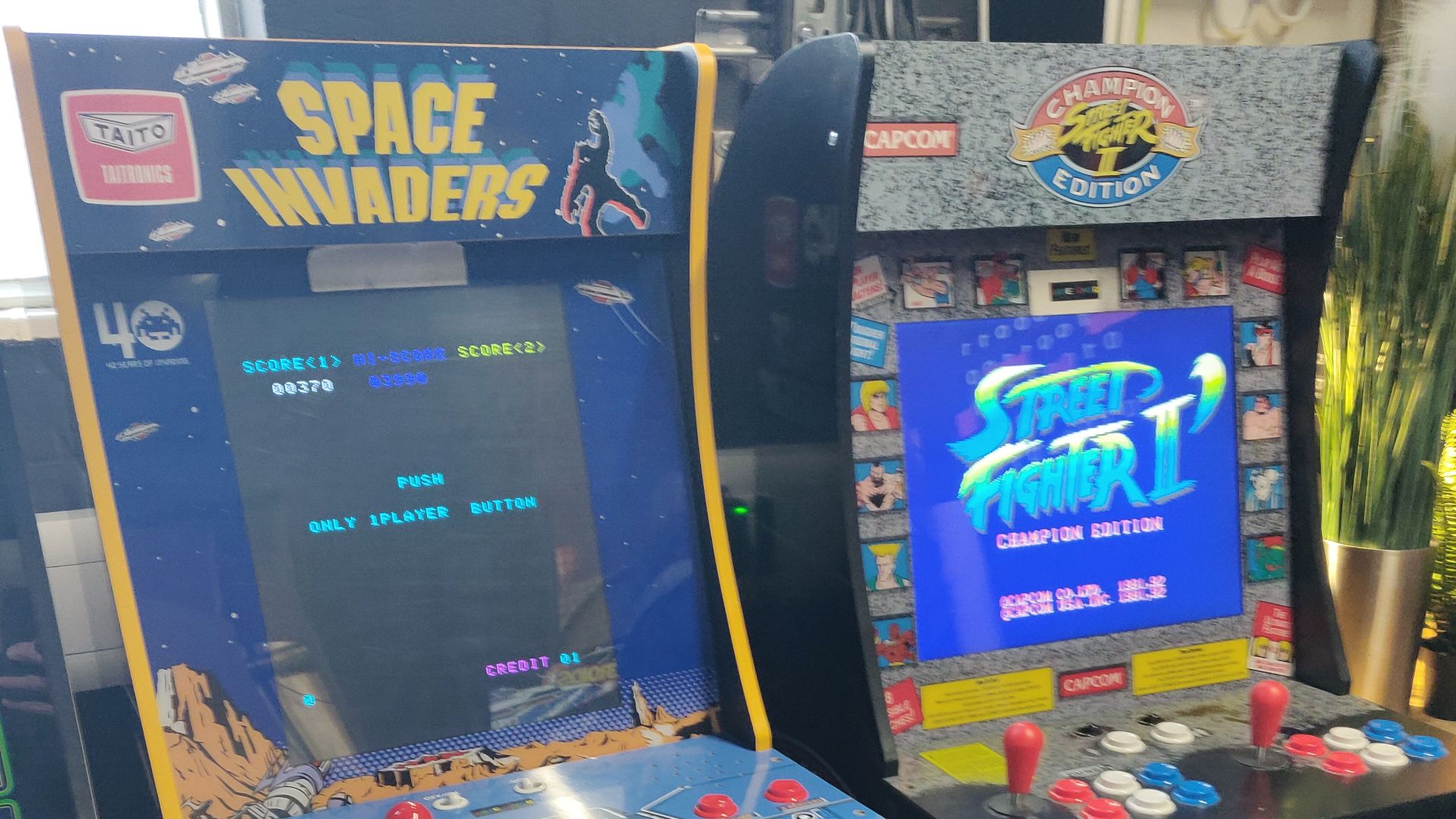
Many of us could make Ryu throw a Hadouken, but repeating the move reliably? And doing it during a competitive round? Yeah, that took greater control. Our skills basically ended at us declaring our expertise simply because we defeated the arcade machine (once).
13. Mortal Kombat II
The computer opponents became notoriously aggressive in Mortal Kombat II, and yes, we’re still blaming them for our failure. The various special moves and finishers also required specific inputs and timing, which means surviving long enough to unlock secret characters was a whole summer job.

14. Tony Hawk’s Pro Skater 2
Who knew that skateboarding was so hard no matter where you did it? Manuals introduced a balance meter that allowed so-called skilled players to cross entire levels without ending their score…you know, provided they didn’t bail. Most of us were competent enough to collect S-K-A-T-E, but we gave up way before completing every gap.
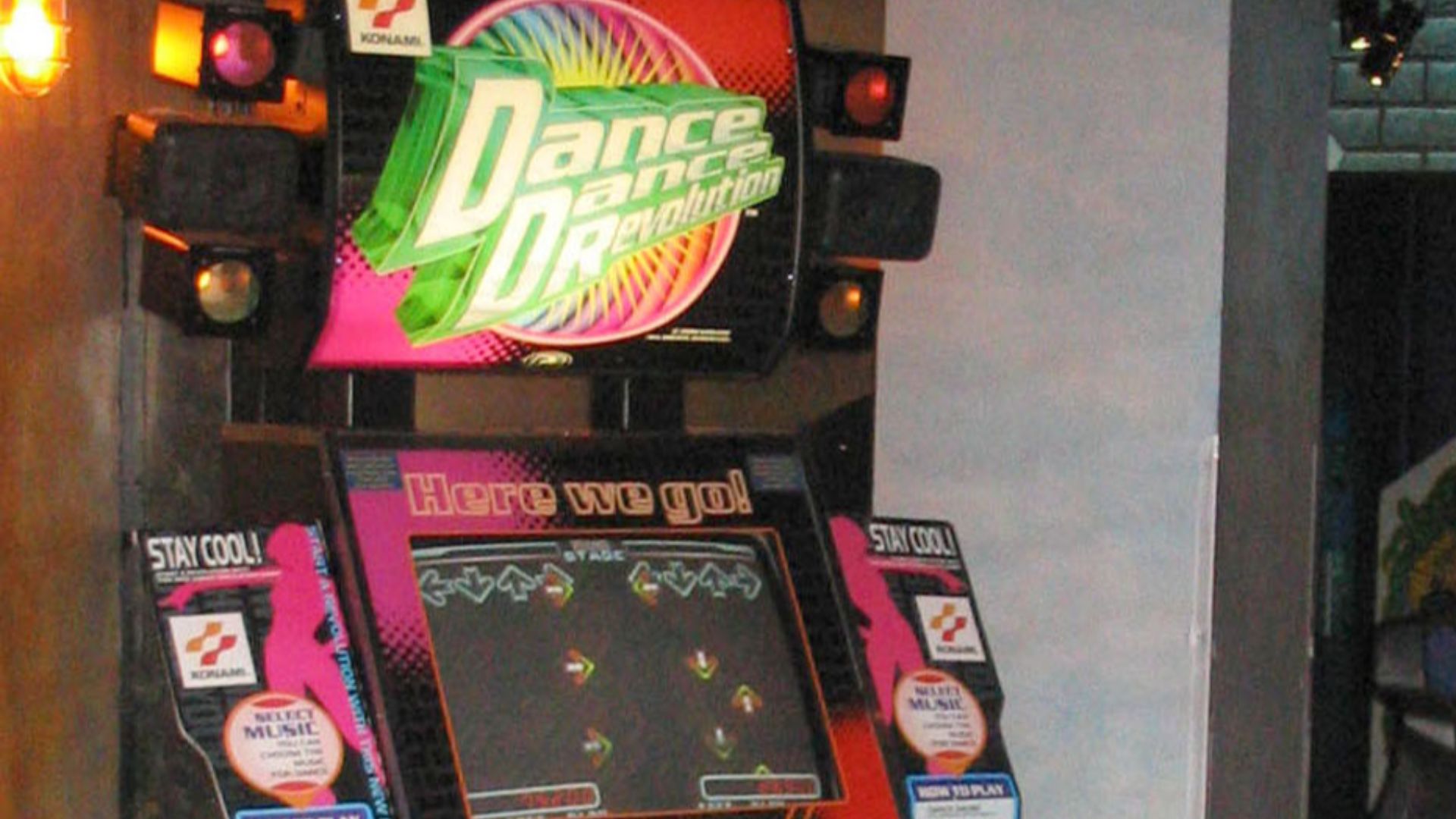
15. Dance Dance Revolution
Oh, you think dancing is easy? False! Higher difficulties of this game demanded accurate timing, quick changes, stamina, and enough balance to not actually topple over. Passing one song was pretty much where the theatrics ended.
 Poiuyt Man at English Wikipedia on Wikimedia
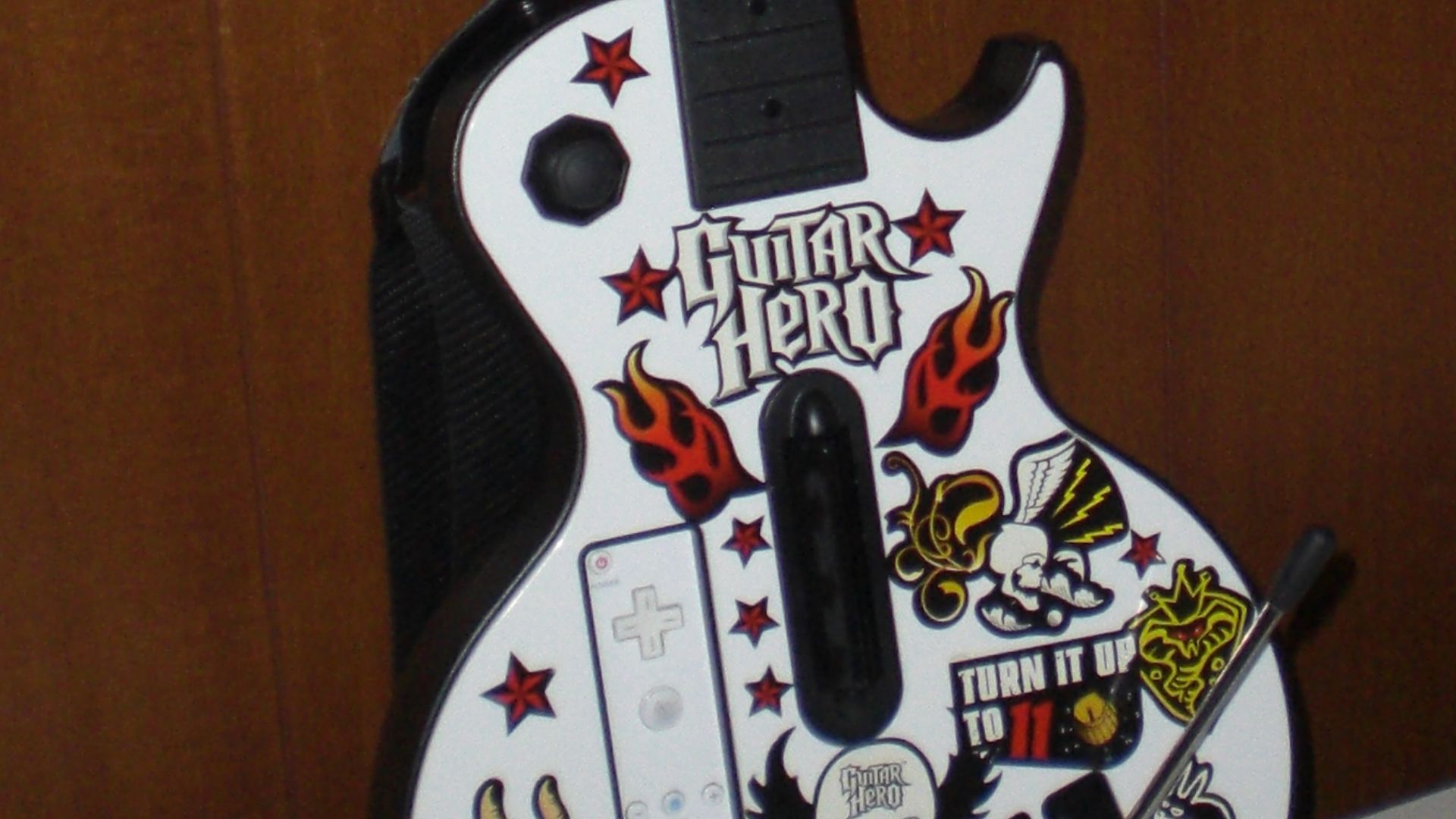
16. Guitar Hero III: Legends of Rock
Why did we insist on adding the orange fret button? All that did was expose every weakness in our positioning. Anyone who merely survived opening sections on Expert still had reason to celebrate, sure, but we all know it wasn’t a flawless performance.
17. StarCraft
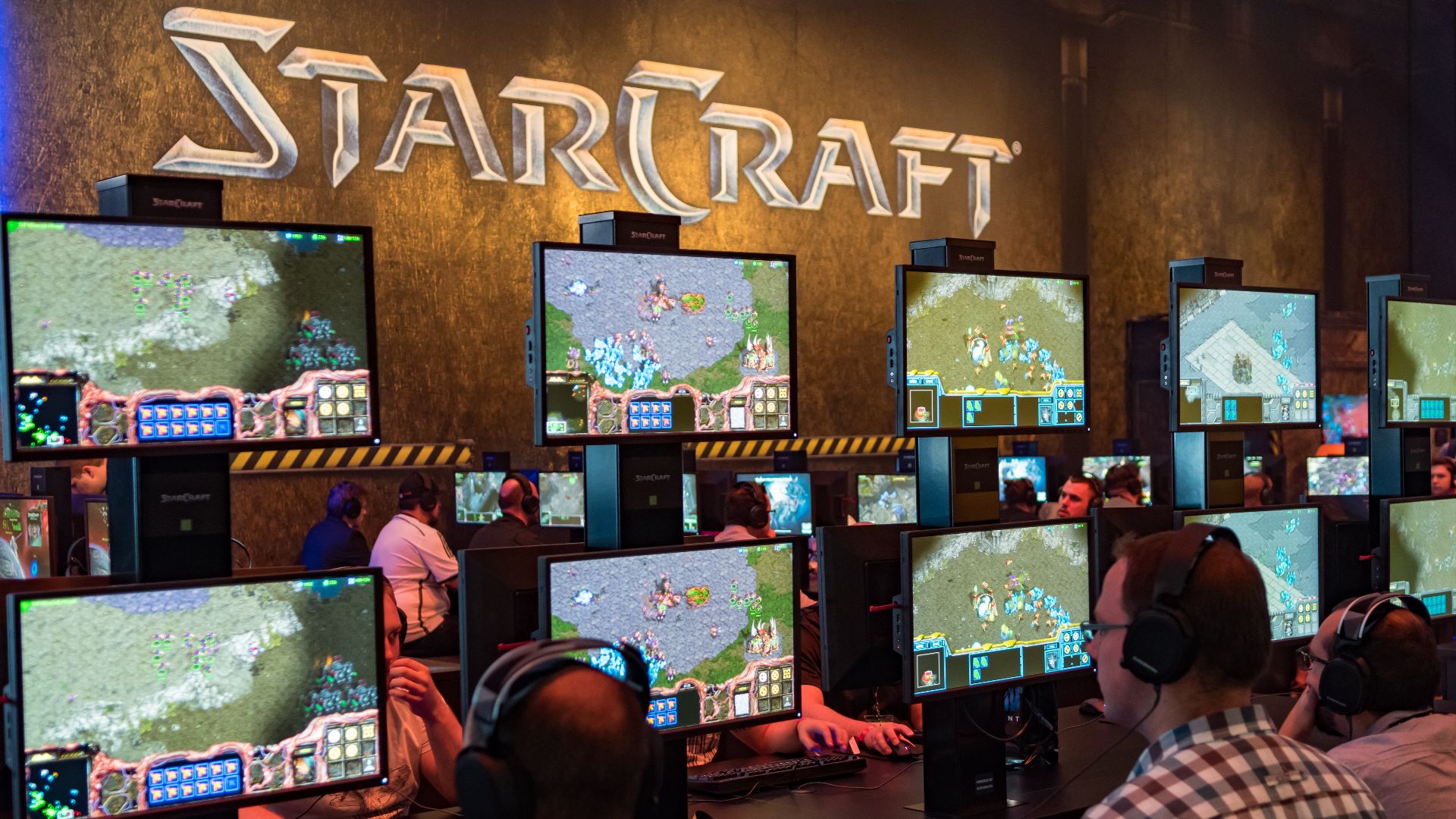
Building a large group of Battlecruisers against the computer was always cool, though it barely resembled competitive StarCraft. Only the strongest players followed efficient orders, managed resources, and expanded their economy—but you could also spend hundreds of hours with the game and still discover that your favorite strategy collapsed.
18. Counter-Strike 1.6
Internet cafés and school computer labs produced many confident players who believed a lucky headshot confirmed talent. Well, we hate to break it to you, but consistent success required map knowledge and sensible purchases across multiple rounds. Charging through the doors only created a quick spectator session.

19. Halo 2
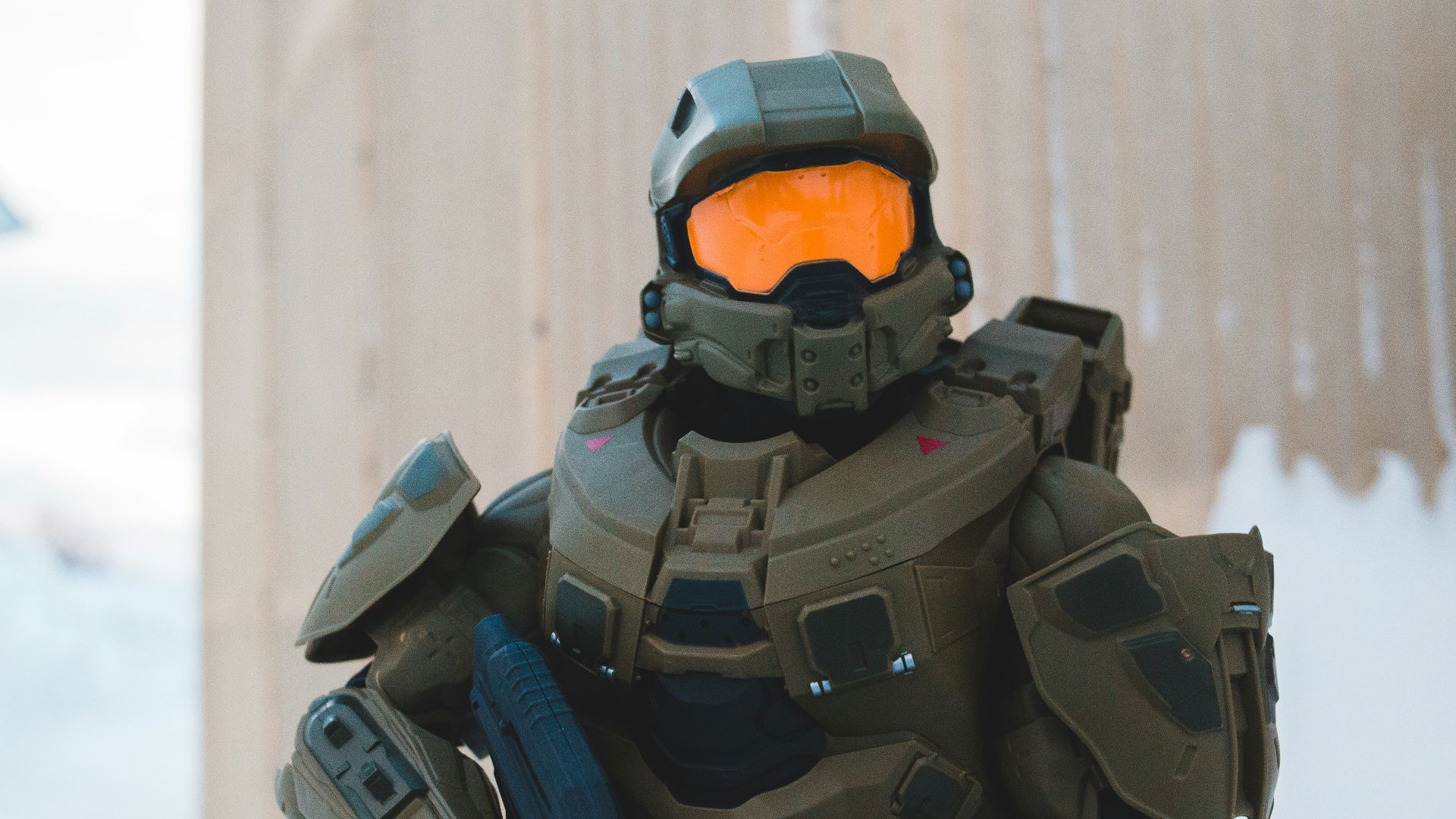
Finishing the campaign on Normal? Winning local matches? Sorry, but that didn’t mean you were prepared for Halo 2’s highest levels. Legendary difficulty meant punishing enemy damage and Jackal Snipers who could wipe out Master Chief in the blink of an eye. Unless you somehow managed to clear that, you weren’t really as good as you told people.
20. Super Smash Bros. Melee
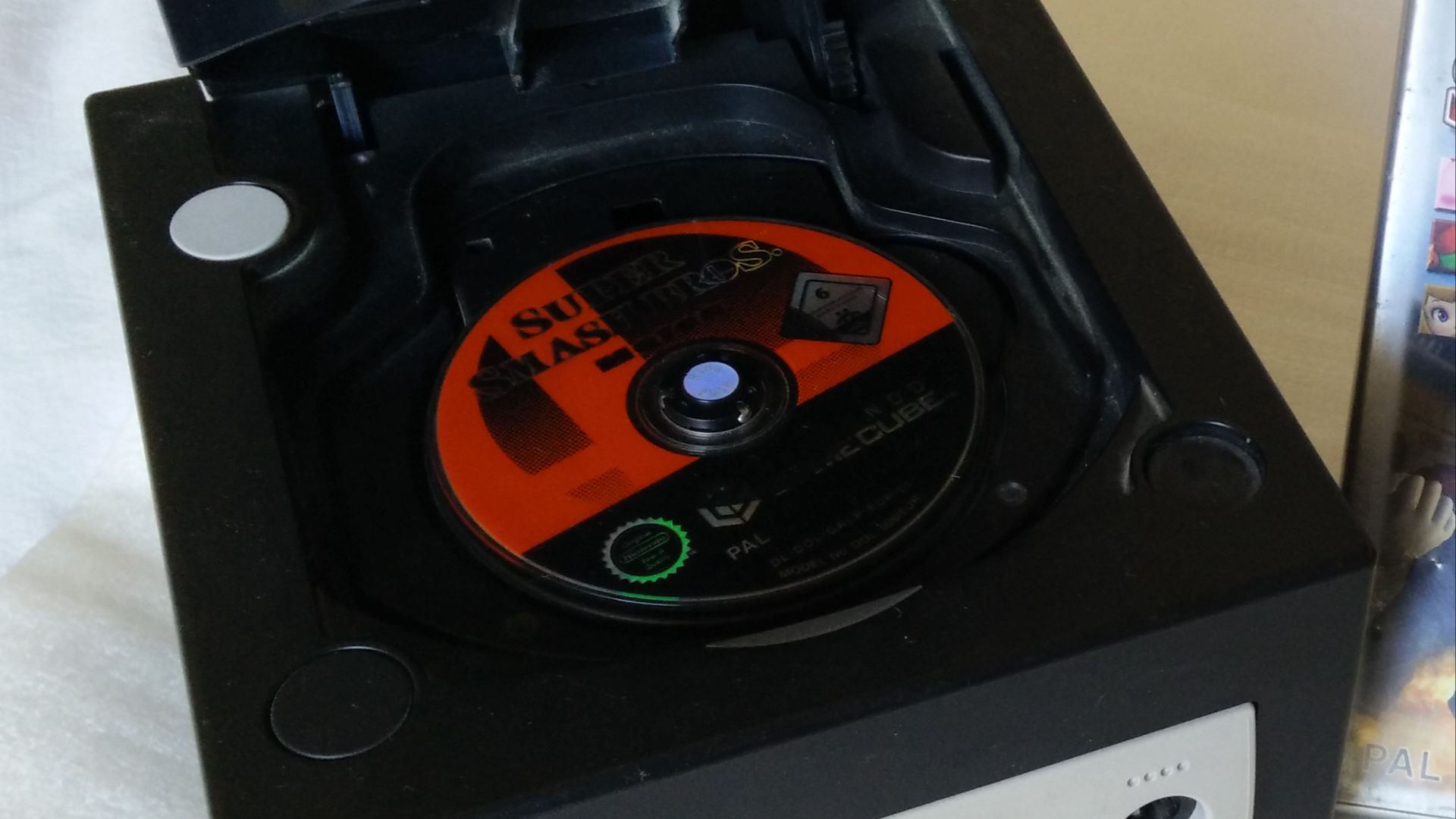
Every millennial knew someone who dominated family matches, but this is life-and-death here! Okay, not really, but competitive players still had to learn wavedashing, L-canceling, short hops, edge-guarding, and character-specific combinations to actually be kings out there. Beating three friends didn’t mean you were ready to challenge someone who owned a dedicated setup.