

When the Scenery Had More to Say
The main plot of a video game may provide the destination, but carefully placed objects, architecture, overheard conversations, and abandoned rooms often reveal what a fictional world truly values. In these games, the most memorable stories weren’t always delivered through major cutscenes because patient players could discover quieter accounts of ordinary people, failed institutions, broken families, and communities adapting to extraordinary circumstances. Here are 20 times background details told a better story than the main plot.

1. BioShock
Rapture’s ruined apartments, medical facilities, stores, and entertainment venues reveal how an ambitious society collapsed long before every explanation is provided. Political slogans remain on the walls while damaged rooms expose the consequences of those promises.

2. Dark Souls
Collapsed kingdoms and altered bodies explain the world’s history through consequences rather than straightforward narration. A sealed doorway, abandoned throne, or strangely placed corpse can suggest an entire chain of events without confirming every detail. Players often understand the setting by comparing locations and equipment descriptions instead of simply following the central objective.
 William Tung from USA on Wikimedia
3. Fallout 3
Terminals, skeletons, and household objects preserve small stories from the hours before and years after nuclear destruction. Some scenes are tragic, while others contain dark humor created entirely through object placement.
 eng1ne from Round Rock, TX, USA on Wikimedia
4. Fallout: New Vegas
Every settlement reflects the political group controlling it, from its security arrangements to its access to food and clean water. The struggle over the region becomes more understandable through these everyday details than through the leaders’ competing speeches about civilization and freedom.

5. The Last of Us
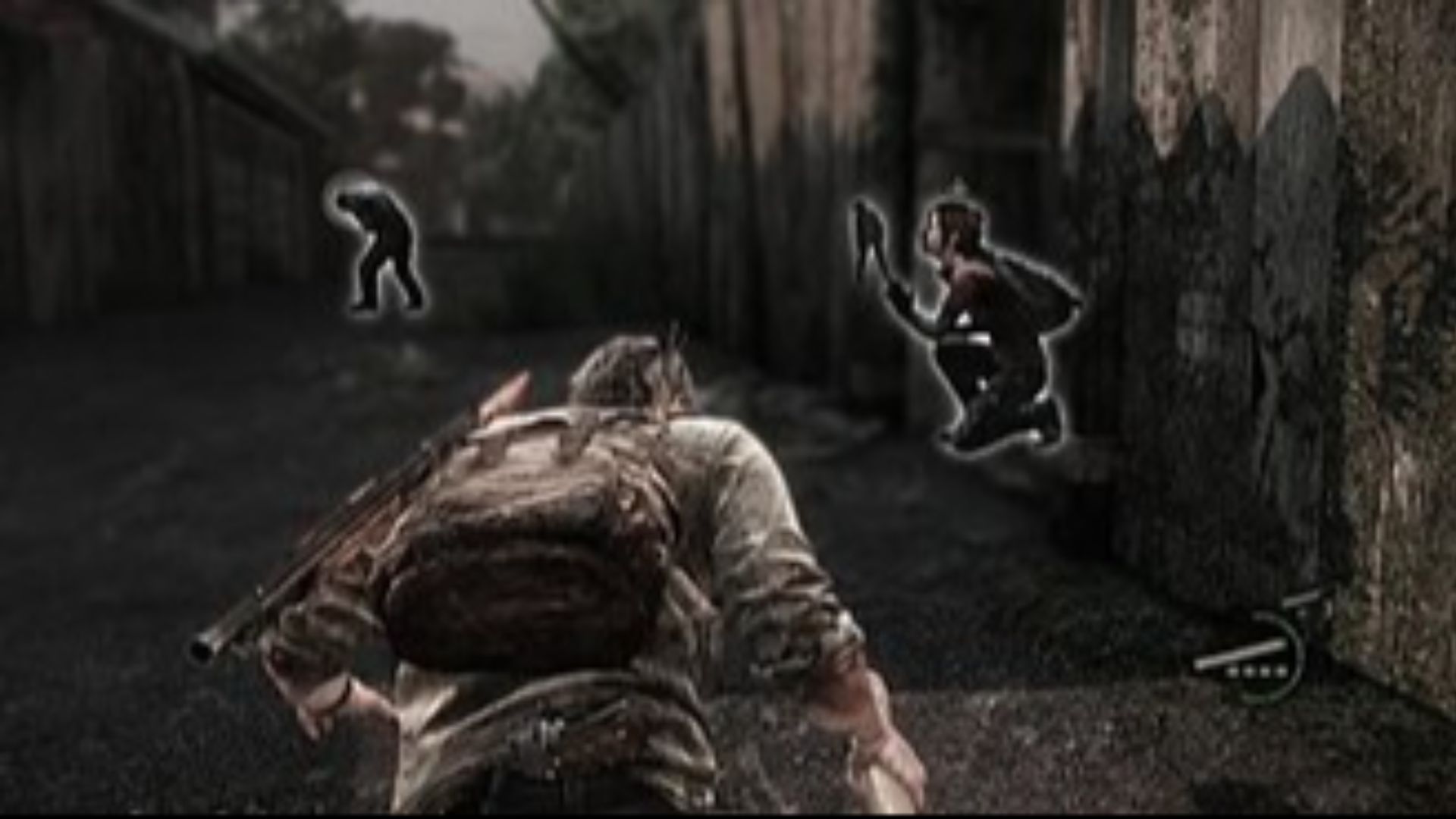
Notes left in apartments, schools, and shelters document the efforts of people who tried to build ordinary lives after society collapsed. Environmental details show improvised classrooms, failed quarantine measures, and communities destroyed by fear or bad decisions. Several unseen characters receive surprisingly complete emotional arcs, even though the player encounters only the possessions they abandoned.
 Ngô Thị Quỳnh Lâm on Wikimedia
6. Half-Life 2
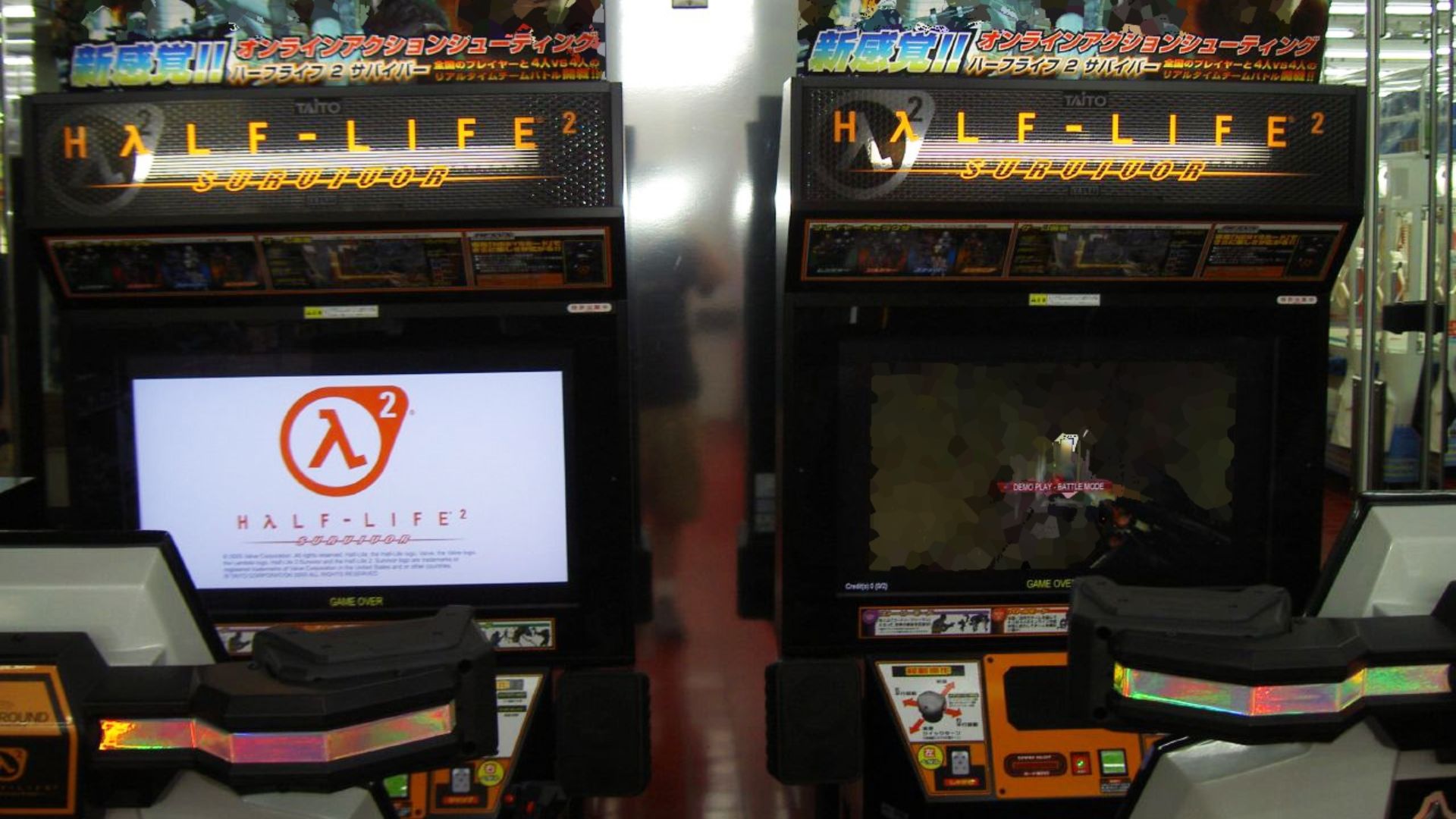
City 17 communicates oppression through surveillance screens, blocked streets, invasive machinery, and citizens who’ve learned to speak carefully. Apartments look temporary because residents understand that privacy and ownership can disappear without warning.
7. Portal 2
The enormous laboratory contains forgotten offices, obsolete machinery, and layers of construction from different corporate eras. Advertising displays and recorded messages gradually expose a company that became more reckless as its resources disappeared.
 Michael Myers from Arlington, VA, USA on Wikimedia
8. Gone Home
A family’s personality emerges through receipts, letters, books, photographs, and the arrangement of individual bedrooms. Mundane belongings establish old disappointments and private ambitions that aren’t directly connected to the central mystery. By the time the house has been thoroughly searched, its residents feel recognizable even though almost none of them appear onscreen.

9. What Remains of Edith Finch
Each sealed bedroom functions as a carefully preserved portrait of the relative who once occupied it. Decorations reveal hobbies, fears, ages, and family relationships before the player experiences that person’s individual sequence.

10. Red Dead Redemption 2
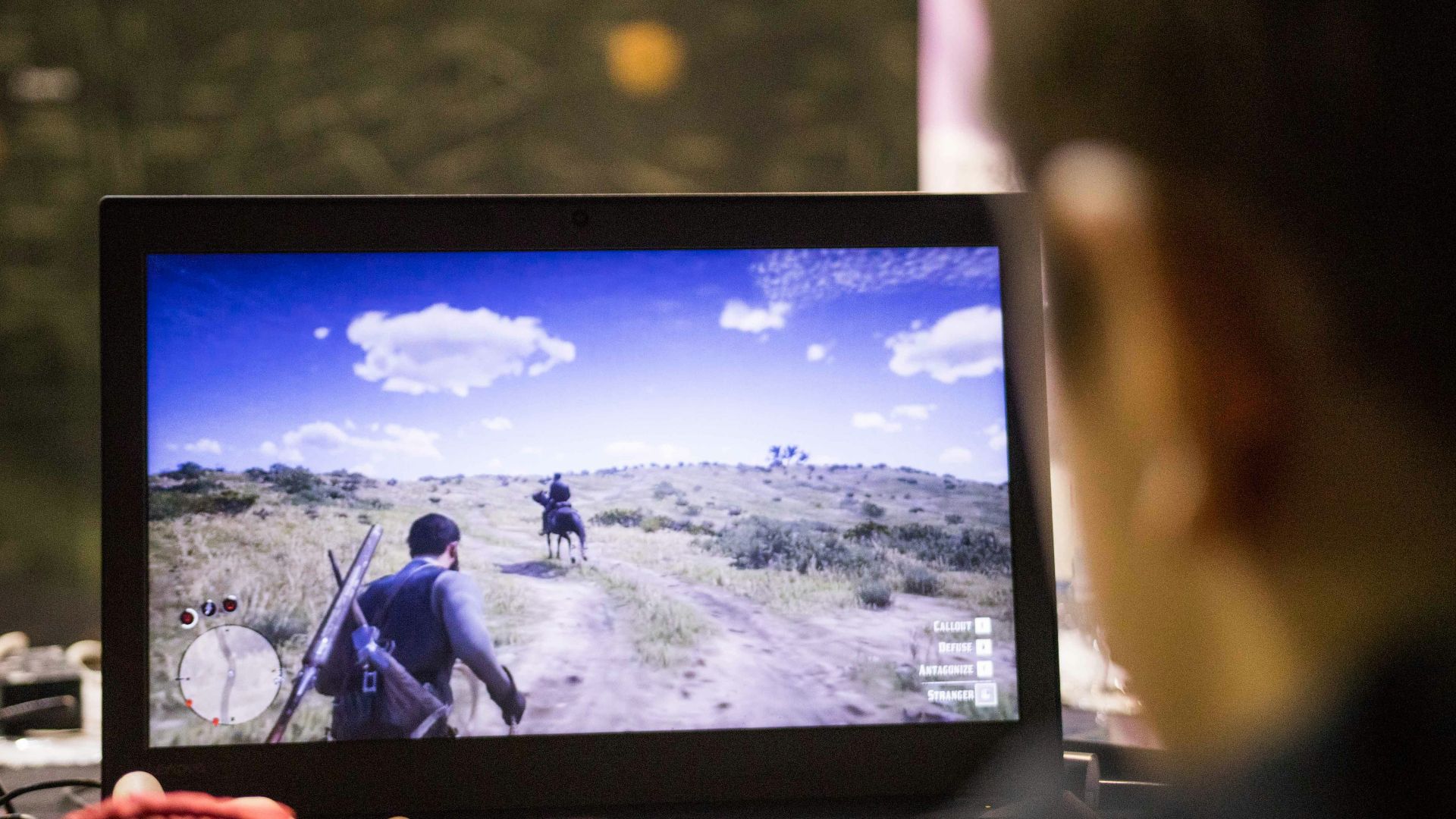
Towns change as construction advances, businesses expand, and local disputes produce visible consequences. Campsites, cabins, and passing conversations reveal stories that continue whether the player becomes involved or simply rides away.
 Clastr Cloud Gaming on Unsplash
11. Dishonored
Apartments and workplaces show how a plague affects social classes differently, despite official claims that everyone faces the same emergency. Wealthy districts hide private supplies while poorer areas contain desperate warnings and improvised defenses. Posters, guard conversations, and discarded documents expose a political system protecting its reputation more carefully than its citizens.

12. Prey
Workstations, schedules, personal messages, and unfinished projects turn a space station’s employees into identifiable people rather than anonymous victims. Players can follow friendships, workplace frustrations, recreational clubs, and secret relationships across different departments.

13. Control
Ordinary office equipment sits beside impossible architecture, suggesting that employees gradually learned to treat supernatural incidents as administrative problems. Notices about workplace procedures become increasingly absurd without losing their formal tone.

14. Outer Wilds
Ruins aren’t simply decorative landmarks because their layouts show how an earlier civilization studied, traveled, and cooperated. Personal messages between researchers add humor and affection to discoveries that might otherwise feel purely scientific.

15. Elden Ring
Fortresses, flooded towns, mines, and battlefields reveal which groups once held power and what destroyed their influence. Enemy placement frequently indicates old alliances or occupations that the dialogue never clearly summarizes.

16. Silent Hill 2
Rooms often appear shaped by guilt, grief, or distorted memory rather than practical architectural logic. Repeated images and unsettling objects provide clues about the protagonist’s mental state without offering easy confirmation. The environment’s ability to change emotional meaning makes exploring an ordinary hallway feel more revealing than hearing another direct explanation of the central mystery.

17. Resident Evil 2
The police station’s confusing layout makes more sense once its history as a converted museum becomes apparent. Displays, statues, elaborate doors, and repurposed rooms preserve traces of its earlier function beneath emergency equipment.

18. Deus Ex: Human Revolution
Newspapers, advertisements, clinic interiors, and public demonstrations reveal how human augmentation has divided society. Expensive technology appears beside unemployment, addiction, and growing resentment, showing that progress hasn’t benefited everyone equally.

19. Cyberpunk 2077
Advertisements invade nearly every available surface, while crowded apartments reveal how little personal space most residents can afford. Wealthy areas use controlled lighting and clean architecture, whereas neglected districts expose damaged infrastructure and improvised businesses.

20. The Witcher 3: Wild Hunt
Burned villages, abandoned possessions, and frightened conversations show how war affects people who do not influence its outcome. Even small settlements contain evidence of displacement, hunger, prejudice, and opportunistic authority.