

Manners for a Third Voice in the Room
People already use AI to write emails and decide how to handle difficult conversations. The person on the other end often has no idea an assistant was involved, and that raises questions about what we owe each other when software does some of the talking. Most of our everyday manners developed after the technology they concerned had become common. AI is spreading quickly enough that it may be worth agreeing on a few boundaries before everyone gets used to doing things their own way. Here are 20 rules worth establishing before AI assistants become as ordinary as phones.

1. Notetakers Need Every Attendee's Okay
About a dozen U.S. states require everyone in a conversation to agree before it is recorded, and a transcribing bot may fall under the same rule as a tape recorder. A 2025 class action alleges that one AI notetaker joined meetings automatically when only the host had an account. Announcing the bot at the start of a call usually makes consent explicit.

2. Team Praise Should Come From the Sender
Only 40 to 52 percent of employees in a 2025 survey of more than 1,000 professionals rated a supervisor as sincere when a message leaned heavily on AI, compared with 83 percent for light editing. The sender's own opening lines may keep the rest of a thank-you from reading as automated.

3. Assistants Should Introduce Themselves on Calls
California has required since 2019 that certain online bots identify themselves when they try to sell something or sway a vote. A 2018 demo of an assistant phoning a restaurant drew criticism because the employee on the line appeared not to know the caller was software. A short opening line naming the assistant and its owner would extend that habit to voice calls.

4. Camera Glasses Come Off in Private Spaces
Some court buildings have already barred smart glasses, and critics note that the recording light is small and easy to miss in bright daylight. Bystanders seldom comment on a stranger's eyewear, so the wearer's own announcement may be the only notice anyone gets. Taking them off when entering a friend's home or a gym locker room may settle most doubts.

5. Families Need a Code Word for Emergency Calls
The FBI advised in December 2024 that families agree on a secret word or phrase to verify each other's identity. Scammers can clone a voice from a short clip posted online, so a panicked call that sounds like a relative proves less than it used to. The word is harder for outsiders to learn when it is chosen in person and kept out of text threads.
 Priscilla Du Preez 🇨🇦 on Unsplash
6. Dating Matches Deserve to Know About AI Help
Among American singles surveyed in 2025, 26 percent were using AI in dating, up 333 percent in a year. In the same survey 36 percent called AI-generated conversation a dealbreaker and 44 percent said the same about AI-altered photos. Mentioning that an assistant polished a first message lets a match decide how much that matters.
 Priscilla Du Preez 🇨🇦 on Unsplash
7. Earbud Prompts Don't Belong in Face-to-Face Talk
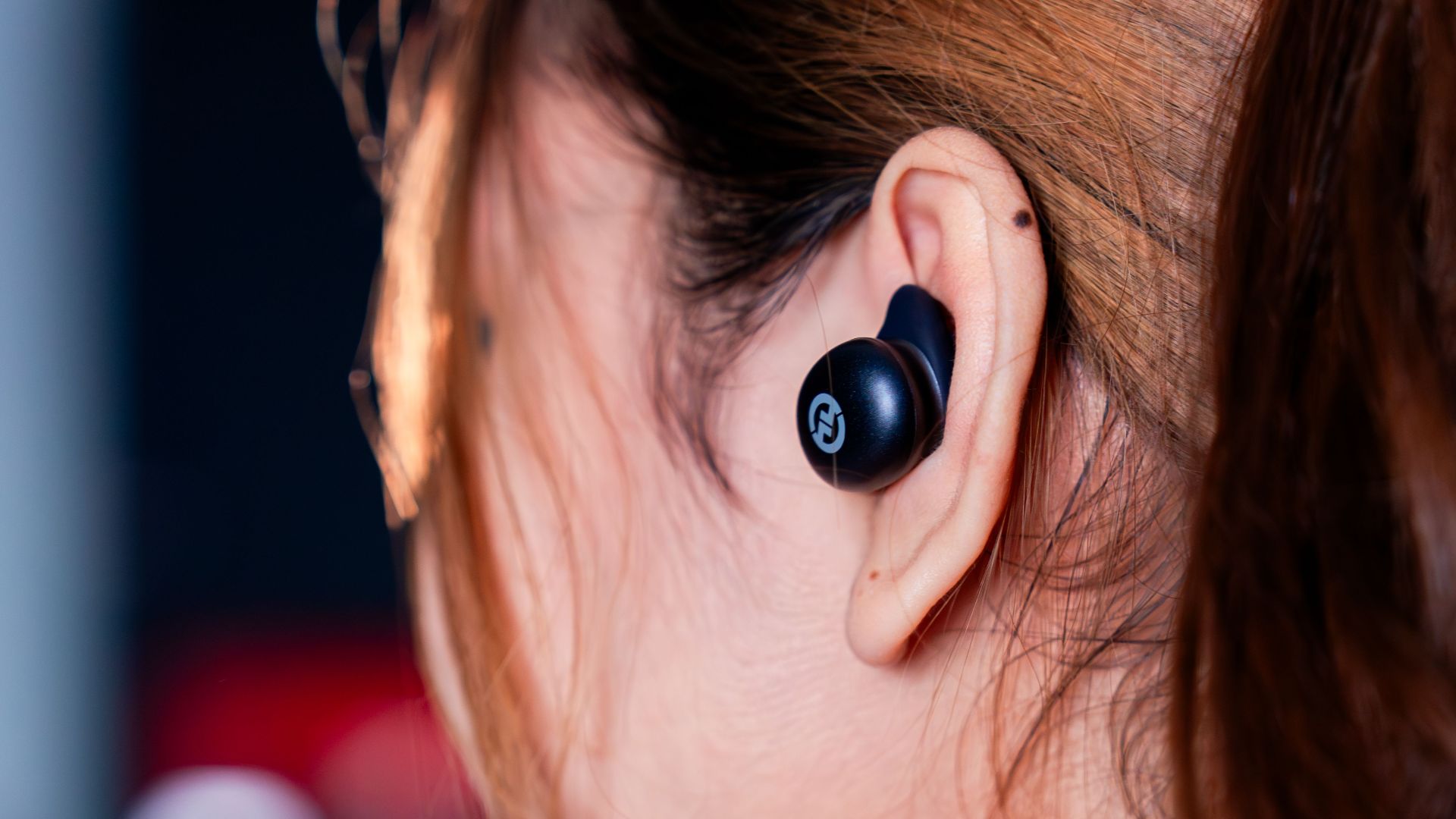
A 2014 national poll found that 82% of adults thought phone use at social gatherings hurt the conversation at least occasionally, yet 89% of phone owners had used theirs at their most recent gathering. An AI assistant feeding someone talking points through an earbud while a friend tells a story could be just as distracting.
8. Cover Letters Should Carry Personal Details
Nearly one in five of 600 U.S. hiring managers surveyed in 2025 said they would reject an application that appeared to be fully AI-generated. Adding one concrete detail from your own work may make an assisted draft read as personal.

9. Homework Should Say How Much Help Was Used
Fifty-four percent of U.S. teens surveyed in fall 2025 had used chatbots for schoolwork, and about one in ten did all or most of it that way. A teacher reading two finished essays often cannot tell whether one student asked for a spelling check and the other asked for the entire draft.

10. Reviews Belong to People Who Used the Product
A 2024 federal rule bans fake consumer reviews, including AI-generated ones that claim an experience the reviewer never had. Civil penalties under the rule ran to roughly $52,000 per violation when it was announced. A review an assistant drafts for a meal you did not eat would likely count as fake even if you press send yourself.

11. Bulk Auto-Applications Slow Hiring Down
Hiring managers in Canada described a heavier workload in a 2026 survey of 1,500, with 89 percent citing candidates' AI use and 61 percent saying hiring now takes longer. An assistant that sends dozens of applications overnight adds to that pile with each submission.

12. Automated Replies Need a Label
Participants in a 2019 experiment on rental-listing host profiles could not reliably tell AI-written profiles from human ones, and trust fell when profiles were labeled as AI-generated. A friend who gets an instant, warm text from your assistant may assume you wrote it and feel misled once they learn otherwise. A short tag on auto-replies would answer the question before anyone asks it.

13. Other People's Calendars Are Not Yours to Move
An assistant that reschedules invitations on its own can move a friend's lunch without any human telling the friend. Automatic changes tend to feel presumptuous because a request to move a plan usually carries an apology and a reason. If the assistant only proposes new times and its owner confirms the move, a person's name stays on the request.

14. Pasting a Friend's Text Into an Assistant Needs Permission
A friend who sends a long, personal text usually pictures one reader. Pasting that message into an assistant for advice shares it with a service the friend may not know about. Most friends probably agree when asked, and removing names beforehand keeps the exchange close to what they expected.

15. Lookups at the Table Should Be Shared Aloud
In a 2014 survey, 38% of phone owners said they'd used their phone at their most recent social gathering to look up something the group might enjoy. AI assistants make that kind of information even easier to access, sometimes without anyone else knowing. Someone wearing smart glasses or earbuds could quietly ask a question and repeat the answer as though they knew it all along.

16. Summaries Need Review Before Anyone Quotes Them
Generated meeting summaries tend to compress a long discussion into a few lines, and compression can drop a caveat or flip an emphasis. A quick check by one attendee before the notes circulate usually catches the worst errors.

17. Cloning a Voice Requires Its Owner's Consent
Voice cloning tools can reproduce a person's voice from a short audio sample, and law enforcement has warned that scammers use that approach on families. Hearing a voice used without permission, even kindly, may leave its owner wondering where else it appears.

18. Houseguests Should Hear About Listening Devices
A visitor in someone else's kitchen usually cannot tell whether a speaker on the counter is waiting for a wake word or recording the conversation. Hosts routinely warn guests about a barking dog or a slippery step, and a microphone that may be live belongs in that warning.

19. Fast Replies No Longer Show Attention
A quick reply tends to signal interest in a text conversation, and an assistant that drafts responses within seconds removes that signal. A hard question answered at once can leave the asker believing the sender dropped everything, even when the assistant did all the work.

20. Assistants That Negotiate Should Say So
Two people haggling over a used couch or a shared rent split may soon send assistants to trade offers on their behalf. Each side usually assumes the other is bargaining in person, so a generous counteroffer may be read as friendliness when it came from a program following instructions. When the other person knows an assistant is handling the talks, each message can be read with that in mind.
 LinkedIn Sales Solutions on Unsplash