
What Gets Scarce When Everything Gets Cheap
Things people once took for granted have a way of becoming expensive once technology makes them less necessary. What used to be ordinary can turn into a luxury, especially when it takes more time, effort, or human attention than the cheaper alternative. The more automated everyday life becomes, the more people may be willing to pay for experiences that used to cost nothing extra. Here are 20 ordinary things that could become luxuries in the future.
1. Talking To A Human
Companies already sort callers by how much they pay, and the reward at the top of that ladder is a person instead of a menu. Push it further and the human line becomes the paid tier outright, with everyone else routed to something that answers instantly and competently. The queue stops measuring wait time and starts measuring who you get.

2. Medical Attention That Isn't Rushed
Some doctors already charge membership fees for longer appointments and direct access, selling something patients often struggle to get: time. As routine healthcare becomes faster and more automated, having a doctor who listens without rushing could become a luxury people pay extra for.

3. Small Classes Taught By Human Teachers
Teaching takes time, and there's only so much one teacher can give each student. That's why private tutoring has always cost more than learning from a textbook. As AI makes personalized instruction cheaper and more accessible, small classes with human teachers could become a luxury reserved for families willing to pay for individual attention.
4. Handwritten Correspondence
Writing out a page takes the same time it did a century ago while every alternative has gotten faster and cheaper. Fountain pens and letterpress stationery both outlived their practical era and came back priced as objects. The letter carries proof of time spent, and the proof is what the price attaches to.

5. Art You Can Trace To One Person
As AI makes it easier to generate images, art made by a person could become more valuable simply because of its origin. Buyers may care less about what a piece looks like and more about who created it and whether its history can be verified. Galleries could end up charging a premium for proof that a work was made by human hands.
6. A Novel Written Without Help
Publishers and literary prizes now ask entrants to declare what was machine-assisted. A certified human-written label is the obvious next move, and labels of that kind reliably support a premium. Readers paying for one are buying a claim about process instead of anything visible on the page.

7. Live Performance With No Safety Net
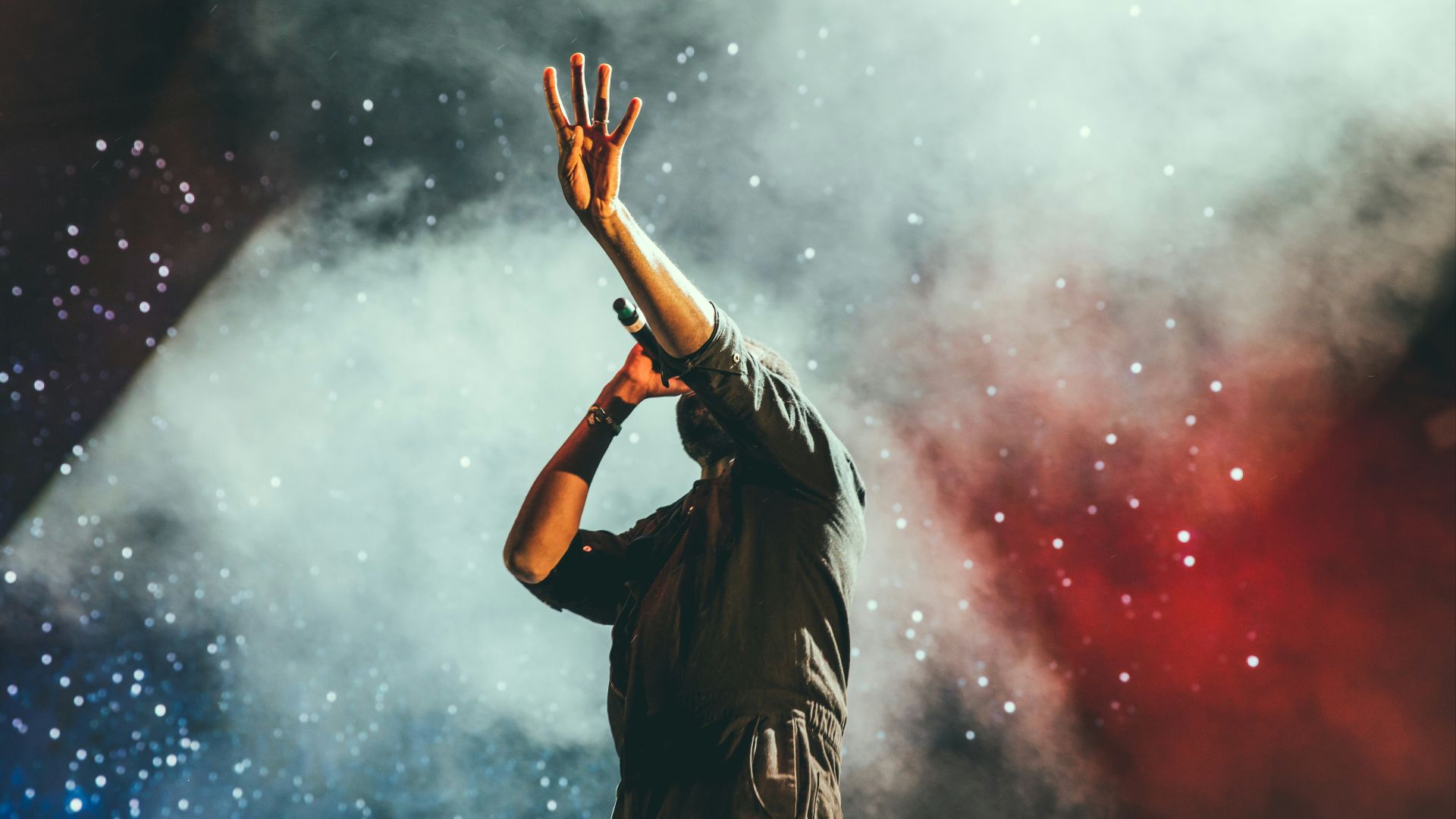
Streaming has made recorded music cheaper and easier to access than ever, while live concerts have become increasingly expensive. As technology makes it possible to perfect every note, performances without digital corrections could become more valuable. Audiences may pay a premium to hear musicians play live, knowing that every note, including the mistakes, is real.
8. Driving The Car Yourself
Horses went from everyday transportation to an expensive hobby, and driving could follow the same path. Manual transmissions are already disappearing from new cars, even as enthusiasts continue to seek them out. If self-driving cars become the norm, higher insurance costs could make driving yourself a luxury reserved for people willing to pay for the experience.

9. Cooking From Raw Ingredients
Cooking from scratch takes time and effort, and it can already cost more than buying something ready-made. As automated meals become cheaper and more convenient, preparing food by hand could become something people do for enjoyment rather than necessity. A home-cooked meal may eventually be valued as much for the time spent making it as for the food itself.

10. Food You Grew Yourself
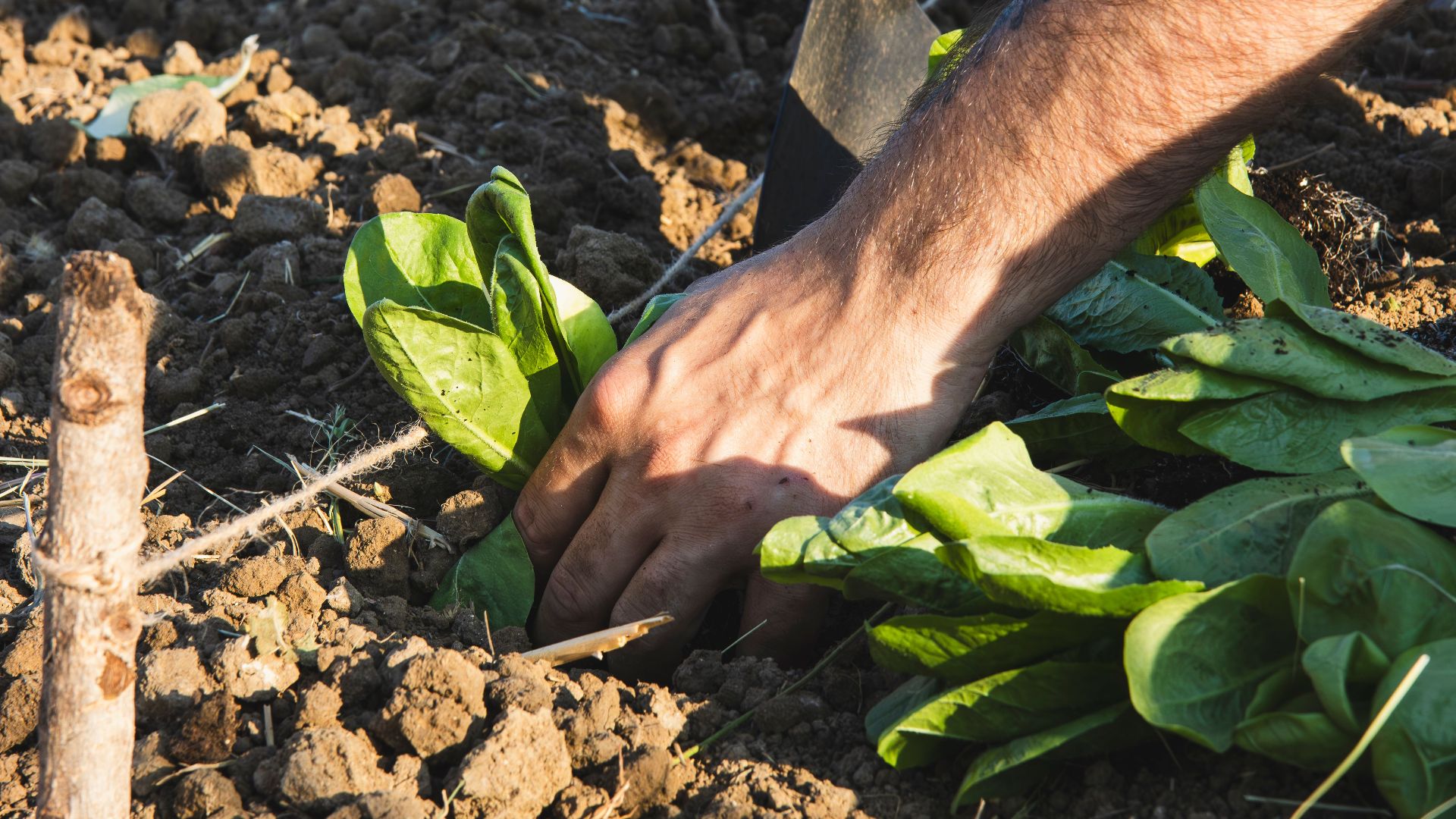
Allotment waiting lists in some cities run for years. The scarcity there is land rather than labor, and no amount of automation makes more of it near where people live. Produce you can point at the origin of ends up costing more than produce that is simply good.
11. Fixing Something Instead Of Replacing It
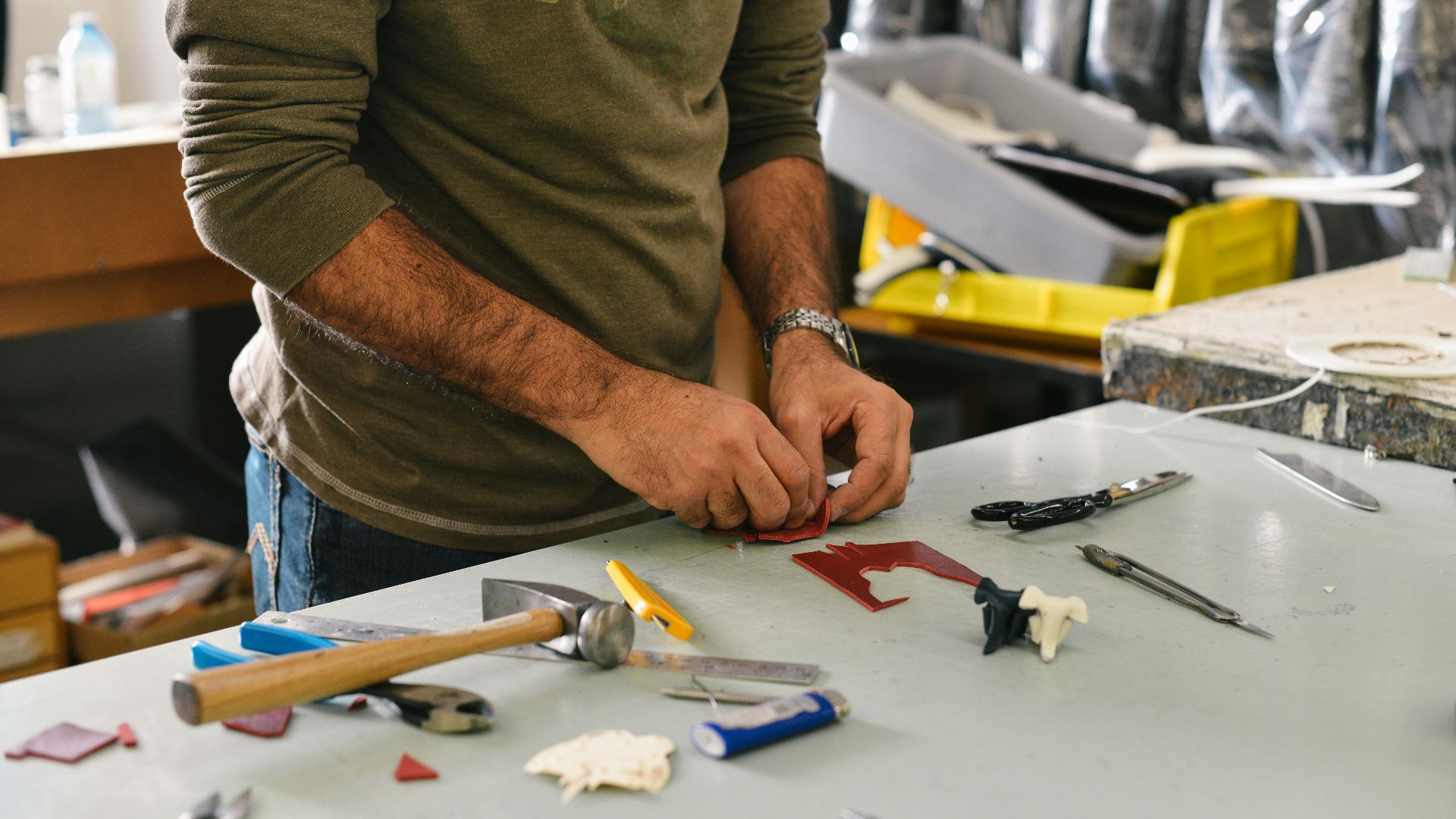
Repair stopped making economic sense decades ago because replacement got so cheap, which is why repair cafes run on volunteers and goodwill. Attach prestige to the craft and the economics flip into a service people pay well for. The watch industry already ran that experiment.
12. Being Unreachable
Retreats that take your phone at the door charge for it and fill up anyway. Reachability keeps getting cheaper and more total, so an unreachable stretch becomes a product with a nightly rate. The product is a boundary somebody else enforces, and that is harder to buy than it sounds.

13. Actual Silence
Finding somewhere genuinely quiet is already difficult, especially in crowded cities. Traffic, construction, and constant background noise make silence increasingly rare. As cities grow louder, homes, hotels, and public spaces designed to block out noise could command higher prices. Complete peace and quiet may become a luxury people pay extra to enjoy.

14. A Properly Dark Sky
Roughly 80 percent of North Americans cannot see the Milky Way from where they live, and in Singapore nobody can see it at all. Dark-sky reserves already draw travelers who are paying for an absence. That market grows as lighting spreads and the dark patches shrink.

15. Staying An Amateur At Something
People have always enjoyed making things themselves, even when the results weren't particularly good. As AI becomes capable of producing professional-quality work in seconds, the pleasure of learning a skill and creating something by hand could become more valuable. Art classes, music lessons, and workshops may become expensive hobbies, with people paying for the experience of making something rather than the finished product.

16. Getting There Slowly
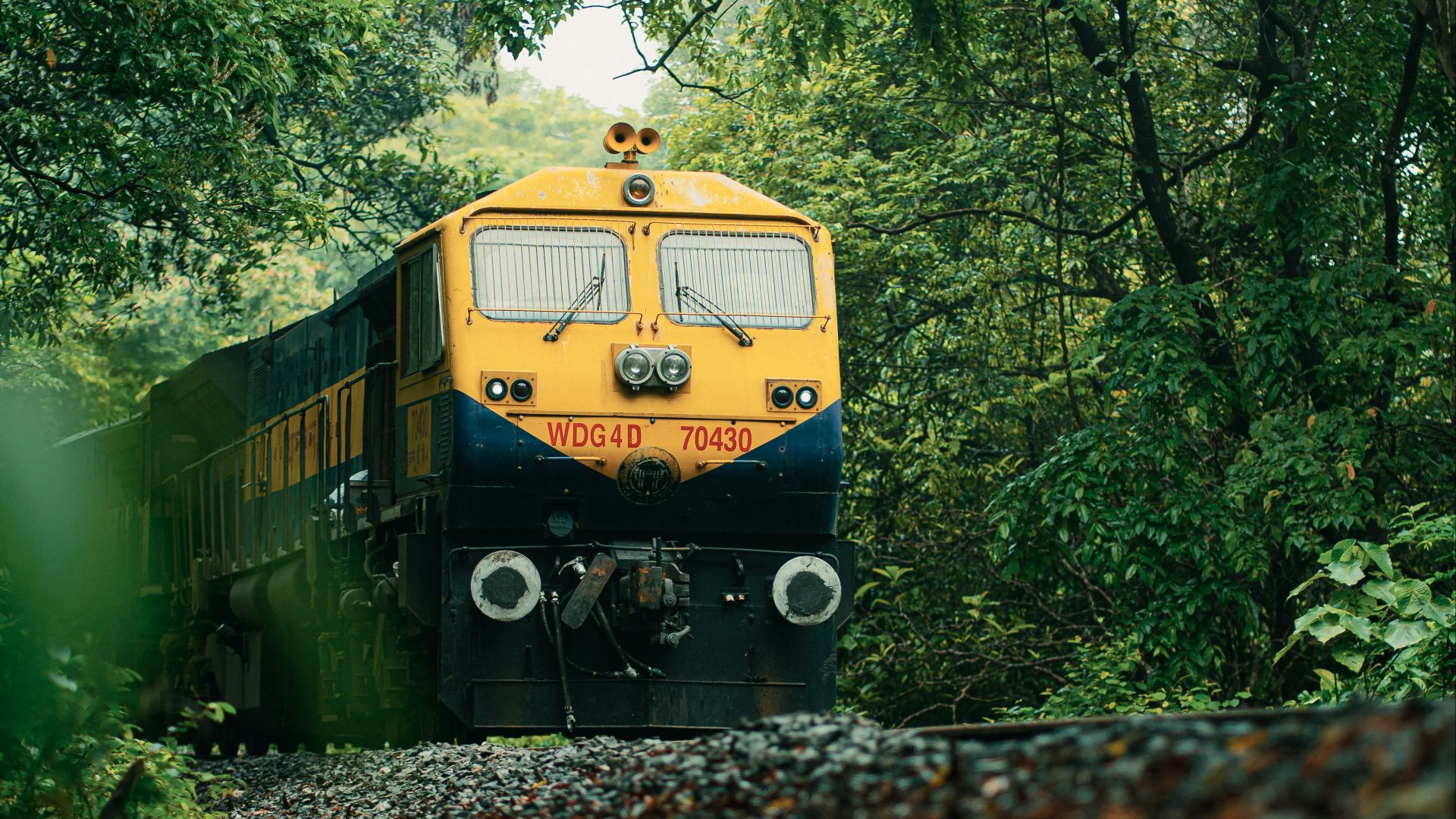
Jets ended the transatlantic liner as transport and the ocean crossing came back as a holiday. Night train routes across Europe were cut for decades as budget flights took over, and several have been restored lately as premium services. A berth often costs more than the flight it replaces.
17. Not Being Measured
Nearly everything you touch produces a record, and the record is usually the business model itself. Services promising no measurement sell at a markup, from paid email that will not scan your inbox to venues that stay cash-only on purpose. That framing will spread to places with no reason to mention it today.

18. Deciding Without A Recommendation
Recommendation systems work well enough that choosing unaided is becoming unusual. Bookshops that hand-sell and record stores with listening booths are early versions of charging for the lack of a suggestion. The premium attaches to the sense that the choice was your own.

19. Shop Staff Who Know You
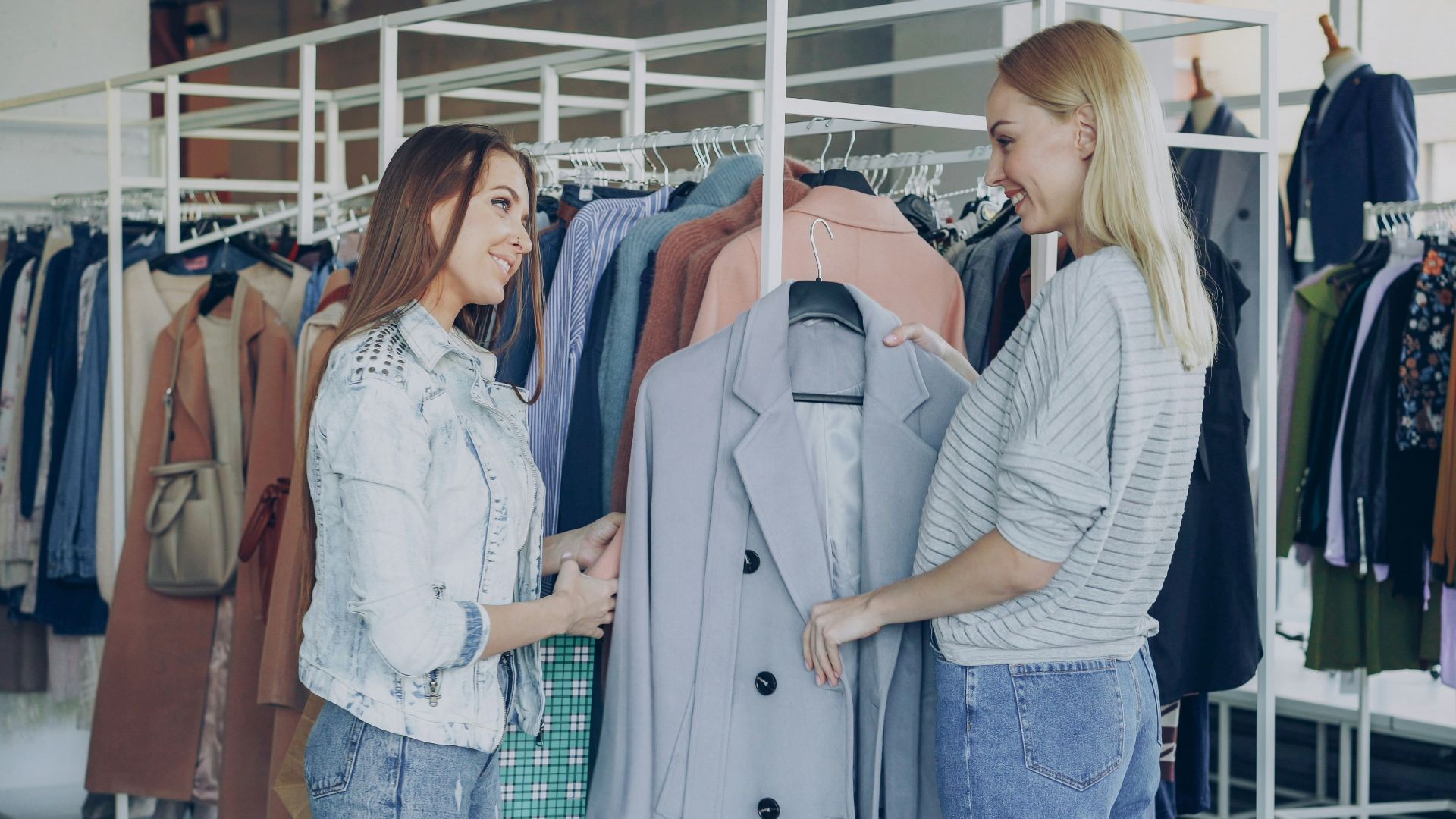
As stores replace employees with self-checkouts and automated services, personal attention could become harder to find. Having someone remember your name, understand your preferences, and help you choose what to buy may become a service people pay extra for. Shopping could become less about the products and more about the experience of being treated like a valued customer.
20. Time Nobody Optimized
Having an afternoon with absolutely nothing planned used to be ordinary. Now, calendars, meetings, and productivity tools make it easy to fill every available hour. As technology makes scheduling even more efficient, uninterrupted free time could become harder to protect. People may eventually pay for services that keep their schedules clear rather than fill them.