

Open-world games have spent years competing to offer bigger maps, longer adventures, and more activities than their predecessors. Next thing you know, you’re up to your ears in things to be discovered and strangers to encounter. But as these virtual worlds scramble to outdo themselves, an important question has emerged: are developers confusing size with quality?
There's something undeniably exciting about discovering that a game's map stretches far beyond what you expected. It’s also fun to know that if you’d rather avoid a mission, you can just explore what’s around and see what trouble you land in. Unfortunately, that excitement can vanish fast when exploration gets repetitive and completing the main story becomes a full-time job. So, is it ultimately worth it?
When Exploration Starts Feeling Like Work

One of the biggest criticisms is the overwhelming amount of optional content open-world maps contain. Assassin's Creed Valhalla, for example, features an enormous recreation of Viking-era England alongside several additional regions. Okay, yes, its historical environments are impressive, but that doesn’t mean everything is a win. Between objectives and completing countless activities, walking through those comprehensive streets is pretty exhausting for players who just want Eivor's story.
Map markers contribute to this problem, too—they encourage players to approach exploration as a checklist. In Far Cry 6, you can spend hours capturing military checkpoints and gathering resources. These activities can yield some useful rewards, but their structure can make different locations feel less distinctive than their scenery suggests.
We don’t always have time to sit in front of our screens, either, and long campaigns create problems for anyone with limited time. Even traveling across these expansive environments can become unnecessarily tedious when developers don't provide enough meaningful encounters to justify the size. Fast travel helps reduce frustration, but constantly teleporting between distant locations can actually undermine the whole point of expansive landscapes. If all you’re going to do is skip to the end, why bother to make it at all?
Bigger Maps Don't Always Make Better Adventures
Some of gaming's most memorable open worlds only win because their environments reward curiosity. Look at Elden Ring. It’s a beloved gem that demonstrates this very approach through hidden caves, optional bosses, underground cities, and unexpected discoveries. Exploring an unfamiliar path can reveal something that’s actually surprising, giving everyone a reason to investigate.
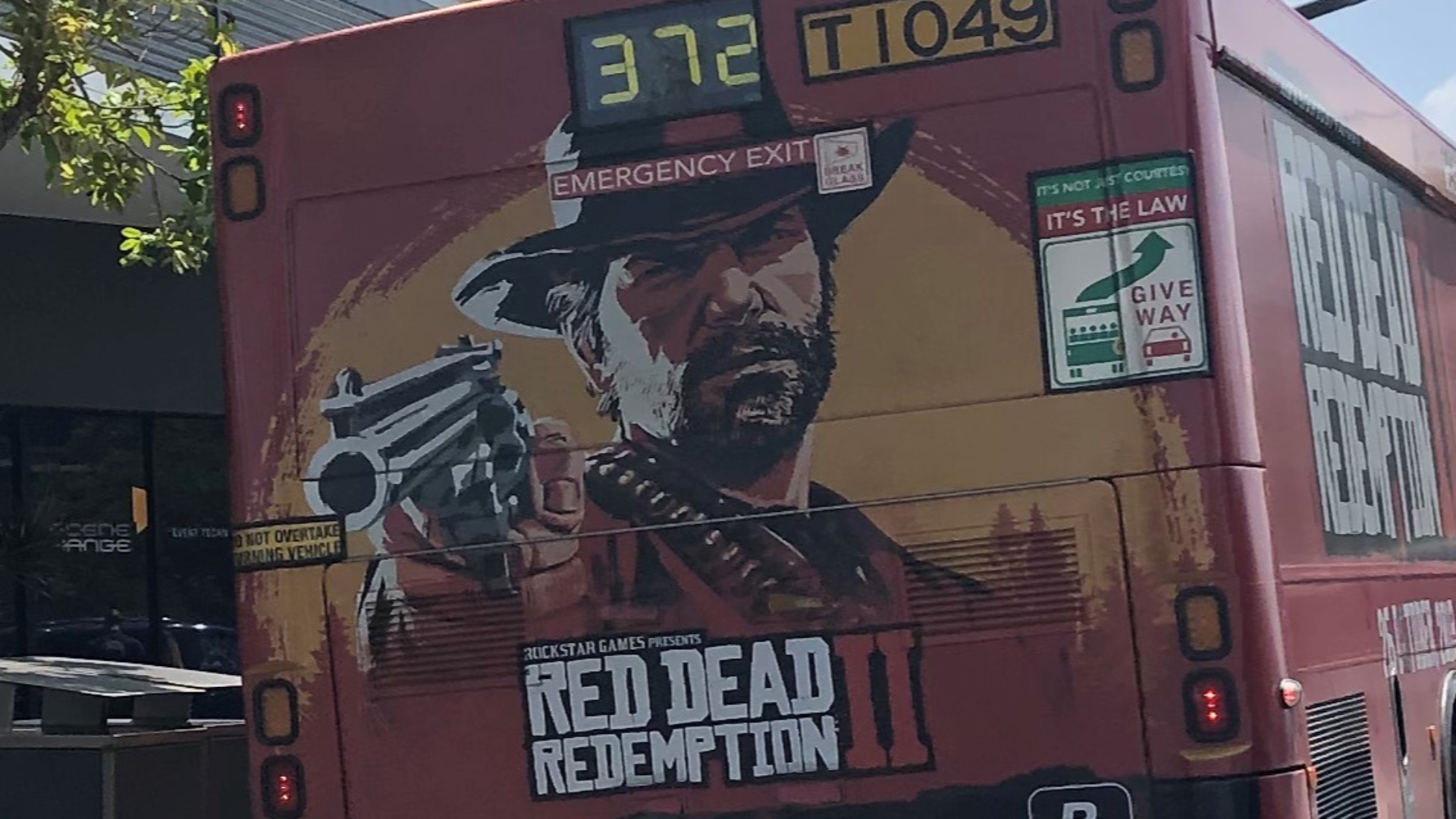
Environmental variety makes an equally important difference, too. When neighboring locations offer distinctly different experiences, you know you’re in for a wild ride no matter where you go. Red Dead Redemption 2 features snowy mountains in Colter, Saint Denis’s crowded towns, and Bayou’s creepy swamps. No two places are alike. Rockstar's attention to detail makes wandering feel worthwhile, and we don’t feel bad for picking flowers.
Meanwhile, The Witcher 3: Wild Hunt illustrates how strong storytelling can elevate optional activities beyond basic mechanics. The Bloody Baron questline, for instance, turns into a whole tragedy with difficult choices and disturbing consequences. But it’s a carefully written adventure, and those are what leave stronger impressions than dozens of routine missions scattered across a larger landscape.
Smaller environments can also deliver equally satisfying freedom when developers prioritize purposeful design over geographical scale. Batman: Arkham City gives you a relatively compact urban environment filled with villains, hidden challenges, and recognizable landmarks. But the best thing is the manageable proportions that allow Batman's abilities to stay entertaining.
The Future Should Focus on Quality

Fortunately, developers have already shown that improving exploration doesn't mean expanding the boundaries of a game world. The Legend of Zelda: Tears of the Kingdom builds upon its predecessor's Hyrule by introducing new abilities and floating islands. Its emphasis on experimentation gives new and longtime fans creative ways to interact with familiar environments.
Movement mechanics can also transform how enjoyable large environments feel, particularly when traveling becomes an adventure in its own right. Take a look at Spidey’s route through Marvel's Spider-Man 2—crossing New York is enjoyable through web-swinging and aerial tricks (not to mention web wings). Either way, you aren't just enduring the distance between missions; traversal itself provides much of the fun.
Another potential improvement involves giving players greater freedom to decide how much optional content they want to experience. Games can offer substantial side activities without making every collectible, upgrade, or secondary objective feel essential to progression. Providing clearer distinctions between meaningful adventures and optional distractions would help players enjoy expansive environments without feeling obligated to complete absolutely everything.
We’re not saying games should eradicate open-world concepts, but they shouldn't depend on which developer can advertise the largest playable map. Players benefit more from memorable characters, varied encounters, enjoyable movement, and discoveries that reward their attention. There's certainly room for enormous worlds, but developers need to remember that quality isn't measured by how long it takes to reach the other side of the map.