20 Hunger Games Details Adults Notice Faster Than Teen Readers Do
From Dystopian Love Story To Social Dissection
The Hunger Games trilogy was one of the larger series to come out of the dystopian trend around the late 2000s. From Suzanne Collins' first book in 2008 to the upcoming film release of Sunrise on the Reaping, The Hunger Games continues to hold our attention. For younger millennials or Gen Zs, you likely have a very different perspective on this series today than you did 15 years ago. Maybe as a teen your focus drifted to the love story, or the heartbreaking show of human survival. As you've aged, though, your scale of understanding pushes past what went on inside the arena. The books, new and old, provide us with an in-depth look at how fear, entertainment, and social status play a role in maintaining this fragile ecosystem.

1. Panem
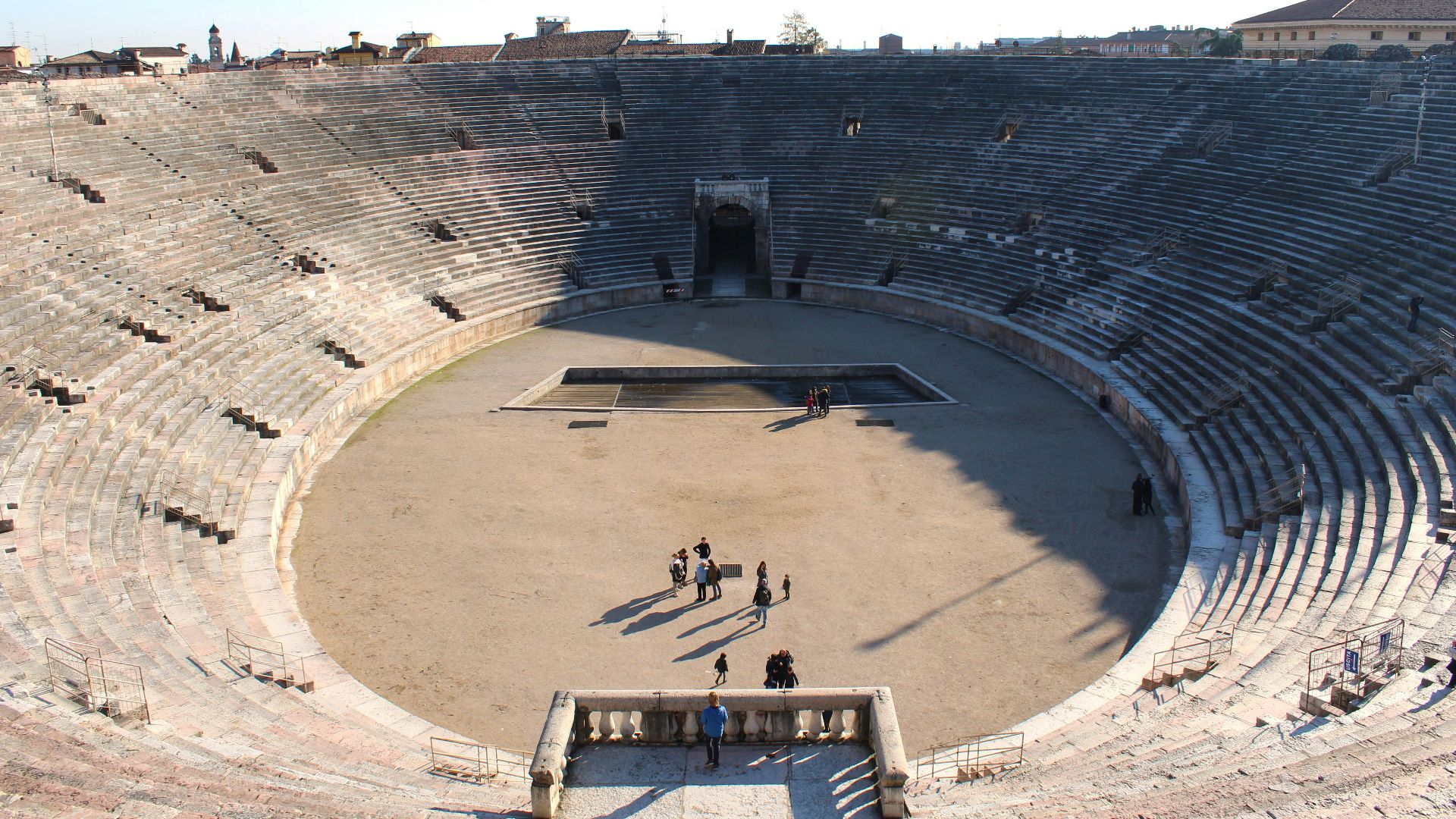
The word Panem comes from the Latin phrase "panem et circenses," which translates to "bread and circuses". Used by Roman politicians, this phrase often described how people in power kept their citizens happy by providing them with free bread. The Capitol does the same thing.

2. The Reaping
Staged as a random public lottery, the reaping requires all citizens to attend this exciting ceremony, in the name of patriotism. As we know, poorer families can enter their children's names multiple times for extra grain and oil. While still a game of chance, the unfairness of the larger system makes the reaping way less random. Hunger makes that choice feel a lot less voluntary.

3. Katniss's Beginnings
Katniss doesn’t begin the first book as a media-trained symbol of rebellion. She’s a 16-year-old girl illegally hunting in the woods because her family needs food. It's easy, as adults, to notice and understand how much the trilogy roots her choices in exhaustion, grief, and familial responsibility.
 Gage Skidmore from Peoria, AZ, United States of America on Wikimedia
4. District 12
District 12 as a whole is poor, but even within this system, there are levels. Katniss knows who usually has supper, who trades at the Hob, and who has to rely on tesserae. Even compared to their neighbors, this small class difference keeps people under control.

5. Before The Games
The arena is the part people remember, but the Games start at the reaping. The training, styling, scoring, interviews, and ceremonies all shape how viewers see the contestants. It also means the kids have to play into the media circus for a chance to survive.
 Annette Wamser from Elk Grove, USA on Wikimedia
6. Media Training
Early in the first book, Katniss explains that she’s learned not to say certain things out loud. She also knows her face can give her away. From District 12 to the Capitol, she's constantly told to pay attention to her expressions.
 Vanilla Bear Films on Unsplash
7. The Cameras
Katniss can't just think about her survival in the arena. She also has to think about what the audience sees. Every moment in the arena may affect her sponsorships, or how well she's received after the games are over.

8. Peeta Understands Performance Early
Peeta’s strength isn’t only kindness or charm. He understands how to speak in public, how to make people care, and how to give the audience a story they’ll remember. He doesn't want to do this, but he knows what he has to do to survive.

9. The Strategy of Romance
Katniss and Peeta’s connection is confusing, especially because neither of them has full control over how it’s presented. Their closeness garners help, sympathy, and public interest. It examines how survival-based relationships play with someone's emotional state.
10. Sponsors
Sure, they're watching kids kill each other, but that doesn't mean it can't be entertaining. A tribute who wins enough sympathy can receive medicine, food, or something else they need. Strength matters in the arena, but so does being memorable.

11. Career Tributes
The Career tributes arrive with advantages other children don’t have. As children of the richer districts, and puppets of the Capitol, they're provided with proper training to survive the arena.

12. The Arena
Readers who know game design understand how the arena depends on map control, resource placement, and forced encounters. The Gamemakers, above anything else, want a show.
13. Rule Changes
When the Capitol changes the rules, it's accepted. It shows the system working exactly as designed, because the people in charge can alter the contest whenever they please.
14. The Cornucopia
A sick name used to describe a hotspot for weapons and survival kits, the cornucopia also runneth over with ruthless violence. Designed by the Gamemakers to pull every contestant toward each other, it forces violence before the kids get an understanding of their surroundings.

15. Food
Food is everywhere in the books, and it’s rarely casual. Katniss often thinks about food, wondering what and when her next meal will be. Meanwhile, Capitol residents take pills to throw up their food so they can eat more.

16. Capitol Politeness
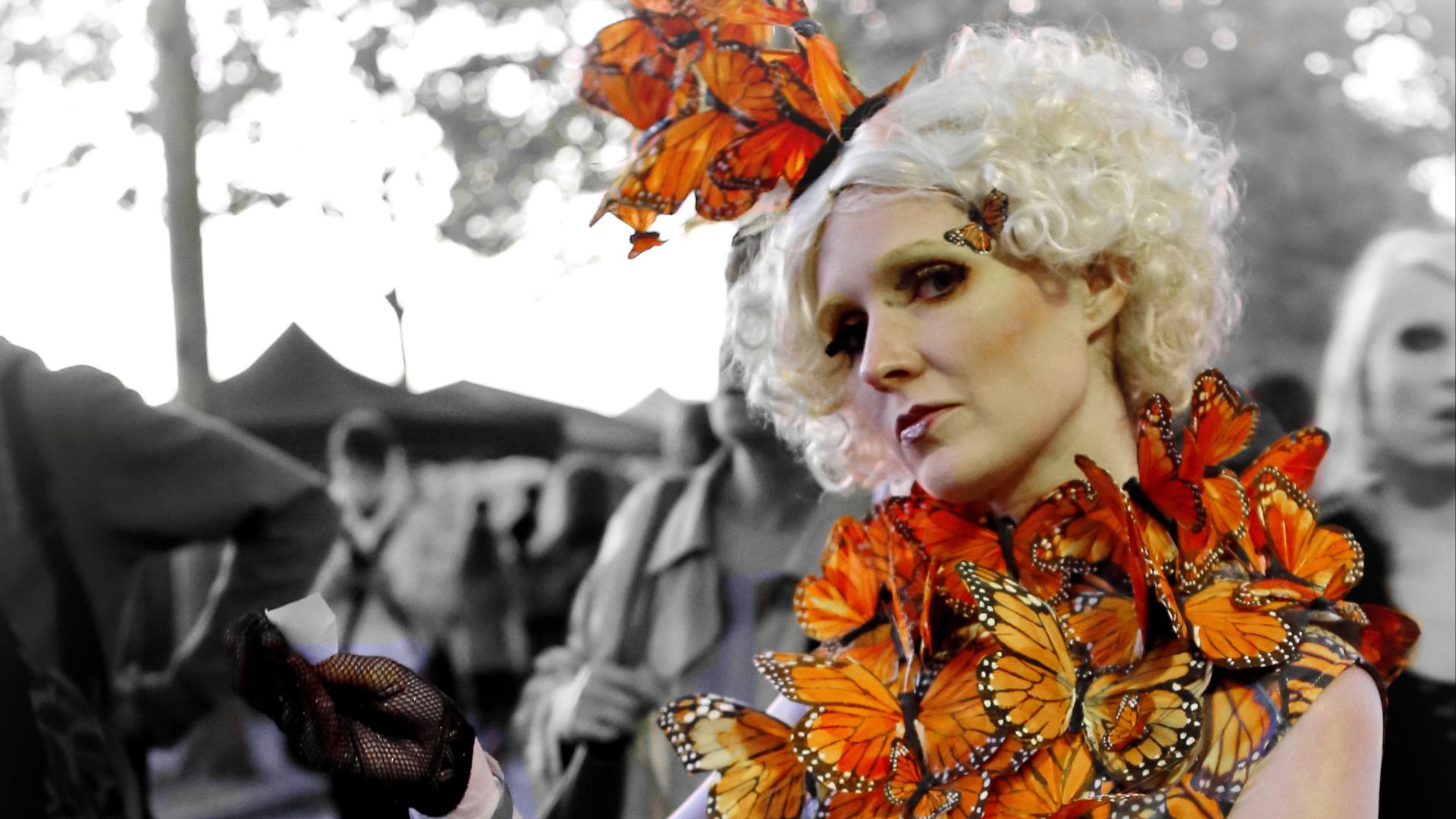
The Capitol wraps the Games in cheery public rituals. Effie Trinket’s bright professionalism is unsettling because she treats the reaping as routine. While many Capitol residents are also trying to survive, they understand that they're safer as onlookers.
 Claudio Marinangeli on Wikimedia
17. Peacekeepers
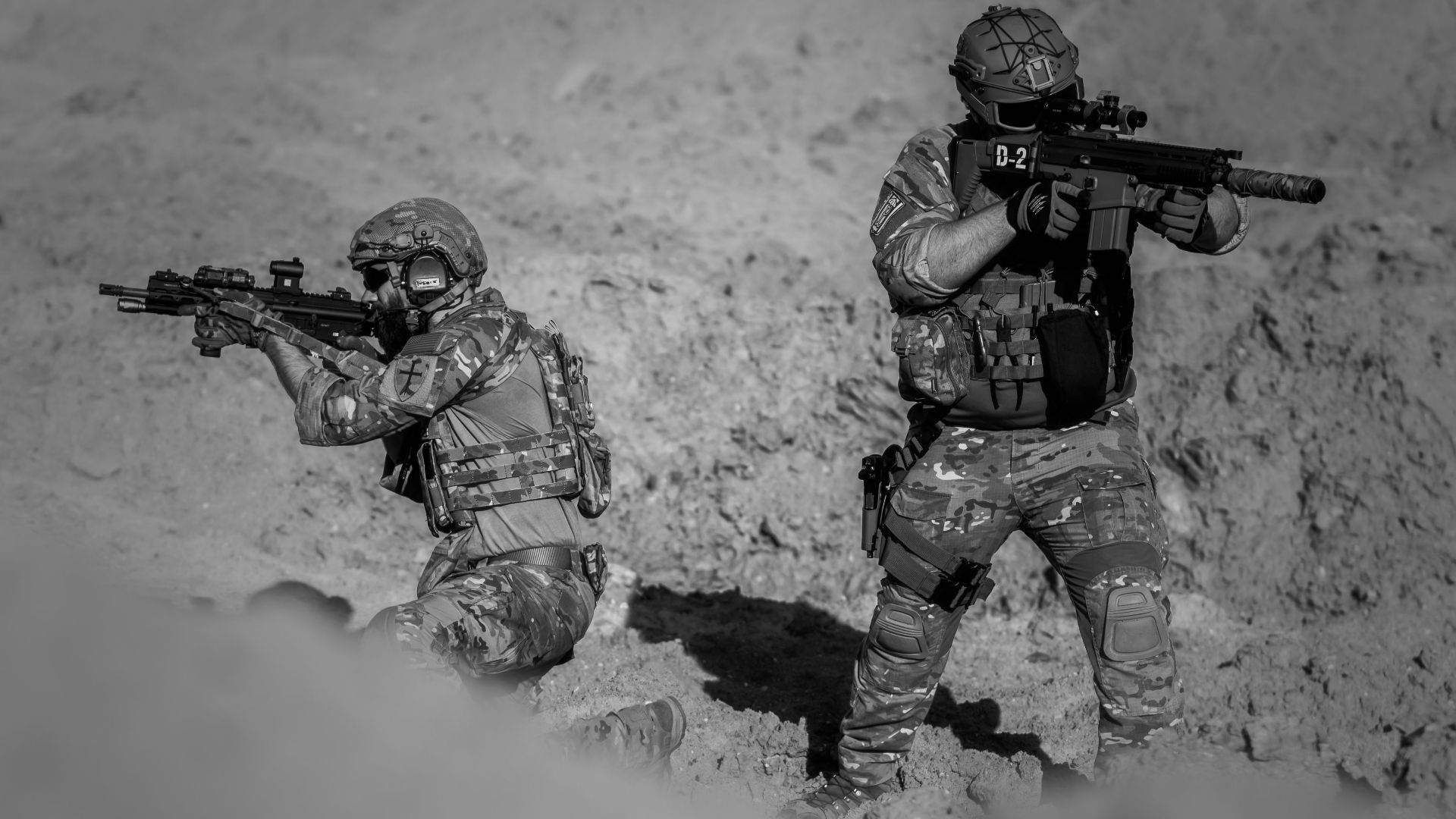
The word Peacekeeper sounds calm, but the outer districts know what the title really means. Peacekeepers enforce Capitol control, and their presence shapes what people say, sell, and risk. The books show how language can make state power sound safer than it is.
18. Political Names
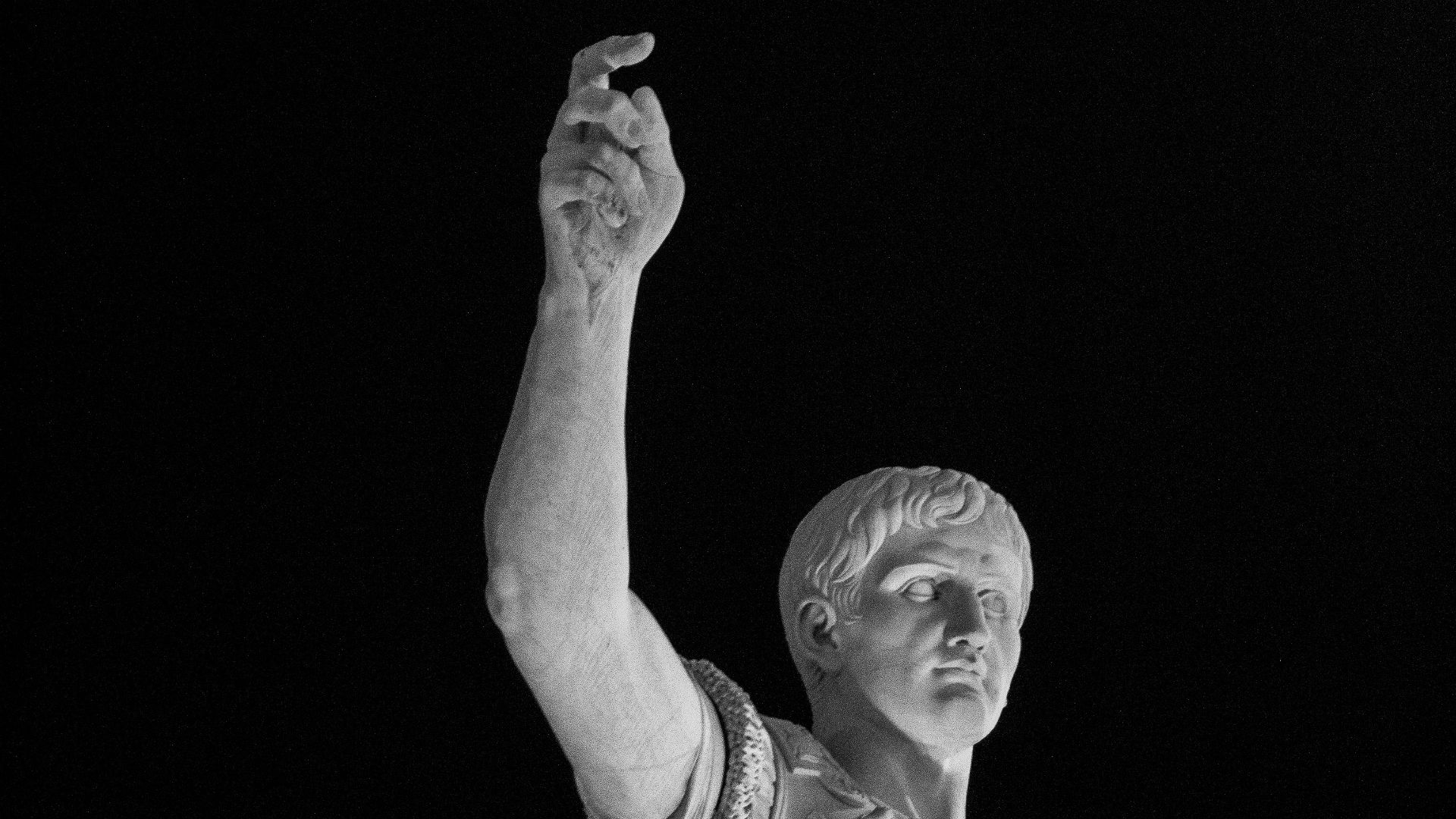
Names such as Caesar, Seneca, Plutarch, and Coriolanus weren't chosen at random. They connect the trilogy to older histories of empire, public punishment, speeches, and spectacle. Adult readers are more likely to notice how much Panem takes from ancient empires.
19. Rue’s Death
The Capitol wants the tributes viewed as competitors. Katniss’s care for Rue’s body changes that perception, because she treats Rue as a child who deserved tenderness, not as a fallen opponent. It’s one of the first times Katniss pushes back through an act the cameras can’t hide.
 Gage Skidmore from Peoria, AZ, United States of America on Wikimedia
20. The Rebellion
While the Capitol is a masterclass in public image, the rebellion is no different. The rebel leaders understand the importance of Katniss's public image. It shows us that even fighting for freedom doesn't excuse anyone from understanding how a story's shaped.