When Good Ideas Meet Harsh Reality
Video game developers are constantly looking for ways to make their games stand out, and many features that seem innovative during development end up generating excitement long before release. Unfortunately, a great concept doesn't always translate into a great player experience, and some ideas that looked promising in design meetings ended up frustrating players, limiting gameplay, or simply failing to catch on. From ambitious hardware gimmicks to online systems that nobody wanted, these 20 gaming features prove that even the best intentions don't guarantee success.

1. Online Passes
During the late 2000s and early 2010s, several publishers introduced online passes that required a one-time code to access multiplayer features. The goal was to discourage used game sales by making secondhand buyers pay extra for online access.

2. Motion Controls For Everything
The success of the Nintendo Wii convinced many companies that motion controls represented the future of gaming. As a result, developers began adding motion-based mechanics to games that didn't need them. While motion controls worked well in certain situations, they often felt less precise than traditional buttons and sticks. Many players ended up disabling them whenever possible.
3. Always-Online Single-Player Games
Publishers hoped that requiring a constant internet connection would reduce piracy and improve security. Unfortunately, this approach frequently caused server-related problems that prevented paying customers from accessing games they owned.

4. Kinect Gaming
Microsoft's Kinect promised controller-free gaming through body tracking and voice commands. The technology was impressive from a technical standpoint and initially attracted significant attention. However, many games struggled to deliver accurate controls, especially during fast-paced gameplay. Interest declined quickly after the novelty wore off.
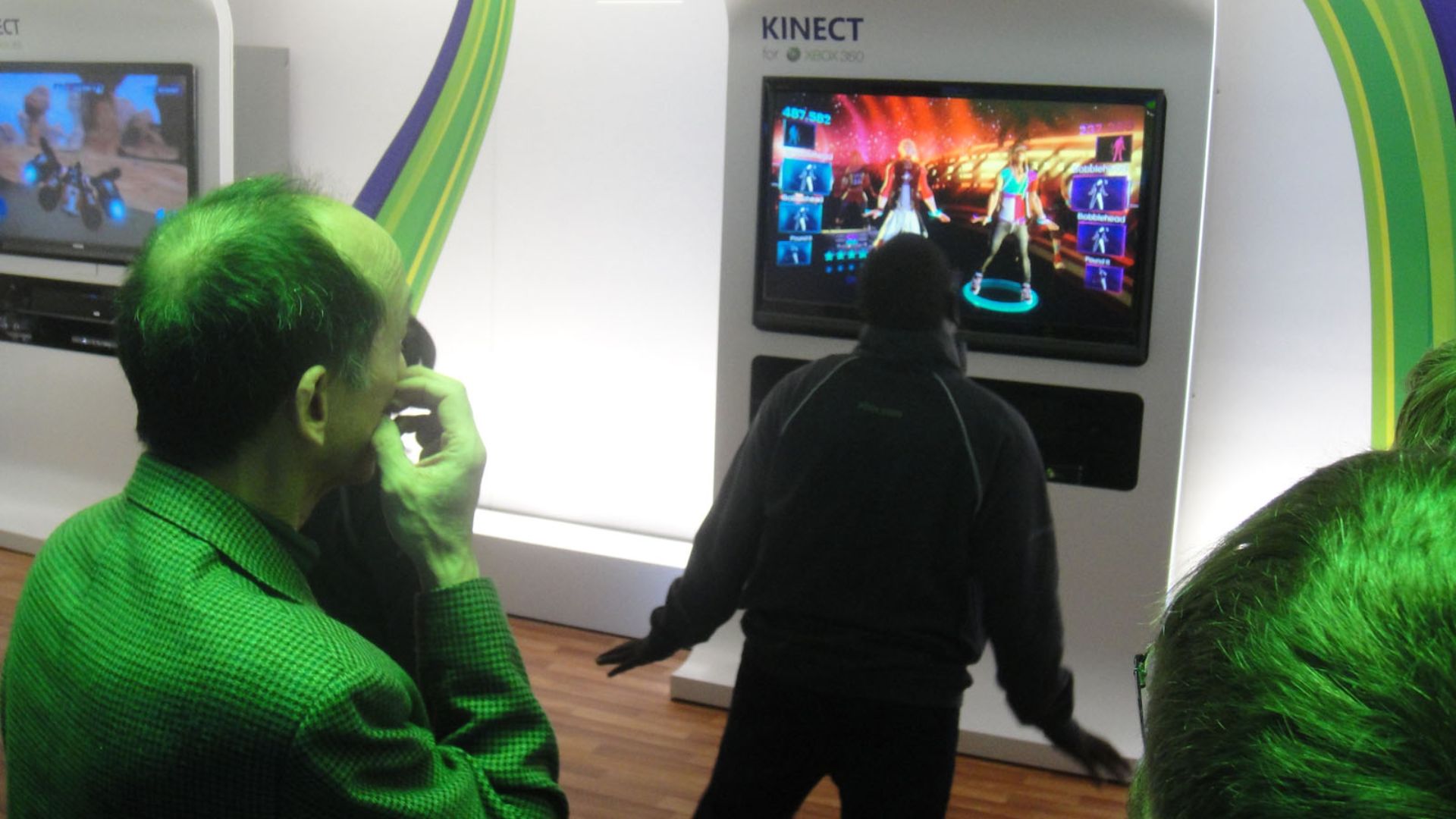 The Conmunity - Pop Culture Geek from Los Angeles, CA, USA on Wikimedia
5. Quick Time Event Overload
Quick time events were originally intended to make cinematic moments more interactive. Over time, some developers relied on them so heavily that major action sequences became little more than button prompts. Players often felt disconnected from gameplay because success depended on reacting to icons rather than mastering game mechanics

6. The Wii U GamePad
Nintendo envisioned the Wii U GamePad as a revolutionary second-screen experience. Developers were expected to create unique gameplay opportunities using the built-in touchscreen. In practice, many games barely used the extra features, leaving players with a bulky controller that added little value. The concept never reached its full potential.

7. NFT Integration
Several gaming companies explored incorporating non-fungible tokens into video games during the early 2020s. Executives believed players would embrace digital ownership and blockchain-based economies.

8. Social Media Integration
Some developers attempted to blend gaming experiences with social media platforms. Features such as automatic posting, achievement sharing, and social feeds were expected to increase engagement. Many players found these systems intrusive or unnecessary. Most eventually preferred keeping their gaming and social media activities separate.

9. Plastic Instrument Accessories
Rhythm games exploded in popularity thanks to franchises like Guitar Hero and Rock Band. Publishers rushed to produce increasingly elaborate plastic instruments and accessories. While demand was initially enormous, the market became oversaturated within a few years. Consumer interest collapsed, leaving retailers with mountains of unsold equipment.
 Cassidy James Blaede on Unsplash
10. Passcodes And Friend Codes
Nintendo's friend code system was designed to provide a safer online environment. Instead of simply adding usernames, players often had to exchange lengthy numerical codes. The process made connecting with friends far more complicated than competing online services. Many users found the system frustrating and outdated.

11. HD DVD Support On Xbox 360
Microsoft offered an external HD DVD drive for Xbox 360 owners who wanted high-definition movies. On paper, it allowed the console to compete with Blu-ray-equipped devices. The problem was that HD DVD lost the format war against Blu-ray shortly afterward. The accessory became obsolete almost immediately.

12. Sixaxis Motion Controls
Sony introduced Sixaxis motion controls with the PlayStation 3 as a response to the Wii's popularity. Developers were encouraged to incorporate tilt-based mechanics into their games. Most implementations felt awkward and lacked the precision needed for enjoyable gameplay. Many titles used the feature sparingly or ignored it altogether.

13. Virtual Reality In The 1990s
Several companies attempted to bring virtual reality to consumers long before modern VR headsets existed. Systems such as Nintendo's Virtual Boy promised immersive experiences that sounded exciting at the time.
 ctrl-alt-rees YouTube Channel (used with permission) on Wikimedia
14. Celebrity Companion Apps
Some publishers released mobile companion apps that connected to console and PC games. These apps were supposed to enhance immersion through maps, inventory management, or exclusive content. In reality, many players saw them as inconvenient extra steps.

15. Games As Cable TV Replacements
Microsoft once promoted the Xbox One as a complete entertainment hub that would handle television, movies, and gaming in one place. While the idea sounded appealing, many consumers primarily wanted a gaming console.

16. Paid Multiplayer On Handheld Systems
A few companies experimented with charging separate fees for online features on handheld devices. The expectation was that players would gladly pay for expanded functionality. However, handheld users generally expected affordable and accessible gaming experiences.
17. Peripheral-Based Gaming
Throughout gaming history, manufacturers have released countless specialty peripherals ranging from skateboards to fishing rods. While these accessories often created memorable marketing campaigns, very few maintained long-term relevance.
 Julia de Boer / The Next Web on Wikimedia
18. Cloud Gaming Before Infrastructure Was Ready
Cloud gaming has existed in various forms for many years. Early services promised high-end gaming without powerful hardware by streaming everything over the internet. Unfortunately, internet speeds and latency issues often prevented smooth performance.
19. Video Game Movie Tie-In Features
Publishers frequently added movie-related content to games in hopes of attracting fans from both audiences. While cross-promotion sounded like a smart business strategy, these features often felt forced or disconnected from gameplay.

20. Games Controlled By Voice Commands
Voice controls have appeared in gaming repeatedly over the years, often promoted as the next major evolution in interaction. Although issuing commands verbally sounds convenient, real-world performance frequently fell short of expectations.