Vault-Tec Had Range
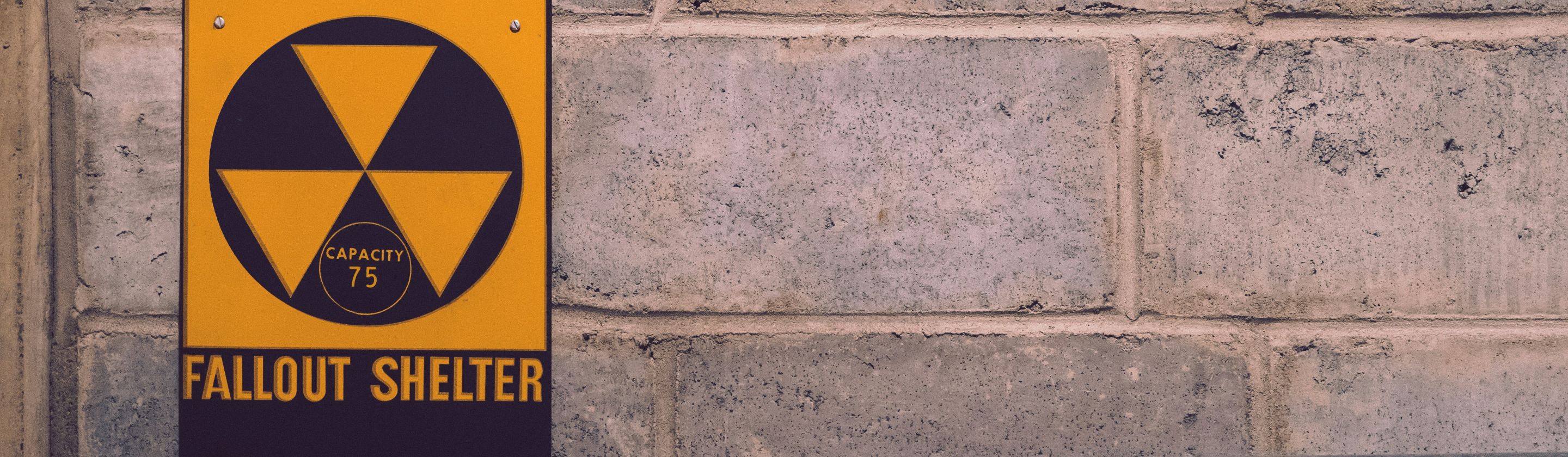
The whole joke of Fallout is that the Vaults were sold as safety and built as something much stranger. Some were control Vaults, some were corporate science projects, and some were just elaborate ways to see what people would do when the door shut and the rules got cruel. A few actually gave their residents a real shot at making it through the end of the world, which feels almost generous by Vault-Tec standards. Others turned survival into a long, sealed-in punishment with better uniforms. Here are 10 Fallout Vaults we might survive, and 10 that were pure nightmare fuel.
1. Vault 13
Vault 13 was not easy living, but compared with most Vault-Tec projects, it was practically merciful. It stayed closed for decades, had a stable community, and only really fell into crisis when the water chip failed. If you could handle the isolation and the old-school rules, this is one of the rare Vaults where survival felt plausible.
2. Vault 8
Vault 8 did what people thought Vaults were supposed to do. It protected its residents, opened on schedule, and eventually helped create Vault City, which was cold and elitist but undeniably functional. That may not sound cozy, but in Fallout terms, boring competence is almost a miracle.
3. Vault 76
Vault 76 was built with Reclamation Day in mind, so at least the plan involved leaving instead of slowly losing your mind underground. Its residents were prepared to rebuild Appalachia, not trapped in some hidden psychology test for generations. The wasteland outside was still brutal, but the Vault itself was not the worst place to start.
4. Vault 81
Vault 81 had a terrible experiment buried inside it, but the original overseer quietly refused to let most of the residents become test subjects. That decision is the difference between another Vault-Tec horror story and a community that actually held together. You would still have to deal with cramped halls and politics, but you might make it.
5. Vault 101
Vault 101 was authoritarian and deeply controlling, so nobody should confuse it with paradise. Still, it worked for a long time, with food, structure, and enough stability for generations to grow up inside. The cost was freedom, which is a bad bargain, but not an immediately fatal one.
6. Vault 21
Vault 21’s big rule was that conflicts were settled through gambling, which is ridiculous but not automatically lethal. Compared with Vaults built around radiation, mind control, or forced sacrifice, a society run on cards starts to look almost reasonable. You might leave with terrible habits, but you might leave.
7. Vault 3
Vault 3 was a control Vault, and that alone puts it ahead of most of the franchise. Its residents survived underground until a water leak forced them to open the door, which is when the outside world did what the outside world usually does in Fallout. The Vault was survivable; the timing was the problem.
8. Vault 15
Vault 15 was unstable because it housed people with very different backgrounds and ideologies, which eventually split the population apart. But it also helped seed communities that mattered later, including Shady Sands. It was messy, tense, and probably exhausting, but it did not start from pure sadism.
 Caroline Eymond Laritaz on Unsplash
9. Vault 94
Vault 94 was founded around faith, nonviolence, agriculture, and ecological restoration, which sounds almost gentle until Fallout remembers what series it is. The tragedy came when the doors opened and desperate outsiders collided with a community built to avoid violence. Inside, before everything went wrong, it had the bones of a place people could actually live.
10. Vault 4
Vault 4 began as a technocratic nightmare run by scientists who took their freedom much too far. But after the test subjects overthrew them, the Vault became something stranger and more humane, taking in refugees and trying to maintain a working society. It would still be unsettling, but by Fallout standards, unsettling is not the same as doomed.
Here are 10 Vaults where the door closing was basically the beginning of the bad part.
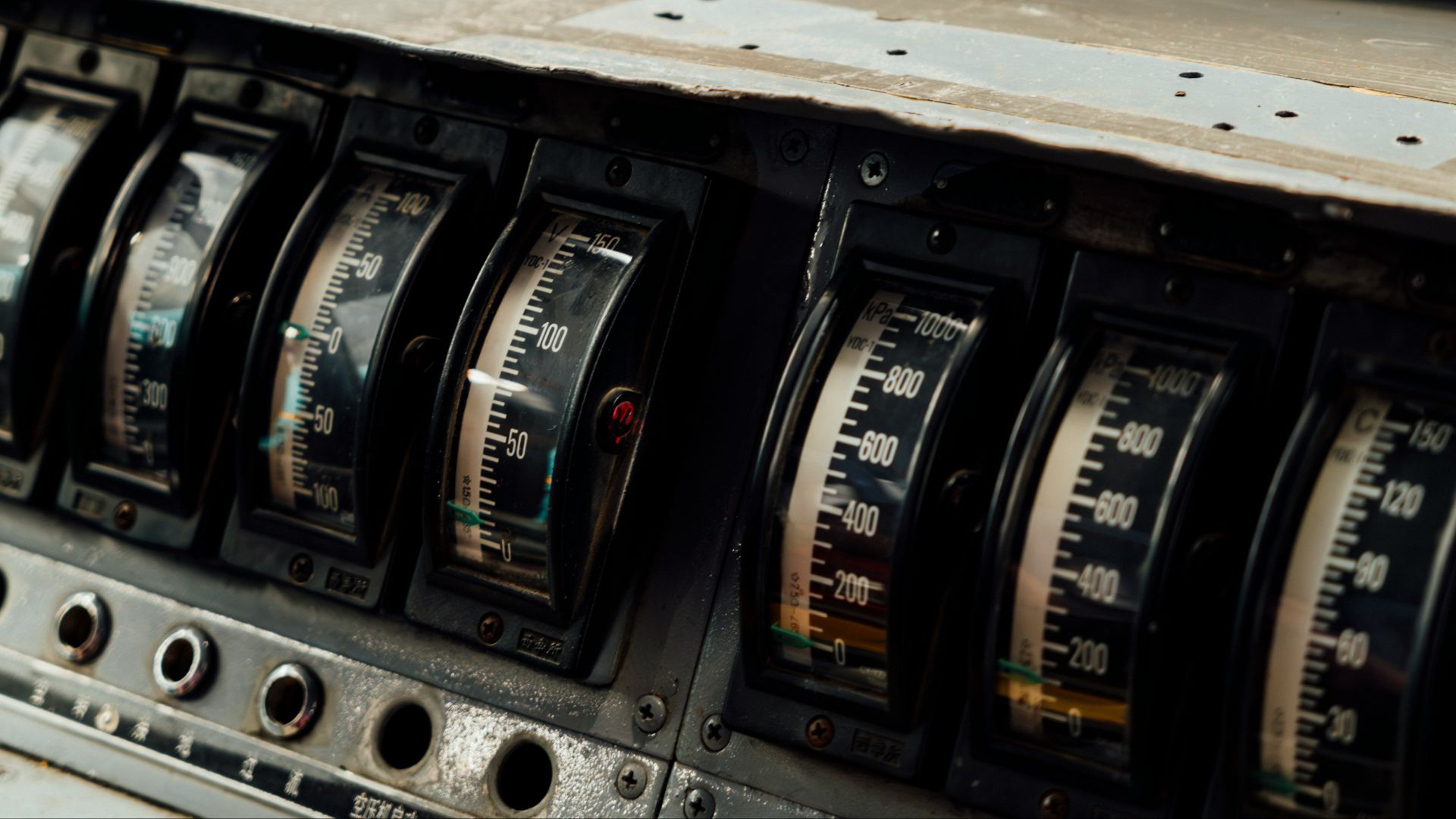
1. Vault 11
Vault 11 is one of the ugliest ideas Vault-Tec ever put into practice. The residents were told they had to sacrifice one person every year or everyone would die, when the real test was whether they would eventually refuse. The horror is not just the killing; it is how long the system kept making ordinary people participate.
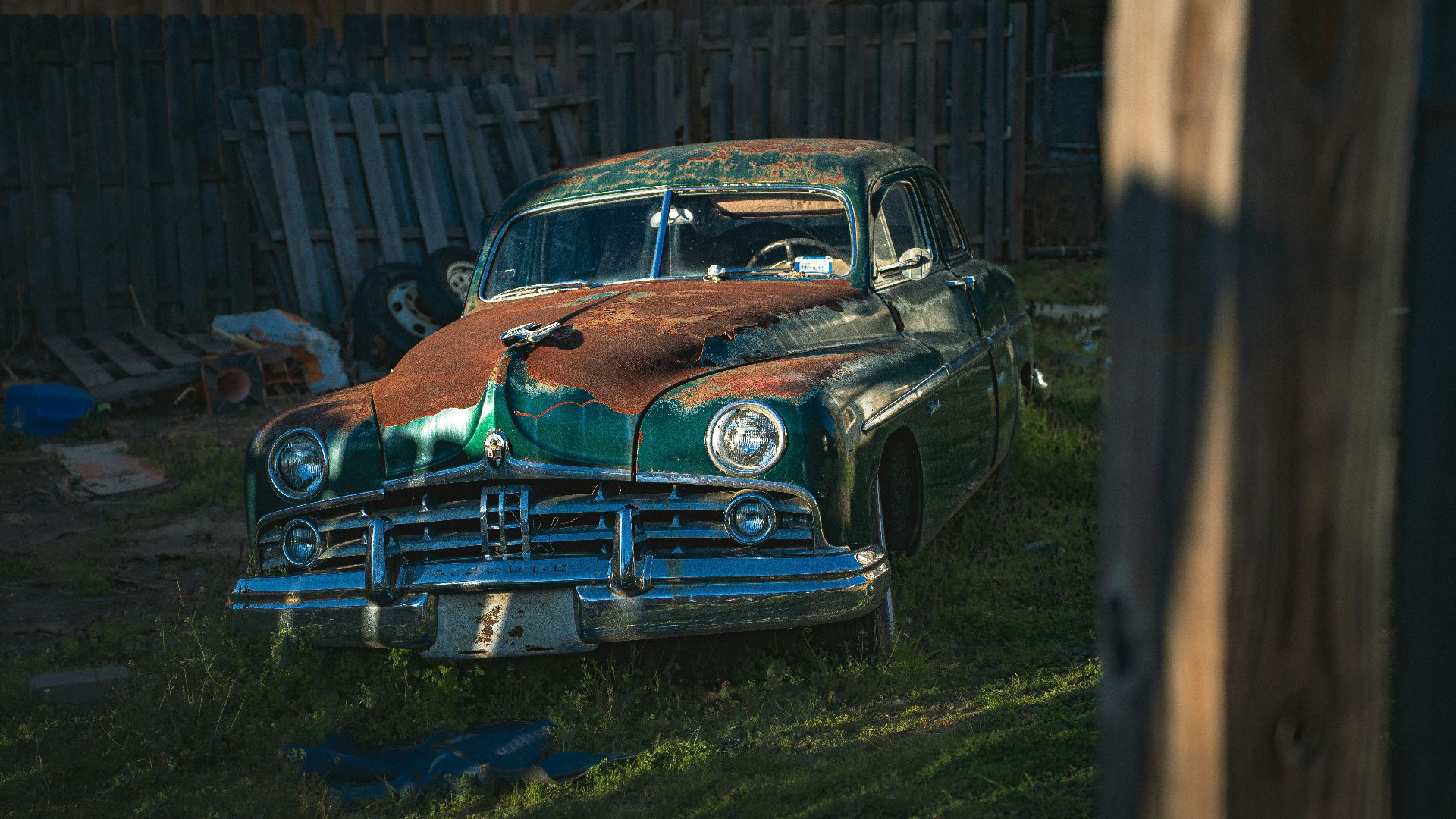
2. Vault 12
Vault 12 was built so the door would not seal properly, exposing the residents to radiation over time. That is a special kind of betrayal, because the whole promise of a Vault was protection from exactly that. The survivors became ghouls and founded Necropolis, but getting there meant living through an experiment no one had agreed to join.
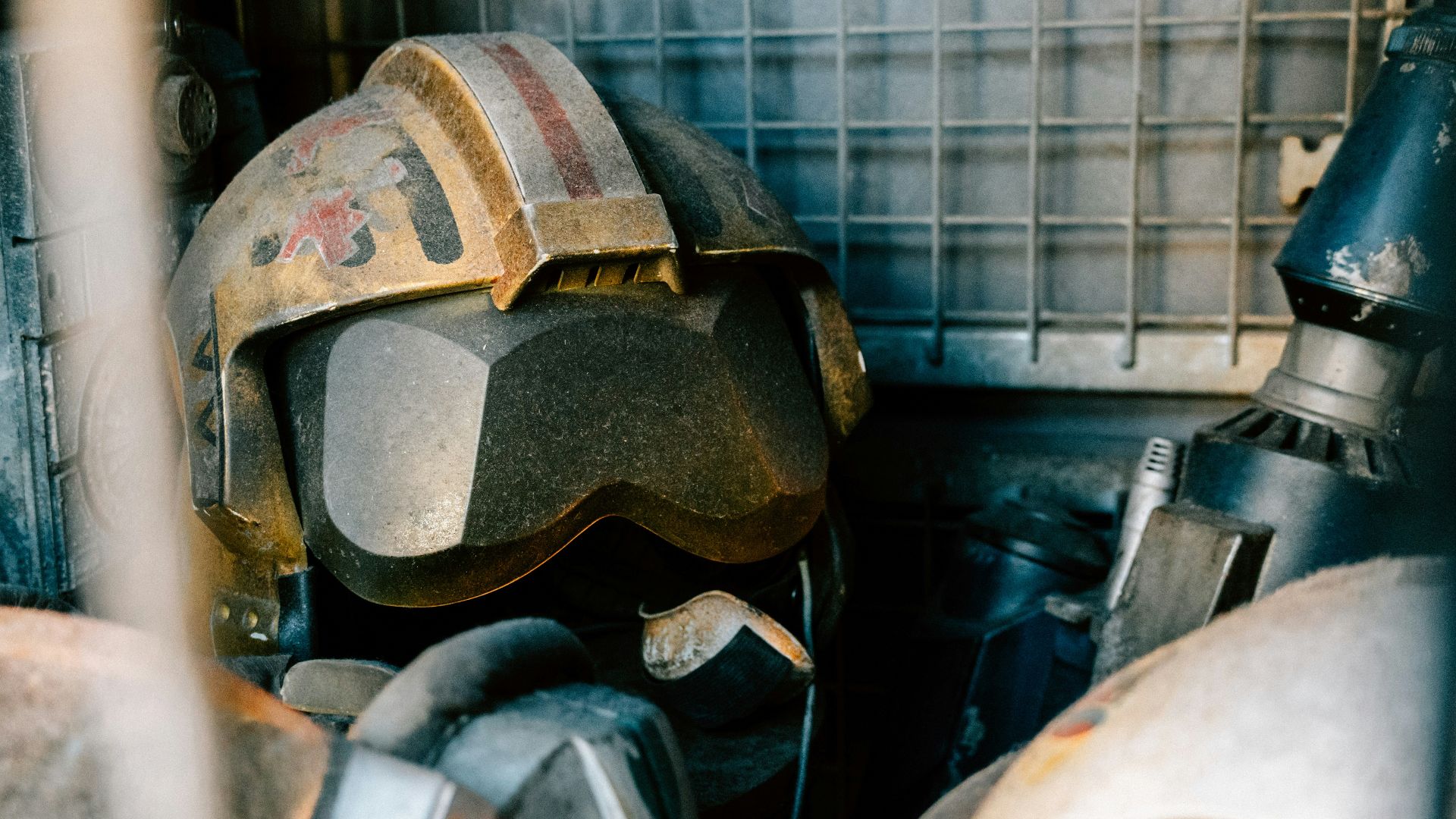
3. Vault 22
Vault 22 looks different from the usual metal hallway nightmare because the danger is green, growing, and everywhere. The Vault’s agricultural research went wrong, spreading spores that turned the place into a damp, living trap. It is one of the few Vaults where the air itself feels like the enemy.
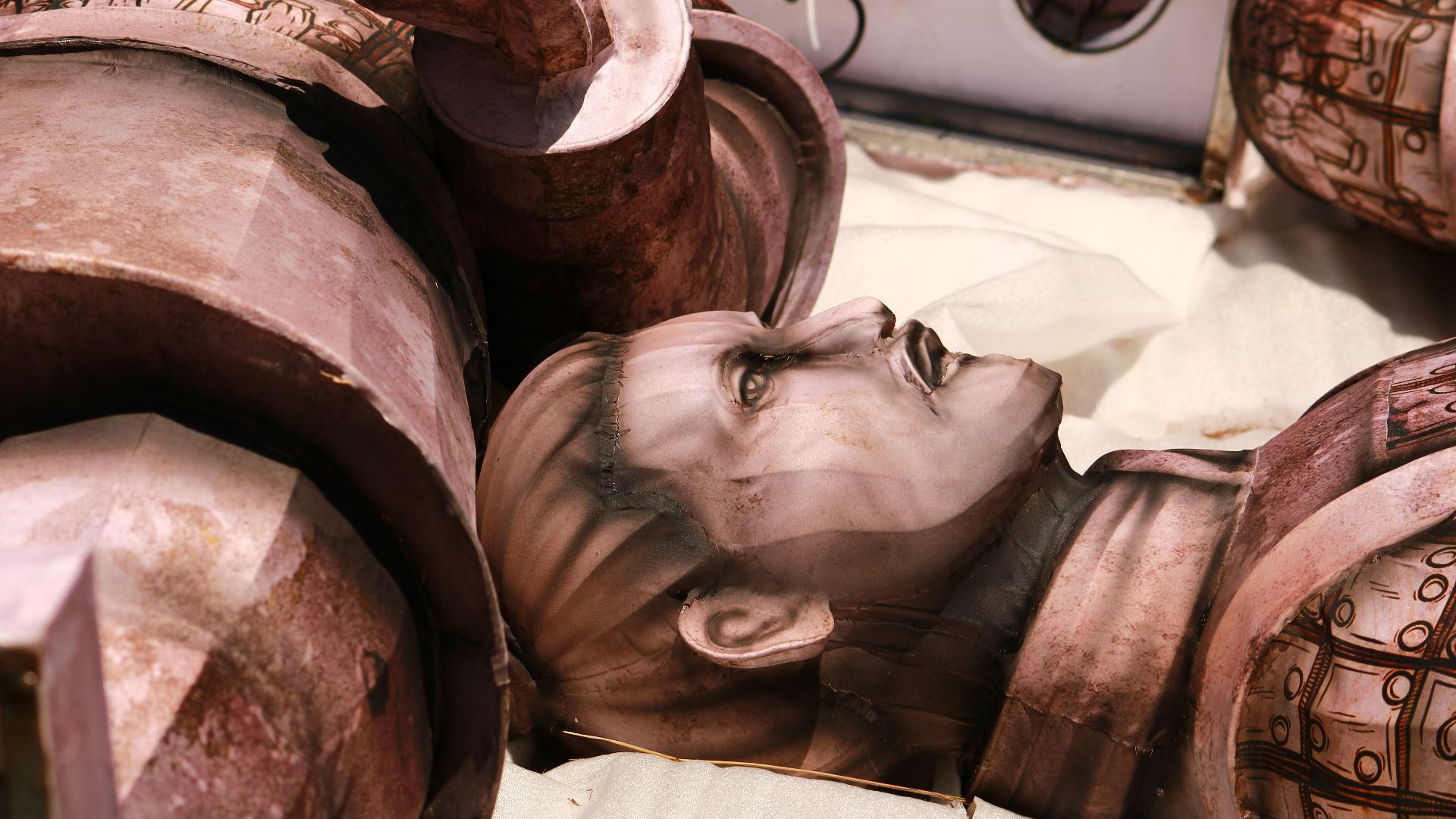
4. Vault 75
Vault 75 is horrifying because it starts with children. Hidden under a school, it separated kids from their parents and turned the survivors into subjects for brutal genetic and combat-focused testing. Fallout has plenty of cruel Vaults, but this one feels especially cold because it dresses exploitation up as improvement.
5. Vault 87
Vault 87 was the kind of place where survival could mean becoming something else. Its Forced Evolutionary Virus experiments helped create the Capital Wasteland’s super mutants, which tells you almost everything you need to know. Getting into the Vault was bad; staying human inside it was worse.
6. Vault 92
Vault 92 promised to preserve musical talent, which sounds almost noble for about five seconds. In reality, it used white noise and subliminal conditioning on its residents, turning art and genius into another control experiment. It is hard to think of a more Fallout sentence than the world’s best musicians being trapped in a Vault that weaponized sound.
7. Vault 95
Vault 95 was designed around residents recovering from addiction, which could have been a rare act of mercy. Then Vault-Tec hid a stash of chems inside and arranged for it to be revealed years later. The cruelty was not accidental; the relapse was the point.
8. Vault 106
Vault 106 skipped the slow-burn social experiment and went straight for the nervous system. Psychoactive drugs were pumped through the air shortly after the door sealed, leaving residents to hallucinate and unravel in place. It is one of those Vaults where the walls would be bad enough even before your mind stopped trusting them.
9. Vault 108
Vault 108 had cloning, bad planning, and Gary. A Vault full of unstable clones repeating one name is funny for a second, then deeply unpleasant when you imagine actually being trapped there. It is absurd in the way Fallout can be absurd, with a punchline that still has teeth.
10. Vault 112
Vault 112 might be the cleanest nightmare on the list. The residents were preserved in virtual reality, but that preservation became a private playground for Braun, who tormented them again and again while wiping their memories. It looks calm from the outside, which somehow makes it worse.