Icons of the Alternate Universe
When you fall in love with a legendary video game hero or a classic comic book superhero, it is easy to assume they leaped straight out of the creator's mind exactly as they look today. In reality, the creative process is incredibly messy, and some of the most famous fictional faces on the planet started out as completely unrecognizable concepts. Before they became the beloved cultural juggernauts we know, many of these characters were destined for wildly different designs, personalities, or even entirely different species.
1. Mario
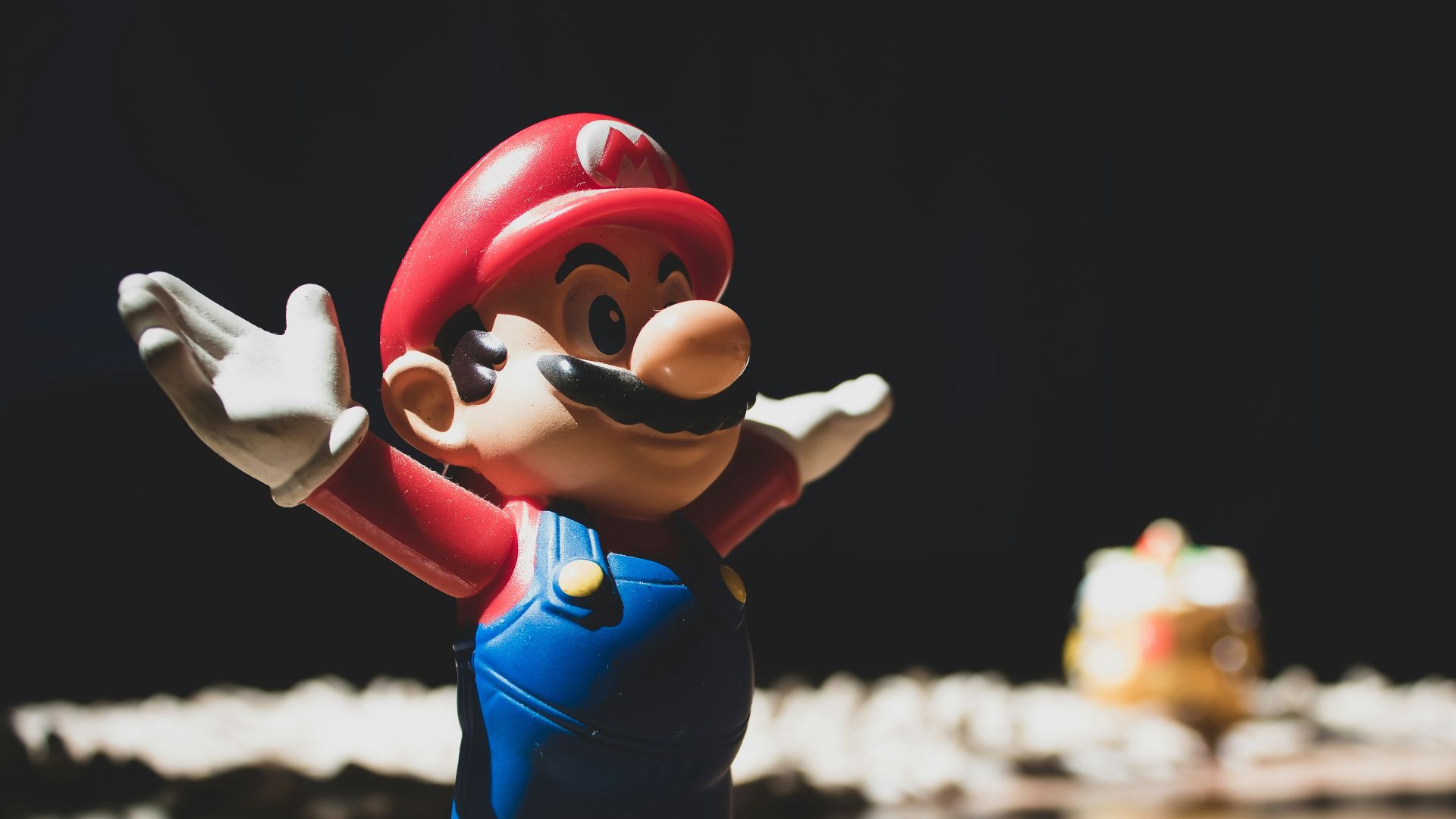
Before he became the world's most famous Italian plumber, Nintendo's mascot was a nameless carpenter known simply as Jumpman. Even wilder is the fact that creator Shigeru Miyamoto originally wanted Popeye the Sailor Man to star in the classic arcade game. When the company couldn't secure the licensing rights for the spinach-eating sailor, they hastily sketched this mustache-wearing hero as a replacement.
 Cláudio Luiz Castro on Unsplash
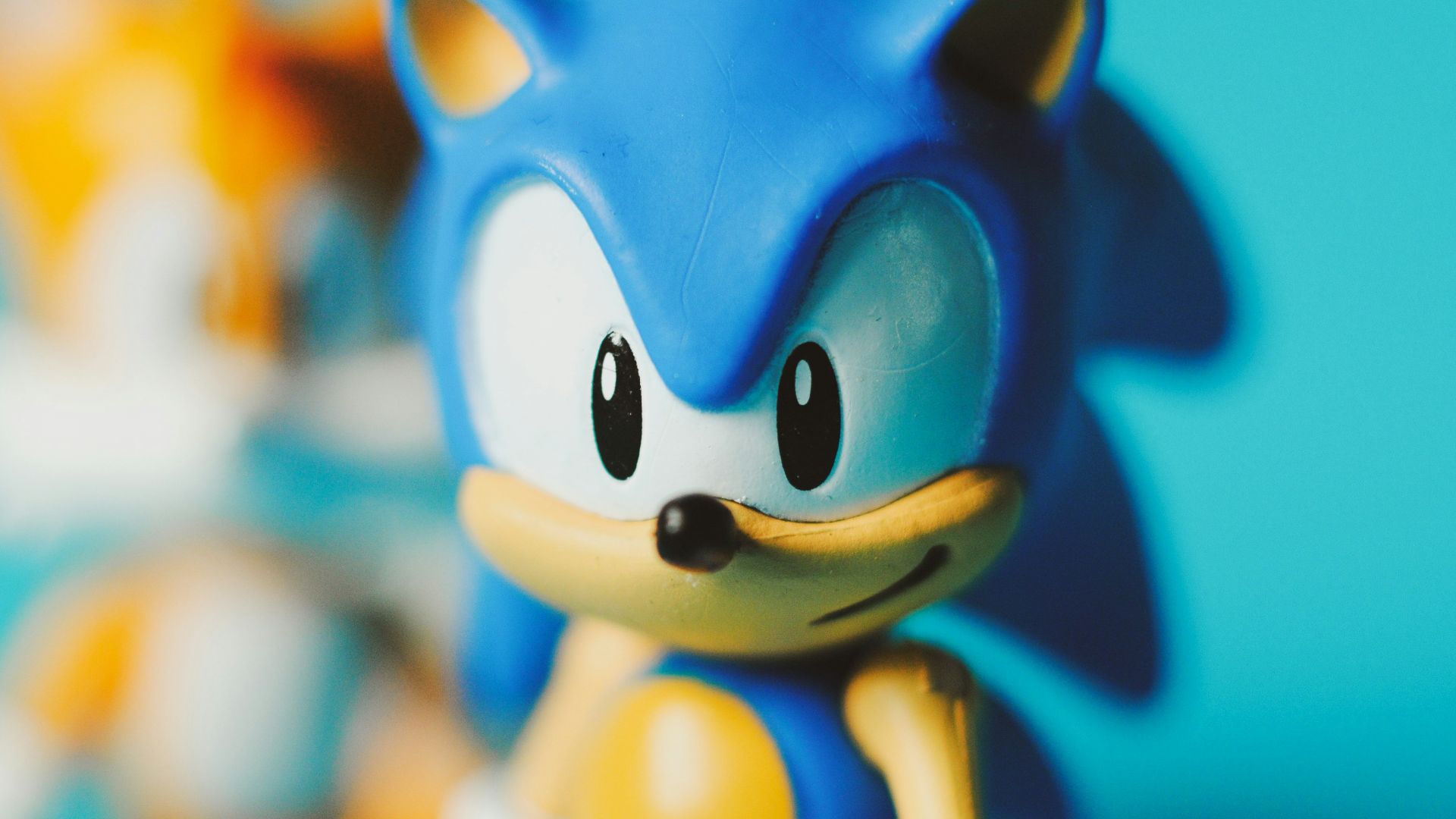
2. Sonic the Hedgehog
Sonic the Hedgehog wasn’t always blue or even a hedgehog. Sega needed a cool character to stand up to Nintendo, but their early concepts looked nothing like the speeded-up mammal we love today. Developers considered creating everything from an armadillo that could run at incredible speeds to an energetic rabbit with stretchy ears that could grab things.
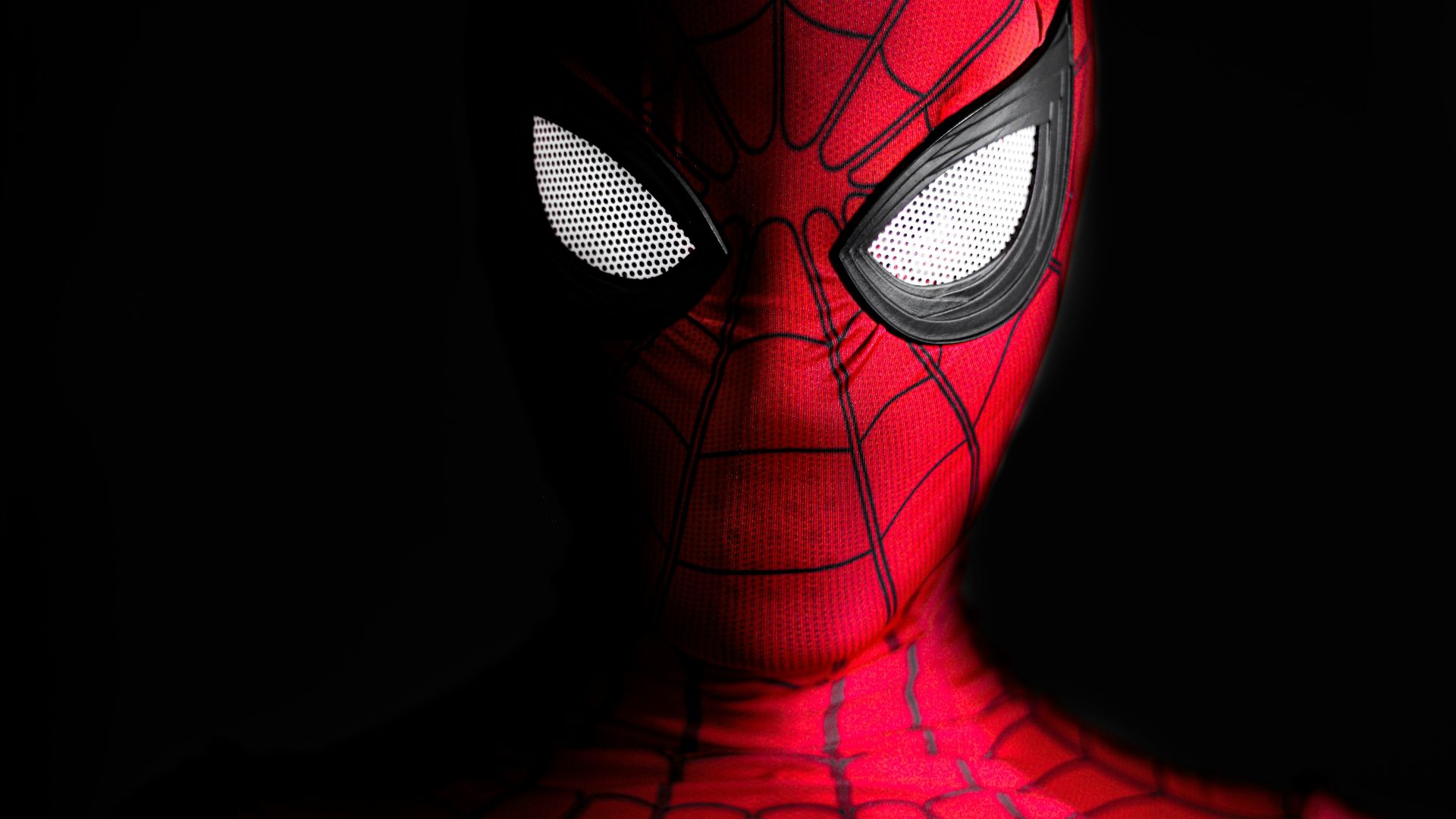
3. Spider-Man
Stan Lee initially struggled to get the green light for his wall-crawling hero because his publisher absolutely hated the concept of a spider-themed teenager. Early alternative drafts from artist Jack Kirby featured a heroic orphan who used a magical ring to transform into a traditional, muscle-bound adult warrior. Steve Ditko stepped in later to design the sleek, full-face mask that allowed regular kids to imagine themselves behind the suit.
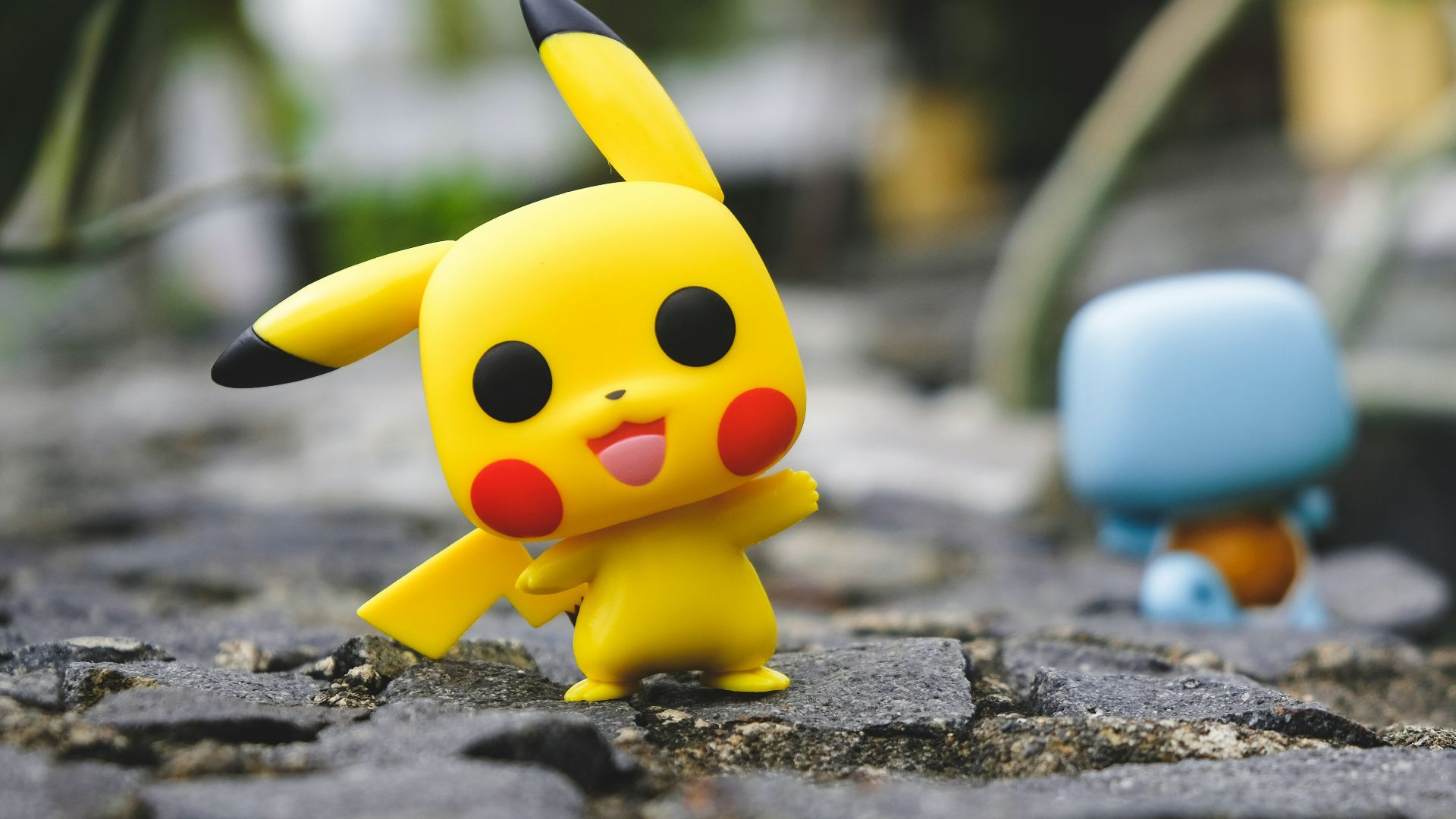
4. Pikachu
Pokémon’s iconic yellow mascot wasn’t always based on a mouse. The original Pikachu was shaped more like a traditional Japanese rice cake with two ears on top. Game Freak designer Atsuko Nishida then redesigned it into its recognizable, chubbier squirrel appearance because she wanted a pet squirrel at the time.
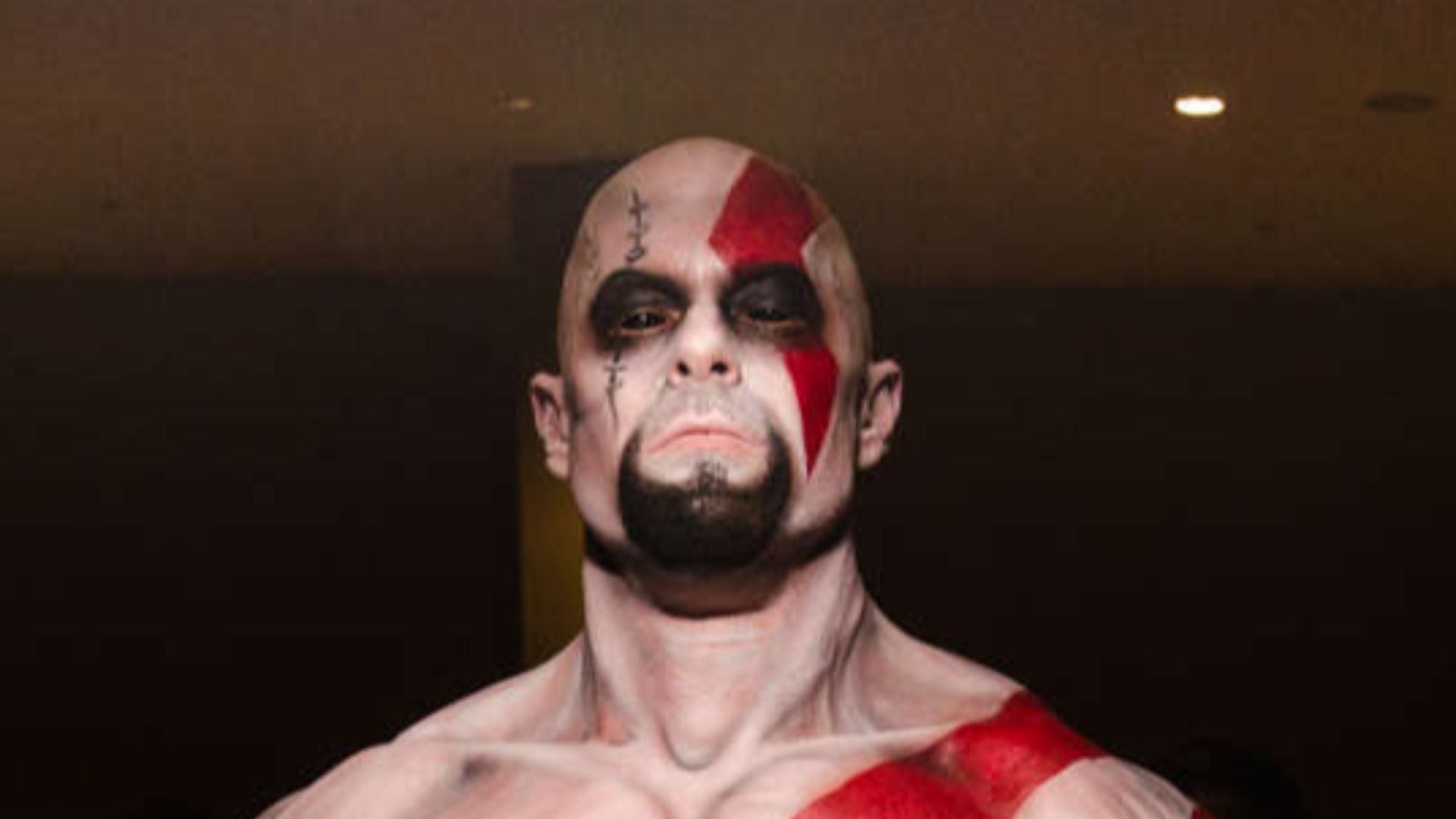
5. Kratos
The legendary, brooding protagonist of God of War almost conquered the pantheon looking like a classic, heavily armored ancient warrior. Early conceptual sketches featured him wearing a complex helmet that completely obscured his face, which made it difficult for players to connect with his intense emotions. Developers eventually stripped away the bulky armor to focus on his striking skin color and that iconic red tattoo.
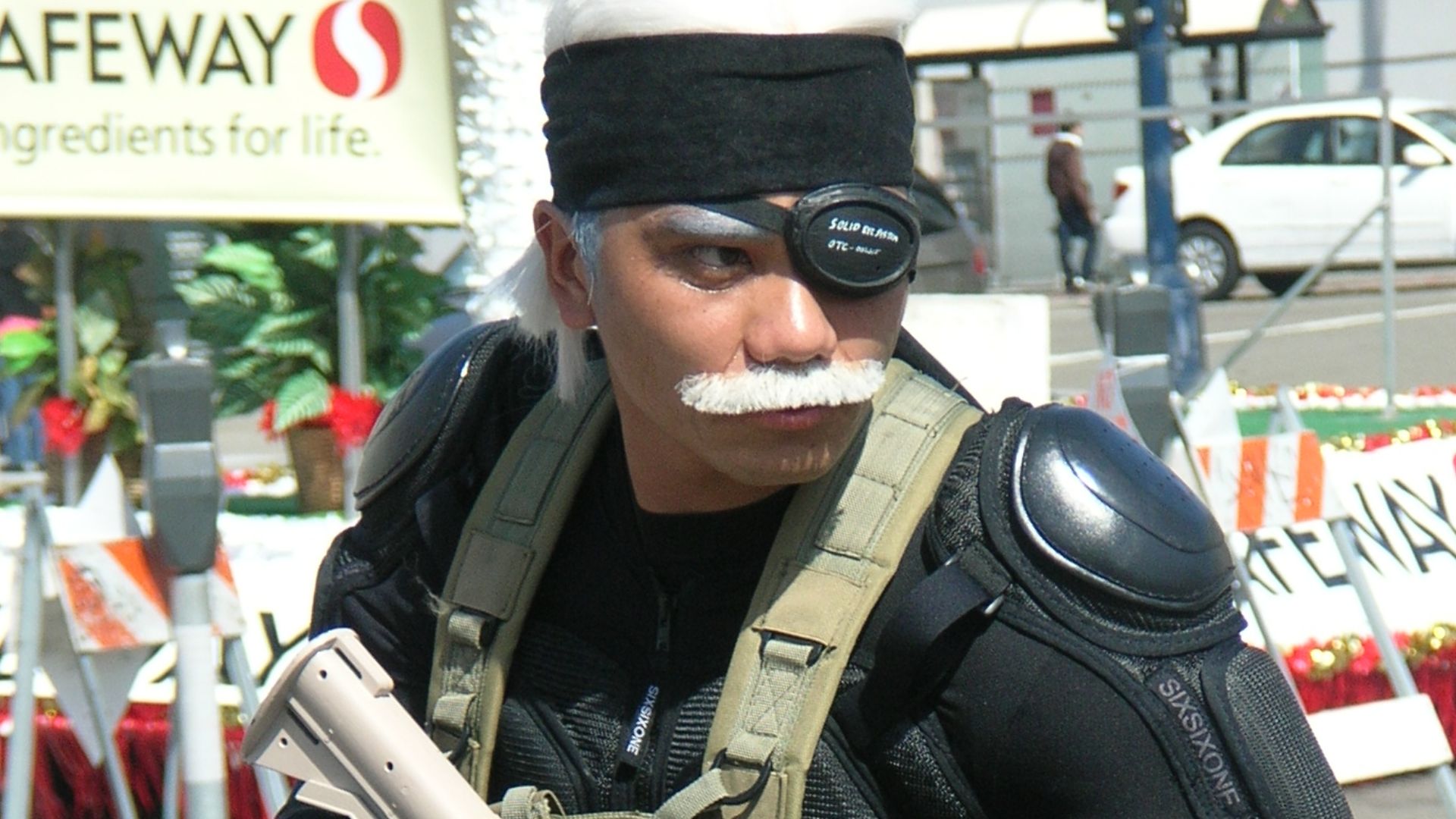
6. Solid Snake
It’s hard to mention stealth gameplay these days without thinking of Solid Snake. The character was heavily inspired by eighties action cinema. Kojima modeled Snake’s personality and even named him after protagonist Snake Plissken from Escape from New York.
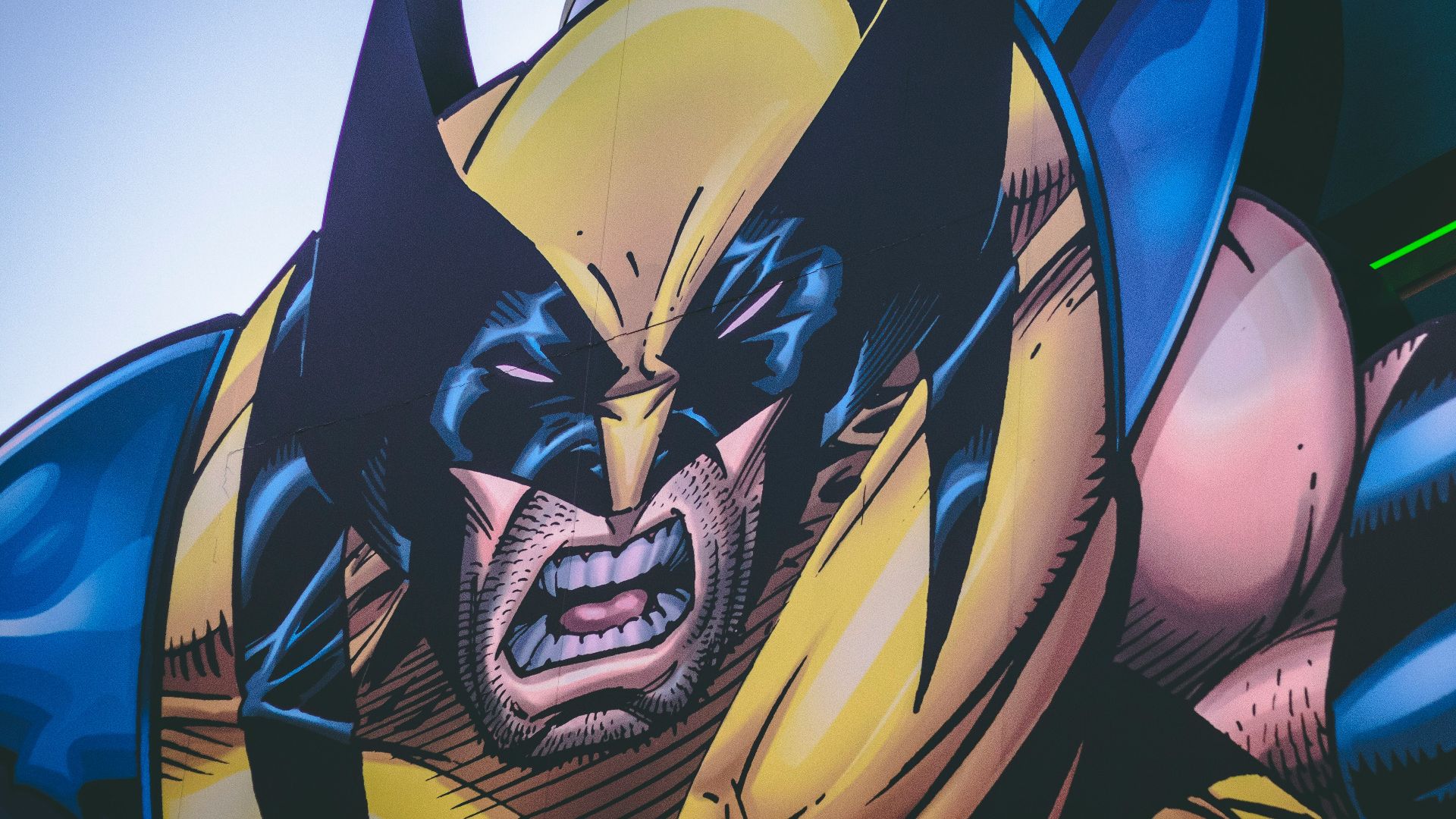
7. Wolverine
Marvel's gruffest mutant was initially created to be a literal, mutated wolverine rather than a human being with special powers. Writer Len Wein seriously considered a backstory where a real wolverine evolved into a humanoid creature thanks to a rogue genetic experiment. Fortunately, the team abandoned the animal origin story, allowing the Canadian mutant to develop his iconic, tragic human past instead.
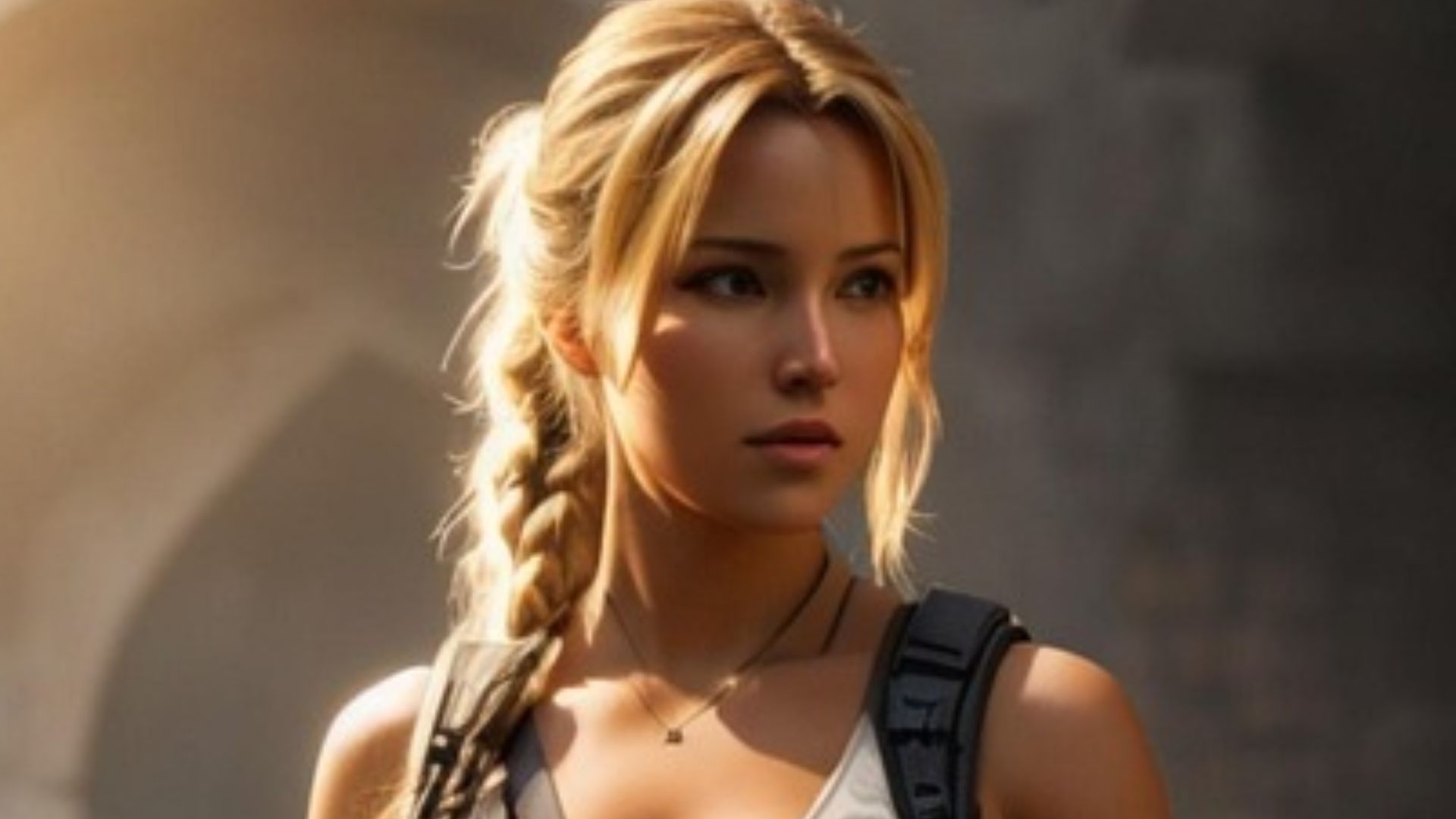
8. Lara Croft
It turns out the Tomb Raider archaeologist wasn’t always supposed to be a petite English woman. Lara Croft was originally designed to be a male named Laura Cruz. Core Design thought her backstory was too similar to Indiana Jones and didn’t want to risk a lawsuit.
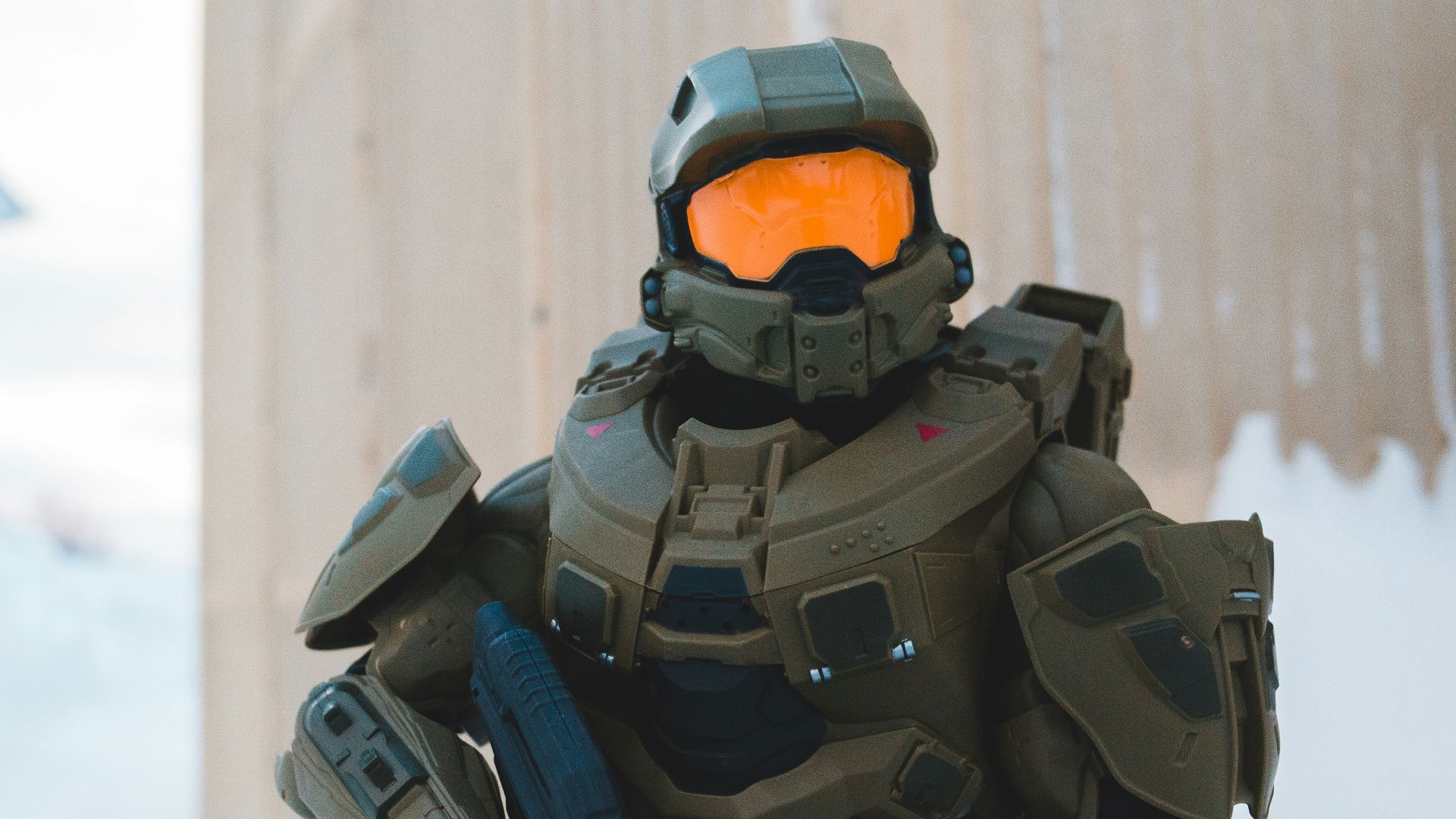
9. Master Chief
The faceless savior of humanity started his journey in an environment that looked completely different from the final Xbox masterpiece. Bungie originally designed Halo as a real-time strategy game where players would command the green super-soldier from a distant, overhead camera angle. Once the team realized how fun it was to drive the vehicles, they quickly shifted the perspective.
10. The Hulk
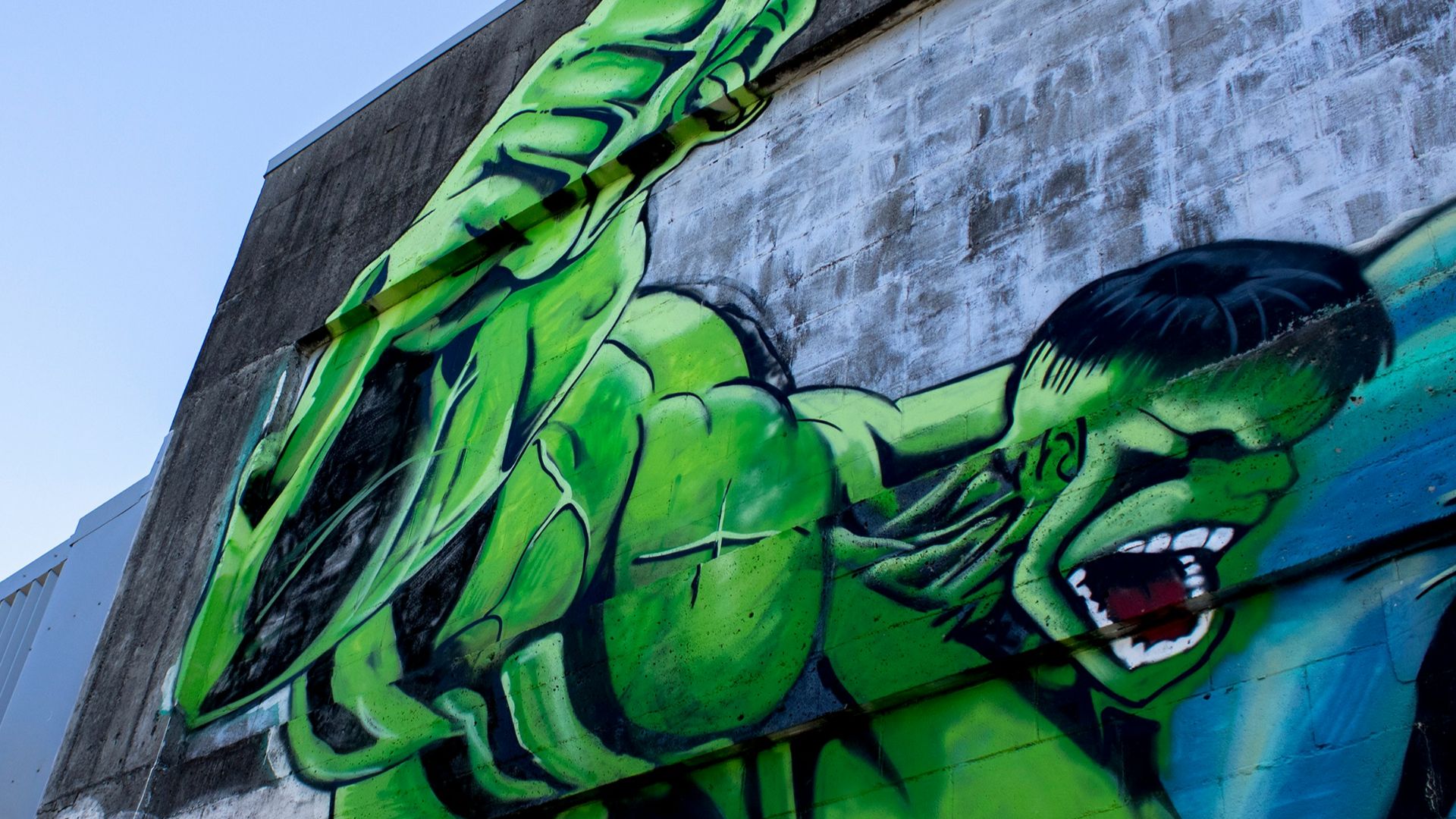
If you were born before the mid-nineteen-eighties, you might remember Marvel’s favorite monster with gray, ashen skin. Stan Lee originally designed the Hulk with gray skin but eventually reconsidered green to avoid potential racial bias. Early printers could not print a consistent gray, which resulted in some comics depicting him as green.
11. Bowser
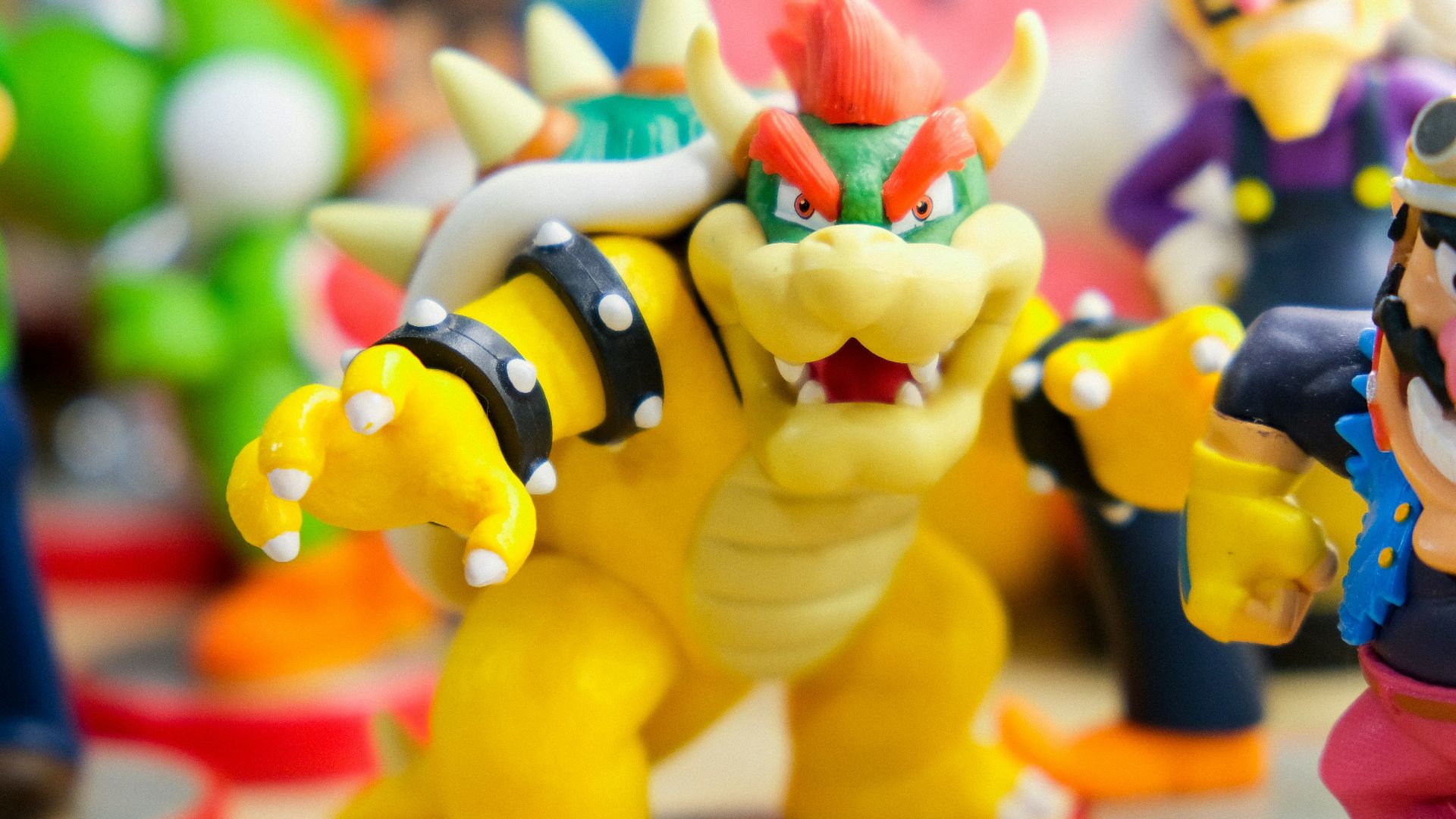
Nintendo's ultimate villain was supposed to be a massive, menacing ox rather than a spiked turtle. Shigeru Miyamoto drew heavy inspiration from an old anime movie called Alakazam the Great, which featured a cartoon Ox King. Animator Yoichi Kotabe looked at the sketches and pointed out that the character looked much more like a turtle, leading to a quick redesign.
12. Harley Quinn
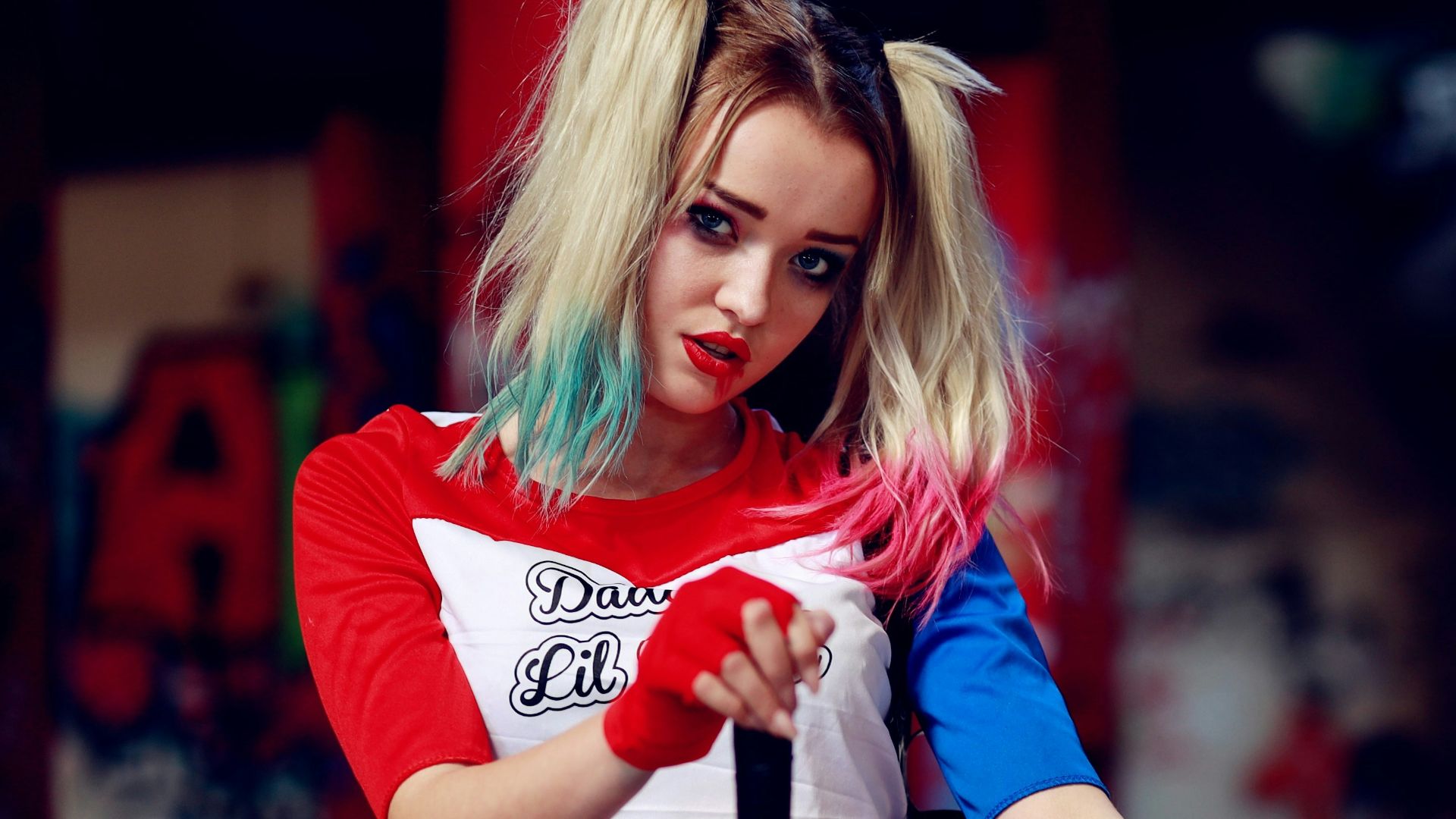
Harley Quinn wasn’t always Harley Quinn. She began as a psychiatrist who worked at Gotham’s largest insane asylum. Bruce Timm originally created her to pop out of a cake for just one episode of Batman: The Animated Series.
13. Crash Bandicoot
Sony's orange mascot spent the early stages of his development being referred to as Willy the Wombat. The development team at Naughty Dog spent months tweaking his design before a marketing executive pointed out that the name sounded too generic. They changed his animal species to a bandicoot and named him after his signature habit of smashing wooden crates.
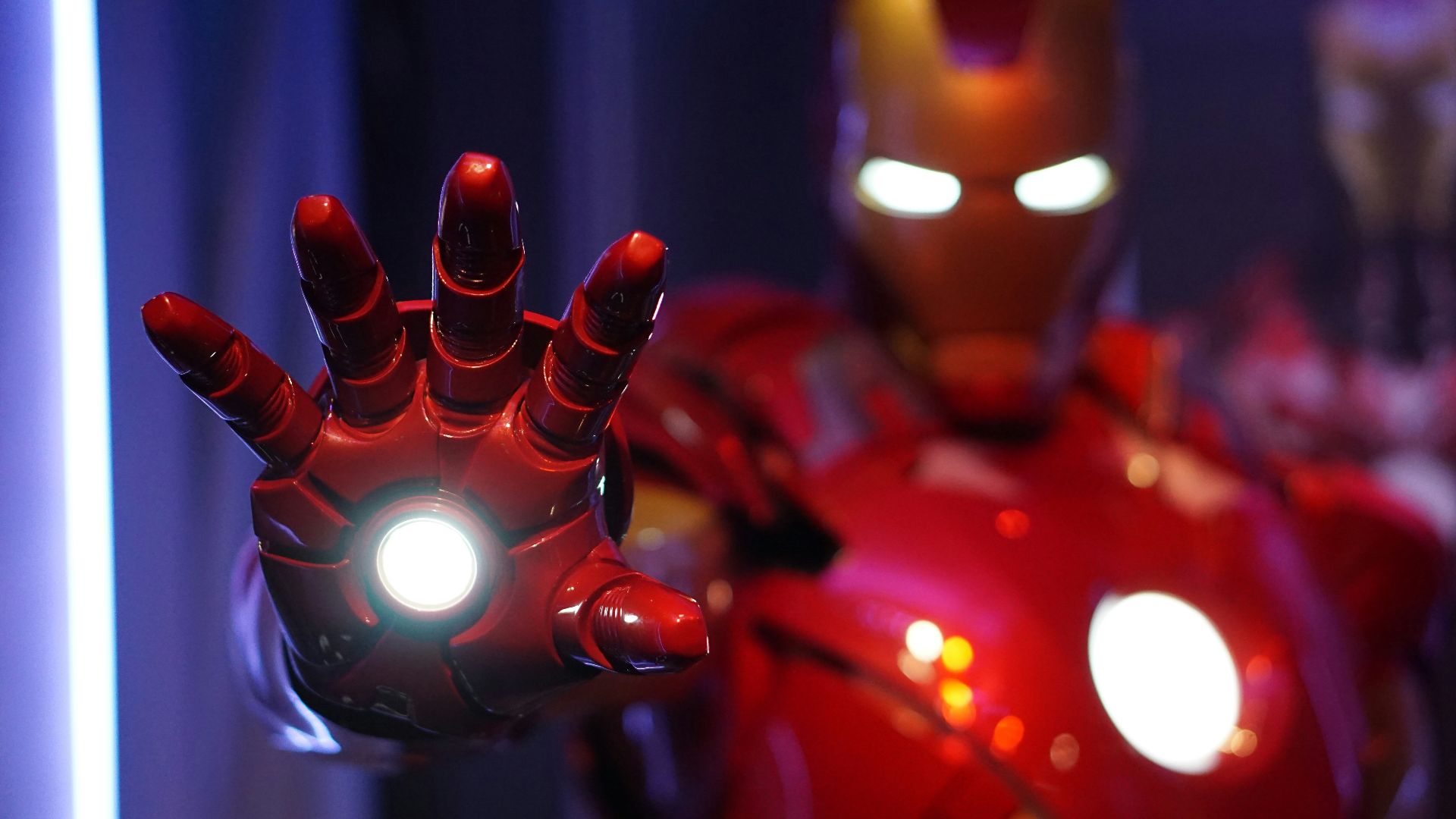
14. Iron Man
Iron Man’s famous red-and-gold armor wasn’t always so flashy. Back in the early days of Tony Stark, he piloted a dull gray armored suit that literally looked like a trash can that walked. Marvel noticed that he got lost on the colorful pages of their comics and changed his color scheme.
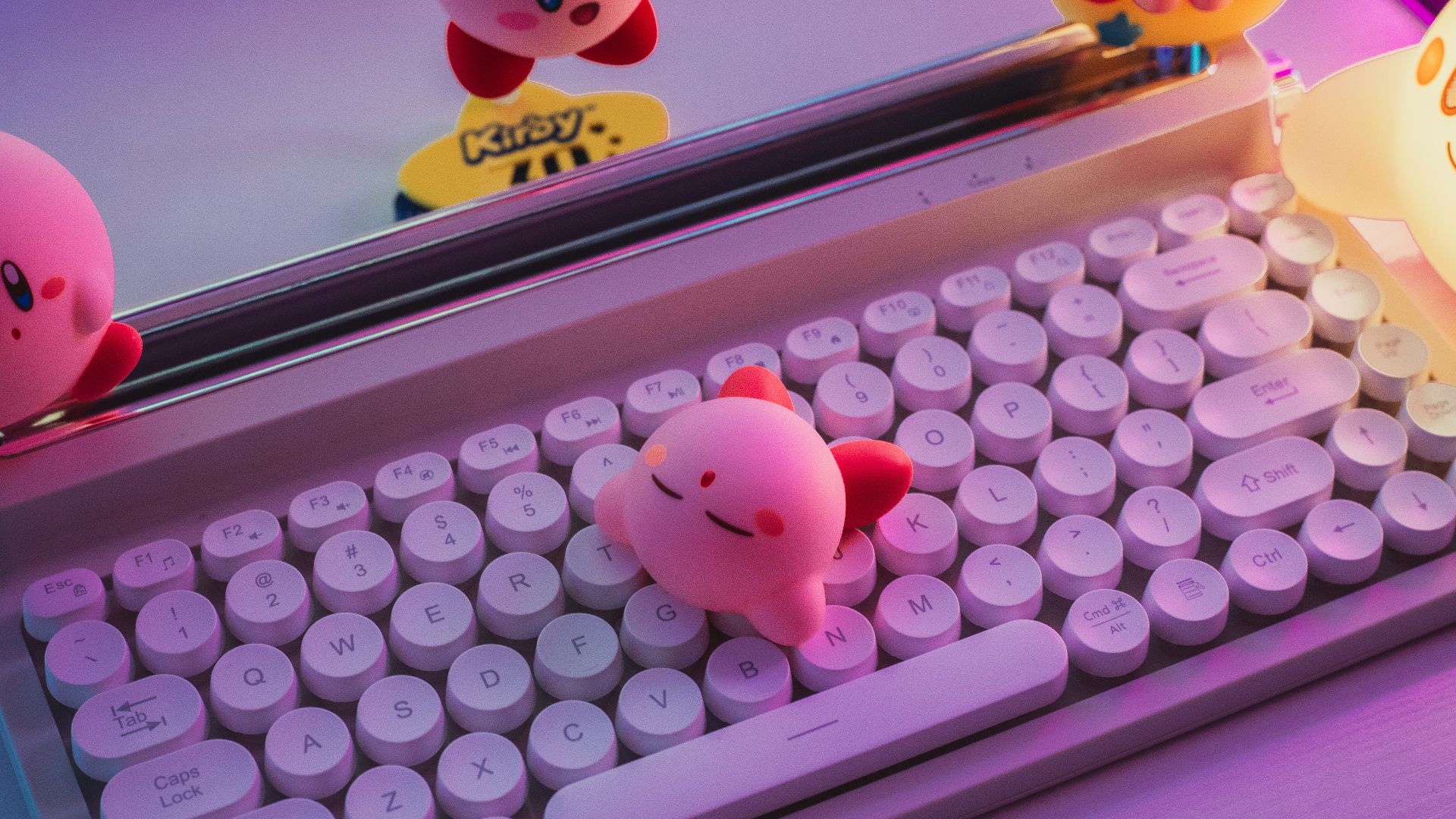
15. Kirby
The round, pink hero of Dream Land was originally just a blank, circular placeholder sprite used for testing game mechanics. Director Masahiro Sakurai created the simple blob to keep things moving while the artists worked on a more detailed character. The team grew so attached to the adorable bouncing ball that they decided to keep him exactly as he was.
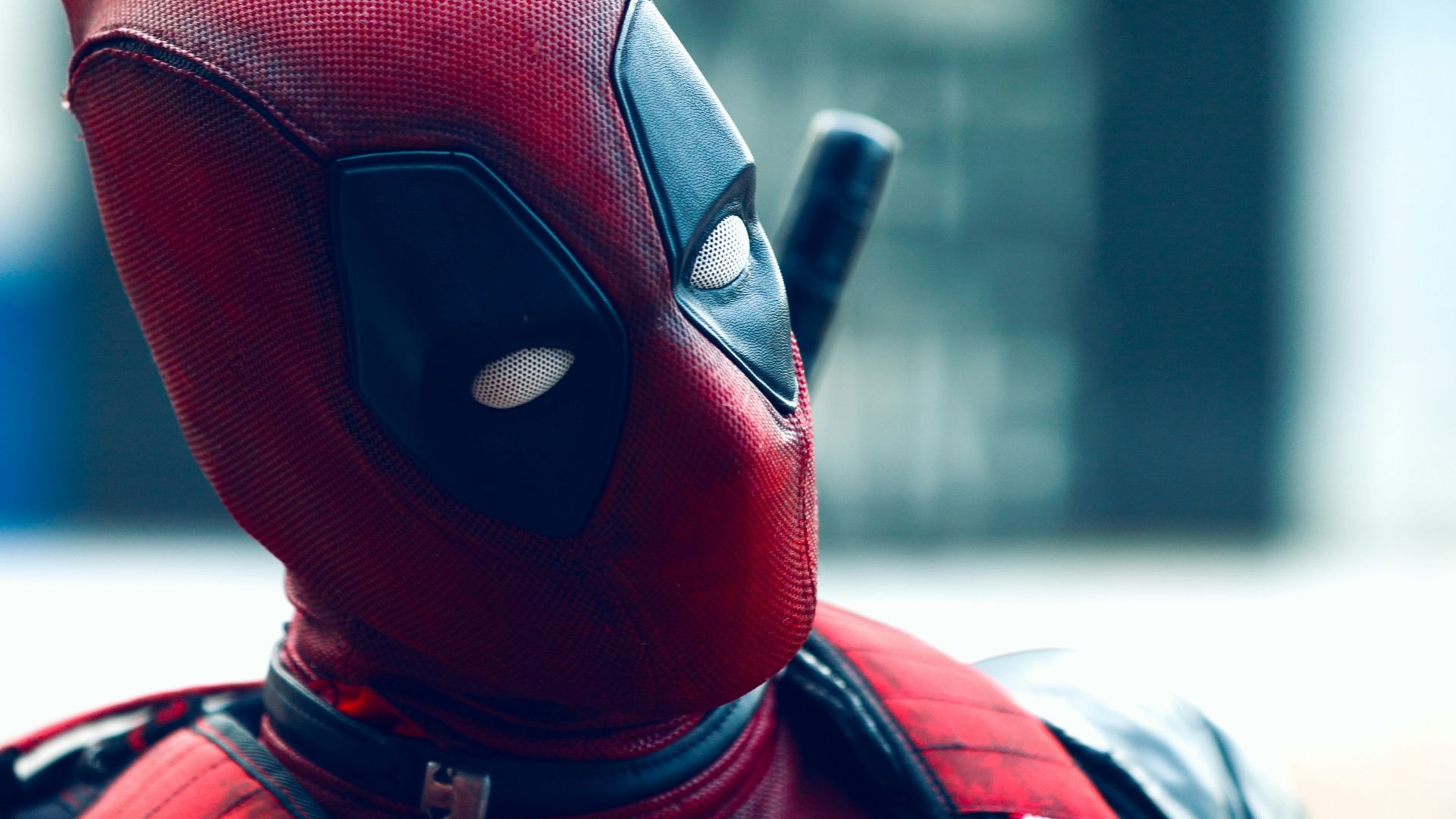
16. Deadpool
The Merc with a Mouth began his life as a blatant, unironic copy of the DC Comics villain Deathstroke. Artist Rob Liefeld loved the design of the serious assassin, so writer Fabian Nicieza jokingly named the new character Wade Wilson as a direct nod to Slade Wilson. Over the years, the character evolved from a generic villain into a fourth-wall-breaking comedic antihero.
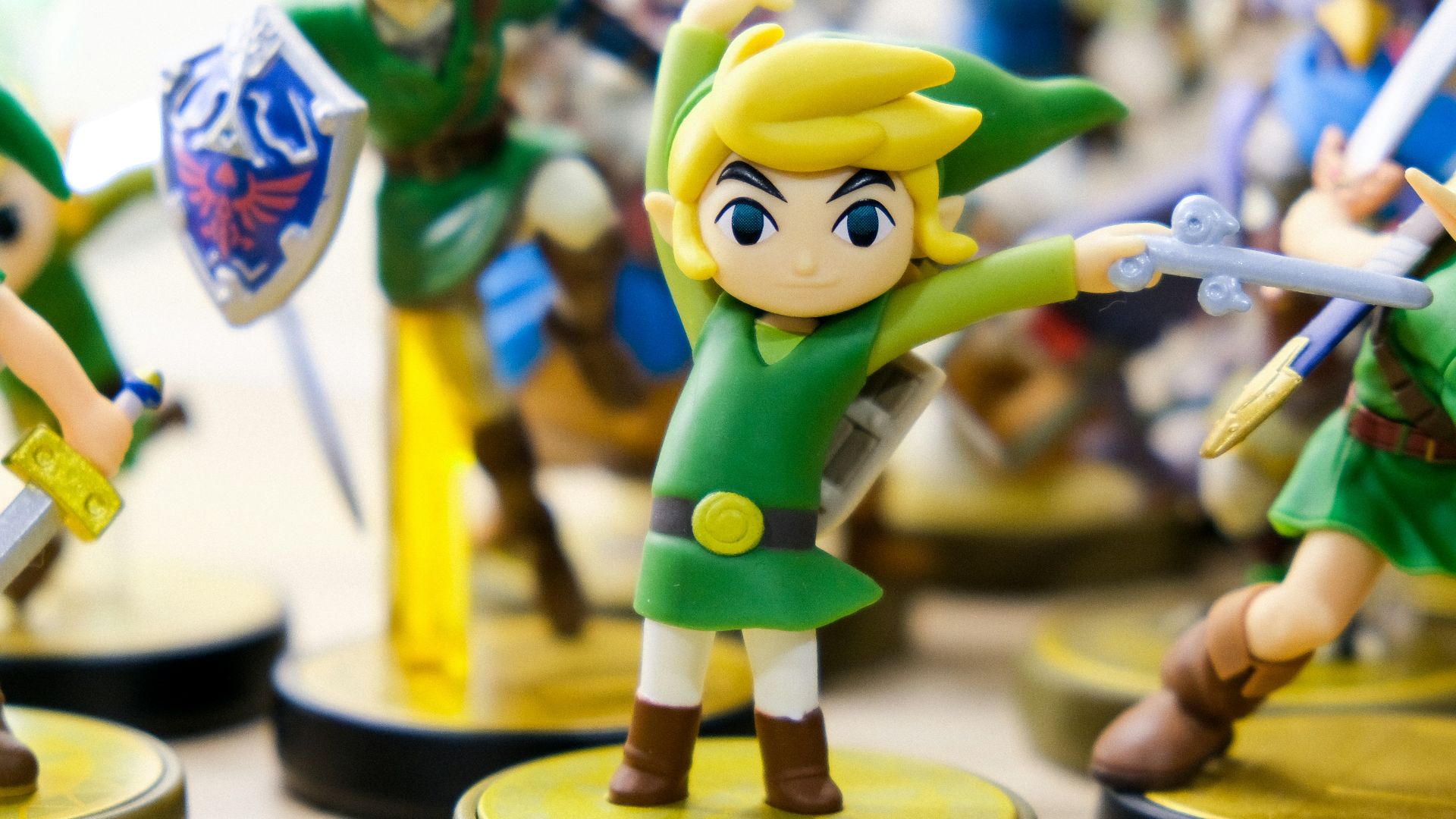
17. Link
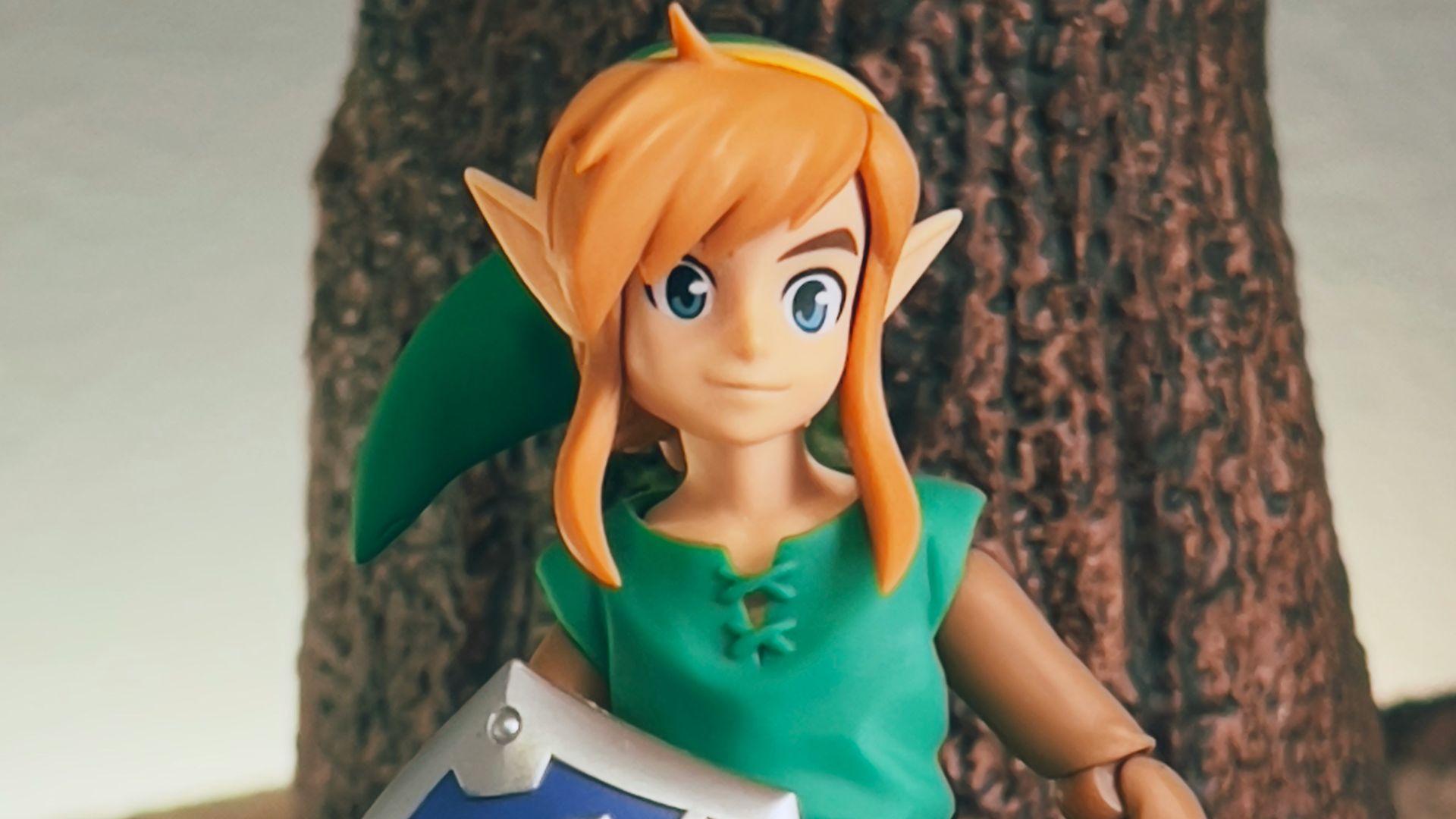
Link may take you on a journey across time, but that wasn’t always the intention. Nintendo initially wanted the Time Piece pieces to be literal time-traveling gadgets that linked your character to the past and present. His name was chosen to represent his role in the games as a connection between the past and future.
18. Shodan
The terrifying, malevolent artificial intelligence from System Shock was originally written to be a completely helpful computer program. Early scripts featured the digital assistant guiding the player through the space station without any hidden agendas. The writers realized halfway through development that a sudden, hostile cybernetic betrayal would make for a much more intense survival experience.
19. Star-Lord
If you’ve kept up with Marvel this whole time, you may know that Star-Lord used to be serious. Back when he was introduced in nineteen seventy-six, Peter Quill was a stoic and serious warrior born from a cosmic event. James Gunn decided to lighten up his personality for the new franchise.
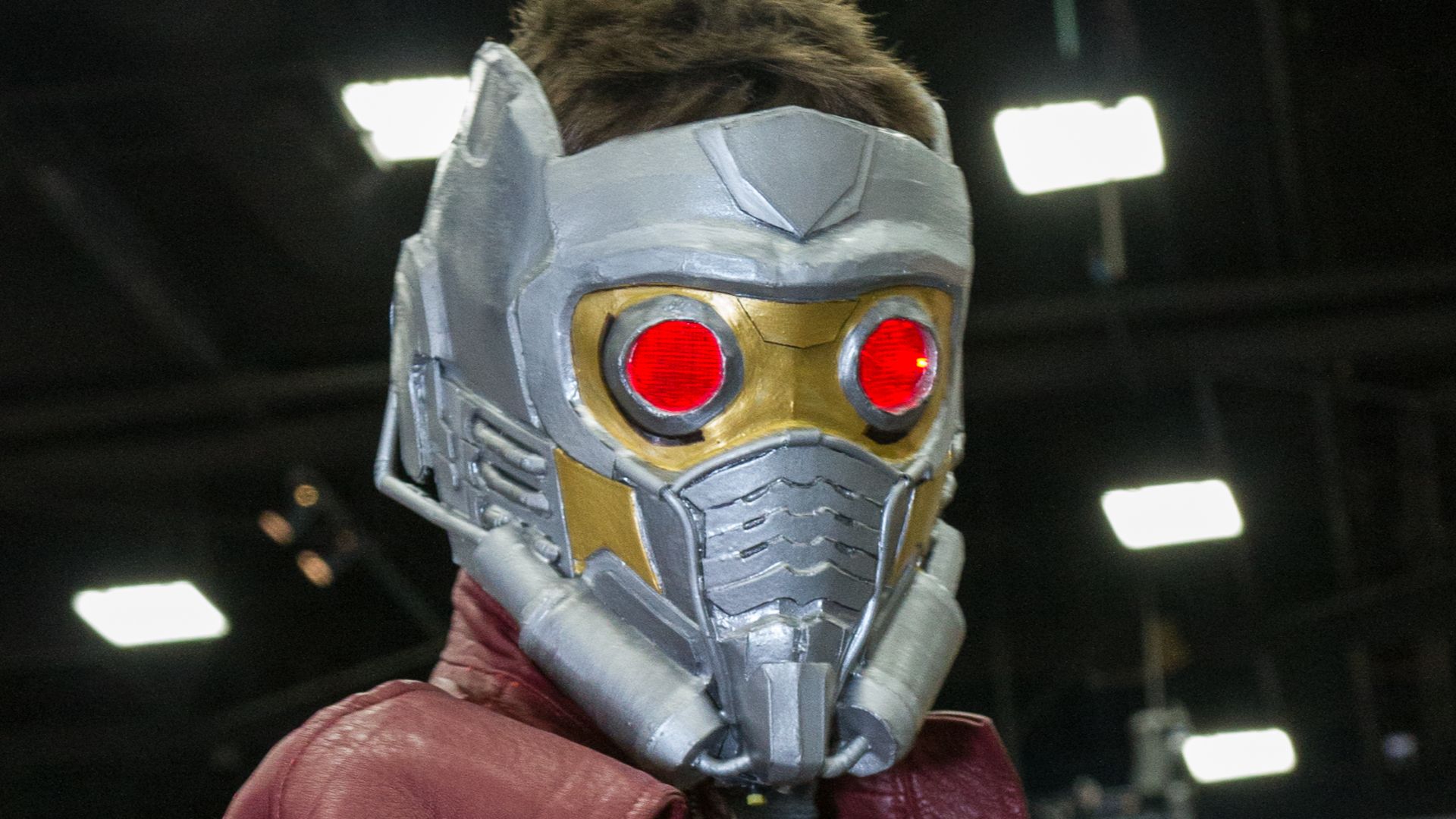 Chris Favero from USA on Wikimedia
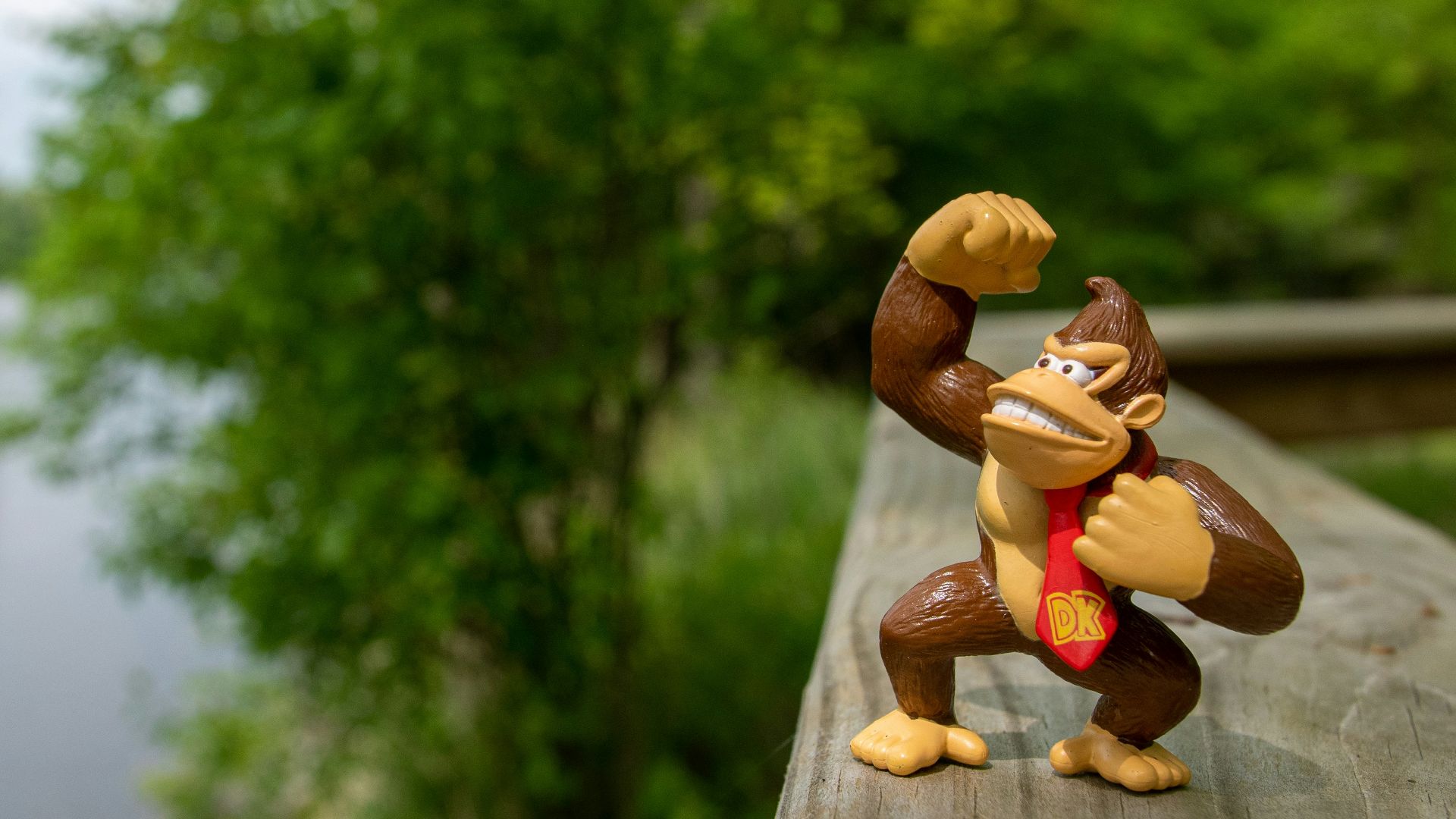
20. Donkey Kong
The classic arcade game that launched Nintendo into global superstardom was originally supposed to be a licensed game starring Popeye, Bluto, and Olive Oyl. When the deal fell through, the creative team had to rapidly invent three completely new characters to fit the existing gameplay mechanics. Bluto became a stubborn gorilla, Olive Oyl became a captured damsel, and Popeye transformed into a jumping carpenter.