10 Sci-Fi Transportation Systems We're Glad Don't Exist & 10 We Wish That Did
Beam Us Away, Scotty!
Sci-fi loves to make travel look a lot more exciting than anything we deal with in real life. A good future vehicle can tell you right away whether a world is sleek, dangerous, desperate, or way too confident in its own technology. In games, movies, and TV, the most memorable travel systems usually come with a catch, because smooth, safe transportation doesn’t always make the most exciting story. Some of these ideas should probably stay on-screen, far away from commuters, passengers, pilots, and anyone who values a calm trip. Others would make daily life, space travel, rescue work, and long-distance exploration a whole lot easier, so let’s look at 10 sci-fi transportation systems we’re glad don’t exist, followed by 10 we wish did.
1. The Telepods From The Fly
Teleportation sounds amazing until the machine starts messing with a person’s body. The telepods in The Fly are built to move someone from one place to another, but one failed experiment leaves a scientist slowly transforming after his body is merged with a fly. Instant travel has plenty of appeal, but we don't think anyone wants to turn into an insect.

2. Podracing From Star Wars
Podracing looks incredible because it’s loud, fast, and exciting. Unfortunately, it's also incredibly dangerous. Pilots sit in small cockpits pulled by massive engines while they race at wild speeds. It’s great to watch in a movie or play in a game, but as a real event, it’d be a disaster waiting to happen.
3. Speeder Bikes From Star Wars
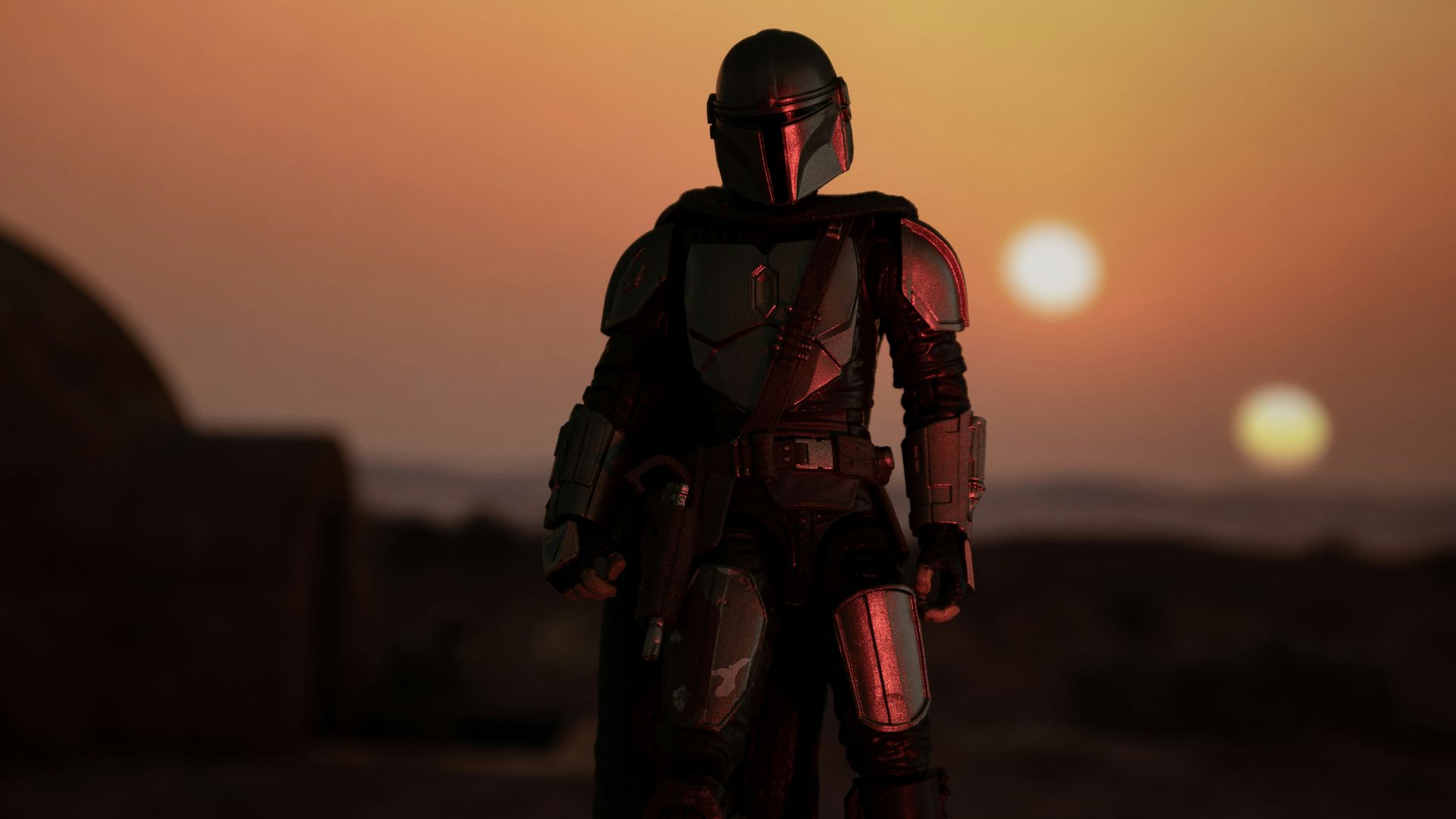
Speeder bikes take the danger of regular motorcycles and double it. They’re single-rider craft built for speed, which makes them exciting on-screen and stressful to imagine in everyday traffic. A world with speeder bikes would need very patient road safety officials and a very busy emergency response system.
 Agnieszka Stankiewicz on Unsplash
4. The Endless Train From Snowpiercer
A train that circles a frozen planet forever is a powerful image, but it’s a rough plan for public transit. In Snowpiercer, the train keeps humanity alive while trapping people inside a strict class system, where a person’s place on board decides their comfort, power, and basic dignity.
 CJ Entertainment, Dog Fish Films, Tomorrow Studios on Wikimedia
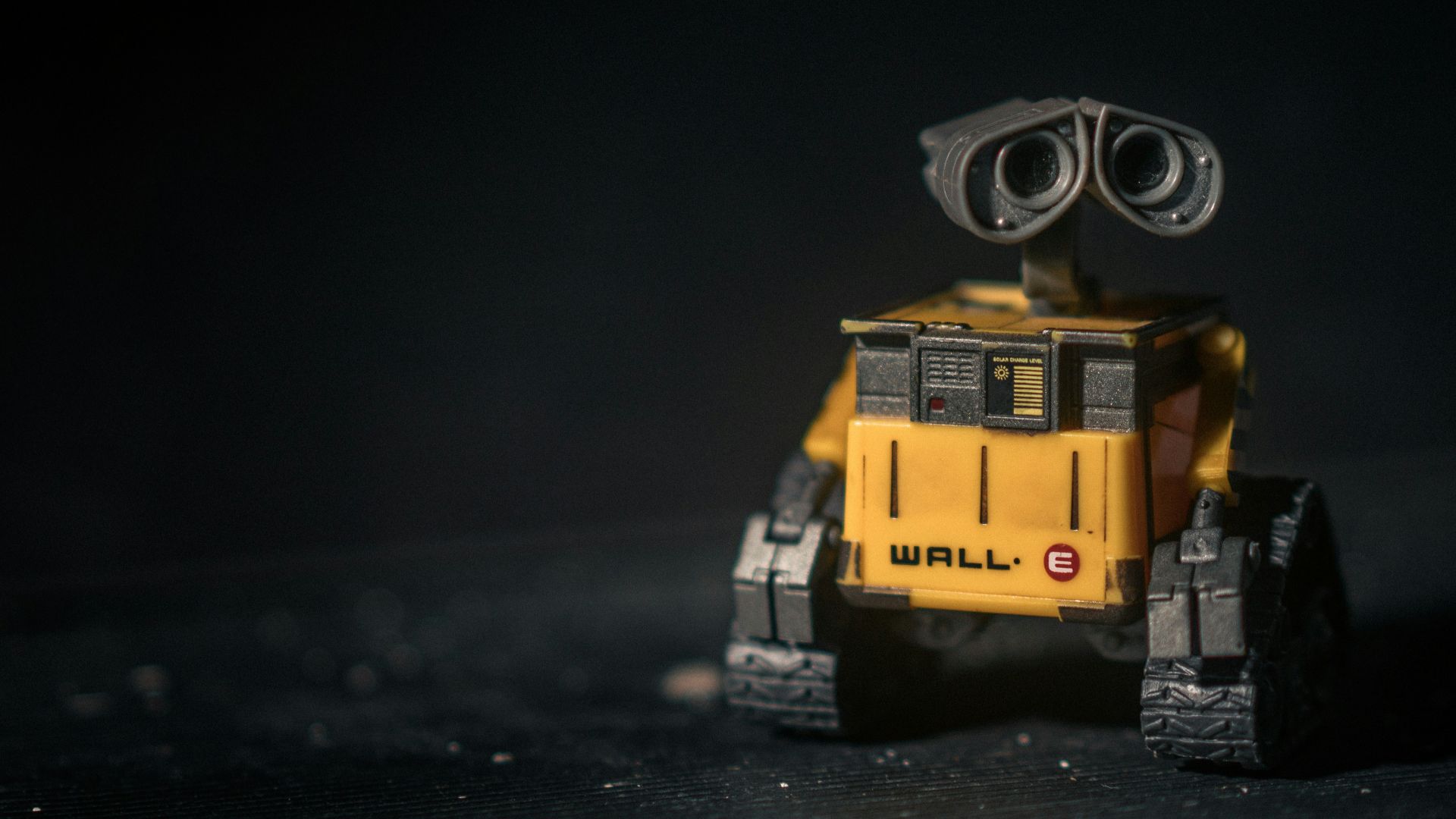
5. The Hoverchairs From WALL-E
The hoverchairs on the Axiom seem comfortable at first, especially if you’ve ever wanted to float around without doing much of anything. They let passengers move through daily life with almost no need to walk, reach, or look away from their screens. Mobility tools can matter a great deal, but this version turns convenience into something passive and unsettling.
6. JohnnyCab From Total Recall
Autonomous taxis should be calm, clear, and easy to trust. JohnnyCab is memorable because it feels like being driven around by a smiling machine that can’t really understand how bad things are getting. Self-driving cars may have a useful future, but nobody needs one that keeps chatting while everything around it turns into a crisis.

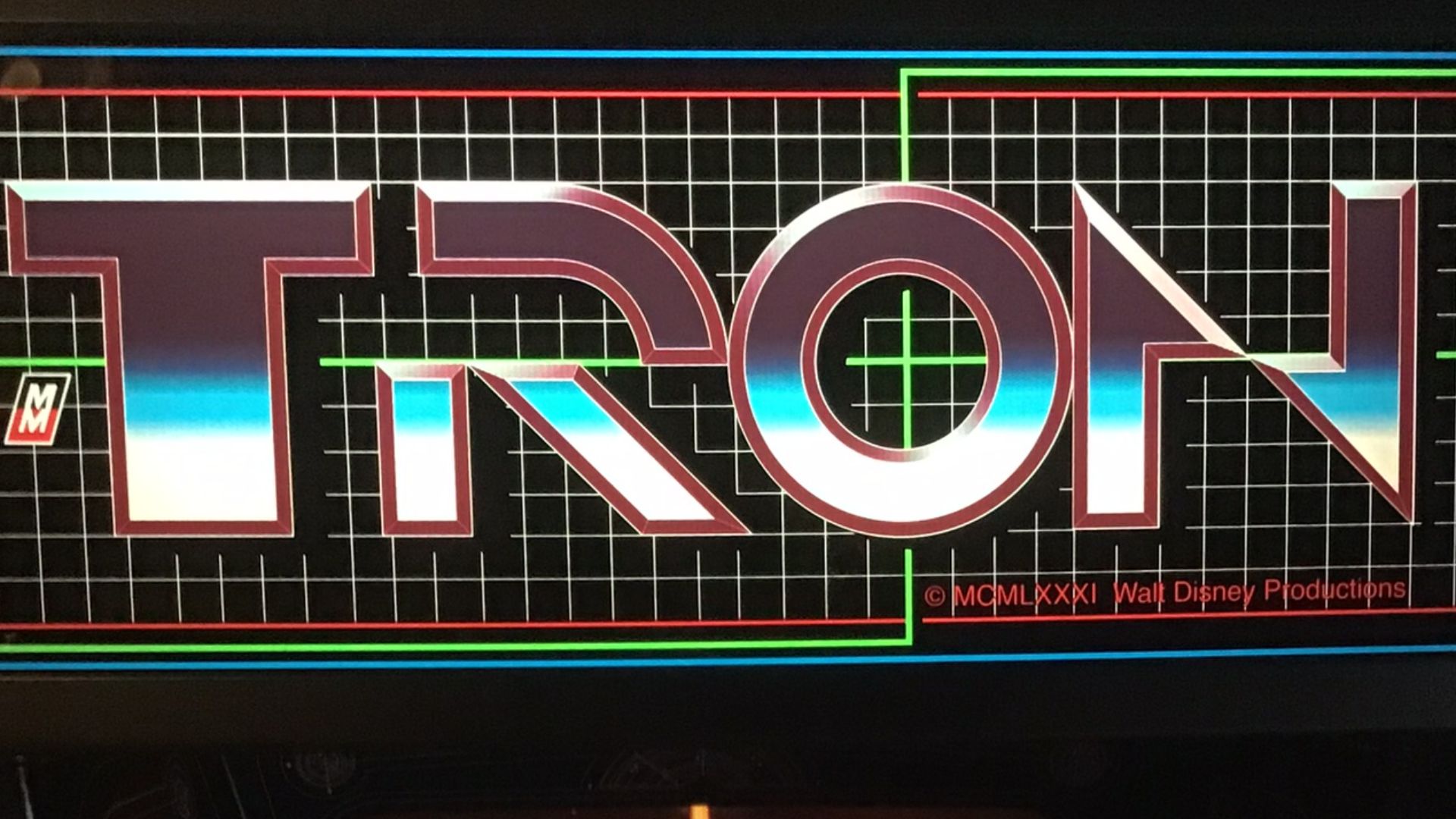
7. Light Cycles From TRON
While the light cycles look beautiful, they're also a little bit problematic. This system is made for high-speed racing on a digital grid and doesn’t belong in a real city with pedestrians, potholes, and distracted drivers. Roads already have enough problems without vehicles leaving hard walls of light behind them.
8. The Tube System From Futurama
The people-sized tube system in Futurama is funny because it sends commuters through the city like packages. Moving through clear tubes might be efficient, but it also looks cramped, confusing, and hard to escape from if something goes wrong.

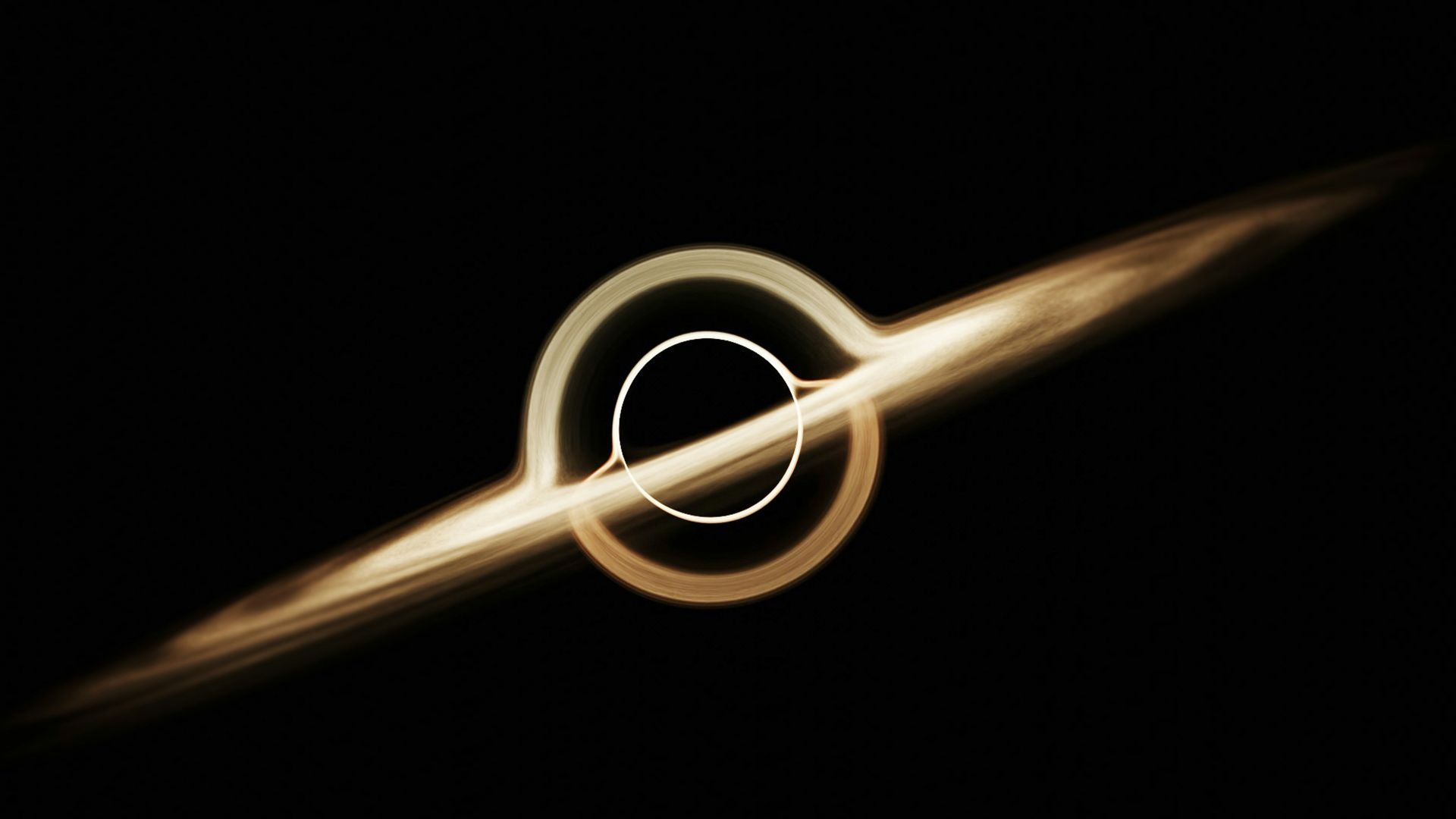
9. The Gravity Drive From Event Horizon
The gravity drive in Event Horizon promises a shortcut through space, which sounds useful until the story shows what can go wrong. The ship vanishes during its experimental journey and returns years later with horrors no one expected to find.
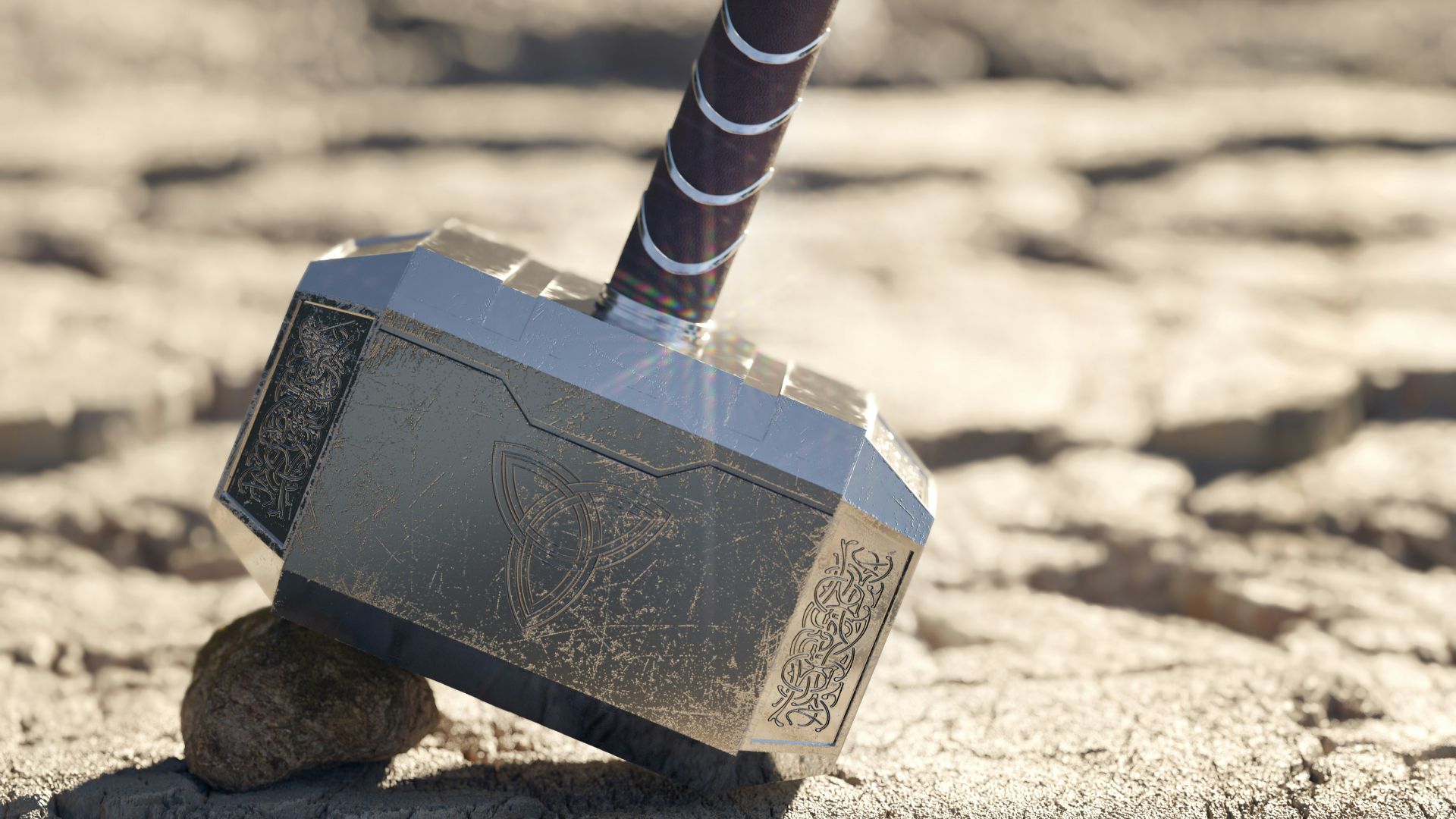
10. The Bifrost From Thor
The Bifrost is grand, powerful, and hard to look away from. As a real transit system, though, it brings up clear concerns about access, control, and what happens when one gatekeeping point decides who gets to travel between realms. Cosmic travel would be exciting, but it probably shouldn’t depend on one impressive bridge.
1. The Transporter From Star Trek
The transporter is the dream of skipping every bad part of travel in one quick shimmer. There’d be no airport lines, no parking lots, no delayed trains, and no middle seat next to someone eating something questionable from a paper bag.
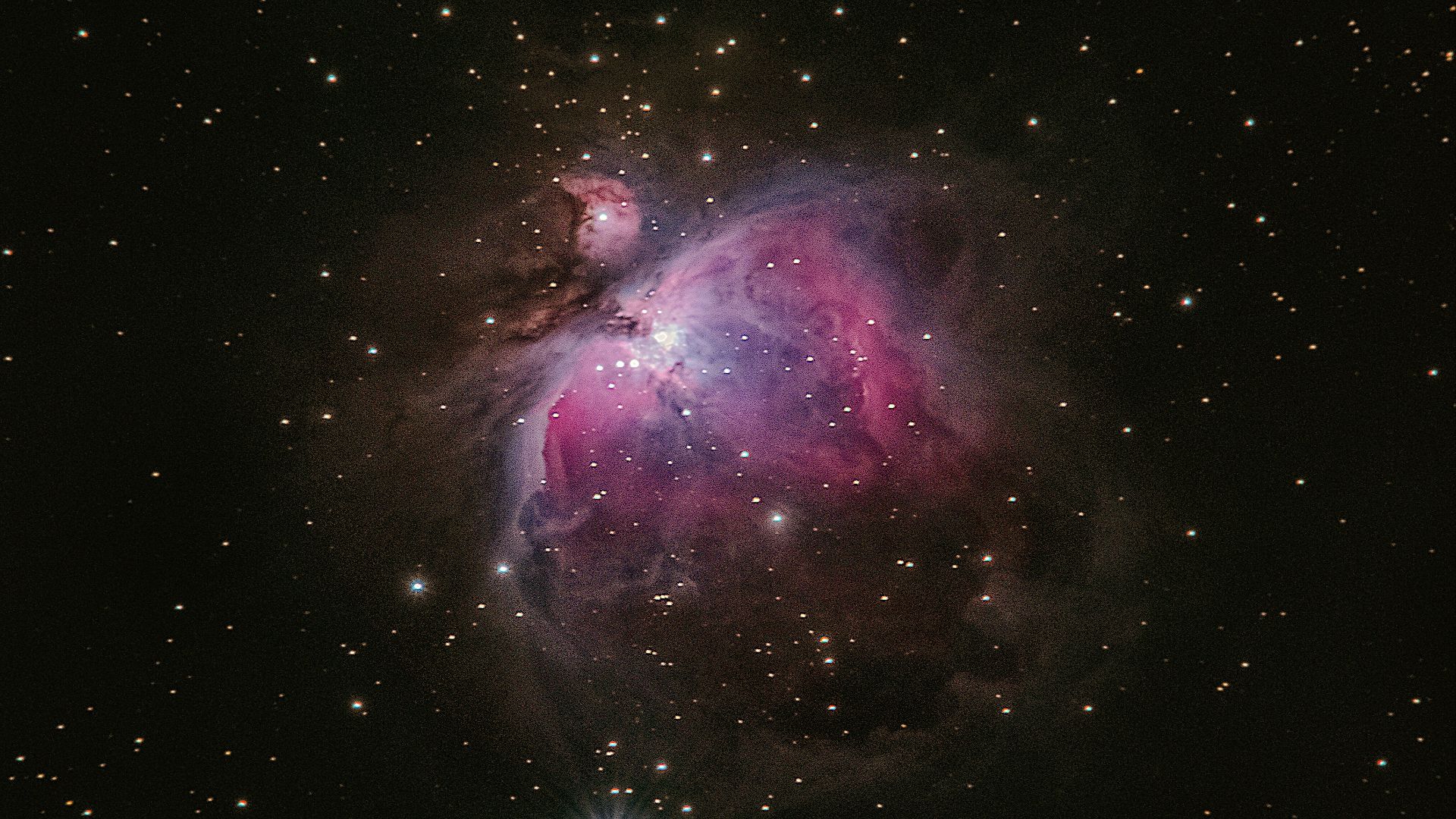
2. The TARDIS From Doctor Who
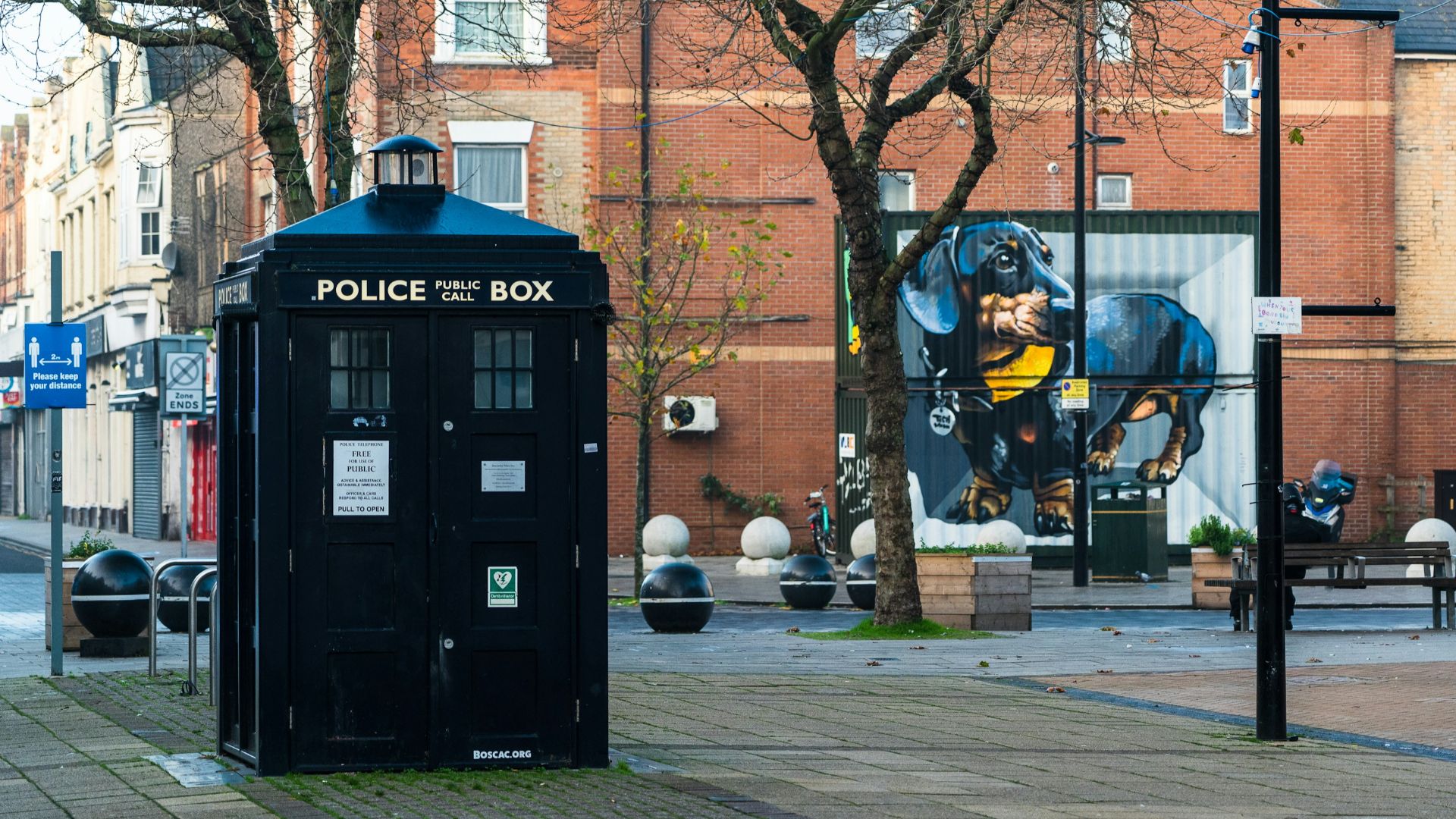
The TARDIS is much more than a simple vehicle. It travels through time and space, reaches nearly anywhere, and somehow has far more room inside than its small exterior suggests. The controls may look confusing, but the reward would be hard to beat.
3. Hyperdrive From Star Wars
Hyperdrive makes a whole galaxy feel reachable. It lets ships travel faster than light through hyperspace, although jumps still need careful calculation to avoid trouble. A real version would change exploration, trade, rescue missions, and the whole idea of what counts as far, far away.

4. The Portal Gun From Portal
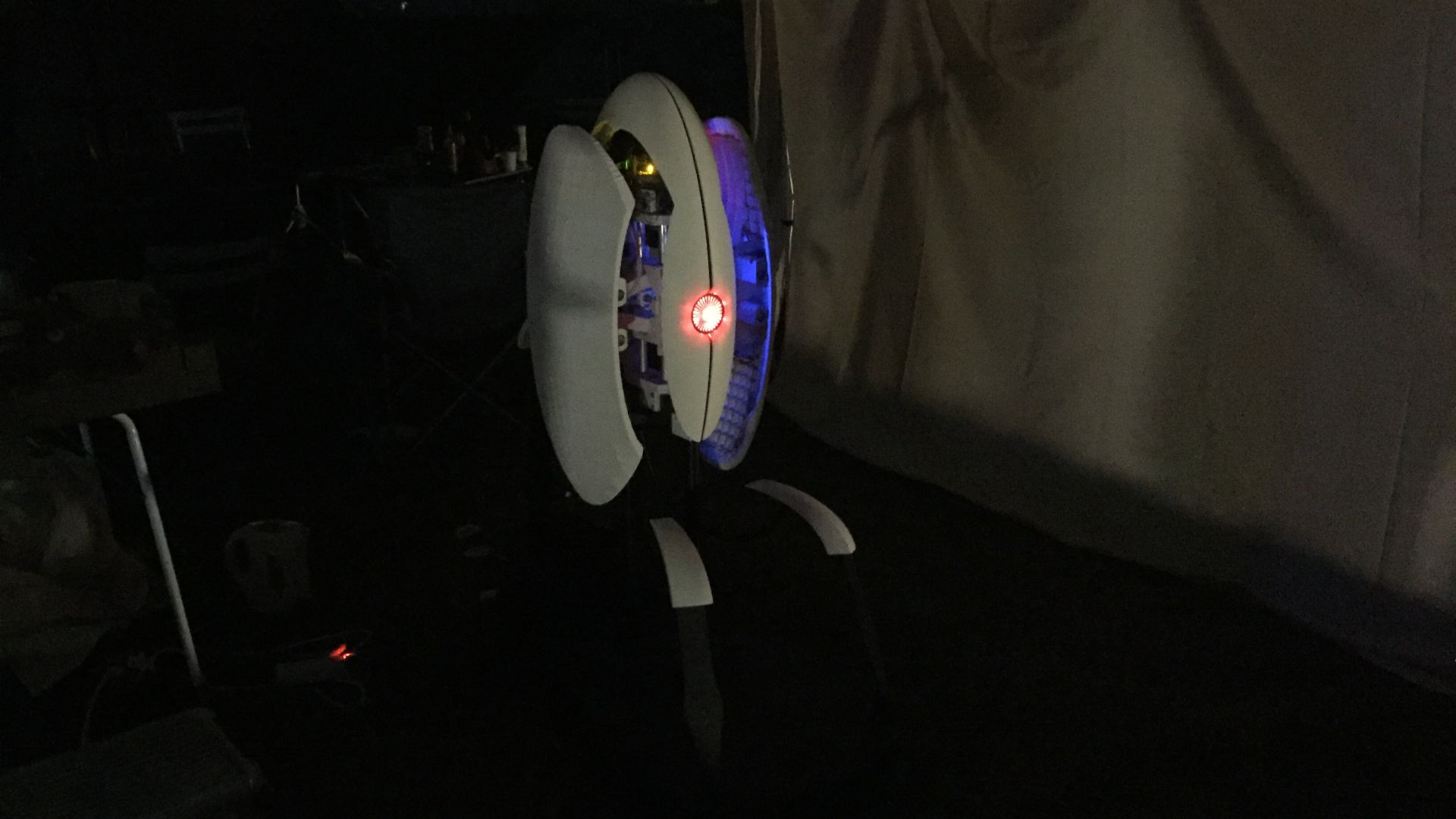
The portal gun is one of gaming’s smartest travel ideas because it lets players rethink how space works. Used safely, portals would be wildly useful in hospitals, warehouses, construction sites, and rescue zones.
5. The Stargate Network From Stargate
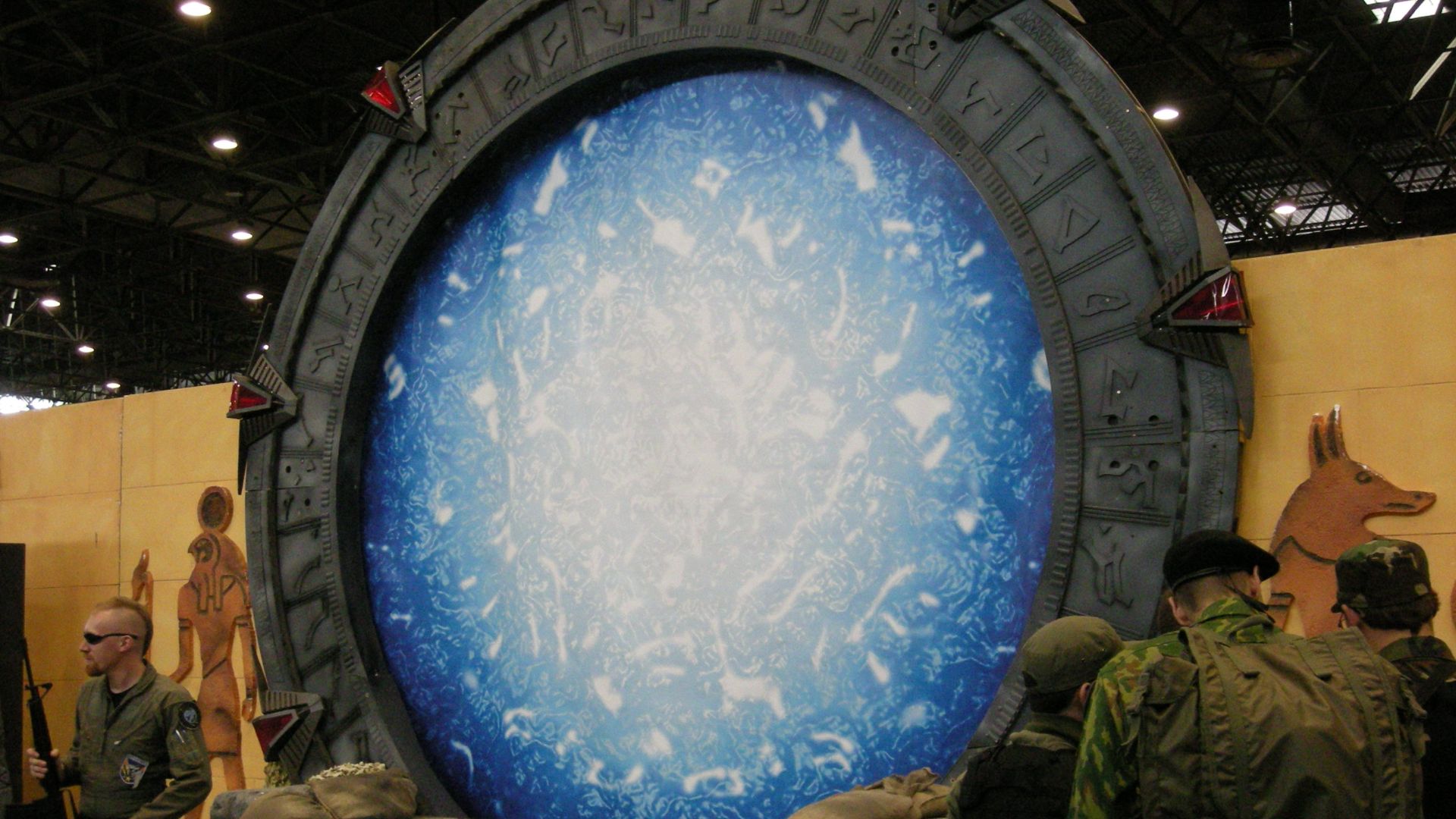
The Stargate makes interstellar travel beautifully simple: step through a ring and arrive somewhere impossibly distant. That direct setup is what makes it so appealing. With careful mapping and public oversight, a doorway network could make exploration feel much more immediate.
6. Slipspace Drives From Halo
Slipspace travel gives distant colonies, fleets, and star systems a practical way to exist in the same story. The technology lets ships cross enormous distances, which makes large-scale space civilization feel possible.

7. The Epstein Drive From The Expanse
The Epstein drive works so well because it doesn’t make space travel feel easy. It makes the solar system far more reachable. A real version could make Mars, the asteroid belt, and outer-planet missions feel much less out of reach.
8. Flying Cars From The Jetsons
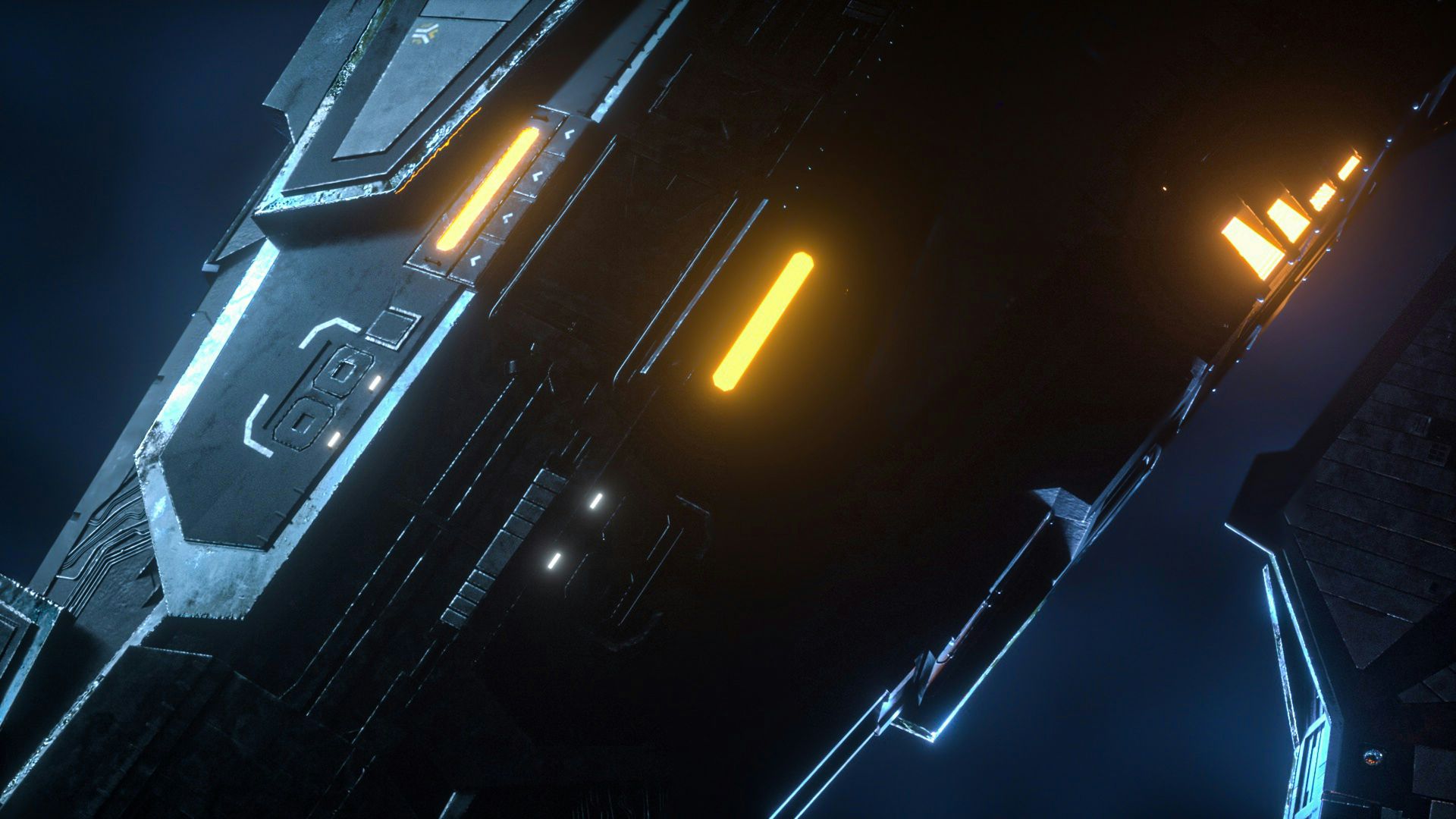
Flying cars are the classic future promise because traffic has always made people dream of simply going over it. The useful version would need to be tightly managed. Done well, they could help emergency services, remote communities, and crowded cities that can’t keep widening roads forever.
 Ludwig von Mises Institute on Wikimedia
9. Ornithopters From Dune
Ornithopters feel made for the world of Dune rather than added just to look cool. Their winged movement suits a harsh place where sand, terrain, and landing space all matter. A practical version could help rescue crews, researchers, and travelers in difficult landscapes.

10. Warp Drive From Star Trek
Warp drive is the big dream because it turns deep space into somewhere people can actually go. It’s about speed, yes, but it’s also about making exploration feel active, shared, and human. Real physics isn’t close to the starship version, but as a sci-fi transportation system to wish for, it still sets the standard.