The King of the Monsters Best Kept Secrets
If you've spent any time watching the Big G stomp through Tokyo, you probably know the basics about his atomic breath and his rivalry with King Ghidorah. However, the history of this radioactive reptile spans over seven decades and includes some of the strangest behind-the-scenes stories in cinema. With that in mind, here are 20 facts to test your kaiju knowledge with.
1. The Meaning of Gojira
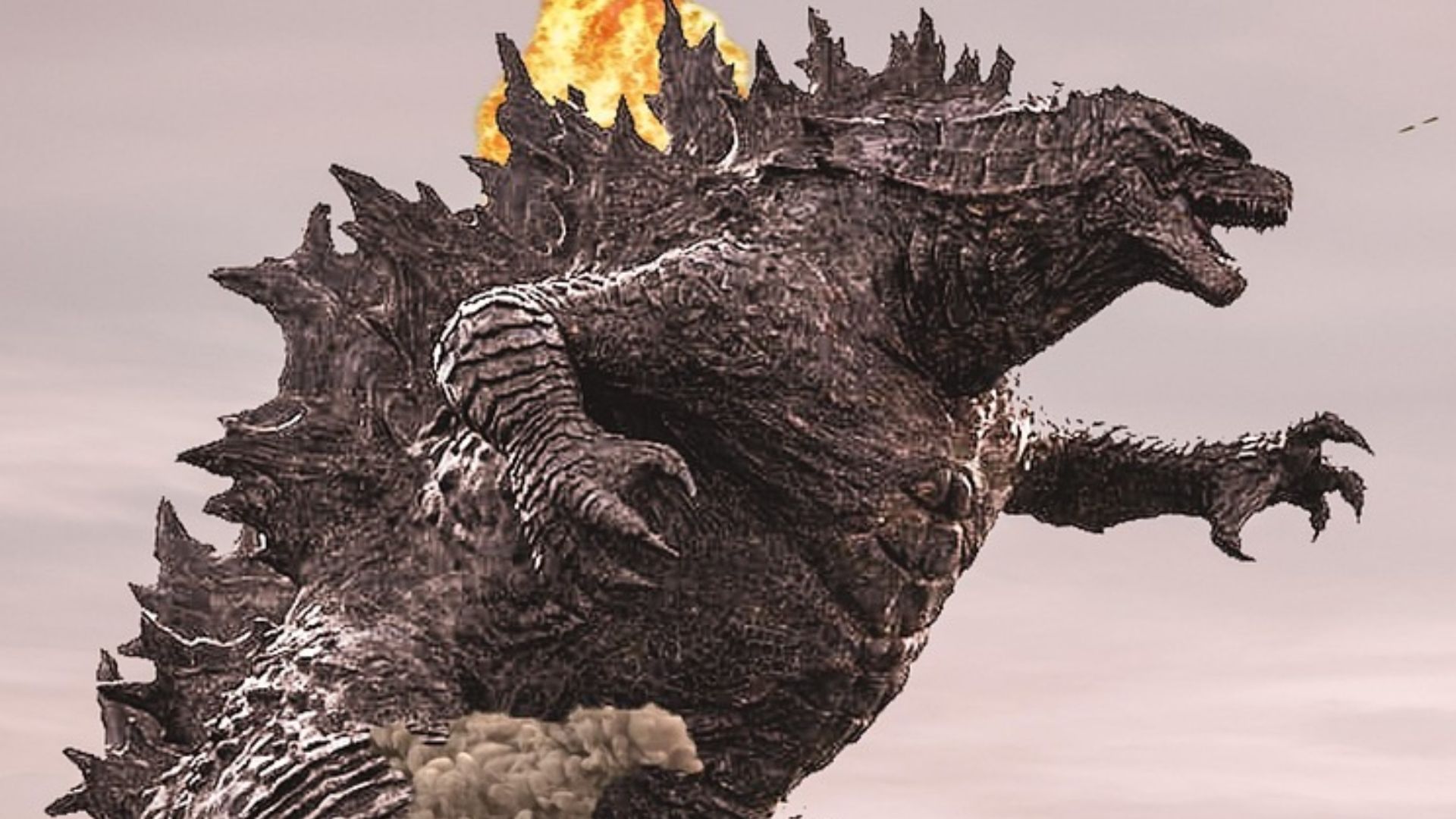
It might not come across in translation, but his Japanese name is actually a hybrid portmanteau of gorilla and whale. The higher-ups at Toho wanted the audience to understand he was both as powerful as a land-based primate, as well as big as a sea creature.
2. A Leather Glove Created the Roar
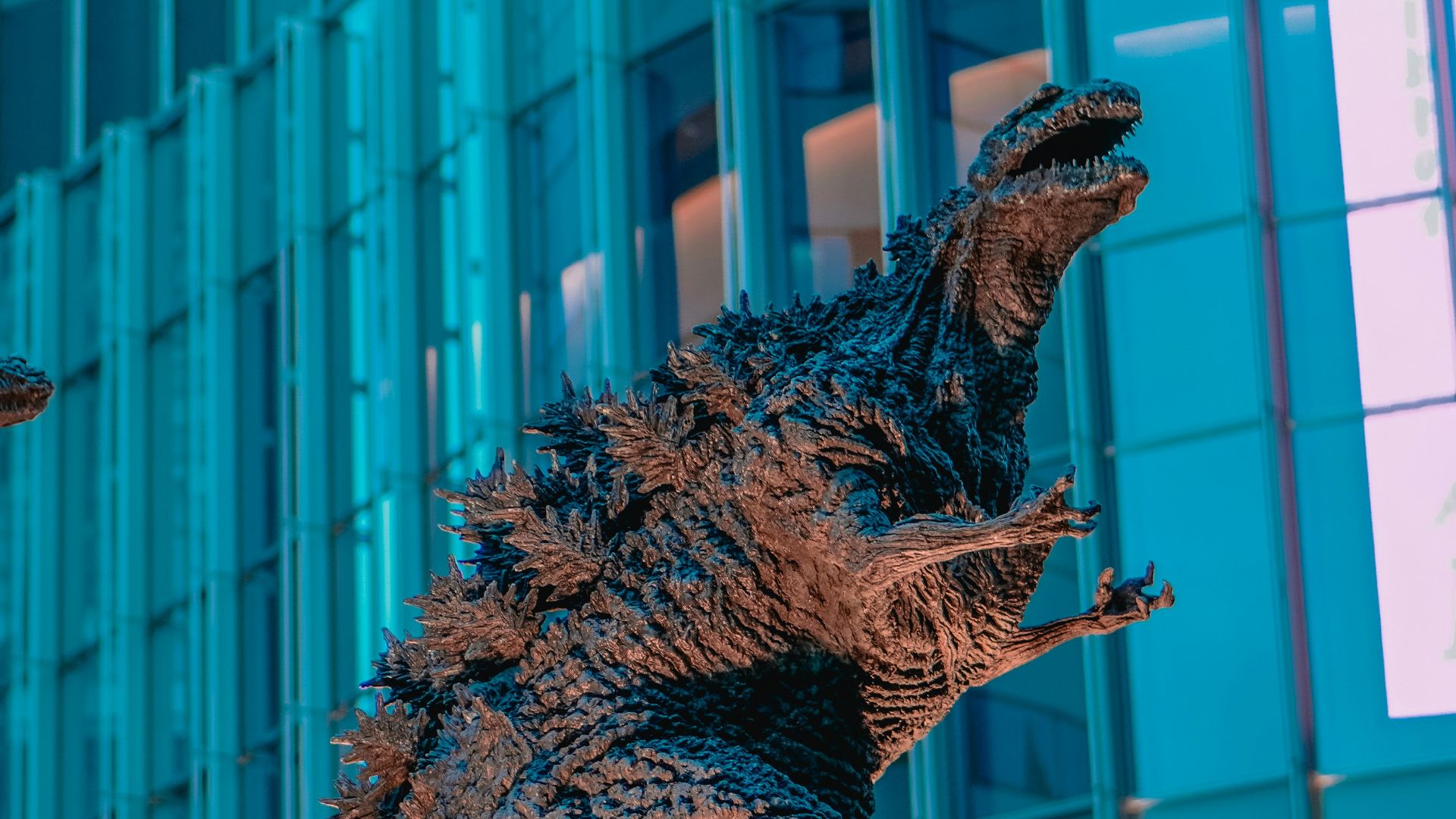
That iconic, glass-shattering sound wasn't made by an animal at all but by a resin-coated leather glove. Composer Akira Ifukube rubbed the glove across the loosened strings of a double bass to produce the chilling screech. It’s amazing how a simple piece of musical experimentation resulted in one of the most recognizable sound effects in movie history.
3. The Suit Was Dangerously Heavy
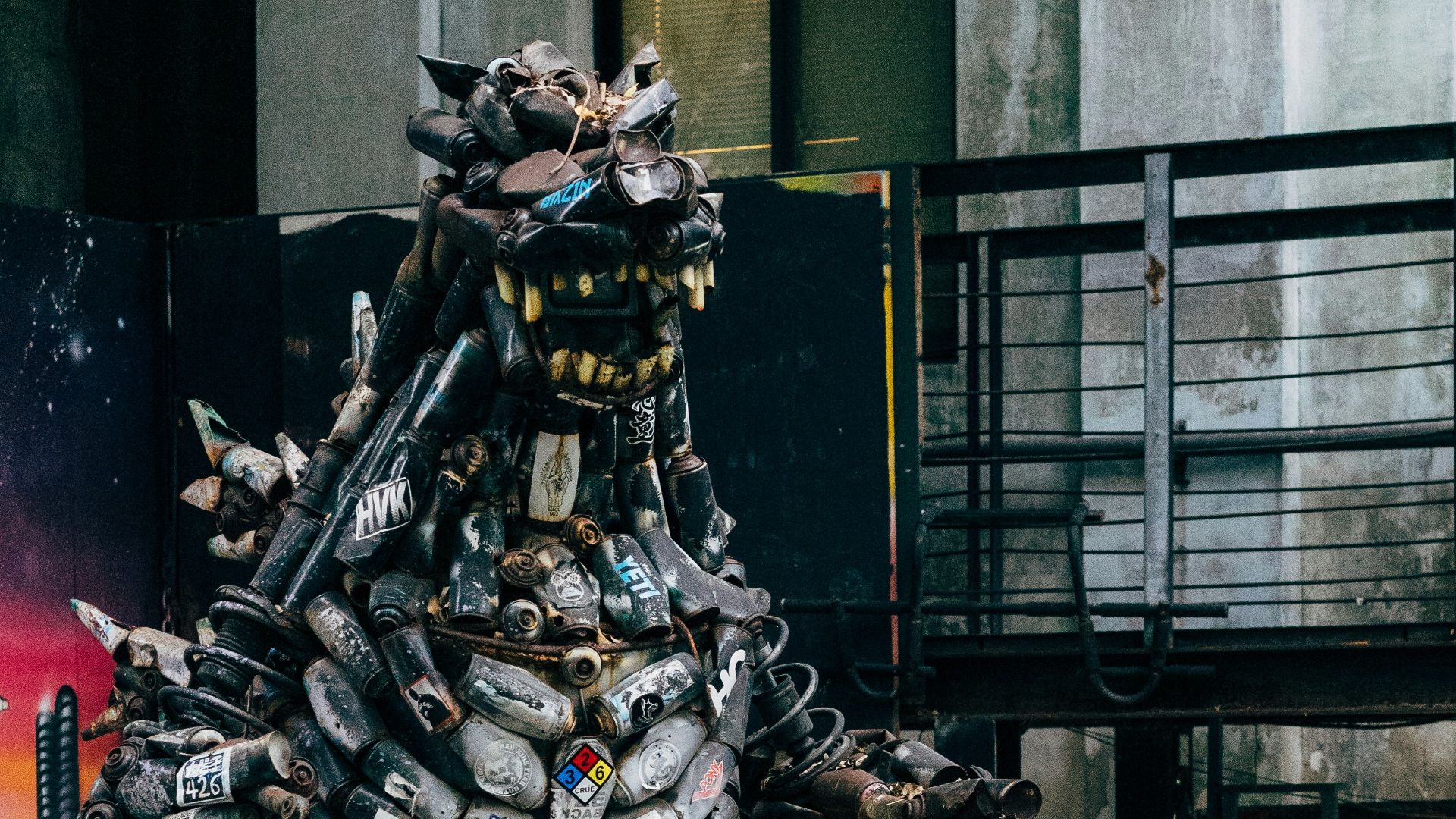
Believe it or not, Haruo Nakajima actually had to wear that itty-bitty theater-sized Godzilla suit while hopping around the set. Since it was made of hardened concrete and rubber, the temperatures inside were rumored to reach an astronomical 130 degrees Fahrenheit. Fun fact: that’s why the original Gojira looks like he’s perpetually sweating.
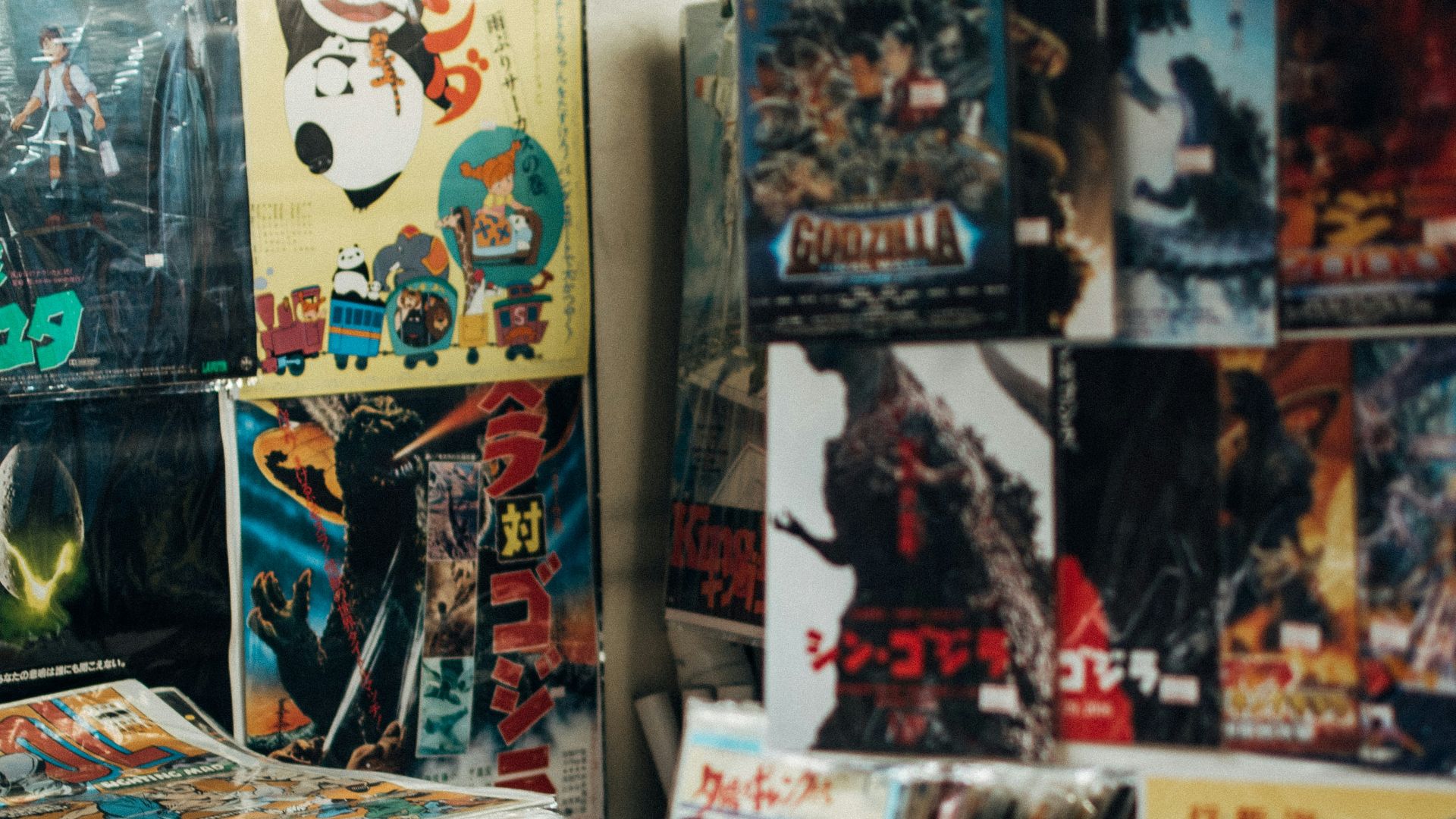
 Sebastian Herrmann on Unsplash
4. Godzilla Has an Oscar
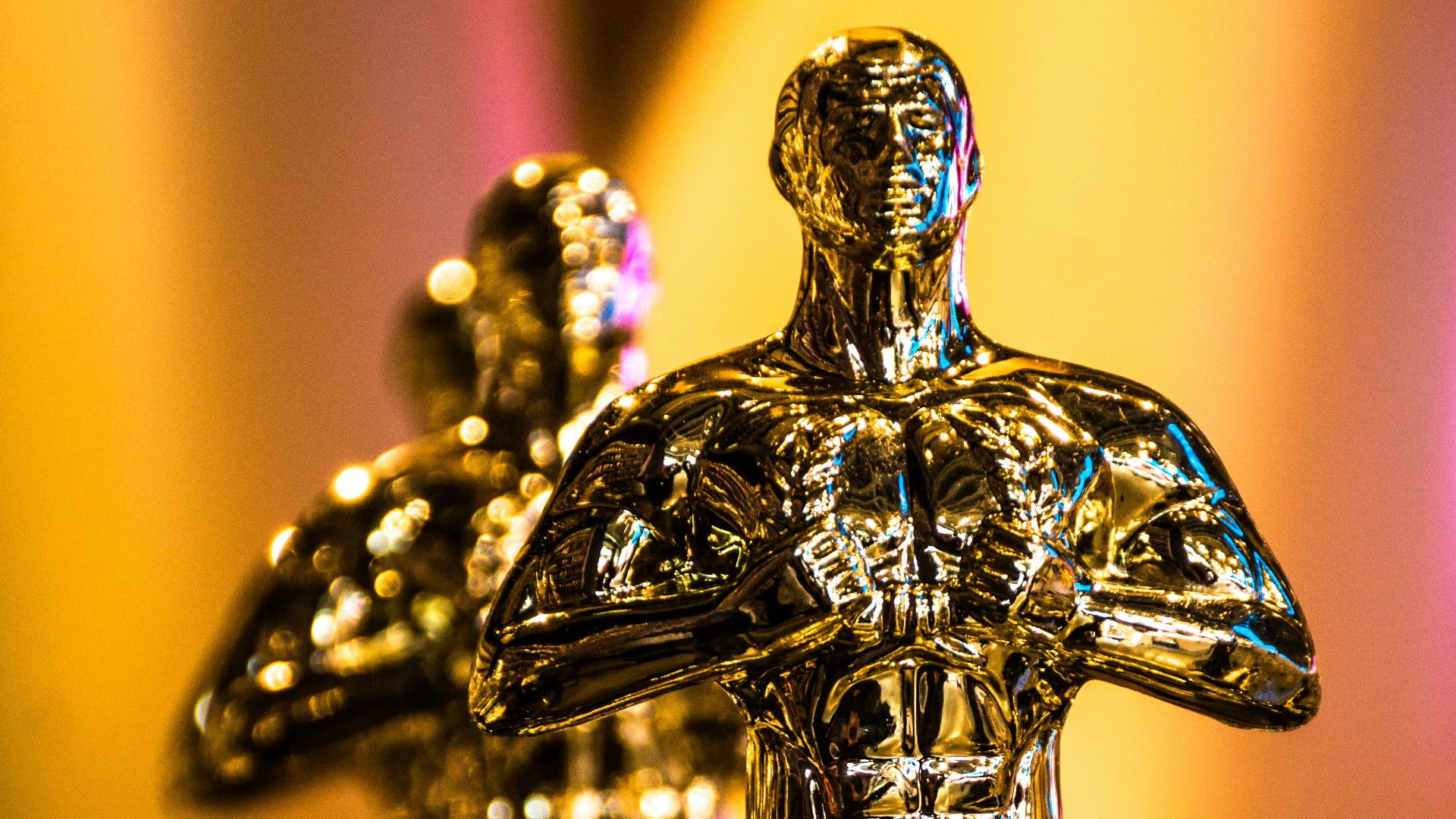
While it took several decades for the Academy to catch on, the franchise finally secured a win for Best Visual Effects with Godzilla Minus One. This was a historic moment because it marked the first time the King of the Monsters was recognized on such a prestigious global stage. Fans everywhere celebrated seeing the legendary character finally get the formal industry respect he deserves.
5. A Crossover with Marvel Comics
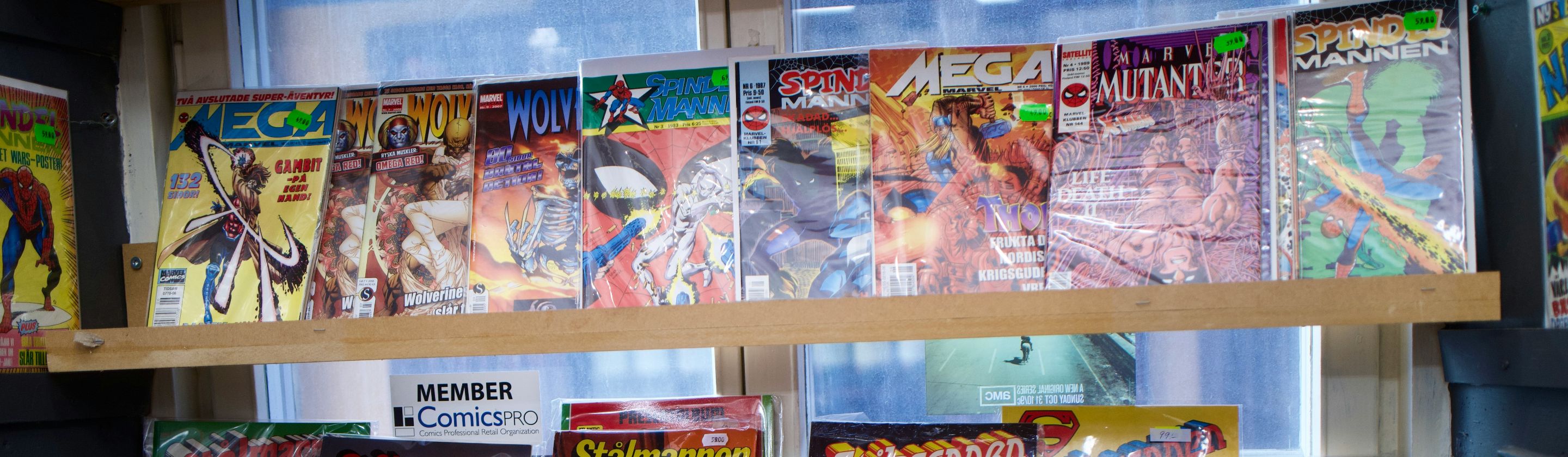
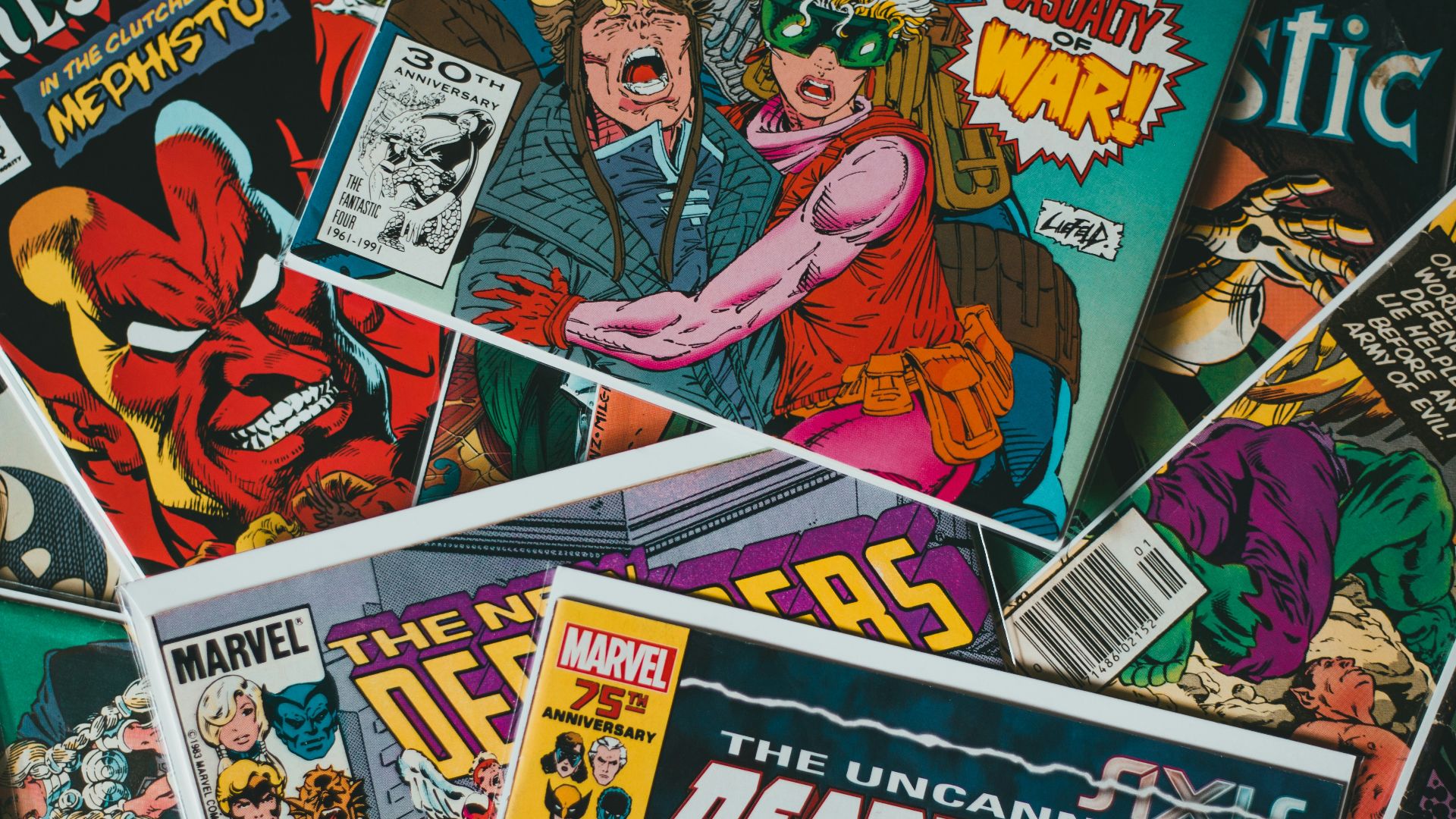
Yep, Japan’s favorite radioactive lizard showed up in America during the Spidey years to unleash destruction on New York City. Throughout the ’70s series, Godzilla met and fought characters like the Avengers and the Fantastic Four. It's a bizarre chapter in comic history.
6. The Original Skin Texture
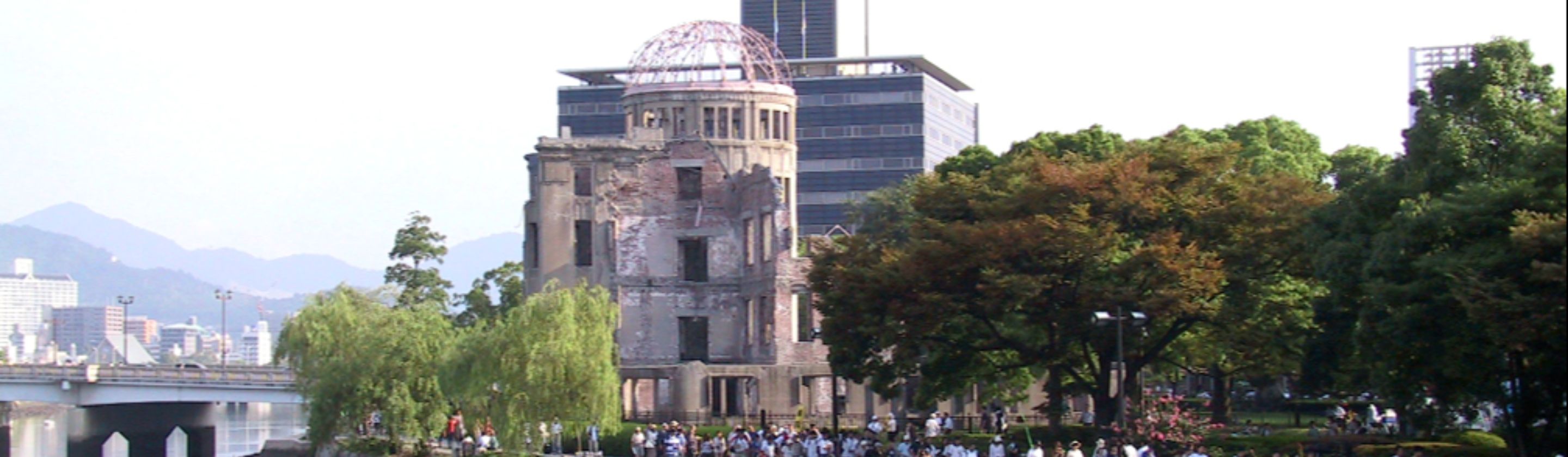
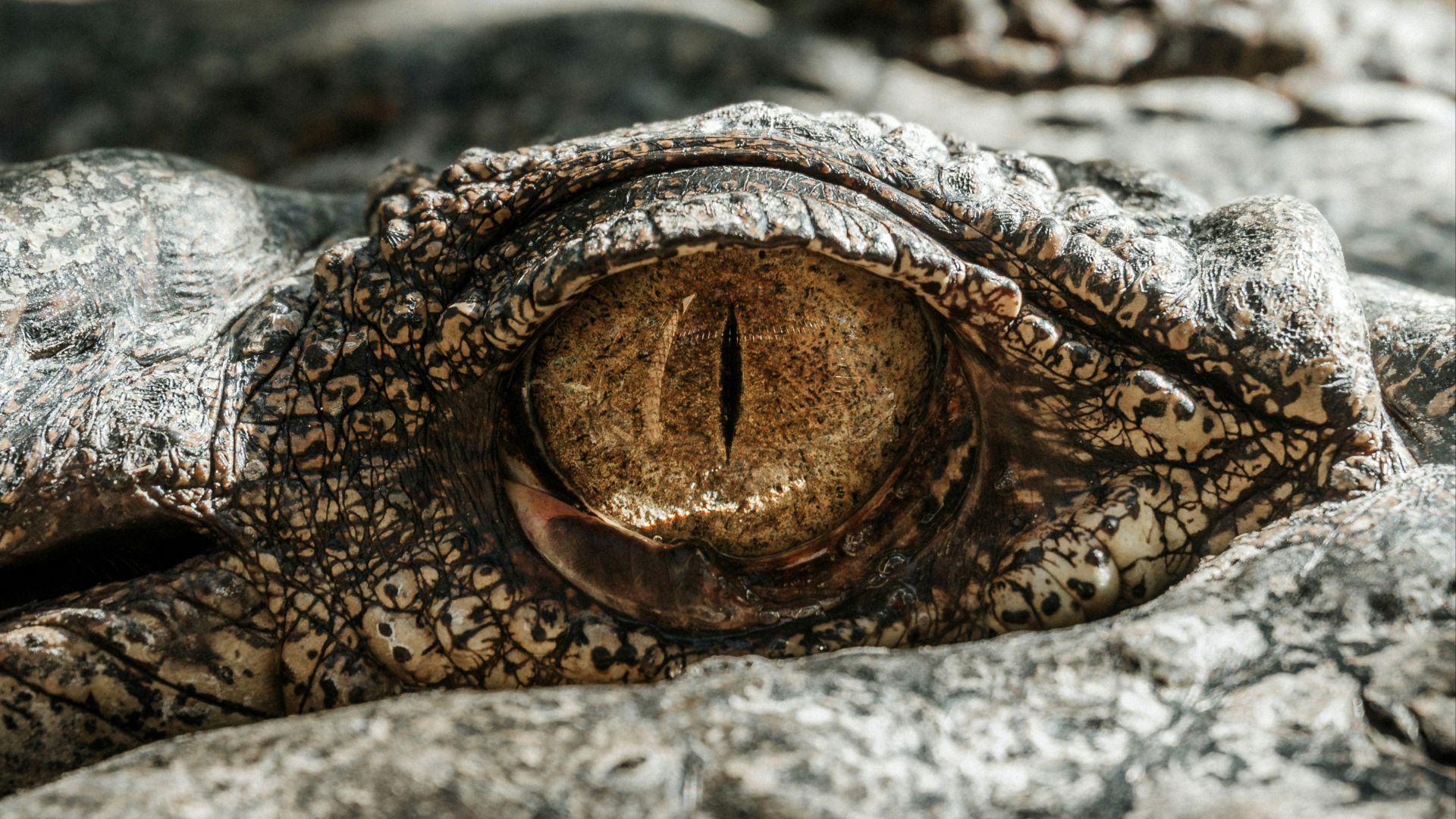
Gojira’s iconic design was inspired by the keloid scars you could see on Japanese civilians after the atomic bombings of Hiroshima and Nagasaki. In other words, it was an intended metaphor to remind audiences he was born out of nuclear attack hysteria. It’s a somber piece of trivia that adds a layer of tragic depth.
7. Shusuke Kaneko Reimagined the Origins
One iteration of Godzilla, played by Shusuke Kaneko, is powered by the souls of Japanese citizens who lost their lives during World War II. While inside the monster, they were attempting to take out the remaining members of the Allied Forces. Pretty soon, there will be more Godzillas than you can handle.
8. His Height Changes Constantly
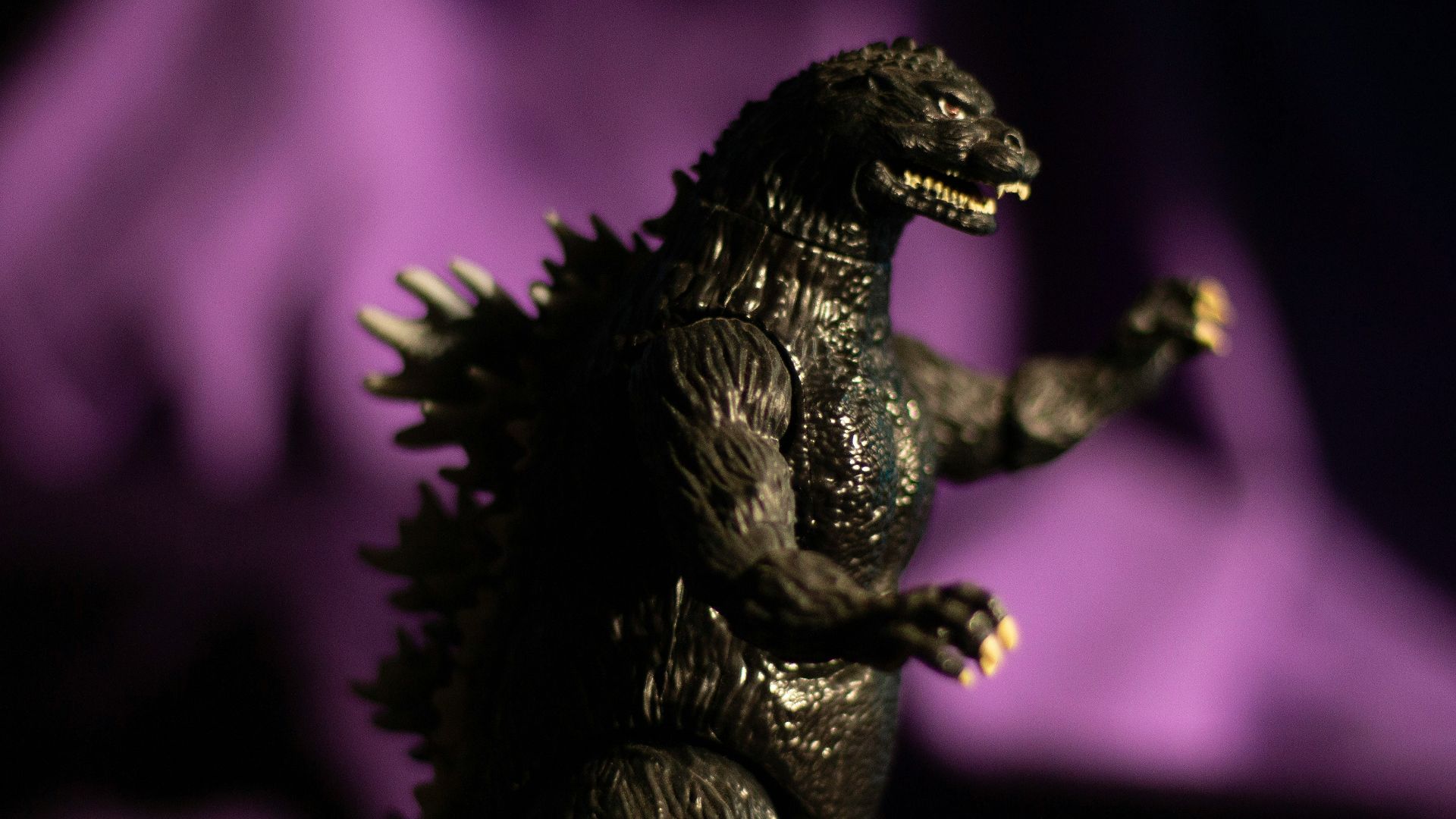
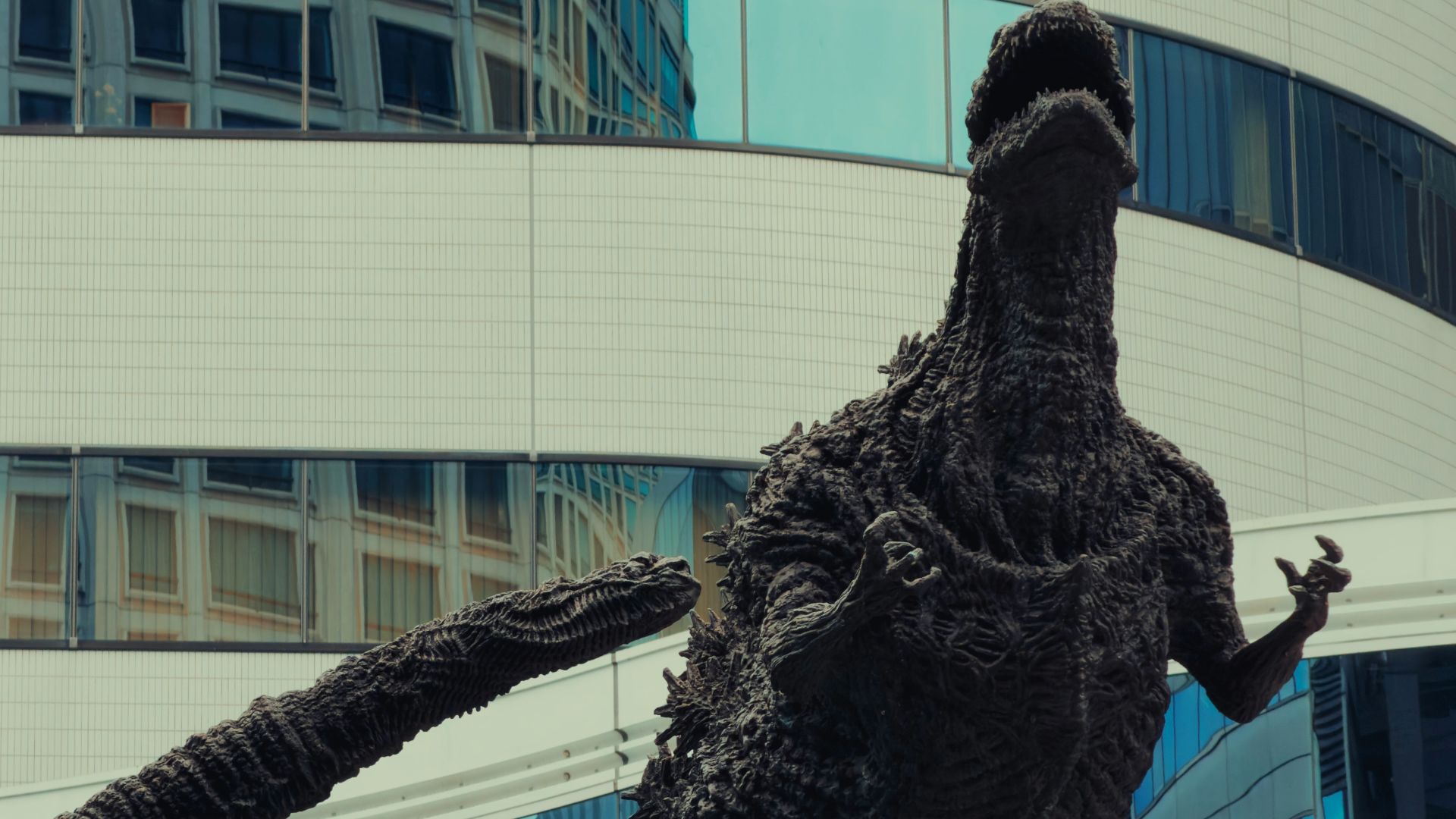
Dependent on the film’s setting, Gojira’s height can range from 50 meters all the way up to 350 meters tall in order to keep our big green friend proportionate with today’s architecture. The producers will frequently increase his size to make sure he can topple Tokyo’s latest skyscrapers.
9. The Lost Batman Crossover
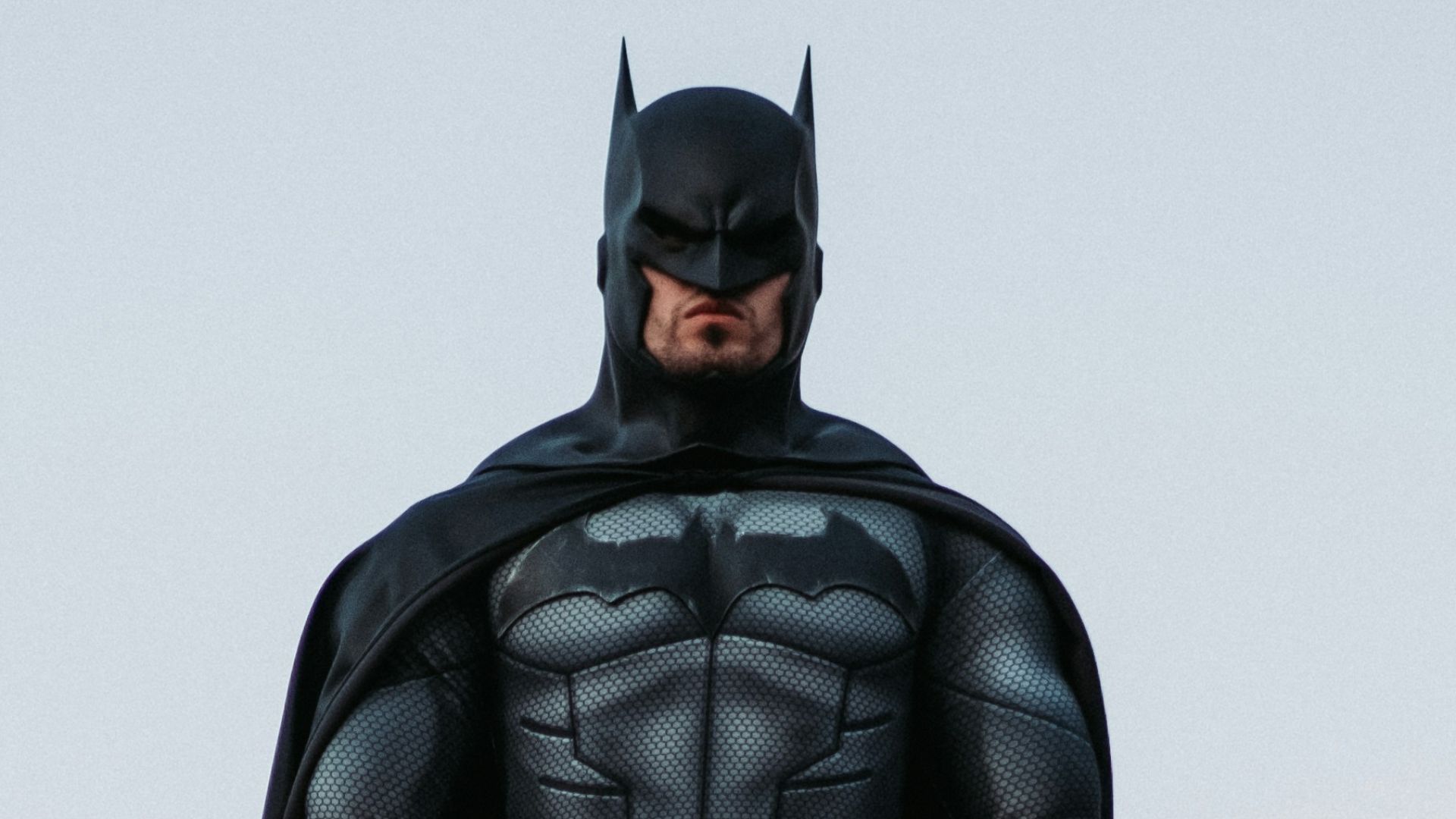
This almost happened. Toho and Warner Bros. were in early negotiations to get the caped crusader in an arena with Godzilla. Both companies were throwing around plot options involving world domination, weather-control devices, and even Batman using his technology against the monster.
10. Patrick Tatopoulos and the GINO Era
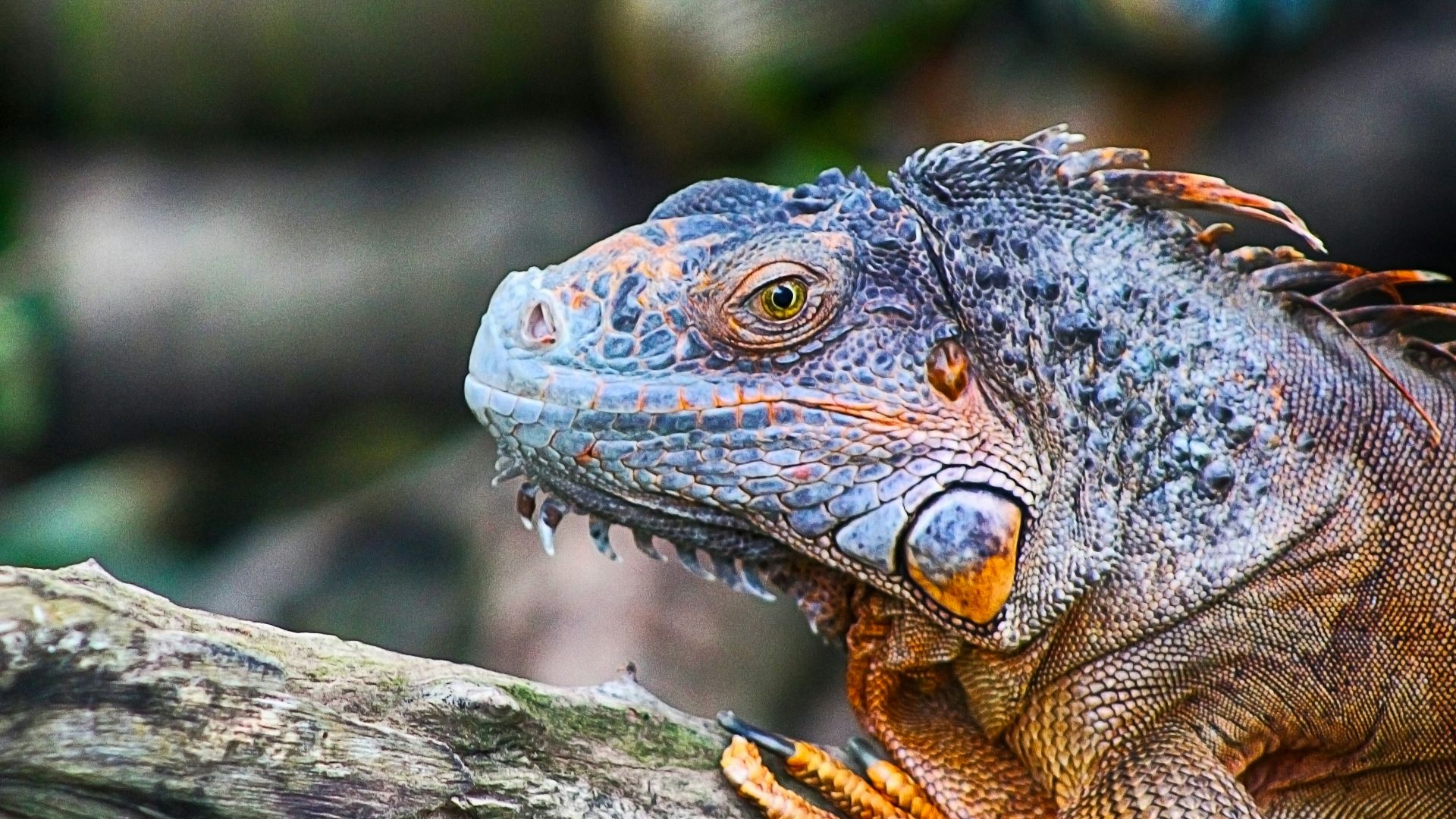
Many fans still boycott the 1998 Godzilla reboot because they feel the design is way too disproportionate. His official nickname is “GINO,” which stands for Godzilla In Name Only, while Toho unofficially recategorized this evolutionary branch as “Zilla.”
 Madhavan Lakshmikumar on Unsplash
11. Atomic Breath Colors Matter
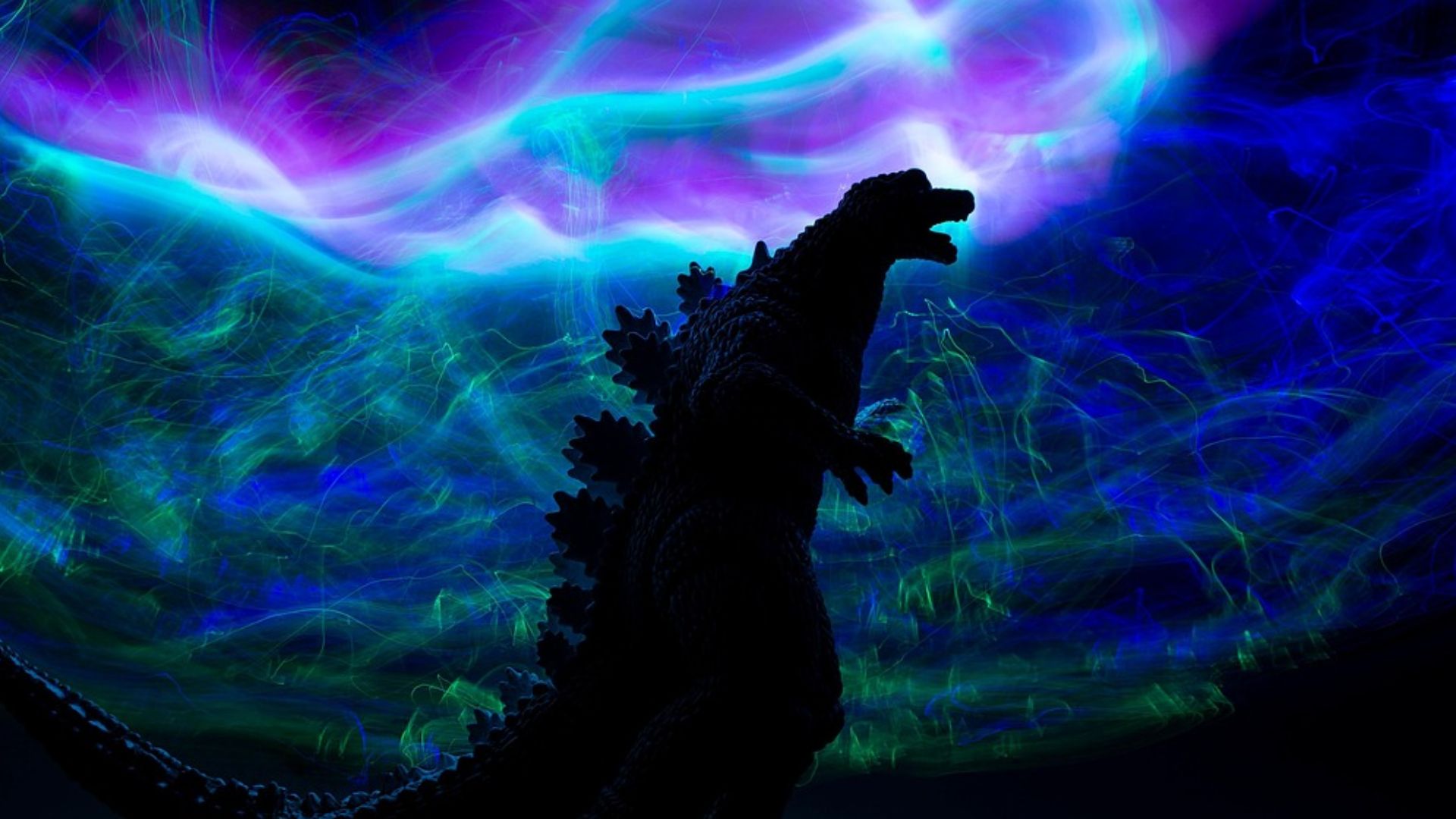
Godzilla’s atomic fire breath is typically blue, but if he starts blowing pink or orange flame, things are about to get REAL nuclear. For example, this can happen when his body heat becomes so great that his nuclear reactor is close to meltdown. Also, his breath changes color when he’s “Burning.”
12. The Suitmation Technique
“Suitmation” is a technique where trained actors are placed inside ultrasensitive monster costumes and perform on hyper-detailed miniature sets. This unique filming style made Japan’s “tokusatsu” genre famous but didn’t exactly translate over well with Western audiences. Hint: real fans know the difference.
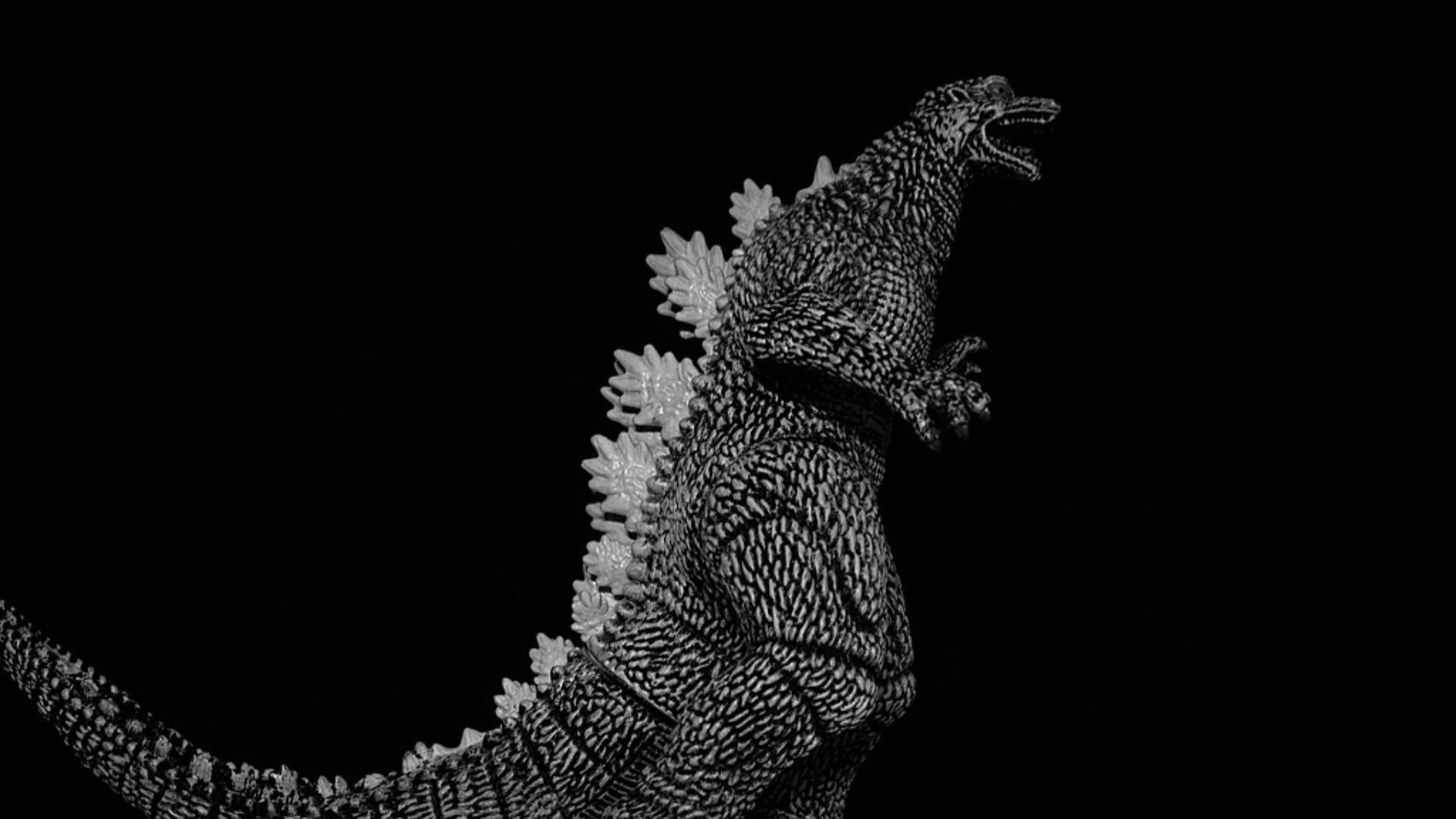
13. He Has a Star on the Walk of Fame
In 2004, to coincide with his fiftieth anniversary, the King of the Monsters received his very own star on the Hollywood Walk of Fame. He joined the ranks of other fictional icons like Mickey Mouse and Kermit the Frog who have been honored for their cultural impact. It's a cool milestone that proves he is just as much an American pop culture icon as a Japanese one.
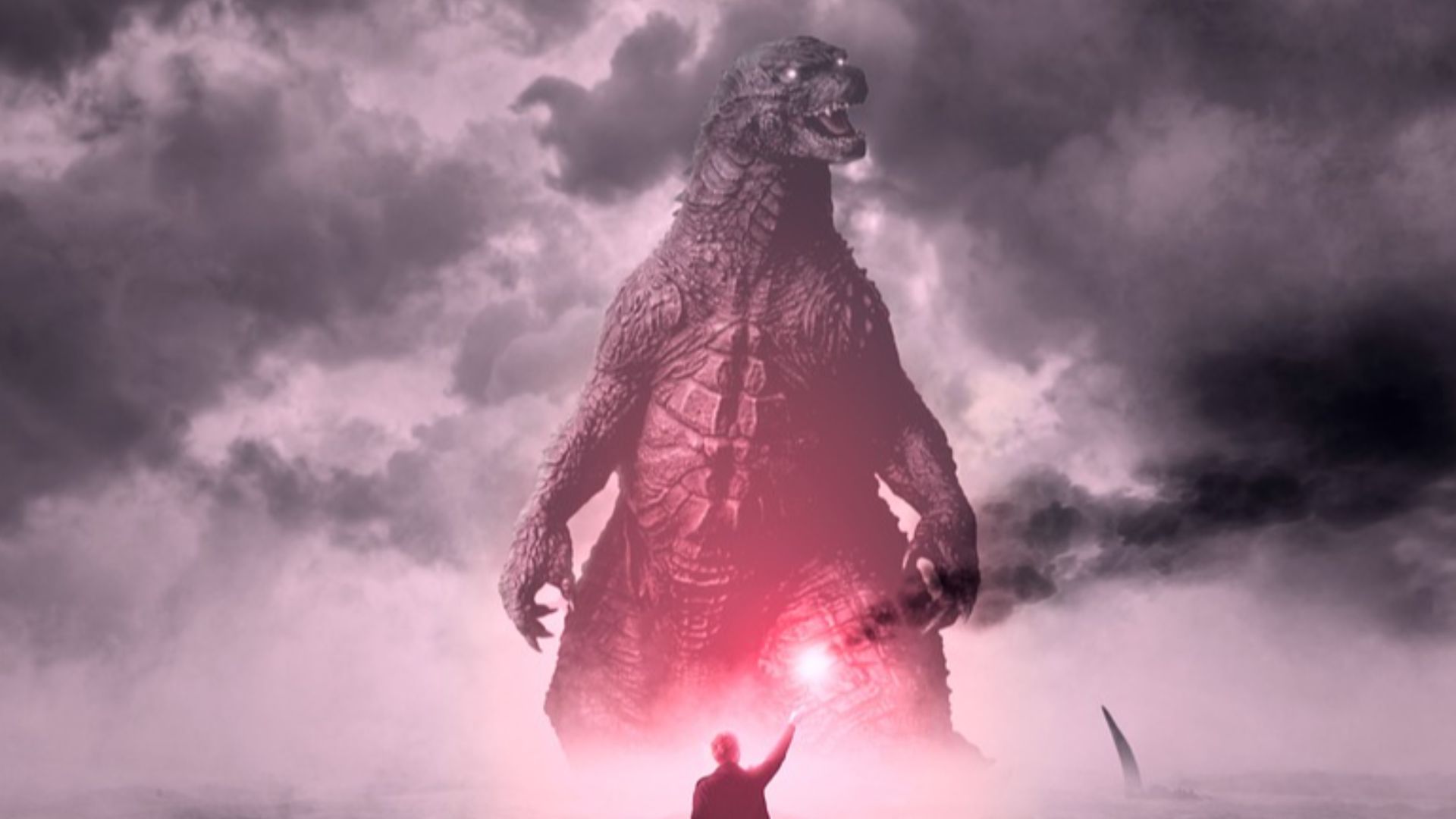
14. The Species Has a Name
According to movies from the Heisei period, Godzilla is actually part of an ancient dinosaur species called Godzillasaurus, which used to roam freely throughout Lagos Island. Somehow, after Godzilla was exposed to the nuclear testing of an H-bomb, he transformed into the monster we know today.
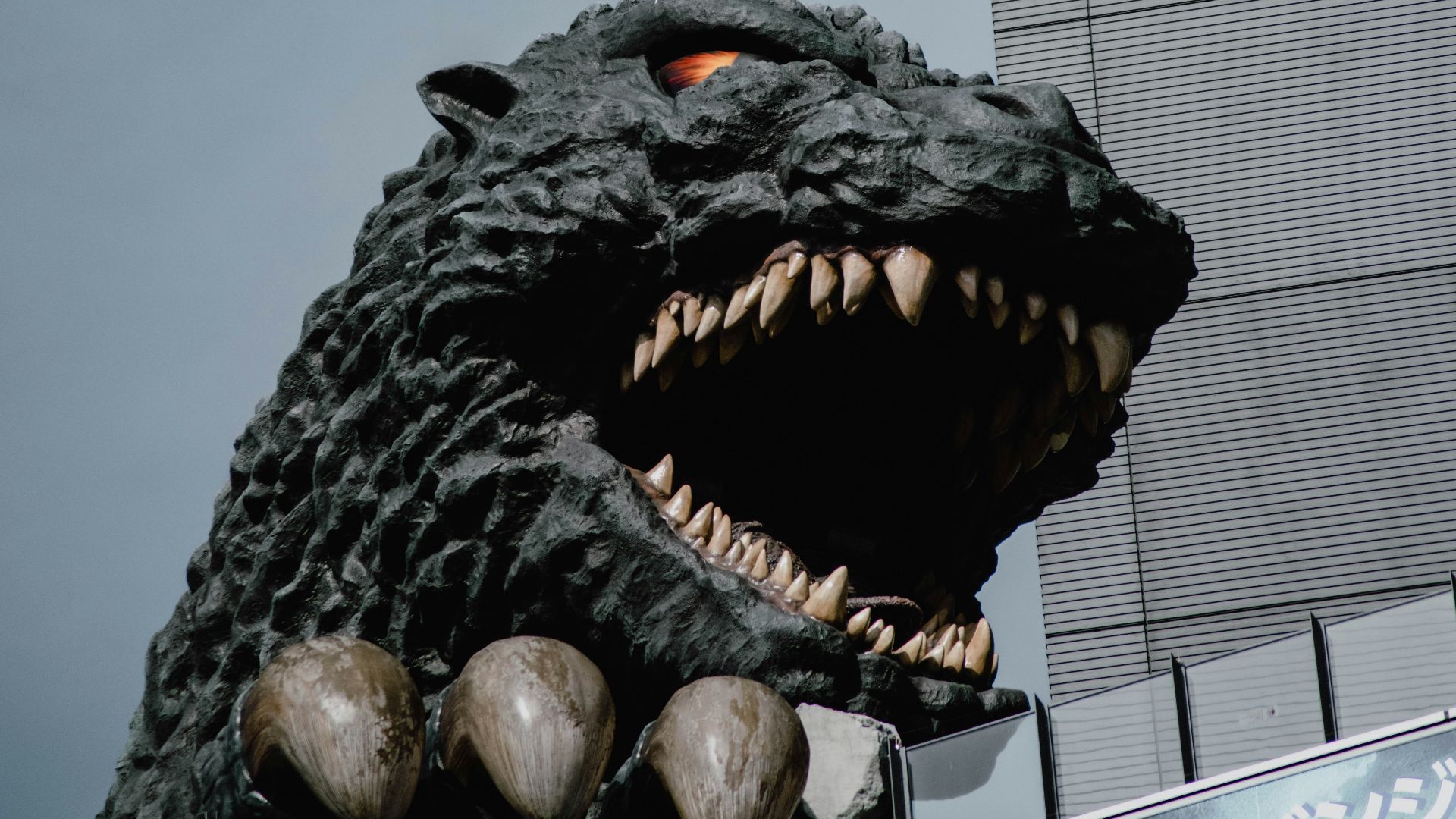 Mohamed Jamil Latrach on Unsplash
15. The Infamous Tail Slide
One of the most debated moments in the franchise occurs in Godzilla vs. Megalon when the monster defies physics to deliver a flying kick. He props himself up on his tail and slides across the ground to strike his opponent with both feet. While some people find it too silly, hardcore fans often embrace it.
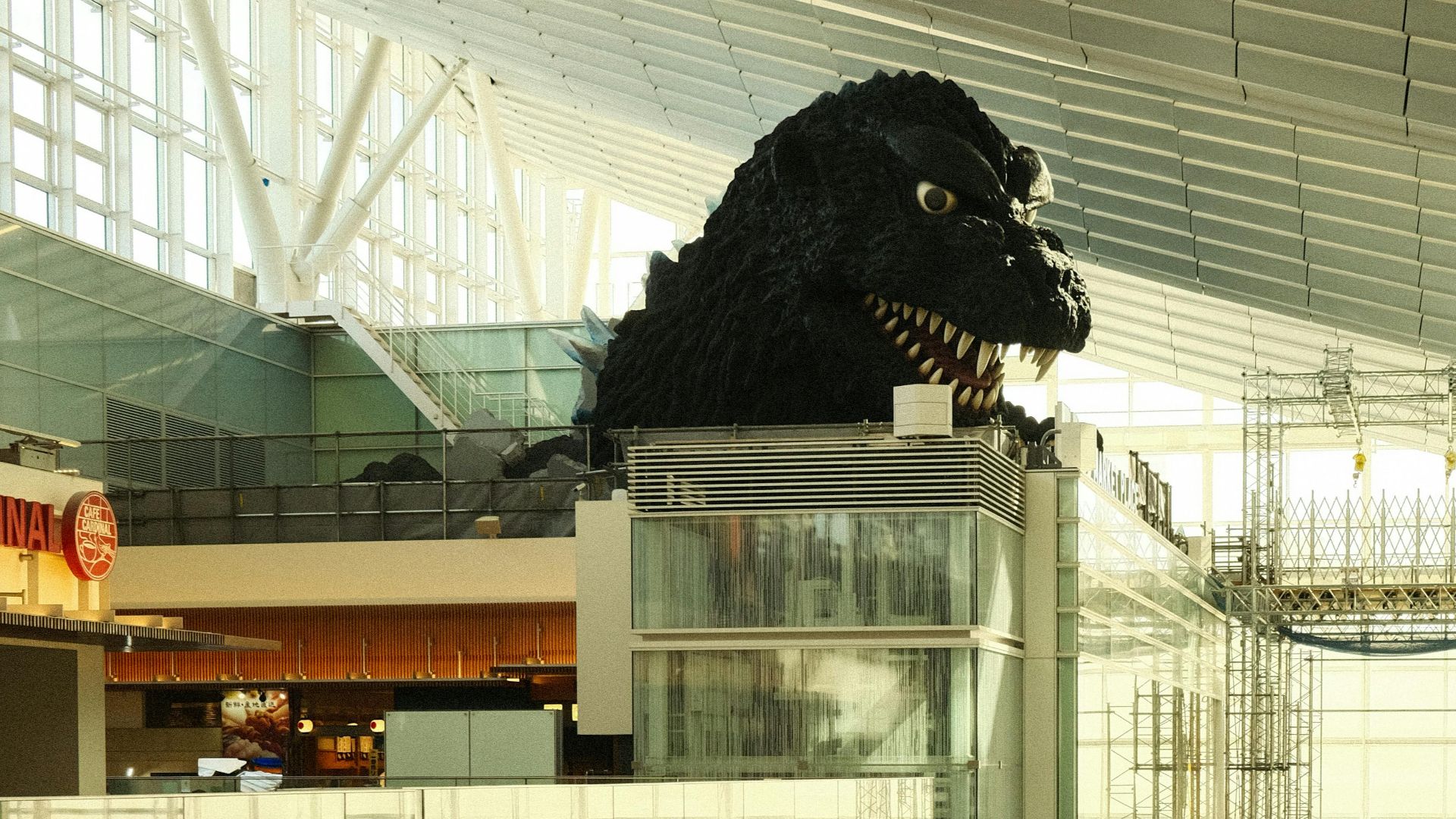
16. George Lucas and the Inspiration
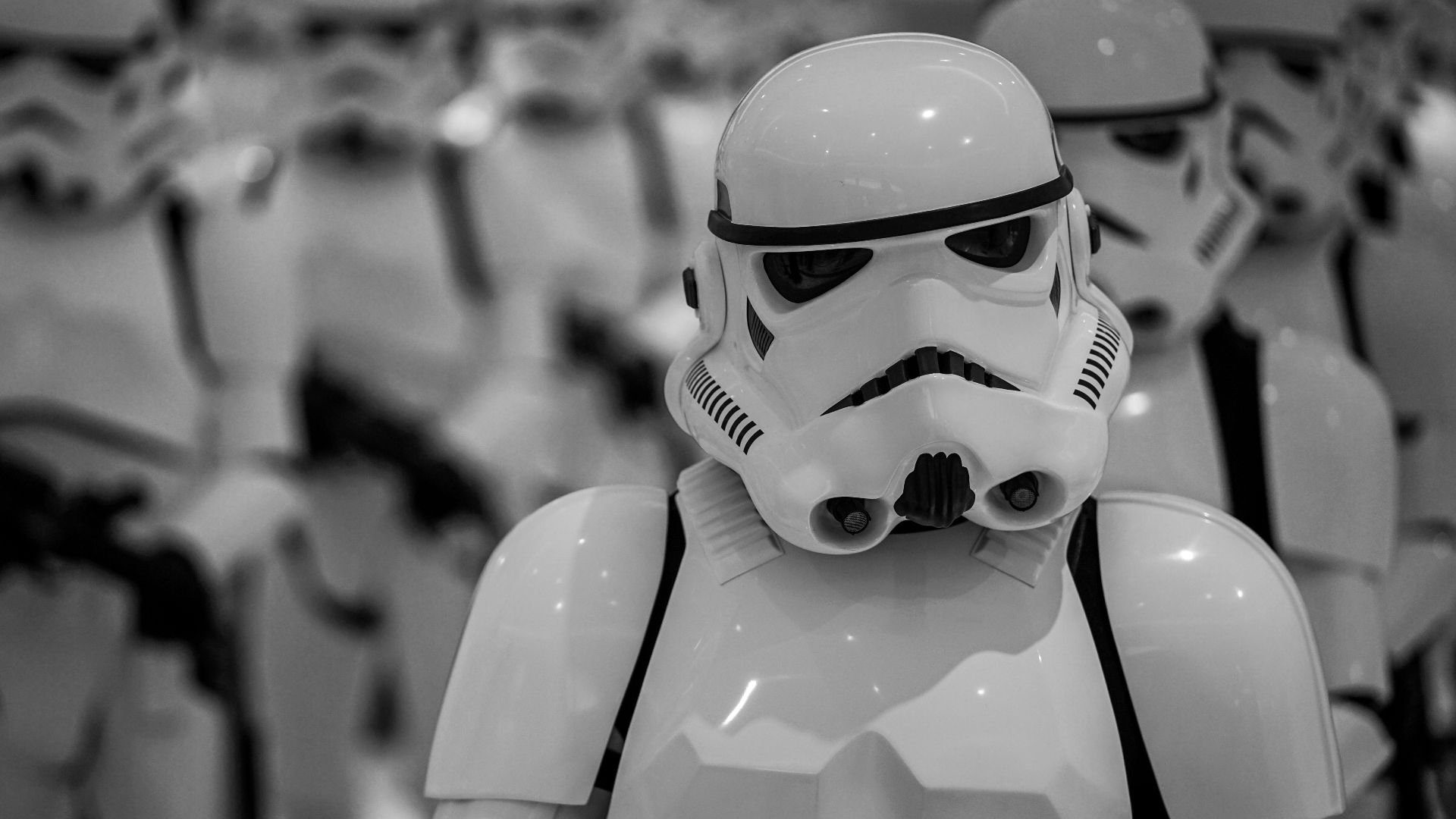
Filmmaker George Lucas has gone on record saying he was inspired by the low-budget techniques used in Godzilla when he was younger. Specifically, the way Toho would employ fast-motion cameras to make lightweight objects appear heavier than they actually were. That explains his obsession with monsters.
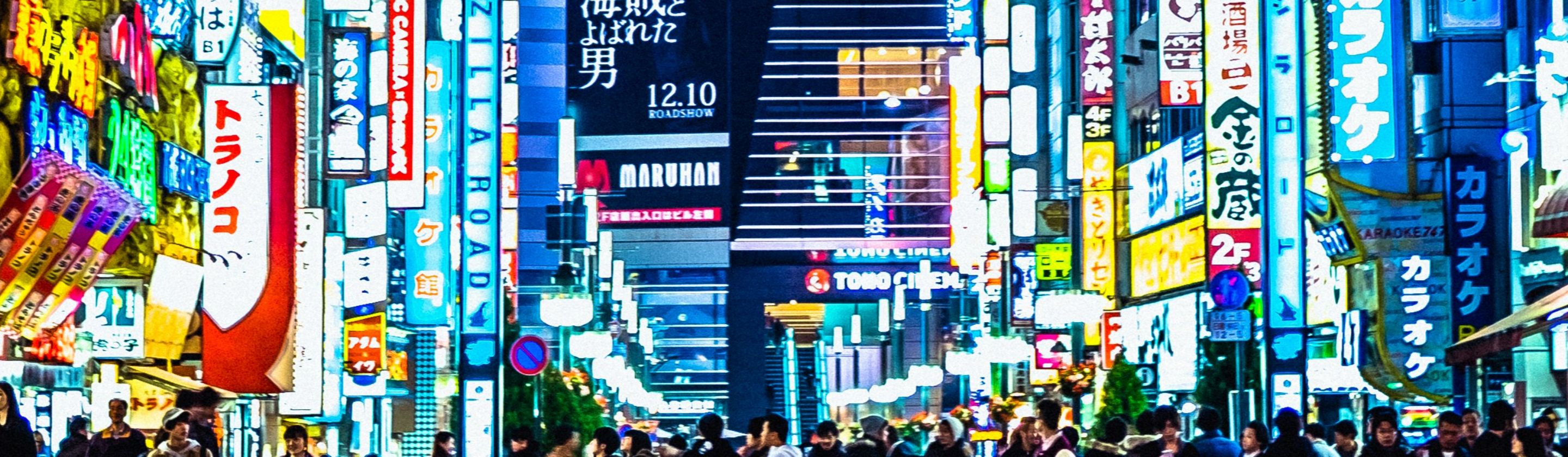
 Agnieszka Stankiewicz on Unsplash
17. The Heart of the Monster
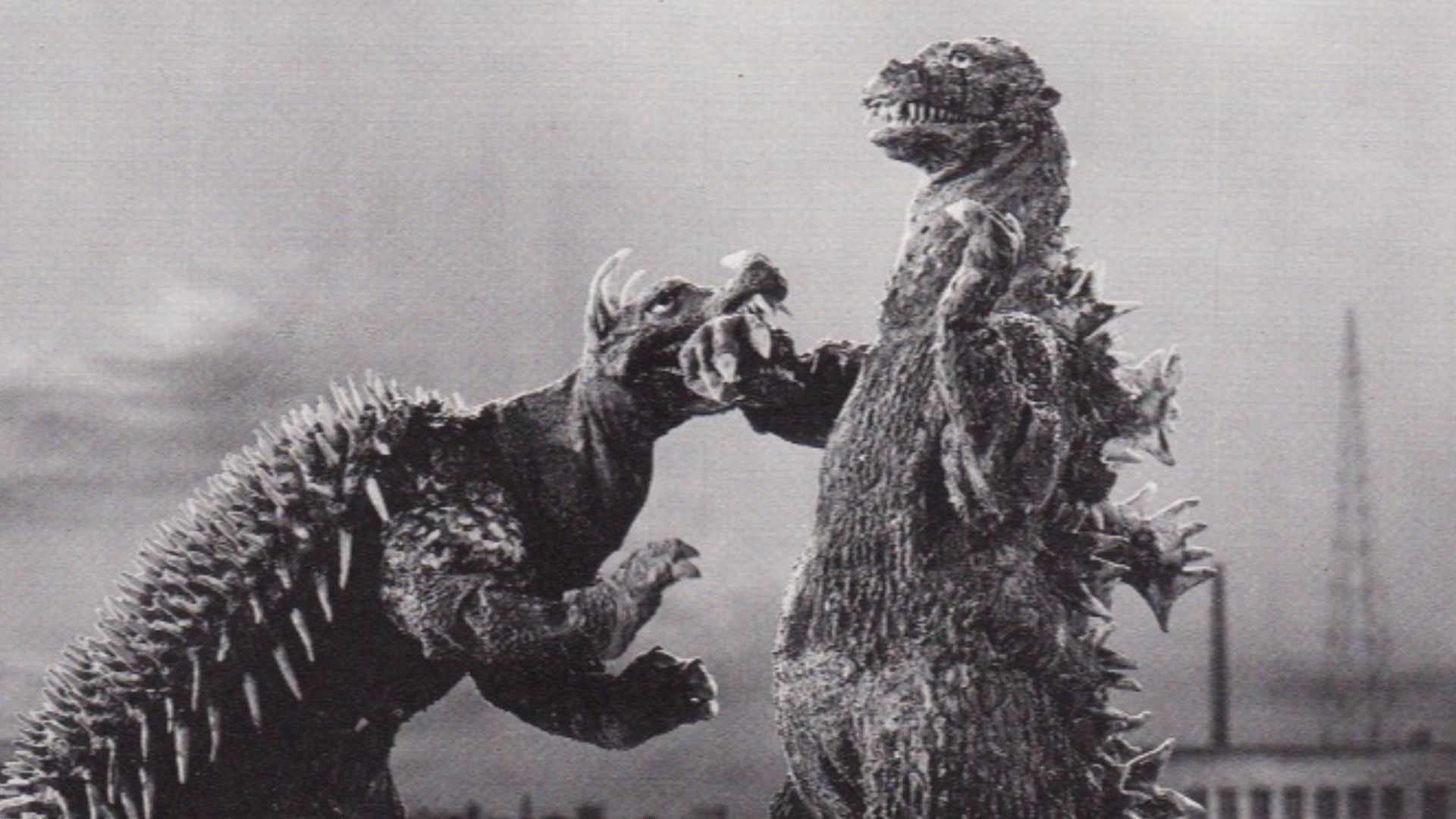
In the 2001 film directed by Kaneko, the monster is so resilient that the very last shot shows his disembodied heart beating on the ocean floor. This implies that as long as a single piece of him remains, he can eventually regenerate and return to wreak havoc. It’s a chilling ending that suggests the cycle of destruction can never truly be broken.
 Toho Company Ltd. on Wikimedia
18. The Nike Commercial Duel
In the nineties, Nike produced a Godzilla commercial where he challenged Charles Barkley to one-on-one basketball. This crossover event was so popular, they made a comic book series about it. In the comics, Charles and Godzilla actually fight through California until…
19. Godzilla’s Son is Controversial
Minilla, the first "Son of Godzilla," is often a polarizing figure among the fanbase because of his goofy appearance and smoke-ring breath. He was introduced to make the films more appealing to young children. You'll find that people either find him adorable or wish he’d stayed on Monster Island forever.
 Toho Company Ltd. (東宝株式会社) on Wikimedia
20. The Voice of the Monster
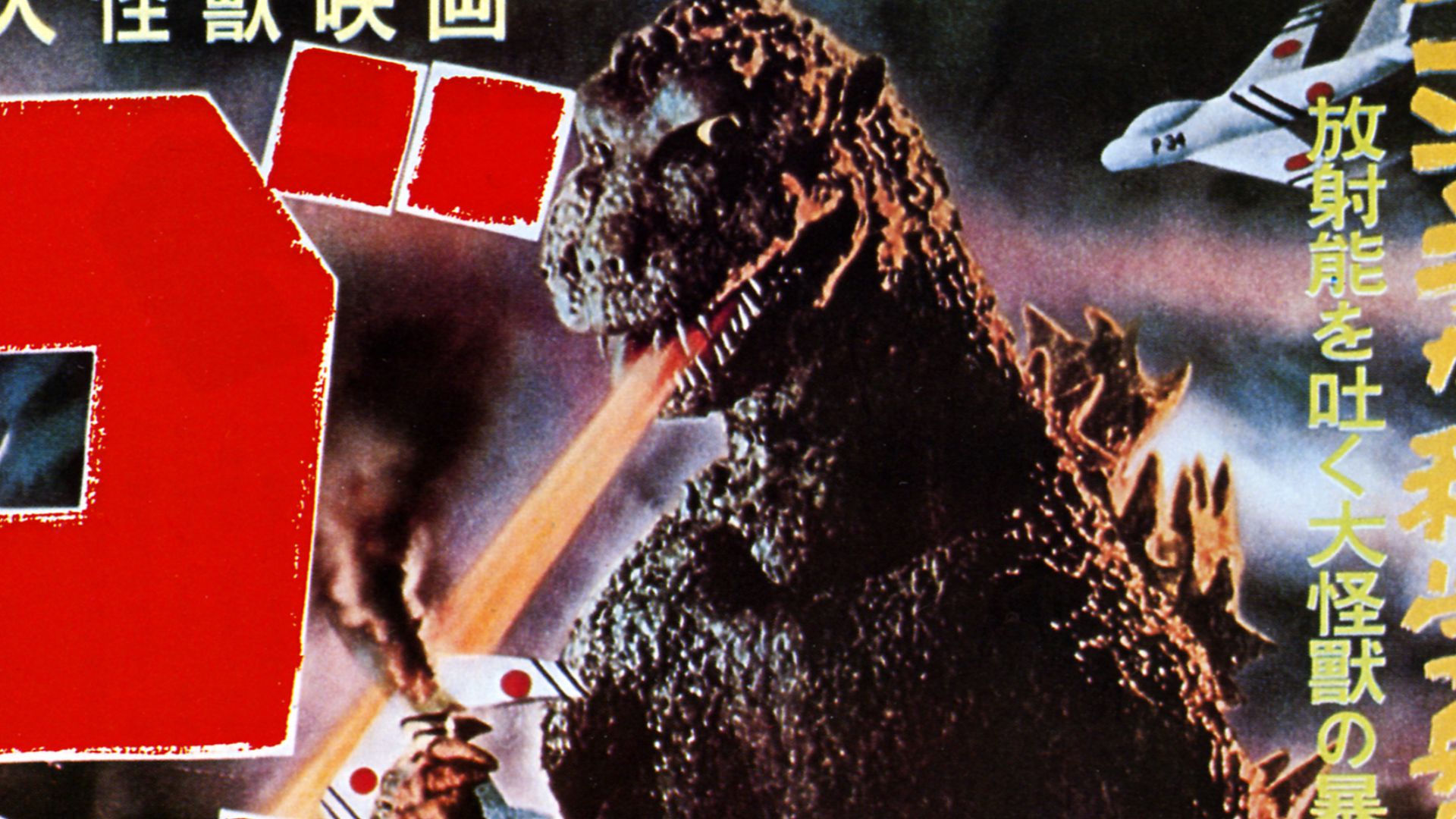
In the 1954 film, the monster didn't have a human voice, but in the English dub of Godzilla vs. Gigan, he actually talks to his monster ally. He uses a weird, scratchy speech bubble to communicate plans, which is something the series almost never repeated. This rare moment of monster-to-monster dialogue is a true piece of rare trivia.