10 Phenomenal Bethesda Video Games & 10 That Never Went Anywhere
Bethesda Has a Loyal Following, But Not For Everything
Rockstar and Sony often get the loudest credit for making games that stick with you long after the credits roll, but Bethesda has its own little following that we ought to pay more attention to. Over the years, the company has been tied to some of the most talked-about releases in modern gaming, and fans still talk about them to this day. But, like so many successful developers, they also had a few duds that fell by the wayside. Today, we’re here to explore both sides of the coin!
 Philip Terry Graham on Wikimedia
1. The Elder Scrolls V: Skyrim
Even if you don’t game, Skyrim became a phenomenon of its own. It gave players a huge fantasy world that felt inviting, dangerous, and endlessly explorable. You could ignore the main quest for hours and still stumble into side stories and towns that felt like they had their own rhythm. That’s exactly why we keep playing!
 Clastr Cloud Gaming on Unsplash
2. Fallout 3
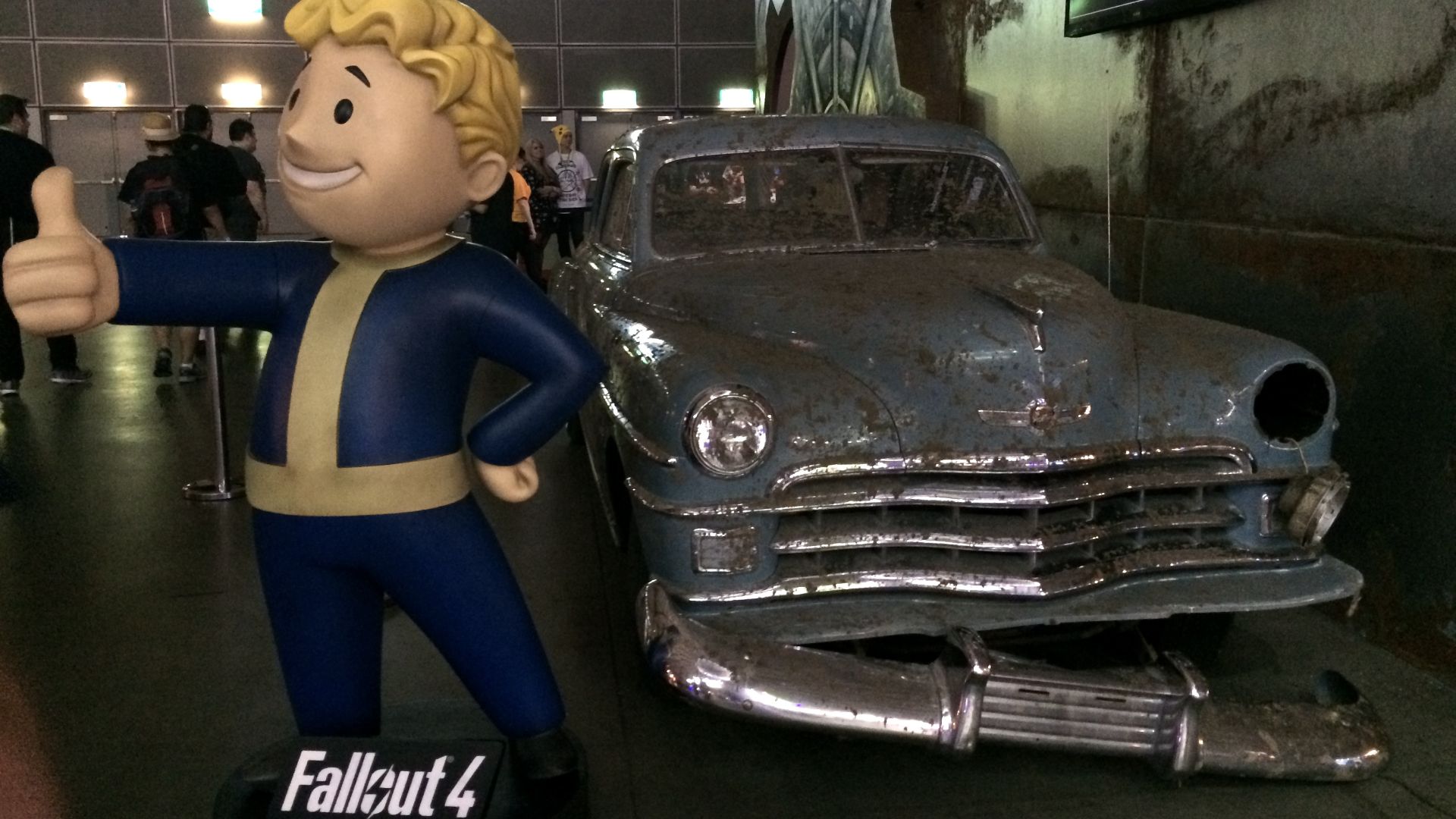
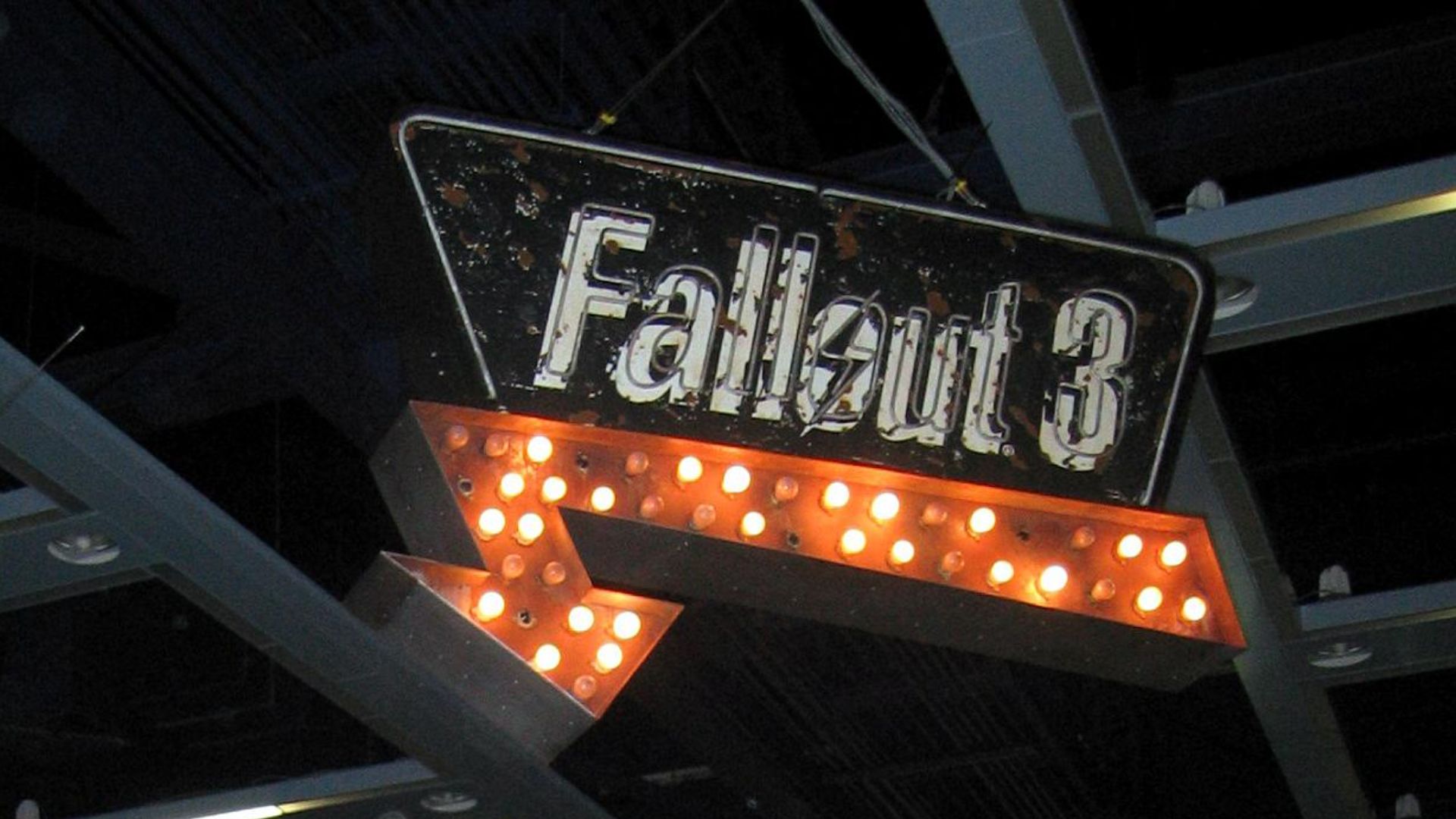
Fallout 3 basically changed the name of the game, bringing the series into a fully realized 3D wasteland. Walking out of Vault 101 for the first time is still one of the most celebrated moments in Bethesda history, and people connected with it almost immediately.
 Derek Springer from Los Angeles, CA, USA on Wikimedia
3. The Elder Scrolls IV: Oblivion
Oh, we’re not done with The Elder Scrolls. Strike while the iron’s hot, right? Oblivion had a brighter fantasy setting, a stirring sense of adventure, and quest lines that were far more creative than players expected. What made the game so beloved was how easily it pulled us into Cyrodiil and made us never want to leave.
 ainudil from Stockholm, Sweden on Wikimedia
4. The Elder Scrolls III: Morrowind
You wouldn’t think that they could keep cranking out winners from the same series, but Morrowind didn’t try to smooth out every edge or make its world feel familiar. Vvardenfell was strange and full of culture, which gave the game a personality that still feels distinct even now.

5. Fallout 4
Fallout 4 rightfully earned a huge following by making moment-to-moment gameplay feel more satisfying than ever before in the series. It answered just about every prayer: the shooting was sharper, the world was fun to roam, and the crafting systems gave players more control.
 Sergey Galyonkin from Nicosia, Cyprus on Wikimedia
6. Fallout 76
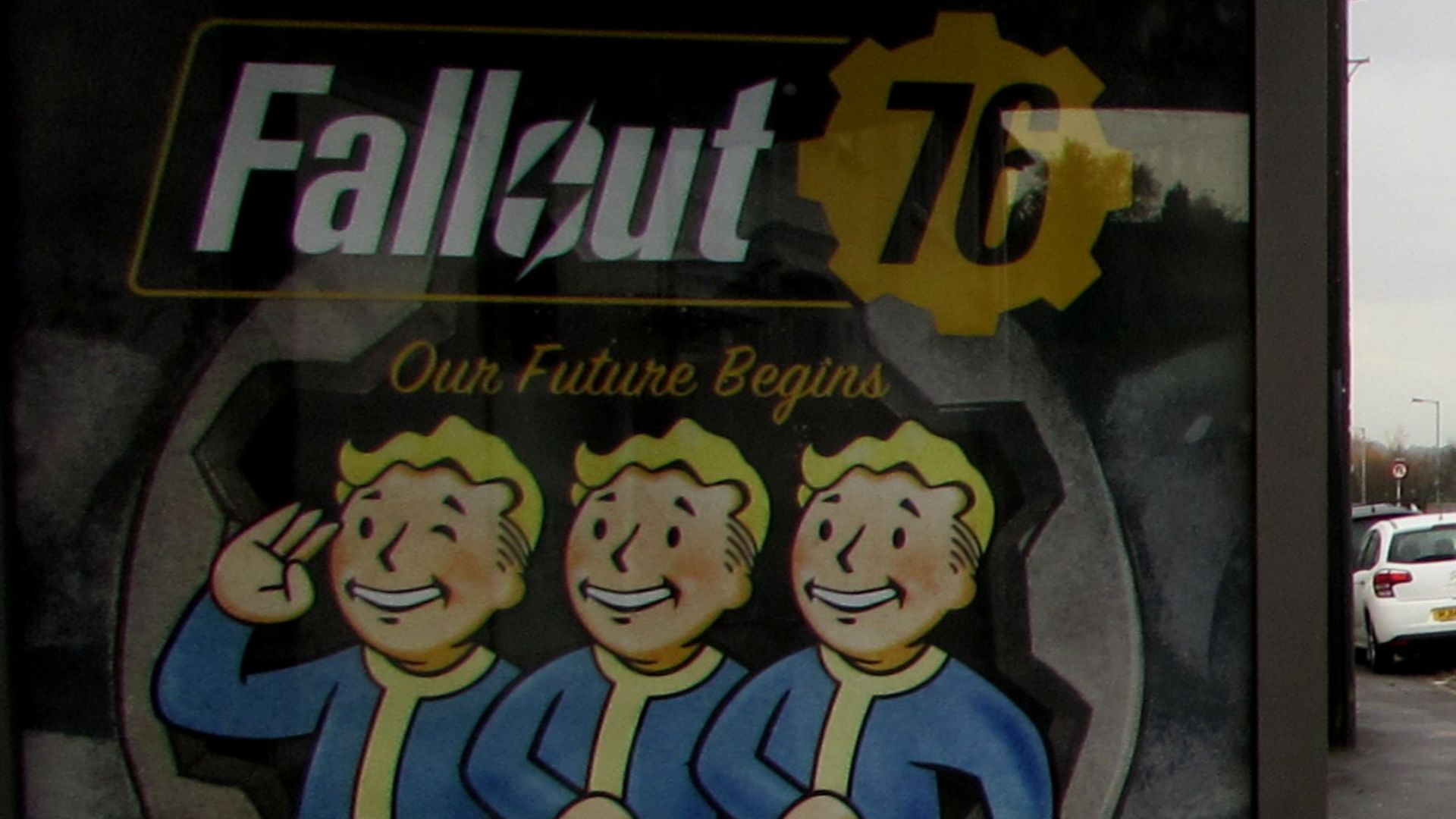
We’ll admit that Fallout 76 had a difficult launch, but a lot of players actually grew attached once the updates gave the world more life. Appalachia became one of Bethesda’s most visually appealing settings, and the multiplayer aspect only added a new element that fans embraced.
7. The Elder Scrolls II: Daggerfall
Daggerfall brought an impressive scale that’s still ambitious even by modern standards—and that’s why no one forgot about it. The game not only offered an enormous world, but gamers scored deeper character customization and a level of freedom that made each playthrough feel totally different.

8. The Elder Scrolls: Arena
Say what you want about it, but Arena laid the groundwork for one of Bethesda’s most important franchises. While later Elder Scrolls installations became more refined, the first entry showed the studio’s interest in player freedom and large-scale adventure. If anything, longtime fans still sing its praises.

9. The Elder Scrolls Adventures: Redguard
Redguard took a different path from the more open-ended Elder Scrolls games, and that was the exact change that helped it stand out in the early catalog. Its stronger focus on story and hand-crafted design gave everyone a different side of the universe to enjoy, and just about everyone enjoyed how confident it feels stacked against broader role-playing entries.

10. The Elder Scrolls Travels: Shadowkey
Okay, sure, Shadowkey is a much smaller title, but it still showed just how well the studio could experiment with The Elder Scrolls. Released for the N-Gage, it obviously never had the reach of the biggest games, but fans who know it remember it as an interesting oddity and not just some throwaway release.

All that said, some of Bethesda’s quieter releases never built much momentum at all, even if they deserved to climb the charts. Let’s dive into a few titles that never had wings to fly.
1. The Elder Scrolls: Blades
Don’t just assume that anything slapped with The Elder Scrolls label will thrive! Blades had the advantage of a major name, but it never became essential material. Its structure was too narrow, and the mobile-first design limited the sense of freedom. The reality was that the overall experience lacked the scale we wanted from the series.

2. The Terminator: Future Shock
Future Shock had ambition; we’ll give it that. But it still never became a breakout title. The game earned some respect for its early 3D action, though it didn’t develop the kind of wider following that would turn it into a lasting favorite. Most players remember it, if at all, as an interesting early step rather than a long-lasting legacy.

3. The Terminator: SkyNET
Well, when one fails, the other is bound to follow, and sure enough, SkyNET tried to build on Future Shock’s formula without any time in the spotlight. While it improved on the earlier game in some areas, it couldn’t pull itself from its niche lane, and it just wasn’t widely celebrated.

4. The Elder Scrolls Legends: Battlespire
Battlespire lives in an awkward spot in Bethesda’s history. The biggest issue was that it was connected to The Elder Scrolls without delivering what fans wanted from the series. The game leaned into a more confined and combat-heavy structure, and we got a less inviting adventure because of it.

5. The Elder Scrolls Travels: Stormhold
Stormhold was another side project that struggled to get off the ground, mainly because its format limited who would ever bother with it. A mobile spin-off in the early era of phone gaming was never likely to create major enthusiasm, and this installation provided it.
 Jesús Alejandro Páramo Alvarado on Unsplash
6. The Elder Scrolls Travels: Dawnstar
Unfortunately, Dawnstar had the same basic issue as other Elder Scrolls Travels games: a recognizable name without offering an important experience. Those pesky platform restrictions kept it from generating any real attention, even among players who usually keep up with Bethesda’s catalog.

7. The Elder Scrolls Travels: Oblivion
You’d think the mobile version of Oblivion would’ve been a slam dunk, but it never captured the appeal of the full game, and that gap left it on the sidelines. Instead of feeling like a must-play companion, it really just read as a novelty tied to a much bigger and better-known release—and fans don’t appreciate piggybacking.

8. IHRA Drag Racing Sportsman Edition
You know, this game sits so far outside what most people associate with Bethesda that that alone made it a forgotten detour. It lacked the identity, scale, and fan attachment that would later define the studio’s biggest titles, and looking back, this rinky-dink title was more like a footnote than a proper game.

9. The Terminator: Rampage
The Terminator: Rampage may be a Bethesda-developed game, but it didn’t become one of the studio’s defining releases. Its first-person action had some sparkle to it, and while we appreciate the ambition, it also lacked the broader appeal needed to keep us talking about it.

10. Wayne Gretzky Hockey
You have two things people loved at the time in one title: hockey and one of its shining stars. And yet, Wayne Gretzky Hockey didn’t leave much of a lasting imprint compared with bigger names in the genre. The more we think about it, the more we realize this was just an obscure early release rather than a true momentum-builder.