10 Marvel Teams Better Than the Avengers & 10 That Never Worked
Not Every Team Needs an “Avengers Assemble”
The Avengers may be Earth’s Mightiest Heroes, but Marvel has created plenty of other teams that are more united, more specialized, or simply more entertaining to watch. Some groups feel like genuine families, while others possess exactly the right powers for the threats they regularly face. Marvel has also assembled several rosters that were doomed by poor leadership, clashing personalities, or ideas that sounded better in a conference room. Here are 10 teams that can outshine the Avengers in their strongest areas and 10 that never quite figured out how to work together.
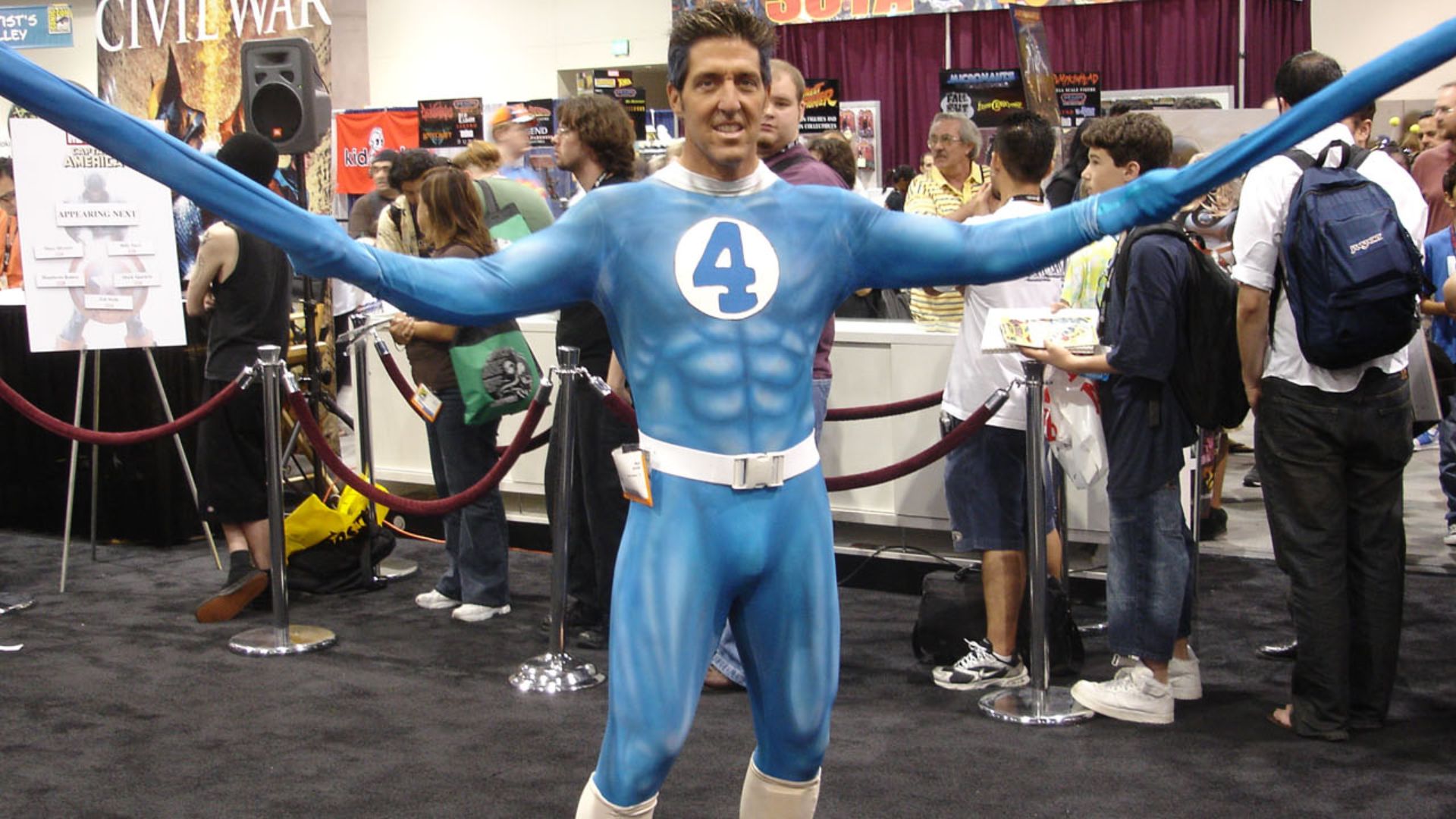
1. The Fantastic Four
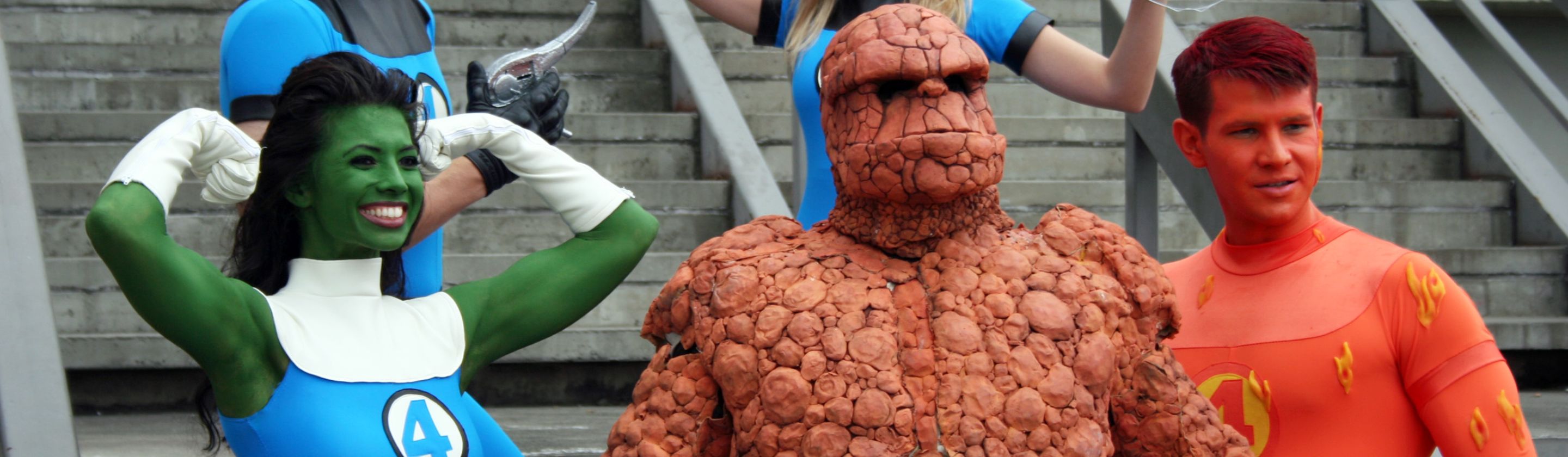
The Avengers are colleagues who occasionally become close friends, but the Fantastic Four are a family even when they’re driving one another crazy. Reed Richards, Sue Storm, Johnny Storm, and Ben Grimm understand each other’s strengths without needing lengthy strategy meetings. Their combination of scientific knowledge, cosmic experience, and personal loyalty makes them remarkably effective against threats that would leave many Avengers searching for help.
2. The X-Men
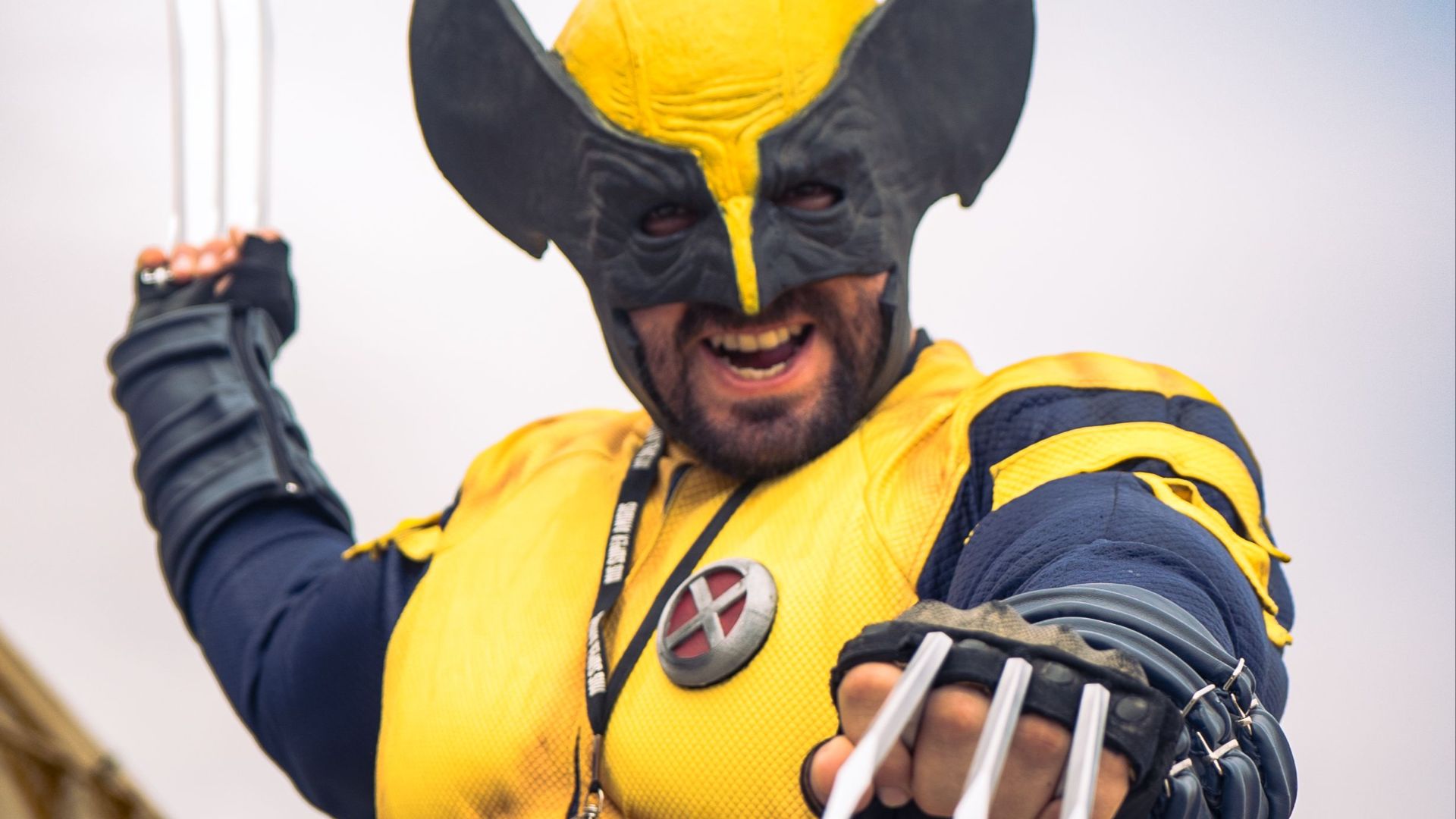
Few Marvel teams have endured as much pressure as the X-Men, who regularly save a world that often fears or hates them. Their shared experiences give their missions an emotional purpose that the Avengers don’t always possess. With telepaths, teleporters, healers, energy manipulators, and seasoned field leaders available, the team can build a specialized lineup for almost any emergency.
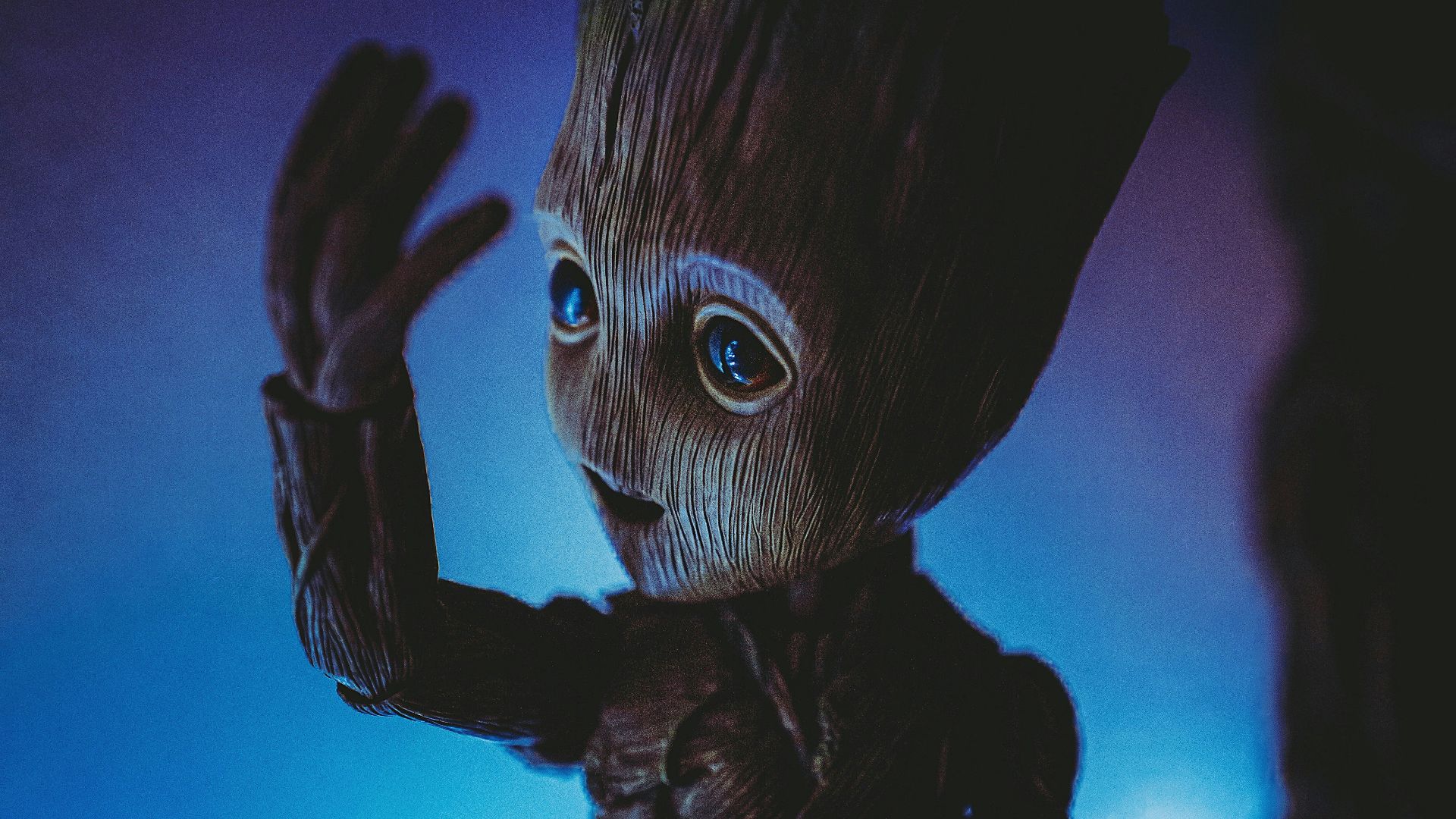
3. The Guardians of the Galaxy
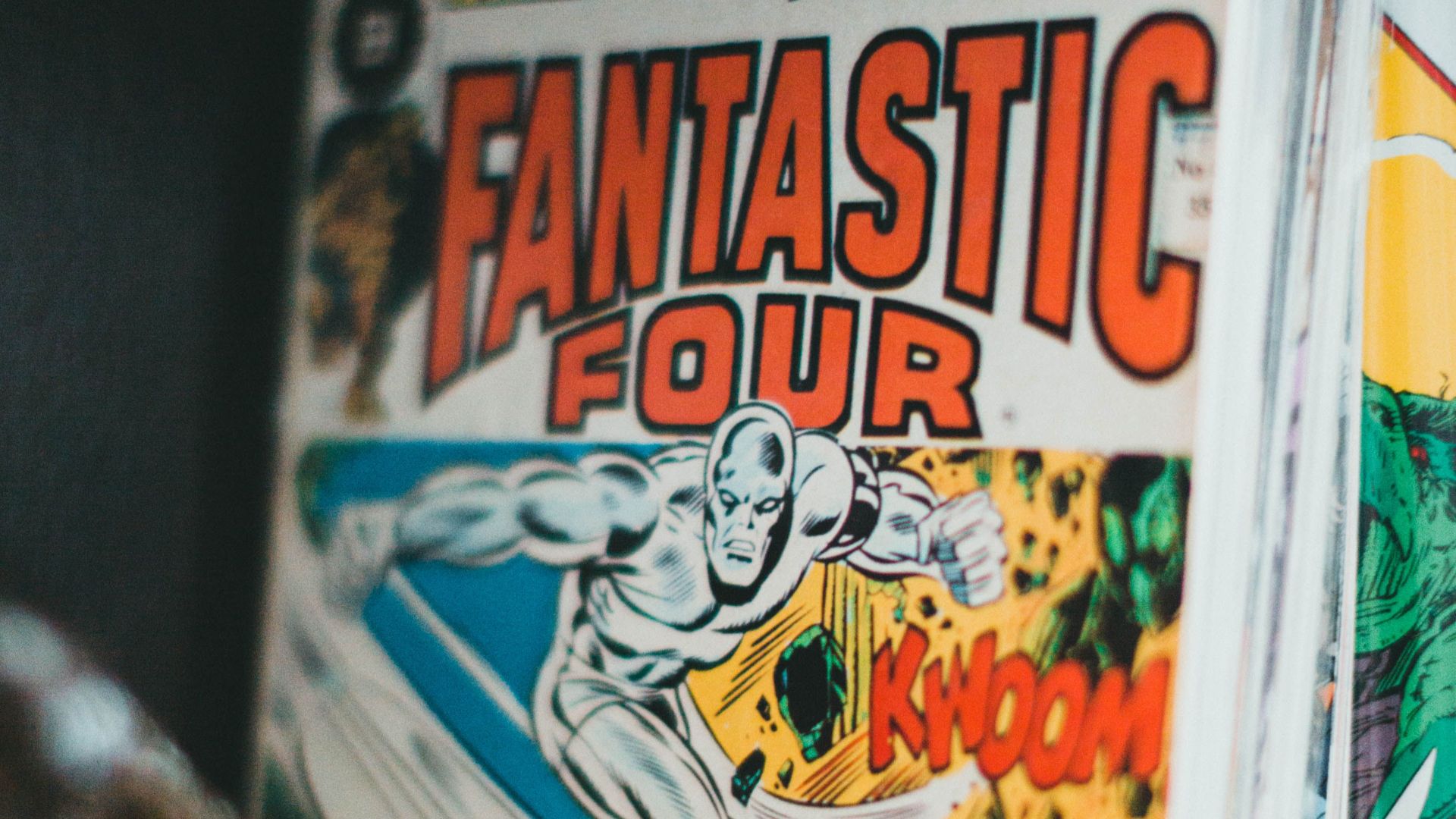
The Avengers occasionally travel into space, but the Guardians live there and understand its political dangers far better. They know which empires can be trusted, which planets should be avoided, and which seemingly harmless objects might destroy a solar system. Their plans can be chaotic, yet their familiarity with cosmic trouble gives them an advantage whenever Earth’s heroes leave their home territory.
4. The Defenders
The original Defenders didn’t bother with formal membership, regular meetings, or many of the rules that tend to complicate Avengers business. Doctor Strange, the Hulk, Namor, and the Silver Surfer brought an absurd amount of power whenever circumstances forced them together. Marvel’s famous “non-team” was unpredictable, but it was perfectly suited to strange threats that didn’t fit neatly into anyone else’s schedule.

5. The Midnight Sons
When vampires, demons, or cursed objects appear, calling a conventional superhero team isn’t always the smartest move. The Midnight Sons have included specialists such as Blade, Ghost Rider, Morbius, and other heroes who understand supernatural enemies. They may not be ideal guests at Avengers Mansion, but they’re much better prepared when the problem has fangs.
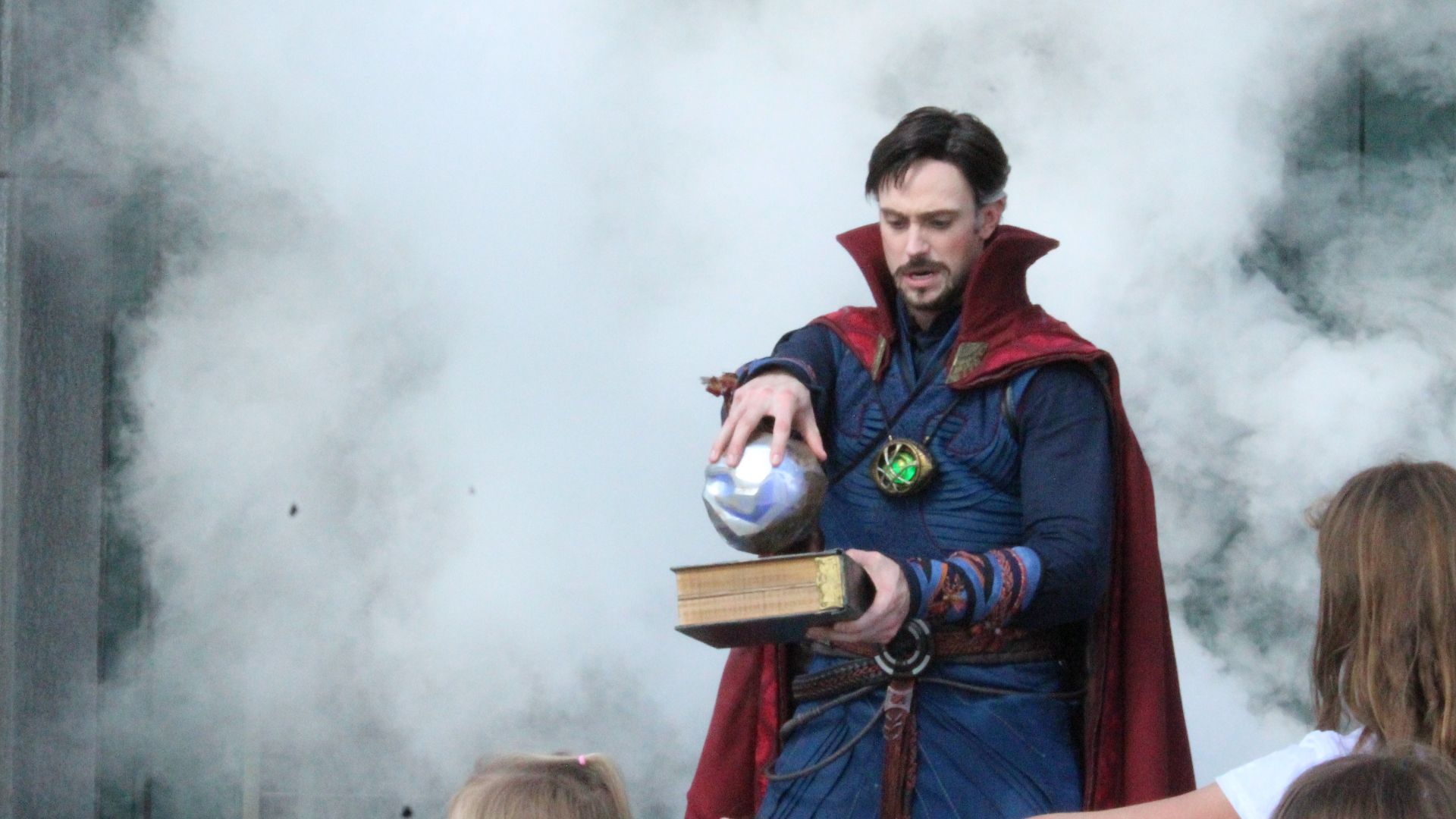 Theme Park Tourist on Wikimedia
6. Excalibur
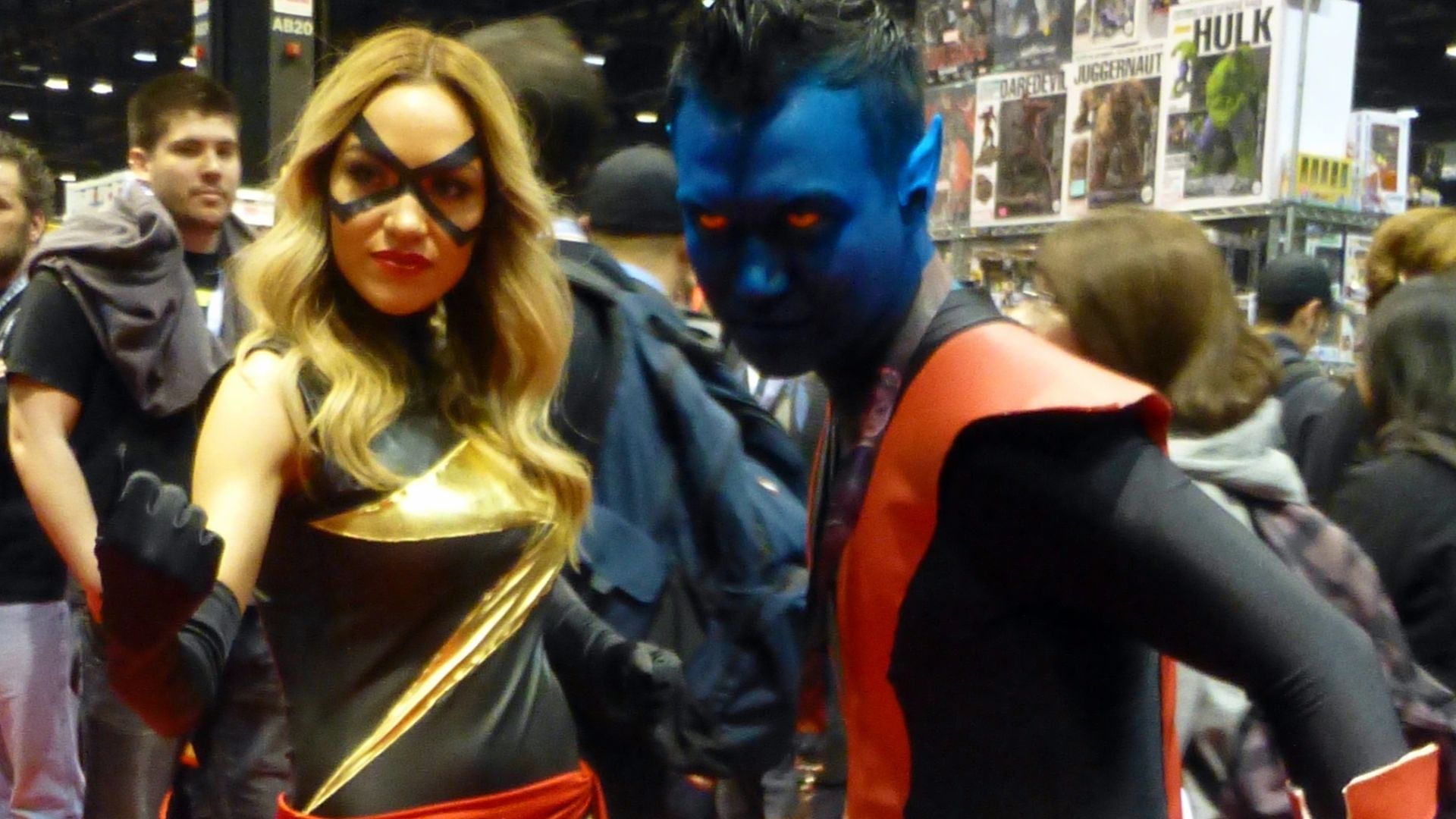
Excalibur has handled alternate realities, magical disturbances, and bizarre interdimensional problems without losing its distinctly unconventional personality. Captain Britain, Meggan, Nightcrawler, Kitty Pryde, and Rachel Summers gave the classic roster an impressive balance of power and intelligence. Unlike the Avengers, they rarely needed every mission to feel like an official global emergency before getting involved.
7. The Runaways
The Runaways learned teamwork without experienced heroes, expensive headquarters, or dependable adults guiding them. Discovering that their parents were supervillains forced them to rely on one another while they were still figuring out their own abilities. Their closeness feels earned because staying together is how they survive.
 The Conmunity - Pop Culture Geek on Wikimedia
8. X-Factor Investigations
Jamie Madrox’s version of X-Factor approached superhero problems through detective work rather than waiting for another enormous battle. The team investigated disappearances, conspiracies, and mutant-related cases that larger groups could easily overlook. Its members were complicated and frequently argumentative, but their unusual talents made them far better investigators than the average Avengers lineup.
 William Tung from USA on Wikimedia
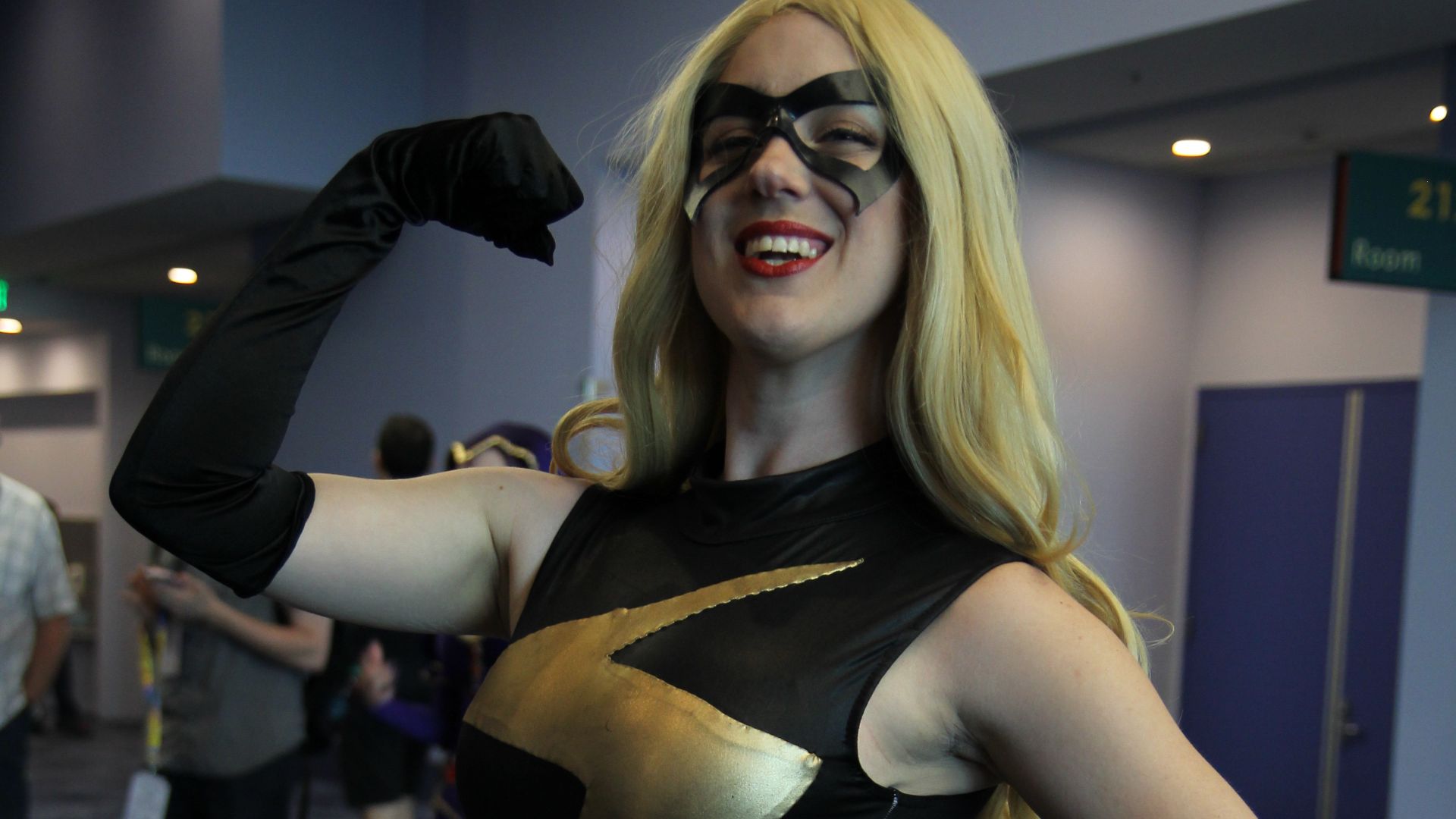
9. The Champions
The Champions were created by younger heroes who had become frustrated with how established teams handled collateral damage and ordinary people. Ms. Marvel, Miles Morales, and their allies wanted heroism to involve community work instead of only winning spectacular fights. Their idealism occasionally caused trouble, but it also made them more attentive to the people standing below the collapsing buildings.
10. Alpha Flight
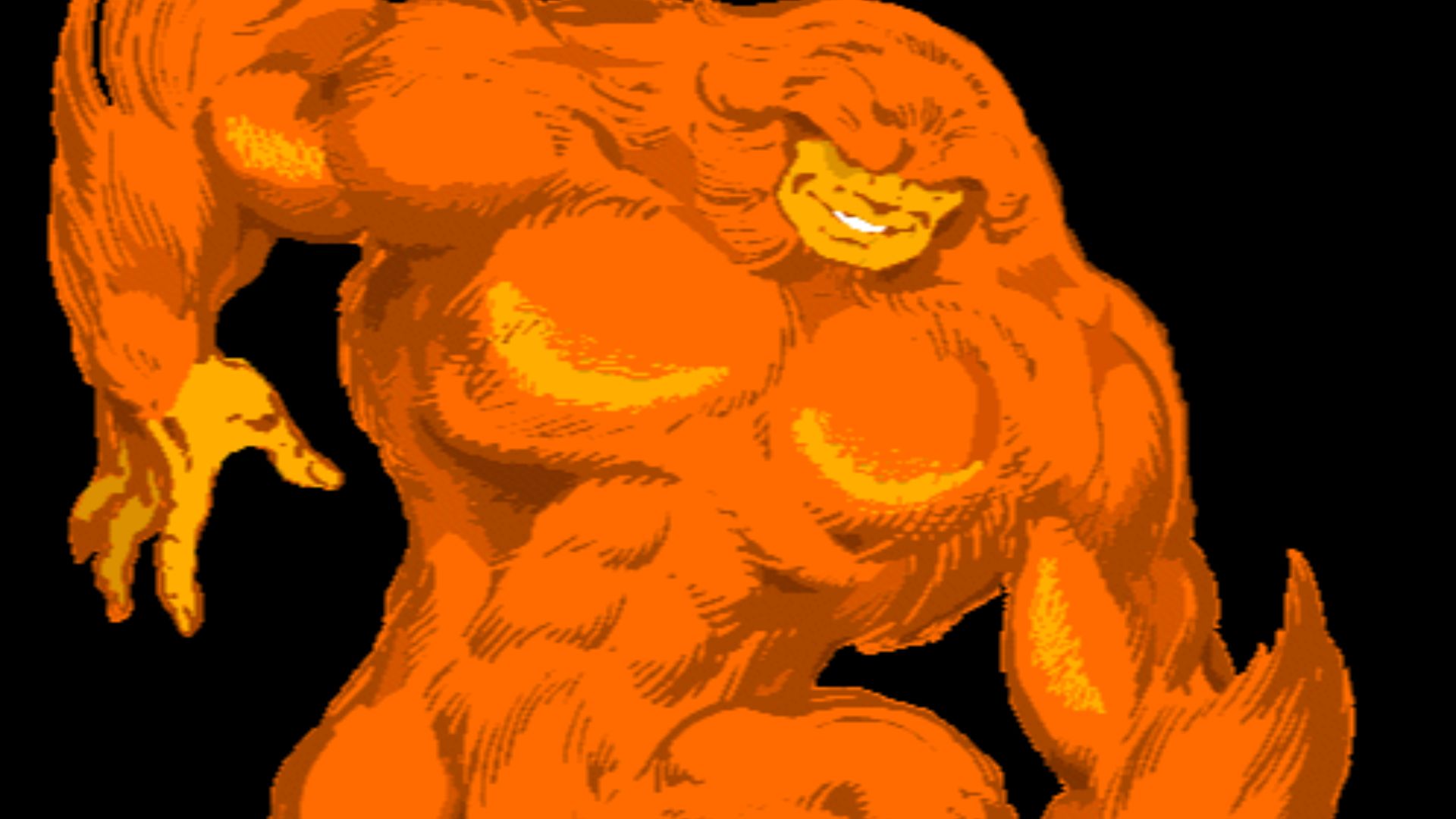
Canada’s premier superhero team has dealt with alien invasions, mystical creatures, government interference, and threats hidden across an enormous country. Its strongest rosters combine technological heroes, powerful mutants, skilled fighters, and figures connected to Canadian folklore.
Now that we've talked about the superhero teams that are actually better than the Avengers, let's talk about the ones that were always missing something.
1. Force Works
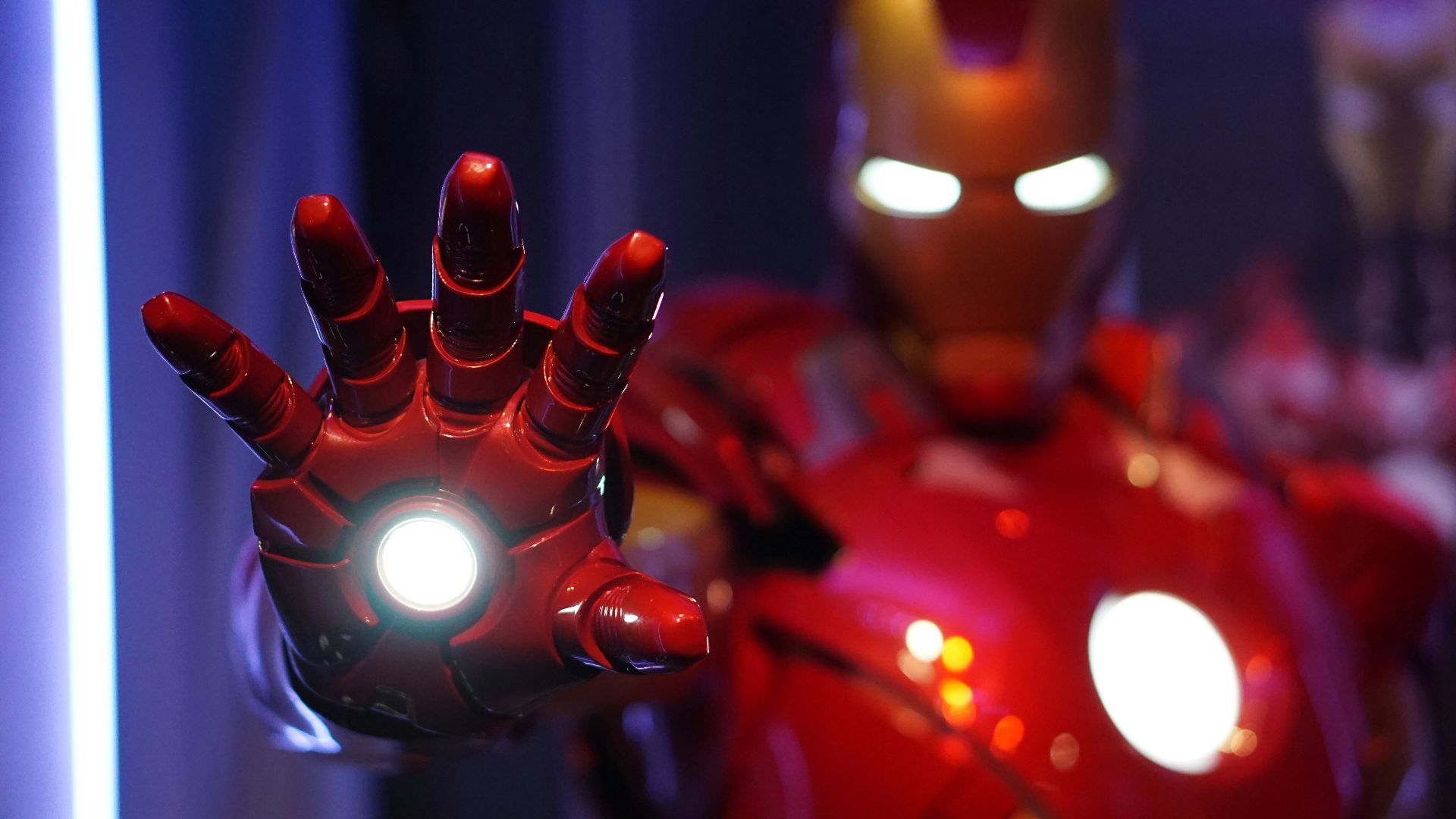
Iron Man helped dissolve the West Coast Avengers and replaced them with Force Works, a supposedly proactive team that would stop disasters before they escalated. Unfortunately, Wonder Man appeared to die during its very first mission, immediately undermining the promise of a smarter operation. The group had considerable power, but its complicated technology and unstable leadership never produced what Tony Stark had imagined.
2. The Secret Defenders
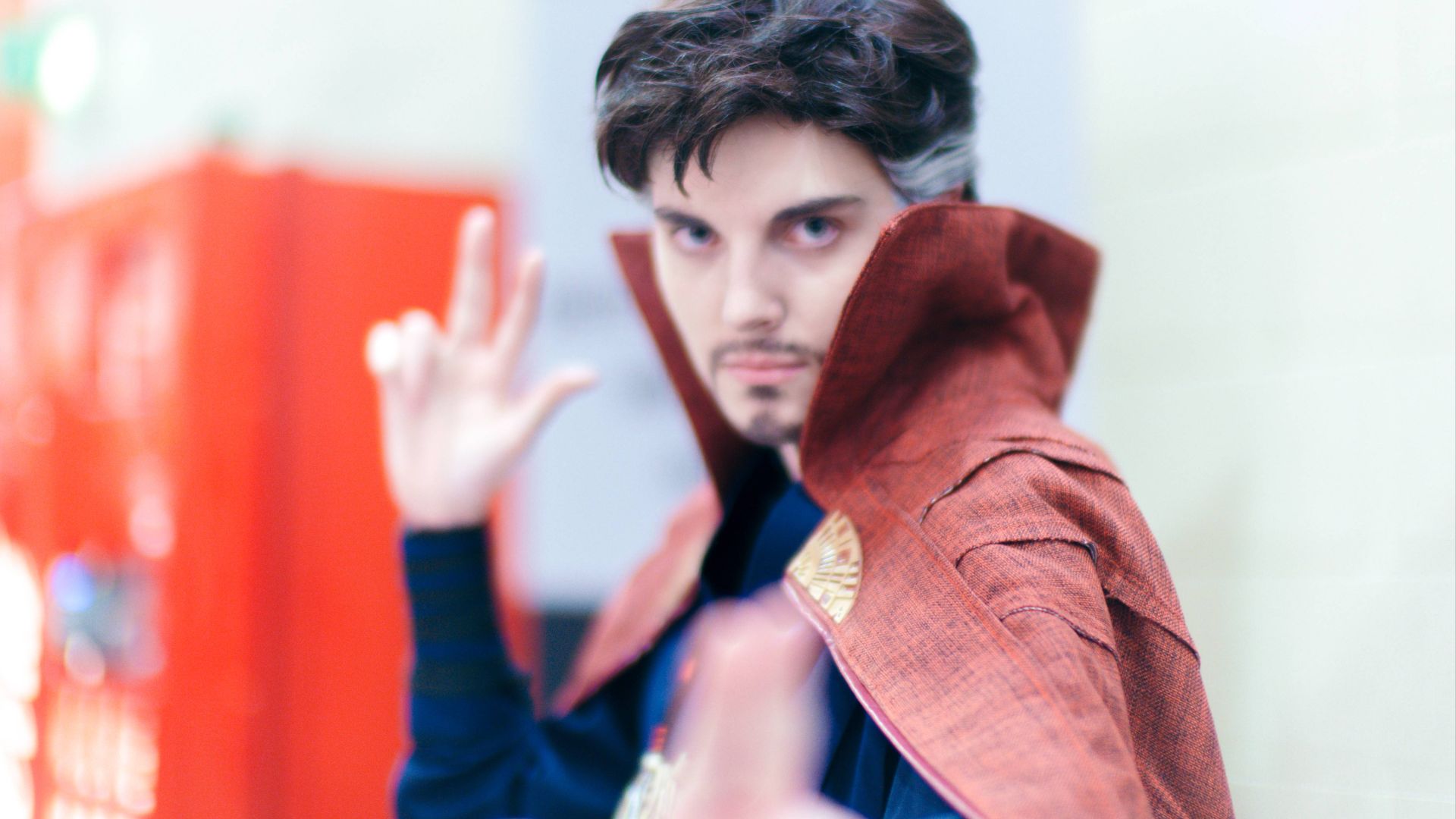
Doctor Strange’s Secret Defenders used a rotating lineup chosen for individual missions, which meant the members rarely had time to develop trust or chemistry. The approach offered flexibility, but every assignment could feel like several strangers had been dropped into the same crisis. Once Doctor Druid became involved, manipulation and poor judgment made an already shaky structure even harder to maintain.
3. The Great Lakes Avengers
The Great Lakes Avengers have good intentions, but competence hasn’t always been their most obvious quality. Their history includes rejected membership claims, unfortunate accidents, and repeated attempts to rename themselves after more successful teams. They’re genuinely lovable and have occasionally saved the day, although nobody should confuse them with Marvel’s most dependable emergency response unit.
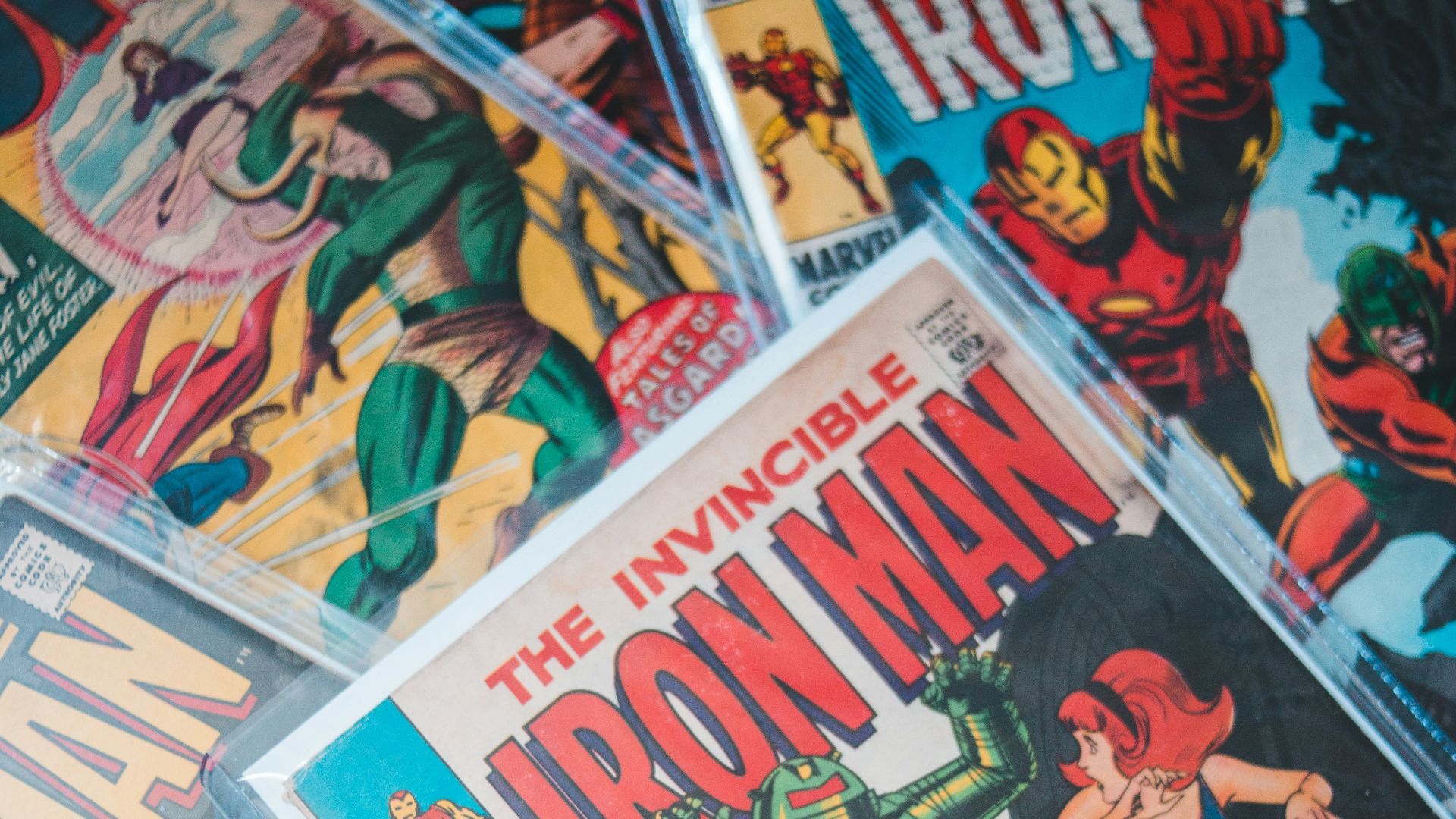
4. The Dark Avengers
Norman Osborn’s Dark Avengers placed villains and unstable antiheroes inside costumes associated with established heroes. Publicly, the group was presented as a legitimate replacement for the Avengers, but privately, it depended on intimidation, deception, and Norman’s weakening grip on reality. It could win battles through raw power, yet a team built around impersonation and fear was never going to remain functional for long.
5. The New Warriors’ Reality-TV Team
One version of the New Warriors agreed to star in a reality television program that followed their superhero activities. Chasing dramatic footage encouraged the inexperienced team to confront villains whose abilities they hadn’t properly investigated. The resulting Stamford disaster showed exactly what could happen when publicity, poor preparation, and superpowers were mixed together.
6. The Champions of Los Angeles
The original Champions brought together Hercules, Black Widow, Ghost Rider, Iceman, and Angel, but there wasn’t a particularly convincing reason for them to remain a team. Their powers were impressive, while their goals and personalities seemed to belong in completely different comic books. Even providing Los Angeles with its own superhero group couldn’t give the roster the identity it needed.
7. The Illuminati
The Illuminati included some of Marvel’s most intelligent and influential figures, including Iron Man, Mister Fantastic, Doctor Strange, Black Bolt, Namor, and Professor X. Rather than creating perfect leadership, gathering them in secret encouraged enormous decisions without public scrutiny or meaningful accountability. Their attempts to quietly protect Earth repeatedly caused fresh disasters, proving that intelligence doesn’t automatically produce wisdom.
 The Conmunity - Pop Culture Geek on Wikimedia
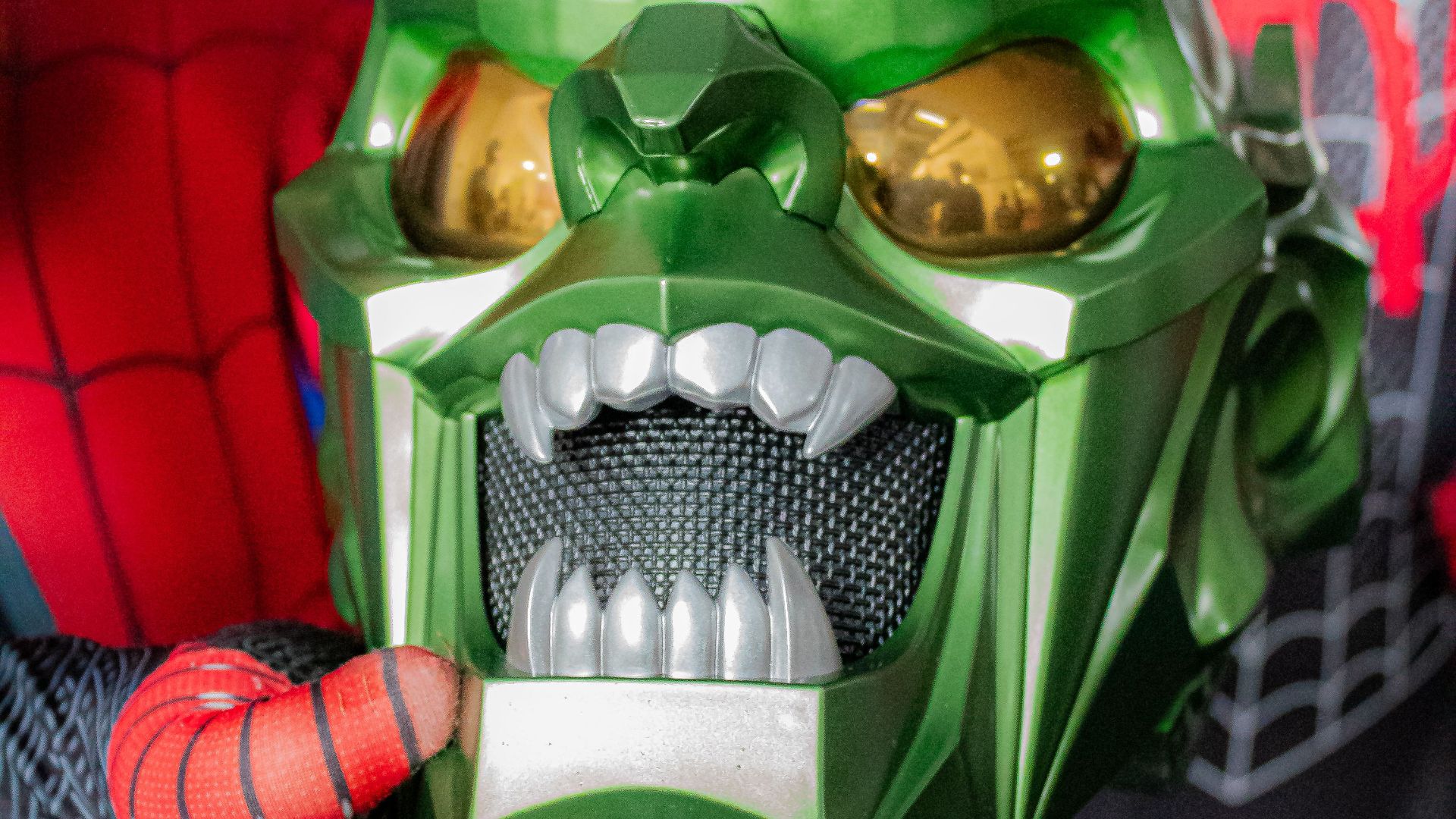
8. Norman Osborn’s Thunderbolts
The Thunderbolts have had several successful incarnations, but Norman Osborn’s government-controlled roster was barely under control. Convicted villains were pressured into dangerous missions while Norman encouraged rivalry and used fear to maintain authority. The team completed assignments, though its members were generally one argument, betrayal, or psychological breakdown away from turning on each other.
9. The Cabal
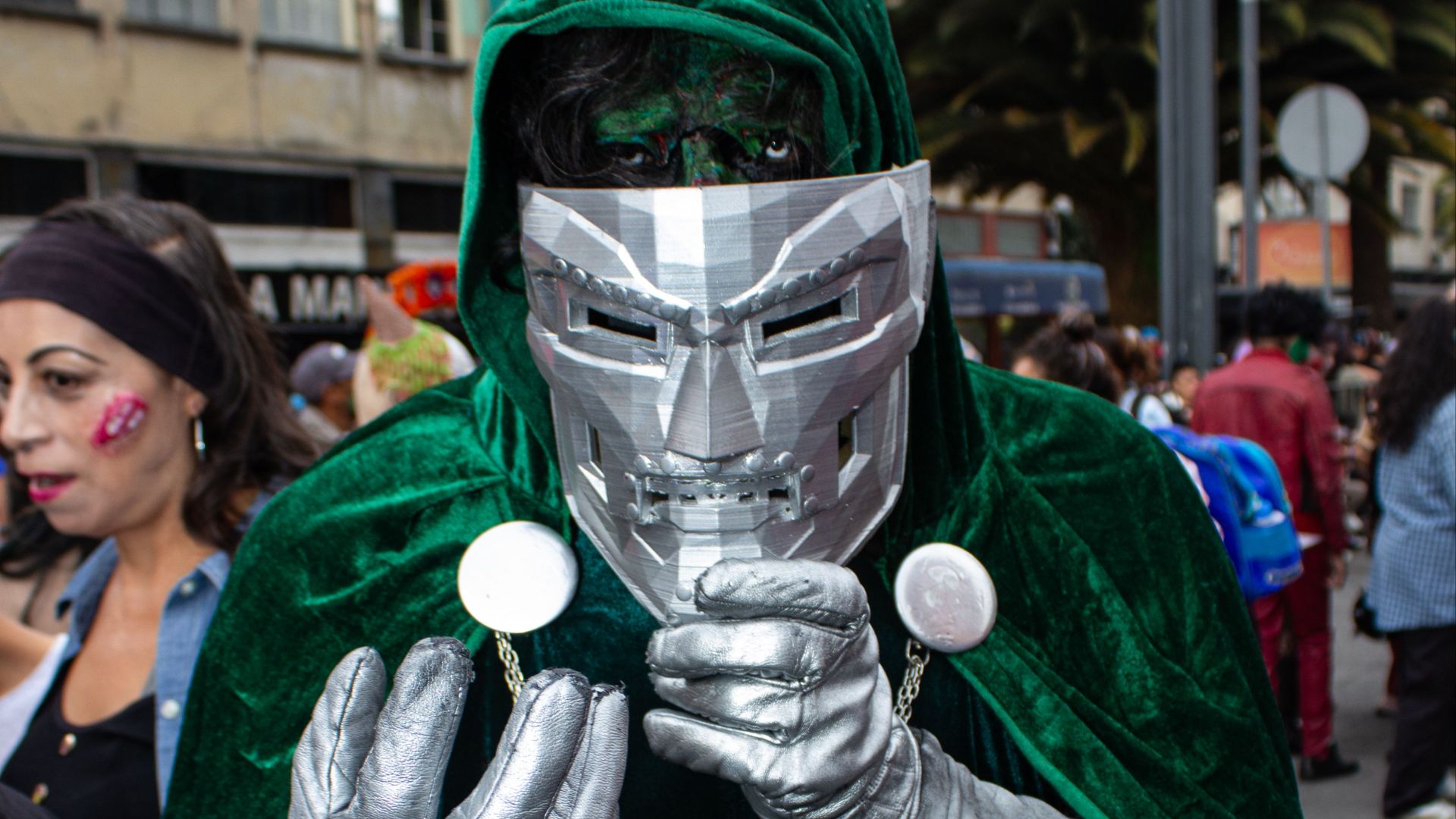
Namor, Doctor Doom, Loki, Emma Frost, the Hood, and Norman Osborn entered a secret alliance during the Dark Reign era. Every member possessed tremendous influence, but nearly all of them believed they were smarter than everyone else at the table. Cooperation lasted only while their individual interests aligned, making betrayal a basic feature of every meeting.
10. The U-Foes
The U-Foes deliberately copied the cosmic-ray journey that created the Fantastic Four because they wanted powers of their own. They succeeded in becoming incredibly dangerous, but they never developed the trust or affection that made their inspiration effective. Their members have repeatedly been defeated by inexperience, unstable powers, and their inability to function as anything more than four ambitious villains sharing a name.