
It’s hard to talk about modern gaming without mentioning Genshin Impact—a free-to-play open-world RPG created by HoYoverse. You step into the role of the Traveler to explore a breathtaking fantasy world called Teyvat while searching for your lost sibling. Its anime-inspired visuals and expansive map made it an overnight sensation. Yet despite being adored by millions, the game also attracts an unusual amount of criticism.
That contrast is what makes Genshin Impact such a fascinating cultural moment. Understanding why a game this beloved also becomes a lightning rod for hate requires looking beyond features and mechanics.
The Magic That Swept Players In
What first hooked players was the sense of discovery. Teyvat has always felt alive. The world invited players not just to play, but to wander. This open-ended exploration, paired with lush music and stunning visuals, set a new emotional standard for a free game.
But Genshin’s biggest power lies in its characters. Each one comes with unique elemental abilities and emotional depth. Players bond with the characters after unlocking them. They grow attached to the upbeat energy of Bennett or the gentleness of Ayaka. The combat system, built around elemental reactions, adds another layer of delight. Combining Hydro with Cryo to freeze enemies or Electro with Pyro to cause overload reactions gives battles a satisfying rhythm. Even newcomers can feel powerful quickly, while veterans continue to experiment with team builds for years.
But the very things that built its success quietly set the stage for the backlash that would follow.
Where Love Begins To Turn Into Critique
The most polarizing feature is the gacha system. For some, wishing for characters feels exhilarating, like opening a beautifully wrapped gift. For others, it resembles an emotional gamble, especially when luck runs dry. When someone spends money and still misses their favorite character, resentment grows. That frustration spills online, and conversations quickly shift from excitement to heated criticism.
Content pacing is another fault line. The early experience feels abundant, but players eventually hit stretches where new story chapters take months to arrive. Resin limitations restrict how much meaningful progress you can make in a day, and repetitive tasks can dampen the initial sense of wonder. This creates tension between casual players who enjoy dipping in and out, and dedicated players who crave constant depth and new challenges.
The Culture War Around A Video Game
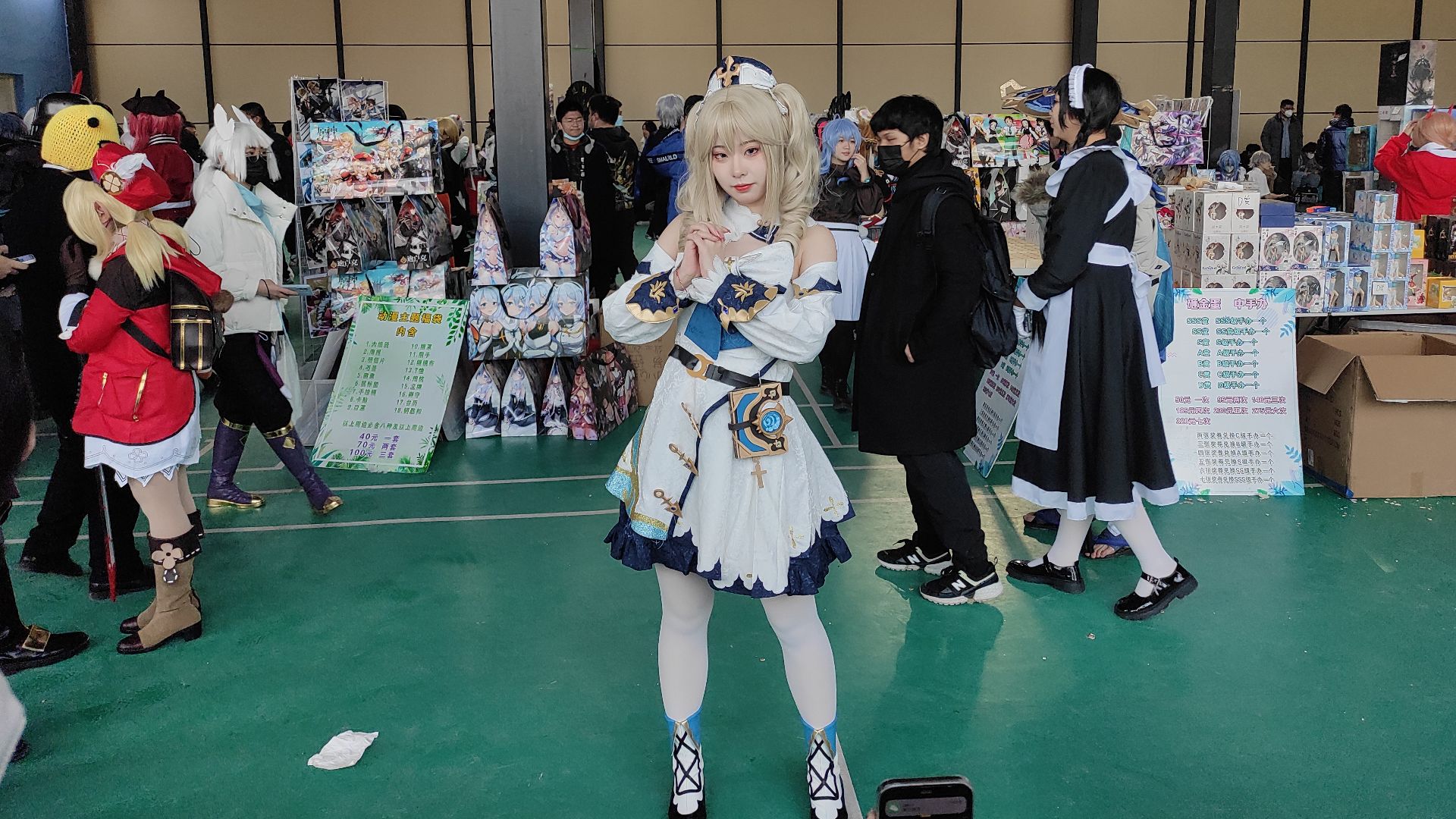
What truly keeps the love–hate dynamic alive is the community itself. Genshin Impact didn’t just build a fanbase—it built an ecosystem. Art, cosplays, memes, character discussions, theorycrafting, music covers, the game lives everywhere online. With this visibility comes unavoidable backlash. People who don’t play the game grow tired of its presence. Those who used to play but quit sometimes criticize its design choices loudly. Even fans disagree with each other, leading to heated debates over story decisions, character power levels, or update schedules.
In the end, Genshin Impact remains caught between adoration and frustration because it dared to be something big.