The Tech Giant Can't Win Them All
Even a hardcore Android supporter can't deny that Apple is one of the most recognized companies on the planet, and that's because the tech giant consistently delivers products that people genuinely love to use. That said, no company, no matter how valuable or influential, gets everything right, and Apple is certainly no exception. Whether you're a devoted fan of the ecosystem or someone who prefers a competitor's approach, it's worth taking a clear-eyed look at where Apple genuinely leads the pack and where others have managed to pull ahead.
1. Hardware and Software Integration
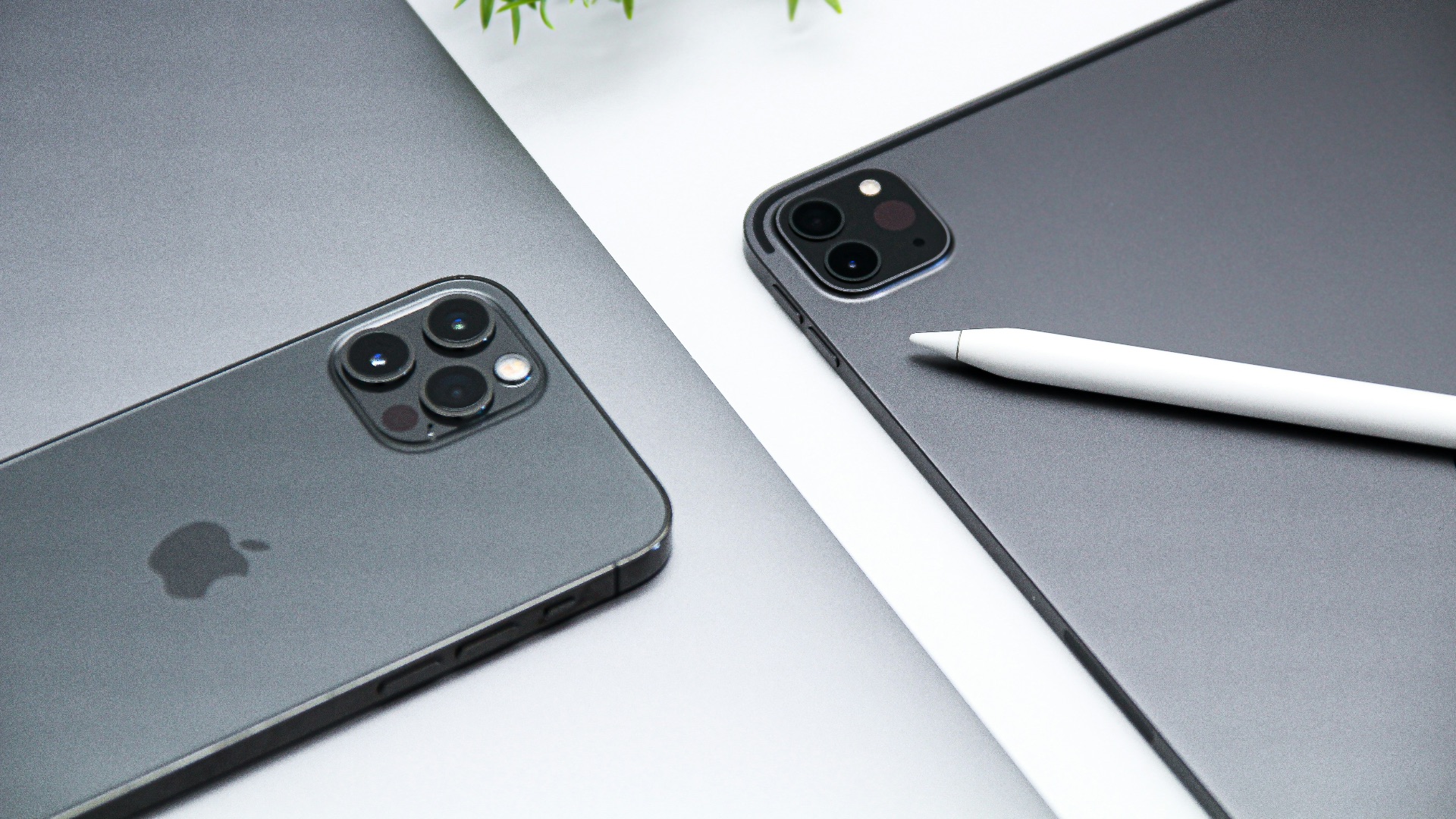
Because Apple designs both the hardware and the software that runs on it, the two work together in a way that's difficult for competitors to replicate. You'll notice this in how quickly iPhones receive software updates, how efficiently apps run, and how rarely things feel sluggish even on older devices. It's a level of optimization that comes from having complete control over the entire product stack.
2. The Ecosystem Experience
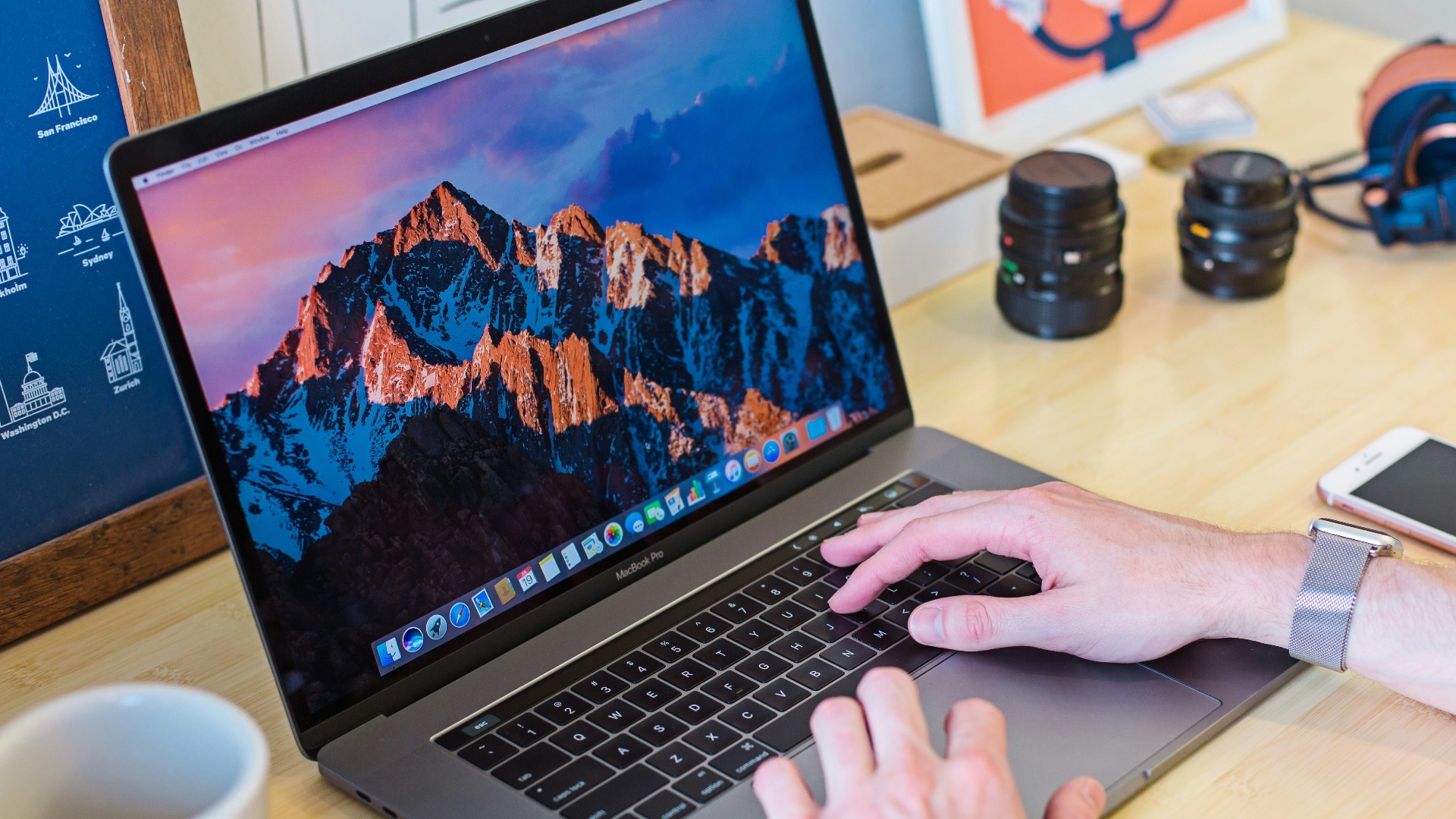
If you own an iPhone, a MacBook, and an Apple Watch, you already know how seamlessly they work together through features like Handoff, AirDrop, and Universal Clipboard. The ability to start a task on one device and pick it up on another without any fuss is genuinely impressive and still ahead of what most competitors offer. Apple has built an interconnected world that's hard to leave once you're in it.
3. User-Centric Experience
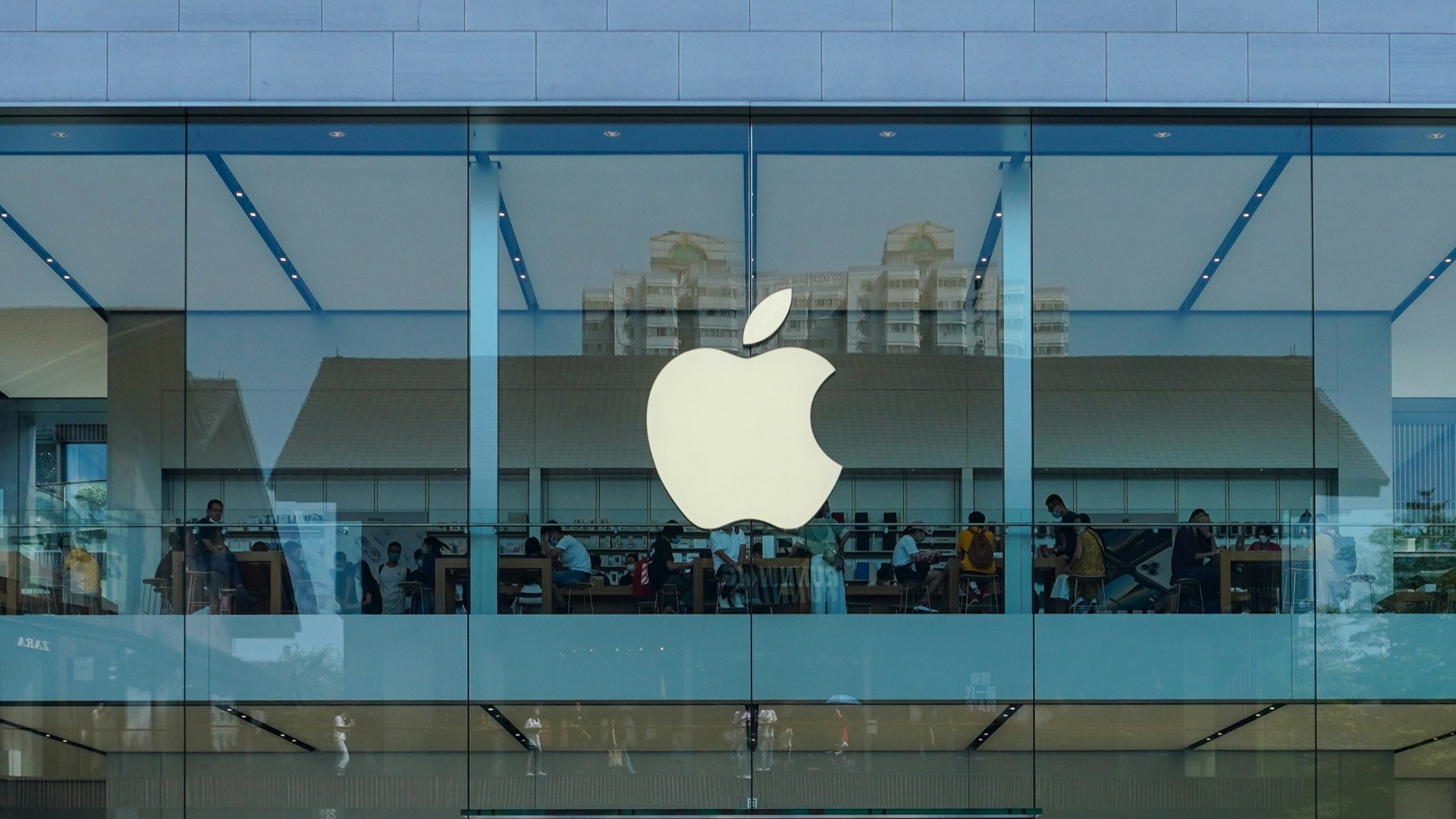
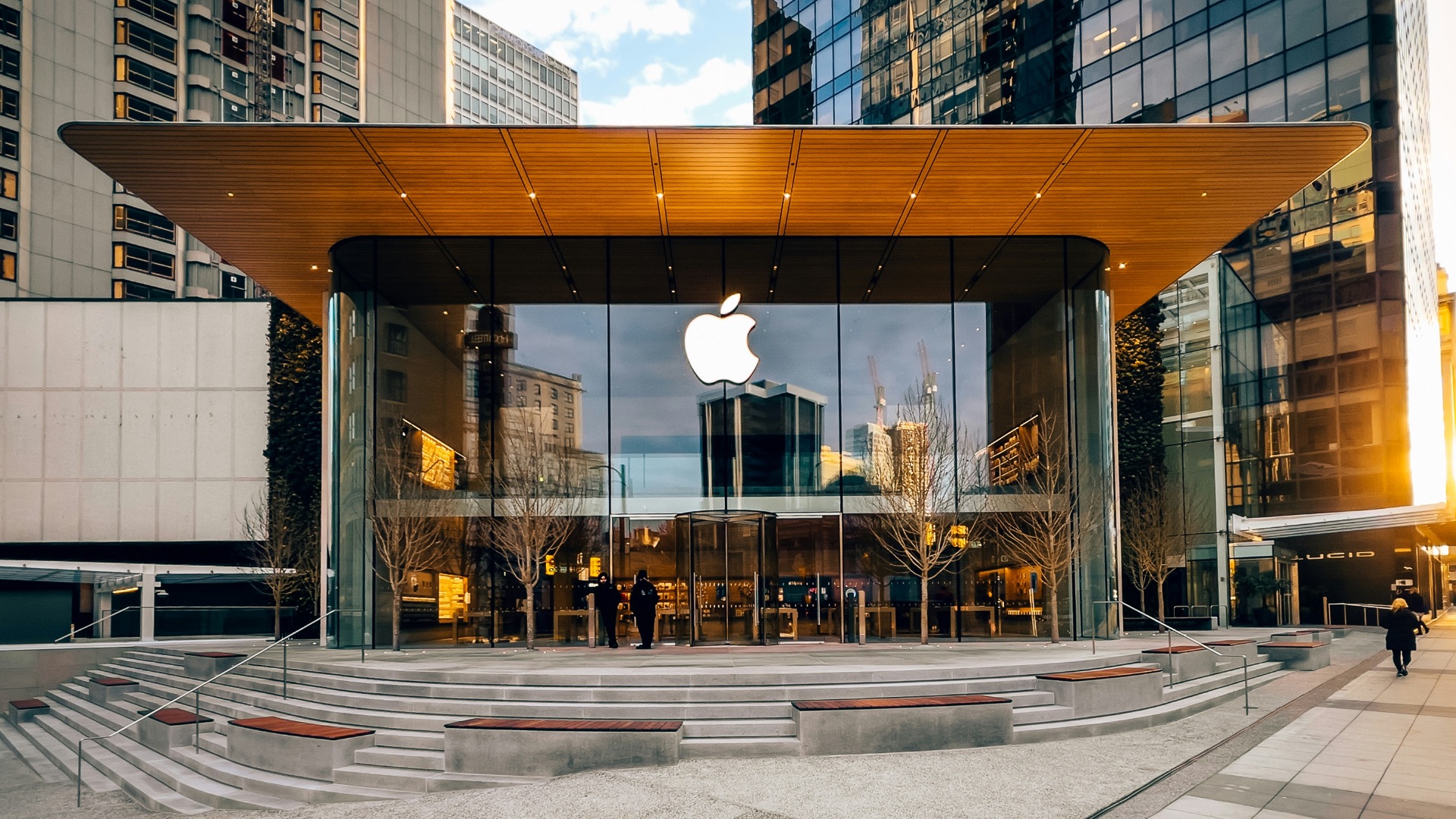
Walking into an Apple Store is an experience in itself, with well-trained staff, clean layouts, and the ability to get hands-on with every product before you buy. The Genius Bar remains one of the better in-person tech support options available to consumers, offering real help from knowledgeable people rather than directing you to a phone hotline. Very few tech companies have invested in physical retail and service to the same degree or with the same results.
4. Privacy as a Core Principle
Apple has made privacy a genuine selling point rather than an afterthought, introducing features like App Tracking Transparency that give users real control over how their data is used. While no company is perfect on this front, Apple's business model doesn't rely on selling your personal information to advertisers, which puts it in a fundamentally different position from some of its biggest rivals. For users who care about data privacy, that distinction matters quite a lot.

5. Long-Term Device Support
Apple supports its devices with software updates for a remarkably long time, often five to seven years after a product's initial release, which is well beyond what most Android manufacturers offer, aside from Google and Samsung. This means that buying an iPhone or iPad is genuinely a long-term investment, since you won't be left without security patches or new features after just a couple of years. It's a commitment to the customer that builds trust and reduces the pressure to upgrade constantly.
 Howard Bouchevereau on Unsplash
6. Chip Performance
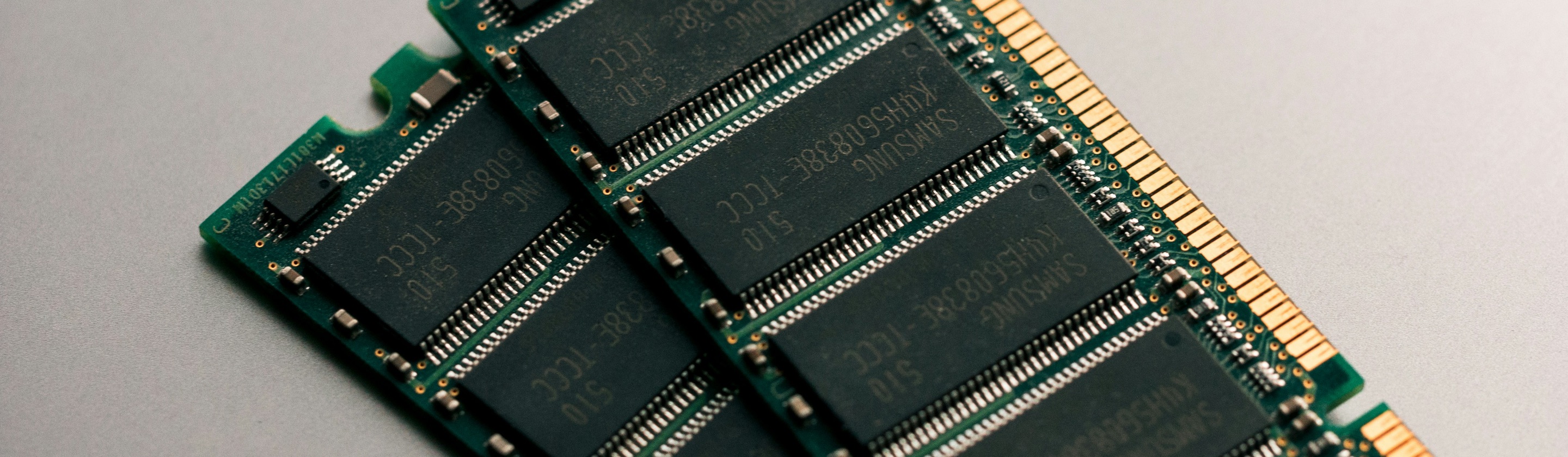
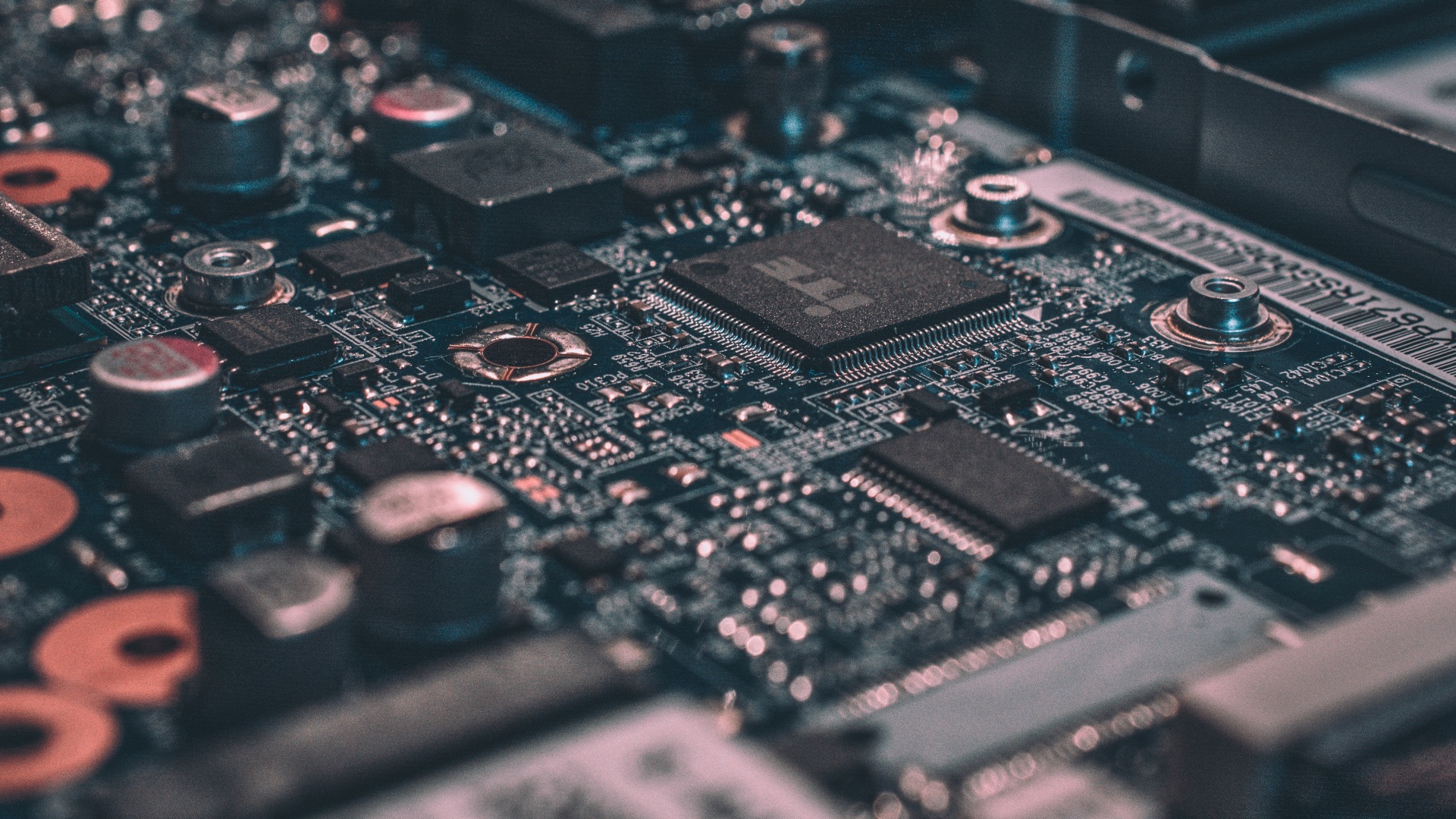
Since Apple made the transition to its own silicon with the M-series chips, its computers have consistently outperformed competitors in both raw performance and energy efficiency. The M-series processors deliver speeds that used to require a desktop workstation while still allowing laptops to last well over ten hours on a single charge. No other chip manufacturer has yet matched this combination of power and efficiency in a consumer product.
7. Product Design
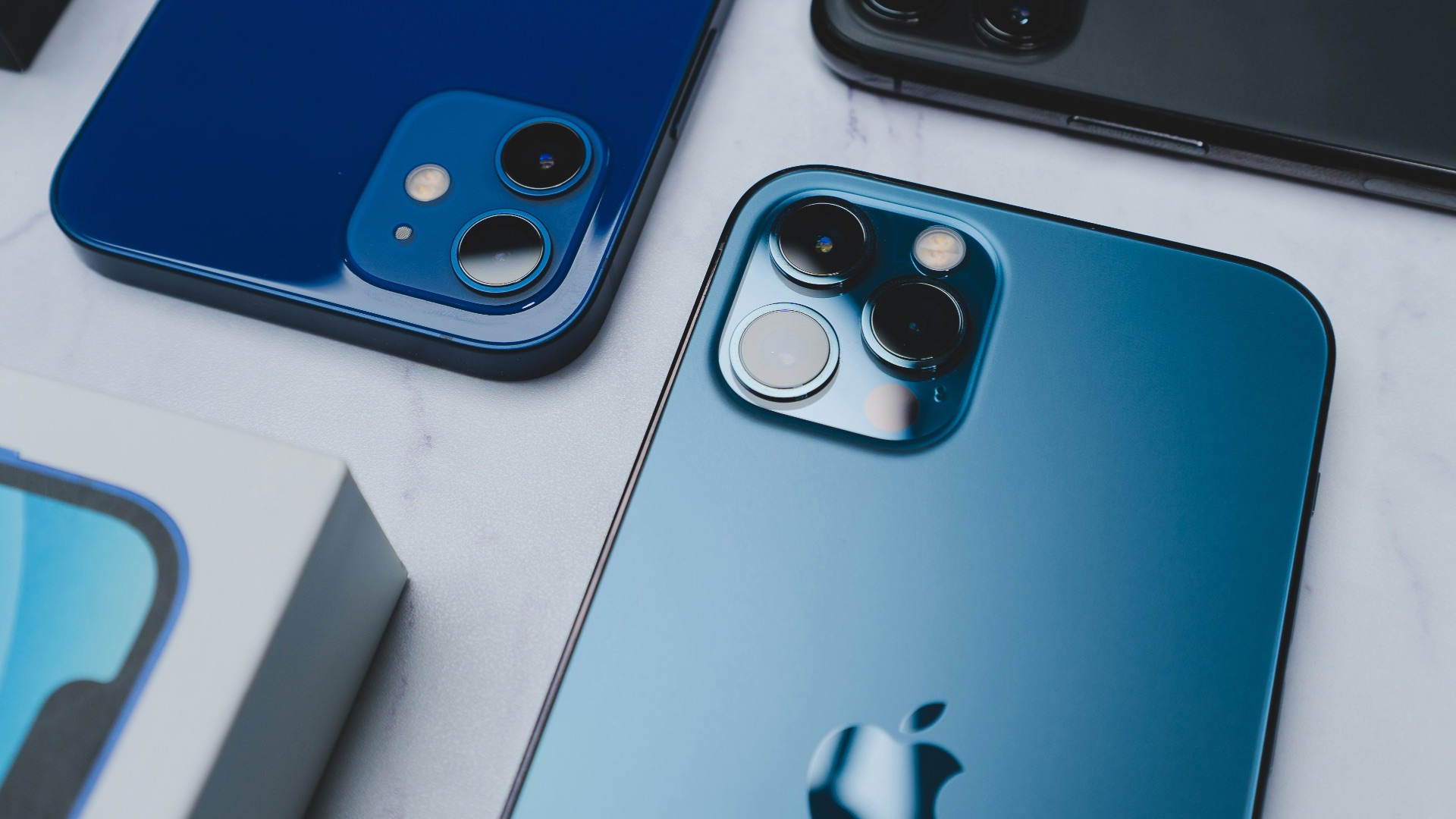
Apple has set the standard for what consumer electronics should look like, consistently releasing products that feel considered and refined in ways that competitors rarely match. The attention to detail extends beyond aesthetics, too, covering everything from the weight distribution of a MacBook to the satisfying click of a physical button. Very few tech companies treat design as seriously as Apple does, and it shows every time you pick up one of their products.
8. Resale Value
Apple products hold their value better than virtually any other consumer electronics brand, which means that when you're ready to upgrade, you can recoup a meaningful portion of what you originally spent. A two-year-old iPhone typically fetches a much higher resale price than a comparable Android phone of the same age, making the total cost of ownership lower than the sticker price might suggest. That strong resale market is a real financial advantage that Apple buyers have come to count on.

9. Build Quality and Materials
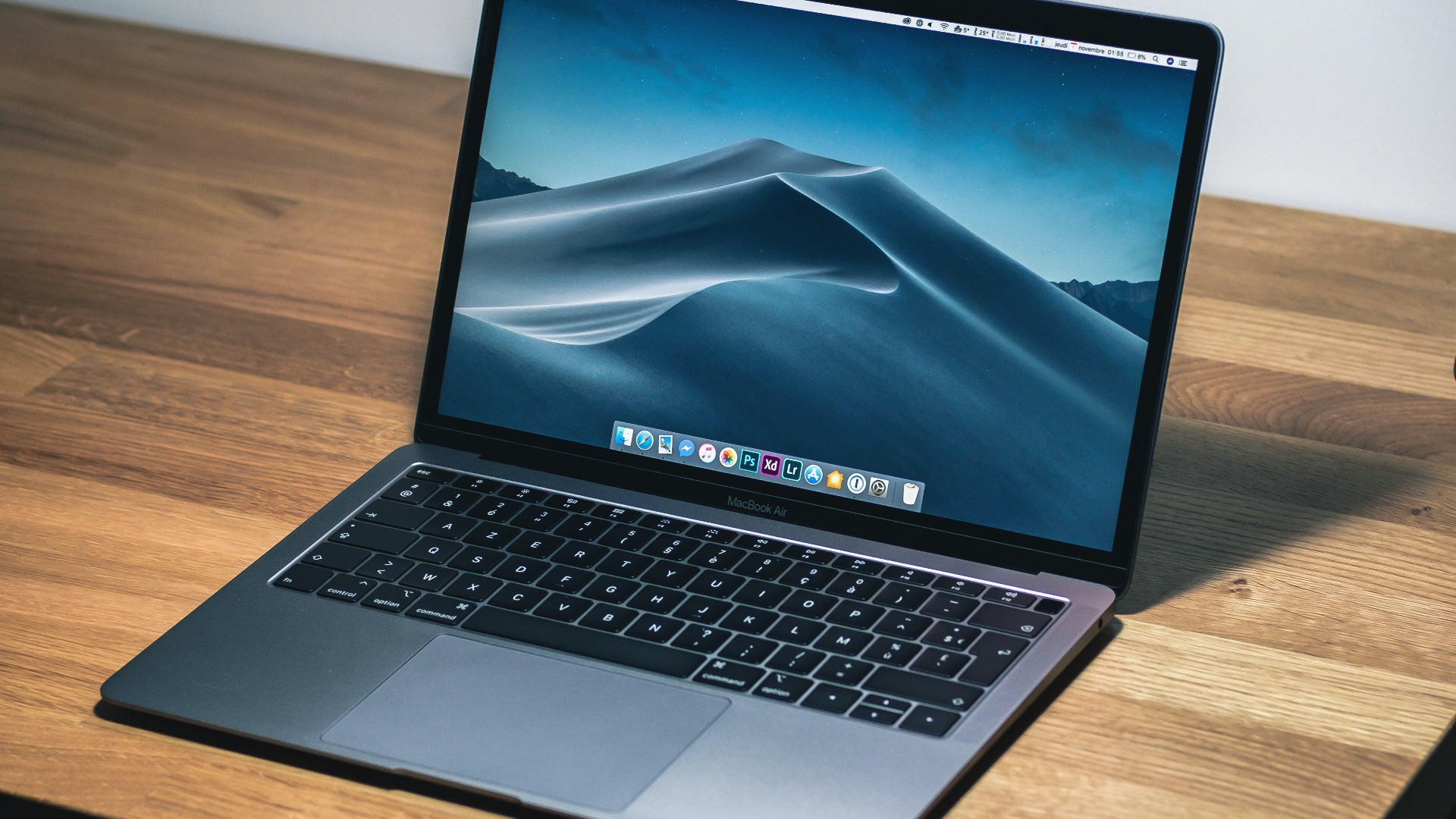
It's not just product design that Apple does well. There's a reason Apple products feel the way they do the moment you pick them up, and that's because the company has consistently prioritized premium materials and tight manufacturing tolerances. From the precision-machined aluminum of a MacBook to the ceramic shield on the front of an iPhone, the physical quality of Apple's hardware remains a benchmark that other manufacturers aspire to. You're paying a premium, but the craftsmanship that goes into these devices is genuinely exceptional.

10. Brand Trust and Reliability Perception
Apple has cultivated a brand reputation for reliability and quality that influences purchasing decisions for millions of people around the world, including many who aren't particularly tech-savvy. For someone who just wants a phone or computer that works without a lot of fuss, the Apple brand carries a level of assurance that's genuinely valuable. That kind of deep consumer trust isn't built overnight, and it's something Apple has earned through decades of consistent product delivery.
But Apple can't do it all. In fact, there are areas where even the tech giant falls short, and we'll touch on that next.
1. Customization and Personalization (Android)
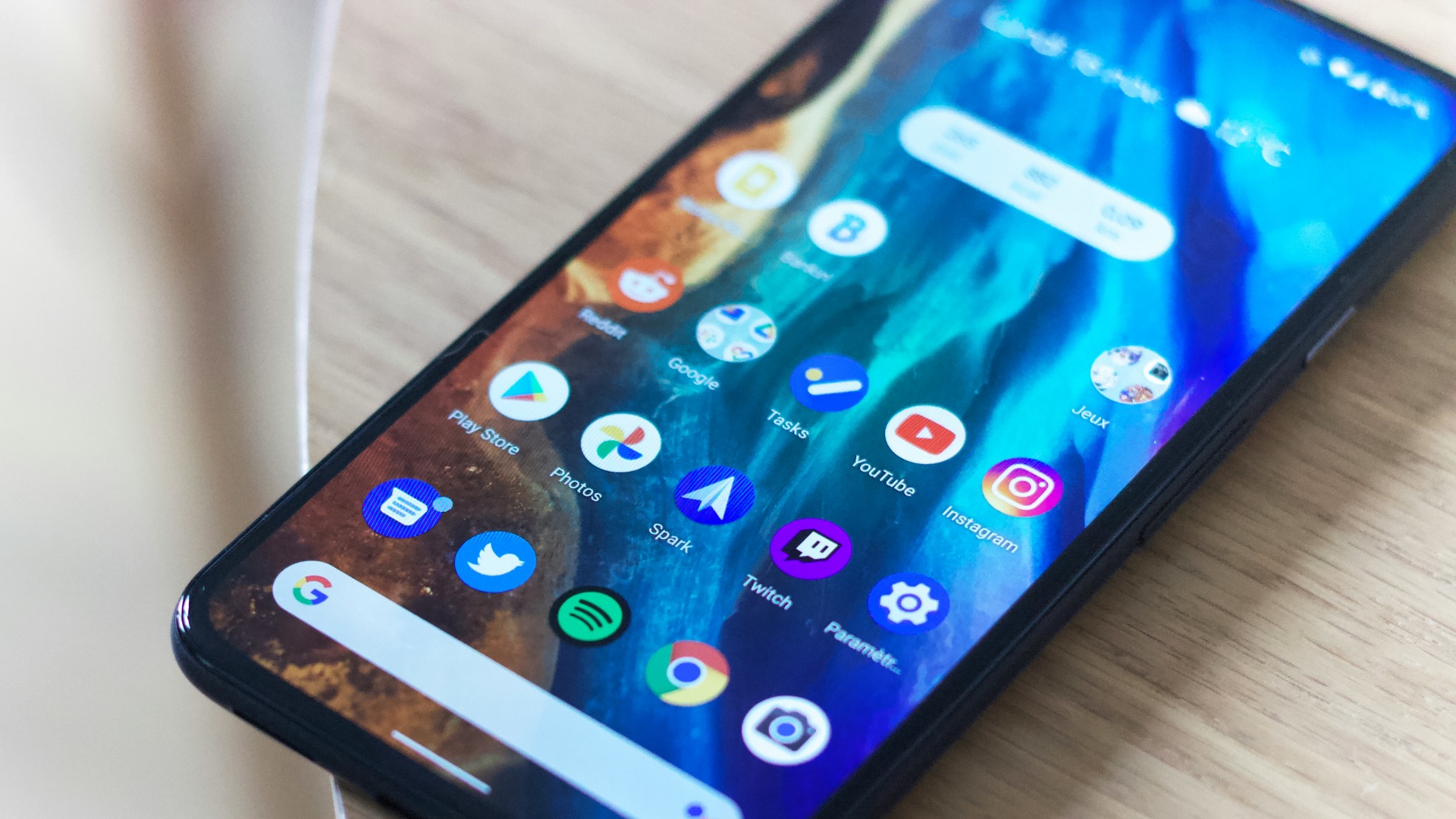
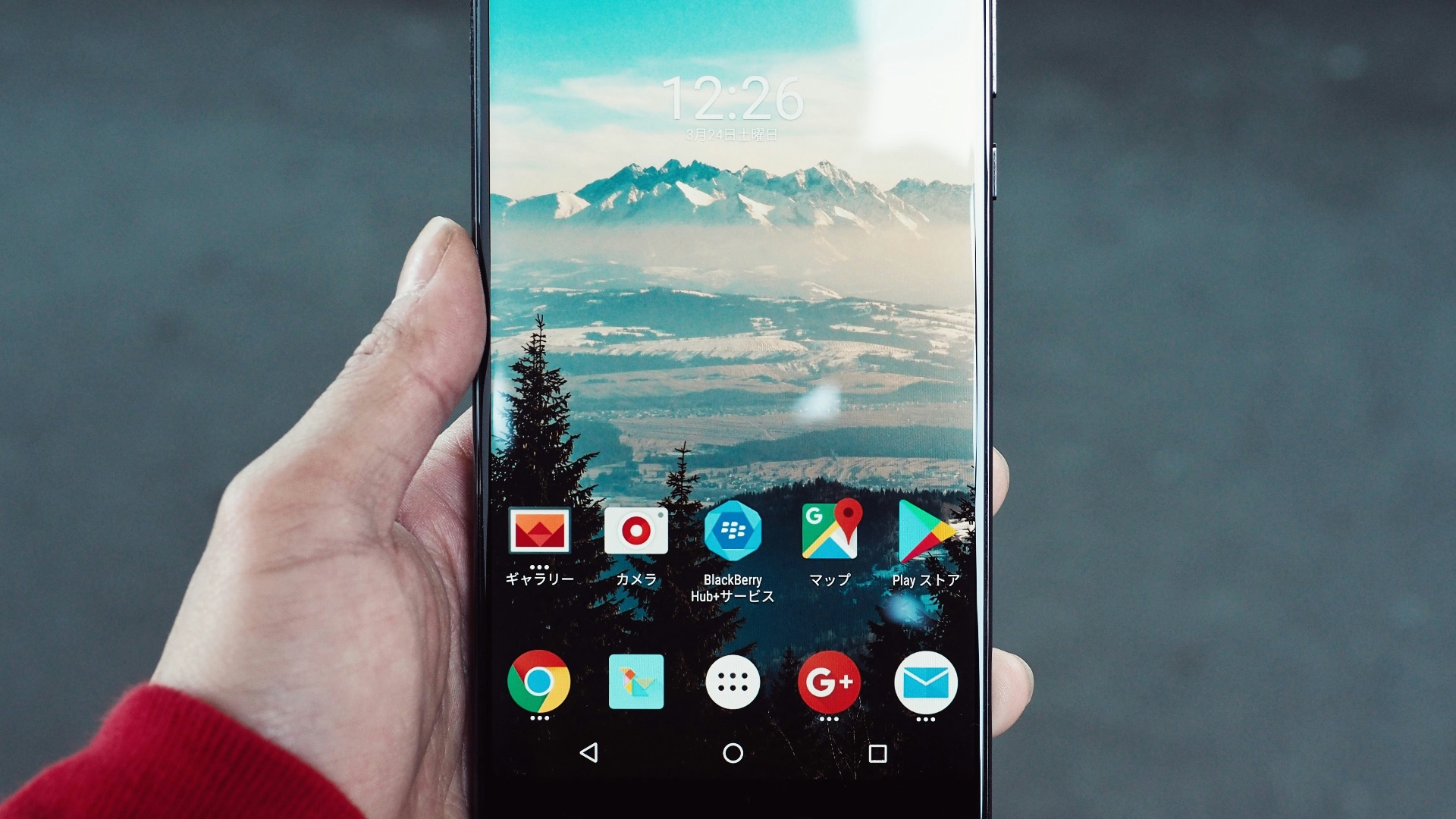
Android gives you a level of control over your device that Apple simply doesn't allow, from changing your default apps to completely overhauling the home screen with custom launchers and widgets. If you want your phone to look and function exactly the way you want it to, the Android ecosystem provides tools for that in a way iOS doesn't come close to matching. For power users who like to tinker, this kind of deep personalization is a feature Apple fans often find themselves missing.
2. Hardware Variety and Price Points (Android Manufacturers)
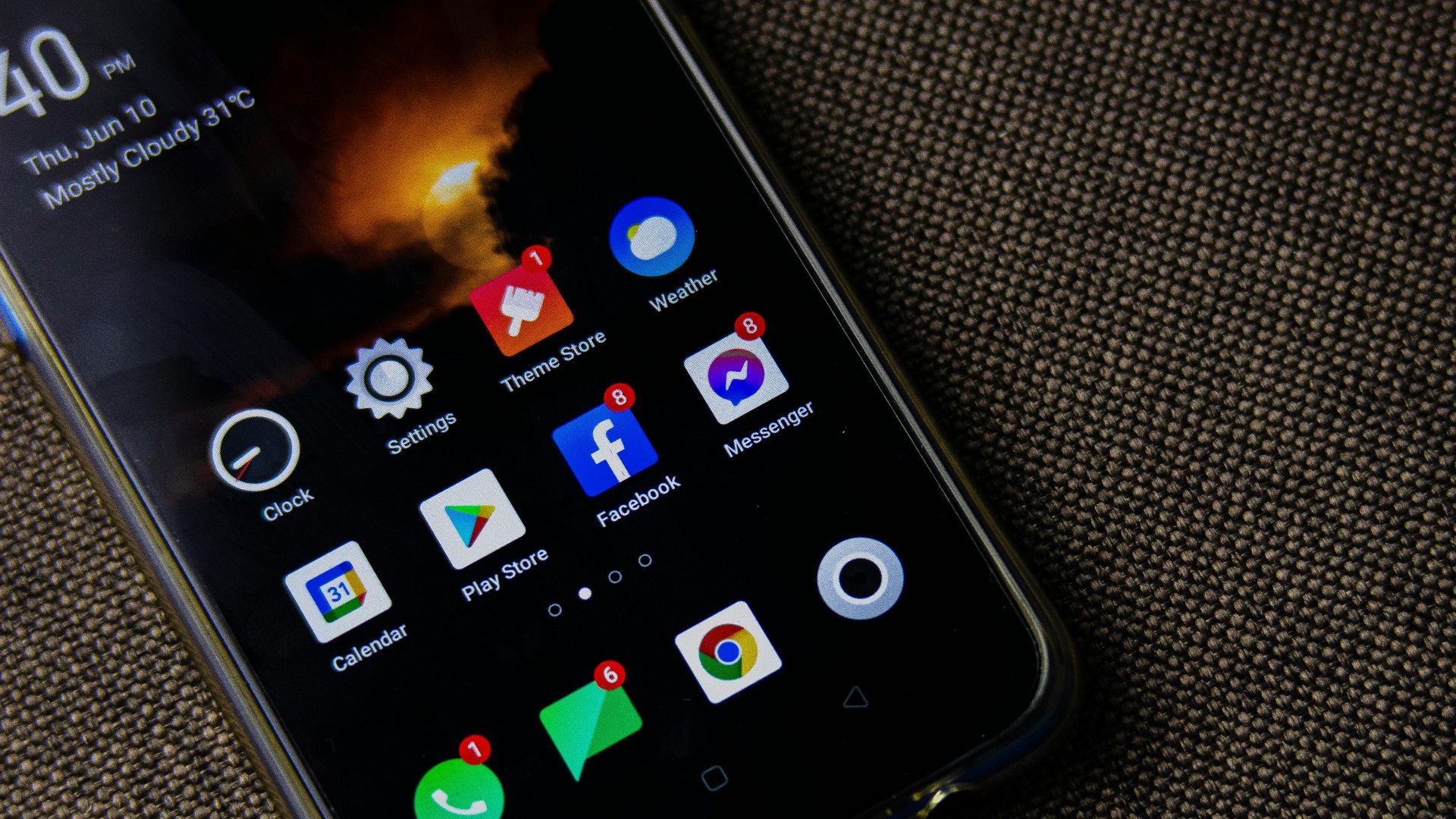
Apple offers a relatively limited range of devices, but Android manufacturers like Samsung, Google, and OnePlus give consumers dozens of options across a wide range of budgets and form factors. Whether you want a foldable phone, a compact flagship, or a capable device for under $300, there's an Android option that fits the bill in ways Apple doesn't accommodate. That variety means more people can find a device that suits their specific needs without having to stretch their budget.
3. Cloud Storage Integration (Google)
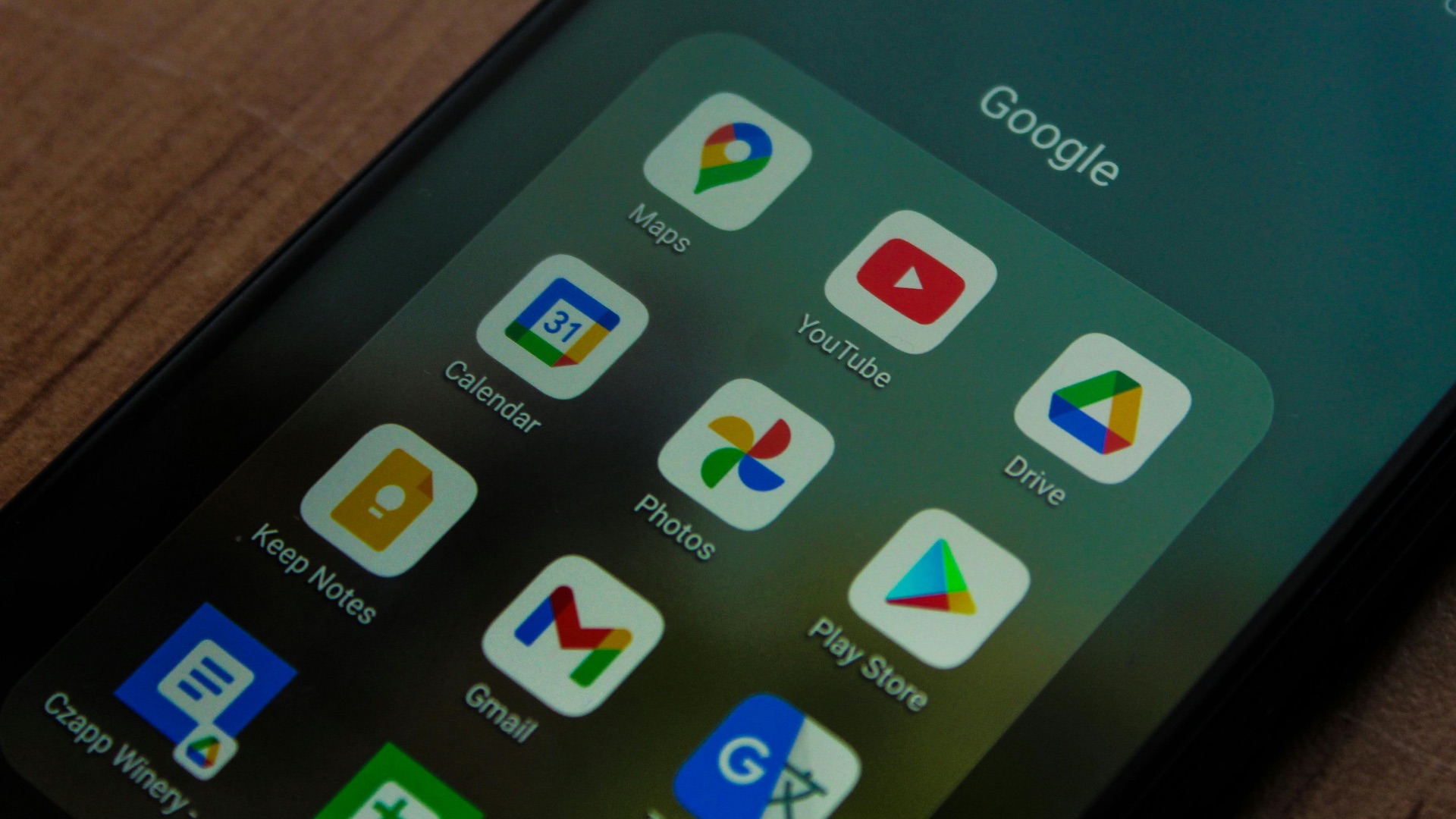
Google's suite of cloud services, including Drive, Photos, and Docs, works across virtually every platform and offers a level of accessibility and cross-device functionality that iCloud still struggles to match outside the Apple ecosystem. You can access your Google Drive files from any browser on any operating system without friction, which is a practical advantage for anyone who works across multiple devices or platforms. Apple's iCloud has improved over the years, but Google remains the clear leader in seamless, platform-agnostic cloud integration.
4. Search and AI Capabilities (Google)
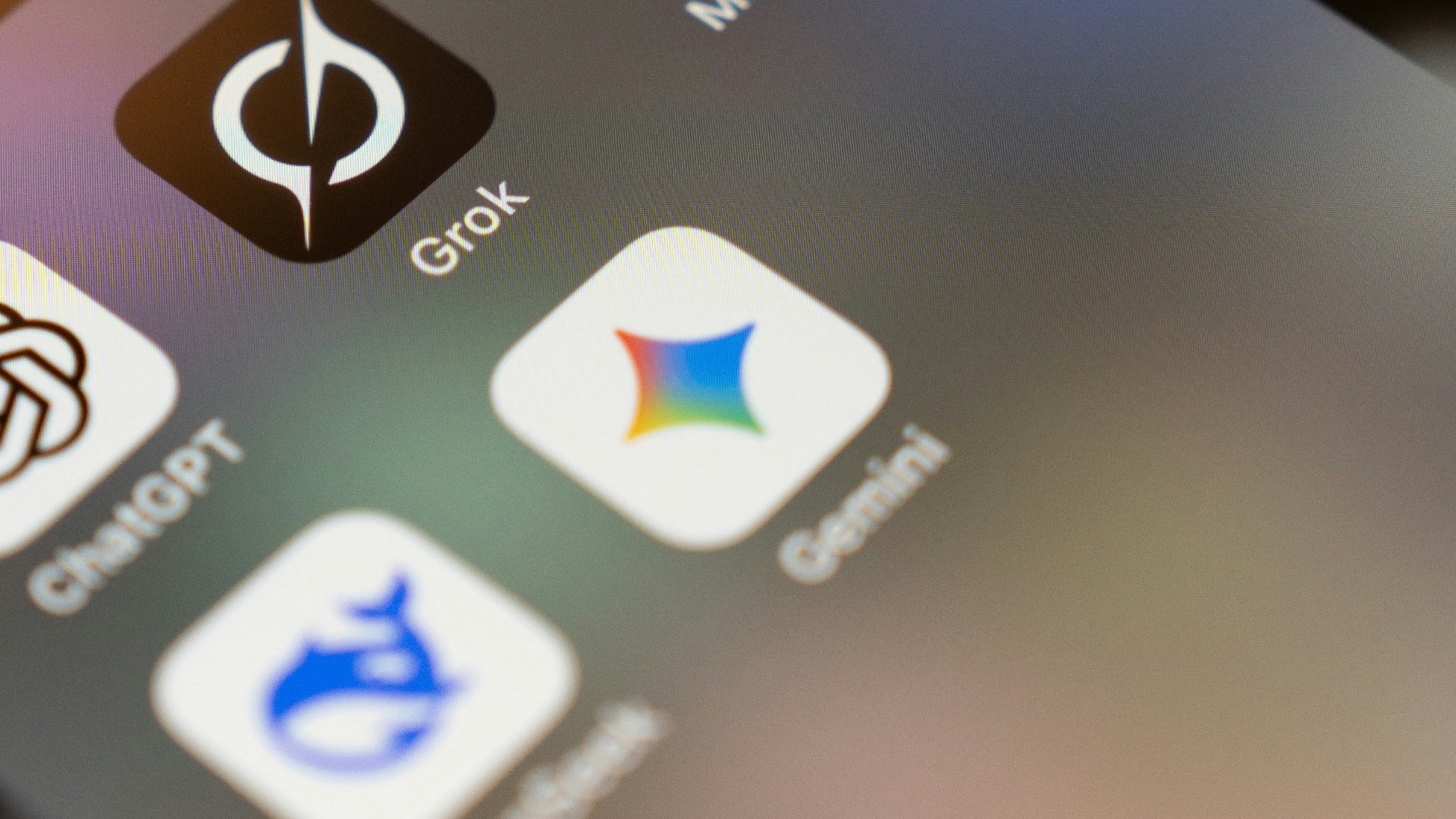
Google's search technology and AI tools remain significantly ahead of anything Apple has produced, with Google Assistant and Gemini offering more capable and contextually aware responses than Siri has managed to deliver consistently. Apple's voice assistant has been notoriously unreliable compared to its competitors, and despite years of development, it still falls short in areas like natural language understanding and task completion. For users who rely heavily on voice commands and AI-assisted productivity, Google's offerings are simply more dependable.
5. Display Technology Innovation (Samsung)
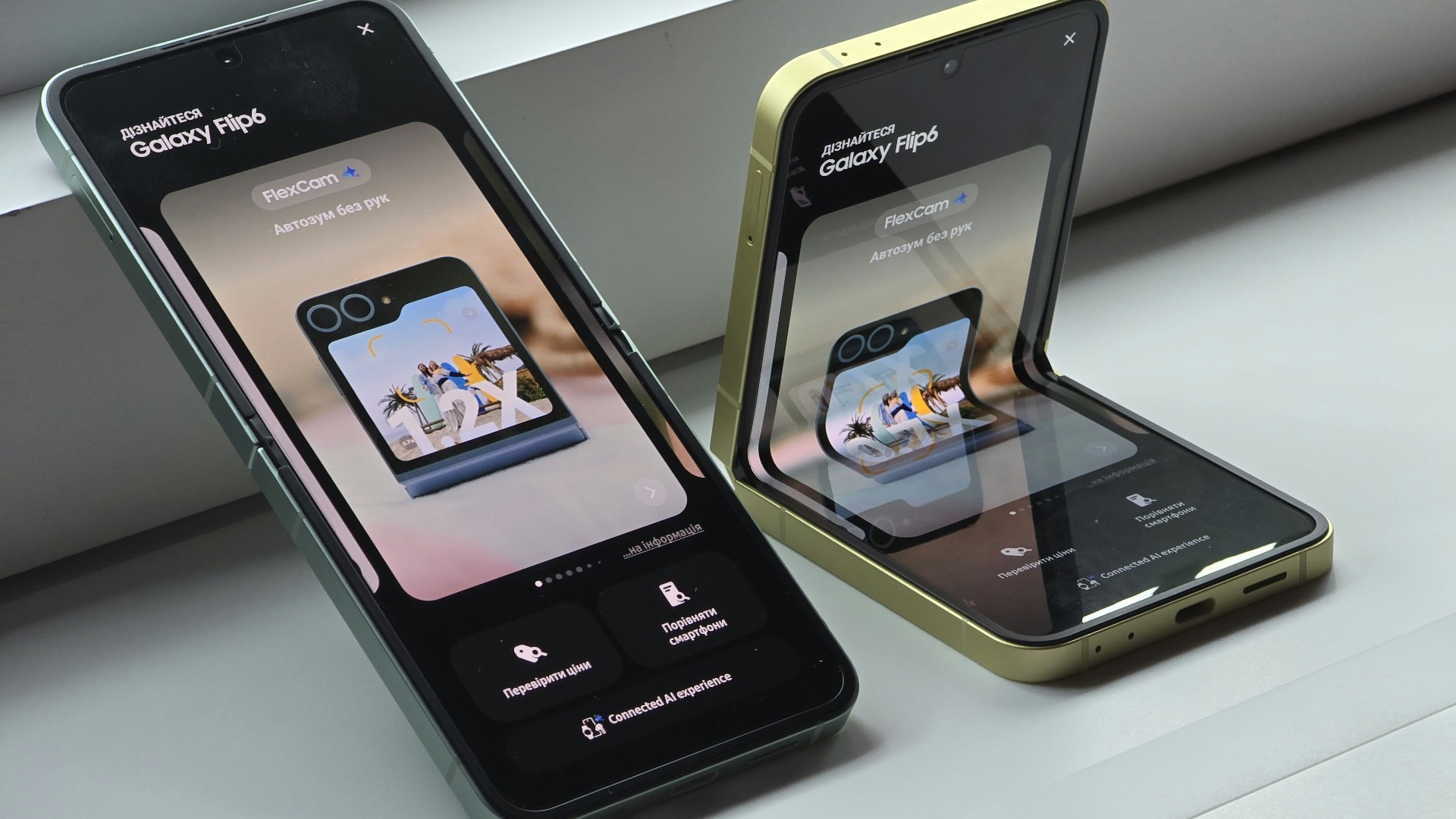
Samsung has consistently pushed the boundaries of display technology, introducing features like high refresh rate OLED panels and foldable screens well before Apple adopted them as standard in its own lineup. The Galaxy Z Fold series, for all its quirks, represents a genuine hardware innovation that Apple hasn't matched with a comparable product of its own. When it comes to experimenting with new screen formats and display capabilities, Samsung has earned its reputation as the industry's most ambitious innovator.
6. Productivity Software (Microsoft)
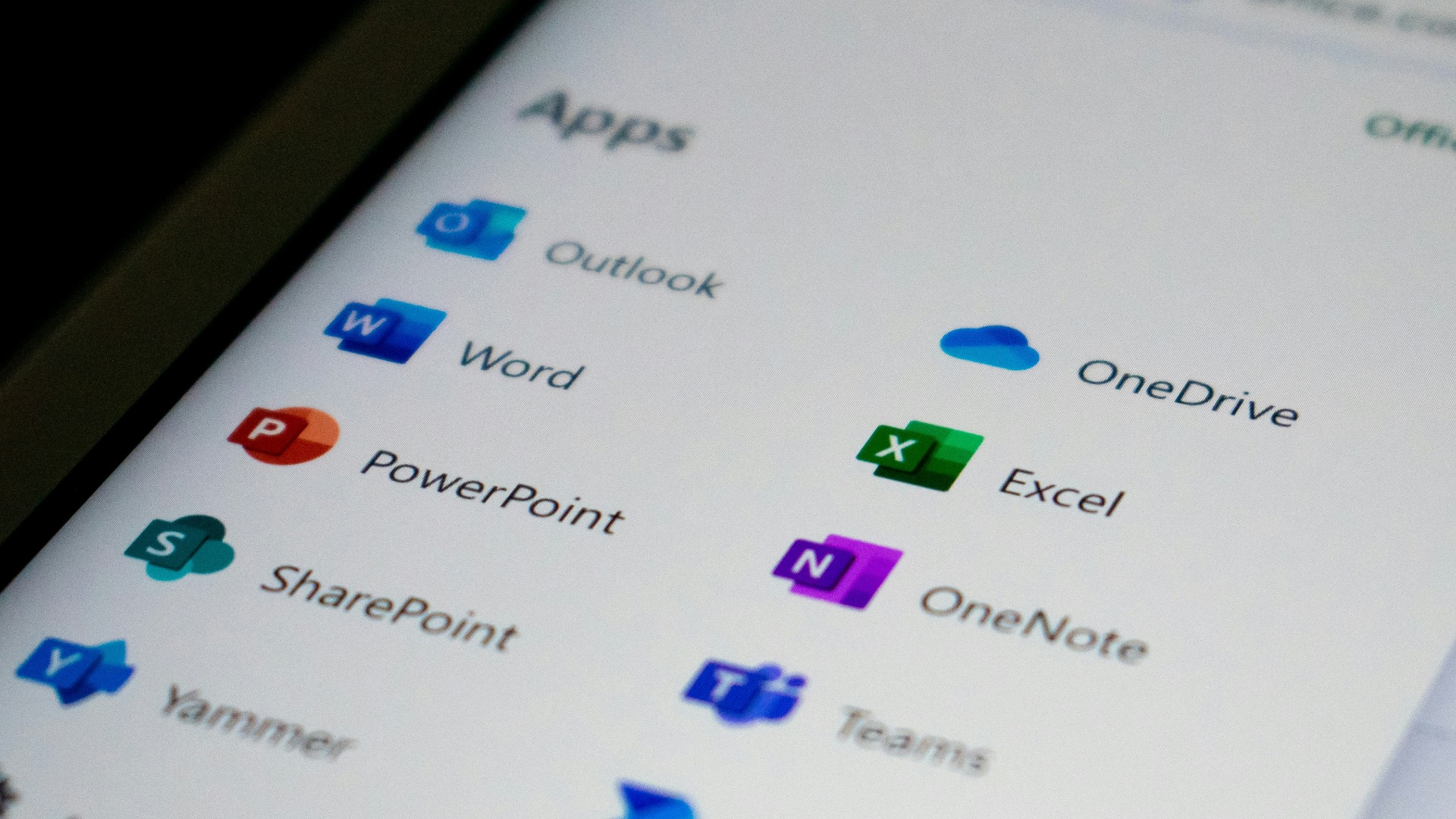
Microsoft Office remains the gold standard for professional productivity software, and despite Apple's capable Pages, Numbers, and Keynote apps, they're rarely the tool of choice in corporate or academic environments. Word, Excel, and PowerPoint are deeply embedded in how businesses operate, and the level of feature depth and compatibility they offer is something Apple's alternatives haven't come close to displacing. For professionals who need to collaborate seamlessly with colleagues and clients, Microsoft's software suite is still the practical choice.
7. Gaming (PC Manufacturers and Microsoft)
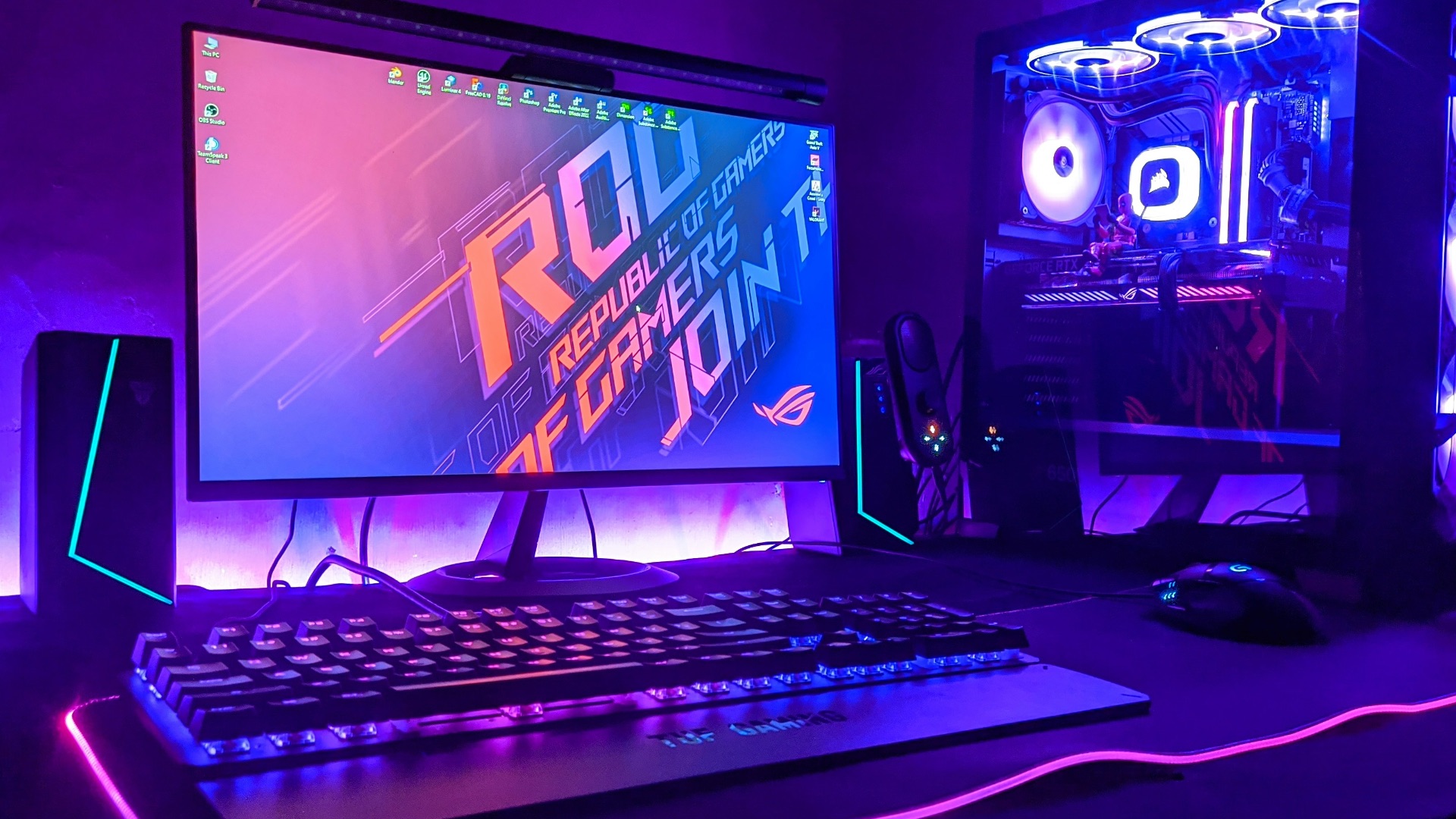
PC gaming continues to leave Apple in the dust, with a vastly larger library of titles, better graphics card support, and a more dedicated developer community building games for Windows. Even as Apple has made strides with its Metal graphics API and M-series chips, the Mac remains a second-tier platform for serious gamers who want access to the latest releases at the highest settings. If gaming is a priority for you, a Windows PC or a dedicated console will serve you far better than anything in Apple's current lineup.
8. Repairability (Fairphone and Others)
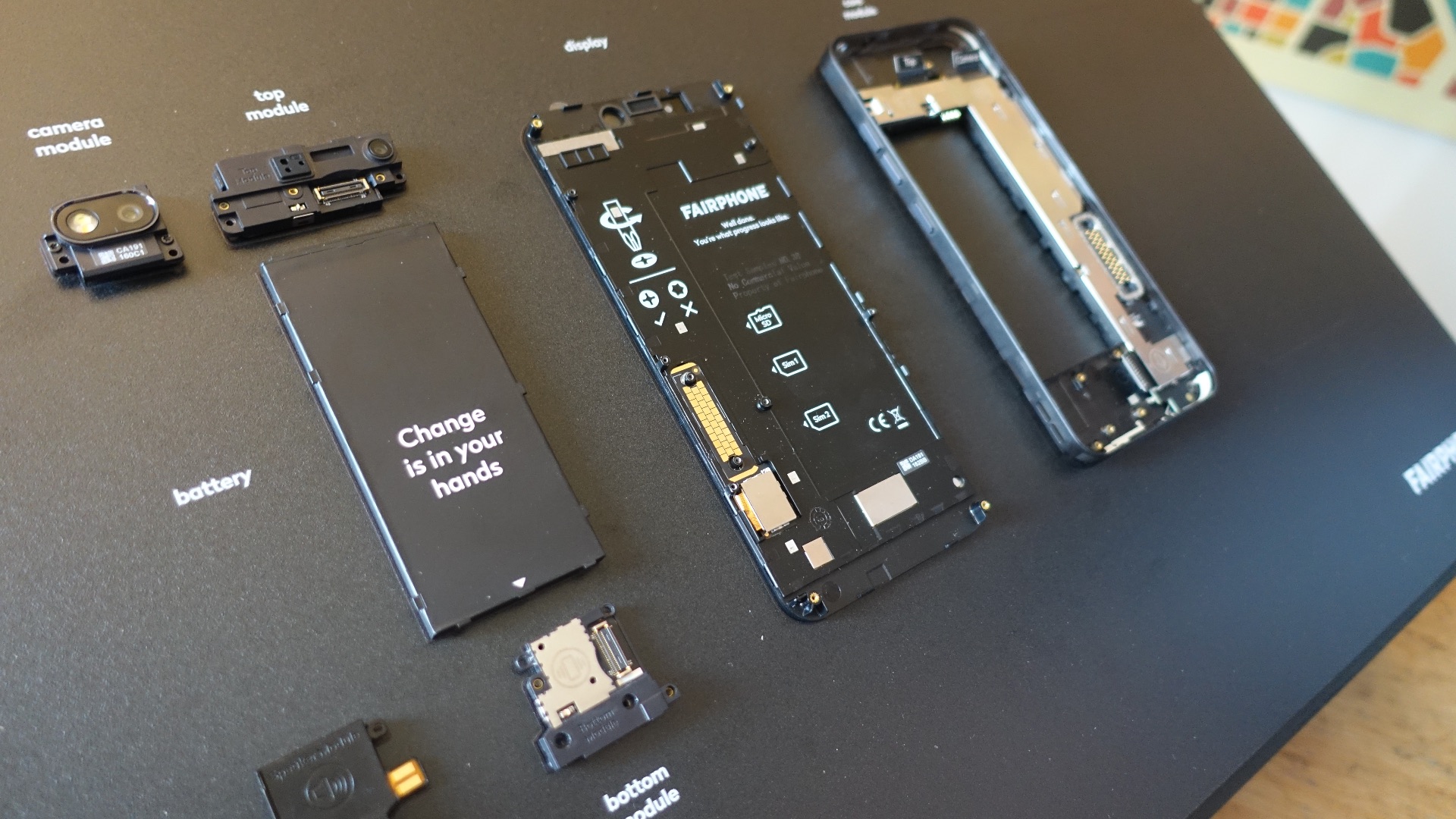
Apple has faced significant criticism for making its devices increasingly difficult to repair independently, with proprietary screws, glued-in components, and software locks that complicate third-party servicing. Companies like Fairphone have built their entire identity around user-repairable devices, and even Samsung has made commitments to improving repairability that put Apple's efforts to shame. For environmentally conscious consumers or those who simply want to fix their own devices, Apple's approach to repairability remains a genuine frustration.
9. Open Development Environment (Linux and Windows)
Developers who work across a wide variety of technologies often find that Linux or Windows gives them more flexibility when it comes to software environments, package management, and running certain tools natively without workarounds. macOS has made great strides for developers, but Apple's tightly controlled environment can occasionally be a barrier for those working on non-Apple platforms or with open-source toolchains. For the developer community that values freedom over polish, the alternatives offer fewer restrictions on what you can actually do with your machine.

10. Cross-Platform Compatibility (Google and Microsoft)
While Apple's ecosystem is impressive for those who own only Apple devices, it can create real friction the moment you need to interact with someone outside of it, whether that's sharing files, collaborating on documents, or simply sending a message without a blue bubble debate. Google and Microsoft have built their services to work smoothly regardless of what device or platform the other person is using, which makes collaboration far more frictionless in mixed-device environments. In a world where not everyone uses Apple products, that kind of platform-agnostic thinking is a genuine competitive advantage.