Why Streaming Games Isn't As Simple As People Think
Cloud gaming has grown rapidly over the past decade, but it's also surrounded by plenty of confusion. Some players assume it replaces consoles entirely, while others believe it barely works at all. In reality, the technology sits somewhere in the middle, offering advantages and limitations that are often misunderstood. Because cloud gaming relies on internet connections, remote servers, and evolving infrastructure, myths spread easily online. Clearing up these 20 misconceptions helps people better understand what the technology can actually do.

1. Cloud Gaming Means You Don't Need Hardware At All
Cloud gaming still requires some hardware, even though the heavy processing happens on remote servers. You need a device capable of streaming video, such as a smartphone, smart TV, PC, or tablet. Controllers, keyboards, or touch controls are also necessary depending on the game.
2. Cloud Gaming Always Has Terrible Lag
Latency was a serious problem in the early experiments with game streaming, especially in the late 2000s. Modern services reduce delay through improved data centers, faster internet speeds, and specialized streaming technology.

3. You Need Extremely Fast Internet For Cloud Gaming
People often assume cloud gaming requires the fastest fiber connection available. In practice, most platforms recommend speeds between about 10 and 25 Mbps, depending on resolution. Stability is often more important than raw speed because consistent data flow keeps the stream smooth.
4. Cloud Gaming Replaces Consoles Completely
Some headlines suggest that cloud gaming will make consoles obsolete, but the reality is more nuanced. Many players still prefer local hardware for maximum performance and reliability.

5. Streaming Games Means Lower Visual Quality
Early cloud gaming services often struggled with compression artifacts and reduced image clarity. Today's platforms support higher resolutions and improved video encoding, sometimes reaching 1080p or even 4K streams under ideal conditions.
6. You Can't Play Competitive Games On Cloud Services
Competitive gaming demands quick reactions, which is why some players remain skeptical about streaming. However, improvements in server infrastructure have reduced input delay significantly in many regions.
7. Cloud Gaming Requires Downloading Huge Files First
Traditional gaming usually involves downloading or installing large game files before playing. Cloud gaming removes that step because the game runs on a remote machine. Players simply launch the stream and begin playing almost immediately.
8. Cloud Gaming Libraries Are Always Tiny
Some early services launched with limited game catalogs, which helped create this misconception. Today, several cloud platforms offer hundreds of titles.
9. You Can Only Play On Phones
Smartphones were an early focus for cloud gaming platforms because they are widely available. In reality, most services support many different devices, including laptops, desktops, smart TVs, and tablets.
10. Cloud Gaming Is A Brand New Technology
The concept of streaming games remotely has existed for decades. Early companies like OnLive attempted commercial services in the early 2010s, though they struggled due to infrastructure limitations.
11. Streaming Games Use Massive Amounts Of Data Instantly
Cloud gaming does consume more data than some other online activities, but the usage isn't unlimited. A 1080p game stream may use roughly 5 to 10 GB of data per hour, depending on compression and bitrate. Lower resolutions reduce that number significantly. Players with strict data caps may still want to monitor usage.
12. Cloud Gaming Only Works In Major Cities
Because streaming relies on nearby data centers, performance tends to be better in regions with strong infrastructure. However, cloud gaming services now operate in many countries and regions beyond major urban hubs.
13. You Must Buy Games Again To Stream Them
Some services do require purchasing games within their own ecosystem. Others allow players to stream titles they already own on digital storefronts. NVIDIA GeForce Now, for example, connects with existing PC game libraries. The exact model depends on the platform.
14. Cloud Gaming Is Only For Casual Players
Casual players often appreciate the convenience of cloud gaming, but the technology isn't limited to that audience. Many modern AAA titles are playable through streaming platforms.
15. Offline Play Is Impossible With Cloud Gaming
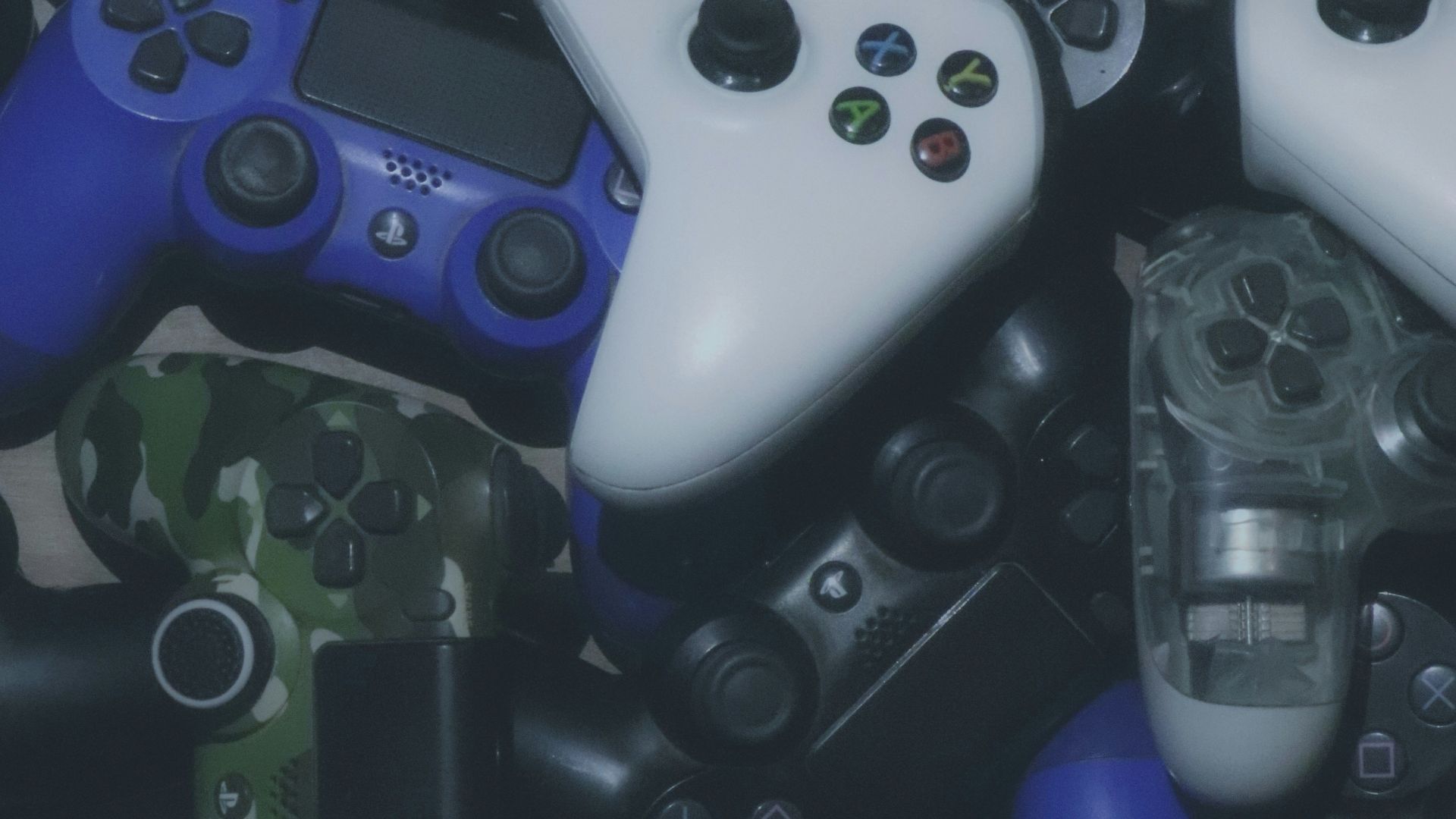
This statement is technically true but sometimes misunderstood. Cloud gaming requires an internet connection because the game runs on remote hardware. However, many gaming ecosystems combine cloud access with traditional downloads.

16. Cloud Gaming Drains Your Device's Battery Faster
Because the device mainly streams video rather than running heavy graphics calculations, it often uses less processing power. That can actually reduce energy consumption compared with running demanding games locally. Battery life still depends on screen brightness, network activity, and device efficiency. In many cases, cloud gaming can be relatively power-efficient.

17. Streaming Services Can't Handle Large Multiplayer Games
Massive multiplayer titles rely heavily on server infrastructure, which cloud gaming platforms already operate extensively. Games with large online communities can run through streaming systems without fundamental limitations.

18. Cloud Gaming Will Eventually Eliminate Game Ownership
Some critics worry that streaming means players will never truly own games again. While subscription models are common, traditional purchases still exist within many ecosystems. Digital storefronts, physical copies, and streaming access often coexist.

19. Cloud Gaming Is Too Expensive
Costs vary widely depending on the platform and service model. Some services operate through monthly subscriptions, while others offer free tiers with limitations.
20. Cloud Gaming Is Just A Passing Trend
Every few years, new technologies appear that promise to reshape gaming. Cloud gaming has already survived multiple development cycles and continues to expand as internet infrastructure improves. Major companies like Microsoft, NVIDIA, Amazon, and Google have invested heavily in the technology.