

Some video games become popular, earn a few awards, and eventually disappear from the conversation. Others stick around for years, inspiring new players to try them, longtime fans to revisit them, and endless arguments about whether they really deserve their legendary reputations. The Elder Scrolls V: Skyrim belongs firmly in the second category, with its sprawling fantasy world, memorable quests, dragons, and seemingly endless opportunities to get distracted.
Released on November 11, 2011, Skyrim earned widespread critical acclaim and became one of the most recognizable role-playing games of its generation. Yet its reputation isn't entirely free from debate, particularly as modern games introduce more sophisticated combat, detailed animations, and increasingly complex worlds. So, why do gamers continue to disagree about this classic? Much of the answer comes down to what players value most in a role-playing adventure.
There's Always Something to Discover
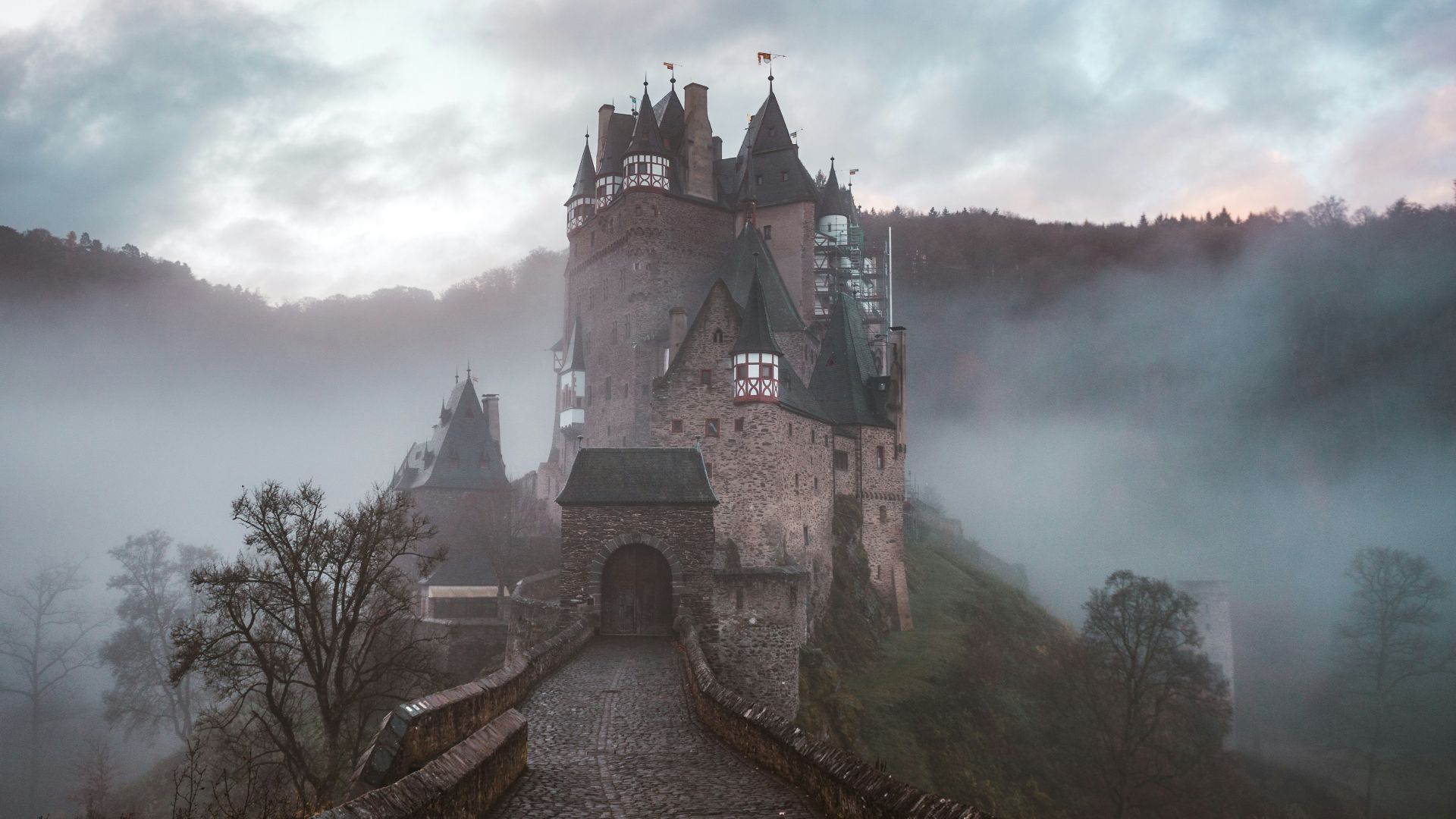 Cederic Vandenberghe on Unsplash
One of Skyrim's greatest achievements is how easily it encourages you to abandon your original plans. You could be heading to kill a dragon and come across a cool-looking cave. Then, your next hour of gameplay will be spent going through dungeons and helping out people in villages. Since there are so many options available to you, it's almost impossible to feel as if you're on a path. This can be very satisfying if you like exploring.
If you're not the type of person who likes having a huge world around you, then Skyrim may not be for you. Some people like being led down a storyline, and others like the freedom to roam and find quests for themselves. Skyrim allows you to forget about your main storyline for most of the game. If you like to explore, that's great, but if you're looking for a linear game with a beginning, middle, and end, this might not be it.
Even with its age showing, Skyrim has a distinctive atmosphere that keeps players coming back. Its snowy mountains, ancient Nordic ruins, quiet villages, and atmospheric soundtrack help make exploration enjoyable even when you're not completing a major quest. The world doesn't need constant dramatic events to give you a reason to keep walking. Sometimes, discovering a secluded cabin or watching the landscape change as you travel is enough to make another playthrough worthwhile.
Skyrim lets you develop your character through the skills you use, giving you room to experiment with different approaches. You can specialize in archery, magic, stealth, heavy weapons, crafting, or a combination that suits your preferred playstyle. This flexibility makes it easy to imagine yourself as a particular kind of adventurer rather than simply controlling a predetermined hero. For many players, the ability to shape their own journey is more important than following a perfectly balanced character progression system.
There's also combat that can get old for many people who play Skyrim. The swordplay can be quite easy, and once you learn how to use some spells and stealth tactics, you know what you're doing. Compared with newer action games, Skyrim's animations and enemy encounters can feel less responsive or varied. Fans may argue that combat is only one part of the experience, but critics have a fair point when they say that its fighting systems haven't aged as gracefully as its world design.
Another downside of Skyrim is its bugs. Some people have experienced weird clipping or bad physics, and it's become a joke among gamers. This can ruin the game at times if you're doing a main questline. Other times, you may just forget that the bug happened because you had fun laughing about it.
The Modding Community Changes the Experience
On PC, Skyrim's modding community has helped extend the game's life by creating new quests, equipment, environments, visual improvements, and gameplay changes. Players can customize their adventures to address weaknesses they notice or introduce entirely different experiences. This means two people discussing Skyrim might be talking about substantially different versions of the game. One might remember the original release, while another has spent hundreds of hours playing a heavily modified edition.
Nostalgia certainly influences how people remember games they played years ago, but it doesn't fully explain Skyrim's lasting popularity. Skyrim has attracted many players who never experienced the game upon its initial launch. New versions of the game, as well as ports to other consoles, have allowed this to happen. Whether you're experiencing the joy you felt as a child playing Skyrim or just getting your first taste of exploring Tamriel, the nostalgia is still there.
At the end of the day, it's just about how people feel about RPGs. You might enjoy a game that allows you to do what you want, with no obstacles in your way, and build your own story. Or you might enjoy the challenge that comes with better combat and deeper NPC dialogue. There can always be room for debate because every game will fall short somewhere. It's why Skyrim is considered a classic: there will always be something about it to discuss and love.