 Ryan Quintal on UnsplashStreet Fighter wasn't just a video game. It was a cultural touchpoint that turned casual gamers into life-long players. It started as a simple arcade fighting game, only to become a global sensation with a footprint that extended beyond gaming and into fashion and music.
For a generation of gamers that grew up on Street Fighter, you could spend hours at the arcade dropping quarters to take on a colorful, memorable character. Eventually, the tournaments were brought inside our home, which thrust the video game into pop culture.
Let's explore what made Street Fighter one of the most iconic video games of all time.
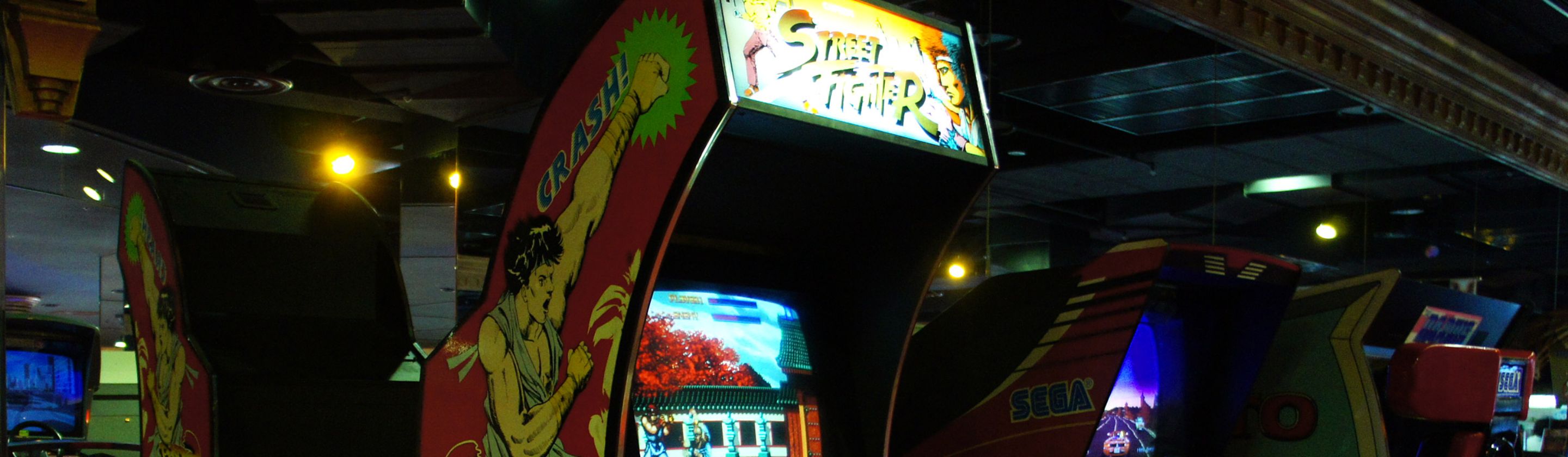
The Arcade Game That Defined an Era
The arrival of Street Fighter II in the early 1990s changed everything. Arcades saw a spike in traffic as they filled with players lining up quarters on cabinets to claim the next match. Unlike earlier fighting games, Street Fighter II offered a diverse roster of exciting characters. Each had unique fighting abilities and special moves and oozed personality.
The competitive nature of the game made it highly addictice. Players were yearning for bragging rights and to test and hone their skills. It was all about nailing your timing to perform a special move that would win you the match. Not to mention, the iconic phrases from this game would echo throughout arcades for years.
Characters That Became Cultural Icons
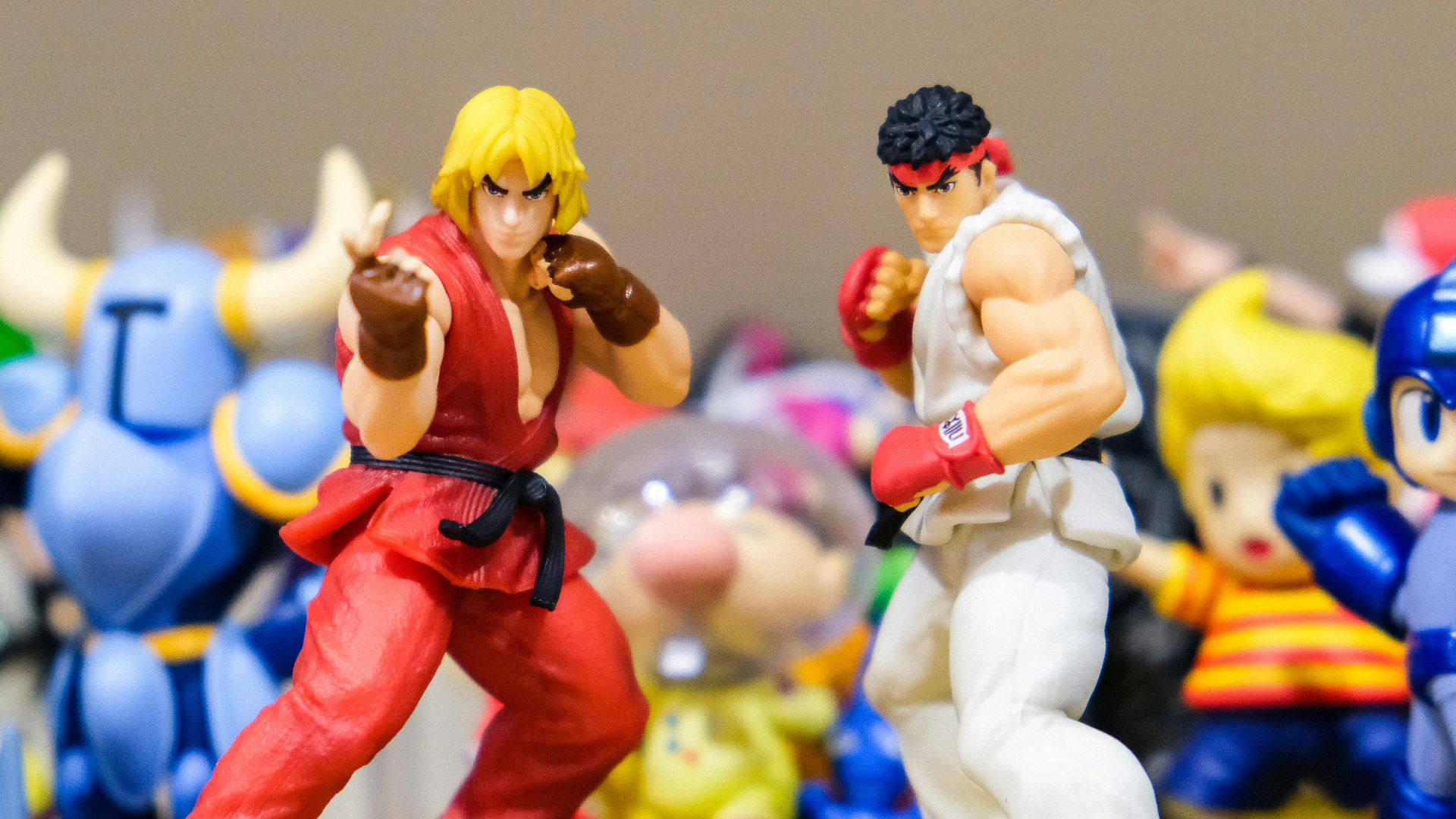
One of Street Fighter's biggest achievements was its character creation. Ryu, Ken, Chun-Li, Guile, and M. Bison were memorable, fun, and cool looking. Each character represented a country, had their own fighting style, and was equipped with a distinct personality. Chun-Li, in particular, broke new ground as she is one of the first widely recognized female fighting characters in video game history.
These characters would be featured in cartoons, comic books, action figures, and a couple of live-action movies. Most adaptations were critically panned, but they cemented Street Fighter's place in the mainstream. The characters' outfits, catchphrases, backstories, and rivalries were instantly recognizable, something that only movies and comic books had achieved up to that point.
A Lasting Impact
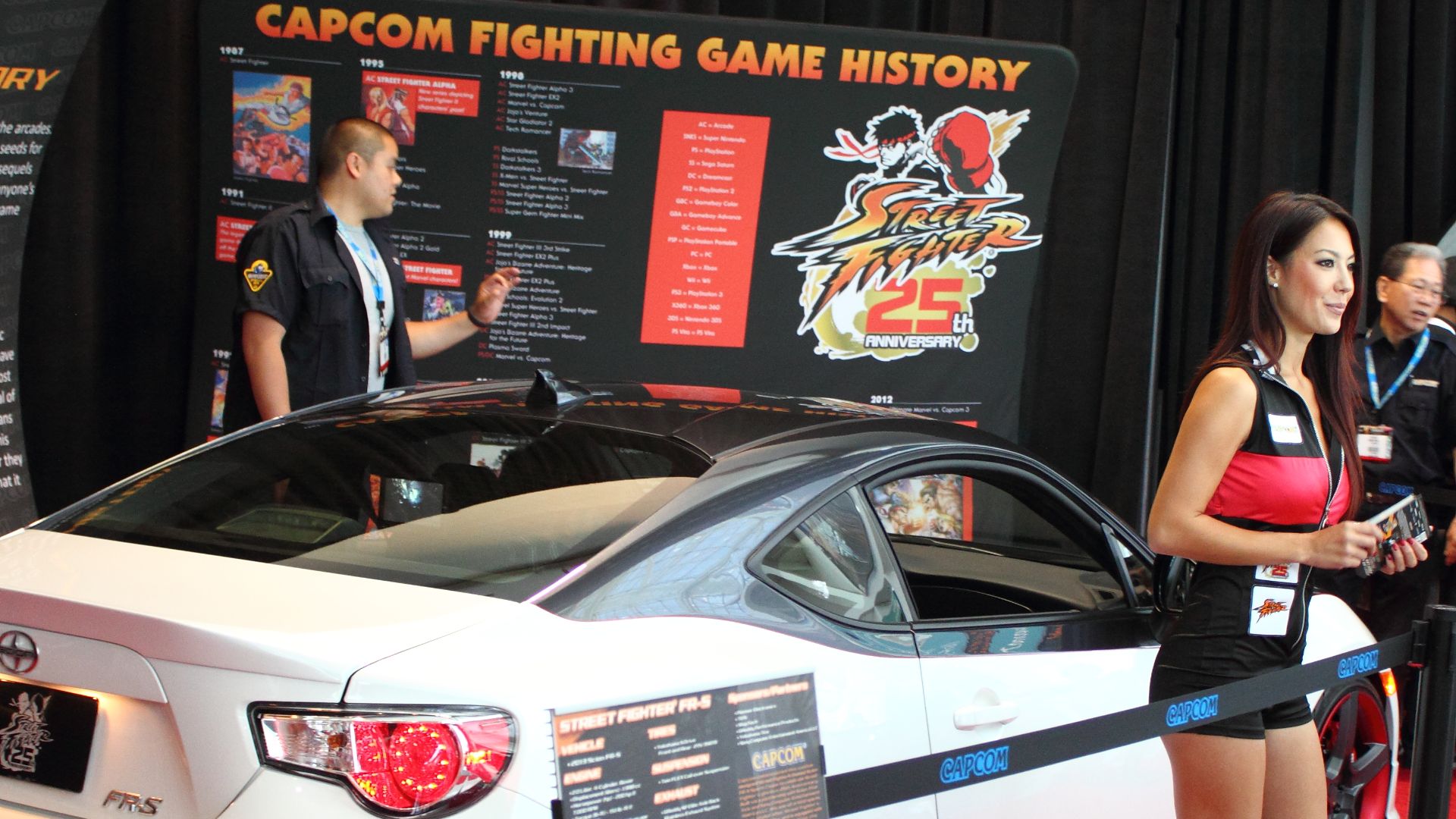
Street Fighter was more than entertainment for teens. It changed the gaming industry by popularizing complex combo systems, precise controls, and competitive play. It provided the blueprint for countless fighting games that followed in its footsteps. Every video game producer wanted to build a similar community.
Street Fighter was also seeped into music, fashion, and internet culture. Some hip-hop artists refereced it in their lyrics, streetwear mimicked its bold style, and memes still introduce its characters to new audiences. Events, tournaments, new installments, and remakes keep the franchise strong and moving forward. Gamers in every generation find their way to Street Fighter eventually.
Remembering Street Fighter is more than a trip down memory lane. It's about seeing it as the cultural phenomenon that it truly was. It reshaped entertainment, brought hordes of people into crowded arcades, and introduced characters to the world who would become icons. Furthermore, it laid the foundation for iconic gaming as we know it.