

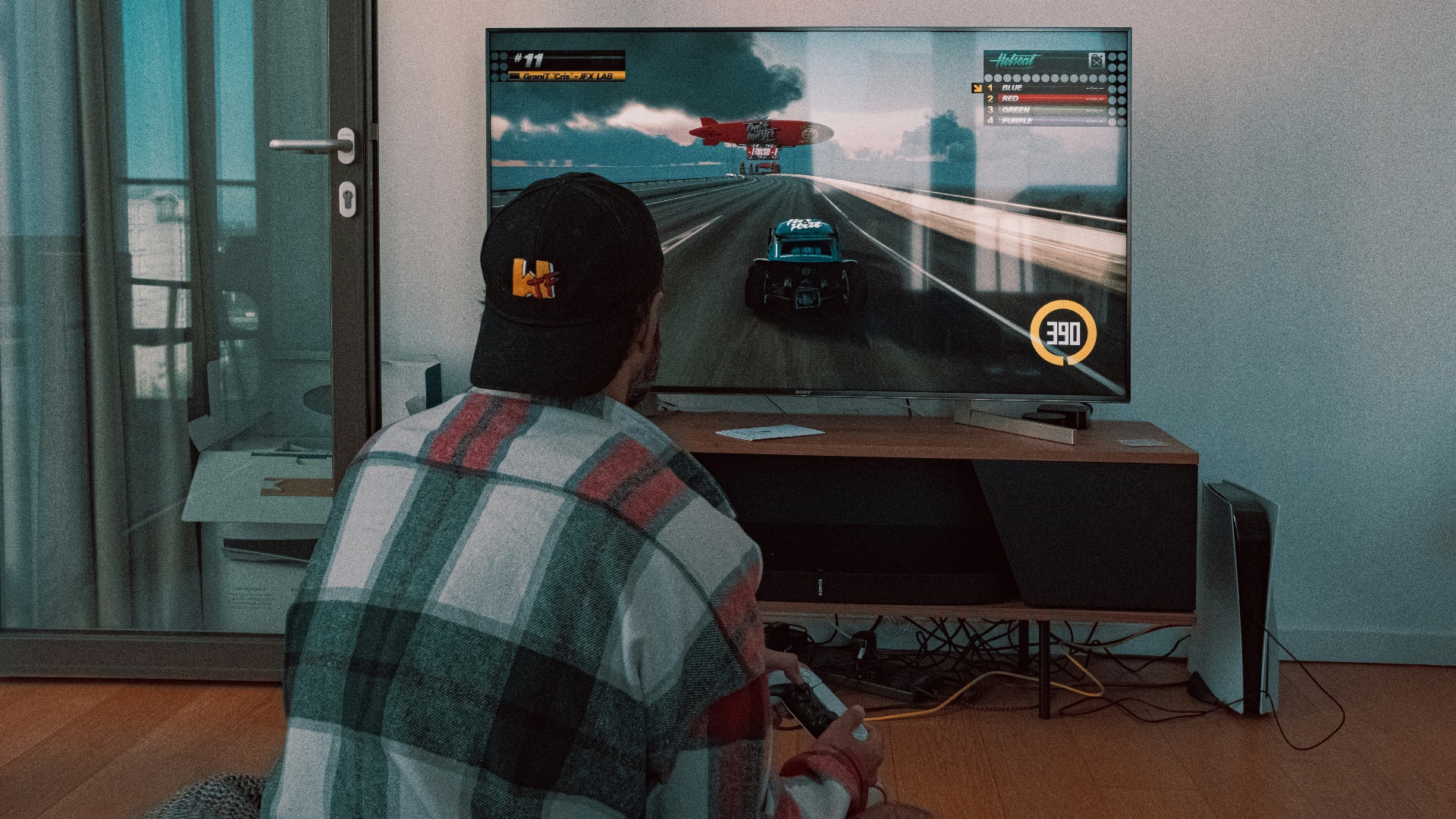
 Samuel Regan-Asante on Unsplash
What do you first picture when you think of a video game? Maybe it’s the graphics, which have improved substantially since we all first started playing! Maybe it’s the storyline or the protagonists. It might even be the villain. But among all the things that first spring to mind, there’s one crucial little component that rarely gets any of the attention it deserves: the missions.
Level design has evolved since the days of straightforward platformers, with modern developers experimenting with interconnected environments, environmental storytelling, and player freedom. However, creating a bigger map doesn't just produce a better game. Understanding what separates thoughtful design from unnecessary complexity reveals just how much work goes into making virtual spaces enjoyable. Let’s give credit where it’s due, and explore just how much time and effort goes into building the perfect next chapter.
Guiding Players Without Taking Away Their Freedom

One of the greatest challenges in level design involves directing players without making them feel controlled. Developers use lighting, architecture, and carefully positioned landmarks to suggest where you should go next, often eliminating the need for intrusive markers. Take The Last of Us Part II; the abandoned buildings and overgrown streets establish believable routes that still encourage investigation. You’re then allowed to concentrate on your surroundings instead of getting lost inside a minimap.
Level designers also bust their humps teaching mechanics through gameplay. How well do you honestly think you would have done in Portal 2 if not for the brilliant progression the game makes as puzzles advance? Instead of overwhelming players with lengthy explanations, it encourages experimentation until the solution becomes clear. That sense of discovery isn’t always easy, but the right team can figure it out no problem.
It’s also important to remember that not every game benefits from directing its audience along a carefully established route. In reality, some thrive by encouraging independent exploration. Elden Ring gives players considerable freedom to wander, encounter enemies, and discover locations well beyond their current abilities. Many sci-fi and fantasy titles do this, in fact! Its layouts frequently reward curiosity with hidden passages, optional bosses, and valuable equipment. Most notably, retreating from an intimidating encounter can be just as meaningful as defeating the enemy guarding it.
Using Environments to Tell Stories
Exceptional level design does a lot more than just move the story along, though. The right levels communicate information without relying on dialogue or cinematics alone. Consider BioShock—the deteriorating underwater city immediately alerts you to the consequences of its failed experiment. You see everything from abandoned businesses and damaged interiors to scattered personal belongings, all of which build a deeper story.
Atmosphere also depends heavily on how developers manipulate space, visibility, and sound. The Resident Evil franchise has never been shy about doing this, especially the 2019 reboot of Resident Evil 2. You’re forced to deal with narrow corridors, locked doors, and interconnected rooms that all work to make you second-guess everything you do. Returning to familiar locations isn’t always helpful; increasingly uncomfortable when enemies can threaten areas that were once a piece of cake.
But that’s just the tip of the iceberg. Environmental storytelling doesn't always need ruined cities to leave an impression. Stray uses its densely populated neighborhoods to establish a distinctive society inhabited by robots, complete with apartments, shops, and recognizable spaces. Small details encourage players to investigate the world while uncovering information about its residents. And because you’re a cat, everyday objects also become opportunities for exploration.
Balancing Challenge, Variety, and Satisfaction

A memorable level needs more than interesting scenery—the challenges within it need to work overtime to complement the mechanics you’ve already learned. Celeste illustrates this principle through platforming stages that introduce movement techniques before demanding increasingly precise combinations of jumps, dashes, and wall climbs. Its quick respawns encourage repeated attempts without forcing players to replay lengthy sections after every mistake. Consequently, obstacles can push players to their limit without making failure so punishing that they rage quit.
Pacing presents another important consideration, particularly in games that combine exploration, combat, and narrative sequences. When we think of God of War, for example, we’re reminded that this behemoth regularly alternates between demanding encounters, normal conversations, and puzzles throughout. All those changes provide ample opportunities to absorb story developments while preventing constant fighting from becoming exhausting.
At the end of the day, thoughtful level design recognizes that memorable experiences aren't determined by the size of a map. The finest level designers understand that giving players something meaningful to do matters more than simply giving them somewhere enormous to go. The next time you boot up your favorite game—and especially after you revisit a favorite mission—think about just how well it fits into the broader narrative. You might just find a new appreciation for that classic.