Zombies Have Come a Long Way
Zombie games could have stayed simple forever: give us a weapon, fill a room with drooling undead, and see how long they survive. Well, that cookie-cutter gameplay didn’t really do it for some developers. These 20 games didn't just use reanimated monsters as enemies; they introduced ideas, mechanics, and storytelling that changed what we expected from the genre.
1. Resident Evil
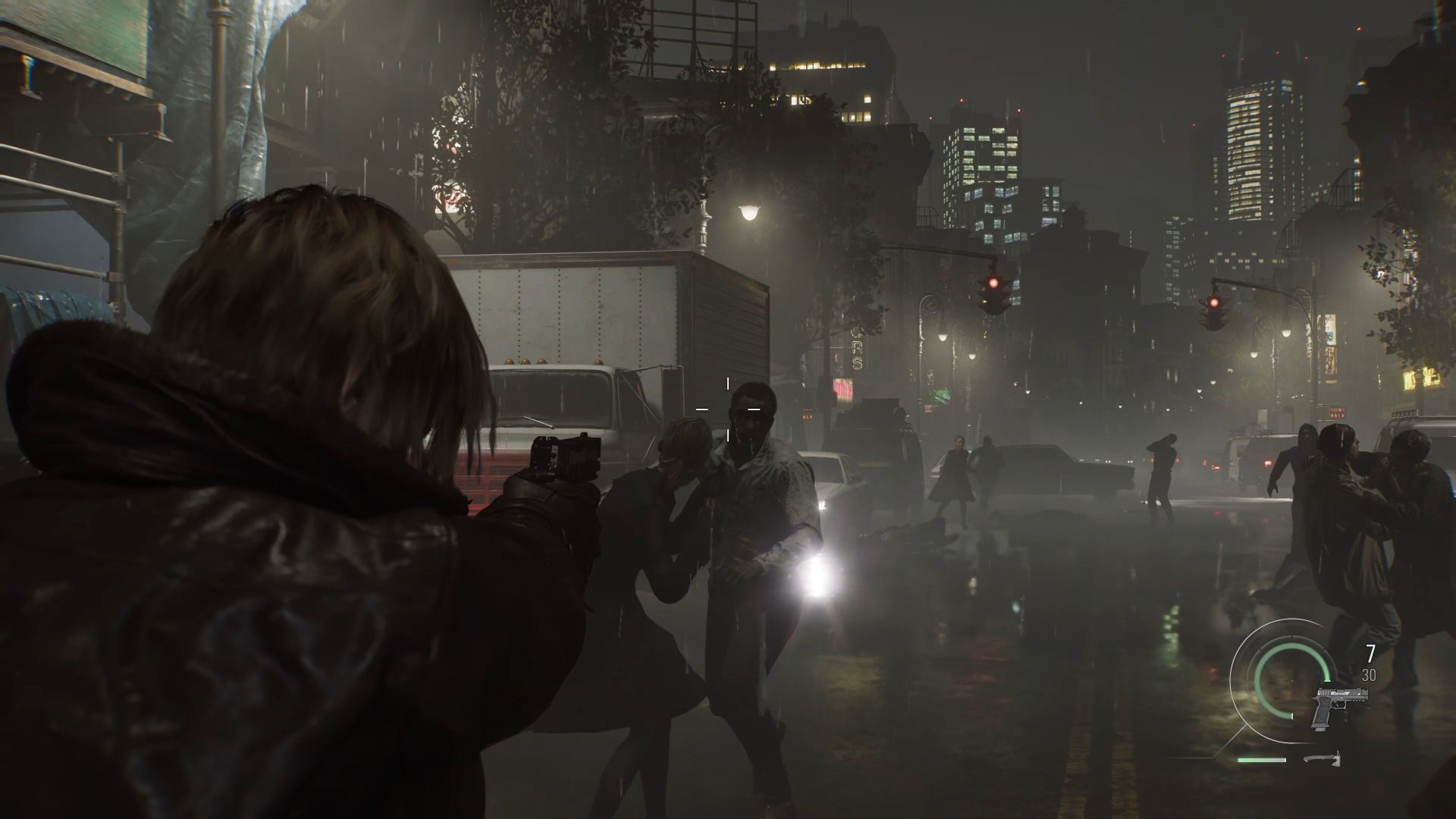
If we’re paying homage to any game-changer, it’s obviously the original Resident Evil. This baby helped establish the survival-horror formula when it arrived in ‘96, forcing you to think about ammunition, inventory space, and whether an enemy was even worth swinging at. Okay, its camera angles and controls haven't exactly aged gracefully, but a lot of history still begins here.
2. Resident Evil 2
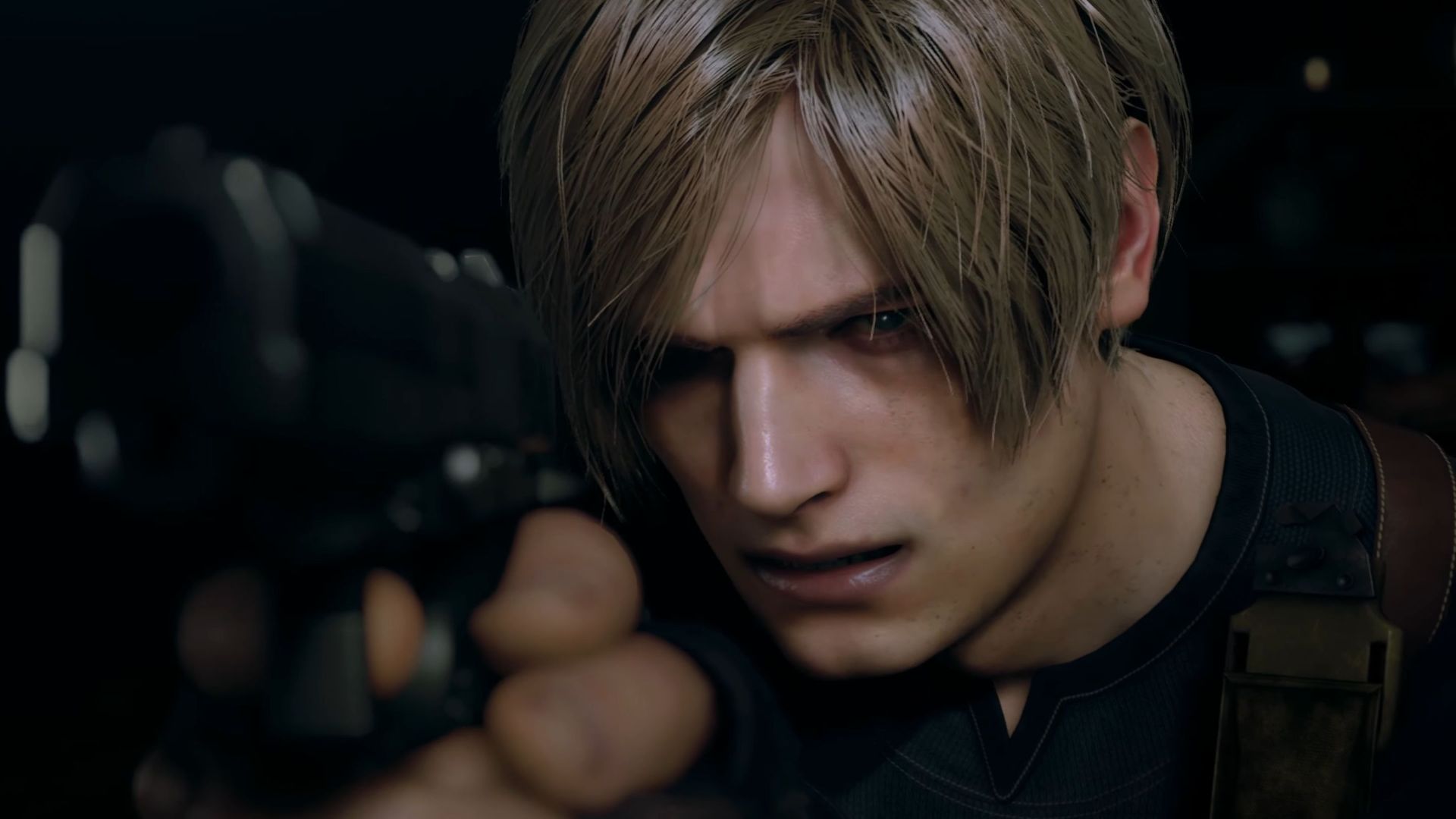
Rather than repeating the mansion setting and calling it a day, Resident Evil 2 unleashed its outbreak across Raccoon City. Poor Leon and Claire were left to battle grotesque additions, too (we’re looking at you, Lickers), not to mention the relentless Mr. X. Capcom came out swinging with this one, proving zombie horror could become much bigger without sacrificing the claustrophobic tension.
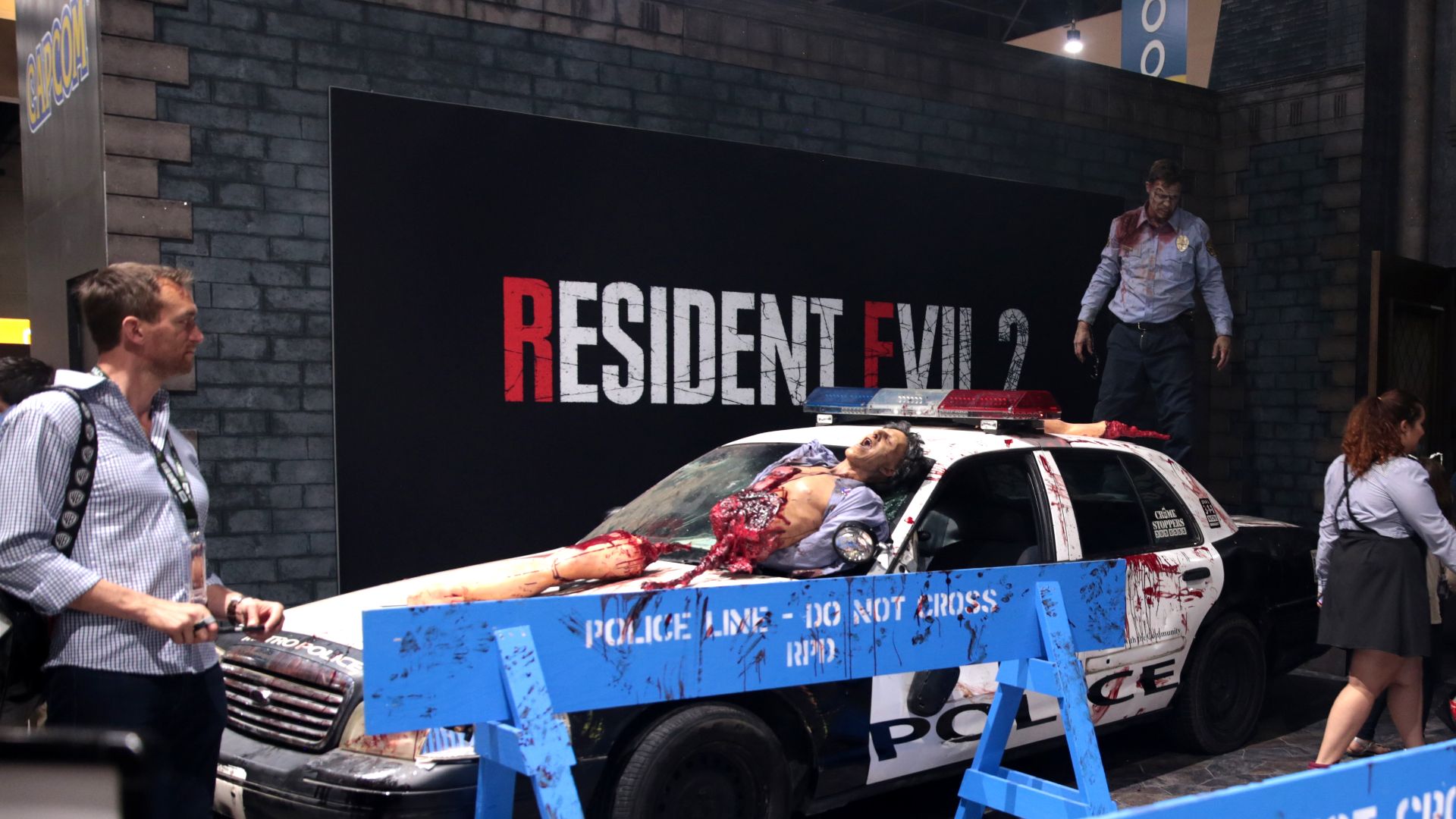 Gage Skidmore from Peoria, AZ, United States of America on Wikimedia
3. Left 4 Dead
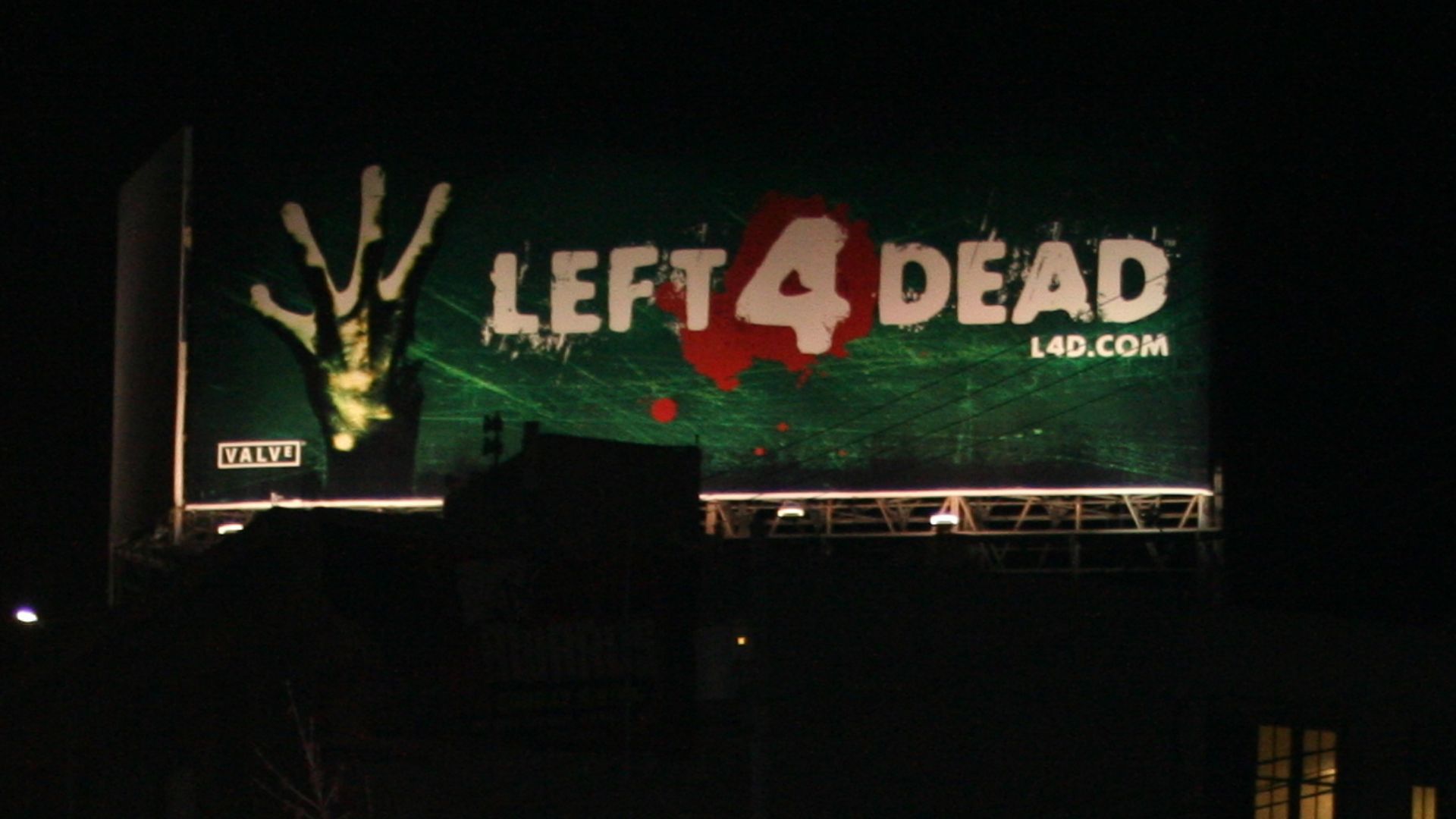
Valve completely changed cooperative zombie games in 2008. It was built around four survivors who desperately needed one another—and against a Tank or a Witch, they’d need each other. The atmosphere also adjusted enemy numbers and special infected encounters depending on how well you were doing, so even familiar levels rarely unfolded the same way.
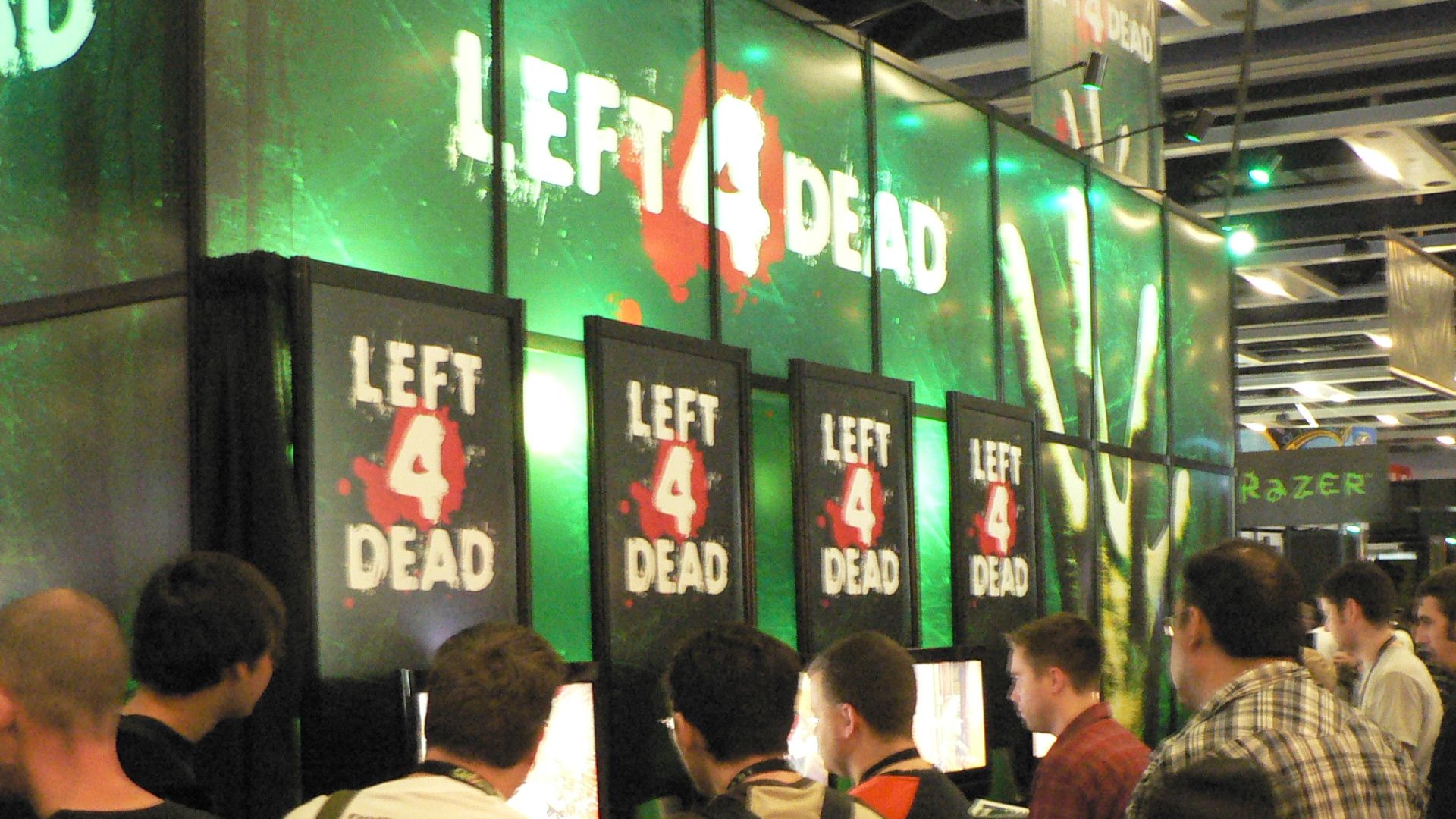 eng1ne from Round Rock, TX, USA on Wikimedia
4. Dead Rising
Most zombie games encouraged you to fear crowds. You know, until Dead Rising dropped Frank into a mall packed with thousands of shambling targets. Almost anything could become a weapon, and its ticking clock made every rescue compete for your attention.
5. The Last of Us
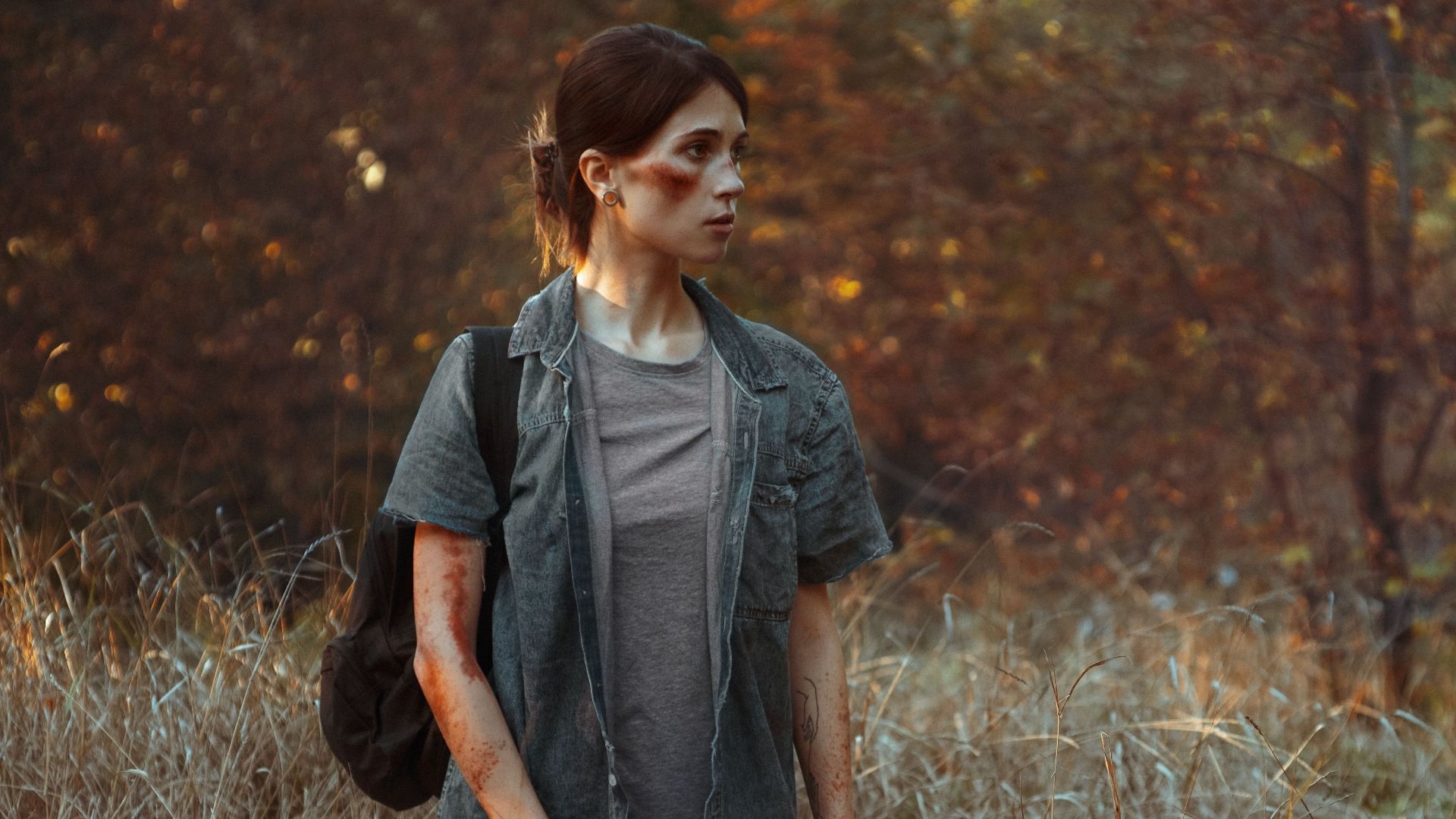
Alright, so Naughty Dog's infected aren’t traditional corpses, but The Last of Us had a massive impact on how seriously these stories should be taken. Joel and Ellie's journey used the outbreak as the setting for a deeply personal story involving grief, trust, violence, and morally questionable choices. Clickers are terrifying, sure, but some of the most uncomfortable moments came from humans.
6. Dying Light
Techland realized an apocalypse gets a lot more interesting when you can sprint across rooftops. And so, Dying Light combined first-person parkour with scavenging and melee combat. You’ll feel cool and confident until nighttime hits; dropkicking zombies can only help so much by then.
 Techland Publishing on Wikimedia
7. Call Of Duty: World at War – Zombies
CoD already revolutionized the gaming world, so we weren’t expecting them to do it again. Lo and behold, what began as a secret bonus mode unexpectedly became one of gaming's biggest zombie institutions. Nazi Zombies stuck you in increasingly difficult rounds, and though later entries developed an absurdly complicated storyline, the addictive foundation was already sitting inside that first bunker.
8. Telltale's The Walking Dead
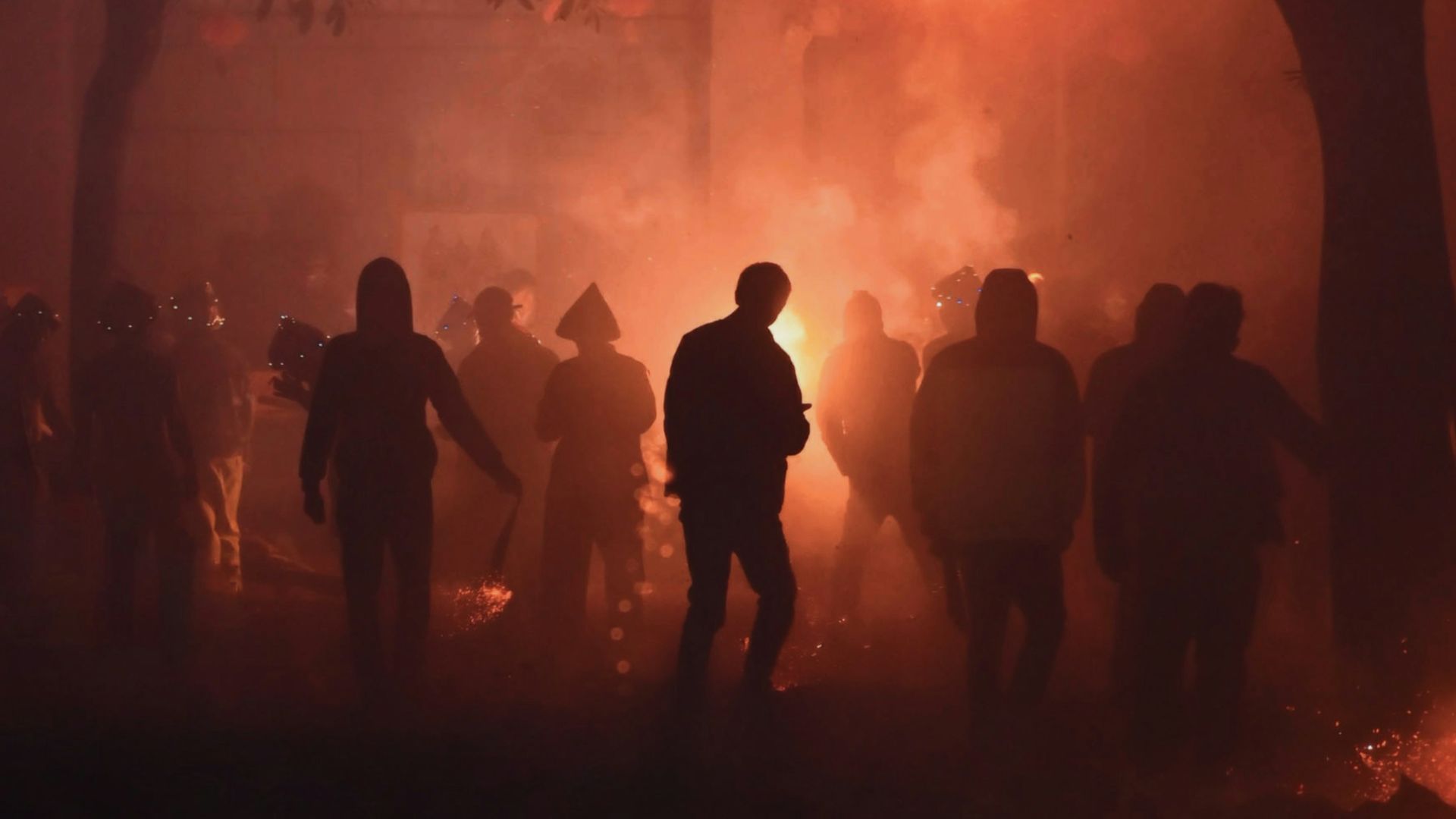
Oh, Lee. Oh, Clementine. Oh, everyone! Plenty of games ask whether you have enough ammo, but this one made you worry about what you'd just said to an eight-year-old. Lee’s relationship with Clem gave every argument and difficult decision emotional weight, and its success showed that one little zombie game could thrive without making combat the main event.
9. Project Zomboid
Project Zomboid opens with an unusually honest promise: this is the story of how you died. And yet, not even that was enough to deter us from playing. Don’t say they didn’t warn you, though. You need to manage hunger, exhaustion, injuries, panic, weather, disease, barricades, vehicle maintenance, and countless other problems while a single careless encounter can destroy weeks of progress.

10. DayZ
Long before every multiplayer seemed interested in survival, the original DayZ mod turned ARMA 2 into an unpredictable wasteland. Finding food and equipment mattered, but meeting another player was where the real tension lay. You could never be sure whether they wanted to cooperate or steal everything you had.

11. Resident Evil 4
Resident Evil 4 may have abandoned traditional zombies for the Ganados, but its influence is impossible to ignore. The over-the-shoulder camera made careful shots feel immediate, all while enemies seemed to have a mind of their own. Its faster style also permanently shifted the franchise and helped define how countless third-person action games would control afterward.
12. State of Decay
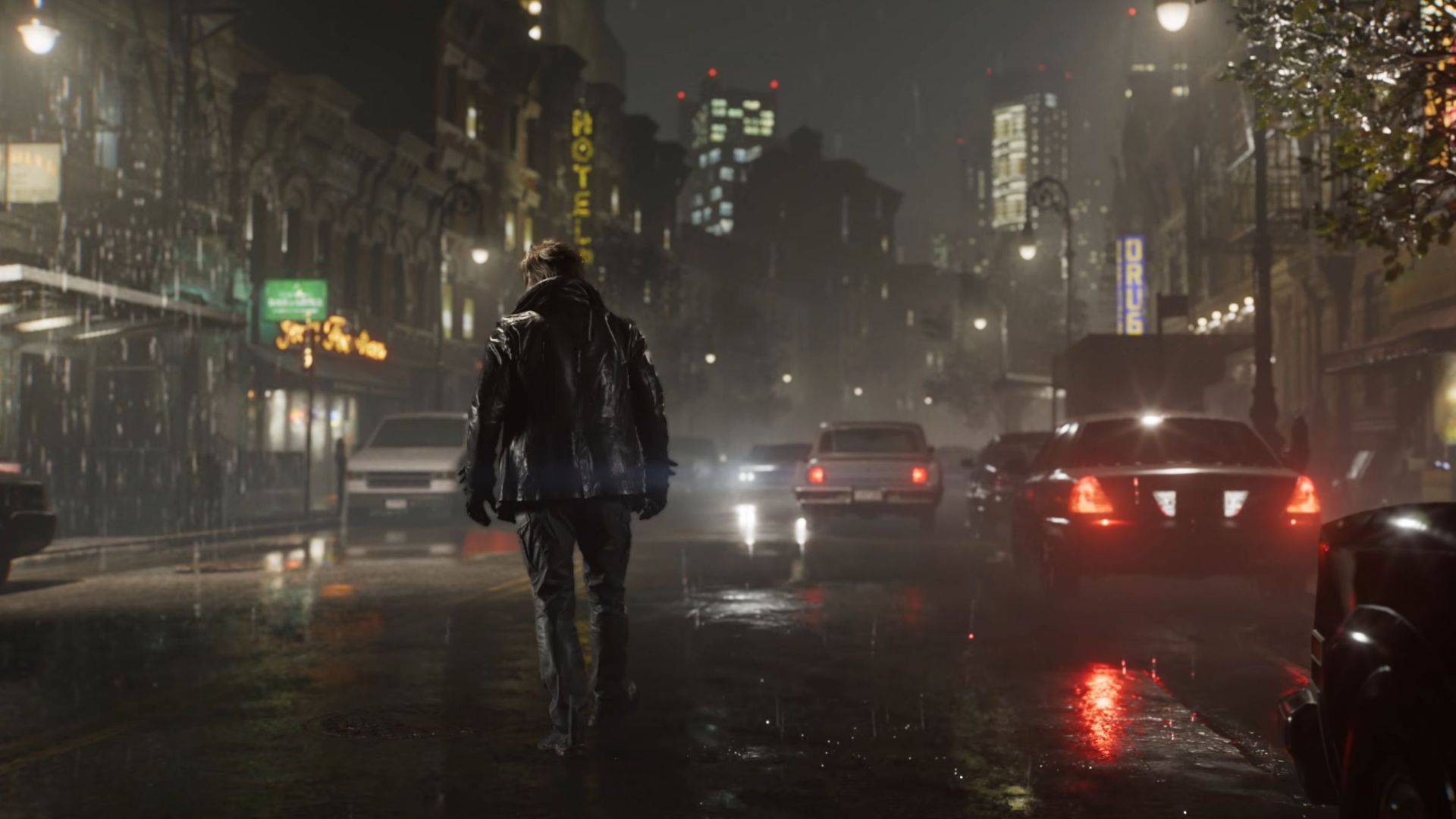
Forget controlling one character—State of Decay wants you to keep an entire community alive. Survivors could get tired, too. Or injured or frightened or permanently dead. Bases needed re-ups on medicine, ammo, and food. Long story short, good luck to you.

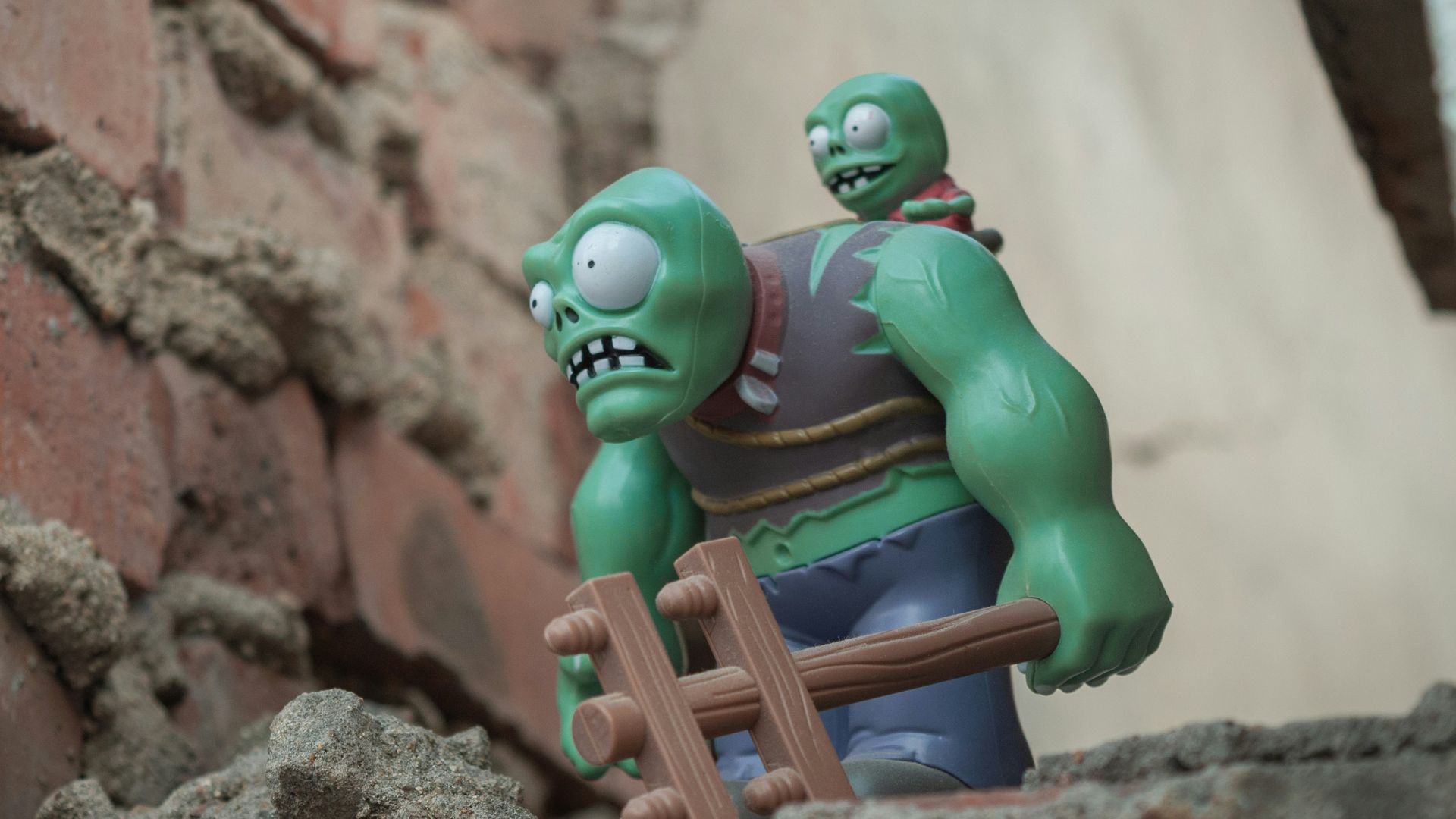
13. Plants Vs. Zombies
We know this one stands out like a sore (green) thumb, but PopCap proved that the undead didn't need blood or abandoned hospitals to carry a brilliant game. It’s just as nerve-wracking defending your lawns with peashooters while ridiculous zombies threatened your harvest. Its approachable design also brought zombie gaming to players who wouldn't have otherwise touched survival horror.
14. Dead Island
First of all, we need to acknowledge the famous, devastating trailer. Now that that’s out of the way, we can also say that Dead Island ultimately became memorable for letting you batter zombies around a resort with homemade weapons. The game was messy in places, but its first-person combat laid important groundwork for a few games that followed.
 Raffi Asdourian from New York, United States on Wikimedia
15. Zombies Ate My Neighbors
Released in 1993, Zombies Ate My Neighbors brought you all kinds of colorful chaos in a genuinely funny game. You basically rescued neighbors while fighting maniacs, giant babies, mummies, and plenty of actual zombies—with squirt guns and soda cans. However, beneath the silliness sat a challenging game that still holds up today.
16. The House of the Dead
Arcades got one of their definitive horror shooters when Sega showed up with The House of the Dead in 1996. You blasted through labs and mansions, and wonderfully theatrical dialogue kept each run moving. It helped make zombie shooting an immediate arcade experience where accuracy and speed mattered more than hoarding three bullets.

17. Stubbs the Zombie in Rebel Without a Pulse
Zombie games almost always put you on the surviving side, but not this one. Stubbs the Zombie gained instant personality by letting you cause the outbreak yourself. Stubbs could eat brains, possess humans, and convert victims into an increasingly large following. The 2005 game wasn't a huge hit, but flipping the genre's perspective still made it a clever cult classic.
18. Dead Space
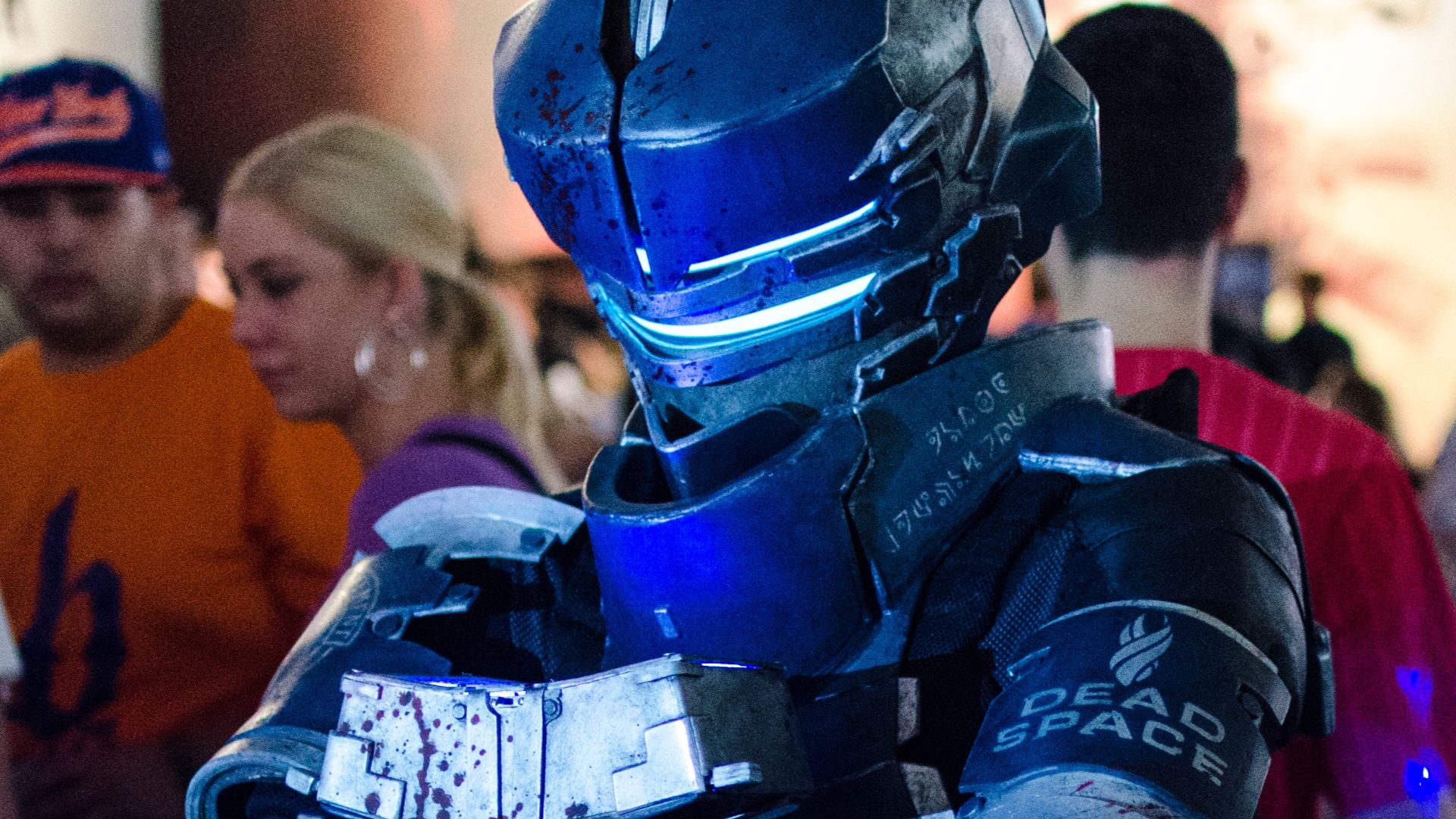
Yes, we know that Necromorphs technically aren't zombies, but Dead Space still reworked enough conventions to earn its place in the genre's extended family. Shooting enemies in the head? Forget about it. You’re forced to strategically sever limbs while navigating the abandoned environment with limited supplies.
 Sergey Galyonkin from Raleigh, USA on Wikimedia
19. The Last of Us Part II
Obviously, we were going to mention The Last of Us Part II! It brought us larger combat spaces. It gave us more flexible movement and unsettling additions like the Shamblers. More importantly, however, it continued treating the apocalypse as background noise to human consequences. Just be prepared to cry.

20. Left 4 Dead 2
Crazily enough, this one came out only a year after its predecessor, but Left 4 Dead 2 took Valve's formula and made nearly every part of it more ambitious. In addition to the disgusting Boomers and annoying Smokers, you now had new special infected to worry about. Campaigns also introduced weather changes, melee weapons (finally!), and memorable finales. Few sequels have understood their own strengths as well, which is why we still chase the four-player chaos it perfected.