When Winning Becomes the Only Thing
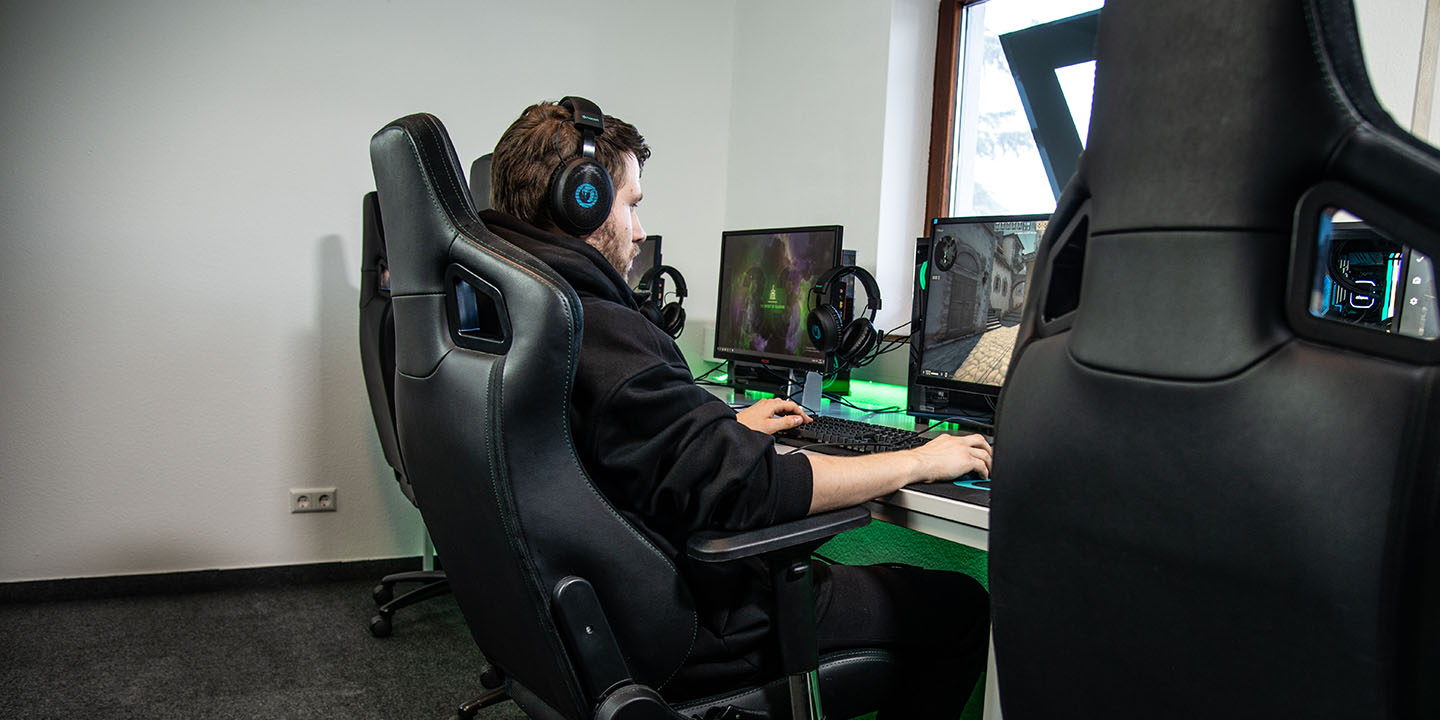
If you're a gamer, you're most likely pretty competitive, and that's totally normal: there's nothing inherently wrong with wanting to come out on top. The real question, though, is whether your drive to win is propelling you forward or pushing everyone else away. If you're always treating everything like a contest and need to have the last say, your competitive nature could be working against you. Here are 10 ways your need to win can hurt your relationships, and, on the flip side, 10 ways it helps build and boost your character.

1. Everything Is a Contest
Not everything in life is a competition, but for overly competitive people, it can certainly feel that way. Board game nights, friendly debates, or even deciding where to eat can become high-stakes situations when one person refuses to let anything go without a fight. Over time, the people around you may start opting out of social situations altogether just to avoid the tension.

2. It Makes Others Feel Inadequate
Constantly needing to be the best in the room sends a not-so-great message, even if you don't mean it to. Friends and partners may begin to feel like they can never measure up, which chips away at their confidence and changes how they relate to you. Relationships thrive on mutual respect, and that's hard to maintain when one person always has to come out ahead.

3. Listening Takes a Back Seat
When you're focused on winning an argument or proving a point, actually hearing what the other person is saying tends to fall by the wayside. Conversations start to feel like a battle rather than an actual exchange, and the other person quickly picks up on the fact that you're more interested in your own position and opinion than in understanding theirs. That kind of dynamic doesn't make for satisfying or productive dialogue.

4. Jealousy Creeps In More Easily
Competitive people can sometimes struggle with other people's success, especially when it touches on areas they care about. Watching a friend land a promotion, a sibling hit a milestone, or a colleague get recognition can stir up feelings that are hard to manage, and that jealousy can start to corrode even long-standing relationships.

5. You Struggle to Celebrate Other People
Genuine enthusiasm for someone else's win is one of the most generous things you can offer, but it's difficult to muster when you're wired to always keep score. People notice when congratulations feel hollow or when praise comes with a competitive undercurrent, and it makes your support feel conditional. Friends and family may even stop sharing good news with you because they don't feel like you're truly in their corner.

6. Compromise Becomes Nearly Impossible
Healthy relationships of any kind require give and take, but a highly competitive mindset often treats compromise as a defeat. Digging in on every decision, no matter how small, creates friction that accumulates quickly. Eventually, the other person may stop trying to reach a middle ground because the effort simply isn't worth it.

7. You Attract Conflict in Professional Settings
A little ambition goes a long way in the workplace, but taking competitiveness too far can make you difficult to work with. Colleagues may start withholding information, avoiding collaboration, or escalating minor disagreements because they feel you're always competing rather than cooperating.

8. Vulnerability Feels Like a Weakness
Being open about struggles, fears, or mistakes is a core part of building intimacy, but competitive people often resist showing that side of themselves. Admitting that you don't have all the answers can feel too much like losing, so you keep a guarded front instead. That guardedness prevents the kind of genuine connection that makes relationships worth having.

9. You Can Come Across as Dismissive
When you're constantly comparing yourself to others and measuring your own performance, it's easy to accidentally minimize what other people are going through. Comments that seem neutral to you, like pointing out that other people have it worse or that you've handled similar situations more skillfully, can come off sounding dismissive or even unkind.

10. Your Need to Win Can Outlast Arguments
Most people want to move on after a disagreement, but competitive individuals can find it hard to let go of a conflict that didn't resolve in their favor. Holding onto grievances, revisiting old disputes, or bringing up past losses in new arguments creates a cycle that's exhausting for everyone involved. Relationships need room to breathe and recover, and that's hard to do when the scoreboard never resets.
But being overly competitive isn't always a bad thing. When you strike the right balance, it can even help build and boost your character. Here's how:

1. It Pushes You to Set Higher Standards for Yourself
There's a real upside to not being satisfied with mediocre results, and competitive people tend to hold themselves to a higher bar than most. That internal pressure to do better, go further, and outperform your previous best can produce meaningful growth over time.

2. Resilience Builds Every Time You Lose
Competitive people put themselves on the line regularly, which means they also face failure, setbacks, and rejections more than most. But each loss is an opportunity to figure out what went wrong, adjust your approach, and come back stronger, and that repeated cycle of challenge and recovery builds mental toughness.

3. You Develop a Strong Work Ethic Early
The desire to excel tends to translate directly into consistent effort, and people who grew up competitive often know how to put in the hard work to get results at a young age. And a strong work ethic isn't just useful—it's one of the most reliable predictors of long-term success.

4. It Teaches You to Prepare Thoroughly
Going into any situation wanting to win means you're rarely willing to show up underprepared. Competitive people tend to research, practice, anticipate obstacles, and think through contingencies in ways that their less-driven peers might skip. That level of preparation consistently produces better outcomes and trains you to take any task seriously.

5. You Learn How to Handle Pressure
High-stakes moments can rattle people who don't have much experience putting themselves outside their comfort zone, but competitive individuals tend to thrive best when the stakes are raised. After all, years of stepping into challenging situations train you to manage nerves, think clearly under stress, and execute when it matters most.

6. Discipline Becomes Second Nature
Staying competitive over a long period of time requires consistency, and consistency requires discipline. You can't show up to perform at a high level without building strong, resilient habits, and that leads to knowing how to hold yourself accountable when it matters most.

7. It Sharpens Your Self-Awareness
Wanting to improve means you have to be honest about where you're falling short, which requires a level of self-reflection that not everyone is willing to do. Competitive people tend to analyze their own performance more critically than others and are often quicker to identify what needs to change. That honest self-assessment, even when it's uncomfortable, is one of the most valuable habits you can develop.

8. You Learn to Respect Formidable Opponents
Competing against people who are genuinely skilled forces you to recognize talent, effort, and expertise in others. There's a particular kind of respect that develops when you've gone up against someone who outperformed you fairly and made you work harder just to keep up. That recognition of excellence in others is a mark of real maturity and broadens how you understand achievement.

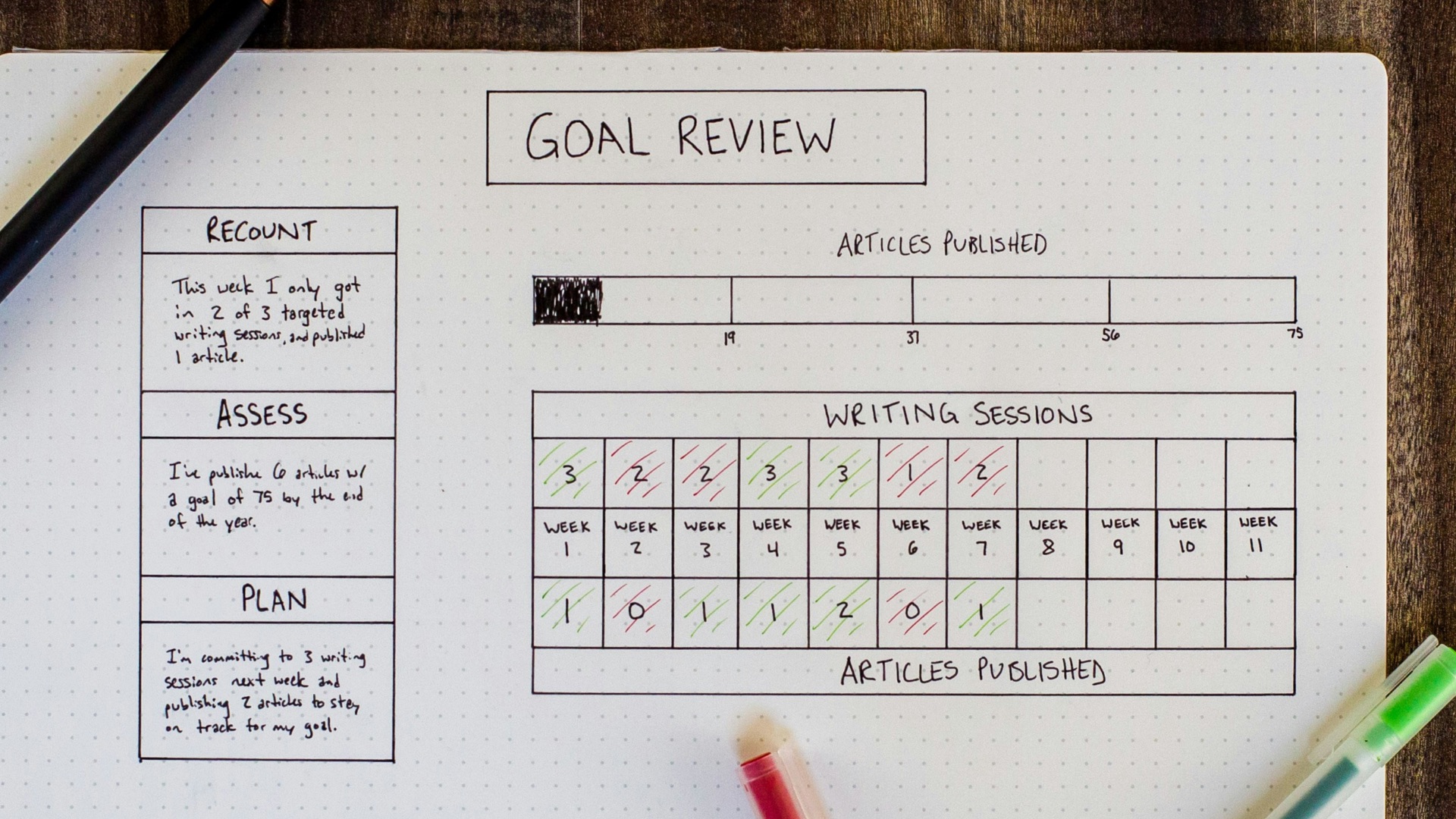
9. Goal-Setting Becomes a Natural Habit
Competitive people rarely drift through life without a destination in mind. The instinct to measure progress and aim for the next target means that goal-setting is how you naturally operate. That habit of defining what you're working toward and tracking your progress over time produces real momentum in both personal and professional life.
10. It Gives You a Defined Sense of Identity
Knowing what you're driven by and what you care enough about to compete for gives you a clearer sense of who you are. Competitive people often have a strong relationship with their own values, priorities, and sense of purpose because they've spent time pursuing things that genuinely matter to them, and that makes it easier to make decisions, set boundaries, and show up with confidence in new situations.