The $3,000 gaming PC is becoming optional as cloud gaming services like Xbox Cloud Gaming, GeForce Now, and PlayStation Plus Premium are fundamentally changing who gets to play high-end games. You can now run Cyberpunk 2077 on a laptop from 2015 or play Starfield on your phone during a lunch break, which would've been science fiction five years ago. The technology still suffers from occasional latency issues and compression artifacts, but the trajectory is clear. We're heading toward a future where the hardware you own matters less than the bandwidth you're paying for.
The Hardware Arms Race Is Losing Steam
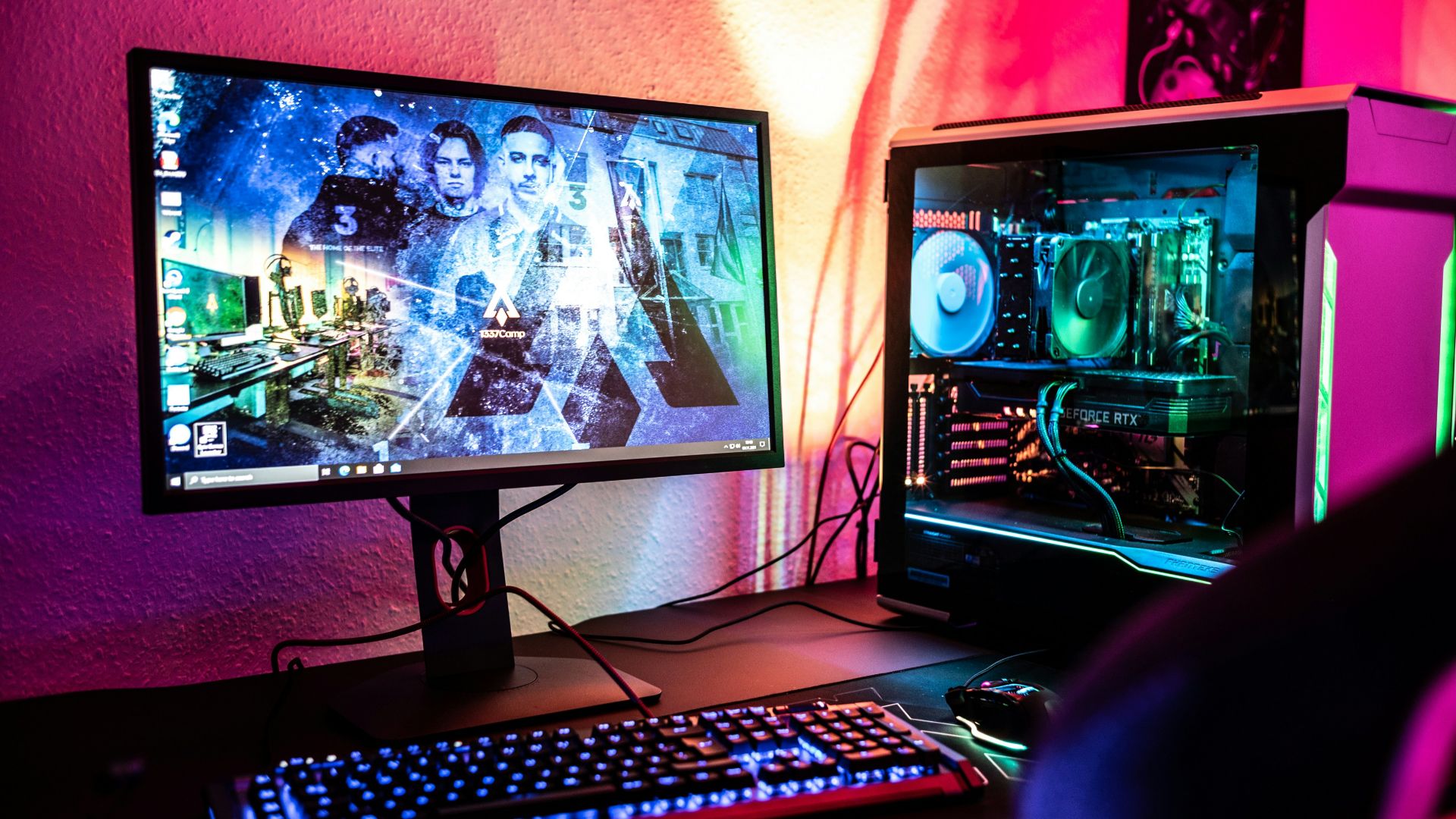
Graphics cards have become absurdly expensive. The Nvidia RTX 4090 launched at $1,599, and that's just one component of a gaming rig that could easily top $4,000 once you add everything else. Cloud gaming changes the equation entirely, allowing you to pay $15 a month for access to top-tier hardware in a data center.
Xbox Cloud Gaming saw dramatic growth in 2024, with tens of millions of streaming hours monthly and accounting for at least 10% of total Xbox game playtime. They're playing on tablets, cheap laptops, even smart TVs. A kid in a household that can't afford gaming hardware can now access the same AAA titles as someone with a decked-out gaming setup, as long as they've got decent internet.
Game Ownership Is Becoming a Nostalgic Concept

You don't own games on cloud platforms; you rent access to them. This bothers some people tremendously, and honestly, they've got a point. The dystopian endgame of games-as-a-service means that when a game leaves the service, it doesn’t matter if you’ve paid for it or not—it’s gone.
The financial model makes sense from the platform's perspective and is essentially a Netflix for games. Players who pay a subscription get access to a rotating library. For publishers, it's guaranteed revenue even for titles that wouldn't sell well individually. Microsoft's Game Pass has allegedly paid out hundreds of millions to developers for titles that might've flopped at retail.
Development Priorities Are Shifting
When developers know their game will be on a streaming service, they design differently. Gearing towards shorter play sessions make more sense as people gaming on phones during commutes aren't looking for 80-hour epics.
The downside is that smaller indie developers might get squeezed. If players have access to hundreds of games through a subscription, the likelihood of paying separately for an indie title is slim to none. The attention economy gets even more brutal when you're competing with every major release in a giant catalog.
Regional Access Is Transforming Markets
Cloud gaming works anywhere with decent internet infrastructure, which means regions that struggled with game access due to import restrictions, pricing, or lack of retail distribution suddenly have options. Someone in rural India or Southeast Asia can access the same library as someone in Los Angeles, assuming their internet can handle it.
Microsoft and Google have both explored using 5G networks to deliver cloud gaming to mobile devices, which could bypass traditional broadband issues in some markets. The latency on 5G still isn't quite good enough for fast-paced competitive games, though it's improving. Maybe another generation or two of wireless technology and we'll be there.
The Environmental Calculus Gets Complicated
Running games in massive data centers seems wasteful at first glance with tremendous reserves of energy powering servers and cooling systems. Cloud gaming companies argue their approach is actually more efficient than millions of individual gaming PCs running at home, most of which sit idle burning standby power.
The math depends on utilization rates. Back in 2013, research from Lawrence Berkeley National Laboratory suggested that cloud computing can reduce energy consumption by up to 87% compared to on-premises equipment when optimized properly. However, new research suggests the opposite is true and that cloud gaming actually uses 2-3x more energy than local play.
E-waste is another consideration. Gaming PCs and consoles get upgraded every few years, generating enormous amounts of electronic waste. Centralized data center hardware gets used longer and recycled more systematically. Whether the actual environmental impact is tangible probably depends on details that most users will never see.