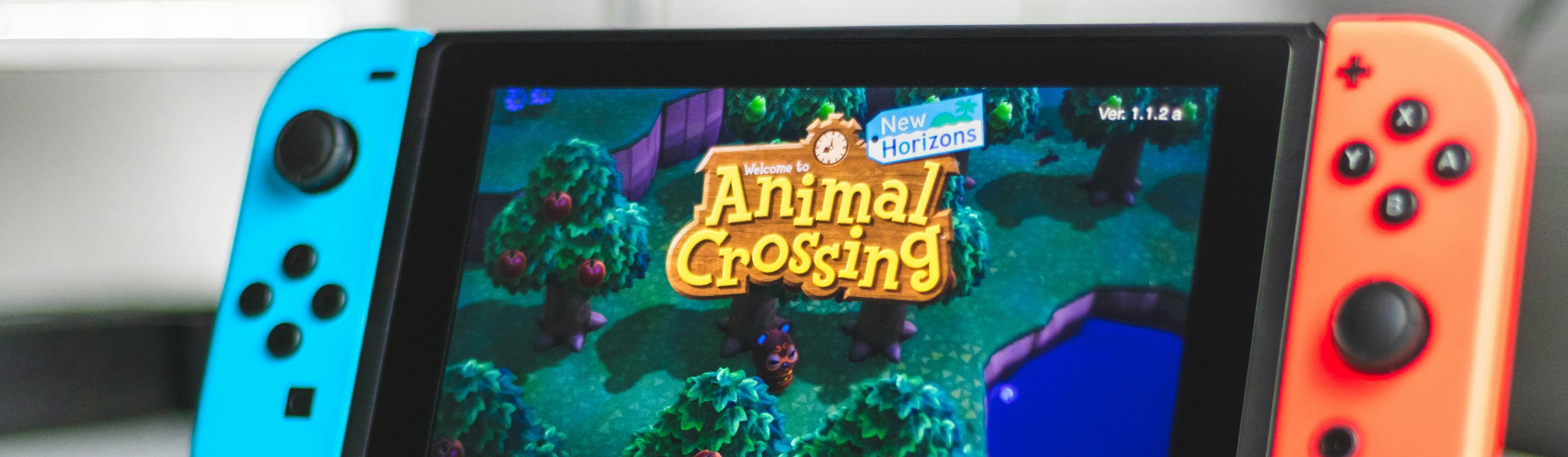
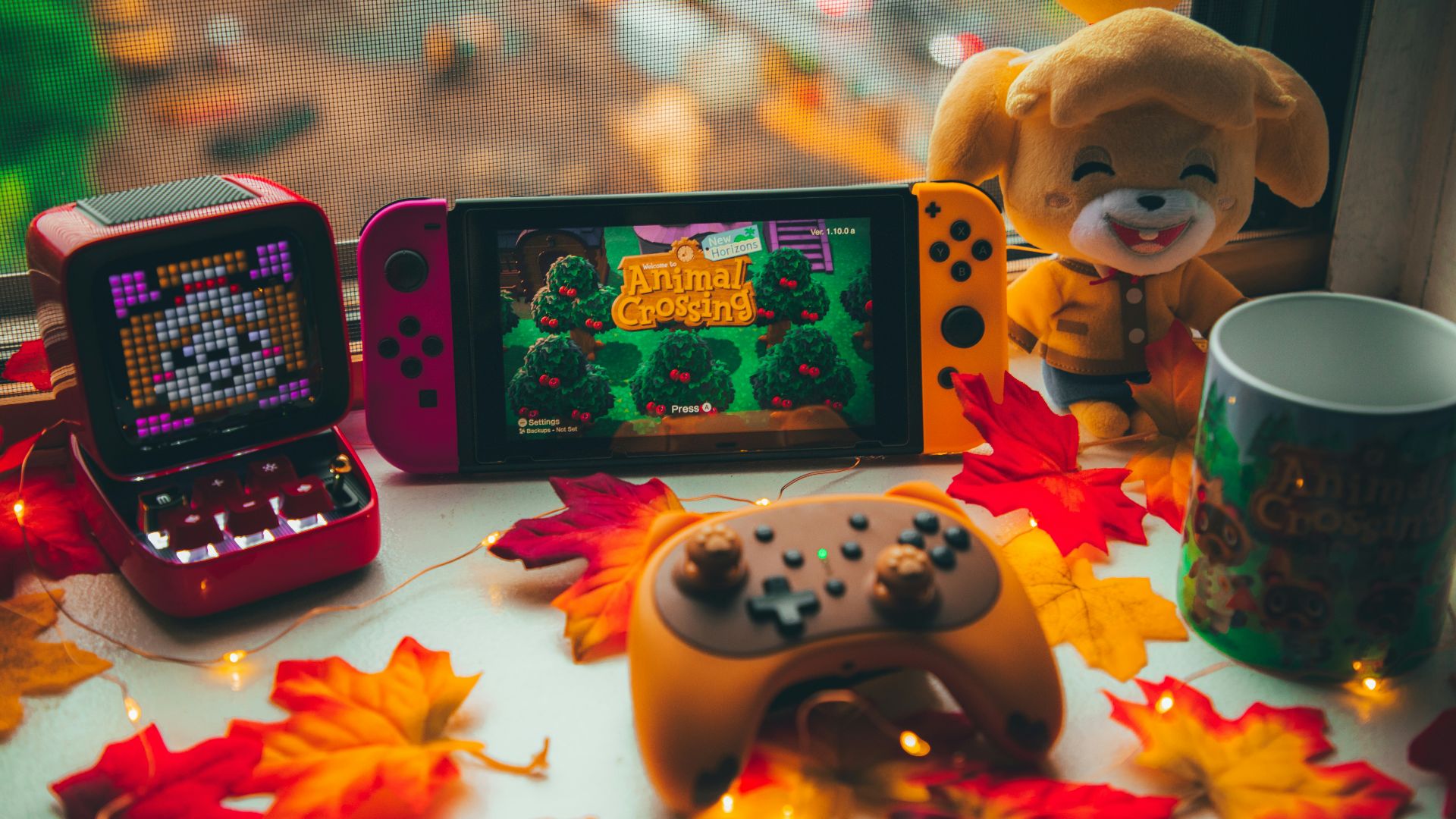
When the world hit pause in early 2020, everyday life flipped into something unfamiliar. Streets were quiet, and people were suddenly searching for something that felt light and joyful. That’s when Animal Crossing: New Horizons stepped in. It handed players a friendly island where days felt easier and creativity flowed without pressure.
Here's how this colorful game became the comfort millions needed when reality felt too overwhelming to handle alone.
A World Where Control Feels Simple And Safe
What makes Animal Crossing so appealing is how safe and predictable the island feels. You wake up, water flowers or visit neighbors who always respond with kindness. The schedule moves at its own pace, and there is no real pressure to rush or compete.
After weeks of facing uncertainty in the outside world, that predictability was like a balm. Players could shape their surroundings exactly how they wanted, and for many, that sense of control was both soothing and addictive.
Even small actions felt meaningful. Planting a single tree or catching a rare fish offered instant satisfaction. In a time when achievements in the real world were hard to measure, the game turned everyday tasks into tiny victories that added up over hours of play.
Connection Without Risk
Lockdowns made meeting friends in person risky, yet Animal Crossing found a way to keep social life alive. People visited each other’s islands, traded items, and shared screenshots online. Birthday parties and casual hangouts all moved into the game world. For a generation suddenly separated by distance, the game became a place to collaborate and feel a sense of normalcy.
The charm came from the fact that these interactions felt natural and fun, not forced. Kids and adults found common ground in designing islands, leaving gifts for neighbors, or just wandering around together virtually. It gave people a reason to look forward to the day without stepping outside their front door.
Creativity As Therapy

One of the most unexpected benefits was how the game encouraged imagination. Players redesigned entire islands and shared ideas with others. In a period defined by restrictions and cancellations, creating freely became a form of therapy. The vibrant colors and gentle music contributed to a sense of peace and escape.
Even after the initial months of lockdown, the game kept players engaged. Daily rituals and social interactions provided structure and joy that real life could not always deliver. For millions, Animal Crossing became more than a game. It was a soft, cheerful escape, a small world where worries felt lighter, and creativity ruled.
By the time people finally stepped outside again, the islands they built and the friends they made in Animal Crossing left lasting memories. The pandemic made the world feel heavy, but for those who played, it also offered a gentle reminder that even in hard times, small joys can make a big difference.