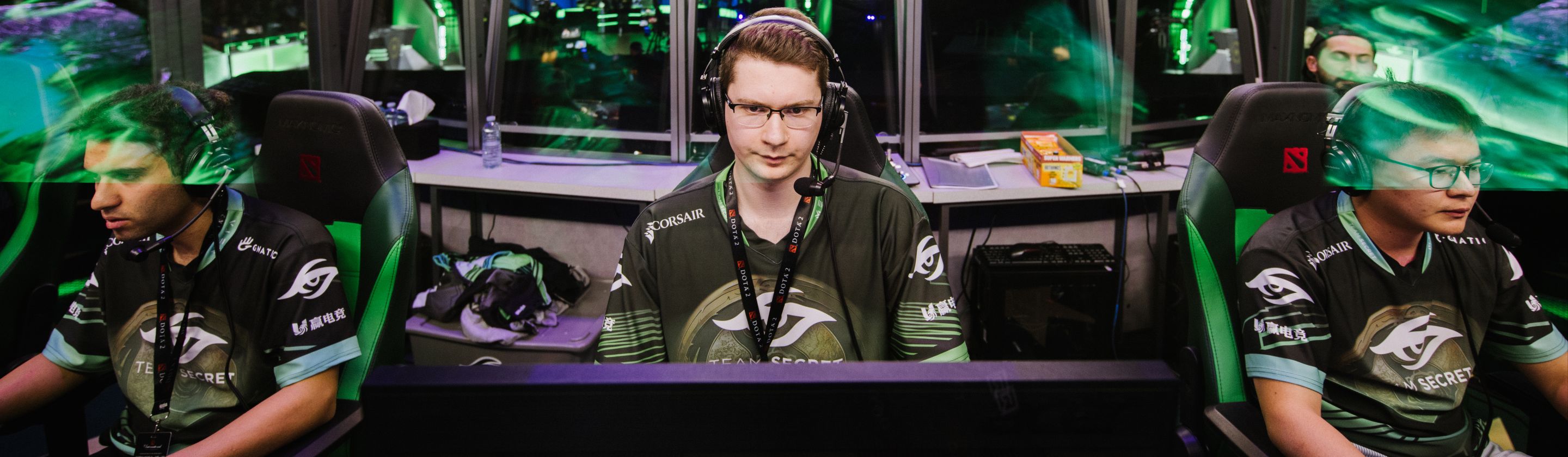
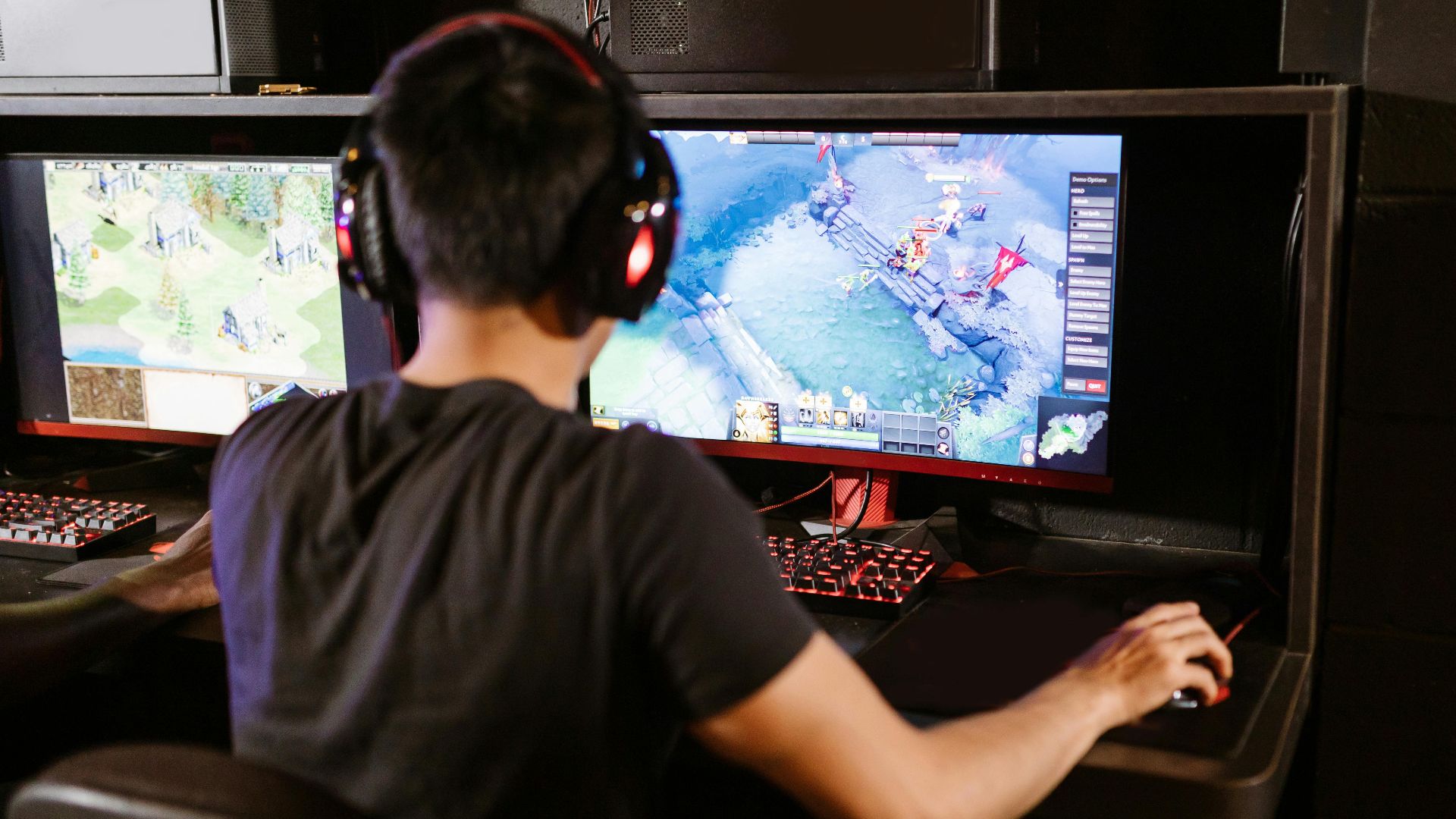
You know that feeling when you settle in for “just one more match” and suddenly two hours disappear? You can lose track of your posture when you’re locked into a screen, and your body quietly absorbs the strain.
Most people notice the ache only when they finally stand up and stretch, surprised by how stiff everything feels. Moments like these are more common than they should be, which makes it worth understanding what’s really happening to your back during long gaming sessions. So, let’s look a little closer.
Why Your Back Hurts
Back pain rarely appears out of nowhere. It builds slowly as your spine and joints try to support the same fixed position for too long. Many gamers instinctively lean forward toward the screen, rounding their shoulders and tightening the muscles around the neck and upper back. Over time, this creates a chain reaction that affects the lower back as well, which makes everything work harder than it should.
What makes this tricky is how natural that hunched position begins to feel. The more your body gets used to it, the less you correct it, which quietly stresses your spine even further. Even young players who consider themselves healthy can experience these issues because posture problems don’t discriminate. They creep in gradually until the discomfort becomes part of the routine.
Simple Adjustments That Make A Real Difference
Improving your setup is one of the most powerful steps you can take. Start with your chair. It should support your lower back and allow your feet to stay flat on the floor. A chair that sits too low or too high instantly affects spinal alignment, so finding the right height matters more than it seems. Try sitting back fully so the chair carries your weight rather than letting your muscles do all the work.
Next, look at your screen placement. A monitor that’s too low encourages you to bend forward, while a screen that’s too far away makes you crane your neck. Bringing the screen to eye level and keeping it at a comfortable distance encourages a natural sitting position. Small adjustments like these help your spine relax into a healthy posture instead of fighting against an awkward angle.
Strengthening Your Back For Long-Term Relief
 Ketut Subiyanto on PexelsGood habits start at your desk, but your body also benefits from simple strengthening exercises that support your spine over time. Gentle movements like seated twists, shoulder rolls, and hip-flexor stretches keep your muscles flexible. Core-strengthening exercises add stability and give your back the support it needs while you sit for extended periods.
Regular movement outside of gaming makes everything easier. Even light activity like walking or stretching before you sit down can prepare your body for longer sessions. When your muscles feel stronger and more balanced, your posture improves naturally, and your gaming time becomes more comfortable.